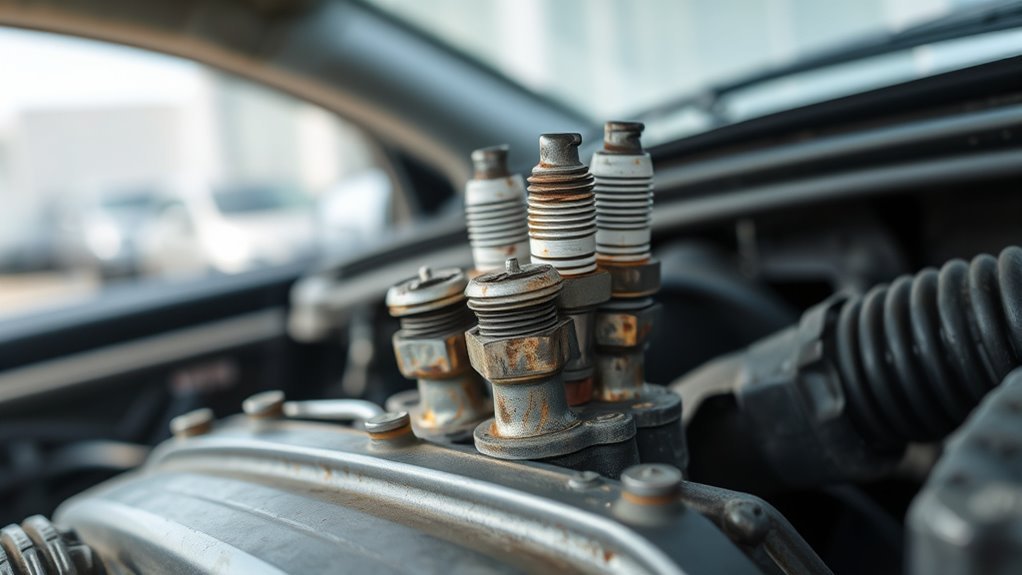

You can drive with bad spark plugs, but it is not advisable. Expect issues like rough idling, engine misfires, and reduced fuel efficiency that will worsen over time. These problems strain ignition components and can lead to more severe engine damage.
Continuing to use faulty spark plugs increases the risk of sudden power loss, which can compromise your safety while driving. Over time, ignoring spark plug issues can result in costly repairs and unreliable engine performance.
Understanding the full impact of bad spark plugs helps you make informed maintenance decisions. Taking care of spark plugs promptly protects your engine and ensures your vehicle runs smoothly.
Key Takeaways
- Driving with bad spark plugs can cause engine misfires, leading to rough idling and intermittent power loss.
- Bad spark plugs reduce fuel efficiency and increase emissions due to incomplete combustion.
- Continued driving risks damaging ignition coils, catalytic converters, and cylinder walls from overheating.
- Sudden power loss from bad spark plugs increases the chance of accidents on the road.
- It’s best to replace or repair spark plugs promptly to maintain vehicle safety and engine performance.
What Do Spark Plugs Do in Your Car’s Engine?
Spark plugs play an essential role in your car’s engine by igniting the air-fuel mixture inside the combustion chamber. This ignition initiates combustion, generating the power necessary to move your vehicle.
Different spark plug types such as copper, platinum, and iridium offer varying levels of durability and conductivity, directly impacting engine performance. Choosing the right spark plug type guarantees peak combustion efficiency, fuel economy, and power output.
Worn or incorrect spark plugs can lead to misfires, reduced acceleration, and increased emissions. By maintaining the proper spark plug type and condition, you help your engine run smoothly and efficiently, preserving performance and preventing potential damage.
Understanding this fundamental component allows you to make informed decisions about your vehicle’s maintenance.
How Can You Tell If Your Spark Plugs Are Bad?
How can you determine if your engine’s spark plugs are failing? Monitoring the spark plug lifespan is essential, as worn plugs can cause symptoms of misfire and reduced engine efficiency.
You might notice rough idling, difficulty starting, or decreased fuel economy. Visual inspection also helps detect fouling or electrode wear.
| Symptom | Description |
|---|---|
| Rough Idle | Engine shakes or vibrates noticeably |
| Difficulty Starting | Delayed or failed ignition attempts |
| Poor Fuel Economy | Increased fuel consumption |
| Engine Misfire | Intermittent loss of power during acceleration |
If you experience these symptoms, inspecting or replacing your spark plugs promptly can prevent further engine damage and maintain peak performance.
Can You Drive With Bad Spark Plugs? Here’s What Happens
Although your vehicle might still run with faulty spark plugs, driving under these conditions can lead to significant engine performance issues and potential damage.
Bad spark plugs, regardless of spark plug types like copper, platinum, or iridium, cause incomplete combustion. This results in misfires, rough idling, reduced fuel efficiency, and decreased power output. You’ll notice hesitation during acceleration and possibly increased emissions.
The engine’s ignition system relies on precise spark timing, and worn or fouled plugs disrupt this, impairing combustion efficiency. While you can drive temporarily, prolonged use of bad spark plugs stresses ignition coils and catalytic converters.
To maintain peak engine performance, inspect and replace spark plugs according to manufacturer recommendations, considering the specific spark plug types best suited for your vehicle’s engine design.
Can Bad Spark Plugs Cause Engine Damage or Safety Issues?
When bad spark plugs persist, they can lead to engine damage and safety hazards by causing misfires that strain critical components like ignition coils and catalytic converters.
You’ll notice a decline in engine performance due to incomplete combustion, which increases stress on the engine’s mechanical parts.
The spark plug effects extend beyond just rough idling or hesitation; continuous misfiring can cause overheating and damage to the cylinder walls.
Additionally, faulty spark plugs can trigger sudden power loss, increasing the risk of accidents, especially during acceleration or merging.
Ignoring these issues compromises both your vehicle’s reliability and your safety.
To maintain peak engine performance and prevent costly repairs, you should replace worn spark plugs promptly and address any related ignition system faults.
How Bad Spark Plugs Hurt Gas Mileage and Increase Pollution
Since spark plugs are essential for igniting the air-fuel mixture in your engine, worn or fouled plugs reduce combustion efficiency, leading your vehicle to consume more fuel.
When combustion is incomplete or inconsistent, your engine compensates by injecting additional fuel, directly lowering fuel efficiency.
This inefficiency not only hikes your fuel costs but also increases harmful emissions, such as unburned hydrocarbons and carbon monoxide.
These pollutants contribute considerably to environmental impact, worsening air quality and increasing your vehicle’s carbon footprint.
By neglecting spark plug maintenance, you inadvertently cause your engine to emit more pollutants while using fuel inefficiently.
Maintaining ideal spark plug condition guarantees precise combustion, supporting both improved gas mileage and reduced environmental harm.
When to Replace Bad Spark Plugs Before They Cause Damage
You’ll notice signs like rough idling, misfires, or difficulty starting when spark plugs begin to fail.
Replace them at manufacturer-recommended intervals, typically every 30,000 to 100,000 miles, to maintain peak performance.
Timely replacement prevents engine damage caused by incomplete combustion and excessive heat buildup.
Signs Spark Plugs Fail
A failing spark plug exhibits specific symptoms that signal it’s time for replacement to avoid engine damage.
Whether you have copper, platinum, or iridium spark plug types, each has a distinct spark plug lifespan, but symptoms of failure remain consistent.
Watch for these signs:
- Engine Misfires: Inconsistent combustion caused by worn electrodes reduces engine efficiency.
- Poor Fuel Economy: Deteriorated spark plugs cause incomplete fuel ignition, increasing fuel consumption.
- Difficulty Starting: A weak or absent spark leads to slow or failed engine starts.
Ignoring these indicators risks damage to your catalytic converter and other engine components.
Checking spark plugs regularly helps maintain peak performance and prevents costly repairs.
Replace them promptly once these symptoms appear to guarantee your engine runs smoothly and reliably.
Optimal Replacement Intervals
Although spark plug lifespan varies by type and vehicle, replacing them at manufacturer-recommended intervals prevents engine performance issues and costly damage.
For ideal maintenance, consult your owner’s manual to identify specific replacement schedules, typically ranging from 30,000 to 100,000 miles based on plug material—copper, platinum, or iridium.
Ignoring these intervals risks misfires, reduced fuel efficiency, and increased emissions.
Monitoring spark plug condition during routine inspections helps determine if earlier replacement is necessary due to wear or fouling.
Adhering to the ideal maintenance schedule guarantees consistent ignition performance, prolongs engine component life, and maintains overall vehicle reliability.
Preventing Engine Damage
When spark plugs degrade beyond their ideal function, they can cause misfires that damage your engine’s internal components. To guarantee preventive maintenance and maximize engine longevity, replace spark plugs before symptoms worsen. Here’s when you should act:
- Noticeable engine misfires or rough idling, signaling incomplete combustion.
- Decreased fuel efficiency, indicating inefficient spark plug performance.
- Difficulty starting the engine or hesitation during acceleration, reflecting spark inconsistencies.
Addressing these signs promptly prevents carbon buildup, overheating, and potential damage to pistons and catalytic converters.
By adhering to manufacturer-recommended replacement intervals and monitoring spark plug condition regularly, you safeguard your engine’s health.
Proactive replacement isn’t just about avoiding breakdowns; it’s a critical step in preserving your vehicle’s performance and extending its operational lifespan.
How to Replace Spark Plugs Yourself or Choose a Mechanic
Since spark plugs play a critical role in engine performance, replacing them yourself can save both time and money if you have the right tools and knowledge.
Replacing spark plugs yourself saves time and money when equipped with the proper tools and knowledge.
For a successful DIY replacement, make sure you have a spark plug socket, ratchet, torque wrench, and gap gauge. Consult your vehicle’s manual for the correct plug type and gap settings.
Work methodically, removing and installing plugs one at a time to avoid mixing up wires. If you lack tools or confidence, choosing a mechanic is wise.
Opt for a professional with certifications and positive reviews to guarantee quality service. A skilled mechanic can detect underlying issues during replacement, providing added value beyond DIY replacement.
This approach guarantees reliable engine performance without unnecessary risks or expenses.
How to Maintain Spark Plugs for a Longer-Lasting Engine
To keep your engine running efficiently, you need to regularly clean your spark plugs to remove carbon deposits and debris.
Always check and adjust the spark plug gap to the manufacturer’s specifications to guarantee ideal ignition.
Finally, replace them at recommended intervals to prevent misfires and maintain engine performance.
Regular Cleaning Techniques
Regularly cleaning your spark plugs guarantees maximum engine performance and extends their lifespan. Neglected deposits reduce spark efficiency, causing misfires and poor fuel economy.
To perform effective spark plug cleaning, follow these steps:
- Remove the spark plugs carefully using a proper socket wrench to avoid damaging threads.
- Use a wire brush or specialized spark plug cleaner to remove carbon buildup and oil residue without harming the electrode.
- Inspect for cracks or excessive wear; if present, replacement is necessary instead of cleaning.
Consistent spark plug cleaning prevents fouling, maintaining ideal combustion and ignition timing. This proactive maintenance enhances engine performance, reduces emissions, and delays the need for costly replacements.
Proper Gap Adjustment
Cleaning your spark plugs removes buildup that can disrupt proper ignition, but maintaining the correct gap between the electrodes plays an equally important role in engine efficiency. The spark plug gap measurement guarantees the spark ignites the air-fuel mixture most effectively.
If the gap is too wide or narrow, misfires and poor fuel economy can occur. Use a feeler gauge to measure and adjust the gap carefully without damaging the electrode.
| Engine Type | Recommended Gap (inches) |
|---|---|
| Small Gas Engines | 0.018 – 0.020 |
| Passenger Cars | 0.028 – 0.032 |
| Light Trucks | 0.030 – 0.035 |
| Motorcycles | 0.025 – 0.029 |
| Performance Cars | 0.035 – 0.040 |
Regularly verify gap measurement to maintain peak spark plug performance.
Timely Replacement Intervals
Although spark plugs can function for thousands of miles, you should replace them at manufacturer-recommended intervals to prevent performance loss and engine damage.
Adhering to timely replacement intervals is essential for optimizing spark plug longevity and ensuring smooth engine operation.
Here are three key maintenance tips to follow:
- Check your vehicle’s manual for specific replacement mileage, typically between 30,000 and 100,000 miles depending on the plug type.
- Inspect spark plugs during routine maintenance to detect wear, fouling, or electrode erosion that reduces efficiency.
- Replace spark plugs proactively, even if they appear functional, to avoid misfires, increased fuel consumption, and potential engine damage.
Frequently Asked Questions
What Types of Spark Plugs Are Best for Different Car Models?
You’ll want iridium spark plugs for modern, high-performance engines due to their durability and efficiency. Copper spark plugs suit older, simpler engines because they conduct heat well but wear out faster, requiring frequent replacement.
Can Bad Spark Plugs Affect a Car’s Emissions Test Results?
Bad spark plugs act like a clogged chimney, disrupting your engine’s burn and causing spark plug failure. This leads to incomplete combustion, increasing emissions and making it tough for you to pass strict emissions standards during tests.
How Do Spark Plug Gaps Influence Engine Performance?
Spark plug gaps directly affect combustion efficiency; if too wide or narrow, misfires occur. Regular spark plug maintenance guarantees ideal gap settings, enhancing ignition reliability and performance enhancement for smoother engine operation and improved fuel economy.
Are There Symptoms of Bad Spark Plugs Specific to Cold Weather?
Notice poor cold engine performance during winter driving issues? You’ll experience rough idling, difficulty starting, and misfires.
Bad spark plugs struggle in cold conditions, reducing combustion efficiency and causing these specific cold weather symptoms.
Do Spark Plugs Affect the Starting Time of a Car Engine?
Yes, bad spark plugs directly cause starting issues by disrupting proper ignition timing. You’ll notice ignition problems, like delayed engine cranking or failure to start, because worn plugs can’t ignite the air-fuel mixture efficiently.
Conclusion
Driving with bad spark plugs is like trying to run a marathon with a sprained ankle—it’s possible but inefficient and risky. Ignoring worn spark plugs can lead to poor engine performance, increased fuel consumption, and potential damage.
To keep your engine running smoothly and safely, replace faulty spark plugs promptly. Regular maintenance guarantees peak combustion, better mileage, and reduced emissions, protecting both your vehicle and the environment.
Don’t wait—act before problems escalate. Ultimately, driving with bad spark plugs can cause more harm than good, so it’s best to address the issue as soon as possible.