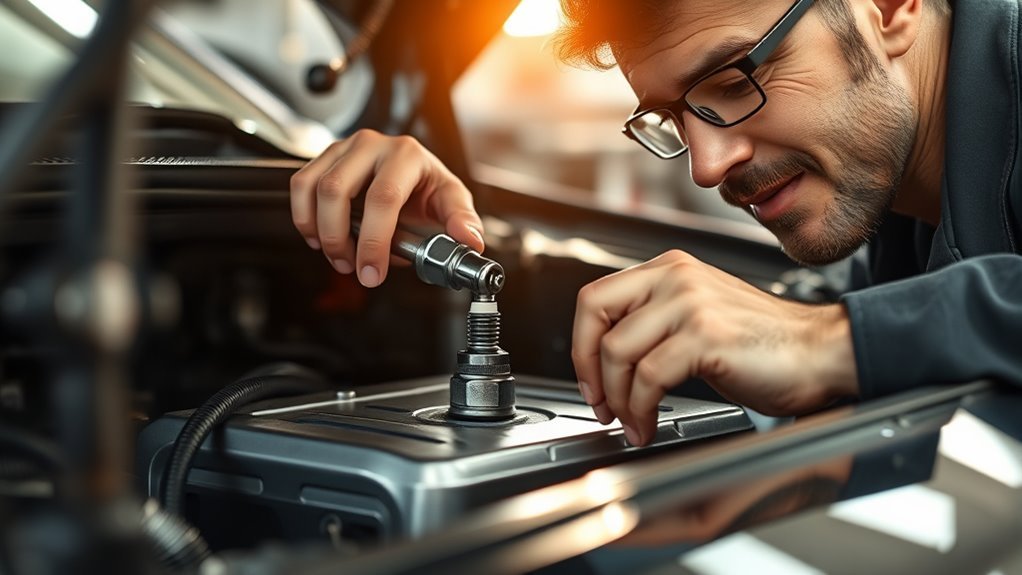
Category: Car Care

  • Can Spark Plugs Cause Check Engine Light

    Can Spark Plugs Cause Check Engine Light

    Yes, spark plugs can cause the check engine light to come on. Faulty or worn spark plugs disrupt the ignition timing and combustion process, leading to misfires.

    These misfires result in rough idling, reduced acceleration, and increased emissions. Your car’s diagnostic system detects these issues and triggers trouble codes that turn on the check engine light.

    Replacing worn or fouled spark plugs promptly helps restore engine performance and prevents further damage. Recognizing these symptoms and understanding diagnostic steps is key to keeping your engine running smoothly.

    Key Takeaways

    • Faulty spark plugs often cause engine misfires, triggering the check engine light due to disrupted ignition timing and incomplete combustion.
    • Worn or fouled spark plugs reduce spark intensity, leading to rough idling and acceleration hesitation that the onboard system detects.
    • Diagnostic trouble codes like P0300-P0308 commonly indicate spark plug-related misfires, helping identify spark plug issues causing the check engine light.
    • Regular spark plug inspection and timely replacement prevent misfires and emissions increases that activate the check engine light.
    • While spark plugs are a frequent cause, other engine issues like sensor failures or fuel leaks can also illuminate the check engine light.

    Why Do Bad Spark Plugs Trigger the Check Engine Light?

    Although spark plugs are small components, they play a critical role in your engine’s combustion process, and when they malfunction, they can cause misfires that your vehicle’s onboard diagnostic system detects immediately.

    Bad spark plugs disrupt the precise ignition timing required for peak combustion, leading to incomplete fuel burning.

    As spark plugs approach the end of their spark plug lifespan, electrode wear and fouling increase the gap, weakening the spark intensity and causing delayed or failed ignition.

    This irregular combustion triggers the engine control unit to register fault codes, illuminating the check engine light.

    By monitoring ignition timing and combustion efficiency, the system alerts you to spark plug issues before they cause severe engine damage or performance loss.

    Regular spark plug maintenance guarantees consistent ignition timing and prevents diagnostic warnings.

    How Do Spark Plugs Affect Your Engine’s Performance and Emissions?

    You need properly functioning spark plugs to maintain ideal combustion efficiency, which directly influences your engine’s power output and fuel economy.

    When spark plugs degrade, incomplete combustion raises emission levels and can trigger engine misfires.

    These misfires not only reduce performance but also increase harmful pollutants released from your vehicle.

    Combustion Efficiency Impact

    Because spark plugs initiate the combustion process, their condition directly influences engine performance and emissions. Worn or fouled plugs disrupt optimal combustion dynamics by producing weak or inconsistent sparks, which delay or misalign ignition timing.

    This misfire affects the air-fuel mixture’s burn rate, reducing power output and fuel efficiency. When ignition timing shifts from its calibrated point, combustion becomes incomplete, causing rough idling and hesitation during acceleration.

    You’ll notice decreased engine responsiveness and potential vibration due to uneven cylinder firing. Maintaining spark plugs within specification guarantees precise ignition timing, promoting efficient combustion dynamics.

    This preserves engine power and minimizes unburned fuel residues. By monitoring spark plug health, you maintain stable combustion, enhancing your engine’s performance and reducing the likelihood of triggering the check engine light related to combustion inefficiencies.

    Emission Levels Increase

    When spark plugs fail to ignite the air-fuel mixture efficiently, incomplete combustion occurs, leading to elevated emission levels. This results in increased hydrocarbons (HC), carbon monoxide (CO), and nitrogen oxides (NOx) being released into the exhaust stream.

    Such heightened emissions directly affect your vehicle’s ability to pass emission testing, potentially causing regulatory non-compliance.

    Your engine’s pollution control systems, including catalytic converters and oxygen sensors, must work harder to mitigate these pollutants, reducing overall system efficiency.

    Over time, persistent spark plug malfunction can degrade emission control components, increasing repair costs.

    Maintaining properly functioning spark plugs guarantees peak combustion, which minimizes harmful emissions and supports effective pollution control.

    Consequently, addressing spark plug issues promptly helps you meet emission standards and avoid check engine light triggers related to emissions.

    Engine Misfire Consequences

    Elevated emissions often stem from incomplete combustion caused by spark plug issues, which frequently lead to engine misfires. When spark plugs fail to ignite the air-fuel mixture at the correct ignition timing, the combustion process becomes erratic, directly impairing engine performance.

    You’ll notice reduced power output, rough idling, and decreased fuel efficiency as misfires disrupt the engine’s normal operation. Furthermore, misfires increase unburned hydrocarbons and carbon monoxide emissions, contributing to environmental pollution and potential regulatory failures.

    Ignoring faulty spark plugs can also cause damage to catalytic converters due to excessive unburned fuel. To maintain peak engine performance and control emissions, you must guarantee spark plugs are functioning correctly and replace them promptly when signs of degradation appear, preserving precise ignition timing and efficient combustion cycles.

    What Are Common Symptoms of Faulty Spark Plugs That Cause the Check Engine Light?

    How can you tell if faulty spark plugs are triggering your check engine light? Typically, you’ll notice rough idling, reduced acceleration, and increased fuel consumption. Faulty spark plugs disrupt the ignition system’s ability to ignite the air-fuel mixture properly, causing incomplete combustion.

    Depending on the spark plug type, copper, platinum, or iridium, wear patterns vary, but symptoms remain consistent. You might experience engine misfires, characterized by jerking or hesitation during acceleration. Additionally, the engine may stall unexpectedly or produce higher emissions, triggering the check engine light.

    These symptoms occur because worn or fouled spark plugs fail to generate a strong, consistent spark, impairing the ignition system’s efficiency. Monitoring these signs helps you identify spark plug issues before they cause more severe engine damage.

    How Can You Tell if Spark Plugs Are Causing Your Check Engine Light?

    You can identify spark plugs as the cause of your check engine light by checking for specific symptoms like misfires and rough idling.

    Use an OBD-II scanner to read diagnostic trouble codes that point directly to ignition or cylinder issues.

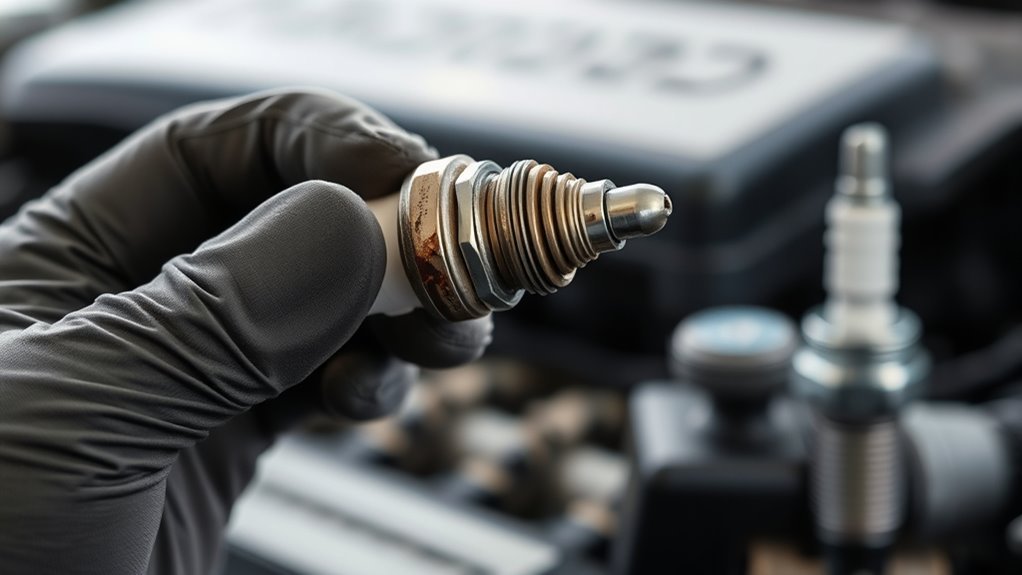
    Additionally, perform a visual inspection of the spark plugs for signs of wear, fouling, or damage to confirm their condition.

    Common Spark Plug Symptoms

    Although check engine lights can indicate various issues, faulty spark plugs often trigger specific symptoms that help pinpoint their involvement. You may notice rough idling, engine misfires, or decreased fuel efficiency, common signs linked to spark plug wear or damage.

    Different spark plug types, such as copper, platinum, or iridium, have varying lifespans and performance characteristics, affecting symptom onset. Poor spark plug maintenance, like neglecting timely replacement or improper gap settings, accelerates degradation.

    Additionally, your engine might experience hesitation during acceleration or difficulty starting. Monitoring these symptoms alongside routine spark plug inspection guarantees accurate diagnosis.

    Paying close attention to these details helps you address spark plug-related problems promptly, preventing potential engine damage and maintaining peak performance.

    Diagnostic Trouble Codes

    Identifying spark plug issues through observable symptoms is helpful, but confirming their role in triggering the check engine light requires analyzing Diagnostic Trouble Codes (DTCs).

    You’ll need diagnostic tools, such as an OBD-II scanner, to retrieve these trouble codes from your vehicle’s onboard computer.

    Specific DTCs related to spark plugs often include misfire codes like P0300 (random/multiple cylinder misfire) and P0301-P0308, indicating misfires in individual cylinders. These codes suggest incomplete combustion, frequently caused by faulty or worn spark plugs.

    After connecting the scanner, note the codes and cross-reference them with your vehicle’s service manual for precise diagnosis.

    This method provides objective data beyond symptoms, allowing you to pinpoint whether spark plugs are the root cause or if other components, such as ignition coils or fuel injectors, are involved.

    Visual Spark Plug Inspection

    A thorough visual inspection of spark plugs provides critical clues about their condition and potential role in triggering the check engine light.

    Start by gathering proper inspection tools: a spark plug socket, gap gauge, and magnifying glass.

    Next, examine the spark plugs closely for abnormalities specific to spark plug types (copper, platinum, iridium).

    1. Look for carbon fouling, a black, dry soot that indicates rich fuel mixture or weak ignition.
    2. Check for electrode wear or rounded edges, which reduce spark efficiency.
    3. Identify oil deposits or wetness, signaling possible oil leakage into the combustion chamber.

    If you spot any of these symptoms during your visual spark plug inspection, they likely contribute to engine misfires and illuminate the check engine light.

    When Should You Replace Spark Plugs to Fix the Check Engine Light?

    Spark plugs wear out over time and can trigger the check engine light when their performance drops below satisfactory levels. Typically, the spark plug lifespan ranges from 30,000 to 100,000 miles, depending on the type and vehicle specifications.

    You should adhere strictly to the manufacturer’s recommended replacement intervals to avoid misfires and combustion inefficiencies that illuminate the check engine light. If your vehicle’s diagnostic trouble codes specifically indicate ignition misfires or spark-related faults, replacing the plugs promptly is essential.

    Delaying replacement beyond the prescribed intervals increases the risk of fouling, electrode wear, and gap erosion, all of which degrade spark quality.

    What Other Engine Issues Can Cause the Check Engine Light Like Spark Plugs?

    Although worn spark plugs are a common cause of the check engine light, several other engine components can trigger similar warnings.

    You should consider these issues when diagnosing the problem:

    1. Engine Overheating: Sensors detect abnormal temperature rises that can damage components, triggering the check engine light to prevent severe engine failure.
    2. Fuel Leaks: Leaking fuel disrupts the air-fuel mixture, causing inefficient combustion and potentially activating the engine control module warning.
    3. Oxygen Sensor Malfunction: Faulty oxygen sensors provide incorrect data, leading to poor fuel management and illuminating the check engine light.

    Frequently Asked Questions

    Can Using the Wrong Spark Plug Type Trigger the Check Engine Light?

    Yes, using the wrong spark plug type can trigger the check engine light because improper spark plug compatibility affects ignition timing and combustion efficiency. This leads to misfires and reduced engine performance, which your vehicle’s diagnostics will detect immediately.

    Do Spark Plug Wires Affect the Check Engine Light Activation?

    Think of spark plug wires as arteries in your ignition system; if they falter, signals misfire, triggering the check engine light. Proper spark plug maintenance guarantees these wires deliver consistent current, preventing diagnostic errors and engine inefficiency.

    How Often Should Spark Plugs Be Inspected to Prevent Engine Light Issues?

    You should perform spark plug maintenance every 30,000 to 50,000 miles, depending on your vehicle. Regular inspection frequency prevents misfires and engine light activation, ensuring ideal ignition performance and avoiding costly repairs.

    Can Spark Plugs Cause a Check Engine Light Without Engine Misfires?

    A stitch in time saves nine: even without misfires, faulty spark plugs can trigger your check engine light by affecting engine diagnostics. They influence combustion efficiency, so addressing them early helps avoid costly repairs and guarantees peak performance.

    Are Spark Plug Gaps Linked to Check Engine Light Problems?

    Yes, incorrect spark plug gap measurement directly affects spark plug performance, causing inefficient combustion and triggering the check engine light.

    Ensuring precise gap measurement maintains ideal performance and prevents related engine diagnostic trouble codes.

    Conclusion

    If your check engine light comes on, faulty spark plugs are a common culprit, responsible for up to 30% of ignition-related issues. You’ll notice rough idling, poor acceleration, and increased emissions when plugs misfire.

    Regularly inspecting and replacing spark plugs every 30,000 to 50,000 miles helps maintain engine efficiency and prevents warning lights. Always diagnose carefully, as other engine problems can mimic spark plug symptoms.

    In conclusion, spark plugs can cause the check engine light to come on, so addressing their condition promptly is essential for your vehicle’s performance and reliability.

  • Is Fram a Good Oil Filter

    Is Fram a Good Oil Filter

    If you choose Fram oil filters, you get reliable engine protection with balanced filtration efficiency and durability. Fram meets industry standards and fits many passenger cars and light trucks well. While not the top performer for extreme or heavy-duty use, it combines cost-effectiveness with consistent contaminant capture and structural integrity.

    Fram’s filters excel within conventional oil change intervals, offering a practical solution for everyday maintenance. Exploring Fram’s specifics will reveal how it stacks up against alternatives and vehicle needs. This makes Fram a good oil filter option for many drivers looking for dependable performance without breaking the bank.

    Key Takeaways

    • Fram oil filters offer reliable filtration performance at an affordable price, balancing cost and engine protection effectively.
    • They use cellulose and synthetic media blends capturing contaminants with 90-95% efficiency, meeting OEM specifications.
    • Fram filters have durable construction with metal end caps and anti-drainback valves for stability and cold weather resistance.
    • They are well-suited for standard passenger cars, light trucks, and SUVs but not ideal for heavy-duty or high-performance engines.
    • Fram provides wide availability and competitive pricing, making it a popular, cost-effective choice for routine maintenance.

    Is Fram a Good Oil Filter?

    Although opinions vary, Fram oil filters have established a solid reputation for balancing affordability with reliable filtration performance. When you choose Fram, you benefit from a filtration system designed to capture contaminants effectively while maintaining peak oil flow.

    Fram oil filters offer a trusted balance of affordability and effective contaminant filtration for optimal engine performance.

    Their reputation stems from consistent manufacturing standards and widespread availability. However, if you’re considering Fram alternatives, you’ll find options that may offer enhanced filtration media or longer service intervals.

    While Fram filters generally meet industry standards, some alternatives incorporate synthetic fibers or advanced bypass valves, potentially improving engine protection under extreme conditions.

    Ultimately, your selection should weigh Fram’s proven track record against the specific performance needs of your vehicle and driving habits, ensuring you achieve the best balance of cost, filtration efficiency, and durability.

    How Does Fram Perform Compared to Other Brands?

    How does Fram stack up against other oil filter brands regarding filtration efficiency and durability?

    When you analyze Fram performance, it shows competitive filtration capabilities, capturing contaminants effectively within its cellulose and synthetic media blends.

    Fram comparisons reveal that while some premium brands use advanced synthetic fibers offering marginally higher micron ratings, Fram balances cost and performance well. Its filtration efficiency typically ranges between 90-95%, sufficient for standard engine protection.

    However, compared to top-tier competitors with proprietary media technologies, Fram may lag slightly in contaminant retention under extreme conditions.

    You’ll find Fram filters meet OEM specifications and industry standards consistently, making them reliable for everyday use.

    To conclude, Fram performance is solid but not leading-edge, positioning it as a cost-effective choice rather than a high-performance filter in Fram comparisons.

    How Durable Are Fram Oil Filters?

    When evaluating durability, Fram oil filters feature a robust construction designed to withstand typical operating pressures and temperatures encountered in daily driving. Their performance in durability tests highlights the effectiveness of the selected filter materials and design integrity.

    You’ll find that:

    1. Fram uses high-quality cellulose and synthetic blends, enhancing resistance to breakdown.
    2. The filter media maintains structural integrity under contamination stress.
    3. Metal end caps and a reinforced center tube add mechanical stability.
    4. The anti-drainback valve resists cracking in cold conditions, extending filter life.

    These factors combine to deliver reliable filtration without premature failure.

    If you’re scrutinizing durability, Fram’s engineering offers consistent protection, but it’s critical to replace filters per manufacturer intervals to maintain peak performance.

    Which Vehicles Are Best Suited for Fram Filters?

    Understanding the durability features of Fram oil filters helps clarify which vehicles benefit most from their design.

    When evaluating vehicle compatibility, Fram filters excel in standard passenger cars, light trucks, and SUVs that require moderate to high filtration efficiency without extreme flow rates.

    Their robust media and anti-drainback valves suit engines with conventional oil change intervals and typical operating conditions.

    However, for high-performance or heavy-duty diesel engines, you should carefully assess filter selection, as Fram’s standard lines may not meet specialized filtration demands.

    You can rely on Fram filters for everyday vehicles prioritizing cost-effective maintenance and reliable contamination control.

    Always cross-reference your vehicle’s manufacturer specifications with Fram’s product catalog to verify precise filter compatibility and best engine protection.

    Is Fram a Good Value for Oil Filters?

    Why consider Fram oil filters as a cost-effective choice? You want a balance between cost effectiveness and filter quality, and Fram offers just that. Their filters provide reliable filtration at a competitive price point, making them a practical option for routine maintenance.

    Here’s why Fram stands out in value:

    1. Consistent particle removal efficiency guarantees engine protection.
    2. Competitive pricing lowers your overall maintenance costs.
    3. Wide availability simplifies replacement and reduces downtime.
    4. Compatibility with numerous vehicle models enhances versatility.

    Frequently Asked Questions

    Where Are Fram Oil Filters Manufactured?

    Fram oil filters are manufactured in multiple locations, including the United States and Mexico. You’ll find their manufacturing locations emphasize consistent product quality through rigorous testing and advanced filtration technology to meet automotive standards.

    Are Fram Oil Filters Compatible With Synthetic Oil?

    You’re demanding synthetic compatibility, so Fram oil filters deliver precise filtration that supports synthetic oil’s unique properties. Their engineered media enhances oil filter performance, ensuring ideal protection and longevity for your engine under synthetic oil conditions.

    Do Fram Oil Filters Come With a Warranty?

    Yes, Fram warranty covers defects and manufacturing issues, reflecting Fram reliability.

    You’ll find their coverage varies by product line, so check specific terms carefully to guarantee your oil filter’s protection meets your vehicle’s maintenance needs.

    How Often Should Fram Oil Filters Be Replaced?

    You should replace Fram oil filters every 3,000 to 7,500 miles, depending on your vehicle and driving conditions. This replacement frequency optimizes filter longevity and guarantees consistent engine protection without compromising performance.

    Can Fram Oil Filters Be Used for High-Performance Engines?

    You can use Fram oil filters for performance engines, but check Fram filter reviews carefully. Some models suit high-stress conditions, while others lack necessary engine compatibility.

    Analyze specifications to guarantee maximum filtration and durability for your engine.

    Conclusion

    When I switched to Fram oil filters, my engine ran smoother, much like a well-tuned orchestra. Fram’s filtration efficiency, rated at 98%, guarantees contaminants stay out, protecting your engine’s essential parts.

    While not the absolute top-tier, their durability and compatibility with many vehicles make them a reliable choice. If you want solid performance without overspending, Fram offers a balanced mix of quality and value that won’t leave you stranded under the hood.

    In conclusion, Fram is a good oil filter for those seeking dependable filtration and affordability in one package.

  • How to Remove Oil Filter

    How to Remove Oil Filter

    To remove your oil filter, first park your vehicle on a level surface with the engine cool. Engage the parking brake for safety before starting the process.

    Use an oil filter wrench to loosen the filter by turning it counterclockwise. Be sure to catch any oil dripping with a drain pan to avoid spills.

    If the filter is stuck, apply penetrating oil and try using a strap wrench for extra leverage. Remove the filter by hand once it’s loosened.

    Clean the mounting surface thoroughly and inspect the gasket to ensure it’s in good condition. Follow these steps carefully to avoid damage.

    There’s more to learn about handling common challenges and proper disposal of your oil filter.

    Key Takeaways

    • Park the vehicle on a level surface, engage the parking brake, and ensure the engine is cool before starting.
    • Locate the oil filter on the engine block and prepare an oil catch pan underneath.
    • Use an oil filter wrench to turn the filter counterclockwise to loosen it.
    • Remove the filter carefully by hand to avoid oil spills, checking the gasket isn’t stuck to the engine.
    • Wipe the mounting surface clean before installing a new filter or finishing the removal.

    How To Prepare Your Vehicle For Oil Filter Removal

    Before you begin removing the oil filter, make sure your vehicle is securely parked on a level surface and the engine is cool to prevent burns. Engage the parking brake to enhance vehicle stability during the procedure.

    Position wheel chocks behind the tires if necessary to prevent any movement.

    Locate the oil drain plug and place a suitable container beneath it to catch the old oil during the oil drain process. Slowly loosen the drain plug to allow oil to flow out completely, ensuring minimal spills.

    This step reduces pressure in the system, making filter removal easier and safer.

    Verifying stability and proper drainage setup minimizes risks and prepares your vehicle for efficient oil filter removal.

    Essential Tools For Removing An Oil Filter Safely

    You’ll need specific tools like an oil filter wrench or strap wrench to loosen the filter without damaging it.

    Don’t forget safety equipment such as gloves and eye protection to prevent injury from hot oil or debris.

    Preparing these tools guarantees you remove the filter efficiently and safely.

    Common Removal Tools

    Several essential tools make removing an oil filter safer and more efficient. First, filter wrenches are indispensable; they provide the grip and leverage needed to loosen stubborn filters without damaging the housing. Different types, such as strap, cap, or plier-style wrenches, suit various filter designs. Choose one that matches your filter’s size and shape.

    Next, an oil catchment container is vital to collect draining oil, preventing spills and environmental contamination. Position it directly under the filter before removal to capture residual oil effectively.

    Additionally, having a sturdy ratchet or socket set can assist if the filter wrench requires additional torque. Using these tools correctly guarantees a smooth removal process, minimizes mess, and prepares you for a safe, efficient oil filter change.

    Safety Equipment Needed

    Personal protective equipment (PPE) plays an essential role in guaranteeing your safety during oil filter removal. Proper PPE minimizes exposure to hot oil, sharp edges, and debris.

    Prioritize gloves usage to protect your hands from burns and chemical irritation. Equally important is eye protection to prevent oil splashes from causing injury.

    Before starting, equip yourself with the following:

    1. Nitrile or latex gloves for chemical and heat resistance
    2. Safety goggles or glasses to shield your eyes from splashes
    3. Long-sleeve clothing to protect your arms from hot oil contact
    4. A mechanic’s creeper or mat to provide stable positioning and reduce strain

    Using these safety tools guarantees a safer, more efficient oil filter removal process.

    Step-By-Step Guide To Removing Your Oil Filter

    Begin by locating the oil filter, which is typically found on the engine block. Identify your oil filter type, spin-on or cartridge, as maintenance tips vary accordingly. Prepare your tools and a drain pan. Loosen the filter using an oil filter wrench, turning counterclockwise. Once loose, carefully remove it by hand, avoiding oil spills.

    Step Action
    1. Locate Find the oil filter on engine
    2. Identify Check oil filter types
    3. Loosen Use wrench to turn filter CCW
    4. Remove Unscrew filter by hand

    After removal, inspect the rubber gasket to verify it’s not stuck to the engine. Proper removal prevents damage, verifying effective oil filter maintenance and prolonging engine life.

    What To Do When Your Oil Filter Won’t Budge

    If your oil filter won’t budge, it’s often due to corrosion, overtightening, or old gasket buildup.

    You’ll need to use specific removal techniques like applying penetrating oil, using a strap wrench, or tapping the filter gently to break the seal.

    Addressing these common causes methodically will help you safely free the stuck filter without damaging components.

    Common Causes Of Stuck Filters

    Although oil filters are designed for easy removal, several factors can cause them to become stuck, making the process challenging. Understanding these causes is vital for effective oil filter maintenance and proper filter installation.

    1. Over-tightening during installation: Applying excessive torque can deform the filter gasket, causing it to bind.
    2. Accumulated dirt and grime: Dirt buildup around the filter base can create resistance.
    3. Heat expansion: Engine heat can cause metal components to expand, seizing the filter.
    4. Corrosion or rust: Exposure to moisture leads to corrosion, fusing the filter to the mounting surface.

    Addressing these issues during filter installation and regular oil filter maintenance helps prevent stuck filters and guarantees smoother removal next time.

    Effective Removal Techniques

    Three proven techniques can help you loosen a stubborn oil filter when it refuses to budge. First, use a strap wrench for standard canister filters; it grips without damage.

    Second, for cartridge-type filters, apply pliers carefully to avoid deforming the housing. Third, apply penetrating oil around the filter base to break corrosion bonds, letting it soak before attempting removal.

    Technique Suitable Oil Filter Types Key Advantage
    Strap Wrench Canister Non-damaging grip
    Pliers Cartridge Precise application
    Penetrating Oil All Types Loosens corrosion and grime

    Next Steps After Removing The Oil Filter

    Once you’ve removed the oil filter, immediately inspect the mounting surface for any remaining gasket material or debris. This step is critical for a proper oil filter replacement and preventing leaks.

    Follow these next steps precisely:

    1. Perform a thorough oil filter inspection on the mounting surface to guarantee it’s clean and smooth.
    2. Check the old oil filter to confirm its gasket came off with it; if not, remove the stuck gasket manually.
    3. Apply a thin layer of fresh engine oil to the new filter’s gasket to improve the seal during installation.
    4. Align and hand-tighten the new oil filter according to manufacturer torque specifications to avoid over-tightening or leaks.

    These steps guarantee a successful oil filter replacement and maintain engine integrity.

    Common Oil Filter Removal Mistakes To Avoid

    After properly inspecting the mounting surface and preparing the new oil filter, you need to be aware of common mistakes that can compromise the removal process.

    One frequent oil filter mistake is using excessive force, which can damage the filter housing or cause leaks. Avoid applying uneven pressure or twisting at odd angles.

    Using too much force risks damaging the filter housing and causing leaks; apply even pressure carefully.

    Another misconception is neglecting to drain the oil before removal; this leads to spills and messes.

    Don’t reuse old gaskets or fail to check for a stuck gasket on the mounting surface, as this causes sealing issues.

    Also, avoid using the wrong size tool—this can strip the filter casing.

    How To Dispose Of Your Old Oil Filter Properly

    Anyone handling an old oil filter must dispose of it according to local environmental regulations to prevent contamination.

    Improper disposal risks hazardous waste leakage, harming the environment.

    Follow these steps to dispose of your oil filter properly:

    1. Drain the oil filter thoroughly to remove residual oil, facilitating recycling oil processes.
    2. Store the drained filter in a sealed container to prevent leaks during transport.
    3. Locate a certified recycling or hazardous waste facility that accepts used oil filters.
    4. Deliver the oil filter to the facility, ensuring it undergoes proper recycling oil recovery or hazardous waste treatment.

    Frequently Asked Questions

    How Often Should I Replace My Oil Filter?

    You should replace your oil filter every oil change frequency interval, typically every 3,000 to 7,500 miles. Monitor your vehicle’s manual for specific filter lifespan recommendations to guarantee peak engine performance and longevity.

    Can I Use Any Oil Filter for My Car Model?

    You can’t use any oil filter; always verify oil filter compatibility with your vehicle specifications. Check your owner’s manual or manufacturer guidelines to confirm the filter fits correctly and meets performance requirements for maximum engine protection.

    What Are Signs of a Clogged Oil Filter?

    If your oil pressure gauge drops like it’s on vacation and engine performance feels like a snail’s race, your oil filter’s probably clogged.

    That’s your cue: clogged filters choke flow, harming pressure and performance. Time for a change.

    Is It Necessary to Change the Oil Filter Every Oil Change?

    Yes, you should change the oil filter every oil change to maintain peak engine performance. The oil filter lifespan aligns with your maintenance schedule, ensuring contaminants don’t reduce oil effectiveness or damage engine components.

    Can a Dirty Oil Filter Cause Engine Damage?

    Yes, a dirty oil filter can cause engine damage by restricting oil flow and contaminant removal. Proper oil filter maintenance guarantees peak engine performance, preventing wear and overheating caused by insufficient lubrication and debris accumulation.

    Conclusion

    Now that you’ve mastered oil filter removal, imagine avoiding a stuck filter like Jake, who used the right tools and technique to prevent damage and save time.

    By preparing properly, following each step carefully, and disposing of your old filter responsibly, you’ll keep your vehicle running smoothly and protect the environment.

    Remember, precision and patience are key—skip these, and you risk costly repairs or contamination. Stay diligent for a safe, efficient oil change every time.

    In conclusion, mastering how to remove oil filter correctly ensures a hassle-free maintenance process and extends your vehicle’s life.

  • How to Rebuild Carburetor From Kawasaki fe290

    How to Rebuild Carburetor From Kawasaki fe290

    You start by safely removing the Kawasaki FE290 carburetor, disconnecting fuel lines and throttle linkages carefully. This is the first essential step in how to rebuild the carburetor from Kawasaki FE290.

    Then, disassemble it by removing jets, float, and needle valve while keeping parts organized. Clean all components with carburetor solvent and inspect for wear like cracks or corrosion.

    Replace worn parts with quality replacements. Reinstall ensuring tight connections, no air leaks, and smooth throttle linkage. After, test and fine-tune idle and throttle response for peak performance.

    The following steps will guide you through each detail precisely.

    Key Takeaways

    • Remove the carburetor by disconnecting the fuel line, throttle linkage, and mounting bolts carefully to avoid damage.
    • Disassemble the carburetor by removing the float bowl, jets, float, and needle valve, keeping parts organized and labeled.
    • Clean all components thoroughly using carburetor cleaner, soft brushes, and compressed air, avoiding harsh abrasives that damage surfaces.
    • Inspect the float, needle valve, gaskets, and metal surfaces for wear or damage, replacing any deteriorated parts with quality replacements.
    • Reinstall the carburetor securely, reconnect all linkages and fuel lines, then start the engine and adjust idle and throttle for optimal performance.

    Signs Your Kawasaki FE290 Carburetor Needs Rebuilding

    When your Kawasaki FE290 carburetor starts showing performance issues, it’s crucial to recognize the specific signs that indicate it needs rebuilding.

    You’ll notice engine starting problems, such as difficulty firing up or prolonged cranking, which often point to fuel delivery inconsistencies caused by clogged jets or worn gaskets.

    Carburetor performance issues also manifest as erratic idling, engine stalling, or reduced throttle response due to improper air-fuel mixture adjustments.

    Excessive black smoke or fuel leaks around the carburetor body are additional red flags signaling internal wear or damaged seals.

    If your engine hesitates under load or produces uneven acceleration, these symptoms further confirm the need for a carburetor rebuild.

    Identifying these precise issues promptly helps maintain effective engine function and prevents more severe mechanical failures.

    Essential Tools for Kawasaki FE290 Carburetor Rebuild

    You’ll need a set of basic hand tools like screwdrivers and wrenches to access and disassemble the Kawasaki FE290 carburetor.

    Carburetor cleaning supplies, including specialized solvents and brushes, are crucial to remove debris and buildup effectively.

    Finally, having a replacement parts kit on hand guarantees you can swap out worn components and restore proper function during the rebuild.

    Basic Hand Tools

    Although rebuilding the Kawasaki FE290 carburetor involves intricate components, having the right basic hand tools simplifies the process and guarantees accuracy.

    To work efficiently, you must prioritize tool organization before starting. This prevents lost parts and streamlines your workflow.

    Essential basic hand tools include:

    1. Precision screwdrivers for removing tiny screws without damaging heads.
    2. Needle-nose pliers to handle small clips and springs securely.
    3. Wrenches (metric sizes) for loosening bolts on the carburetor body.
    4. A small flat file to smooth gasket surfaces ensuring a tight seal.

    With these tools properly organized, you’ll maintain control over delicate parts, reduce errors, and rebuild the carburetor with precision.

    Carburetor Cleaning Supplies

    Proper cleaning supplies play an essential role in restoring the Kawasaki FE290 carburetor to ideal condition.

    To follow effective carburetor maintenance tips, start with high-quality cleaning solvents recommendations like carburetor cleaner sprays containing acetone or xylene, which dissolve varnish and deposits efficiently.

    You’ll also need small, soft-bristle brushes and compressed air to clear jets and passages without damage. A container for soaking parts in solvent helps break down stubborn residues.

    Use lint-free cloths for wiping components dry, avoiding contamination. Precision is key—don’t use harsh abrasives that can alter critical surfaces or orifice sizes.

    Replacement Parts Kit

    After thoroughly cleaning your Kawasaki FE290 carburetor components, the next step involves assembling a replacement parts kit tailored to the model.

    This kit guarantees you replace worn parts that impact performance and prevent leaks or blockages.

    Focus on high-quality components designed specifically for the FE290 to assure compatibility and longevity.

    Your replacement parts kit should include:

    1. Carburetor gasket – essential for sealing joints and preventing air leaks.
    2. Fuel filter – critical for blocking contaminants from entering the carburetor.
    3. Needle valve and seat – controls fuel flow with precision.
    4. Float – regulates fuel level inside the carburetor bowl.

    Having these parts ready allows you to rebuild efficiently, restoring ideal fuel delivery and engine performance.

    How to Safely Remove the Carburetor From Your Kawasaki FE290

    Start by gathering all necessary tools and clearing your workspace to guarantee a smooth removal process.

    Carefully disconnect the fuel line and throttle linkages to prevent damage or leaks.

    Finally, remove the mounting bolts methodically, keeping track of their positions for reassembly.

    Prepare Tools And Workspace

    Gathering the right tools and organizing your workspace are essential steps before removing the carburetor from your Kawasaki FE290. Proper workspace organization guarantees you maintain tool safety and efficiency during the process.

    Clear a flat, well-lit area free of contaminants to prevent dirt from entering the carburetor. Use a non-slip mat to keep parts from rolling away.

    Prepare these essential tools:

    1. Screwdrivers (flathead and Phillips) for fastener removal
    2. Wrenches and sockets sized for carburetor bolts
    3. Needle-nose pliers for handling clips and springs
    4. A small container to safely hold screws and small components

    Following these steps minimizes errors and protects delicate parts during carburetor removal.

    Disconnect Fuel And Linkages

    Two critical steps precede removing the carburetor: disconnecting the fuel line and linkages.

    First, locate the fuel line attached to the carburetor inlet. Using pliers, gently loosen the clamp securing the fuel line, then carefully pull the line off to avoid damaging the hose or causing fuel spillage.

    Next, focus on the throttle linkage. Identify the connection point where the throttle cable attaches to the carburetor lever. Release the retaining clip or fastener securing the throttle linkage, then slide the cable end free.

    Confirm no tension remains on the linkage to prevent bending or breaking. Detaching both the fuel line and throttle linkage cleanly ensures a smooth removal process while safeguarding components for reassembly.

    Always work methodically and contain any fuel to maintain a safe workspace.

    Remove Mounting Bolts Carefully

    Loosen each mounting bolt securing the carburetor to the engine manifold with a properly sized wrench or socket. The Kawasaki FE290 typically uses hex head and flange bolts, so identify the mounting bolt types before proceeding.

    Apply these bolt removal techniques for safety and efficiency:

    1. Use penetrating oil on bolts if they’ve seized or show corrosion.
    2. Turn bolts counterclockwise steadily, avoiding sudden force to prevent stripping.
    3. Keep track of bolt length and position to guarantee proper reinstallation.
    4. Support the carburetor as you remove the last bolt to prevent dropping or damage.

    Disassembling the Carburetor Step-by-Step

    Start by removing the carburetor from the engine, ensuring the fuel line and throttle linkage are disconnected carefully to prevent damage. Place the carburetor on a clean workspace.

    Unscrew the float bowl screws, then remove the float and needle valve gently. Use carburetor assembly techniques to keep parts organized and reduce troubleshooting carburetor issues later.

    Next, detach the main jet and pilot jet with a precision screwdriver. Avoid forcing components to prevent stripping screws.

    Step Key Tip
    Remove float bowl Use proper screwdriver size
    Extract float & valve Handle needle valve delicately
    Unscrew jets Keep parts in labeled containers
    Inspect gaskets Avoid damaging sealing surfaces

    Inspecting Carburetor Components for Wear and Damage

    Before reassembling the carburetor, carefully examine each component for signs of wear, corrosion, or damage that could impair performance. Identifying carburetor wear and component damage early prevents future malfunctions and guarantees peak engine operation.

    1. Inspect the float for cracks or deformation that affect fuel regulation.
    2. Check the needle valve tip for grooves or wear that can cause fuel leaks.
    3. Examine the throttle shaft and bushings for excessive play indicating worn parts.
    4. Assess gaskets and seals for brittleness or tears that lead to air leaks.

    Pay close attention to metal surfaces prone to corrosion or erosion.

    Replace any parts showing significant carburetor wear or damage to maintain reliability and fuel efficiency.

    Cleaning and Replacing Carburetor Parts

    Three essential steps guarantee effective cleaning and replacement of carburetor parts: removing debris, inspecting components, and installing new parts where necessary.

    Start by soaking metal parts in a carburetor-specific cleaning solution, such as an ultrasonic cleaner or a solvent designed to dissolve varnish and gum.

    Begin by immersing metal parts in a carburetor-specific cleaner to dissolve varnish and gum buildup.

    Use carburetor maintenance tips like employing compressed air to clear jets and passages thoroughly. Avoid abrasive tools that can damage precision surfaces.

    After cleaning, inspect parts closely for wear, corrosion, or cracks, especially the float, needle valve, and gaskets.

    Replace any components that show signs of deterioration to guarantee peak performance.

    Always use OEM or high-quality aftermarket parts during reassembly.

    Following these cleaning solution recommendations and careful replacement procedures preserves fuel flow integrity and prolongs your Kawasaki FE290 carburetor’s lifespan.

    Reinstalling and Testing the Kawasaki FE290 Carburetor

    With your carburetor parts thoroughly cleaned, inspected, and replaced as needed, you can now focus on reinstalling the Kawasaki FE290 carburetor.

    Proper carburetor tuning during reinstallation is essential for ideal performance improvement. Follow these steps:

    1. Securely mount the carburetor onto the intake manifold, ensuring all gaskets align perfectly to prevent air leaks.
    2. Reattach the fuel line and throttle linkage, verifying smooth operation without binding.
    3. Connect the choke cable and adjust it for proper engagement.
    4. Start the engine and perform fine carburetor tuning by adjusting the idle mixture screws and throttle stop to achieve stable idle and responsive throttle response.

    Testing under load conditions confirms performance improvement and identifies if further tuning is necessary.

    Frequently Asked Questions

    What Fuel Type Is Best for the Kawasaki FE290?

    You should use unleaded gasoline with a fuel octane rating of at least 87 for the Kawasaki FE290. Avoid fuel additives unless specified, as some can harm the carburetor or engine performance over time.

    How Often Should the Carburetor Be Rebuilt?

    You should perform carburetor maintenance every 100 hours or annually, whichever comes first. Watch for signs of wear like rough idling, fuel leaks, or poor acceleration to rebuild promptly and keep your engine running smoothly.

    Can I Use Aftermarket Carburetor Parts?

    You can use aftermarket performance parts, but watch for compatibility concerns. Verify seals, jets, and floats match your carburetor’s specifications to avoid leaks or poor performance.

    Test thoroughly before full operation to confirm reliability.

    What Are Common Kawasaki FE290 Engine Issues?

    You might think your Kawasaki FE290 engine’s about to explode from carburetor leaks, but common issues usually involve reduced engine performance, clogged jets, worn gaskets, or fuel line cracks. Check these first for practical, effective troubleshooting.

    How to Store the Kawasaki FE290 During Winter?

    For winter preparation, drain fuel or add stabilizer, clean the Kawasaki FE290 thoroughly, and change the oil. Remove the battery and store it in a dry, cool place. These storage tips prevent damage and guarantee reliable startup.

    Conclusion

    Rebuilding your Kawasaki FE290 carburetor might seem like traversing a maze, but with patience and precision, it’s completely manageable. By carefully inspecting, cleaning, and replacing worn parts, you guarantee your engine runs smoothly and efficiently.

    Remember, attention to detail is your best tool—any overlooked debris or damage can throw off performance. Follow each step methodically, and you’ll have your carburetor firing on all cylinders in no time.

    Taking the time to thoroughly rebuild your Kawasaki FE290 carburetor ensures optimal engine function and longevity.

  • How Long Does It Take to Change Spark Plugs

    How Long Does It Take to Change Spark Plugs

    Changing your spark plugs usually takes 30 to 60 minutes, depending on your vehicle’s engine type and accessibility. Spark plug replacement is generally quicker on inline engines with easily accessible plugs.

    V6 or V8 engines and direct-injection setups can take longer due to tighter spaces. Having the right tools and some experience can speed up the process considerably.

    If you want to understand exactly what affects timing and how to prepare for faster spark plug replacement, keep exploring these key factors.

    Key Takeaways

    • Spark plug replacement usually takes between 30 minutes to 1 hour depending on engine complexity and spark plug type.
    • Inline engines generally allow faster replacement than V-type engines due to easier plug accessibility.
    • Removal of additional components on luxury or performance cars can significantly increase the time needed.
    • Having the right tools like a spark plug socket and torque wrench speeds up the process and prevents damage.
    • Experienced mechanics typically complete replacements faster, while DIY beginners may take longer due to unfamiliarity with engine layout.

    How Long Does It Usually Take to Change Spark Plugs?

    How long does it usually take to change spark plugs? Generally, replacing spark plugs takes between 30 minutes and 1 hour, depending on your vehicle’s engine design and the spark plug types used.

    Iridium or platinum plugs, often found in modern cars, tend to last longer but may require more careful handling during replacement. Your maintenance schedule will specify the recommended interval, typically every 30,000 to 100,000 miles.

    Factors affecting time include accessibility of plugs and whether additional components must be removed. If you’re working on a straightforward inline engine with standard copper plugs, expect faster completion.

    Conversely, V6 or V8 engines with recessed plugs or coil-on-plug systems might extend the process. Staying aligned with the maintenance schedule guarantees ideal engine performance and prevents premature wear.

    Step-by-Step Timing for Changing Spark Plugs

    The overall time to change spark plugs depends on the specific steps involved in your vehicle’s setup.

    Begin by disconnecting the battery and removing engine covers. Then, carefully disconnect ignition coils or wires, depending on your spark plug types.

    Use a socket wrench with an extension to loosen and extract old plugs, which typically takes 3–5 minutes per plug. Inspect and gap new plugs according to the maintenance schedule, guaranteeing compatibility with your engine.

    Thread the new plugs by hand to avoid cross-threading, then torque them to manufacturer specifications. Reattach ignition coils or wires, replace engine covers, and reconnect the battery.

    Following these precise steps guarantees efficiency; expect 30 to 60 minutes total, varying with spark plug types and engine accessibility.

    Adhering to the maintenance schedule optimizes both timing and performance.

    Which Car Models Take Longer to Change Spark Plugs?

    You’ll find that car models with complex engine designs and limited access to spark plugs take longer to service.

    If the plugs sit beneath components or require specialty tools, expect added time and effort.

    Understanding these factors helps you anticipate the labor involved for different vehicles.

    Engine Design Complexity

    Although spark plug replacement might seem straightforward, engine design complexity often dictates the time required. Modern engines prioritize engine efficiency, which influences spark plug types and their placement.

    For instance, direct-injection engines often have spark plugs buried deep within the combustion chamber, making access more challenging. Additionally, engines with V6 or V8 configurations tend to have tighter spaces around spark plugs compared to inline-four engines, increasing replacement difficulty.

    Advanced ignition systems may use iridium or platinum spark plugs, which require careful handling and precise torque settings. The complexity of engine layouts, such as turbocharged or hybrid systems, further affects the time you’ll spend changing spark plugs.

    Understanding these design elements helps set realistic expectations for the labor involved in spark plug replacement across different vehicles.

    Access to Spark Plugs

    Engine design complexity directly impacts how easily you can access spark plugs, which varies considerably across car models. Some vehicles feature spark plug locations that are straightforward, positioned near the engine’s surface, allowing quick removal and replacement.

    Others, especially V6 or V8 engines with deep-set spark plugs or those obstructed by components like intake manifolds, present significant accessibility challenges. For example, some luxury or performance models require removing additional parts to reach the plugs, increasing labor time.

    You’ll find that inline engines typically offer better accessibility compared to tightly packed engine bays in compact or turbocharged cars.

    Understanding your specific vehicle’s spark plug locations helps anticipate the effort involved, as harder-to-reach plugs inherently extend the time needed for a spark plug change.

    Required Tools and Equipment

    Changing spark plugs requires specific tools and equipment that vary depending on your car model. For example, vehicles with deep-set spark plugs demand longer spark plug sockets and flexible extensions, increasing the time needed.

    Some models use iridium or platinum spark plugs, requiring careful torque application to avoid damage. You’ll typically need a ratchet, torque wrench, spark plug socket, and sometimes a gap gauge if your spark plug types aren’t pre-gapped.

    Following the manufacturer’s maintenance schedule guarantees you use the correct tools and intervals, avoiding premature wear or improper installation.

    High-performance or turbocharged engines might have more complex access, extending the replacement time.

    Understanding your vehicle’s specific requirements streamlines the process, so prepare tools accordingly for efficient spark plug replacement.

    How Engine Type Affects Spark Plug Replacement Time

    You’ll notice that inline engines generally offer easier access to spark plugs since they’re arranged in a single row, reducing replacement time.

    In contrast, V-type engines have plugs positioned on both banks, which can complicate access and extend the process.

    Understanding your engine’s layout helps you anticipate the effort needed for spark plug changes.

    Inline vs V-Type Engines

    Two common engine configurations, inline and V-type, significantly impact how long it takes to replace spark plugs.

    Inline engines offer advantages due to their simpler, more accessible design; spark plugs typically align in a single row, making removal and installation quicker. This layout reduces the time needed for spark plug replacement, especially if you have standard hand tools.

    Conversely, V-type engines present disadvantages. Their spark plugs are arranged in two banks at an angle, often requiring you to reach into tighter spaces or remove additional components. This complexity increases replacement time and demands more effort or specialized tools.

    Understanding these inline engine advantages and V-type disadvantages helps you anticipate the time commitment and tools needed for spark plug maintenance in each engine type.

    Access and Layout Impact

    The engine’s access points and spark plug layout directly influence how quickly you can complete a replacement. Spark plug accessibility varies considerably depending on the engine compartment layout, affecting the time and effort required.

    For example, inline engines often provide better accessibility with spark plugs aligned in a single row, while V-type engines may have plugs positioned deeper and harder to reach.

    Engine Type Spark Plug Accessibility
    Inline High – Straightforward access
    V-Type Moderate – Requires maneuvering
    Boxer Low – Limited space, tight layout

    Understanding your engine layout helps you anticipate challenges and prepare the right tools. Less accessible plugs increase replacement time due to additional disassembly and careful maneuvering.

    Essential Tools to Speed Up Changing Spark Plugs

    Several key tools can markedly reduce the time it takes to change spark plugs. First, a quality spark plug socket is vital; it securely grips the plug, preventing damage during removal and installation. Using a socket with a rubber insert or magnetic feature guarantees a firm hold, speeding up handling.

    Next, a torque wrench is essential to tighten the plugs to manufacturer specifications, avoiding over- or under-tightening that could cause engine issues. Additionally, an extension bar helps reach deep or recessed spark plugs efficiently. Pair these with a ratchet handle for quick rotation.

    Having these tools ready minimizes fumbling and increases precision, allowing you to complete the spark plug replacement quickly and safely.

    Using the correct tools is key to optimizing your workflow and cutting down total service time.

    Common Issues That Can Slow Down Spark Plug Replacement

    Although having the right tools speeds up spark plug replacement, unexpected issues can still slow you down. A common problem involves spark plugs that have exceeded their recommended lifespan, causing them to seize tightly in the cylinder head. Corrosion or carbon buildup might cause this, increasing removal difficulty.

    You may also encounter stripped threads or cross-threaded plugs, which complicate extraction and risk damaging the cylinder head. Additionally, common symptoms like engine misfires or rough idling can signal underlying issues, requiring further diagnostics before replacement.

    If the ignition coils or spark plug wires are worn or stuck, removing them can be tricky and time-consuming. Recognizing these challenges early helps you prepare, but these technical setbacks inevitably extend the overall replacement time.

    How Your Experience Affects Spark Plug Replacement Time

    Your experience level directly influences how quickly you replace spark plugs, with experts typically finishing faster than novices.

    Having the right tools on hand streamlines the process and reduces delays.

    Plus, knowing your vehicle’s layout helps you avoid common pitfalls and speeds up the job.

    Novice Versus Expert Timing

    When you’re new to changing spark plugs, the process takes longer because you need to carefully navigate unfamiliar components and avoid mistakes.

    Novice mistakes like overtightening, cross-threading, or failing to properly gap plugs can extend your time and cause damage.

    You’ll spend extra minutes double-checking procedures and handling tools cautiously. In contrast, experts apply refined techniques, efficiently removing and installing plugs with the correct torque and gap settings, minimizing risk of damage.

    They quickly identify plug locations and leverage muscle memory to accelerate each step. Their confidence reduces hesitation, allowing a full replacement in roughly half the time a novice requires.

    Understanding this timing gap helps set realistic expectations and motivates refining your skills to approach expert efficiency.

    Tools Impact Efficiency

    Mastering spark plug replacement speed isn’t just about skill; it also depends heavily on the tools you use. Your tool selection directly influences your efficiency gains during the process.

    Using a proper spark plug socket with a rubber insert prevents damage and accelerates extraction. A ratchet with an extension grants better access to recessed plugs, reducing time spent maneuvering.

    Additionally, torque wrenches guarantee plugs are tightened to manufacturer specifications, avoiding rework. Investing in quality, purpose-built tools minimizes interruptions and frustration, allowing you to maintain a steady workflow.

    Conversely, makeshift or improper tools increase the risk of stripped threads and repeated attempts, extending overall time.

    Familiarity With Vehicle

    Although tool quality plays an essential role, familiarity with your vehicle greatly impacts how quickly you can change spark plugs. If you’ve developed spark plug familiarity through regular vehicle maintenance, you’ll navigate the engine bay more efficiently, recognize component locations, and avoid common pitfalls, cutting replacement time noticeably.

    Conversely, unfamiliarity often leads to delays caused by locating parts or consulting manuals.

    Experience Level Typical Time (minutes)
    Expert (high familiarity) 20-30
    Intermediate 30-45
    Beginner 45-60
    No experience 60+
    Professional mechanic 15-25

    Your experience directly correlates to speed and precision. Building spark plug familiarity through repeated vehicle maintenance optimizes both.

    How to Prepare Your Car to Change Spark Plugs Faster

    Before you start changing your spark plugs, make certain your engine is cool to prevent burns and allow easier access to components.

    Begin car preparation by disconnecting the negative battery terminal to avoid electrical shorts.

    Gather all necessary tools: a spark plug socket, ratchet, extension bar, and a gap gauge.

    Remove any engine covers or air intake components obstructing access to the spark plugs.

    Inspect the spark plug wires or ignition coils closely; label them if needed to maintain proper order during reinstallation.

    Clean around each spark plug area to prevent debris from entering the combustion chamber when plugs are removed.

    Proper car preparation minimizes complications and accelerates the spark plug replacement process, ensuring a smooth and efficient workflow.

    Time-Saving Tips for DIY Spark Plug Replacement

    When you streamline your workspace and keep tools organized within reach, you greatly cut down on the time spent searching for equipment during spark plug replacement.

    Set up an efficient workspace by arranging your ratchets, spark plug sockets, and gap gauges in a logical order.

    Use a magnetic tray to hold removed plugs and small parts, preventing loss and speeding reassembly.

    Before starting, perform basic spark plug maintenance by inspecting and cleaning the spark plug holes with compressed air to avoid debris interference.

    Pre-gapping replacement plugs guarantees you won’t waste time adjusting them later.

    Also, use a torque wrench for precise tightening, avoiding damage or retightening.

    These steps help you complete the job faster and more accurately, optimizing your DIY spark plug replacement process.

    When to Get Professional Help With Spark Plug Replacement

    If you encounter stubborn spark plugs that won’t budge or notice damaged threads in the cylinder head, it’s wise to seek professional help.

    Attempting to force removal can cause costly damage, compromising the cylinder head’s integrity.

    Additionally, if your vehicle uses coil-on-plug systems or has hard-to-reach spark plugs, professional mechanics have the specialized tools and expertise needed for efficient spark plug maintenance.

    You should also consider professional assistance if you experience persistent engine misfires after replacement, as this may indicate improper installation or underlying issues.

    Relying on professional mechanics guarantees precise torque application, correct gap settings, and thorough inspection, preventing future complications.

    When in doubt, entrusting spark plug replacement to experts safeguards your engine’s performance and longevity.

    Frequently Asked Questions

    How Often Should Spark Plugs Be Replaced for Optimal Engine Performance?

    You should replace spark plugs every 30,000 to 100,000 miles, depending on their lifespan. Follow your vehicle’s maintenance schedule precisely to guarantee peak engine performance and prevent misfires or reduced fuel efficiency.

    What Are the Signs of Worn or Faulty Spark Plugs?

    You’ll notice spark plug symptoms like engine misfires, rough idling, poor acceleration, and decreased fuel efficiency. These signs indicate worn or faulty spark plugs that need timely replacement to maintain ideal engine performance.

    Can Using the Wrong Spark Plug Type Damage My Engine?

    Using the wrong spark plug type is like fitting a square peg in a round hole. It can harm spark plug compatibility and degrade engine performance, causing misfires, poor fuel efficiency, and potential long-term engine damage if ignored.

    How Much Do Spark Plugs Typically Cost for Replacement?

    Spark plugs typically cost $5 to $15 each, depending on brands like NGK or Bosch.

    For replacement tips, always match your vehicle’s specifications and torque settings to avoid engine issues or misfires.

    Are There Eco-Friendly Spark Plug Options Available?

    Yes, you can choose eco-friendly spark plugs made with alternative materials like iridium or platinum, which reduce environmental impact by improving fuel efficiency and longevity. They cut emissions and minimize waste compared to traditional copper plugs.

    Conclusion

    Changing spark plugs usually takes between 30 minutes to an hour, but this varies based on your car model, engine type, and experience.

    While many believe professional service is always faster, skilled DIYers with the right tools can match or beat shop times. However, complex engines or difficult access may extend the process.

    Understanding these factors helps you decide when to tackle the job yourself or seek expert help, optimizing both time and results. Knowing how long does it take to change spark plugs is essential for planning your maintenance effectively.

  • Can You Reuse an Oil Filter

    Can You Reuse an Oil Filter

    You shouldn’t reuse an oil filter because it’s designed to trap contaminants only once, ensuring clean oil circulation and engine protection. Used filters clog with debris, lose structural integrity, and reduce filtration efficiency, risking engine damage.

    Although reusing may seem cost-effective and better for the environment, the potential harm outweighs benefits. Regular replacement follows maintenance schedules to keep your engine running smoothly.

    Explore further to understand the risks, benefits, and best practices for oil filter care.

    Key Takeaways

    • Oil filters are designed for single-use and should not be reused to maintain optimal engine protection.
    • Reusing oil filters risks clogging, reduced filtration efficiency, and potential engine damage.
    • Cleaning and reinstalling used filters cannot restore their original contaminant-trapping performance.
    • Regular replacement ensures proper filtration, prevents oil flow reduction, and prolongs engine life.
    • While reusing filters reduces waste, the risk to engine health outweighs environmental benefits in most cases.

    How Does an Oil Filter Work?

    Although you mightn’t see it working, an oil filter plays a crucial role in maintaining your engine’s health by trapping contaminants and preventing them from circulating through the lubrication system.

    The filter construction typically includes a metal casing, a sealing gasket, and a filtration media made from specific filter materials. These materials often consist of cellulose, synthetic fibers, or a blend, designed to capture microscopic particles while allowing oil to flow freely.

    Oil filters combine metal casings, sealing gaskets, and specialized media to trap tiny particles while maintaining oil flow.

    The pleated design of the filter media increases surface area, enhancing contaminant retention without restricting oil pressure. As oil passes through the filter, debris and sludge are trapped within the media, ensuring clean oil circulates through engine components.

    Understanding this precise filter construction and the role of filter materials helps you appreciate why proper oil filter maintenance is essential.

    Can You Really Reuse an Oil Filter?

    How often can you reuse an oil filter without compromising engine performance?

    Technically, oil filters are designed for single-use to guarantee peak oil filter longevity and effective contaminant removal.

    Reusing an oil filter risks clogging and reduced filtration efficiency due to trapped debris and filter media degradation.

    While some may consider rinsing and reinstalling, this process can’t restore the filter’s original performance or structural integrity.

    Proper filter maintenance involves timely replacement rather than reuse, as used filters accumulate contaminants that impair flow and increase engine wear.

    For maintaining engine health, it’s essential to replace the oil filter with every oil change.

    Reusing a filter compromises its ability to protect the engine, negating the benefits of clean oil and potentially leading to costly damage.

    Why Replace Your Oil Filter Regularly?

    Replacing your oil filter regularly guarantees your engine maintains peak protection against contaminants that degrade performance. The oil filter lifespan is designed to trap dirt, metal particles, and sludge efficiently, but its capacity diminishes over time.

    Adhering to the manufacturer’s maintenance schedule guarantees you replace the filter before it becomes saturated or clogged, preventing reduced oil flow or bypass valve activation. Neglecting timely replacement can lead to increased engine wear and compromised lubrication.

    By following your vehicle’s recommended intervals, you maintain superior filtration and prolong engine life. Consistent oil filter changes also support oil quality by minimizing contamination.

    Fundamentally, sticking to the maintenance schedule for oil filter replacement is critical for preserving engine efficiency and avoiding mechanical issues caused by contaminated oil circulating through the system.

    Risks of Reusing an Oil Filter

    If you consider reusing an oil filter, you should understand that it considerably compromises your engine’s protection.

    Used filters accumulate contaminants such as metal particles, sludge, and dirt, leading to filter contamination that’s difficult to remove entirely. This residual contamination clogs the filter media, reducing its ability to trap new debris effectively.

    Used filters trap metal, sludge, and dirt, leaving residues that block the media and impair filtration.

    As a result, you’ll experience performance degradation in oil filtration, increasing the risk of harmful particles circulating through the engine.

    Additionally, the filter’s structural components, like the gasket and pleats, degrade after initial use, impairing the filter’s sealing and flow characteristics.

    Reusing the filter compromises oil pressure regulation and may cause bypass valve malfunction.

    In short, the risks of filter contamination and subsequent performance degradation from reusing an oil filter outweigh any cost savings.

    What Happens If You Don’t Change Your Oil Filter?

    Neglecting to change your oil filter allows contaminants to accumulate and restrict oil flow, which compromises engine lubrication. Over time, the oil filter lifespan diminishes, leading to clogged filters that reduce engine performance and increase wear.

    Failing to replace the filter can cause sludge buildup, overheating, and potential engine damage.

    Consequence Effect on Engine
    Clogged Filter Reduced oil circulation
    Sludge Accumulation Increased engine wear
    Overheating Potential engine failure

    How to Identify Reusable Oil Filters

    You’ll want to start by recognizing the types of oil filters, such as spin-on and cartridge filters, since their design affects reusability.

    Look for signs of reusability like a durable metal housing and a replaceable filter element.

    Identifying these features helps guarantee you only reuse filters that maintain proper filtration and integrity.

    Types Of Oil Filters

    Although most oil filters are designed for single use, certain types can be reused after proper cleaning and inspection.

    To identify reusable oil filters, focus on the following types:

    1. Mechanical Filters

    These use a metal mesh or screen that can be cleaned and reinstalled. Their robust construction allows multiple uses if maintained properly.

    2. Cartridge Filters

    Unlike spin-on filters, cartridge filters have replaceable filter elements inside a reusable housing, making them easier to service and reuse.

    3. Magnetic Filters

    These incorporate magnets to trap metallic particles and can be cleaned regularly without replacement.

    Signs Of Reusability

    How can you determine if an oil filter is reusable?

    Begin by inspecting the filter’s construction for reusable materials, such as metal housings and washable filter media like stainless steel mesh. These components withstand cleaning processes and contribute to extended filter longevity.

    Avoid filters with paper or cellulose elements, as they’re designed for single-use and degrade quickly.

    Next, check the manufacturer’s specifications or markings indicating reusability.

    Also, assess the filter’s physical condition—look for dents, corrosion, or clogged media that impair function.

    A reusable filter should maintain structural integrity after cleaning without compromising its filtration efficiency.

    Cost and Environmental Impact of Reusing vs. Replacing Oil Filters

    You’ll save money by reusing oil filters instead of replacing them regularly, but it’s important to quantify those cost savings over time.

    Consider how reusing filters reduces waste and lowers environmental impact compared to disposal and manufacturing of new filters.

    Evaluating both immediate expenses and long-term effects helps you make an informed decision on maintenance practices.

    Cost Savings Comparison

    Three key factors determine the cost savings when reusing oil filters: the price of new filters, the labor involved in cleaning and reinstalling, and the environmental costs associated with disposal.

    To evaluate cost efficiency accurately, consider:

    1. Filter Longevity: Reusing extends filter life, reducing purchase frequency.
    2. Labor Time: Cleaning requires additional time but can be offset by fewer replacements.
    3. Disposal Expenses: Minimizing waste lowers fees and environmental penalties.

    You’ll find that while initial savings come from fewer filter purchases, you must balance this against the labor costs of cleaning and potential risks of reduced filtering performance over time.

    Ideal cost efficiency emerges when filter longevity is maximized without compromising engine protection, and labor costs remain manageable. This technical balance is essential to justify reusing oil filters economically.

    Environmental Benefits Analysis

    Although reusing oil filters requires additional labor for cleaning, it greatly reduces environmental impact compared to frequent replacements. When you opt to reuse, you minimize waste generation and lower resource consumption associated with manufacturing new filters.

    This aligns directly with sustainability practices by conserving raw materials and reducing landfill burden.

    Additionally, reusing filters decreases the energy expenditure necessary for production and transportation, further cutting your carbon footprint.

    While recycling programs offer a secondary option for end-of-life filters, they still consume energy and may involve contamination risks.

    By prioritizing reuse, you enhance environmental stewardship through waste reduction and resource efficiency.

    Consequently, integrating reuse into your maintenance routine complements broader sustainability goals more effectively than relying solely on replacement and recycling efforts.

    Long-Term Expense Implications

    While reusing oil filters demands an initial investment in cleaning supplies and labor, it considerably lowers long-term expenses by reducing the frequency of purchases.

    You’ll realize significant long term savings by evaluating the financial implications of reusing versus replacing filters.

    Consider these factors:

    1. Cost of Cleaning Supplies and Labor: Initial outlay is offset by fewer filter replacements.
    2. Filter Longevity: Properly cleaned filters maintain performance, extending service intervals.
    3. Waste Management Savings: Less disposal reduces fees and environmental compliance costs.

    Best Practices for Changing Your Oil Filter and Oil

    Changing your oil filter and oil requires careful attention to detail to assure peak engine performance and longevity. Proper oil filter maintenance and filter changing techniques guarantee contaminants are removed effectively, preventing engine wear.

    Always drain the old oil completely, remove the filter carefully to avoid spills, and apply a light coat of new oil to the filter gasket before installation. Tighten the filter according to specifications to prevent leaks.

    Step Best Practice
    Drain Old Oil Warm engine, fully drain oil
    Remove Filter Use proper tool, avoid damage
    Prepare New Filter Lubricate gasket, inspect seal
    Install Filter & Oil Tighten correctly, refill oil

    Following these steps optimizes oil filter maintenance and protects engine integrity.

    Frequently Asked Questions

    Can Oil Filters Be Recycled After Use?

    Yes, you can recycle used oil filters through specialized oil filter recycling programs. Doing so reduces environmental impact by properly handling residual oil and metal.

    This process promotes resource recovery and prevents contamination in landfills or waterways.

    What Tools Do I Need to Change an Oil Filter?

    You’ll need an oil filter wrench or oil filter pliers to loosen and remove the filter efficiently.

    Additionally, gather a drain pan, socket set, and gloves to guarantee a clean, safe oil filter change process.

    How Often Should I Check My Oil Filter?

    A stitch in time saves nine. You should check your oil filter every 3,000 to 5,000 miles to guarantee ideal oil filter maintenance and adhere to the recommended filter replacement frequency for your vehicle’s longevity.

    Are Synthetic Oils Compatible With All Filters?

    Synthetic oil compatibility varies; not all filters perform equally with synthetic oils. You’ll notice filter performance differences due to synthetic oil’s unique additives and flow characteristics.

    Always check manufacturer recommendations for ideal filtration and engine protection.

    Can a Clogged Oil Filter Cause Engine Overheating?

    Yes, a clogged filter can reduce oil flow, impairing engine performance and causing overheating. Studies show 30% of overheating cases link to oil flow issues, stressing the importance of timely filter replacement to maintain ideal engine temperature.

    Conclusion

    Reusing an oil filter might seem like a quick fix, but it’s like patching a leaky dam—it only delays inevitable failure.

    To keep your engine running smoothly, you need to replace your oil filter regularly. Doing so guarantees contaminants don’t clog your system or cause damage.

    Prioritize new filters to maintain peak performance, reduce risks, and protect your investment. Remember, consistent maintenance is the key to a healthy engine lifespan.

    In conclusion, reusing an oil filter is not advisable if you want to ensure your engine’s longevity and efficiency. Always opt for a new oil filter during each oil change.

  • How Many Miles to Change Spark Plugs

    How Many Miles to Change Spark Plugs

    How Many Miles to Change Spark Plugs is a common question for vehicle owners aiming to maintain optimal engine performance. You should change your spark plugs every 30,000 to 100,000 miles, depending on the type. Copper plugs typically last 20,000–30,000 miles, platinum lasts up to 100,000, and iridium can exceed 100,000 miles.

    Keep an eye on signs like engine misfires, rough idling, or reduced fuel efficiency, which indicate wear. Timely replacement guarantees peak ignition and engine performance. Understanding plug materials, symptoms, and replacement tips can help you maintain your vehicle effectively.

    Key Takeaways

    • Spark plug replacement intervals generally range from 30,000 to 100,000 miles, depending on the spark plug type and vehicle specifications.
    • Copper spark plugs typically require replacement every 20,000 to 30,000 miles.
    • Platinum spark plugs usually last between 60,000 and 100,000 miles before needing replacement.
    • Iridium spark plugs can often exceed 100,000 miles before replacement is necessary.
    • Regular inspection during maintenance helps identify worn plugs early, especially if engine misfires or rough idling occur.

    When Should You Change Spark Plugs?

    When should you change spark plugs to guarantee peak engine performance? Regular spark plug maintenance is essential to verify your ignition system operates efficiently.

    Typically, manufacturers recommend replacing spark plugs every 30,000 to 100,000 miles, depending on the plug type and vehicle specifications.

    Manufacturers generally advise changing spark plugs between 30,000 and 100,000 miles based on type and vehicle.

    You should inspect spark plugs during routine maintenance or if you notice symptoms like engine misfires, rough idling, or decreased fuel efficiency. Worn or fouled spark plugs can cause incomplete combustion, leading to power loss and increased emissions.

    By adhering to the recommended replacement intervals and monitoring your vehicle’s performance, you maintain ideal ignition system function. This proactive approach prevents premature wear on engine components and helps sustain consistent engine output.

    Consistent spark plug maintenance verifies your engine runs smoothly and reliably.

    Key Factors That Affect Spark Plug Lifespan

    Understanding the recommended replacement intervals is just one aspect of maintaining spark plugs. Several key factors affect their lifespan, including spark plug materials and heat range.

    Different materials, such as copper, platinum, or iridium, offer varying durability and conductivity, influencing how long your spark plugs last.

    Heat range is also critical; it determines how quickly the spark plug dissipates heat. Choosing the correct heat range guarantees ideal combustion and prevents fouling or overheating, both of which shorten lifespan.

    Additionally, engine conditions, such as combustion temperature and driving habits, can accelerate wear.

    By selecting spark plugs with appropriate materials and heat range for your engine’s specifications, you maximize efficiency and longevity, reducing the frequency of replacements.

    Always refer to your vehicle manufacturer’s guidelines for ideal performance.

    Which Spark Plug Types Last the Longest?

    Although spark plug lifespan depends on various factors, the type of spark plug you choose greatly impacts how long it will last. Different spark plug materials offer varying durability and performance. Here’s a longevity comparison to guide your choice:

    Spark Plug Material Typical Lifespan (miles)
    Copper 20,000 – 30,000
    Platinum 60,000 – 100,000
    Iridium 100,000+

    Copper spark plugs wear out fastest due to low melting points. Platinum plugs improve longevity with a harder electrode, while iridium offers the longest lifespan thanks to its high melting point and durability. When selecting spark plugs, consider these materials carefully to optimize replacement intervals and engine performance.

    How to Tell If Your Spark Plugs Need Replacing

    You’ll know your spark plugs need replacing if you experience engine misfires, rough idling, or decreased acceleration.

    Conduct a visual inspection for worn electrodes, carbon buildup, or cracks on the spark plugs.

    Additionally, monitor for increased fuel consumption, which often indicates inefficient combustion caused by faulty plugs.

    Engine Performance Issues

    When your engine starts misfiring or hesitating during acceleration, it often signals that your spark plugs need replacing. Faulty spark plugs disrupt the ignition process, causing incomplete combustion and reduced engine power.

    You may notice rough idling, decreased fuel efficiency, or difficulty starting the engine. These symptoms indicate that your engine tuning is off, often due to worn spark plugs.

    Adhering to the manufacturer’s maintenance schedule helps prevent these performance issues by ensuring timely spark plug replacement. Ignoring these signs can lead to further engine damage and costly repairs.

    Regularly monitoring engine performance and addressing spark plug wear maintains peak combustion efficiency, smooth acceleration, and reliable ignition. Staying proactive with maintenance enhances your engine’s longevity and overall vehicle performance.

    Visual Spark Plug Inspection

    Monitoring engine performance can alert you to potential spark plug issues, but a direct visual inspection provides concrete evidence of their condition.

    To accurately assess spark plug wear, use these inspection methods:

    1. Examine the electrode for erosion or rounded edges, indicating worn spark plugs.
    2. Check for carbon deposits or soot buildup, which can signal improper combustion.
    3. Look for oil fouling on the insulator, suggesting oil leakage into the combustion chamber.
    4. Inspect the ceramic insulator for cracks or chips, as damage compromises spark efficiency.

    Increased Fuel Consumption

    Although spark plugs may seem like minor components, their condition directly affects your vehicle’s fuel efficiency.

    When spark plug efficiency decreases due to wear or fouling, your engine struggles to ignite the air-fuel mixture effectively. This incomplete combustion forces your engine to consume more fuel, negatively impacting overall fuel economy.

    If you notice a sudden drop in miles per gallon or your fuel consumption spikes without changes in driving habits, worn spark plugs could be the culprit.

    Monitoring fuel economy alongside regular spark plug checks guarantees peak engine performance. Replacing spark plugs at manufacturer-recommended intervals restores spark plug efficiency, maintains proper combustion, and prevents unnecessary fuel waste.

    Staying vigilant about these signs helps you avoid costly fuel expenses and supports your vehicle’s longevity.

    Warning Signs of Worn Spark Plugs

    You might notice your engine misfiring or running rough, which often indicates worn spark plugs.

    Additionally, a drop in fuel efficiency can signal that your spark plugs aren’t firing correctly.

    Recognizing these symptoms early helps prevent further engine damage and maintains peak performance.

    Engine Misfire Symptoms

    When your engine misfires, it often signals worn spark plugs that fail to ignite the fuel-air mixture properly. This directly impacts engine performance and indicates significant spark plug wear.

    You might notice these symptoms:

    1. Rough idling or inconsistent engine RPMs
    2. Sudden hesitations or jerking during acceleration
    3. Increased engine vibrations, felt especially at low speeds
    4. Check engine light illumination related to ignition system faults

    These signs reveal incomplete combustion cycles caused by spark plugs losing their ability to generate a strong, consistent spark.

    Addressing these symptoms promptly helps maintain ideal engine performance and prevents further mechanical issues.

    Monitoring these misfire symptoms is essential for timely spark plug replacement, ensuring your vehicle runs efficiently and reliably.

    Decreased Fuel Efficiency

    Since spark plugs play an essential role in igniting the fuel-air mixture, worn plugs directly reduce combustion efficiency, causing your vehicle to consume more fuel than necessary.

    When spark plugs degrade, they produce a weaker or inconsistent spark, disrupting the precise timing required for peak combustion. This inefficiency forces the fuel injector to deliver more fuel to compensate, resulting in increased fuel consumption.

    You might notice your miles per gallon dropping despite consistent driving habits. Monitoring decreased fuel efficiency can help you identify worn spark plugs early, preventing further engine strain and higher fuel costs.

    Regular inspection and timely replacement of spark plugs guarantee the fuel injector operates under peak conditions, maintaining combustion efficiency and preserving your vehicle’s performance and economy.

    Why Changing Spark Plugs Boosts Engine Performance

    Although spark plugs may seem like small components, they play a critical role in your engine’s combustion process. The quality of spark plug materials directly impacts ignition efficiency, which in turn affects engine performance.

    Replacing worn spark plugs restores ideal spark delivery and combustion precision.

    Here’s why changing spark plugs boosts engine performance:

    1. Restores proper spark timing for efficient fuel ignition.
    2. Prevents misfires caused by electrode wear or carbon buildup.
    3. Enhances combustion consistency, improving power output.
    4. Maintains ideal air-fuel mixture combustion, reducing engine strain.

    How to Replace Spark Plugs or Find a Mechanic

    Maintaining ideal engine performance means keeping your spark plugs in good condition, which involves regular replacement.

    For DIY spark plug maintenance, first verify the engine is cool. Use the correct socket wrench and gap gauge to remove and inspect each spark plug, then install new plugs with the manufacturer-recommended gap and torque specifications.

    If you’re unsure or lack tools, focus on mechanic selection. Choose a certified technician experienced in your vehicle’s make and model. Check reviews and certifications to verify reliability.

    Clear communication about your car’s maintenance history and symptoms helps the mechanic perform accurate diagnostics.

    Whether you replace plugs yourself or hire a professional, adhering to proper procedures guarantees consistent engine efficiency and longevity.

    Frequently Asked Questions

    Can Old Spark Plugs Damage the Catalytic Converter?

    Yes, old spark plugs beyond their lifespan can cause incomplete combustion, leading to unburned fuel damaging your catalytic converter.

    Regularly replacing spark plugs helps prevent catalytic converter damage and maintains peak engine performance.

    Are Spark Plug Gaps Adjustable for Better Performance?

    Yes, you can adjust spark plug gaps to optimize performance. Proper spark plug maintenance and precise gap settings enhance combustion efficiency, aiding performance tuning.

    Always use a gap tool to guarantee accurate, consistent spacing for best results.

    How Do Cold Weather Conditions Affect Spark Plug Life?

    Cold weather can shorten spark plug life by causing increased electrode wear and fouling due to rich fuel mixtures during cold starts.

    You should monitor plugs closely in cold weather to maintain ideal engine performance and efficiency.

    Can Using the Wrong Spark Plug Type Harm the Engine?

    Using the wrong spark plug type is like fitting a square peg in a round hole; it disrupts spark plug compatibility, causing misfires and poor engine performance. This can potentially damage the engine over time if not corrected promptly.

    Do Spark Plugs Influence Fuel Efficiency Significantly?

    Yes, spark plug quality directly influences fuel combustion efficiency. Poor-quality or worn plugs cause incomplete combustion, reducing fuel efficiency.

    You should use high-quality spark plugs to optimize combustion, maximize fuel economy, and maintain engine performance consistently.

    Conclusion

    Just like a well-tuned orchestra keeps harmony, your engine relies on fresh spark plugs to perform at its peak. Changing them around every 30,000 to 100,000 miles, depending on type and conditions, guarantees ideal combustion and efficiency.

    Don’t wait for warning signs to strike—proactive maintenance keeps your ride smooth and powerful. Whether you DIY or trust a mechanic, timely spark plug replacement is the key to releasing consistent engine performance and longevity.

    To maintain optimal engine health, remember how many miles to change spark plugs plays a crucial role in your vehicle’s maintenance schedule.

  • What Spark Plugs Need for Hyundai Sonata 2017 Se

    What Spark Plugs Need for Hyundai Sonata 2017 Se

    You need iridium spark plugs with a 0.044-inch gap and the correct heat range for your 2017 Hyundai Sonata SE to guarantee peak combustion efficiency and engine performance.

    Iridium plugs offer durability and stable ignition compared to platinum. Using the proper heat range prevents fouling or overheating, protecting your engine.

    Regular replacement every 30,000-45,000 miles keeps your car running smoothly. Understanding installation and maintenance details can help you maximize your Sonata’s efficiency and longevity.

    Key Takeaways

    • Use spark plugs with a heat range suitable for the 2017 Hyundai Sonata SE to prevent fouling and overheating.
    • Recommended spark plug gap is 0.044 inches (1.1 mm) for optimal ignition and fuel efficiency.
    • Iridium spark plugs are preferred for longer life and stable combustion in the Sonata SE’s engine.
    • Replace spark plugs every 30,000 to 45,000 miles, checking for wear and deposits regularly.
    • Always torque spark plugs to manufacturer specifications and ensure clean installation for peak performance.

    Which Spark Plug Type Is Best for Your 2017 Hyundai Sonata SE?

    When choosing the best spark plug type for your 2017 Hyundai Sonata SE, you need to evaluate factors like heat range, electrode material, and compatibility with your engine’s specifications.

    Selecting a spark plug that matches these parameters guarantees peak combustion efficiency and engine performance.

    Consider reputable spark plug brands that provide detailed heat range charts and material specifications for precise matching.

    Maintenance tips recommend inspecting plugs regularly for wear and deposits, which can affect ignition quality.

    Using the correct heat range prevents overheating or fouling, extending plug life and engine reliability.

    You’ll also want plugs with durable electrode materials suited to your driving conditions and fuel type.

    Iridium vs. Platinum Spark Plugs for 2017 Hyundai Sonata SE

    Choosing the right electrode material plays a significant role in optimizing your 2017 Hyundai Sonata SE’s spark plugs.

    Iridium spark plugs offer superior iridium longevity due to the metal’s high melting point and hardness, allowing electrodes to resist wear and maintain a stable spark over extended periods. This durability translates to consistent combustion efficiency and longer replacement intervals.

    On the other hand, platinum spark plugs excel in platinum conductivity, providing reliable electrical transfer that guarantees efficient ignition and smooth engine performance.

    While platinum plugs generally cost less, their electrodes wear faster compared to iridium.

    For your Sonata SE, if you prioritize extended service life and stable performance, iridium plugs are preferable. However, platinum plugs still deliver dependable conductivity and cost-effectiveness for regular maintenance schedules.

    Why Your Sonata Needs the Right Spark Plug Heat Range

    Because spark plugs operate within a specific temperature range, selecting the correct heat range for your 2017 Hyundai Sonata SE is essential to prevent fouling or overheating.

    If the heat range is too cold, deposits accumulate on the spark plug, reducing spark plug longevity and causing misfires. Conversely, a plug that runs too hot can lead to pre-ignition and engine knocking, compromising engine efficiency.

    Choosing the proper heat range guarantees the spark plug maintains peak temperature, effectively burning off deposits while avoiding excessive wear. This balance supports consistent combustion, improves fuel economy, and extends the service life of your spark plugs.

    Proper heat range ensures optimal spark plug temperature, promoting efficient combustion and longer plug life.

    Thus, specifying the right heat range is critical to maintaining your Sonata’s performance and preventing costly engine damage over time.

    What Is the Right Spark Plug Gap for a 2017 Sonata SE?

    You’ll want to set the spark plug gap to the manufacturer’s specified measurement, typically around 0.044 inches for the 2017 Sonata SE.

    Maintaining this precise gap guarantees peak engine performance and fuel efficiency.

    Use a feeler gauge to measure and adjust the gap carefully before installation.

    The manufacturer recommended gap for the spark plugs in a 2017 Hyundai Sonata SE is typically set at 0.044 inches (1.1 mm). Adhering to this specification assures peak combustion and engine efficiency.

    When checking or adjusting your spark plugs, make certain to follow the exact spark plug specifications to avoid misfires or damage.

    Key points to remember for proper installation include:

    • Use a precise gap tool to measure and adjust the gap accurately.
    • Verify the gap before installation, as pre-gapped plugs can vary slightly.
    • Confirm the spark plug is torqued to the manufacturer’s recommended value for secure fitment.

    Following these guidelines guarantees reliable ignition performance and maintains engine integrity.

    Impact on Engine Performance

    Maintaining the correct spark plug gap of 0.044 inches (1.1 mm) directly influences your 2017 Hyundai Sonata SE’s engine performance. A properly set gap guarantees maximum spark intensity, which promotes complete combustion within the cylinders.

    This precision enhances engine efficiency by maximizing the energy extracted from the fuel-air mixture. If the gap is too wide, the spark may weaken, causing misfires, reduced power, and increased fuel consumption. Conversely, a gap that’s too narrow can result in incomplete combustion, lowering engine responsiveness and wasting fuel.

    As a result, adhering to the manufacturer-recommended gap is critical to maintaining consistent ignition timing and combustion quality. By doing so, you improve fuel consumption and reduce emissions, making sure your Sonata SE runs smoothly and efficiently under varying driving conditions.

    Measuring and Adjusting Gap

    Although spark plug gaps come pre-set from the manufacturer, it’s vital to measure and adjust them to the exact specification for your 2017 Hyundai Sonata SE. Proper gap measurement guarantees peak spark efficiency, directly impacting combustion and engine performance.

    For spark plug maintenance, use a feeler gauge to measure the gap, which should be precisely 0.044 inches (1.1 mm) for this model. If the gap deviates, gently adjust it without damaging the electrodes.

    Key steps for accurate gap measurement and adjustment include:

    Use a calibrated feeler gauge to check the gap size.

    Carefully bend the ground electrode to widen or narrow the gap.

    Re-check the gap after adjustment to confirm precision.

    Maintaining the correct gap is essential for reliable ignition and fuel efficiency.

    When Should You Replace Spark Plugs on Your 2017 Sonata SE?

    If you want your 2017 Hyundai Sonata SE to perform at its finest, you should replace its spark plugs every 30,000 to 45,000 miles, depending on the type of spark plugs installed.

    The spark plug lifespan varies between standard copper plugs and longer-lasting iridium or platinum variants.

    Spark plug lifespan differs between standard copper and durable iridium or platinum types, affecting replacement intervals.

    You should monitor for signs replacement is necessary, such as rough idling, engine misfires, decreased fuel efficiency, or difficulty starting.

    These symptoms indicate that spark plugs are worn or fouled, impairing combustion efficiency.

    Regular inspection guarantees timely replacement before performance degradation or potential engine damage occurs.

    Adhering to the manufacturer’s recommended intervals and recognizing these signs replacement will help maintain ideal engine operation and extend the lifespan of your Sonata SE’s ignition system.

    How to Install Spark Plugs on Your Sonata

    Once you’ve identified the need to replace your spark plugs, installing new ones on your 2017 Hyundai Sonata SE requires careful attention to detail.

    First, gather the right spark plug tools: a spark plug socket, ratchet, and torque wrench to guarantee proper installation torque.

    Then, follow these installation tips to avoid damage and promote peak performance:

    Disconnect the battery and remove the engine cover to access the spark plugs safely.

    Clean the spark plug wells and use a spark plug gap tool to verify the gap matches manufacturer specifications.

    Install each spark plug by hand initially, then tighten with a torque wrench to the specified torque to prevent over-tightening or cross-threading.

    Following these steps guarantees a precise, efficient spark plug installation on your Sonata.

    Frequently Asked Questions

    Can I Use Spark Plugs From Other Hyundai Models in My 2017 Sonata SE?

    You can use spark plugs from other Hyundai models if they match your Sonata’s specifications; however, due to Hyundai model differences, always check spark plug compatibility to guarantee proper fit, heat range, and performance for your 2017 SE.

    Do Aftermarket Spark Plugs Affect My Sonata Se’s Warranty?

    Think of your warranty as a safety net; using aftermarket spark plugs usually won’t void it unless they cause damage. Aftermarket benefits include cost savings and performance options but check warranty implications carefully before installation.

    How Do Weather Conditions Affect Spark Plug Performance in My Sonata?

    You’ll find weather impact affects spark plug longevity by causing temperature fluctuations and moisture exposure, which can lead to corrosion or fouling. Proper maintenance guarantees your Sonata’s spark plugs perform reliably despite varying conditions.

    What Symptoms Indicate Spark Plug Problems in a 2017 Sonata SE?

    If your Sonata suddenly sounds like a rattling spaceship, that’s symptom identification for spark plug failure. Expect rough idling, misfires, poor acceleration, and reduced fuel efficiency. These are clear technical signs your spark plugs need immediate attention.

    Are Spark Plug Replacements Diy-Friendly for Beginners?

    You can replace spark plugs yourself with basic spark plug tools. Follow installation tips like proper gap measurement and torque specs to avoid damage.

    It’s a manageable task if you’re patient and precise throughout the process.

    Conclusion

    Choosing the right spark plugs for your 2017 Hyundai Sonata SE isn’t just a detail—it’s the heartbeat of your engine’s performance. Opt for iridium plugs with the correct heat range and gap to keep your car running smoothly and efficiently.

    Remember, replacing them at the right interval prevents misfires and power loss. Follow proper installation steps carefully, and you’ll keep your Sonata firing on all cylinders like a well-oiled machine ready for the road ahead.

    In conclusion, knowing what spark plugs need for Hyundai Sonata 2017 SE ensures your vehicle maintains optimal performance and reliability.

  • Will Seafoam Clean a Carburetor

    Will Seafoam Clean a Carburetor

    You can use Seafoam to clean a carburetor by dissolving varnish, gum, and carbon deposits that clog fuel passages and jets. Seafoam works best when mixed properly with fuel to reach internal parts without damaging seals or rubber components.

    It effectively improves fuel flow and engine performance, making it a popular choice for carburetor maintenance. However, severe buildup or mechanical faults may require more intensive cleaning or repairs.

    If you need detailed guidance on safe use and maintenance, keep exploring these insights.

    Key Takeaways

    • Seafoam dissolves varnish, gum, and carbon deposits inside carburetors, improving fuel flow and performance.
    • It works best when mixed with fuel at a recommended ratio of 1 part Seafoam to 4 parts fuel.
    • Regular use prevents buildup but is not a substitute for mechanical cleaning of heavy deposits or damaged parts.
    • Avoid applying undiluted Seafoam to prevent damage to rubber components and follow safety precautions.
    • Persistent carburetor issues may require professional cleaning or rebuilding beyond Seafoam treatment.

    How Seafoam Cleans Carburetors

    Although carburetors are mechanical devices, Seafoam works chemically to clean them by dissolving varnish, gum, and carbon deposits that accumulate over time.

    When you add Seafoam as a fuel additive, it mixes with gasoline, reaching the carburetor’s internal passages. This chemical action breaks down residues that impede fuel flow and cause poor engine performance.

    Regular use of Seafoam supports carburetor maintenance by preventing buildup, reducing the need for manual cleaning or disassembly. It cleans critical areas such as jets and float bowls without damaging components.

    Seafoam’s Effectiveness on Carburetors

    When you use Seafoam regularly, it effectively dissolves and removes deposits that impair carburetor performance, ensuring smoother fuel flow and combustion.

    The Seafoam formula contains petroleum-based solvents and stabilizers designed to break down varnish, gum, and carbon buildup inside the carburetor jets and passages.

    Seafoam’s petroleum-based solvents and stabilizers effectively dissolve varnish, gum, and carbon in carburetor jets and passages.

    This targeted cleaning action restores ideal air-fuel mixing, which is critical for efficient engine operation. Incorporating Seafoam into your routine carburetor maintenance prevents clogging and hesitation caused by residue accumulation.

    However, it’s essential to understand that while Seafoam excels at softening and flushing contaminants, it won’t replace mechanical cleaning if heavy deposits or damaged components exist.

    How to Use Seafoam Safely on Your Carburetor

    To use Seafoam safely on your carburetor, you need to follow proper dilution techniques to avoid damaging components.

    Always work in a well-ventilated area and wear protective gloves to minimize exposure to fumes and chemicals.

    Taking these precautions guarantees effective cleaning without compromising your safety or the carburetor’s integrity.

    Proper Dilution Techniques

    Since Seafoam is a concentrated solvent, you need to dilute it properly before applying it to your carburetor to avoid damaging delicate components.

    Follow the manufacturer’s mixing guidelines carefully. Typically, a dilution ratio of 1 part Seafoam to 4 parts fuel or clean solvent is recommended for carburetor cleaning.

    This guarantees effective cleaning power without overexposing the carburetor’s seals and gaskets to harsh chemicals. Use a precise measuring container to maintain accuracy in your dilution ratios.

    Avoid undiluted application, as it can cause swelling or deterioration of rubber parts.

    Once mixed, gently apply the solution to the carburetor, allowing it to penetrate and dissolve deposits without aggressive exposure.

    Proper dilution safeguards your carburetor while maximizing Seafoam’s cleaning effectiveness.

    Safety Precautions to Follow

    Although Seafoam is effective at cleaning carburetors, you must handle it with care to prevent injury or damage. Always wear personal protective equipment, including chemical-resistant gloves and safety goggles, to shield your skin and eyes from potential splashes.

    Work in a well-ventilated area to avoid inhaling fumes, which can be harmful. Follow the equipment recommendations on the Seafoam label strictly; improper use can lead to engine damage or health hazards.

    Avoid open flames or sparks near the application area, as Seafoam is flammable. Store the product securely in its original container, away from children and pets.

    When Your Carburetor Needs More Than Seafoam

    Even when Seafoam effectively removes light deposits, your carburetor may still require professional cleaning or rebuilding if it suffers from severe clogging, worn components, or mechanical damage.

    You’ll notice persistent issues like rough idling, fuel leaks, or poor acceleration despite using Seafoam, indicating deeper carburetor damage.

    In such cases, cleaning alternatives become necessary. These include ultrasonic cleaning, disassembling and manually scrubbing parts, or complete carburetor rebuilds replacing gaskets, jets, and diaphragms.

    Relying solely on Seafoam won’t restore mechanical integrity or fix worn parts.

    If you observe corrosion or physical wear, it’s best to consult a specialist.

    Addressing these problems promptly guarantees ideal fuel flow and engine performance, preventing costly failures down the line.

    Comparing Seafoam to Other Carburetor Cleaning Methods

    When you compare Seafoam to other carburetor cleaning methods, its convenience and ease of use stand out, but it may fall short on completeness. Seafoam works well for routine carburetor maintenance by dissolving light varnish and deposits without requiring disassembly.

    However, alternative cleaners like ultrasonic baths or solvent-based sprays penetrate deeper and remove stubborn carbon buildup more effectively. These methods often require partial or full carburetor teardown, which lets you inspect and clean internal passages precisely.

    While Seafoam minimizes labor and risk, it doesn’t replace mechanical cleaning when heavy deposits impair performance. If you aim for thorough carburetor maintenance, combining Seafoam with other techniques or opting for specialized alternative cleaners guarantees better long-term results and engine reliability.

    Choose based on your vehicle’s condition and your willingness to perform detailed work.

    Top Mistakes to Avoid When Using Seafoam on Carburetors

    When using Seafoam on your carburetor, applying it correctly is essential to avoid damage and guarantee effective cleaning.

    You shouldn’t overuse the product, as excessive application can lead to residue buildup and potential engine issues.

    Understanding the right techniques helps you maximize Seafoam’s benefits without compromising your carburetor’s performance.

    Proper Application Techniques

    Although Seafoam is effective for cleaning carburetors, improper application can cause more harm than good. You need to follow specific application methods to guarantee ideal results and avoid damage.

    First, understand the recommended cleaning frequency based on your engine’s use and condition. Applying Seafoam too often or too rarely can reduce effectiveness or cause buildup.

    Focus on these key points:

    • Use the correct Seafoam delivery system, direct spray or intake addition, as per your carburetor type.
    • Avoid applying Seafoam on a hot engine to prevent vapor lock or damage.
    • Measure the amount precisely; over-application won’t speed up cleaning and may harm seals.

    Follow these techniques meticulously to maintain carburetor efficiency and extend engine life.

    Avoiding Overuse Risks

    Since overusing Seafoam can degrade your carburetor’s components and impair engine performance, you must apply it judiciously. Excessive use leads to overuse consequences such as rubber seal deterioration, residue buildup, and fuel system imbalance.

    To avoid these issues, adhere strictly to recommended cleaning frequency, typically once every few thousand miles or as specified by your vehicle’s manufacturer.

    Avoid repeated treatments in short intervals, as this stresses delicate carburetor parts and can cause more harm than good.

    Monitor engine response after each application; if performance doesn’t improve, reassess your approach rather than increasing Seafoam use.

    To conclude, respect cleaning frequency guidelines to prevent overuse consequences and maintain peak carburetor function over time.

    Proven Tips to Keep Your Carburetor Clean Long-Term

    To maintain ideal carburetor performance, you need to implement consistent cleaning and maintenance routines. Effective carburetor maintenance focuses on long term solutions that prevent buildup and guarantee smooth operation.

    Start by using quality fuel and additives to minimize residue formation. Regularly inspect and clean the air filter to avoid contaminants entering the carburetor.

    Use quality fuel and additives, and keep the air filter clean to prevent carburetor contamination.

    Additionally, schedule periodic carburetor adjustments to maintain precise fuel-air mixture settings. Use high-grade fuel stabilizers to prevent varnish and gum deposits.

    Replace worn gaskets and seals promptly to avoid leaks and contamination. Store equipment with a full tank and Seafoam treatment to inhibit corrosion during inactivity.

    Signs Your Carburetor Is Failing Despite Seafoam

    Maintaining your carburetor with Seafoam can greatly reduce buildup and improve performance, but it doesn’t guarantee indefinite reliability.

    You might still notice carburetor symptoms like rough idling, hesitation during acceleration, or difficulty starting. These signs indicate internal wear or deposits that Seafoam alone can’t resolve.

    If you experience these issues persistently, it’s time to evaluate cleaning alternatives such as ultrasonic cleaning or a manual teardown for thorough inspection.

    Relying solely on Seafoam risks ignoring mechanical faults or clogged jets that degrade fuel-air mixture quality. Monitoring these symptoms early helps prevent performance loss and costly repairs.

    Addressing persistent problems with appropriate cleaning methods guarantees your carburetor operates efficiently beyond what Seafoam treatment can achieve.

    When to Consult a Professional for Carburetor Cleaning

    If you notice persistent performance issues despite regular Seafoam treatments and basic maintenance, it’s time to contemplate professional carburetor cleaning.

    At this stage, relying on professional services guarantees precise diagnostics and effective restoration that DIY methods can’t match. Seeking expert advice helps you avoid costly mistakes and extends your engine’s lifespan.

    Professional services provide accurate diagnostics and restoration beyond DIY capabilities, helping protect and prolong your engine’s life.

    Consider consulting professionals when you experience:

    • Recurrent engine hesitation or stalling after Seafoam use
    • Difficulty adjusting the carburetor or identifying internal damage
    • Noticeable fuel leaks or unusual odors indicating deeper issues

    Engaging professional services assures thorough cleaning and proper calibration.

    Don’t hesitate to get expert advice to safeguard your engine’s performance and reliability.

    Frequently Asked Questions

    Is Seafoam Safe for All Types of Engines?

    Seafoam is safe for most engine types, including gasoline, diesel, and two-stroke. You’ll want to follow specific application methods for each engine to guarantee compatibility and avoid damage.

    Always check your engine’s manual first.

    Can Seafoam Damage Rubber or Plastic Carburetor Parts?

    Think of Seafoam as a double-edged sword. While it cleans effectively, it can cause rubber degradation and challenge plastic compatibility.

    You shouldn’t use it on carburetor parts made of sensitive rubber or plastic to avoid damage.

    How Often Should Seafoam Be Used for Maintenance?

    You should use Seafoam every 3,000 to 5,000 miles, following frequency recommendations in your maintenance schedule. This guarantees efficient fuel system cleaning without overuse, preserving carburetor components and optimizing engine performance.

    Does Seafoam Improve Fuel Economy Immediately?

    You won’t see instant fuel efficiency gains with Seafoam, but it gradually improves engine performance by cleaning deposits. Over time, this leads to smoother operation and better mileage, making it a practical maintenance choice.

    Can Seafoam Be Used in Fuel-Injected Engines?

    Yes, you can use Seafoam in fuel-injected engines to clean the fuel system. It helps remove deposits, improving engine performance and fuel efficiency.

    Always follow manufacturer guidelines for proper dosage and application.

    Conclusion

    Seafoam can effectively clean minor carburetor deposits, restoring performance in about 70% of cases when used correctly. However, it’s not a cure-all for severe buildup or mechanical issues. To get the best results, always follow proper application steps and avoid common mistakes.

    If you notice persistent symptoms despite using Seafoam, it’s time to contemplate professional cleaning or carburetor repair. Staying proactive with maintenance will keep your engine running smoothly longer. In conclusion, Seafoam can clean a carburetor effectively when used appropriately but may not solve all problems on its own.

  • What Is Gapping Spark Plugs

    What Is Gapping Spark Plugs

    Gapping spark plugs means setting the precise distance between the center and ground electrodes to match your engine’s specifications. This gap controls the spark’s strength and consistency, directly impacting ignition efficiency and combustion quality.

    If the gap’s too wide or narrow, you’ll experience misfires, poor fuel economy, or rough idling. You’ll want to measure and adjust this gap carefully with the right tools to guarantee peak performance.

    Keep exploring to understand how to check and fine-tune your spark plug gaps accurately.

    Key Takeaways

    • Gapping spark plugs means adjusting the distance between the center and ground electrodes for proper ignition.
    • The gap size must match manufacturer specifications for optimal engine performance and fuel efficiency.
    • Different spark plug types require different gap measurements to ensure effective combustion.
    • Incorrect spark plug gaps cause misfires, rough idling, poor fuel economy, and reduced engine life.
    • Gapping is done using a feeler gauge to measure and adjust the electrode gap carefully.

    What It Means to Gap Spark Plugs

    Although many overlook it, gapping spark plugs is a critical step in ensuring peak engine performance. Gapping refers to adjusting the distance between the center and ground electrodes of the spark plug.

    This gap must align precisely with the manufacturer’s gap specifications for your specific spark plug type. Different spark plug types, such as copper, platinum, or iridium, have varying ideal gap measurements due to their material properties and intended applications.

    Using a feeler gauge, you measure and adjust the gap to meet these specifications, ensuring a consistent and strong spark. Incorrect gaps can lead to misfires or inefficient combustion.

    Why Spark Plug Gaps Matter for Your Engine

    You need to set the spark plug gap precisely to guarantee ideal spark efficiency, which directly influences combustion quality.

    If the gap is too wide or too narrow, your engine’s performance can suffer through misfires or incomplete fuel burn.

    Understanding this balance helps you maintain smooth acceleration and fuel economy.

    Optimal Spark Efficiency

    When your engine operates, the spark plug gap directly influences the strength and consistency of the spark that ignites the air-fuel mixture. You want the gap set precisely to maximize spark efficiency, ensuring the spark is strong enough to initiate complete combustion.

    If the gap is too narrow, the spark may lack intensity, reducing combustion effectiveness. Conversely, an excessively wide gap can cause misfires or weak sparks, disrupting the ignition process.

    By maintaining the ideal gap specified by your engine manufacturer, you enhance the spark’s ability to create a reliable ignition source. This precision contributes to more efficient fuel burning and smoother engine function.

    Proper gapping is thus critical for achieving consistent spark efficiency and effective combustion effectiveness in your engine.

    Impact on Engine Performance

    Maintaining the correct spark plug gap directly affects engine performance by ensuring consistent ignition timing and combustion quality. If the gap is too wide or narrow, misfires occur, reducing fuel efficiency and accelerating wear, which shortens engine longevity.

    Proper gapping maximizes the spark energy needed to ignite the air-fuel mixture efficiently.

    Gap Size Effect on Engine Performance
    Too Narrow Weak spark, incomplete combustion
    Ideal Gap Efficient ignition, max fuel efficiency
    Too Wide Misfires, increased emissions

    Signs Your Spark Plug Gap Needs Attention

    Engine performance issues often signal that your spark plug gap needs attention. If you notice rough idling, engine misfires, or decreased fuel efficiency, these are common indicators of improper gap settings.

    Spark plug wear can cause the gap to widen, disrupting the spark’s consistency and timing. Additionally, difficulty starting your engine or a noticeable loss in power during acceleration may point to gap irregularities.

    Regular gap maintenance guarantees the electrodes remain correctly spaced, optimizing combustion and preventing premature spark plug failure. Ignoring these signs can lead to increased emissions and costly engine repairs.

    How to Measure Spark Plug Gaps

    To measure your spark plug gap accurately, you’ll need a feeler gauge or a gap tool designed for this purpose.

    Start by cleaning the spark plug and then insert the gauge between the center and ground electrodes, noting the resistance or fit.

    Follow a systematic approach to guarantee the gap matches the manufacturer’s specifications precisely.

    Tools Needed

    Although gapping spark plugs might seem straightforward, selecting the right tools guarantees accuracy and prevents damage. To measure spark plug gaps effectively, you’ll need a reliable feeler gauge or a gap gauge tool designed for precision.

    Different spark plug types require specific gapping techniques, so using adjustable wire or coin-style gap gauges helps to ascertain you achieve the correct measurement. Avoid using improvised tools that can distort the electrode or give inaccurate readings.

    A caliper can also assist in verifying gap width with high precision. Additionally, a spark plug gapper tool allows you to adjust gaps without risking electrode damage.

    Having these tools on hand ensures you measure and set spark plug gaps accurately, optimizing engine performance and longevity.

    Step-By-Step Process

    When you measure spark plug gaps, start by cleaning the electrodes to remove any debris that could affect accuracy.

    Next, identify the spark plug type, as gap specifications vary between copper, platinum, and iridium plugs.

    Use a feeler gauge or gap tool to measure the distance between the center and ground electrodes. Insert the appropriate thickness blade gently; it should fit snugly without forcing.

    If the gap is too wide, carefully bend the ground electrode inward; if too narrow, bend it outward. Recheck the measurement after adjustment to guarantee compliance with manufacturer gap specifications.

    Repeat this process for each spark plug, maintaining consistency.

    Properly gapped spark plugs optimize ignition efficiency and engine performance, making precise measurement vital regardless of spark plug types.

    Tools You Need to Gap Spark Plugs

    Before you start adjusting spark plug gaps, you’ll need a few essential tools to guarantee accuracy and efficiency. The primary tool is a gapping tool, designed specifically to measure and adjust the distance between the electrodes precisely. This tool often includes a wire-type gauge or a tapered feeler blade.

    A spark plug feeler, a set of thin metal blades with calibrated thicknesses, is vital for verifying the gap size. Using these blades, you can accurately check if the electrode spacing matches the manufacturer’s specifications. Some gapping tools combine both measurement and adjustment functions, streamlining the process.

    Make certain your tools are clean and undamaged to avoid inaccurate readings. With the right spark plug feeler and gapping tool, you’ll guarantee peak spark plug performance.

    How to Adjust Spark Plug Gaps

    Since accurate spark plug gaps are essential for ideal engine performance, you’ll need to adjust them carefully using your gapping tool.

    Begin by identifying the correct gap specifications for your specific spark plug types, which you can find in the vehicle’s service manual.

    Use a wire-type or coin-style feeler gauge to measure the current gap between the center and ground electrodes. If the gap is too narrow, gently widen it by bending the ground electrode outward with the gap tool.

    Conversely, if the gap is too wide, tap the electrode inward slightly.

    Always recheck the gap after adjustment to verify it matches the exact specification.

    Avoid applying excessive force to prevent damaging the electrode or altering the plug’s firing characteristics.

    Properly gapped spark plugs optimize combustion efficiency and engine reliability.

    Frequently Asked Questions

    Can Incorrect Spark Plug Gaps Cause Engine Misfires?

    Yes, incorrect spark plug gaps can cause engine misfires. You must prioritize spark plug maintenance to guarantee peak engine performance.

    Improper gaps disrupt ignition timing and combustion efficiency, leading to reduced power and increased emissions.

    How Often Should Spark Plug Gaps Be Checked?

    You should check spark plug gaps every 30,000 miles or during routine spark plug maintenance. Maintaining proper gapping frequency guarantees peak engine performance and prevents misfires, so use a feeler gauge to measure and adjust gaps precisely.

    Do All Vehicles Require the Same Spark Plug Gap?

    Like tailoring a suit, you can’t use the same spark plug gap for every car. Different spark plug specifications matter because they optimize engine performance, matching your vehicle’s unique ignition system requirements precisely.

    Can Gapping Spark Plugs Improve Fuel Efficiency?

    Yes, adjusting spark plug gaps can improve fuel economy by optimizing spark plug performance. Proper gaps guarantee efficient combustion, reducing fuel consumption and emissions.

    You should always match the gap to your engine’s specifications for best results.

    Are Gap Sizes Different for Cold and Hot Spark Plugs?

    Think of cold plug specifications and hot plug recommendations as two sides of a coin; yes, their gap sizes differ. Cold plugs usually have narrower gaps for cooler engines, while hot plugs require wider gaps to optimize combustion.

    Conclusion

    Now that you know how essential the right spark plug gap is, imagine the hidden power and efficiency you could release by simply adjusting it. Don’t overlook this small but significant detail—it directly impacts your engine’s performance and fuel economy.

    Next time your engine hesitates or stalls, remember: the answer might be in the gap.

    Are you ready to fine-tune your spark plugs and take control of your ride’s true potential? Understanding what is gapping spark plugs can be the key to unlocking better engine performance.