Tag: spark plugs

  • Can Spark Plugs Cause Check Engine Light

    Can Spark Plugs Cause Check Engine Light

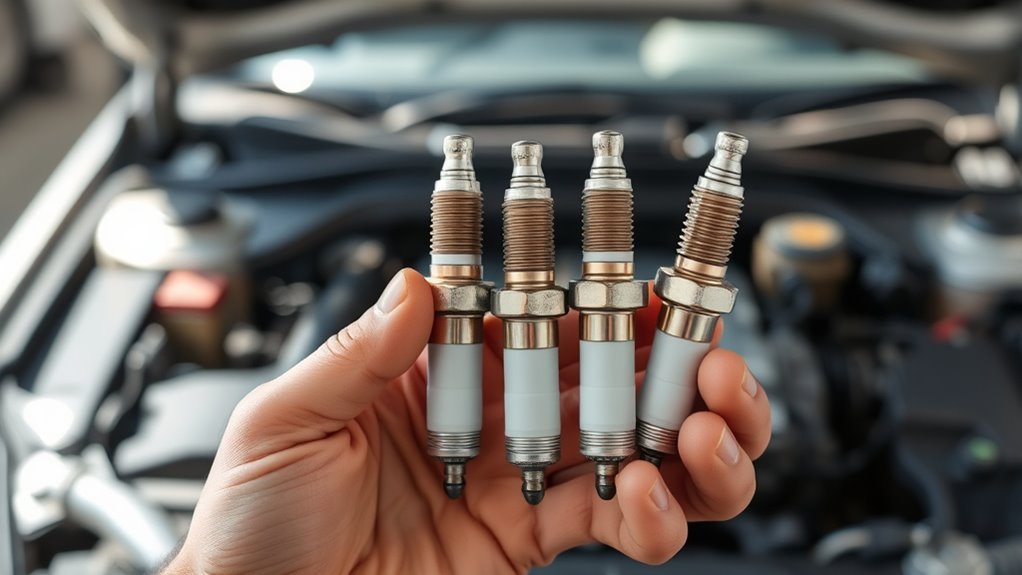
    Yes, spark plugs can cause the check engine light to come on. Faulty or worn spark plugs disrupt the ignition timing and combustion process, leading to misfires.

    These misfires result in rough idling, reduced acceleration, and increased emissions. Your car’s diagnostic system detects these issues and triggers trouble codes that turn on the check engine light.

    Replacing worn or fouled spark plugs promptly helps restore engine performance and prevents further damage. Recognizing these symptoms and understanding diagnostic steps is key to keeping your engine running smoothly.

    Key Takeaways

    • Faulty spark plugs often cause engine misfires, triggering the check engine light due to disrupted ignition timing and incomplete combustion.
    • Worn or fouled spark plugs reduce spark intensity, leading to rough idling and acceleration hesitation that the onboard system detects.
    • Diagnostic trouble codes like P0300-P0308 commonly indicate spark plug-related misfires, helping identify spark plug issues causing the check engine light.
    • Regular spark plug inspection and timely replacement prevent misfires and emissions increases that activate the check engine light.
    • While spark plugs are a frequent cause, other engine issues like sensor failures or fuel leaks can also illuminate the check engine light.

    Why Do Bad Spark Plugs Trigger the Check Engine Light?

    Although spark plugs are small components, they play a critical role in your engine’s combustion process, and when they malfunction, they can cause misfires that your vehicle’s onboard diagnostic system detects immediately.

    Bad spark plugs disrupt the precise ignition timing required for peak combustion, leading to incomplete fuel burning.

    As spark plugs approach the end of their spark plug lifespan, electrode wear and fouling increase the gap, weakening the spark intensity and causing delayed or failed ignition.

    This irregular combustion triggers the engine control unit to register fault codes, illuminating the check engine light.

    By monitoring ignition timing and combustion efficiency, the system alerts you to spark plug issues before they cause severe engine damage or performance loss.

    Regular spark plug maintenance guarantees consistent ignition timing and prevents diagnostic warnings.

    How Do Spark Plugs Affect Your Engine’s Performance and Emissions?

    You need properly functioning spark plugs to maintain ideal combustion efficiency, which directly influences your engine’s power output and fuel economy.

    When spark plugs degrade, incomplete combustion raises emission levels and can trigger engine misfires.

    These misfires not only reduce performance but also increase harmful pollutants released from your vehicle.

    Combustion Efficiency Impact

    Because spark plugs initiate the combustion process, their condition directly influences engine performance and emissions. Worn or fouled plugs disrupt optimal combustion dynamics by producing weak or inconsistent sparks, which delay or misalign ignition timing.

    This misfire affects the air-fuel mixture’s burn rate, reducing power output and fuel efficiency. When ignition timing shifts from its calibrated point, combustion becomes incomplete, causing rough idling and hesitation during acceleration.

    You’ll notice decreased engine responsiveness and potential vibration due to uneven cylinder firing. Maintaining spark plugs within specification guarantees precise ignition timing, promoting efficient combustion dynamics.

    This preserves engine power and minimizes unburned fuel residues. By monitoring spark plug health, you maintain stable combustion, enhancing your engine’s performance and reducing the likelihood of triggering the check engine light related to combustion inefficiencies.

    Emission Levels Increase

    When spark plugs fail to ignite the air-fuel mixture efficiently, incomplete combustion occurs, leading to elevated emission levels. This results in increased hydrocarbons (HC), carbon monoxide (CO), and nitrogen oxides (NOx) being released into the exhaust stream.

    Such heightened emissions directly affect your vehicle’s ability to pass emission testing, potentially causing regulatory non-compliance.

    Your engine’s pollution control systems, including catalytic converters and oxygen sensors, must work harder to mitigate these pollutants, reducing overall system efficiency.

    Over time, persistent spark plug malfunction can degrade emission control components, increasing repair costs.

    Maintaining properly functioning spark plugs guarantees peak combustion, which minimizes harmful emissions and supports effective pollution control.

    Consequently, addressing spark plug issues promptly helps you meet emission standards and avoid check engine light triggers related to emissions.

    Engine Misfire Consequences

    Elevated emissions often stem from incomplete combustion caused by spark plug issues, which frequently lead to engine misfires. When spark plugs fail to ignite the air-fuel mixture at the correct ignition timing, the combustion process becomes erratic, directly impairing engine performance.

    You’ll notice reduced power output, rough idling, and decreased fuel efficiency as misfires disrupt the engine’s normal operation. Furthermore, misfires increase unburned hydrocarbons and carbon monoxide emissions, contributing to environmental pollution and potential regulatory failures.

    Ignoring faulty spark plugs can also cause damage to catalytic converters due to excessive unburned fuel. To maintain peak engine performance and control emissions, you must guarantee spark plugs are functioning correctly and replace them promptly when signs of degradation appear, preserving precise ignition timing and efficient combustion cycles.

    What Are Common Symptoms of Faulty Spark Plugs That Cause the Check Engine Light?

    How can you tell if faulty spark plugs are triggering your check engine light? Typically, you’ll notice rough idling, reduced acceleration, and increased fuel consumption. Faulty spark plugs disrupt the ignition system’s ability to ignite the air-fuel mixture properly, causing incomplete combustion.

    Depending on the spark plug type, copper, platinum, or iridium, wear patterns vary, but symptoms remain consistent. You might experience engine misfires, characterized by jerking or hesitation during acceleration. Additionally, the engine may stall unexpectedly or produce higher emissions, triggering the check engine light.

    These symptoms occur because worn or fouled spark plugs fail to generate a strong, consistent spark, impairing the ignition system’s efficiency. Monitoring these signs helps you identify spark plug issues before they cause more severe engine damage.

    How Can You Tell if Spark Plugs Are Causing Your Check Engine Light?

    You can identify spark plugs as the cause of your check engine light by checking for specific symptoms like misfires and rough idling.

    Use an OBD-II scanner to read diagnostic trouble codes that point directly to ignition or cylinder issues.

    Additionally, perform a visual inspection of the spark plugs for signs of wear, fouling, or damage to confirm their condition.

    Common Spark Plug Symptoms

    Although check engine lights can indicate various issues, faulty spark plugs often trigger specific symptoms that help pinpoint their involvement. You may notice rough idling, engine misfires, or decreased fuel efficiency, common signs linked to spark plug wear or damage.

    Different spark plug types, such as copper, platinum, or iridium, have varying lifespans and performance characteristics, affecting symptom onset. Poor spark plug maintenance, like neglecting timely replacement or improper gap settings, accelerates degradation.

    Additionally, your engine might experience hesitation during acceleration or difficulty starting. Monitoring these symptoms alongside routine spark plug inspection guarantees accurate diagnosis.

    Paying close attention to these details helps you address spark plug-related problems promptly, preventing potential engine damage and maintaining peak performance.

    Diagnostic Trouble Codes

    Identifying spark plug issues through observable symptoms is helpful, but confirming their role in triggering the check engine light requires analyzing Diagnostic Trouble Codes (DTCs).

    You’ll need diagnostic tools, such as an OBD-II scanner, to retrieve these trouble codes from your vehicle’s onboard computer.

    Specific DTCs related to spark plugs often include misfire codes like P0300 (random/multiple cylinder misfire) and P0301-P0308, indicating misfires in individual cylinders. These codes suggest incomplete combustion, frequently caused by faulty or worn spark plugs.

    After connecting the scanner, note the codes and cross-reference them with your vehicle’s service manual for precise diagnosis.

    This method provides objective data beyond symptoms, allowing you to pinpoint whether spark plugs are the root cause or if other components, such as ignition coils or fuel injectors, are involved.

    Visual Spark Plug Inspection

    A thorough visual inspection of spark plugs provides critical clues about their condition and potential role in triggering the check engine light.

    Start by gathering proper inspection tools: a spark plug socket, gap gauge, and magnifying glass.

    Next, examine the spark plugs closely for abnormalities specific to spark plug types (copper, platinum, iridium).

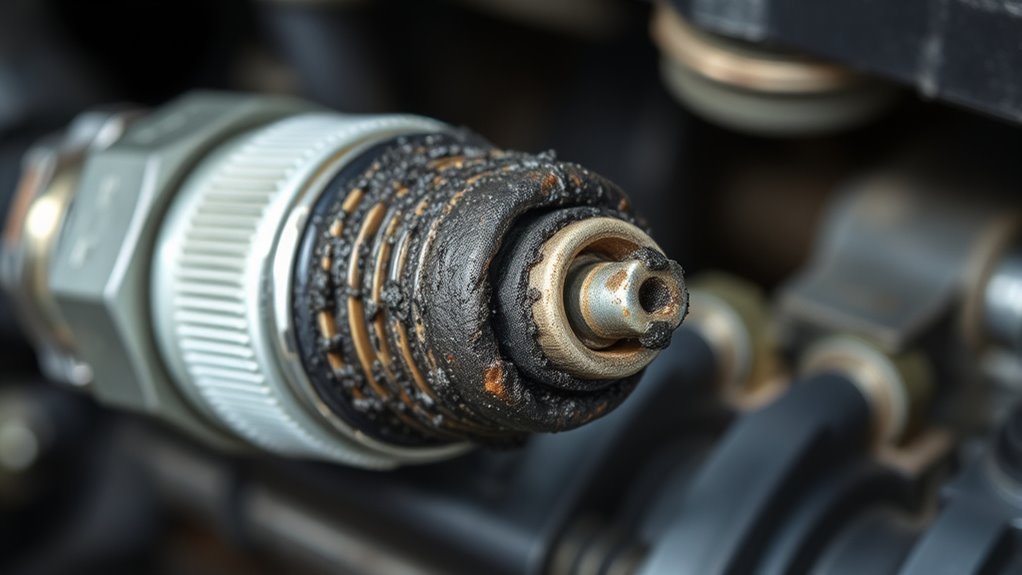
    1. Look for carbon fouling, a black, dry soot that indicates rich fuel mixture or weak ignition.
    2. Check for electrode wear or rounded edges, which reduce spark efficiency.
    3. Identify oil deposits or wetness, signaling possible oil leakage into the combustion chamber.

    If you spot any of these symptoms during your visual spark plug inspection, they likely contribute to engine misfires and illuminate the check engine light.

    When Should You Replace Spark Plugs to Fix the Check Engine Light?

    Spark plugs wear out over time and can trigger the check engine light when their performance drops below satisfactory levels. Typically, the spark plug lifespan ranges from 30,000 to 100,000 miles, depending on the type and vehicle specifications.

    You should adhere strictly to the manufacturer’s recommended replacement intervals to avoid misfires and combustion inefficiencies that illuminate the check engine light. If your vehicle’s diagnostic trouble codes specifically indicate ignition misfires or spark-related faults, replacing the plugs promptly is essential.

    Delaying replacement beyond the prescribed intervals increases the risk of fouling, electrode wear, and gap erosion, all of which degrade spark quality.

    What Other Engine Issues Can Cause the Check Engine Light Like Spark Plugs?

    Although worn spark plugs are a common cause of the check engine light, several other engine components can trigger similar warnings.

    You should consider these issues when diagnosing the problem:

    1. Engine Overheating: Sensors detect abnormal temperature rises that can damage components, triggering the check engine light to prevent severe engine failure.
    2. Fuel Leaks: Leaking fuel disrupts the air-fuel mixture, causing inefficient combustion and potentially activating the engine control module warning.
    3. Oxygen Sensor Malfunction: Faulty oxygen sensors provide incorrect data, leading to poor fuel management and illuminating the check engine light.

    Frequently Asked Questions

    Can Using the Wrong Spark Plug Type Trigger the Check Engine Light?

    Yes, using the wrong spark plug type can trigger the check engine light because improper spark plug compatibility affects ignition timing and combustion efficiency. This leads to misfires and reduced engine performance, which your vehicle’s diagnostics will detect immediately.

    Do Spark Plug Wires Affect the Check Engine Light Activation?

    Think of spark plug wires as arteries in your ignition system; if they falter, signals misfire, triggering the check engine light. Proper spark plug maintenance guarantees these wires deliver consistent current, preventing diagnostic errors and engine inefficiency.

    How Often Should Spark Plugs Be Inspected to Prevent Engine Light Issues?

    You should perform spark plug maintenance every 30,000 to 50,000 miles, depending on your vehicle. Regular inspection frequency prevents misfires and engine light activation, ensuring ideal ignition performance and avoiding costly repairs.

    Can Spark Plugs Cause a Check Engine Light Without Engine Misfires?

    A stitch in time saves nine: even without misfires, faulty spark plugs can trigger your check engine light by affecting engine diagnostics. They influence combustion efficiency, so addressing them early helps avoid costly repairs and guarantees peak performance.

    Are Spark Plug Gaps Linked to Check Engine Light Problems?

    Yes, incorrect spark plug gap measurement directly affects spark plug performance, causing inefficient combustion and triggering the check engine light.

    Ensuring precise gap measurement maintains ideal performance and prevents related engine diagnostic trouble codes.

    Conclusion

    If your check engine light comes on, faulty spark plugs are a common culprit, responsible for up to 30% of ignition-related issues. You’ll notice rough idling, poor acceleration, and increased emissions when plugs misfire.

    Regularly inspecting and replacing spark plugs every 30,000 to 50,000 miles helps maintain engine efficiency and prevents warning lights. Always diagnose carefully, as other engine problems can mimic spark plug symptoms.

    In conclusion, spark plugs can cause the check engine light to come on, so addressing their condition promptly is essential for your vehicle’s performance and reliability.

  • What Spark Plugs Need for Hyundai Sonata 2017 Se

    What Spark Plugs Need for Hyundai Sonata 2017 Se

    You need iridium spark plugs with a 0.044-inch gap and the correct heat range for your 2017 Hyundai Sonata SE to guarantee peak combustion efficiency and engine performance.

    Iridium plugs offer durability and stable ignition compared to platinum. Using the proper heat range prevents fouling or overheating, protecting your engine.

    Regular replacement every 30,000-45,000 miles keeps your car running smoothly. Understanding installation and maintenance details can help you maximize your Sonata’s efficiency and longevity.

    Key Takeaways

    • Use spark plugs with a heat range suitable for the 2017 Hyundai Sonata SE to prevent fouling and overheating.
    • Recommended spark plug gap is 0.044 inches (1.1 mm) for optimal ignition and fuel efficiency.
    • Iridium spark plugs are preferred for longer life and stable combustion in the Sonata SE’s engine.
    • Replace spark plugs every 30,000 to 45,000 miles, checking for wear and deposits regularly.
    • Always torque spark plugs to manufacturer specifications and ensure clean installation for peak performance.

    Which Spark Plug Type Is Best for Your 2017 Hyundai Sonata SE?

    When choosing the best spark plug type for your 2017 Hyundai Sonata SE, you need to evaluate factors like heat range, electrode material, and compatibility with your engine’s specifications.

    Selecting a spark plug that matches these parameters guarantees peak combustion efficiency and engine performance.

    Consider reputable spark plug brands that provide detailed heat range charts and material specifications for precise matching.

    Maintenance tips recommend inspecting plugs regularly for wear and deposits, which can affect ignition quality.

    Using the correct heat range prevents overheating or fouling, extending plug life and engine reliability.

    You’ll also want plugs with durable electrode materials suited to your driving conditions and fuel type.

    Iridium vs. Platinum Spark Plugs for 2017 Hyundai Sonata SE

    Choosing the right electrode material plays a significant role in optimizing your 2017 Hyundai Sonata SE’s spark plugs.

    Iridium spark plugs offer superior iridium longevity due to the metal’s high melting point and hardness, allowing electrodes to resist wear and maintain a stable spark over extended periods. This durability translates to consistent combustion efficiency and longer replacement intervals.

    On the other hand, platinum spark plugs excel in platinum conductivity, providing reliable electrical transfer that guarantees efficient ignition and smooth engine performance.

    While platinum plugs generally cost less, their electrodes wear faster compared to iridium.

    For your Sonata SE, if you prioritize extended service life and stable performance, iridium plugs are preferable. However, platinum plugs still deliver dependable conductivity and cost-effectiveness for regular maintenance schedules.

    Why Your Sonata Needs the Right Spark Plug Heat Range

    Because spark plugs operate within a specific temperature range, selecting the correct heat range for your 2017 Hyundai Sonata SE is essential to prevent fouling or overheating.

    If the heat range is too cold, deposits accumulate on the spark plug, reducing spark plug longevity and causing misfires. Conversely, a plug that runs too hot can lead to pre-ignition and engine knocking, compromising engine efficiency.

    Choosing the proper heat range guarantees the spark plug maintains peak temperature, effectively burning off deposits while avoiding excessive wear. This balance supports consistent combustion, improves fuel economy, and extends the service life of your spark plugs.

    Proper heat range ensures optimal spark plug temperature, promoting efficient combustion and longer plug life.

    Thus, specifying the right heat range is critical to maintaining your Sonata’s performance and preventing costly engine damage over time.

    What Is the Right Spark Plug Gap for a 2017 Sonata SE?

    You’ll want to set the spark plug gap to the manufacturer’s specified measurement, typically around 0.044 inches for the 2017 Sonata SE.

    Maintaining this precise gap guarantees peak engine performance and fuel efficiency.

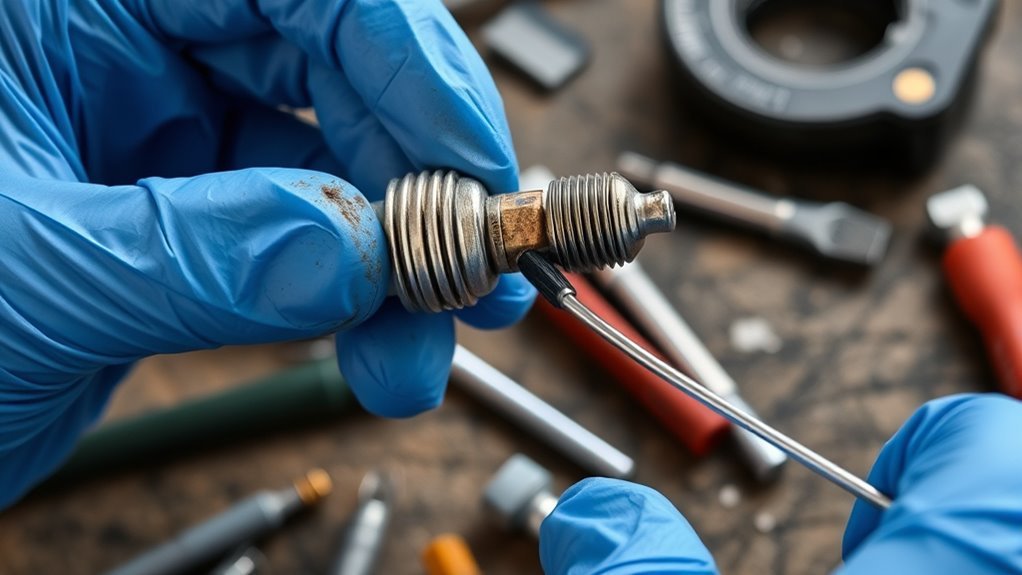
    Use a feeler gauge to measure and adjust the gap carefully before installation.

    The manufacturer recommended gap for the spark plugs in a 2017 Hyundai Sonata SE is typically set at 0.044 inches (1.1 mm). Adhering to this specification assures peak combustion and engine efficiency.

    When checking or adjusting your spark plugs, make certain to follow the exact spark plug specifications to avoid misfires or damage.

    Key points to remember for proper installation include:

    • Use a precise gap tool to measure and adjust the gap accurately.
    • Verify the gap before installation, as pre-gapped plugs can vary slightly.
    • Confirm the spark plug is torqued to the manufacturer’s recommended value for secure fitment.

    Following these guidelines guarantees reliable ignition performance and maintains engine integrity.

    Impact on Engine Performance

    Maintaining the correct spark plug gap of 0.044 inches (1.1 mm) directly influences your 2017 Hyundai Sonata SE’s engine performance. A properly set gap guarantees maximum spark intensity, which promotes complete combustion within the cylinders.

    This precision enhances engine efficiency by maximizing the energy extracted from the fuel-air mixture. If the gap is too wide, the spark may weaken, causing misfires, reduced power, and increased fuel consumption. Conversely, a gap that’s too narrow can result in incomplete combustion, lowering engine responsiveness and wasting fuel.

    As a result, adhering to the manufacturer-recommended gap is critical to maintaining consistent ignition timing and combustion quality. By doing so, you improve fuel consumption and reduce emissions, making sure your Sonata SE runs smoothly and efficiently under varying driving conditions.

    Measuring and Adjusting Gap

    Although spark plug gaps come pre-set from the manufacturer, it’s vital to measure and adjust them to the exact specification for your 2017 Hyundai Sonata SE. Proper gap measurement guarantees peak spark efficiency, directly impacting combustion and engine performance.

    For spark plug maintenance, use a feeler gauge to measure the gap, which should be precisely 0.044 inches (1.1 mm) for this model. If the gap deviates, gently adjust it without damaging the electrodes.

    Key steps for accurate gap measurement and adjustment include:

    Use a calibrated feeler gauge to check the gap size.

    Carefully bend the ground electrode to widen or narrow the gap.

    Re-check the gap after adjustment to confirm precision.

    Maintaining the correct gap is essential for reliable ignition and fuel efficiency.

    When Should You Replace Spark Plugs on Your 2017 Sonata SE?

    If you want your 2017 Hyundai Sonata SE to perform at its finest, you should replace its spark plugs every 30,000 to 45,000 miles, depending on the type of spark plugs installed.

    The spark plug lifespan varies between standard copper plugs and longer-lasting iridium or platinum variants.

    Spark plug lifespan differs between standard copper and durable iridium or platinum types, affecting replacement intervals.

    You should monitor for signs replacement is necessary, such as rough idling, engine misfires, decreased fuel efficiency, or difficulty starting.

    These symptoms indicate that spark plugs are worn or fouled, impairing combustion efficiency.

    Regular inspection guarantees timely replacement before performance degradation or potential engine damage occurs.

    Adhering to the manufacturer’s recommended intervals and recognizing these signs replacement will help maintain ideal engine operation and extend the lifespan of your Sonata SE’s ignition system.

    How to Install Spark Plugs on Your Sonata

    Once you’ve identified the need to replace your spark plugs, installing new ones on your 2017 Hyundai Sonata SE requires careful attention to detail.

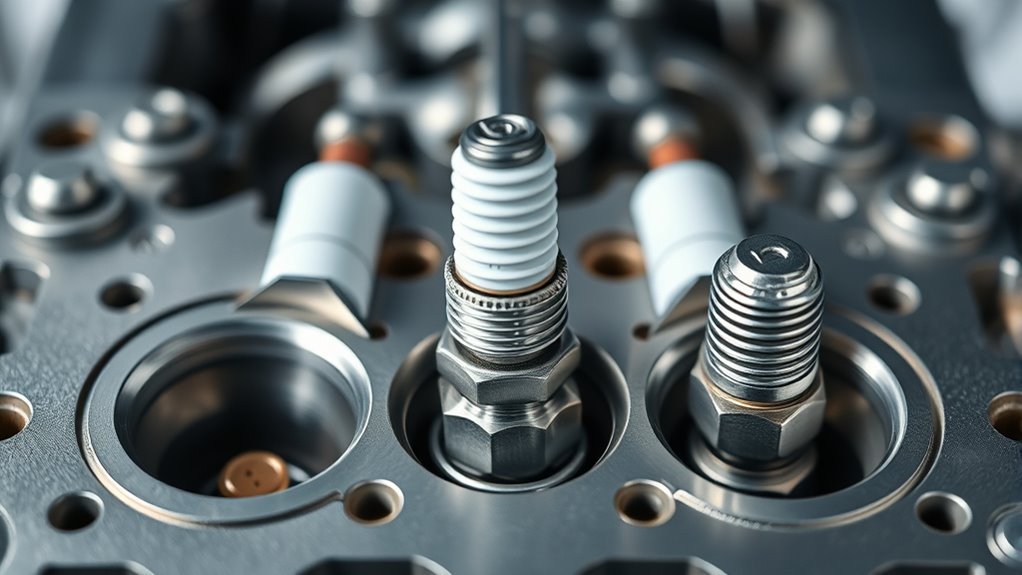
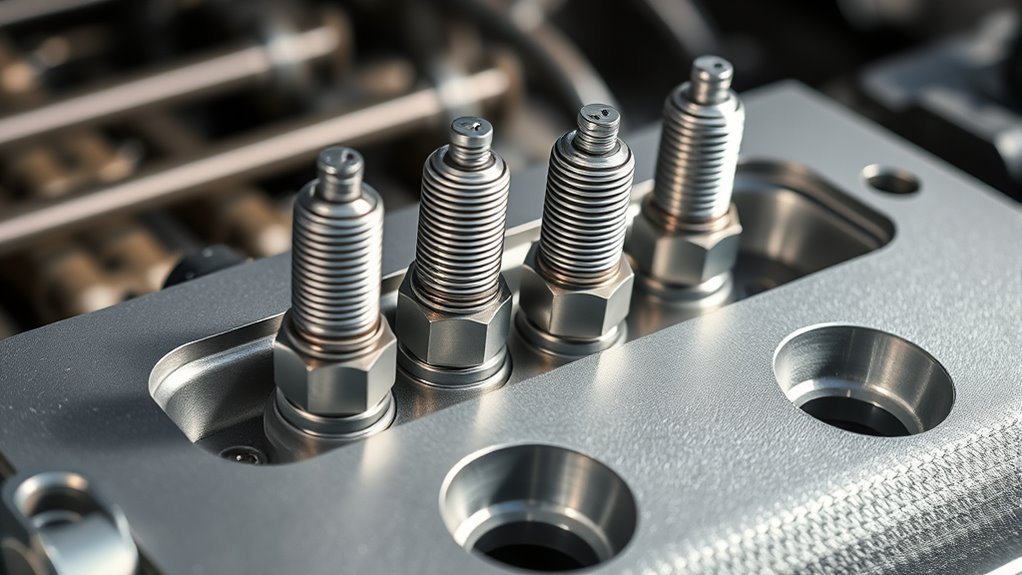
    First, gather the right spark plug tools: a spark plug socket, ratchet, and torque wrench to guarantee proper installation torque.

    Then, follow these installation tips to avoid damage and promote peak performance:

    Disconnect the battery and remove the engine cover to access the spark plugs safely.

    Clean the spark plug wells and use a spark plug gap tool to verify the gap matches manufacturer specifications.

    Install each spark plug by hand initially, then tighten with a torque wrench to the specified torque to prevent over-tightening or cross-threading.

    Following these steps guarantees a precise, efficient spark plug installation on your Sonata.

    Frequently Asked Questions

    Can I Use Spark Plugs From Other Hyundai Models in My 2017 Sonata SE?

    You can use spark plugs from other Hyundai models if they match your Sonata’s specifications; however, due to Hyundai model differences, always check spark plug compatibility to guarantee proper fit, heat range, and performance for your 2017 SE.

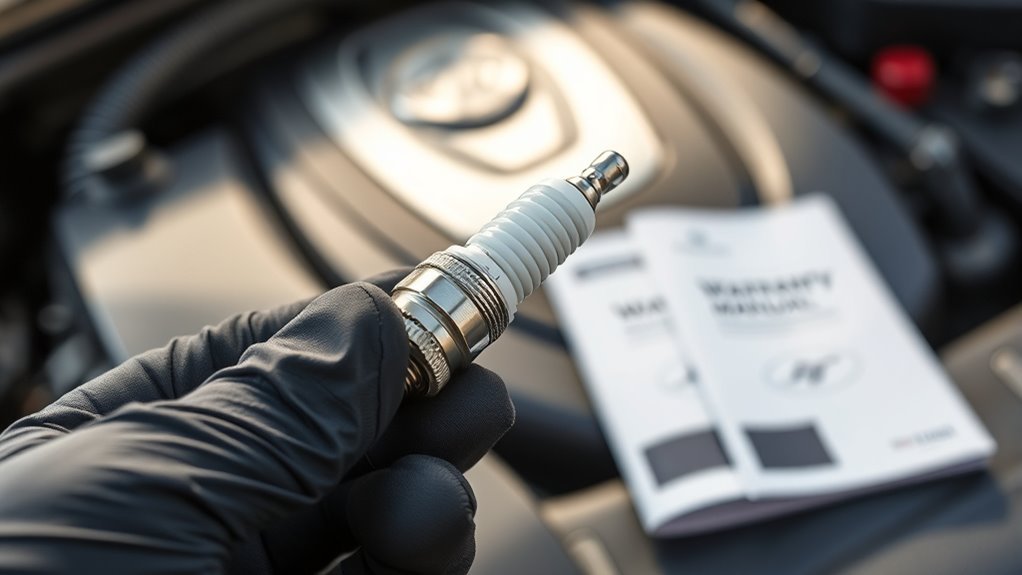
    Do Aftermarket Spark Plugs Affect My Sonata Se’s Warranty?

    Think of your warranty as a safety net; using aftermarket spark plugs usually won’t void it unless they cause damage. Aftermarket benefits include cost savings and performance options but check warranty implications carefully before installation.

    How Do Weather Conditions Affect Spark Plug Performance in My Sonata?

    You’ll find weather impact affects spark plug longevity by causing temperature fluctuations and moisture exposure, which can lead to corrosion or fouling. Proper maintenance guarantees your Sonata’s spark plugs perform reliably despite varying conditions.

    What Symptoms Indicate Spark Plug Problems in a 2017 Sonata SE?

    If your Sonata suddenly sounds like a rattling spaceship, that’s symptom identification for spark plug failure. Expect rough idling, misfires, poor acceleration, and reduced fuel efficiency. These are clear technical signs your spark plugs need immediate attention.

    Are Spark Plug Replacements Diy-Friendly for Beginners?

    You can replace spark plugs yourself with basic spark plug tools. Follow installation tips like proper gap measurement and torque specs to avoid damage.

    It’s a manageable task if you’re patient and precise throughout the process.

    Conclusion

    Choosing the right spark plugs for your 2017 Hyundai Sonata SE isn’t just a detail—it’s the heartbeat of your engine’s performance. Opt for iridium plugs with the correct heat range and gap to keep your car running smoothly and efficiently.

    Remember, replacing them at the right interval prevents misfires and power loss. Follow proper installation steps carefully, and you’ll keep your Sonata firing on all cylinders like a well-oiled machine ready for the road ahead.

    In conclusion, knowing what spark plugs need for Hyundai Sonata 2017 SE ensures your vehicle maintains optimal performance and reliability.