Author: hello@wash-o-rama.com

  • Do All Cars Have Spark Plugs

    Do All Cars Have Spark Plugs

    Do all cars have spark plugs? The answer is no, because only gasoline engines use spark plugs to ignite the air-fuel mixture inside the engine cylinders.

    Diesel engines, on the other hand, rely on compression ignition and do not require spark plugs. Instead, they use glow plugs to help start the engine in cold conditions.

    Electric vehicles operate differently, using electric motors powered by batteries rather than combustion engines. Therefore, they do not have or need spark plugs.

    If you drive a gasoline car, spark plugs are essential for optimal engine performance. Understanding their role can help you identify potential issues before they become serious problems.

    Key Takeaways

    • Only gasoline and hybrid cars with gasoline engines have spark plugs for ignition.
    • Diesel engines do not use spark plugs; they rely on compression ignition and may have glow plugs instead.
    • Electric vehicles have no spark plugs because they use electric motors without combustion.
    • Missing or faulty spark plugs cause engine misfires, rough idling, and starting difficulties in gasoline engines.
    • Spark plug type and material vary based on engine design, affecting longevity and performance.

    What Do Spark Plugs Actually Do?

    Spark plugs play an essential role in gasoline engines by igniting the air-fuel mixture inside the combustion chamber.

    You rely on the ignition system to generate a high-voltage spark that jumps across the spark plug’s electrodes, initiating combustion.

    Without this precise spark timing, the engine won’t run effectively or may fail to start. To keep your engine performing at its best, prioritize spark plug maintenance.

    Worn or fouled plugs can cause misfires, reduced fuel efficiency, and increased emissions.

    Regular inspection and replacement guarantee the ignition system functions correctly, maintaining consistent combustion and engine power.

    Which Engines Need Spark Plugs?

    You need spark plugs in gasoline engines because they ignite the air-fuel mixture for combustion.

    Diesel engines don’t use spark plugs since they rely on compression ignition instead.

    Hybrid engines vary. Some have spark plugs if they include a gasoline motor, while others don’t if they run solely on electric power.

    Gasoline Engines Requirement

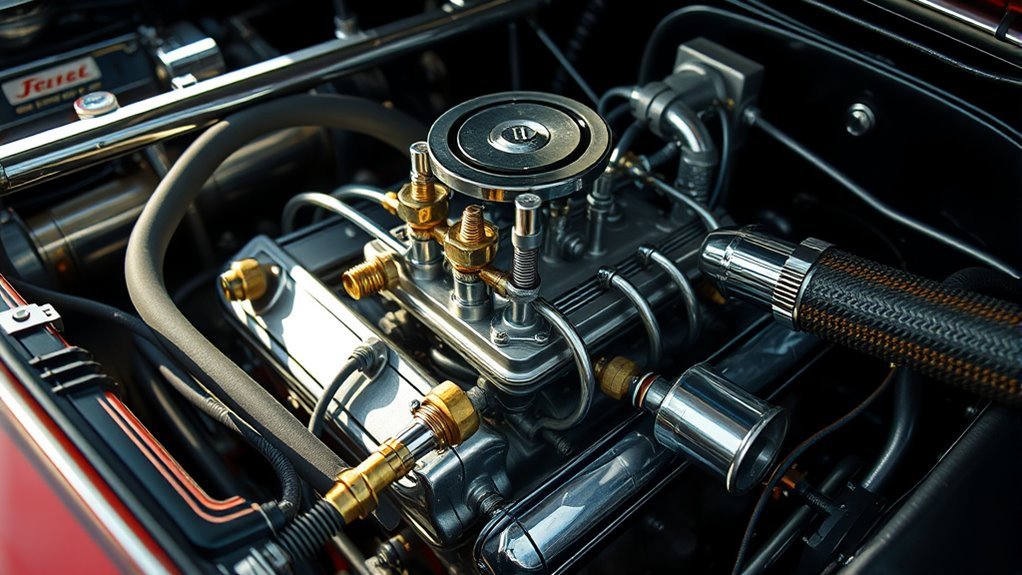
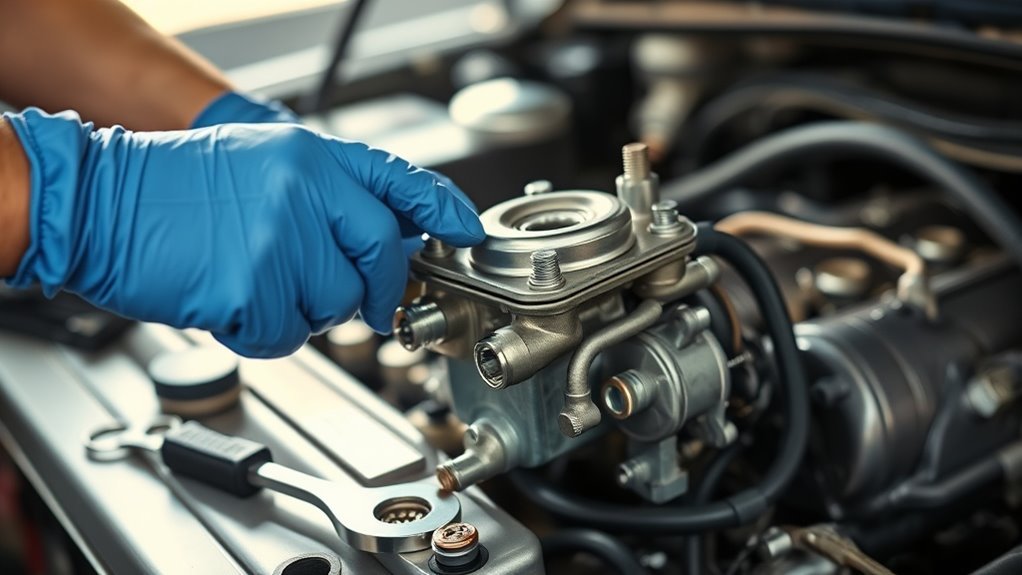
    Most gasoline engines rely on spark plugs to ignite the air-fuel mixture within the combustion chamber. You’ll find that these components are integral to the ignition system, ensuring efficient combustion and engine performance.

    The spark plug materials, often platinum or iridium, enhance durability and conductivity, vital for reliable sparks under high pressure and temperature.

    When you inspect a gasoline engine, visualize these aspects:

    • Spark plug electrode generating the ignition spark
    • Insulator isolating electrical current
    • Threads securing the plug in the cylinder head
    • Connection to the ignition coil
    • Combustion chamber where ignition occurs

    Understanding these elements helps you appreciate why spark plugs are essential in gasoline engines, as they initiate the combustion process that powers your vehicle.

    Diesel Engines Exception

    Although diesel engines operate differently from gasoline engines, they generally don’t require spark plugs to ignite the fuel-air mixture. Instead, diesel combustion relies on compressing air to a high temperature and pressure, causing the injected diesel fuel to auto-ignite without an external spark.

    This process improves engine efficiency by enabling a higher compression ratio than gasoline engines, resulting in more complete fuel combustion and better thermal efficiency.

    You won’t find spark plugs in diesel engines because the ignition mechanism is fundamentally different; glow plugs may be present, but their role is to aid cold starts by heating the combustion chamber, not to ignite the fuel.

    Understanding this distinction clarifies why diesel engines are an exception when considering which engines need spark plugs.

    Hybrid Engine Variations

    While diesel engines forego spark plugs due to their unique ignition process, hybrid engines combine multiple power sources, which affects their spark plug requirements.

    In hybrid vehicles, the internal combustion engine (ICE) still relies on spark plugs for ignition, ensuring peak engine efficiency during operation.

    The electric motor supplements power, reducing fuel consumption and emissions, but doesn’t eliminate the need for spark plugs entirely.

    You’ll find that:

    • Gasoline engines in hybrids use spark plugs for combustion.
    • Electric motors operate silently without spark plugs.
    • Engine efficiency improves through seamless switching between power sources.
    • Spark plugs require regular maintenance despite hybrid complexity.
    • Some hybrids feature advanced ignition systems enhancing spark plug performance.

    Understanding this interplay helps you appreciate why spark plugs remain essential in hybrid engine designs.

    Why Diesel Engines Don’t Use Spark Plugs

    Because diesel engines rely on compression ignition rather than spark ignition, they don’t require spark plugs.

    In diesel combustion, air is compressed to extremely high pressures and temperatures, causing the injected diesel fuel to ignite spontaneously. This process eliminates the need for an external ignition source like a spark plug.

    You’ll find that ignition timing in diesel engines is controlled by the precise moment fuel is injected, not by an electric spark.

    The high compression ratio guarantees that the combustion occurs at the ideal point in the engine cycle, maximizing efficiency and power output.

    Understanding this fundamental difference helps you appreciate why diesel engines operate without spark plugs, relying instead on compression-induced ignition to drive their combustion process.

    How Electric Cars Run Without Spark Plugs

    Since electric cars don’t rely on internal combustion engines, they don’t need spark plugs to ignite fuel. Instead, electric cars operate using electric motors powered by rechargeable energy sources like lithium-ion batteries. These motors convert electrical energy directly into mechanical energy, eliminating the need for combustion and ignition.

    Electric cars use electric motors powered by batteries, eliminating the need for spark plugs and combustion.

    You’ll find that electric vehicles use advanced power electronics and control systems to manage energy flow efficiently.

    Visualize the process:

    • A high-voltage battery pack storing electrical energy
    • Inverter converting DC electricity to AC for the motor
    • Electric motor generating torque without combustion
    • Regenerative braking systems recapturing energy
    • Power control units optimizing energy distribution

    This system fundamentally differs from combustion engines, rendering spark plugs obsolete in electric vehicles.

    Signs Your Car’s Spark Plugs Are Failing

    If your car’s engine misfires or hesitates during acceleration, your spark plugs could be failing.

    You might also notice a drop in fuel efficiency or difficulty starting the engine.

    These symptoms indicate that the spark plugs aren’t igniting the fuel-air mixture properly, affecting overall performance.

    Engine Misfires And Hesitation

    When your engine misfires or hesitates during acceleration, it’s often a clear indicator that your spark plugs are failing.

    Spark plugs play a critical role in ignition, so any degradation directly impacts engine performance and combustion efficiency.

    You might notice:

    • Sudden jerks when you press the gas pedal
    • Rough idling or engine vibrations
    • Delayed throttle response during acceleration
    • Uneven engine sound or backfiring
    • Difficulty maintaining consistent speed

    These symptoms occur because worn or fouled spark plugs struggle to generate a strong spark, disrupting combustion timing.

    Reduced combustion efficiency leads to incomplete fuel burning, causing the engine to misfire.

    If you experience these signs, inspecting and possibly replacing your spark plugs can restore smooth acceleration and peak engine operation.

    Poor Fuel Efficiency

    Poor fuel efficiency is one of the most common signs that your car’s spark plugs are failing. When spark plugs wear out or become fouled, they cause incomplete combustion, leading to increased fuel consumption.

    You’ll notice your engine performance drops, as the spark plugs fail to ignite the air-fuel mixture effectively. This inefficiency forces the engine to burn more fuel to maintain power output, directly impacting your vehicle’s miles per gallon (MPG).

    Additionally, faulty spark plugs can cause unburned fuel to enter the exhaust system, further reducing efficiency and potentially damaging emission components. Monitoring your fuel consumption and addressing spark plug issues promptly guarantees peak engine performance and prevents costly repairs down the line.

    Regular maintenance keeps your spark plugs functioning at maximum efficiency, maintaining fuel economy and engine health.

    Difficulty Starting Engine

    Although spark plugs play an essential role in igniting your engine’s air-fuel mixture, worn or fouled plugs can greatly hinder the starting process.

    When you turn the key, the engine cranking may feel sluggish or fail to produce ignition effectively.

    Ignition issues often stem from spark plugs that no longer generate a strong spark, causing misfires during startup.

    You might notice:

    • Prolonged engine cranking without ignition
    • Engine hesitation or sputtering on startup
    • Increased fuel consumption during cold starts
    • Rough idling immediately after ignition
    • Difficulty maintaining consistent engine RPMs

    These signs indicate your spark plugs need inspection or replacement.

    Addressing spark plug problems promptly guarantees reliable ignition, smoother starts, and prevents further engine wear caused by incomplete combustion.

    Common Spark Plug Types and How They Differ

    Spark plugs come in several common types, each designed to optimize engine performance under specific conditions. You’ll find variations mainly distinguished by their construction materials, such as ceramic insulators and copper cores, which impact heat dissipation and durability.

    Copper plugs, with excellent thermal conductivity, suit older engines but wear faster. Platinum plugs provide longer life and better resistance to fouling, while iridium plugs offer superior ignition and longevity due to their fine electrodes.

    Type Core Material Key Feature
    Copper Copper core Excellent thermal transfer
    Platinum Platinum tip Longer lifespan
    Iridium Iridium tip High durability, precise spark

    Choosing the right type hinges on your engine’s design and performance needs.

    How to Tell If Your Car Has Spark Plugs

    How can you quickly determine if your car uses spark plugs? Start by locating the spark plug location under the hood.

    Spark plugs are typically screwed into the engine’s cylinder head, connected to ignition wires or coils. If you have a gasoline engine, you’ll find them; diesel engines don’t use spark plugs but glow plugs instead.

    Spark plugs screw into the cylinder head and connect to ignition wires in gasoline engines; diesel engines use glow plugs.

    Check for these signs:

    • Ignition wires or coil packs leading to the engine block
    • Cylindrical metal components screwed into the cylinder head
    • Spark plug boots covering the top of each plug
    • Engine type specified in your owner’s manual (gasoline vs. diesel)
    • Presence of spark plug maintenance records or intervals in your service booklet

    Identifying spark plugs accurately helps facilitate proper spark plug maintenance and engine function.

    What Happens If Spark Plugs Fail or Are Missing

    If spark plugs fail or are missing, your engine won’t ignite the air-fuel mixture properly, leading to misfires and reduced performance. Spark plug failure can cause rough idling, poor acceleration, and increased fuel consumption.

    Missing spark plugs halt combustion in affected cylinders, causing severe power loss and potential engine damage.

    Symptom Cause
    Engine Misfires Spark plug failure
    Hard Starting Missing spark plugs
    Reduced Fuel Economy Incomplete combustion
    Rough Idle Worn or fouled plugs
    Engine Stalling Spark plug malfunction

    Addressing spark plug issues promptly prevents costly repairs and maintains ideal engine efficiency.

    Modern Spark Plug Technology and Its Benefits

    Advancements in ignition components have considerably enhanced engine performance and reliability.

    Thanks to modern spark plug technology, you benefit from improved ignition efficiency and longer service life.

    Modern spark plug technology delivers enhanced ignition efficiency and extends the lifespan of your engine components.

    These spark plug advancements reduce misfires and optimize fuel combustion, leading to smoother engine operation and lower emissions.

    When you choose updated spark plugs, you experience:

    • Fine-wire electrodes for precise spark delivery
    • Iridium or platinum tips that resist wear
    • Enhanced thermal conductivity to manage heat
    • Anti-fouling coatings minimizing deposits
    • Designs tailored to specific engine types

    Frequently Asked Questions

    How Often Should Spark Plugs Be Replaced in a Typical Car?

    You should replace spark plugs every 30,000 to 100,000 miles, depending on their spark plug lifespan. Check your vehicle’s manual for specific replacement intervals to maintain ideal engine performance and fuel efficiency.

    Can Bad Spark Plugs Affect Fuel Efficiency?

    Coincidentally, poor spark plug maintenance directly raises fuel consumption. When your spark plugs misfire or degrade, combustion efficiency drops, forcing your engine to burn more fuel. This negatively impacts overall fuel economy and vehicle performance.

    Are Spark Plugs Universal or Car-Specific?

    Spark plug types aren’t universal; you’ll need to select ones matching your vehicle’s specifications. Automotive compatibility depends on engine design, heat range, and thread size.

    Always consult your manufacturer’s guidelines when choosing spark plugs.

    What Tools Are Needed to Replace Spark Plugs?

    You’ll need a spark plug socket, ratchet wrench, extension bar, and gap gauge for spark plug maintenance. Choose tools compatible with your spark plug types to guarantee precise installation and efficient replacement without damaging the components.

    Can Spark Plugs Cause Engine Misfires?

    Yes, faulty spark plugs cause about 30% of engine misfires by disrupting the ignition system. You’ll notice reduced engine performance, rough idling, and increased emissions when spark plugs fail to ignite fuel properly.

    Conclusion

    While not every car relies on spark plugs, understanding their role is essential for most gasoline engines. If you drive a diesel or electric vehicle, your ignition system plays by different rules, sparing you from spark plug maintenance.

    However, for traditional engines, keeping spark plugs in top shape guarantees smooth performance and efficiency. Neglecting them can lead to subtle performance hiccups that quietly undermine your engine’s health over time.

    In conclusion, not all cars have spark plugs, but for those that do, regular maintenance is key to ensuring optimal engine function and longevity.

  • Can Spark Plugs Cause Misfire

    Can Spark Plugs Cause Misfire

    Yes, spark plugs can cause misfire by failing to ignite the air-fuel mixture efficiently. When the electrodes wear out, become fouled, or have improper gaps, the spark weakens or becomes inconsistent. This leads to hesitation, rough idle, or power loss.

    Testing spark plugs includes visual inspection, spark testing, and using diagnostic tools to confirm issues. Replacing worn or damaged spark plugs often restores smooth engine performance. Understanding these factors helps you identify and fix misfires effectively.

    More insights on related engine checks are available to assist further.

    Key Takeaways

    • Worn or fouled spark plugs can weaken spark intensity, causing engine misfires.
    • Incorrect spark plug gap disrupts spark formation, leading to incomplete combustion and misfires.
    • Overheated spark plugs may suffer electrode damage, resulting in inconsistent ignition and misfires.
    • Visual and electrical testing of spark plugs helps diagnose misfire-related issues effectively.
    • Regular spark plug maintenance and timely replacement prevent misfires and maintain engine performance.

    How Spark Plugs Work and Cause Misfires

    Although spark plugs are small components, they play a critical role in your engine’s combustion process by delivering the electrical spark needed to ignite the air-fuel mixture in each cylinder.

    The spark plug design directly influences the efficiency of this ignition by ensuring a consistent spark gap and ideal electrode shape.

    Spark plug design ensures efficient ignition through a consistent spark gap and optimal electrode shape.

    Proper ignition timing is essential; the spark must occur precisely when the piston reaches the correct position to maximize power and minimize emissions.

    If the spark plug fails to generate a strong, timely spark due to wear or improper design, combustion becomes incomplete or delayed, causing a misfire.

    Understanding how spark plug design and ignition timing interact helps you maintain engine performance and prevents misfire-related issues.

    Causes of Spark Plug Failure and Misfires

    When spark plugs degrade or fail, they often cause engine misfires that reduce performance and increase emissions. Understanding the causes helps you perform accurate misfire diagnostics and select appropriate spark plug types for your engine.

    Cause Description
    Electrode Wear Erodes spark plug tip, weakening spark intensity
    Fouling Deposits from oil or fuel impair spark formation
    Improper Gap Incorrect gap size disrupts spark efficiency
    Overheating Excessive temperature damages electrode and insulator

    Each cause affects ignition differently, so you must identify the failure mode precisely. Different spark plug types tolerate heat and deposits variably, influencing durability.

    Regular inspection and precise gap adjustment guarantee reliable spark generation, minimizing misfire risk.

    Symptoms of Spark Plug Misfires to Watch For

    If your engine misfires due to spark plug issues, you’ll notice specific symptoms that can help pinpoint the problem early.

    Recognizing these misfire symptoms allows you to address spark plug indicators before they escalate into costly repairs.

    Here are four key signs to watch for:

    1. Engine Hesitation or Rough Idle: Uneven combustion caused by faulty spark plugs leads to engine stuttering or unstable idling.
    2. Reduced Fuel Efficiency: Misfires disrupt efficient fuel combustion, causing noticeable drops in mileage.
    3. Loss of Power: You might feel sluggish acceleration since misfires hinder engine performance.
    4. Check Engine Light Activation: The onboard diagnostics system detects ignition problems and triggers warning lights tied to spark plug misfires.

    Monitoring these spark plug indicators guarantees timely maintenance and prevents further engine damage.

    Testing Spark Plugs for Misfire Problems

    How can you accurately determine whether your spark plugs are causing misfire problems?

    Begin with spark plug testing by removing each plug and visually inspecting for fouling, wear, or damage. Use a spark plug tester to check for consistent spark output under engine conditions.

    Additionally, leverage misfire diagnostics tools like an OBD-II scanner to identify cylinder-specific misfire codes (e.g., P0301 to P0308). Cross-reference these codes with your spark plug condition to pinpoint faulty plugs.

    You can also perform a resistance test on the spark plug electrodes using a multimeter; abnormal resistance values often indicate internal damage.

    Combining spark plug testing with thorough misfire diagnostics helps you isolate the root cause effectively, ensuring you target the right component for repair without guesswork.

    Replacing Spark Plugs to Fix Engine Misfires

    Since worn or damaged spark plugs directly contribute to engine misfires, replacing them promptly can restore ideal combustion performance.

    When selecting new spark plugs, consider the spark plug types compatible with your vehicle, such as copper, platinum, or iridium, each offering different durability and conductivity levels.

    Additionally, choose reputable spark plug brands to guarantee quality and performance reliability.

    Follow these steps for replacement:

    1. Consult your vehicle’s manual for recommended spark plug specifications.
    2. Use a spark plug socket and ratchet to remove old plugs carefully.
    3. Inspect the gap on new spark plugs and adjust if necessary.
    4. Install the new spark plugs by hand initially, then torque to manufacturer specifications.

    Proper replacement eliminates misfires caused by faulty ignition components efficiently.

    Effects of Dirty or Worn Spark Plugs on Performance

    Although spark plugs play a small role in your engine’s overall operation, dirty or worn plugs can greatly degrade performance. When deposits accumulate on the electrodes or gaps widen beyond specifications, the spark intensity weakens, leading to incomplete combustion.

    This reduces power output, increases fuel consumption, and causes rough idling or hesitation during acceleration. Proper spark plug maintenance guarantees consistent ignition timing and energy delivery, essential for performance enhancement.

    Reduced power and efficiency highlight why proper spark plug care is vital for smooth, responsive driving.

    Neglecting this maintenance accelerates electrode erosion, further impairing spark quality and triggering misfires. By regularly inspecting and replacing spark plugs, you maintain ideal combustion efficiency, preserving engine responsiveness and fuel economy.

    Consequently, addressing spark plug condition is critical to sustaining your vehicle’s performance and preventing issues linked to ignition failure.

    Other Engine Parts to Check When Spark Plugs Cause Misfires

    When spark plugs cause misfires, you should also inspect the ignition coils for faults that disrupt spark delivery.

    Check fuel injectors to guarantee they’re delivering the correct amount of fuel without clogging or leaks.

    Additionally, measuring engine compression levels can help identify mechanical issues affecting combustion stability.

    Ignition Coil Issues

    If your engine is misfiring despite replacing spark plugs, you should inspect the ignition coils next. Ignition coil failure can interrupt the high voltage supply needed to create a spark, causing misfires. Proper ignition coil testing helps identify faulty coils efficiently.

    To diagnose ignition coil issues:

    1. Use a digital multimeter to measure coil resistance and compare it to manufacturer specifications.
    2. Perform a spark test to verify the coil’s ability to generate a strong spark.
    3. Inspect coil connectors and wiring for corrosion or damage that may disrupt signal transmission.
    4. Swap suspected faulty coils with known good ones to see if the misfire follows the coil.

    Addressing ignition coil problems promptly guarantees stable engine performance and prevents further damage.

    Fuel Injector Problems

    Since faulty fuel injectors can disrupt the precise delivery of fuel to the combustion chamber, they often contribute to engine misfires even after replacing spark plugs. You should prioritize fuel injector maintenance to prevent clogging or leaks that cause uneven fuel spray patterns. Regular fuel injector cleaning restores peak spray atomization, enhancing combustion efficiency and reducing misfires.

    Symptom Cause Recommended Action
    Engine hesitation Clogged injector nozzle Perform fuel injector cleaning
    Rough idle Leaking injector seals Inspect and replace seals
    Reduced fuel economy Inconsistent fuel delivery Conduct fuel injector maintenance

    Addressing these issues early helps maintain engine performance and prevents recurring misfires linked to fuel delivery faults.

    Engine Compression Levels

    Fuel injector issues can interrupt fuel delivery, but misfires may still occur even after addressing those concerns.

    One critical area to check is your engine’s compression levels, which directly impact engine health.

    Low or uneven compression can cause misfires by preventing proper combustion. To evaluate this, perform compression testing on each cylinder.

    Here’s what you should focus on:

    1. Use a reliable compression gauge to measure each cylinder’s pressure.
    2. Compare readings to manufacturer specifications for uniformity.
    3. Identify cylinders with noticeably lower compression, indicating potential valve, piston ring, or head gasket problems.
    4. Address any discrepancies promptly to restore ideal engine performance and prevent further misfires.

    Regular compression testing helps diagnose underlying issues beyond spark plugs, ensuring thorough engine health maintenance.

    Maintaining Spark Plugs to Prevent Future Misfires

    You should regularly inspect your spark plugs for wear and deposits to catch early signs of misfire.

    Ensuring the spark plug gap is set correctly is essential for peak combustion efficiency.

    Replace spark plugs at manufacturer-recommended intervals to maintain engine performance and prevent future misfires.

    Regular Spark Plug Inspection

    Although spark plugs are small components, their condition directly impacts engine performance and efficiency. To prevent misfires, regular inspection is crucial. Spark plug lifespan varies, but consistent checks help catch wear early.

    Follow these steps for effective inspection:

    1. Remove each spark plug carefully to avoid damage.
    2. Examine the electrode and insulator for carbon buildup or erosion.
    3. Measure the gap to confirm it matches manufacturer specifications.
    4. Check for signs of overheating, oil fouling, or corrosion.

    Incorporating regular maintenance into your routine extends spark plug lifespan and maintains peak combustion. Ignoring inspection can lead to incomplete ignition, causing misfires and reduced fuel efficiency.

    Proper Spark Plug Gapping

    Properly setting the spark plug gap is one of the most critical steps in preventing engine misfires. The gap, the distance between the center and ground electrodes, must match your vehicle manufacturer’s specifications.

    If the gap is too wide or too narrow, the spark may be weak or inconsistent, leading to incomplete combustion. Different spark plug types and spark plug materials, such as copper, platinum, or iridium, influence the ideal gap size because these materials affect electrode wear and conductivity.

    When adjusting the gap, use a precise feeler gauge to avoid damaging the electrodes. Remember, improper gapping can cause inefficient ignition, reduced fuel economy, and misfires.

    Consistently verifying and setting the correct spark plug gap guarantees peak engine performance and longevity.

    Timely Spark Plug Replacement

    Maintaining the correct spark plug gap is only part of preventing engine misfires; regularly replacing worn spark plugs plays a significant role in sustaining peak engine function. Over time, carbon deposits and electrode erosion reduce spark plug efficiency, shortening the spark plug lifespan.

    To guarantee effective maintenance, you should:

    1. Replace spark plugs according to the manufacturer’s recommended intervals, typically every 30,000 to 100,000 miles.
    2. Inspect plugs for wear signs like electrode damage or heavy deposits during routine maintenance.
    3. Use high-quality spark plugs compatible with your engine to optimize performance.
    4. Monitor engine performance and address misfire symptoms promptly to prevent further damage.

    Timely replacement prevents misfires, improves fuel efficiency, and maintains engine reliability. Effective maintenance hinges on adhering to these practices consistently.

    Frequently Asked Questions

    Can Spark Plugs Affect Fuel Efficiency Significantly?

    Yes, poor spark plug maintenance can considerably increase your fuel consumption by causing inefficient combustion. Regularly inspecting and replacing worn plugs guarantees ideal ignition, improving engine performance and maximizing fuel efficiency effectively.

    How Often Should Spark Plugs Be Replaced in Cold Climates?

    You should replace spark plugs every 30,000 to 50,000 miles in cold climates, as cold weather effects accelerate wear, reducing spark plug lifespan and causing potential misfires or inefficient combustion.

    Regular checks guarantee peak performance.

    Are There Different Spark Plugs for Diesel Engines?

    You won’t find traditional spark plugs in diesel engines since they rely on compression ignition. Instead, glow plugs assist with cold starts. These diesel ignition components differ markedly from spark plug types used in gasoline engines.

    Can Spark Plug Issues Trigger the Check Engine Light?

    Yes, spark plug issues can trigger the check engine light. Poor spark plug maintenance disrupts the ignition system’s performance, causing misfires or inefficient combustion. Your vehicle’s diagnostic system detects these issues and signals them via the check engine light.

    Do Spark Plugs Influence Vehicle Emissions and Pollution?

    Back in the days of the Model T, you’d never guess spark plug maintenance impacts emission control today. Worn plugs cause incomplete combustion, raising pollutants.

    Conclusion

    Think of spark plugs as the heartbeat of your engine—when they falter, misfires ripple through your performance like a sudden hiccup in rhythm. Regular inspection, testing, and timely replacement of worn or dirty spark plugs keep your engine firing smoothly and efficiently.

    Neglecting these small but crucial components can lead to bigger problems down the line. Stay proactive with maintenance to ensure your engine delivers the precision and power it was built for.

    Remember, spark plugs can cause misfire issues, so keeping them in top shape is essential for optimal engine performance.

  • Will Bad Spark Plugs Throw a Code

    Will Bad Spark Plugs Throw a Code

    Yes, bad spark plugs will often throw a diagnostic trouble code because they cause misfires or ignition issues detected by your vehicle’s engine control module. Common codes like P0300 (random misfire) or cylinder-specific P0301-P0308 indicate spark plug problems.

    However, some spark plug issues may not trigger a code immediately but still cause rough idling or poor acceleration. Understanding these signals and when to replace spark plugs can help you maintain engine performance and avoid costly repairs.

    Key Takeaways

    • Bad spark plugs can trigger the check engine light by causing engine misfires detected by the ECU.
    • Diagnostic trouble codes (DTCs) like P0300 or P0301-P0308 indicate random or cylinder-specific misfires from spark plug issues.
    • Spark plug problems may also cause secondary codes such as P0135 (O2 sensor heater) or P0325 (knock sensor malfunction).
    • Not all spark plug failures immediately throw a code; symptoms like rough idling or poor acceleration may appear first.
    • The Engine Control Module uses sensor data to detect combustion issues linked to faulty spark plugs and logs corresponding error codes.

    What Spark Plugs Do and Why They Matter

    Although spark plugs are small components, they play an essential role in your vehicle’s engine by igniting the air-fuel mixture within the combustion chamber. This ignition initiates the combustion process that powers your engine.

    Spark plugs ignite the air-fuel mixture, starting the combustion that powers your engine.

    The materials used in spark plugs, such as copper, platinum, or iridium, directly influence their durability and ignition efficiency. Higher-quality materials offer better conductivity and resistance to wear, ensuring consistent spark generation.

    When you select spark plugs with ideal materials, you enhance ignition efficiency, leading to improved engine performance and fuel economy. Proper spark plug function maintains smooth combustion cycles, reduces emissions, and prevents misfires.

    Understanding the significance of spark plug materials helps you appreciate their critical role in maintaining your engine’s reliability and efficiency.

    How Bad Spark Plugs Cause Engine Problems

    When spark plugs fail to maintain proper ignition due to wear or damage, your engine’s performance quickly deteriorates.

    Over time, the spark plug lifespan shortens as electrode erosion and carbon buildup increase the gap, reducing spark intensity.

    This weaker spark causes incomplete combustion, leading to misfires, rough idling, and decreased power output.

    You’ll notice reduced fuel efficiency because your engine compensates for poor ignition by injecting more fuel.

    Additionally, bad spark plugs can cause increased emissions and potential damage to catalytic converters.

    Monitoring spark plug condition is crucial since compromised plugs disrupt the ignition timing and combustion process, directly impacting engine performance.

    Replacing spark plugs within their recommended lifespan guarantees peak ignition, maintaining smooth engine operation and preventing performance issues.

    Can Bad Spark Plugs Trigger a Check Engine Light?

    If your check engine light turns on, faulty spark plugs could be the cause.

    You’ll often see specific error codes related to misfires or ignition issues when diagnosing.

    Understanding these codes and recognizing symptoms like rough idling or poor acceleration can help you pinpoint bad spark plugs quickly.

    Spark Plugs And Codes

    Since spark plugs play an essential role in engine combustion, faulty ones can definitely trigger a check engine light. When a spark plug’s ignition performance deteriorates due to wear or deposits, the engine control unit (ECU) detects misfires and stores diagnostic trouble codes (DTCs).

    Understanding these codes helps identify issues related to spark plug lifespan and ignition faults.

    Code Type Description Related Cause
    P0300 Random/Multiple Misfire Worn or fouled spark plugs
    P0301-P0308 Cylinder Misfire Faulty spark plug in specific cylinder
    P0135 O2 Sensor Heater Circuit Secondary effect of misfires

    Regular maintenance guarantees peak ignition performance, preventing code triggers and extending spark plug lifespan.

    Symptoms Of Bad Plugs

    Diagnosing spark plug issues often starts by recognizing specific symptoms that indicate their failure. As spark plugs approach the end of their spark plug lifespan, you may notice a decline in engine performance.

    Key symptoms include:

    • Engine misfires during acceleration or steady speed
    • Rough idling or inconsistent RPMs
    • Increased fuel consumption due to inefficient combustion
    • Difficulty starting the engine, especially in cold conditions
    • Noticeable loss of power and sluggish throttle response

    These signs suggest your spark plugs aren’t firing correctly, which can affect ignition timing and combustion efficiency.

    If you experience these symptoms, it’s essential to inspect or replace your spark plugs promptly to maintain ideal engine performance and prevent further issues.

    Diagnosis And Error Codes

    One common indicator that your spark plugs may be failing is the illumination of the check engine light on your dashboard.

    When spark plugs degrade past their ideal spark plug lifespan, they impair ignition efficiency, causing misfires that the engine control unit (ECU) detects.

    The ECU then logs diagnostic trouble codes (DTCs), such as P0300 for random misfires or P0301-P0308 for cylinder-specific misfires. You can retrieve these error codes using an OBD-II scanner, enabling precise diagnosis of ignition-related issues.

    Addressing these codes promptly helps restore ignition efficiency, preventing further engine damage.

    Regularly monitoring spark plug condition and replacing them according to manufacturer recommendations guarantees consistent performance and avoids check engine light triggers related to ignition faults.

    Trouble Codes That Signal Spark Plug Issues

    You’ll often see specific trouble codes like P0300 to P0308 indicating spark plug misfires in various cylinders.

    These misfire detection codes help pinpoint which spark plug or ignition coil may be failing.

    Recognizing these diagnostic trouble code patterns lets you address spark plug issues accurately and efficiently.

    Common Spark Plug Codes

    Trouble codes related to spark plugs often indicate specific issues within the ignition system that affect engine performance.

    Understanding these codes helps you pinpoint problems linked to spark plug lifespan and spark plug types.

    Common codes include:

    • P0300: Random/multiple cylinder misfire detected, often caused by worn spark plugs
    • P0301-P0308: Cylinder-specific misfire codes indicating issues in individual spark plugs or ignition coils
    • P0325: Knock sensor circuit malfunction, sometimes triggered by improper combustion from faulty spark plugs
    • P0351-P0358: Ignition coil circuit malfunction codes that may relate to spark plug condition
    • P0171/P0174: Lean fuel mixture codes that can stem from misfires due to spark plug degradation

    Recognizing these codes early lets you address spark plug wear and type mismatches before they cause severe engine damage.

    Misfire Detection Codes

    Although misfire detection codes can indicate various engine issues, they often point directly to spark plug problems that disrupt combustion. When your vehicle’s onboard diagnostics system flags codes like P0300 to P0308, it’s signaling misfires that may stem from worn spark plug types or ignition system faults.

    Identifying the exact source helps prevent further engine damage.

    Code Possible Cause Emotion Triggered
    P0301 Cylinder 1 Misfire Frustration
    P0304 Cylinder 4 Misfire Concern
    P0306 Cylinder 6 Misfire Urgency to Repair

    Recognizing these codes lets you address spark plug issues promptly, ensuring stable engine performance and avoiding costly repairs.

    Diagnostic Trouble Code Patterns

    Diagnostic trouble code patterns provide critical insight into spark plug issues by highlighting specific engine misfires and ignition faults.

    When your vehicle’s onboard diagnostics detect irregular combustion, it triggers codes that can guide you toward spark plug-related problems. Understanding these patterns helps you assess the spark plug lifespan and prioritize spark plug maintenance effectively.

    Common trouble codes signaling spark plug issues include:

    • P0300: Random/multiple cylinder misfire detected
    • P0301-P0308: Cylinder-specific misfire codes
    • P0351-P0358: Ignition coil circuit faults
    • P0420: Catalyst system efficiency below threshold (secondary effect)
    • P0171/P0174: Lean fuel mixture indicating misfire or ignition issues

    Understanding Misfire Codes From Bad Spark Plugs

    When your engine’s control module detects inconsistent combustion, it triggers misfire codes that often point to faulty spark plugs. These codes indicate that one or more cylinders aren’t firing correctly, commonly due to spark plugs reaching the end of their spark plug lifespan.

    Over time, deposits and electrode wear reduce their efficiency, leading to incomplete combustion and triggering diagnostic trouble codes. Understanding these codes helps you pinpoint which cylinder is misfiring, enabling targeted maintenance.

    Regular spark plug replacement is crucial for misfire prevention, maintaining peak engine performance and fuel efficiency. Ignoring worn plugs can escalate to engine damage or catalytic converter failure.

    How Your Car Detects Spark Plug Misfires

    Your car’s Engine Control Module (ECM) continuously monitors signals from misfire detection sensors to identify irregular combustion events.

    When a spark plug fails to ignite properly, the ECM records this as a Diagnostic Trouble Code (DTC) that pinpoints the specific cylinder affected.

    Understanding this detection process helps you diagnose and address spark plug issues promptly.

    Engine Control Module Role

    Although spark plugs directly ignite the air-fuel mixture, the Engine Control Module (ECM) actively monitors their performance by analyzing signals from various sensors. The ECM evaluates combustion quality to maintain peak engine performance and fuel efficiency.

    When a spark plug misfires, the ECM detects irregularities in engine operation and triggers diagnostic trouble codes. This proactive monitoring guarantees timely identification of ignition issues before they impact drivability.

    Key ECM functions include:

    • Analyzing crankshaft and camshaft sensor data for combustion consistency
    • Monitoring oxygen sensors to assess combustion efficiency
    • Adjusting fuel injection timing to compensate for misfires
    • Storing diagnostic trouble codes related to ignition faults
    • Communicating with the onboard diagnostic system for fault alerts

    Misfire Detection Sensors

    The Engine Control Module relies on data from several specialized sensors to detect spark plug misfires accurately. These sensors monitor engine vibrations, crankshaft speed, and exhaust gases to identify misfire symptoms early, helping maintain ideal spark plug lifespan.

    If a misfire occurs, these sensors alert the ECM to adjust fuel delivery or ignition timing, preventing further damage.

    Sensor Type Function Role in Misfire Detection
    Crankshaft Sensor Measures rotational speed Detects irregular RPM spikes
    Knock Sensor Senses engine vibrations Identifies combustion issues
    Oxygen Sensor Monitors exhaust composition Detects incomplete combustion

    Understanding how these sensors work helps you recognize misfire symptoms and address spark plug lifespan issues promptly.

    Diagnostic Trouble Codes

    When an engine misfires, the onboard diagnostic system generates specific Diagnostic Trouble Codes (DTCs) to pinpoint the issue.

    These codes help you identify if a spark plug, ignition system component, or another factor is causing the problem.

    As spark plugs near the end of their lifespan, their performance degrades, leading to misfires detected by sensors.

    The system translates these anomalies into DTCs, which you can read with a scan tool.

    Common DTCs related to spark plug issues include:

    • P0300: Random/multiple cylinder misfire detected
    • P0301-P0308: Specific cylinder misfire codes
    • P0351-P0358: Ignition coil circuit malfunction
    • P0420: Catalyst system efficiency below threshold (sometimes linked to misfires)
    • P0171/P0174: Lean fuel mixture, often caused by ignition problems

    Understanding these codes guides accurate repairs.

    Signs of Bad Spark Plugs Without a Trouble Code

    Even if your vehicle’s onboard diagnostics don’t display a trouble code, you can still identify bad spark plugs through specific performance issues. Over time, the spark plug lifespan naturally decreases, causing subtle but measurable declines in engine performance.

    You might notice rough idling, difficulty starting, or reduced fuel efficiency, all signs that the spark plugs aren’t igniting the air-fuel mixture effectively. Additionally, misfires can occur intermittently without triggering a fault code, especially if the degradation is gradual.

    Pay attention to hesitation during acceleration or an unusual engine vibration, as these symptoms often indicate spark plug wear. Monitoring these signs helps you address spark plug issues proactively, ensuring peak engine function and preventing more severe damage.

    Why Some Spark Plug Problems Don’t Show Codes

    Since onboard diagnostic systems rely on predefined thresholds to trigger trouble codes, some spark plug issues remain undetected if the symptoms fall below those limits.

    You might experience early-stage spark plug failure without any misfire symptoms severe enough to register a code. The system prioritizes significant misfires that impact emissions or engine performance, so subtle degradation often escapes detection.

    Factors contributing to undetected spark plug problems include:

    • Minor electrode wear causing weak sparks but no code
    • Intermittent misfires not sustained long enough to log
    • Spark plug fouling that reduces efficiency without misfire
    • Variations in sensor sensitivity and calibration
    • Engine control module algorithms filtering out minor irregularities

    Understanding these limitations helps you recognize why some spark plug faults don’t trigger diagnostic trouble codes.

    When to Replace Spark Plugs to Prevent Problems

    Although spark plugs can last for thousands of miles, you should replace them at manufacturer-recommended intervals to maintain peak engine performance and prevent costly issues.

    The typical spark plug lifespan varies between 30,000 and 100,000 miles, depending on the plug type and engine design.

    Adhering to replacement intervals is essential because worn plugs degrade ignition efficiency, leading to misfires, reduced fuel economy, and potential engine damage.

    Ignoring these intervals increases the risk of performance decline before any diagnostic trouble codes appear.

    To prevent problems, consult your vehicle’s service manual for specific spark plug lifespan guidelines and schedule replacements accordingly.

    Timely replacement guarantees consistent combustion, ideal power output, and avoids the need for more extensive repairs caused by prolonged spark plug wear.

    How to Diagnose Spark Plug Problems Before Codes Appear

    Before diagnostic trouble codes appear, you can identify spark plug issues by closely inspecting engine performance and conducting visual checks.

    Monitoring the spark plug lifespan helps prevent unexpected failures. Pay attention to subtle symptoms that indicate early wear or fouling.

    Look for these signs to diagnose problems before codes trigger:

    • Uneven engine idle or misfires during acceleration
    • Decrease in fuel efficiency despite consistent driving habits
    • Visual wear such as eroded electrodes or heavy carbon deposits
    • Difficulty starting the engine or rough starts
    • Excessive exhaust emissions or unusual engine noises

    Frequently Asked Questions

    Can Using the Wrong Spark Plug Gap Cause Engine Damage?

    Yes, using the wrong spark plug gap can harm your engine performance by causing misfires, inefficient combustion, and increased wear.

    You should always set the spark plug gap precisely to guarantee ideal ignition and protect your engine.

    How Often Should Spark Plugs Be Cleaned Instead of Replaced?

    You should perform spark plug maintenance every 30,000 miles, using cleaning techniques like wire brushing or chemical soaking. However, if wear or deposits persist, replace them to guarantee ideal engine performance and prevent misfires.

    Do Spark Plug Wires Need to Be Replaced With Spark Plugs?

    You should replace spark plug wires every 30,000 miles to guarantee peak spark plug maintenance. Neglecting wires degrades the ignition system’s performance, causing misfires and reduced efficiency, even if the spark plugs themselves seem fine.

    Can Bad Spark Plugs Affect Fuel Economy Significantly?

    Yes, poor spark plug performance can greatly reduce your fuel efficiency. Faulty plugs cause incomplete combustion, leading to wasted fuel and decreased engine power.

    Maintaining ideal spark plug condition guarantees better fuel economy and overall engine performance.

    Are Platinum Spark Plugs Better Than Copper Ones for Longevity?

    You’ll feel like your engine’s immortal with platinum durability, outlasting countless copper plugs. While copper performance offers quick sparks, platinum’s longer life means fewer replacements, saving time and money without sacrificing ignition quality or efficiency.

    Conclusion

    Think of your spark plugs as tiny conductors in your engine’s orchestra—when they falter, the whole performance stumbles. While bad spark plugs often trigger trouble codes, some issues remain silent, like a muted instrument.

    By understanding these signals and replacing plugs proactively, you guarantee your engine runs smoothly and efficiently. Don’t wait for the warning light; keep your spark plugs in top shape to maintain harmony under your hood.

    In conclusion, knowing whether bad spark plugs will throw a code helps you stay ahead of engine problems and ensure optimal performance.

  • Can Bad Shocks Cause Vibration

    Can Bad Shocks Cause Vibration

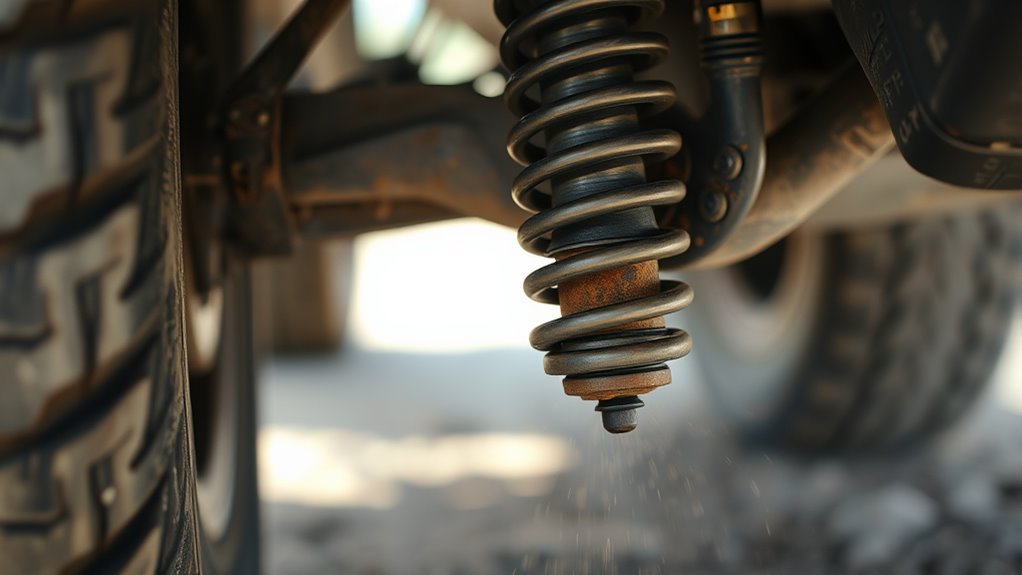
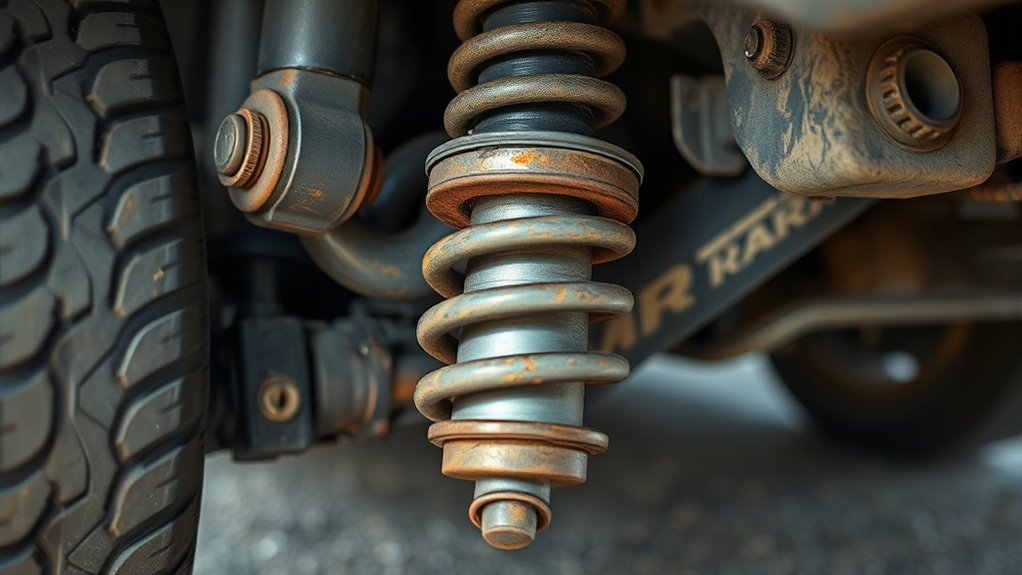
    Can bad shocks cause vibration? Yes, they can definitely cause vibration by failing to dampen the oscillations from road irregularities. When your shocks lose fluid or have worn components, they allow uncontrolled bouncing that transmits motion to the vehicle frame and steering wheel, creating noticeable vibration.

    This negatively affects handling, stability, and safety by amplifying dynamic loads. Understanding how these shock failures lead to vibration can help you better diagnose and address the issue for a smoother, safer ride.

    Key Takeaways

    • Bad shocks fail to dampen oscillations, causing uncontrolled vehicle movement and noticeable vibrations.
    • Worn shocks produce uneven vertical motions and increased bounce frequency felt as vibration on rough roads.
    • Defective shocks alter vibration frequency, amplifying oscillations and causing consistent vibration intervals matching shock rebound.
    • Vibration from bad shocks often includes steering wheel shudder and decreased stability during cornering or braking.
    • Regular shock maintenance prevents vibrations by ensuring proper absorption and vehicle stability, reducing safety risks.

    Can Bad Shocks Cause Vibration? How Shocks Affect Vehicles and Machinery

    How exactly do bad shocks cause vibration in vehicles and machinery? When shock absorption components deteriorate, they lose their ability to dampen oscillations effectively. This failure allows uncontrolled movement and resonance within the system, leading to noticeable vibration.

    In vibration analysis, you’ll find that defective shocks alter the frequency response, amplifying unwanted oscillations. The shock absorber’s role is to convert kinetic energy into thermal energy, stabilizing the chassis or mechanical structure.

    Defective shocks change frequency response, amplifying oscillations by failing to convert kinetic energy into thermal energy.

    When this process is compromised, components experience increased dynamic loads, resulting in vibration that affects performance and safety.

    So, bad shocks disrupt the controlled dissipation of energy, causing erratic vibrations that propagate through the vehicle or machinery’s framework.

    Understanding this interplay is essential for diagnosing and mitigating vibration issues related to shock absorption failures.

    Signs Your Shocks Are Causing Vibration

    Why might you feel unusual vibrations while driving or operating machinery? One primary indicator is uneven or excessive vibration that correlates with road irregularities or load variations. If shock absorbers are worn or damaged, they fail to dampen oscillations effectively, resulting in persistent vibrations.

    During vibration analysis, focus on irregular vertical motions, increased bounce frequency, or steering wheel shudder. Additionally, poor shock maintenance often leads to fluid leaks or visible damage, which are objective signs.

    You may notice decreased stability during cornering or braking, further signaling shock-related issues. Identifying these signs promptly through systematic vibration analysis helps prevent secondary damage and guarantees operational safety.

    Always integrate shock maintenance protocols to monitor shock absorber conditions regularly and address vibration symptoms early.

    How to Tell Vibration From Bad Shocks Versus Other Causes

    You need to identify specific vibration symptoms to determine if bad shocks are the source.

    Focus on differentiating the impact of worn shocks from other common causes like tire imbalance or drivetrain issues.

    Identifying Vibration Symptoms

    Where exactly does the vibration originate when you experience bad shocks?

    Typically, the vibration frequency correlates closely with the shock rebound cycle.

    If your shocks are compromised, the suspension fails to absorb impact efficiently, causing a rapid, uneven rebound that transmits vibrations through the chassis.

    You’ll notice these vibrations occurring at consistent intervals matching the shock’s oscillation rate.

    To identify if bad shocks cause vibration, observe whether the vibrations intensify during uneven terrain or abrupt braking.

    These are conditions that demand maximum shock absorption.

    Unlike other causes, bad shocks produce a distinctive vibration pattern tied directly to shock rebound dynamics rather than wheel imbalance or drivetrain issues.

    Monitoring this frequency and corresponding vehicle behavior helps you pinpoint vibration symptoms specifically linked to failing shocks.

    Differentiating Shock Impact

    Distinguishing vibration caused by bad shocks from other sources requires careful analysis of the vibration’s characteristics and conditions under which it occurs. You need to assess various shock types, such as sudden impacts, continuous jolts, or intermittent hits, and correlate them with the timing and frequency of the vibration.

    Conducting a thorough impact analysis helps isolate whether the vibration stems from shock absorption failure or other mechanical issues. Focus on amplitude, duration, and waveform patterns during these shocks.

    Bad shocks often produce irregular, high-amplitude spikes distinct from smoother, periodic vibrations caused by imbalances or misalignments.

    Common Vibration Causes

    Although vibrations can originate from numerous mechanical issues, identifying those caused specifically by bad shocks hinges on analyzing their unique signatures.

    You need to evaluate various shock absorber types—hydraulic, gas-charged, or coil-over—since each exhibits distinct damping behaviors impacting vibration patterns.

    Employ vibration testing techniques like frequency analysis and accelerometer data collection to isolate shock-induced oscillations from other sources such as tire imbalance, drivetrain issues, or wheel misalignment.

    Focus on low-frequency vibrations typically linked to deteriorated shock absorbers, contrasting them against higher-frequency vibrations caused by engine or transmission faults.

    What Happens When Bad Shocks Cause Vibration

    When bad shocks cause vibration, you need to pinpoint the exact source to address the issue effectively.

    This vibration directly affects your vehicle’s handling, reducing stability and control.

    Identifying Vibration Sources

    If bad shocks generate vibrations, you need to pinpoint their exact source to address the issue effectively. Conducting a thorough vibration analysis helps isolate whether shocks are the root cause or if other components contribute.

    Focus on these key steps during shock maintenance and diagnostics:

    • Inspect shock absorbers for leaks, wear, or damage affecting damping performance.
    • Check mounting hardware and bushings for looseness or degradation causing vibration transmission.
    • Perform vibration frequency analysis to correlate shock defects with vibration patterns.
    • Evaluate suspension alignment and tire condition that may amplify or mimic shock-induced vibrations.

    Impact on Vehicle Handling

    After isolating bad shocks as a source of vibration, you can assess how these vibrations directly affect vehicle handling.

    Faulty shocks compromise your vehicle stability by failing to adequately dampen road impacts, resulting in excessive body roll and reduced tire contact with the road surface.

    This instability impairs steering response and braking efficiency, increasing the risk of loss of control during maneuvers.

    Additionally, vibrations from worn shocks can mask subtle handling cues, making it harder for you to anticipate and react to road conditions.

    Maintaining proper shock maintenance is critical; neglecting it allows shock degradation that progressively undermines handling performance.

    Diagnosing Shock Absorber Issues

    Although diagnosing shock absorber issues can be challenging, identifying vibration patterns and their sources provides clear indicators of worn or damaged shocks. You’ll want to start with a thorough shock inspection, checking for leaks, dents, or corrosion.

    Next, conduct vibration analysis while driving to pinpoint irregular oscillations linked to faulty shocks. Pay close attention to:

    • Uneven tire wear or cupping
    • Excessive bouncing after bumps
    • Steering wheel vibrations at certain speeds
    • Abnormal noises during suspension compression

    Combining these observations allows you to differentiate shock-related vibrations from other suspension or wheel problems.

    Precise shock inspection paired with targeted vibration analysis guarantees accurate diagnosis, helping you address issues before they escalate into safety hazards or costly repairs.

    How Bad Shocks Cause Unstable Rides and Vibration

    When your shocks deteriorate, they can no longer effectively absorb and dampen road impacts, which directly compromises vehicle stability.

    Poor shock absorption means your tires lose consistent contact with the road, causing erratic handling and increased body roll during turns.

    Inadequate shock absorption disrupts tire-road contact, leading to unstable handling and excessive body roll.

    This instability manifests as vibrations transmitted through the chassis, reducing ride comfort and driver control.

    Additionally, worn shocks fail to control suspension rebound, resulting in oscillations that amplify vibration frequency and intensity.

    The cumulative effect is an unstable ride where you feel every irregularity, increasing fatigue and risk during driving.

    Understanding how shock degradation disrupts the suspension’s damping function helps you grasp why bad shocks lead to both unstable rides and vibration issues.

    Maintaining effective shock absorption is essential for preserving vehicle stability and a smooth, controlled ride.

    How to Diagnose Vibration Issues Linked to Faulty Shocks

    Recognizing the connection between faulty shocks and vibration is just the beginning; accurately diagnosing these issues requires a systematic approach.

    You need to perform detailed vibration analysis and thoroughly inspect shock maintenance records.

    Start by:

    • Visually examining shocks for leaks, dents, or damage.
    • Conducting bounce tests to assess shock responsiveness.
    • Using vibration analysis tools to detect irregular oscillation frequencies.
    • Checking vehicle alignment and tire conditions to rule out other vibration sources.

    Repair or Replace Bad Shocks Causing Vibration

    If your inspection confirms that worn or damaged shocks are causing vibration, you’ll need to decide whether to repair or replace them. Generally, shock replacement offers a more reliable solution since shocks undergo significant wear and tear, reducing their effectiveness over time.

    Repairing shocks often involves replacing seals or refilling fluid, but this may not fully restore performance, potentially leading to incomplete vibration repair.

    When opting for shock replacement, make sure you select components compatible with your vehicle’s specifications to maintain peak ride stability.

    Additionally, professional installation is critical to avoid alignment issues that could perpetuate vibration problems.

    Prioritizing shock replacement over repair minimizes the risk of recurring vibration, guaranteeing a smoother, safer driving experience.

    Why Maintaining Shocks Prevents Vibration Problems

    Since shocks play a critical role in dampening road impact and maintaining tire contact, regular maintenance directly prevents vibration issues by preserving their ideal function.

    When you prioritize shock maintenance, you guarantee consistent absorption of irregularities, reducing oscillations that cause vibration.

    Neglecting this leads to uneven damping, creating resonance frequencies felt as vibrations.

    Ignoring shock maintenance causes uneven damping and vibrations through resonance frequencies.

    To maximize vibration prevention, focus on:

    • Inspecting shocks for leaks and physical damage
    • Checking shock mountings for tightness and wear
    • Monitoring ride quality changes indicating shock degradation
    • Replacing shocks at manufacturer-recommended intervals

    Why Bad Shocks Threaten Safety and Equipment Life

    Although bad shocks may seem like a minor issue, they directly compromise vehicle safety and accelerate equipment wear.

    When shocks deteriorate, they fail to absorb impacts effectively, causing excessive vibration transmission through the chassis. This increased vibration undermines control and stability, elevating the risk of accidents.

    Furthermore, poor shock performance leads to uneven tire wear and stresses suspension components beyond design limits, reducing overall equipment life.

    Proper shock maintenance is crucial to restore damping efficiency and guarantee vibration prevention. Neglecting this maintenance allows vibration to propagate, damaging sensitive parts and increasing repair costs.

    Frequently Asked Questions

    Can Bad Shocks Affect Fuel Efficiency?

    Yes, bad shocks reduce shock absorber efficiency, increasing rolling resistance and uneven tire wear. Your fuel consumption analysis will show higher fuel use as your vehicle works harder, lowering overall fuel efficiency considerably.

    Do Bad Shocks Cause Uneven Tire Wear?

    Yes, bad shocks can cause uneven tire wear by disrupting tire alignment and stressing suspension components. You’ll notice irregular tread patterns as the shocks fail to maintain consistent contact, leading to premature tire degradation and handling issues.

    How Often Should Shocks Be Inspected or Replaced?

    You should perform shock maintenance every 12,000 to 15,000 miles, with an inspection frequency of at least twice a year to detect wear or leaks. This ensures ideal vehicle stability and prevents premature suspension component failure.

    Yes, off road trucks and luxury vehicles are more prone to shock-related vibration due to their advanced suspension systems and heavier loads.

    You’ll notice vibrations if shocks degrade, affecting ride quality and vehicle stability considerably.

    Can Driving Habits Worsen Shock Absorber Damage?

    Yes, your aggressive driving techniques, like sudden braking or sharp turns, accelerate shock absorber wear.

    Consistent shock maintenance and adopting smoother driving habits help preserve shock performance, reduce vibration, and extend your vehicle’s suspension lifespan effectively.

    Conclusion

    So, if you’re into feeling every bump like a personal massage or prefer your ride to mimic a shaky carnival ride, by all means, ignore those bad shocks. But if you value stability, safety, and machinery that doesn’t vibrate itself to death, it’s time to diagnose and fix those faulty shocks.

    Trust me, your vehicle and your nerves will thank you when you swap out those troublemakers for smooth, vibration-free rides. Remember, bad shocks can definitely cause vibration, so addressing them promptly ensures a safer and more comfortable driving experience.

  • What Do Bad Shocks Look Like

    What Do Bad Shocks Look Like

    When you face a bad shock, key economic indicators like output, employment, and inflation simultaneously drop or become erratic, revealing systemic stress and destabilizing markets. You’ll see sharp GDP declines, surging volatility, and disrupted investment as uncertainty spikes.

    These shocks stem from sudden policy shifts, external crises, or financial imbalances. Different sectors respond uniquely, complicating recovery efforts. Understanding these patterns helps you assess risks and anticipate the broader impact on growth and market stability.

    Key Takeaways

    • Bad shocks cause sharp declines in GDP growth, employment rates, and disrupt inflation patterns erratically.
    • They trigger simultaneous adverse movements across multiple economic indicators, signaling systemic stress.
    • Financial markets experience increased volatility and asset value erosion due to disrupted information flow.
    • Bad shocks often stem from sudden policy changes, external conflicts, or financial imbalances causing market instability.
    • Recovery depends on restoring confidence, but shocks can lead to widespread financial distress across sectors.

    What Makes a Bad Shock in Economic Terms?

    Although economic shocks can vary widely in origin and impact, a bad shock typically disrupts key variables like output, employment, and inflation in a way that reduces overall welfare.

    When you analyze economic indicators during such shocks, you’ll notice sharp declines in GDP growth and employment rates, accompanied by erratic inflation patterns.

    Market volatility spikes as investors react to uncertainty, exacerbating financial instability. These disruptions hinder resource allocation efficiency, dampen consumer confidence, and increase risk premiums.

    Rising market volatility fuels financial instability, undermining resource allocation and weakening consumer confidence.

    You’ll find that a bad shock’s diagnostic profile involves simultaneous adverse movements across multiple indicators, signaling systemic stress rather than isolated fluctuations.

    Understanding these patterns helps you identify the severity and persistence of shocks, enabling more effective policy responses aimed at stabilizing output and restoring economic equilibrium.

    Why Sudden and Severe Shocks Hit Hard

    You don’t anticipate sudden shocks, so their magnitude hits you with full force, overwhelming your ability to respond effectively.

    Your emotional response triggers rapid stress reactions that impair decision-making and resilience.

    Understanding these dynamics helps explain why abrupt and severe shocks disrupt systems more than gradual changes.

    Unexpected Impact Magnitude

    When sudden shocks occur without warning, they overwhelm your system’s capacity to adapt, amplifying their impact. Unexpected economic shifts disrupt established equilibrium, leaving your shock absorption mechanisms underprepared.

    These mechanisms, designed to moderate typical fluctuations, fail to engage effectively when the magnitude of change surpasses anticipated thresholds. As a result, you experience amplified stress on resources, operational structures, and decision-making processes.

    The diagnostic challenge lies in identifying which components of your system are most vulnerable to these abrupt deviations. By analyzing the intensity and scope of the shock, you can pinpoint weak links in your absorption capacity.

    Understanding this unexpected impact magnitude is essential for developing more resilient frameworks that can better withstand future severe shocks without catastrophic failure.

    Rapid Emotional Response

    Since your brain processes sudden shocks faster than your conscious mind can rationalize them, rapid emotional responses often intensify the perceived severity of the event.

    When you encounter unexpected stressors, your emotional triggers activate neural pathways linked to fear and anxiety, leading to heightened physiological and psychological reactions.

    This rapid response can overwhelm your psychological resilience, impairing your ability to assess the situation objectively. You may experience amplified distress because the initial shock bypasses slower, rational processing centers in your brain.

    Understanding this mechanism helps you recognize why some shocks feel disproportionately intense.

    Common Causes of Bad Shocks in Markets

    Anyone analyzing market disruptions will find that bad shocks often stem from a few critical factors.

    You need to identify these to understand market volatility and assess economic resilience properly. Here are the primary causes:

    1. Sudden policy changes Regulatory shifts can abruptly alter market dynamics, triggering immediate price adjustments.
    2. External economic shocks Events like geopolitical conflicts or natural disasters sharply disrupt supply chains and demand.
    3. Financial market imbalances Overleveraging and liquidity shortages create fragile conditions prone to rapid corrections.
    4. Information asymmetry Uneven access to critical data causes mispricing, fueling panic selling or irrational buying.

    How Bad Shocks Increase Uncertainty and Risk

    Although bad shocks disrupt markets abruptly, they primarily amplify uncertainty and risk by undermining the reliability of available information and forecasting models.

    Bad shocks shake markets by weakening the trustworthiness of data and forecasting tools.

    When you encounter a bad shock, uncertainty factors multiply as historical data lose predictive power. This degradation complicates your risk assessment, forcing you to reconsider probabilities and potential outcomes with diminished confidence.

    The shock introduces structural breaks, rendering established models less effective and increasing volatility in key variables. As a result, you face wider confidence intervals and elevated error margins in forecasts.

    This compounded uncertainty challenges decision-making frameworks, requiring you to incorporate scenario analyses and stress tests more rigorously.

    Fundamentally, bad shocks don’t just cause immediate disruptions. They systematically erode the informational foundation critical for accurate risk assessment and effective market navigation.

    The Impact of Bad Shocks on Investment and Growth

    When bad shocks strike, they directly suppress investment by heightening uncertainty about future returns and increasing the cost of capital. You’ll notice that your investment strategies must adapt quickly, as traditional growth forecasts become less reliable.

    Specifically, you face these challenges:

    1. Reduced capital allocation due to risk-averse behavior.
    2. Delayed or canceled projects as firms reassess expected profitability.
    3. Increased precautionary savings, diverting funds from productive investment.
    4. Higher risk premiums that raise financing costs and limit access to external funds.

    These factors collectively slow economic growth, as diminished investment hampers productivity and innovation.

    To mitigate these impacts, you need to recalibrate your strategies, incorporating more robust risk assessments and flexible forecasting models that account for heightened volatility.

    Recognizing these dynamics helps you navigate and respond effectively to the disruptive effects of bad shocks on investment and growth.

    How Different Sectors React to Bad Shocks

    You’ll notice that different sectors exhibit distinct responses when faced with bad shocks, influenced by their structural characteristics and exposure levels.

    These variations impact overall economic performance, as some sectors contract sharply while others may show resilience or even opportunity.

    Understanding these sector-specific dynamics is essential for diagnosing broader economic vulnerabilities and tailoring policy interventions.

    Sector-Specific Shock Responses

    Since each sector operates under distinct market dynamics and regulatory environments, their reactions to bad shocks vary considerably. You need precise sector analysis to gauge shock resilience effectively.

    Different sectors exhibit unique response patterns:

    1. Manufacturing often faces supply chain disruptions, impacting production rates and inventory levels directly.
    2. Financial services experience rapid liquidity fluctuations, requiring immediate risk mitigation strategies.
    3. Healthcare sectors endure demand surges paired with resource constraints, stressing operational capacity.
    4. Technology sectors may see abrupt shifts in consumer behavior and investment flows, influencing innovation cycles.

    Understanding these differentiated responses helps you anticipate vulnerabilities and tailor interventions.

    Economic Impact Variations

    Although bad shocks disrupt all sectors, their economic impacts vary considerably due to differing operational structures and market dependencies.

    When you analyze sectors like manufacturing, their high capital intensity and supply chain complexity make them more vulnerable to market volatility, reducing economic resilience.

    Conversely, service sectors often show greater adaptability, leveraging flexible labor and demand responsiveness to mitigate shock effects.

    Financial markets, highly sensitive to information flow, amplify volatility but can recover swiftly if confidence is restored.

    You’ll notice that sectors reliant on global trade suffer disproportionately during international shocks, whereas local-focused industries might experience milder impacts.

    Understanding these variations allows you to anticipate sector-specific vulnerabilities and tailor policy responses effectively, enhancing overall economic resilience in the face of unpredictable shocks.

    How Policy Can Soften Bad Shocks

    When unexpected economic shocks occur, policymakers must act swiftly to mitigate their adverse effects on households and markets.

    Effective policy responses are essential to bolstering economic resilience. You can focus on:

    1. Monetary easing: Lowering interest rates to maintain liquidity and encourage investment.
    2. Fiscal stimulus: Increasing government spending or cutting taxes to boost aggregate demand.
    3. Targeted support: Providing direct assistance to vulnerable populations to sustain consumption.
    4. Regulatory adjustments: Temporarily relaxing financial regulations to guarantee credit flow and prevent defaults.

    Why Some Bad Shocks Lead to Lasting Economic Damage

    If a bad shock disrupts critical sectors or triggers widespread financial distress, its effects can extend well beyond the initial impact.

    You’ll notice that when economic resilience is weak, the shock recovery process slows, causing persistent output losses and elevated unemployment.

    Structural damage to capital stock or labor markets reduces productive capacity, making it harder for the economy to bounce back.

    Additionally, negative feedback loops, such as reduced investment and credit tightening, amplify the initial shock’s severity.

    You must consider that some shocks impair confidence and trust in institutions, further undermining economic resilience.

    Without timely and effective interventions, these dynamics compound, locking the economy into a lower growth trajectory and resulting in lasting economic damage that conventional short-term recovery measures can’t easily reverse.

    How Businesses and Investors Can Prepare for Bad Shocks

    Since bad shocks can severely disrupt markets and erode asset values, you need to implement rigorous risk assessment and contingency planning to safeguard your business or investment portfolio.

    Effective preparation hinges on a structured approach:

    Effective preparation hinges on a structured approach, ensuring resilience and adaptability in the face of market shocks.

    1. Conduct thorough risk management analyses to identify vulnerabilities and potential shock triggers.
    2. Establish financial buffers, such as liquidity reserves or diversified asset allocations, to absorb sudden losses.
    3. Develop scenario-based stress tests to evaluate your portfolio’s resilience under adverse conditions.
    4. Implement flexible operational strategies that allow rapid adjustments in response to emerging shocks.

    Frequently Asked Questions

    How Do Bad Shocks Affect Consumer Behavior in the Short Term?

    You’ll see consumer spending drop sharply as bad shocks erode market confidence. This decline reflects uncertainty, prompting you to reduce purchases and delay investments.

    These actions together slow economic activity and amplify short-term instability.

    What Historical Examples Show the Worst Economic Shocks?

    You’ll identify the worst economic shocks as the Great Depression, Oil Crisis, Financial Collapse, and Pandemic Recession. Each caused sharp GDP contractions, soaring unemployment, and disrupted markets, showcasing severe systemic vulnerabilities and prolonged recovery challenges.

    Can Bad Shocks Trigger Changes in Global Trade Patterns?

    You’ll find that 60% of major economic shocks cause lasting trade disruptions, forcing you to adapt global supply chains swiftly. These adjustments reshape trade routes, impacting production costs and market accessibility worldwide with measurable precision.

    How Do Bad Shocks Influence Unemployment Rates Differently?

    You’ll see labor market dynamics worsen as bad shocks increase unemployment variably, influenced by sector. Economic downturn effects tighten hiring, extend joblessness, and shift workforce demands.

    These changes intensify disparities across industries and regions.

    Are Certain Countries More Resilient to Bad Shocks Than Others?

    Think of countries as shock absorbers; you’ll find some have superior economic resilience, allowing better shock absorption. These nations’ diversified economies and robust institutions help them diagnose and mitigate downturns more efficiently than others with weaker frameworks.

    Conclusion

    When a bad shock hits, it’s like maneuvering through a sudden storm at sea—unpredictable and treacherous. You can’t control the waves, but understanding their origins helps you steer wisely. Recognize how these shocks amplify risk and disrupt growth so you can implement policies and strategies that cushion the blow.

    Preparing for these economic tempests isn’t just smart—it’s essential to prevent lasting damage and keep your investments afloat in turbulent times. Knowing what bad shocks look like equips you to respond effectively and maintain stability when uncertainty strikes.

  • When to Change Shocks

    When to Change Shocks

    You should change your shocks if you notice excessive bouncing after bumps, visible fluid leaks on the shock body, uneven tire wear, or increased body roll during turns. These signs mean your shocks can’t control suspension movement properly, compromising safety and handling.

    Delaying replacement risks longer braking distances and further suspension damage. Knowing when and how to replace shocks guarantees your vehicle performs reliably and safely.

    Keep exploring to understand the full impact and replacement process.

    Key Takeaways

    • Change shocks if you notice visible fluid leaks, indicating seal failure and reduced damping efficiency.
    • Replace shocks when the vehicle excessively bounces after bumps, showing loss of suspension control.
    • Uneven tire wear patterns can signal worn shocks needing timely replacement.
    • Increased body roll during turns and longer braking distances suggest compromised shocks affecting safety.
    • Routine shock replacement is recommended every 50,000 to 100,000 miles or sooner if performance degrades.

    What Shock Absorbers Do and Why They Matter

    Shock absorbers play a critical role in maintaining your vehicle’s stability and control by dampening the impact of road irregularities. They convert kinetic energy from suspension movement into heat, reducing oscillations that affect handling and ride comfort.

    Understanding shock absorber types, such as hydraulic, gas-charged, and monotube, helps you select the best solution for your vehicle. Each type offers distinct damping characteristics suited to different driving conditions.

    Explore hydraulic, gas-charged, and monotube shocks to find the ideal damping for your driving needs.

    Proper shock installation techniques guarantee alignment, secure mounting, and correct torque specifications, preventing premature wear and maintaining performance. By focusing on these technical aspects, you’ll enhance vehicle safety and extend suspension component life, assuring predictable response during acceleration, braking, and cornering.

    Recognizing the function and installation of shocks is essential before monitoring their condition or planning replacements.

    Signs Your Shocks Need Replacing

    You’ll want to inspect your shocks regularly for visible fluid leakage, which indicates a seal failure.

    Notice if your vehicle bounces excessively after hitting bumps. That’s a clear sign the shocks aren’t dampening properly.

    Additionally, uneven tire wear patterns can reveal compromised shock performance affecting tire contact with the road.

    Visible Leakage On Shocks

    Although it might seem minor at first, visible oil leakage on your vehicle’s shocks indicates a compromised seal and diminished damping performance.

    During your routine shock maintenance and fluid inspection, spotting this leakage is critical. It signals the shock absorber’s internal fluid is escaping, reducing its ability to control suspension movement.

    Here are four key points to take into account:

    1. Leakage usually appears as oily residue on the shock body.
    2. It often results from worn or damaged seals.
    3. Persistent fluid loss leads to reduced shock efficiency.
    4. Ignoring leakage can cause uneven tire wear and poor handling.

    Addressing visible leakage promptly guarantees your shocks maintain peak performance and vehicle safety.

    Excessive Bouncing While Driving

    Visible oil leakage signals that your shocks aren’t properly containing their damping fluid, which directly affects how your vehicle absorbs road impacts.

    One of the most noticeable signs you need to replace your shocks is excessive bouncing while driving.

    When the shocks lose their ability to control suspension movement, you’ll experience pronounced bouncing effects after hitting bumps or uneven surfaces.

    This not only compromises driving comfort but also reduces vehicle stability and control.

    If you feel your car continues to oscillate longer than usual or exhibits a “floaty” sensation, your shocks are failing to dampen suspension travel effectively.

    Addressing these symptoms promptly is essential to maintain safe handling, minimize wear on other suspension components, and restore ideal driving comfort.

    Uneven Tire Wear Patterns

    When shocks fail to absorb impacts properly, they cause irregular tire contact with the road, leading to uneven tire wear patterns. This uneven wear often signals that your shocks need replacing to maintain ideal tire alignment and vehicle safety.

    Here are key signs to watch for:

    1. Feathered Tread Edges

    Tread patterns show a saw-tooth wear, indicating poor shock absorption.

    2. Cupping or Scalloping

    Tires develop high and low points, a direct result of bouncing caused by worn shocks.

    3. Inner or Outer Edge Wear

    Uneven wear on tire edges often points to compromised shock performance affecting alignment.

    4. Rapid Tread Wear

    Accelerated tire degradation suggests shocks aren’t stabilizing the vehicle, causing uneven pressure distribution.

    Addressing these issues promptly preserves tire life and guarantees proper tire alignment.

    When Should You Replace Old Shocks?

    How can you determine the ideal time to replace your old shocks? The shock lifespan typically ranges between 50,000 to 100,000 miles, but this varies based on driving conditions and vehicle usage.

    You should monitor specific performance indicators such as increased body roll, prolonged braking distances, or visible fluid leaks around the shock body. Additionally, excessive bouncing after hitting bumps signals diminished damping efficiency.

    Inspecting for physical damage or corrosion can also reveal compromised integrity. Regular evaluations, especially after harsh terrain exposure, help identify wear early.

    Replacing shocks at the right time guarantees prime ride comfort and suspension function. Relying solely on mileage can be misleading, so prioritize these tangible performance indicators to maintain your vehicle’s handling and stability effectively.

    How Worn Shocks Affect Handling and Safety

    Although worn shocks mightn’t always be immediately noticeable, they considerably impair your vehicle’s handling and safety. Reduced shock performance directly impacts your control over the vehicle, compromising handling stability.

    When shocks deteriorate, you may experience increased body roll during turns, reducing cornering precision. You might also notice longer braking distances due to uneven tire contact.

    Excessive bouncing on uneven surfaces affects steering response, and poor traction is common, especially on wet or slippery roads. Each factor diminishes your ability to respond accurately, raising the risk of accidents.

    Maintaining peak shock performance guarantees consistent handling stability, preserving your vehicle’s safety.

    If you notice these symptoms, it indicates your shocks are worn and not functioning as designed, necessitating prompt inspection and maintenance to avoid critical handling issues.

    Why You Shouldn’t Wait to Replace Worn Shocks

    You shouldn’t wait to replace worn shocks because safety risks escalate as their effectiveness diminishes.

    Reduced shock absorption compromises your vehicle’s stability, increasing the chance of accidents.

    Additionally, your vehicle’s overall performance declines, affecting braking and handling precision.

    Safety Risks Increase

    Because worn shocks compromise your vehicle’s stability, they greatly increase safety risks on the road.

    Your car’s safety features depend on consistent driving stability, which shocks help maintain by absorbing road impacts and controlling suspension movement.

    When shocks degrade, you face:

    1. Reduced tire contact with the road, impairing traction.
    2. Increased stopping distances due to unstable braking.
    3. Excessive body roll during turns, risking loss of control.
    4. Poor response to emergency maneuvers, limiting vehicle control.

    Ignoring worn shocks undermines essential safety features, putting you and others in danger.

    Replacing shocks promptly preserves driving stability, ensuring your vehicle handles predictably in varying conditions.

    Don’t wait until safety is compromised. Act when you notice signs of shock wear or during routine inspections.

    Vehicle Performance Declines

    Beyond safety concerns, worn shocks considerably impair your vehicle’s overall performance. When shock performance deteriorates, your suspension system can no longer effectively absorb road irregularities. This leads to increased body roll during cornering, reduced tire contact with the road, and longer braking distances.

    You’ll notice a decline in ride comfort as well, with vibrations and jolts becoming more pronounced inside the cabin. Ignoring these symptoms forces other suspension components to compensate, accelerating wear and risking costly repairs.

    To maintain ideal handling, stability, and passenger comfort, you shouldn’t delay replacing worn shocks. Timely replacement restores the shocks’ ability to control suspension movement precisely, ensuring your vehicle responds predictably and maintains consistent traction under various driving conditions.

    Prioritize shock maintenance to preserve both performance and comfort.

    How to Choose the Right Replacement Shocks

    How do you determine which replacement shocks best suit your vehicle’s needs? Start by evaluating shock types. Choose between hydraulic, gas-charged, or adjustable shocks based on your driving conditions.

    Next, consider shock brands. Opt for reputable manufacturers known for durability and performance.

    Then, check compatibility with your vehicle’s make and model to guarantee proper fit and function.

    Finally, factor in your driving style, whether you prioritize comfort, sport handling, or off-road capability, to select shocks that match your requirements.

    1. Identify appropriate shock types for your vehicle and terrain.
    2. Research top shock brands with proven reliability.
    3. Verify fitment and specifications for your vehicle model.
    4. Align shock performance characteristics with your driving preferences.

    This approach guarantees ideal suspension performance and longevity.

    What to Expect During Shock Replacement Service

    When you bring your vehicle in for shock replacement, the technician will first inspect the suspension system to confirm the extent of wear and identify any additional issues.

    During the shock service, they’ll remove the old shocks and assess mounting hardware for damage or corrosion.

    The replacement process involves installing new shocks precisely matched to your vehicle’s specifications to guarantee peak performance and safety.

    Technicians will test the suspension’s function post-installation, confirming proper operation and ride quality.

    You can expect the entire shock service to take between one to two hours, depending on your vehicle model and any complications found during inspection.

    Following the replacement process, your vehicle will handle more smoothly, offering improved stability and control, especially on uneven terrain or during braking.

    Frequently Asked Questions

    Can I Replace Shocks Myself or Should I Hire a Mechanic?

    You can attempt DIY replacement if you have proper tools and mechanical knowledge, but shocks require precise installation. For safety and ideal performance, consider professional installation to guarantee correct torque settings and avoid potential damage or injury.

    Are All Shock Absorbers Compatible With My Vehicle Make and Model?

    Not all shock absorbers guarantee shock compatibility with your vehicle specifications. You need to select shocks designed specifically for your make and model to maintain performance, safety, and proper fit.

    Always consult manufacturer guidelines before purchasing.

    How Do Different Road Conditions Affect Shock Absorber Lifespan?

    If you drive frequently on rough gravel roads, your shock lifespan decreases due to constant vibrations and impacts. Harsh road conditions accelerate wear, so you should inspect shocks regularly to maintain ideal vehicle stability and safety.

    Can Worn Shocks Cause Uneven Tire Wear?

    Yes, worn shocks can cause uneven tire wear by disrupting tire alignment and suspension stability. Regular shock maintenance guarantees proper alignment, improves handling, and prevents premature tire damage, enhancing overall vehicle safety and performance.

    What Are the Typical Costs Associated With Shock Replacement?

    Think of shock replacement costs like fixing a leaky faucet. Parts usually run $100-$300, while labor expenses add $100-$150.

    You’ll pay $200-$450 total, depending on your vehicle’s make and shop rates.

    Conclusion

    By now, you’ve seen how worn shocks can turn your smooth ride into a bumpy journey, quietly eroding control and safety. Don’t let your vehicle’s heartbeat falter—replacing your shocks keeps every twist and turn steady and sure.

    Choosing the right shocks and timely service guarantees your ride stays balanced, responsive, and secure. Think of fresh shocks as a new set of lungs for your suspension, breathing life back into every drive.

    Knowing when to change shocks is key to maintaining that smooth, controlled ride. Keep an eye on wear and don’t wait until the bumps become unbearable.

  • Can Am Defender Oil Filter

    Can Am Defender Oil Filter

    Your Can-Am Defender oil filter is essential for trapping contaminants and maintaining clean engine oil. This process protects internal parts from wear and ensures smooth performance.

    You should replace the filter every 50 hours or annually. It’s important to choose one that matches OEM specs and uses high-quality filtration materials.

    Regular replacement prevents engine damage and keeps your Defender running reliably. Understanding how to select and change your oil filter correctly will help maintain peak engine health and performance.

    Key Takeaways

    • The Can-Am Defender oil filter removes contaminants to protect the engine and maintain proper lubrication.
    • Replace the oil filter every 50 hours or annually, more often in dusty or harsh conditions.
    • Choose a filter compatible with the Can-Am Defender, matching OEM specifications and thread size.
    • High-quality filters use synthetic fibers and advanced filtration to capture fine particles and prevent leaks.
    • Signs to replace include reduced engine performance, oil contamination, unusual noises, and rough idling.

    Why Your Can-Am Defender’s Oil Filter Is So Important

    Understanding the critical role of your Can-Am Defender’s oil filter is essential for maintaining engine performance and longevity. The oil filter removes contaminants from engine oil, ensuring proper lubrication of moving parts.

    Without effective filtration, abrasive particles can cause accelerated wear and potential engine failure. You’ll find various oil filter types, including spin-on and cartridge designs, each engineered for maximum filtration efficiency and compatibility with your Defender’s engine.

    Recognizing the importance of lubrication, the oil filter maintains oil cleanliness, preserving viscosity and preventing sludge buildup. This filtration process protects the engine’s internal components, reduces friction, and supports consistent oil flow under varying conditions.

    Common Signs Your Can-Am Defender Oil Filter Needs Replacing

    You’ll notice reduced engine performance when your Can-Am Defender’s oil filter is clogged, restricting proper oil flow.

    Visible oil contamination, such as dirt or metal particles, signals the filter isn’t effectively trapping debris.

    Additionally, unusual engine noises can indicate insufficient lubrication caused by a failing oil filter.

    Reduced Engine Performance

    Although your Can-Am Defender may run, reduced engine performance often signals that its oil filter is clogged or failing.

    When the oil filter performance declines, contaminants aren’t effectively removed, causing increased friction and wear within the engine. This buildup restricts oil flow, reducing lubrication and cooling efficiency, which directly impacts engine performance.

    You might notice sluggish acceleration, rough idling, or decreased power output, all indicators that your oil filter isn’t functioning at its best. Ignoring these signs can lead to premature engine wear or damage.

    To maintain peak engine performance, regularly inspect and replace the oil filter according to your Defender’s maintenance schedule. Doing so guarantees clean oil circulation, preserves engine components, and keeps your Can-Am running smoothly under demanding conditions.

    Visible Oil Contamination

    When contaminants accumulate beyond the oil filter’s capacity, you’ll often see visible signs of oil contamination.

    During filter inspection, you may notice dark, gritty particles suspended in the oil or a milky appearance indicating coolant mixing with oil.

    These visual cues suggest the filter’s inability to trap debris effectively, risking engine wear.

    Conducting regular oil analysis can confirm contamination levels by detecting metal shavings or sludge, which signal filter degradation.

    If you observe discoloration or sediment during inspection, it’s critical to replace the oil filter immediately to maintain proper lubrication and protect engine components.

    Ignoring visible contamination compromises oil flow and filtration efficiency, accelerating engine damage.

    Staying vigilant with oil analysis and filter inspection guarantees your Can-Am Defender runs smoothly and reliably.

    Unusual Engine Noises

    If your Can-Am Defender’s oil filter starts clogging, you might hear unusual engine noises signaling restricted oil flow. These sounds often include knocking, ticking, or rattling, indicating insufficient lubrication due to oil starvation.

    During engine diagnostics, these noises serve as critical indicators that the oil filter is compromised and can’t effectively remove contaminants. To confirm this, perform noise troubleshooting by isolating the source and checking oil pressure levels.

    A clogged filter reduces oil circulation, increasing friction and wear, which manifests as abnormal engine sounds. Ignoring these signs can lead to severe engine damage.

    Consequently, promptly replacing the oil filter upon detecting unusual noises guarantees ideal engine performance and longevity.

    Regular inspections and timely maintenance remain essential for preventing such issues in your Can-Am Defender.

    How to Choose the Right Oil Filter for Your Can-Am Defender

    You need to start by checking the filter compatibility guide to verify the oil filter matches your Can-Am Defender model and engine specifications.

    Pay close attention to the filter’s material and filtration quality, as they directly affect engine protection and performance.

    Choosing a filter with the right micron rating and durable construction will help maintain ideal oil flow and prevent contaminants.

    Filter Compatibility Guide

    Although selecting the right oil filter for your Can-Am Defender may seem straightforward, understanding compatibility is essential to guarantee peak engine performance and longevity.

    You’ll want to verify that the filter matches your engine model and meets OEM specifications. Leading filter brands offer compatibility charts. Use these to cross-reference part numbers and confirm a perfect fit.

    Pay close attention to thread size, gasket type, and filter dimensions to avoid leaks or installation issues. When installing, follow manufacturer installation tips carefully: lubricate the gasket, tighten to recommended torque, and check for proper seating.

    Choosing a compatible filter prevents oil flow restrictions and protects your engine. Always consult your Defender’s manual and trusted filter brands to maintain ideal performance and durability.

    Material And Filtration Quality

    Selecting a compatible oil filter sets the foundation, but understanding the filter’s material and filtration quality determines how effectively it protects your Can-Am Defender’s engine. Focus on filter construction. High-quality synthetic fibers or cellulose blends guarantee durability and efficient particle capture.

    Advanced filtration technology, like multi-layer media, traps contaminants while maintaining ideal oil flow. Evaluate micron rating and media type to match your vehicle’s demands.

    Feature Material Type Filtration Benefit
    Media Construction Synthetic / Cellulose Enhanced dirt retention
    Micron Rating 10-20 microns Fine particle filtration
    Anti-Drain Back Silicone / Nitrile Prevents dry starts
    End Cap Material Metal / Resin Structural integrity
    Seal Type Nitrile / Viton Leak prevention under pressure

    Choose filters with superior construction and filtration technology for peak engine protection.

    When and How Often to Replace Your Can-Am Defender Oil Filter

    Regularly replacing your Can-Am Defender oil filter is essential to maintaining peak engine performance and longevity. You should follow the manufacturer’s oil change frequency recommendations, typically every 50 hours of operation or annually, whichever comes first.

    Adhering to these filter maintenance guidelines guarantees contaminants are effectively removed, preventing engine wear. If you operate in dusty or harsh environments, consider more frequent replacements to safeguard engine integrity.

    Ignoring timely filter changes can lead to clogging, reduced oil flow, and compromised lubrication. Always inspect the oil filter during routine maintenance checks and replace it if you notice damage or excessive dirt accumulation.

    How to Change Your Can-Am Defender Oil Filter Step-by-Step

    Changing your Can-Am Defender oil filter involves a series of precise steps to guarantee proper engine protection.

    To maintain ideal oil filter maintenance and adhere to oil change frequency guidelines, follow these steps carefully:

    Warm up the engine to circulate oil, then turn off and secure the vehicle.

    Locate and remove the old oil filter using an appropriate wrench. Drain the old oil completely and clean the filter mounting surface.

    Lubricate the new filter’s gasket with fresh oil, then install and tighten it by hand.

    Performing these steps guarantees your Defender’s engine receives clean oil, reducing wear and prolonging longevity.

    Always consult your owner’s manual for specific oil change frequency tailored to your riding conditions.

    Regular oil filter maintenance is critical for consistent engine performance and reliability.

    Tips for Maintaining Engine Health With the Right Oil Filter

    Although maintaining your Can-Am Defender’s engine health depends on various factors, using the correct oil filter plays an essential role in protecting internal components from contaminants and wear.

    Selecting the appropriate oil filter type, whether a spin-on or cartridge filter, ensures ideal filtration efficiency tailored to your engine’s specifications.

    Adhering strictly to the recommended maintenance schedule is critical; replace the oil filter at intervals specified in your owner’s manual to prevent clogging and maintain oil flow.

    Neglecting timely filter changes can cause abrasive particles to circulate, accelerating engine wear.

    Additionally, always use filters that meet or exceed OEM standards to guarantee compatibility and durability.

    Frequently Asked Questions

    Can I Use Aftermarket Oil Filters on My Can-Am Defender?

    You can use aftermarket options for your Can-Am Defender, but you’ll need to guarantee filter compatibility with OEM specifications. Always verify size, filtration efficiency, and material quality to maintain engine performance and avoid potential damage.

    What Is the Best Oil Filter Brand for Extreme Off-Road Conditions?

    For formidable filtration, you’ll favor Fram and K&N; their oil filter durability delivers dependable dirt defense and enhanced off-road performance. These brands maintain meticulous micron ratings, ensuring maximum engine protection amid extreme terrain and challenging conditions.

    How Does Oil Filter Size Affect Engine Performance?

    Oil filter size impacts oil flow and filtration efficiency; a properly sized filter guarantees ideal oil filter design, maintaining consistent oil pressure and contaminant removal. This directly supports engine longevity and reliable performance under varying conditions.

    Are Oil Filter Magnets Beneficial for My Can-Am Defender?

    Yes, oil filter magnets can enhance your Can-Am Defender’s oil filter maintenance by improving magnet efficiency in capturing metallic debris. This helps reduce engine wear and extend filter life. However, they should complement, not replace, regular filter changes.

    Can a Clogged Oil Filter Cause Transmission Issues?

    You might think a clogged filter only affects the engine, but it can cause transmission issues too.

    Clogged filter symptoms include reduced transmission fluid flow, leading to overheating and shifting problems. Replace filters promptly to maintain performance.

    Conclusion

    Now that you know why your Can-Am Defender’s oil filter is essential, don’t wait for warning signs to act. Missing the right replacement timing or choosing the wrong filter can silently damage your engine’s performance.

    The next time you gear up, ask yourself—have you confirmed your oil filter is up to the task? Proper maintenance isn’t just a task; it’s the key to releasing your Defender’s full potential and longevity.

    Always ensure you use a quality Can Am Defender oil filter to keep your engine running smoothly and reliably.

  • Where Is the Carburetor

    Where Is the Carburetor

    You’ll find the carburetor mounted directly on top of the intake manifold, nestled between the air filter and engine block. It’s a metallic component with fuel lines and throttle linkages, often topped by a round air filter housing. Its exact placement varies by engine type—centered on inline engines or between cylinder banks on V-type engines.

    Knowing its location helps you spot issues quickly and handle maintenance effectively. Understanding these details can streamline your engine care.

    Key Takeaways

    • The carburetor is mounted directly on top of the intake manifold between the air filter and the engine block.
    • In inline engines, the carburetor is centrally located on the intake manifold.
    • For V-type engines, it sits between the two cylinder banks for compact placement.
    • It is identifiable by a metallic body with fuel lines, throttle linkage, and often a round air filter housing above.
    • The carburetor connects mechanically without wiring, positioned near the center of the engine bay under the air filter.

    Where Is the Carburetor in a Gasoline Engine?

    Where exactly is the carburetor located in a gasoline engine?

    You’ll find the carburetor mounted directly on top of the intake manifold, between the air filter and the engine block.

    This position is critical because the carburetor design focuses on mixing air and fuel efficiently before delivering it to the combustion chambers.

    The carburetor controls fuel delivery by regulating the flow of gasoline through jets and venturis, guaranteeing the right air-fuel ratio.

    The carburetor ensures the correct air-fuel mix by precisely controlling gasoline flow through jets and venturis.

    Its placement guarantees that the air entering the engine passes through the carburetor, where fuel is atomized and combined with air.

    This precise location optimizes fuel delivery, promoting efficient combustion.

    Understanding this setup helps you grasp why the carburetor is integral to engine performance and fuel management.

    How to Identify the Carburetor Under the Hood

    You’ll find the carburetor mounted directly on top of the engine’s intake manifold, usually near the center of the engine bay.

    Look for a metallic component with fuel lines and a throttle linkage attached, often featuring a round air filter housing on top.

    Checking the engine type can also help confirm the presence of a carburetor, as they’re typically used in older or classic gasoline engines.

    Carburetor Location Basics

    How can you quickly spot the carburetor under the hood? First, understand that carburetors, rooted in a long carburetor history, are typically mounted atop the engine’s intake manifold.

    Regardless of carburetor types—be it single-barrel, two-barrel, or four-barrel—they remain centrally located to mix air and fuel before entering the engine.

    Look for a component connected to the throttle linkage and fuel line, positioned between the air filter and intake manifold. Since carburetors sit above the engine block, identifying the carburetor involves locating this elevated assembly directly beneath the air cleaner housing.

    Knowing these basics lets you bypass guesswork and accurately find the carburetor, essential for maintenance or troubleshooting in vehicles that still use these classic fuel delivery systems.

    Visual Carburetor Features

    Although carburetors vary in design, you can identify them by key visual features under the hood. Look for a metal component mounted atop the intake manifold, usually featuring a round or rectangular air horn.

    Familiarize yourself with common carburetor parts: the throttle linkage, fuel inlet, and choke mechanism. These parts often protrude and connect to other engine components. The presence of a float bowl on the side or bottom is another distinctive marker.

    Visual diagrams can help you recognize these elements quickly, especially the air horn’s characteristic shape and placement. Unlike fuel injectors, carburetors have no wiring harness but include mechanical linkages.

    Engine Compatibility Indicators

    Where can you find clues about the carburetor’s compatibility with your engine? Start by examining the mounting flange and linkage setup under the hood.

    Different engine types require specific carburetor designs; for example, V6 and V8 engines often use carburetors with distinct mounting patterns and throttle linkages.

    Check for stamped part numbers or manufacturer codes on the carburetor body. These often correlate directly with engine types and indicate precise carburetor compatibility.

    Additionally, review the fuel inlet position and choke mechanism, as incorrect alignment can signal incompatibility.

    Understanding these engine compatibility indicators guarantees you select or identify a carburetor that matches your engine’s requirements, avoiding performance issues.

    Always cross-reference these physical clues with your engine’s specifications for accurate identification and maximum function.

    How Carburetor Location Changes by Engine Type

    When working with an inline engine, you’ll typically find the carburetor mounted directly on top of the intake manifold, centered for straightforward fuel delivery.

    In contrast, V-type engines position the carburetor between the two cylinder banks, requiring a more compact and elevated setup.

    Understanding these differences helps you locate the carburetor quickly based on the engine configuration.

    Inline Engine Placement

    Since inline engines arrange their cylinders in a straight line, the carburetor’s placement differs considerably from other engine types.

    In this engine orientation, the carburetor is typically mounted directly on top of the intake manifold, positioned centrally to guarantee even fuel delivery to all cylinders.

    This placement optimizes air-fuel mixture distribution by minimizing the length and complexity of intake runners.

    When you work on an inline engine, you’ll notice the carburetor’s accessibility is straightforward, aiding maintenance and tuning.

    The linear layout also allows for simpler linkage connections between the throttle and carburetor.

    Understanding how the engine orientation influences carburetor location helps you diagnose performance issues related to uneven fuel distribution or improper carburetor adjustment in inline engines efficiently.

    V-Type Engine Positioning

    Inline engines place the carburetor centrally atop the intake manifold for balanced fuel delivery, but V-type engines require a different approach due to their cylinder arrangement. In a v type configuration, the carburetor often sits between the two cylinder banks.

    This positioning optimizes engine dynamics by ensuring equal fuel-air mixture distribution to both sides, minimizing flow resistance, and maintaining consistent performance. You’ll find that this layout demands precise carburetor placement to address the wider intake manifold geometry characteristic of V engines.

    Here’s a practical comparison:

    Engine Type Carburetor Position Impact on Engine Dynamics
    Inline Centered atop manifold Balanced mixture flow
    V-Type (small V) Between cylinder banks Equal fuel distribution
    V-Type (large V) Dual carburetors possible Improved throttle response
    Flat Engine Above intake runners Low center of gravity
    Rotary Side-mounted or direct fuel Different air-fuel delivery needs

    How the Carburetor Connects to the Intake Manifold and Air Filter

    The carburetor serves as the critical junction between the intake manifold and the air filter, regulating the air-fuel mixture entering the engine.

    When you inspect carburetor mounting, you’ll notice it’s securely fastened atop the intake manifold, ensuring airtight contact for efficient air intake.

    The air filter attaches directly above the carburetor, cleaning incoming air before it mixes with fuel.

    Key connection points include:

    • Carburetor base gasket sealing the manifold joint
    • Mounting bolts securing the carburetor to the manifold
    • Air filter housing clamped or bolted to the carburetor’s air horn
    • Air intake duct routing filtered air into the carburetor

    These components work together precisely to maintain proper engine breathing and optimize combustion performance.

    Signs Your Carburetor Needs Repair or Replacement

    How can you tell when your carburetor needs repair or replacement? Key carburetor symptoms include rough idling, stalling, poor acceleration, and black smoke from the exhaust.

    If your engine floods frequently or the fuel economy drops noticeably, these are also clear indicators.

    Additionally, a hard start or hesitation during throttle response signals potential carburetor issues. Diagnosing these symptoms promptly helps avoid extensive engine damage.

    Repair costs vary depending on the problem’s severity; minor cleaning or adjustment might cost less, while full replacement or rebuilds can be more expensive.

    Monitoring these signs allows you to address carburetor problems early, ensuring peak engine performance and preventing costly repairs down the line.

    Always consult a professional to accurately assess the carburetor’s condition.

    Why Knowing Where Your Carburetor Is Makes Maintenance Easier

    Recognizing symptoms of carburetor trouble is only part of effective maintenance; knowing exactly where the carburetor is located on your engine makes diagnosing and fixing issues much more straightforward.

    When you understand its placement, you can quickly apply targeted troubleshooting tips and perform routine carburetor maintenance without guesswork. This precision saves time and prevents unnecessary disassembly. You’ll also reduce the risk of damaging nearby components.

    Keep these points in mind:

    • Locate the carburetor relative to the intake manifold and air filter housing
    • Identify fuel and throttle linkages connected to it
    • Understand access points for cleaning jets and adjusting screws
    • Recognize common obstructions impacting performance

    Mastering these aspects helps you maintain peak engine function with confidence and efficiency.

    Frequently Asked Questions

    What Is the Main Function of a Carburetor in an Engine?

    You rely on the carburetor design to mix air and fuel precisely, ensuring ideal engine performance. It controls the ratio for efficient combustion, directly affecting power output, fuel efficiency, and smooth engine operation.

    How Does a Carburetor Affect Fuel Efficiency?

    Like a maestro directing an orchestra, your carburetor tuning finely balances the fuel mixture, ensuring ideal combustion. When adjusted precisely, it maximizes fuel efficiency by preventing wastage and enhancing engine performance under varying conditions.

    Can a Carburetor Be Converted to Fuel Injection?

    Yes, you can perform a carburetor conversion to fuel injection. Doing so improves fuel injection benefits like better fuel efficiency, precise air-fuel mixture control, and enhanced engine performance.

    This makes your vehicle more reliable and environmentally friendly.

    What Tools Are Needed to Clean a Carburetor?

    To tackle carburetor cleaning, you’ll need essential tools like screwdrivers, a carburetor cleaner spray, compressed air, and a small wire brush. These tools cut through grime, restoring fuel flow with surgical precision and efficiency.

    How Often Should a Carburetor Be Serviced?

    You should perform carburetor maintenance every 12,000 to 15,000 miles or annually, depending on usage. Regular service intervals guarantee peak performance, prevent buildup, and extend the carburetor’s lifespan effectively and reliably.

    Conclusion

    Think of your carburetor like the heart of your engine’s fuel system—it precisely mixes air and fuel, keeping everything running smoothly. Just like a clockmaker relies on knowing each gear’s place, you need to understand where your carburetor sits under the hood to maintain peak performance.

    Remember, a study found that 70% of engine problems trace back to fuel delivery issues.

    So, knowing where the carburetor is located isn’t just helpful—it’s essential for timely, effective maintenance.

  • How to Remove Carburetor

    How to Remove Carburetor

    To remove your carburetor, first gather the right tools like screwdrivers and wrenches that fit precisely. Make sure the engine is cool, then carefully disconnect fuel lines and linkages, noting their positions.

    Use a socket wrench to unbolt and lift the carburetor straight off to avoid damage. Catch any fuel spills and inspect the mounting surface for residue.

    After removal, you can clean, inspect, and troubleshoot common issues to restore proper function, with more detailed steps available ahead.

    Key Takeaways

    • Gather appropriate screwdrivers, wrenches, and pliers to fit carburetor bolts and prepare a clean workspace.
    • Ensure the engine is cool, depressurize fuel lines, and carefully disconnect fuel lines and linkages.
    • Use a socket wrench to remove mounting bolts and lift the carburetor straight up to avoid damage.
    • Place a rag underneath to catch fuel drips and inspect the mounting surface for residue or damage.
    • Organize removed parts systematically for easy reassembly and prevent loss or confusion.

    Gather Tools for Carburetor Removal

    To remove a carburetor efficiently, start by gathering the essential tools you’ll need for the job. Confirm you have a set of carburetor tools including screwdrivers, wrenches, socket sets, and pliers.

    Precision is vital; select tools that fit the carburetor’s bolts and screws exactly to avoid damage.

    Using precisely fitting tools prevents damage and ensures a smooth carburetor removal process.

    Review removal techniques specific to your carburetor model. Some require loosening mounting bolts first, while others need careful alignment adjustments.

    Prepare a clean workspace for organizing removed parts systematically.

    Additionally, having a carburetor cleaner and a container for small components will streamline the process.

    Safely Disconnect Carburetor Fuel Lines and Linkages

    Before disconnecting any fuel lines or linkages, make sure the engine is cool and the fuel system is depressurized to prevent fuel spray or fire hazards.

    Begin by identifying all fuel line connections to the carburetor.

    Use a wrench to carefully loosen clamps or fittings securing the fuel line, then gently pull the line free, avoiding kinks or damage.

    Next, locate the various linkage types, including throttle, choke, and governor linkages, that connect to the carburetor levers.

    Note their attachment points and orientations.

    Use appropriate tools to remove retaining clips or fasteners, then carefully disengage each linkage without forcing or bending components.

    Organize all removed parts methodically to guarantee correct reassembly later.

    This precise approach prevents damage and maintains system integrity throughout the carburetor removal process.

    Remove the Carburetor From Your Engine

    Once you’ve safely disconnected all fuel lines and linkages, you can proceed to unbolt the carburetor from the engine manifold. Proper removal guarantees effective carburetor maintenance and preserves engine performance.

    Safely disconnect fuel lines before unbolting the carburetor to ensure effective maintenance and optimal engine performance.

    Follow these steps carefully:

    1. Use the appropriate socket wrench to loosen and remove the mounting bolts securing the carburetor.
    2. Gently lift the carburetor straight up to avoid damaging the gasket or manifold surface.
    3. Place a clean rag or container beneath to catch any residual fuel or debris.
    4. Inspect the mounting surface for damage or residue before removing the carburetor completely.

    This methodical removal prevents harm to engine components and sets the foundation for thorough maintenance, which is crucial for optimizing engine performance.

    Inspect and Clean the Carburetor

    Start by carefully inspecting the carburetor for signs of wear, corrosion, or buildup that could impair its function.

    Focus on the throttle body, jets, and float bowl areas, as these commonly accumulate debris. Use a magnifying glass if needed to detect fine deposits.

    For carburetor maintenance, employ precise cleaning techniques such as soaking the parts in a carburetor cleaner solution to dissolve varnish and deposits.

    Avoid abrasive tools that might damage delicate components.

    After soaking, use compressed air to blow out clogged passages and verify all jets are clear.

    Re-examine the gaskets and seals for integrity, replacing any that appear brittle or cracked.

    Fix Common Problems After Removing Your Carburetor

    Although removing the carburetor exposes its components for inspection, you’ll often encounter common issues such as clogged jets, worn gaskets, or stuck floats that require immediate attention.

    To fix these problems effectively:

    1. Clean clogged jets using carburetor cleaner and compressed air to restore proper fuel flow.
    2. Replace worn gaskets to prevent air leaks that interfere with adjusting air fuel ratios.
    3. Inspect and free stuck floats to guarantee correct fuel level regulation.
    4. Troubleshoot idle by adjusting the idle screw and verifying smooth engine operation, correcting any irregularities.

    Carefully address each issue to maintain peak carburetor performance.

    Properly fixing these problems after removal guarantees reliable engine function and prevents future breakdowns.

    Frequently Asked Questions

    What Are Signs My Carburetor Needs Removal?

    You’ll notice carburetor symptoms like rough idling, poor engine performance, stalling, or hard starts. If your engine hesitates or floods frequently, it’s a precise sign you need to remove and inspect the carburetor immediately.

    Can I Remove a Carburetor Without Draining the Fuel Tank?

    You can remove a carburetor without draining the fuel tank, but 70% of fuel system clogs result from improper maintenance.

    Follow precise maintenance tips: disconnect fuel lines carefully, use clamps to prevent leaks, and work methodically to avoid spills.

    How Long Does Carburetor Removal Typically Take?

    Carburetor removal time typically ranges from 30 minutes to an hour, depending on your experience and vehicle complexity.

    The typical removal duration involves disconnecting linkages, fuel lines, and mounting bolts carefully to avoid damage.

    Are Specialized Tools Required for Carburetor Removal?

    You won’t usually need specialized carburetor tools; standard removal techniques rely on basic wrenches and screwdrivers. However, having carburetor-specific tools can streamline disassembly and prevent damage during removal.

    Will Removing the Carburetor Affect My Vehicle’s Warranty?

    Imagine your warranty coverage as a safety net. Removing the carburetor can void it if considered unauthorized vehicle modifications. Always review your warranty terms meticulously to avoid compromising protection through such mechanical changes.

    Conclusion

    By gathering the right gear and gracefully disconnecting fuel lines and linkages, you gain greater control over your carburetor. Removing and rigorously inspecting this vital component lets you catch common concerns early. Cleaning carefully and correcting complications guarantees consistent combustion and engine efficiency.

    Remember, methodical maintenance maximizes motor performance. With these steps, you’ll swiftly solve stubborn issues and ensure smooth, steady operation. Mastering the process of how to remove carburetor makes your mechanical work both manageable and meaningful.

  • Do I Need to Disconnect Battery When Changing Spark Plugs

    Do I Need to Disconnect Battery When Changing Spark Plugs

    You should always disconnect your battery when changing spark plugs to avoid electrical shorts, sparks, or accidental engine starts. Disconnecting the negative terminal first guarantees your safety and protects your vehicle’s ignition system and sensitive electronics.

    Using insulated tools minimizes risk further. Failing to disconnect the battery can cause wiring damage or sensor issues. Taking this precaution helps prevent injuries and costly repairs.

    Understanding the proper steps and potential risks will help you handle spark plug maintenance confidently and safely.

    Key Takeaways

    • Always disconnect the negative battery terminal before replacing spark plugs to prevent electrical shorts and sparks.
    • Disconnecting the battery protects ignition components and electronic systems from damage during maintenance.
    • Battery disconnection eliminates risk of accidental engine cranking and electrical shock while working on spark plugs.
    • Reconnect the battery terminals in correct order: positive first, then negative, to ensure safety and avoid voltage surges.
    • Using insulated tools and verifying the vehicle is off enhances safety when disconnecting the battery for spark plug changes.

    Do You Need to Disconnect the Battery When Changing Spark Plugs?

    Why should you disconnect the battery when changing spark plugs? Disconnecting the battery guarantees battery safety by preventing accidental electrical shorts or sparks during the procedure.

    When you remove or install a spark plug, the ignition system is active, and any contact between metal tools and live circuits can cause a short, damaging components or causing injury.

    By disconnecting the negative battery terminal, you cut power to the ignition system, eliminating the risk of electrical shock or unintended engine cranking.

    This step safeguards both you and your vehicle’s electronic systems.

    Although some technicians may skip this, prioritizing battery safety by disconnecting the battery is a best practice that minimizes hazards and protects the integrity of the spark plug replacement process.

    When Should You Disconnect the Battery Before Changing Spark Plugs?

    Although you might be enthusiastic to start, you should always disconnect the negative battery terminal before removing or installing spark plugs. This step is essential during any spark plug maintenance to guarantee battery safety and prevent electrical shorts.

    Disconnect the battery right after opening the hood and before touching any ignition components. Doing so eliminates the risk of accidental sparks or voltage surges that could damage the ignition coil or cause injury.

    Additionally, disconnecting the battery helps protect sensitive electronic modules from electrical interference during the maintenance process. Following this timing guarantees a safer working environment and preserves the integrity of your vehicle’s electrical system.

    Prioritize this step every time you perform spark plug maintenance to maintain both battery safety and component longevity.

    How to Safely Disconnect and Reconnect Your Battery

    After disconnecting the negative battery terminal as recommended, you’ll need to follow specific steps to safely remove and later reconnect the battery.

    First, verify the vehicle is off and the key is removed. Use insulated tools to loosen the negative terminal clamp to prevent electrical hazards.

    Once the negative terminal is safely disconnected, proceed to the positive terminal, following the same method.

    When removing the battery, lift it carefully, avoiding contact with metal surfaces to maintain battery safety.

    To reconnect, attach the positive terminal first, tightening securely, then connect the negative terminal last. This sequence minimizes the risk of short circuits.

    Always inspect terminals for corrosion and clean if necessary before reassembly to guarantee proper electrical contact and maintain battery safety.

    What Happens If You Don’t Disconnect the Battery First?

    If you don’t disconnect the battery before changing spark plugs, you risk causing electrical shorts or damaging sensitive components in your vehicle’s ignition system. This oversight compromises battery safety and may lead to costly repairs. Spark plug maintenance requires a controlled environment to prevent accidental sparks or current flow.

    Potential Issue Consequence
    Electrical short circuit Damage to wiring and fuses
    Ignition system interference Malfunction or sensor failure
    Unexpected engine start Personal injury risk

    Failing to guarantee battery safety disrupts the spark plug maintenance process. Unintended electrical flow can activate ignition coils, causing shocks or damage. Always disconnect the battery to protect your vehicle’s electronics and yourself.

    Tips to Avoid Electrical Issues When Changing Spark Plugs

    When changing spark plugs, you must take specific precautions to prevent electrical issues that can damage your vehicle or cause injury.

    First, always disconnect the battery to eliminate the risk of short circuits during spark plug maintenance.

    Use insulated tools to avoid accidental electrical contact and wear gloves rated for electrical safety.

    Before removing spark plugs, verify the ignition system is off and cool to prevent shocks or burns.

    Handle spark plug wires carefully; avoid pulling on the wires themselves to prevent damage to the ignition coils.

    After installation, double-check all connections and verify no tools or debris remain in the engine bay.

    Following these steps guarantees safe spark plug maintenance and protects your vehicle’s electrical system from unintended harm.

    Frequently Asked Questions

    What Tools Are Needed to Change Spark Plugs?

    You’ll need a spark plug socket, a socket wrench, an extension bar, and a torque wrench. These tools help you remove and install spark plugs precisely, ensuring proper fit and preventing damage to the threads or spark plug itself.

    How Often Should Spark Plugs Be Replaced?

    You should replace spark plugs every 30,000 to 100,000 miles, depending on their type and your vehicle’s maintenance schedule. Monitoring spark plug lifespan guarantees peak engine performance and prevents misfires or fuel inefficiency.

    Can I Change Spark Plugs Myself or Need a Mechanic?

    Changing spark plugs yourself is like threading a needle in a storm; you can attempt DIY spark plugs if equipped with proper tools and knowledge, but seeking professional assistance guarantees precision, safety, and peak engine performance.

    What Are the Signs of Worn-Out Spark Plugs?

    You’ll notice spark plug symptoms like rough idling, decreased engine performance, misfires, and poor fuel efficiency. These signs indicate worn-out spark plugs that disrupt combustion, so replacing them promptly guarantees smoother engine operation and peak power.

    How Do I Gap Spark Plugs Correctly?

    You gap spark plugs correctly by using a feeler gauge to measure the gap measurement specified in your vehicle’s manual.

    Adjust the electrode carefully without bending it, ensuring the gap matches the recommended size for ideal performance.

    Conclusion

    Think of disconnecting your battery like turning off the main water valve before fixing a leaky pipe—skipping this step can lead to unexpected sparks or electrical shorts. While some mechanics skip it without issues, studies show that disconnecting reduces the risk of damaging sensitive electronics by up to 40%.

    To protect your vehicle’s systems and guarantee safety, always disconnect the battery before changing spark plugs. This small step prevents costly repairs and ensures a safer working environment when you change spark plugs.