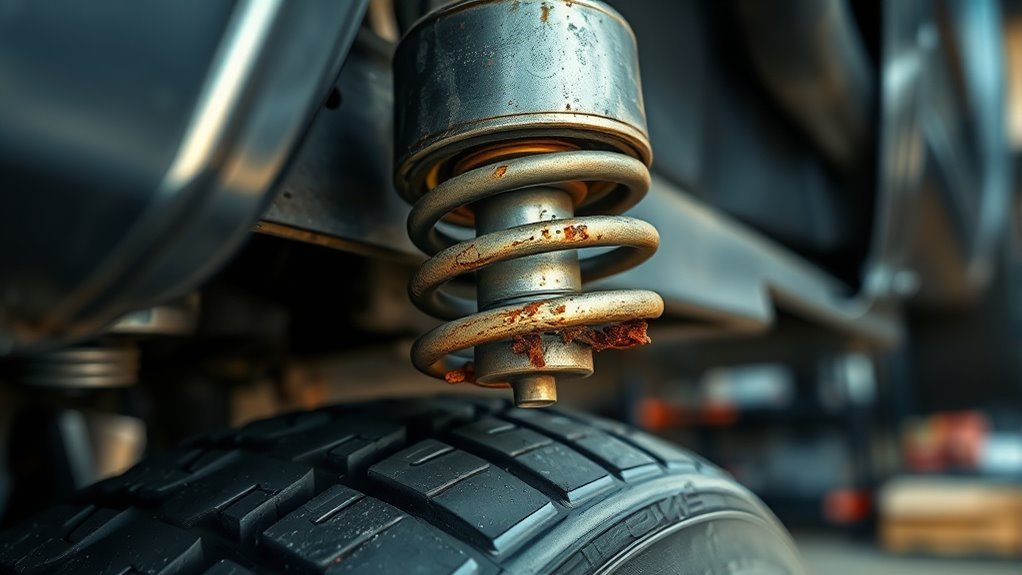
Blog

  • Are Shocks and Struts the Same Thing

    Are Shocks and Struts the Same Thing

    Are shocks and struts the same thing? No, they are not; each serves distinct roles in your vehicle’s suspension system. Shocks primarily control impact and rebound by damping suspension movement, helping to smooth out bumps.

    Struts, on the other hand, combine this damping function with structural support. They play a crucial role in affecting alignment and wheel positioning, making them more integral to the vehicle’s overall suspension design.

    Because of these design differences, swapping one for the other isn’t feasible. Understanding how each functions helps you maintain ride comfort, handling, and safety. Exploring their unique roles will clarify why proper replacement matters.

    Key Takeaways

    • Shocks and struts are different; shocks only dampen suspension movement, while struts combine damping and structural support functions.
    • Struts include coil springs and mounting hardware, unlike shocks which are standalone damping components.
    • Struts affect vehicle alignment and support weight; shocks do not contribute to structural integrity.
    • Shocks control impact and rebound to improve ride comfort, but struts also maintain wheel alignment and chassis stability.
    • Shocks and struts are not interchangeable due to distinct designs and specific vehicle compatibility requirements.

    What Are Shocks and How Do They Work?

    Shocks, or shock absorbers, play a crucial role in your vehicle’s suspension system by controlling the impact and rebound movement of your car’s springs and suspension.

    The shock absorber works by converting kinetic energy from suspension movement into heat through hydraulic fluid, providing a controlled damping force. This damping force prevents excessive oscillation and maintains tire contact with the road, ensuring stability and comfort.

    Shock absorbers transform suspension movement into heat, damping oscillations to keep tires on the road for stability and comfort.

    When your vehicle encounters bumps, the shock absorber compresses and extends, absorbing energy and dissipating it efficiently.

    Without properly functioning shock absorbers, your ride would be unstable, leading to increased wear on suspension components and compromised handling.

    Understanding the shock absorber’s role helps you appreciate its significance in delivering a smooth, controlled driving experience.

    What Are Struts and How Do They Work?

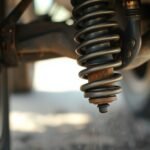
    Struts serve as a key structural component of your vehicle’s suspension system, combining shock absorption and support functions into a single unit. They not only dampen road vibrations like shocks but also provide essential support to your vehicle’s weight and maintain wheel alignment.

    Various strut types exist, including MacPherson and coilover struts, each designed to suit different vehicle architectures and performance needs. Understanding these types helps you select the right strut for your vehicle.

    Strut maintenance is important; inspecting for leaks, worn mounts, and damaged springs guarantees peak performance and safety. Neglecting maintenance can lead to uneven tire wear and compromised handling.

    Key Functional and Design Differences Between Shocks and Struts

    You’ll notice that shocks and struts differ markedly in structural design, with struts integrating suspension components while shocks function independently.

    Understanding their distinct functional roles is essential: shocks primarily control damping, whereas struts also support vehicle weight and influence alignment.

    Let’s examine how these differences affect performance and maintenance.

    Structural Design Differences

    Although both serve to control vehicle suspension movements, shocks and struts differ markedly in their structural design and functional roles. A comparative analysis reveals that shocks are typically standalone components consisting of a piston and cylinder filled with hydraulic fluid or gas, designed solely to dampen oscillations.

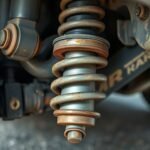
    In contrast, struts integrate the shock absorber within a structural framework that often includes a coil spring and mounting hardware, effectively serving as a significant load-bearing part of the suspension. This integration means struts contribute to the vehicle’s alignment and overall structural integrity, whereas shocks do not.

    Understanding these structural design distinctions is essential when diagnosing suspension issues or selecting replacement parts, as each component’s architecture directly influences its installation, performance, and interaction with other suspension elements.

    Functional Roles Explained

    Having recognized the structural differences between shocks and struts, it’s important to examine how these distinctions translate into their functional roles within the suspension system.

    You’ll find that shocks primarily focus on shock absorption, controlling the oscillations of the springs to maintain tire contact with the road. They don’t provide structural support but serve to dampen motion and improve ride comfort.

    Struts, on the other hand, combine shock absorption with strut support, acting as a critical load-bearing component. They integrate the shock absorber and a coil spring into a single assembly, supporting the vehicle’s weight and maintaining alignment.

    This dual function means struts influence steering geometry and overall suspension performance more directly than shocks do, making their role both structural and damping in nature.

    How Shocks and Struts Impact Ride Comfort and Handling

    Because shocks and struts regulate the suspension system’s response to road conditions, they play a critical role in both ride comfort and handling.

    By controlling the rate at which your vehicle’s springs compress and rebound, they directly influence ride quality, minimizing vibrations and jolts you feel over uneven surfaces.

    Properly functioning shocks or struts stabilize the chassis, enhancing handling dynamics by reducing body roll, sway, and maintaining tire contact with the road.

    Proper shocks or struts stabilize your chassis, reduce body roll and sway, and keep tires firmly on the road.

    Struts, integrating shock absorption with structural support, contribute further to precise steering and alignment.

    When these components perform effectively, you experience smoother rides and better control during acceleration, braking, and cornering.

    Understanding their impact helps you appreciate how essential shocks and struts are for a balanced driving experience that prioritizes both comfort and safety.

    Signs You Need to Replace Shocks or Struts

    When your shocks or struts start to wear out, the effects on ride comfort and handling become noticeable. You’ll experience clear symptoms of failure and performance degradation that signal the need for replacement. These components directly affect vehicle stability and braking efficiency.

    Symptom Description
    Excessive bouncing Vehicle continues to oscillate after bumps
    Nose diving Front end dips sharply during braking
    Uneven tire wear Tires show irregular tread wear
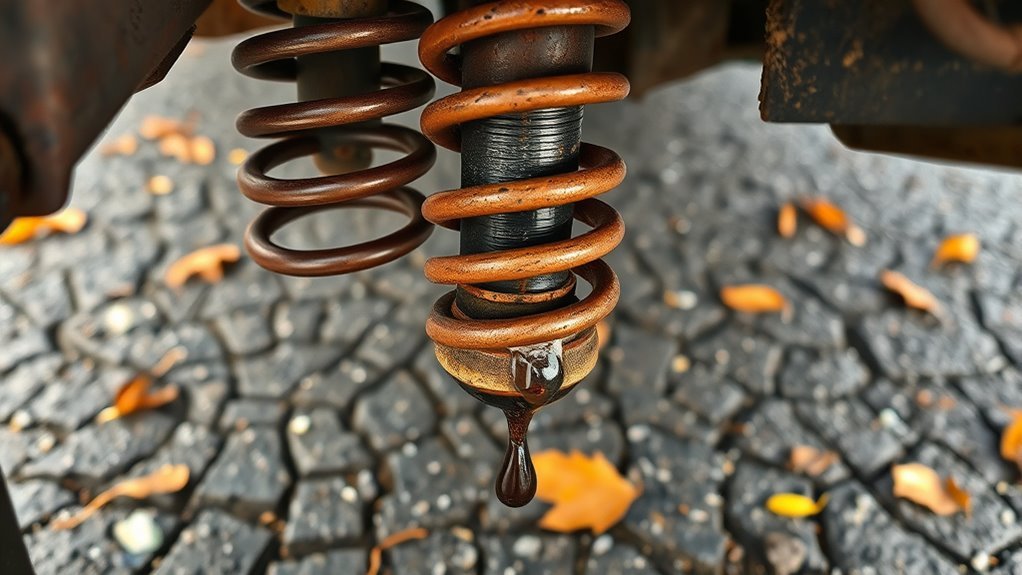
    Fluid leaks Visible oil on shocks or struts
    Poor steering response Difficulty maintaining control or drifting

    Monitoring these symptoms guarantees you address performance degradation promptly, maintaining safety and ride quality. Don’t ignore early signs of shocks or struts failure to avoid costly repairs.

    Can You Swap Shocks and Struts When Replacing?

    Although shocks and struts serve similar functions in your vehicle’s suspension system, you can’t simply swap one for the other during replacement without considering their distinct designs and mounting requirements.

    Shocks compatibility depends on their role as standalone dampers, while struts integrate with the suspension’s structural components, including the coil spring and steering knuckle.

    Because of these differences, struts interchangeability is limited to specific vehicle models designed for that configuration.

    Struts interchangeability is restricted to models engineered for their unique design and mounting requirements.

    Attempting to replace struts with shocks or vice versa can compromise suspension integrity, ride quality, and safety.

    Always verify part specifications and mounting points to guarantee proper fitment.

    Understanding shocks compatibility and struts interchangeability is essential to maintaining your vehicle’s handling characteristics and preventing premature wear or failure in the suspension system.

    Choosing the Right Shocks or Struts for Your Car

    Selecting the right shocks or struts for your car requires careful consideration of your vehicle’s suspension type, driving conditions, and manufacturer specifications.

    You need to identify the correct shock absorber types compatible with your model, such as twin-tube or monotube designs, each offering distinct damping characteristics.

    Additionally, assess strut assembly features like integrated coil springs or mounting plates, which affect installation and performance.

    For vehicles with MacPherson strut suspensions, choosing a complete strut assembly guarantees structural integrity and proper ride height.

    Consider your typical driving environment: heavy-duty shocks suit rough terrain, while standard units prioritize comfort on smooth roads.

    Always consult your vehicle’s manual or a professional to match specifications precisely, promoting safety, longevity, and ideal suspension function.

    Frequently Asked Questions

    How Often Should Shocks and Struts Be Inspected for Maintenance?

    You should perform inspection frequency every 12,000 to 15,000 miles to catch issues early. Regular maintenance tips include checking for leaks, unusual noises, and uneven tire wear to guarantee ideal suspension performance and safety.

    Can Worn Shocks or Struts Affect Tire Wear?

    Yes, worn shocks or struts can cause uneven tire wear by affecting tire alignment. You’ll likely notice suspension noise, signaling compromised damping performance.

    This disruption reduces your vehicle’s stability and increases tire wear rates.

    Do Shocks and Struts Influence Vehicle Braking Distance?

    Think of shocks and struts as your vehicle’s heartbeat; they directly impact braking performance by maintaining vehicle stability.

    If they’re worn, your stopping distance increases, compromising safety and control during emergency braking situations.

    Are There Specific Brands Known for Better Shocks or Struts?

    You’ll find performance comparison favors brands like Bilstein and KYB for shocks, while Monroe excels in struts. These brand recommendations consistently deliver superior durability, ride quality, and handling precision in various vehicle applications.

    How Do Weather Conditions Impact Shocks and Struts Performance?

    Weather effects cause performance variations in shocks and struts by altering fluid viscosity and component elasticity.

    You’ll notice reduced damping efficiency in extreme cold or heat, which impacts ride comfort, handling, and overall suspension responsiveness.

    Conclusion

    Understanding shocks and struts is like knowing the difference between a compass and a map—they both guide your ride but in distinct ways. Shocks control movement, while struts provide structural support.

    When you choose the right component, you’re tuning your car’s heartbeat for smoother handling and safer travels. Don’t ignore signs of wear; replacing them keeps your drive steady, precise, and reliable.

    Ensuring your vehicle performs at its peak every mile means understanding that shocks and struts are not the same thing. Recognizing their differences helps you maintain optimal ride quality and safety.

  • How to Rebuild a Carburetor

    How to Rebuild a Carburetor

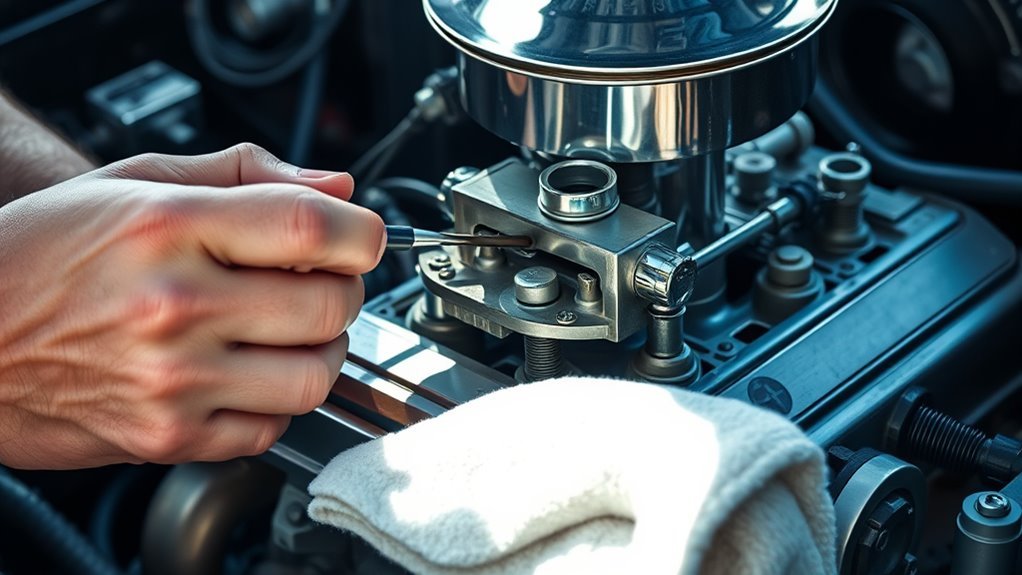
    You’ll want to start by safely removing the carburetor—disconnect the battery, shut off fuel, and label all connections. Rebuilding a carburetor begins with careful disassembly, inspecting each part for wear, cracks, or clogs.

    Use a quality rebuild kit to replace gaskets, jets, and needles. Clean components thoroughly with carburetor cleaner and compressed air.

    Once reassembled, fine-tune settings like idle mixture, choke, and idle speed for peak performance. Understanding each step guarantees your carburetor runs smoothly and efficiently.

    Key Takeaways

    • Disconnect battery and fuel supply, label connections, then carefully remove the carburetor from the engine.
    • Disassemble carburetor components, inspect for wear or damage, and replace faulty gaskets, jets, and needles.
    • Clean all passages and parts thoroughly using carburetor cleaner and compressed air to remove debris.
    • Reassemble parts precisely, ensuring proper placement of linkages, springs, and seals for accurate function.
    • Adjust idle mixture, idle speed, vacuum lines, and choke for optimal carburetor performance and fuel efficiency.

    How to Know When Your Carburetor Needs Rebuilding

    How can you tell when your carburetor needs rebuilding? Start by identifying clear symptoms of failure. Common signs include rough idling, engine stalling, and difficulty starting.

    Signs your carburetor needs rebuilding include rough idling, stalling, and trouble starting the engine.

    You might notice decreased fuel efficiency or black smoke from the exhaust, indicating improper air-fuel mixture. Performance issues such as hesitation during acceleration or inconsistent engine speed also signal carburetor problems.

    Inspect for fuel leaks and check if the throttle response feels sluggish or sticky. If your engine floods frequently, it’s another red flag.

    These symptoms of failure point to worn gaskets, clogged jets, or deteriorated internal components. By carefully diagnosing these indicators, you can determine when a rebuild is necessary, preventing further engine damage and restoring peak performance.

    Don’t ignore these warning signs to maintain reliable operation.

    Essential Tools and Rebuild Kits You’ll Need

    Recognizing when your carburetor needs rebuilding sets the stage for gathering the right tools and parts to complete the job effectively.

    To guarantee a smooth rebuild, you’ll want to invest in quality rebuild kit options specific to your carburetor model.

    Alongside these, having the essential tools at hand is vital for precision and efficiency.

    Here’s what you’ll need:

    1. A detailed rebuild kit containing gaskets, seals, needles, and jets tailored to your carburetor.
    2. Basic hand tools like screwdrivers, wrenches, and pliers designed for small, delicate components.
    3. Precision measuring instruments such as a caliper and a small wire gauge to verify component dimensions.

    With these tools and kits, you’ll be well-prepared to perform an accurate and thorough carburetor rebuild.

    Safely Removing the Carburetor From Your Engine

    Before you start, disconnect the battery and shut off the fuel supply to prevent any hazards.

    Carefully label each connection to guarantee proper reassembly later.

    Then, methodically remove all linkages, hoses, and bolts securing the carburetor to the engine.

    Disconnect Fuel And Battery

    Two critical steps guarantee safety when removing the carburetor: disconnecting the fuel line and disconnecting the battery.

    Start by relieving fuel system pressure to prevent spills or fire hazards. Then follow these steps:

    1. Locate the fuel line attached to the carburetor and use a wrench to loosen the fitting. Carefully detach the fuel line, catching any residual fuel with a rag or container.
    2. Identify the battery terminal connected to the negative cable. Use a wrench to loosen the nut on the terminal clamp.
    3. Remove the negative battery terminal first to break the electrical circuit safely, preventing accidental shorts or sparks during work.

    Completing these steps assures the engine is safe to work on and minimizes risks before you proceed to remove the carburetor.

    Label And Remove Connections

    With the fuel line disconnected and the battery safely isolated, you can now focus on labeling and removing the various connections attached to the carburetor.

    Begin by identifying each connection type: vacuum hoses, throttle linkages, choke cables, and electrical connectors.

    Use clear labeling techniques such as numbered tags or color-coded tape to mark each connection precisely. This guarantees easy reassembly and prevents confusion.

    Carefully detach each connection, noting its orientation and attachment point.

    Use appropriate tools to avoid damage, especially on delicate vacuum ports and electrical terminals.

    Keep all fasteners organized and paired with their respective components.

    Disassembling and Inspecting Carburetor Parts

    Start by carefully removing all external components, such as screws, linkages, and gaskets, to avoid damage.

    Then, inspect each part for signs of wear, cracks, or deformation that could affect performance.

    Finally, examine the passages closely to identify any clogs or debris that need thorough cleaning before reassembly.

    Removing External Components

    Before you begin disassembling the carburetor, verify the engine is cool and the fuel supply is shut off to prevent hazards.

    Removing external components requires care, especially since carburetor types vary in design.

    Follow these maintenance tips for efficient removal:

    1. Detach linkages and springs carefully, noting their positions to guarantee correct reassembly.
    2. Unscrew the float bowl and remove it, exposing the jets and needle valves.
    3. Use appropriate tools to remove the choke and throttle assemblies without damaging seals or gaskets.

    Label and organize all parts systematically.

    This precision prevents confusion and damage during rebuilding.

    Checking For Wear

    Three critical steps guide you as you disassemble and inspect carburetor parts for wear: carefully separate components, examine each for damage or deterioration, and identify areas needing replacement or cleaning. Focus on wear indicators like grooves, cracks, or corrosion that signal compromised performance.

    Common damages include warped throttle plates, eroded needle valves, and cracked gaskets. Use the table below to stay alert to symptoms and emotional cues that emphasize the importance of thorough inspection.

    Symptom Emotion Triggered
    Cracked gasket Frustration
    Warped throttle Urgency
    Corroded components Concern
    Needle valve wear Caution
    Loose parts Vigilance

    Identifying Clogged Passages

    How do you pinpoint clogged passages within your carburetor during disassembly? Start by recognizing common carburetor symptoms like rough idling, hesitation, or poor acceleration, which often indicate passage blockages.

    Then, carefully inspect each component for buildup or debris.

    Follow these steps to identify clogged passages:

    1. Visually examine jets, ports, and passages for varnish, dirt, or corrosion.
    2. Use compressed air to blow through each passage; resistance or no airflow confirms blockage.
    3. Employ a thin wire or specialized carburetor cleaning tool to gently clear obstructions without damaging passages.

    Cleaning and Replacing Worn Carburetor Components

    Although cleaning the carburetor is essential, replacing worn components guarantees peak performance and prevents future issues.

    Begin by inspecting gaskets, O-rings, and diaphragms for cracks, brittleness, or deformation. Replace these with exact-match parts to maintain carburetor integrity.

    Examine throttle shafts and bushings for excessive wear or play; worn shafts cause air leaks that disrupt fuel mixture.

    Swap damaged jets and needles to secure consistent fuel flow.

    Use carburetor cleaner and compressed air to remove debris from all passages before assembly.

    Prioritize carburetor maintenance to improve parts longevity and engine efficiency.

    This process minimizes the risk of malfunctions and extends the carburetor’s service life, securing your engine runs smoothly and reliably.

    Reassembling the Carburetor and Fine-Tuning Settings

    Begin by carefully aligning each cleaned and replaced component within the carburetor body, guaranteeing all gaskets and seals sit flush to prevent air or fuel leaks.

    Follow these reassembling tips to maintain proper function:

    1. Tighten screws and bolts incrementally in a crisscross pattern to avoid warping the carburetor body.
    2. Reinstall the float and needle valve, guaranteeing the float height matches the manufacturer’s specifications.
    3. Attach linkages and springs, verifying smooth, unrestricted movement.

    After reassembly, apply fine tuning techniques to optimize performance.

    Adjust the idle mixture screw to achieve a steady idle, then set the idle speed screw to the recommended RPM.

    Finally, check for vacuum leaks and adjust the choke for smooth cold starts. These steps guarantee precise carburetor operation and fuel efficiency.

    Frequently Asked Questions

    Can I Rebuild a Carburetor Without Prior Mechanical Experience?

    You can rebuild a carburetor without prior experience if you follow clear step instructions carefully and use basic tools.

    Patience and attention to detail are essential to guarantee each component is cleaned and reassembled correctly.

    How Often Should I Rebuild My Carburetor for Optimal Performance?

    You should rebuild your carburetor every 12,000 miles or annually to avoid performance drops that feel like your engine’s caught in a hurricane. Regular carburetor maintenance guarantees precise performance tuning and peak engine efficiency.

    What Are the Common Causes of Carburetor Failure?

    You’ll commonly face carburetor failure due to fuel leaks, clogged jets, worn gaskets, or stuck floats. Regularly inspect and clean these components to maintain peak fuel flow and prevent engine performance issues.

    Is It Better to Rebuild or Replace a Carburetor?

    You’ll usually find rebuild benefits outweigh replacement costs, especially if your carburetor’s core components are intact. Rebuilding saves money, restores performance, and allows precise tuning, whereas replacement can be pricier and less customizable.

    How Can Fuel Quality Affect Carburetor Function?

    Like tuning a Victorian steam engine, you must guarantee fuel quality; low octane rating or poor fuel additives cause deposits, clog jets, and disrupt carburetor function.

    Use high-octane fuel with proper additives to maintain peak performance.

    Conclusion

    Rebuilding your carburetor can restore engine efficiency, especially since studies show that up to 80% of small engine failures stem from carburetor issues. By following precise steps—removing, cleaning, inspecting, and reassembling—you’ll extend your engine’s life and improve performance.

    Remember to use the right tools and replace worn parts carefully to guarantee the ideal fuel-air mixture. With attention to detail, you’ll have your carburetor running smoothly and reliably in no time.

    In conclusion, mastering how to rebuild a carburetor is essential for maintaining optimal engine function and longevity.

  • Where Is the Carburetor on a Snowblower

    Where Is the Carburetor on a Snowblower

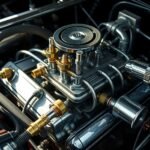
    You’ll find the carburetor on a snowblower mounted directly on the engine, usually near the intake manifold and connected to the fuel line. It’s a small metal component with adjustment screws, throttle, and choke levers, responsible for mixing air and fuel efficiently.

    To locate it, follow the fuel line from the gas tank. Knowing where the carburetor is helps with maintenance and troubleshooting performance issues.

    Keep going, and you’ll gain practical tips for inspection and care.

    Key Takeaways

    • The carburetor is located near the engine’s intake manifold on most snowblower models.
    • Follow the fuel line from the gas tank to find the carburetor attached directly to the engine.
    • It typically appears as a small metal component with a fuel inlet, throttle lever, and choke lever.
    • Toro snowblowers have carburetors on the right side, while Honda models place them centrally near the engine.
    • Ariens models position the carburetor near the front of the engine frame for easy access.

    How To Find Your Snowblower’s Carburetor

    Where exactly is your snowblower’s carburetor located? Typically, it’s mounted directly to the engine, near the air filter housing. This placement allows the carburetor to mix air and fuel efficiently before delivery to the combustion chamber.

    To find it, follow the fuel line from the gas tank; it leads straight to the carburetor. Understanding carburetor functions is vital for effective snowblower maintenance, as it controls the air-fuel ratio essential for engine performance.

    Follow the fuel line from the gas tank to locate the carburetor, key for proper air-fuel mixture.

    Regular inspection guarantees no blockages or leaks impair operation. Knowing its location simplifies tasks like cleaning or adjusting the carburetor to optimize fuel combustion.

    Identifying this component accurately helps maintain your snowblower’s reliability and extends its service life.

    What The Carburetor Looks Like And How To Recognize It

    Once you’ve located your snowblower’s carburetor by tracing the fuel line, the next step is to identify its physical characteristics. The carburetor is a small, metal component attached near the engine’s intake manifold.

    You’ll notice several carburetor components: a fuel inlet, throttle lever, choke lever, and a bowl at the bottom that holds fuel. It’s typically rectangular or cylindrical, with linkages and screws for adjustments.

    Recognizing it’s essential because it regulates the air-fuel mixture, directly impacting engine performance. If you see a part connecting the fuel line to the air intake with adjustment screws, you’ve found the carburetor.

    Understanding its look helps you diagnose issues or perform maintenance efficiently, ensuring your snowblower runs smoothly in cold conditions.

    Carburetor Locations On Common Snowblower Models

    Although carburetor placement can vary among snowblower models, you’ll generally find it mounted near the engine’s intake manifold, connected directly to the fuel line and air intake.

    On popular snowblower models from brands like Toro, Honda, and Ariens, the carburetor is typically located on the side of the engine block, beneath the air filter housing.

    For example, Toro models often use Walbro carburetor brands positioned on the right side, while Honda models feature their proprietary carburetor centrally located for easy access.

    Ariens models usually place the carburetor near the front of the engine frame.

    Understanding these common locations helps you quickly identify the carburetor when servicing fuel delivery or adjusting engine performance on your specific snowblower model.

    Why Finding Your Carburetor Makes Maintenance Easier

    When you know exactly where your carburetor is, you can access it quickly, which boosts maintenance efficiency.

    This ease of access simplifies cleaning and reduces the time spent on routine upkeep.

    Plus, it speeds up troubleshooting by letting you identify and fix issues without unnecessary disassembly.

    Easy Access Boosts Efficiency

    Locating your snowblower’s carburetor quickly streamlines routine maintenance and troubleshooting.

    Easy access to this component offers clear efficiency benefits by minimizing downtime and simplifying adjustments. When you can reach the carburetor without disassembling multiple parts, you save time and reduce the risk of errors.

    This accessibility lets you apply maintenance tips effectively, such as inspecting for clogs, adjusting fuel-air mixture screws, and replacing worn gaskets promptly.

    Furthermore, it supports consistent performance by facilitating regular tune-ups, which prevents fuel delivery issues that could compromise engine power.

    Prioritize snowblower models with straightforward carburetor access to optimize your maintenance workflow and extend the equipment’s service life.

    Efficient upkeep hinges on how easily you can reach and work on the carburetor.

    Simplifies Cleaning Process

    Since the carburetor plays an essential role in mixing air and fuel, having quick access to it simplifies cleaning and maintenance tasks.

    When you locate your snowblower’s carburetor easily, you can perform carburetor cleaning more efficiently, preventing fuel buildup and clogs that impair engine performance.

    Following maintenance tips such as removing the fuel line and spraying carburetor cleaner directly into the jets helps restore peak fuel flow. Quick access also lets you inspect gaskets and diaphragms for wear, ensuring proper sealing and function.

    By streamlining these steps, you reduce downtime and extend your snowblower’s lifespan.

    Knowing exactly where the carburetor sits means you won’t waste time disassembling unrelated parts, making routine maintenance less frustrating and more effective.

    Speeds Up Troubleshooting

    Two key benefits come from quickly identifying your snowblower’s carburetor during troubleshooting: faster diagnosis and targeted repairs.

    When you know the carburetor’s exact location, you can efficiently apply troubleshooting techniques to isolate fuel delivery issues, such as clogging or improper adjustment. This precision reduces guesswork and limits downtime.

    Incorporating carburetor checks into your regular maintenance schedule guarantees consistent performance and prevents minor issues from escalating. By routinely inspecting and adjusting the carburetor, you maintain peak engine function, which simplifies troubleshooting when problems arise.

    How To Access And Inspect Your Snowblower’s Carburetor

    Accessing and inspecting your snowblower’s carburetor involves a few straightforward steps that guarantee peak engine performance.

    First, disconnect the spark plug wire to assure safety. Remove the air filter cover and air filter to expose the carburetor.

    Carefully detach the fuel line, catching any residual fuel to prevent spills. Once visible, inspect the carburetor for dirt, debris, or corrosion that could impair fuel system efficiency.

    Check the throttle linkage and choke for smooth operation. Look for signs of wear or damage on the gaskets and seals.

    If necessary, perform carburetor adjustments to optimize fuel-air mixture based on your engine’s requirements. Regular inspection helps maintain consistent engine performance and extends your snowblower’s lifespan.

    Troubleshooting Common Carburetor Problems

    You’ll want to start by identifying symptoms like rough idling, stalling, or hard starting, which often point to carburetor issues.

    Regular cleaning prevents buildup that disrupts fuel flow and air mixture.

    Follow precise maintenance steps to keep your carburetor functioning reliably.

    Identifying Carburetor Issues

    Although carburetor problems can vary, most issues manifest through common symptoms that you can quickly spot. Typical carburetor symptoms include difficulty starting the engine, rough idling, and stalling.

    You might also notice poor acceleration or a strong fuel odor, which often points to fuel issues such as clogged jets or incorrect fuel mixture. If your snowblower runs inconsistently or lacks power, the carburetor may not be delivering fuel properly.

    Inspect the fuel lines and check for leaks or blockages. Additionally, if black smoke emits from the exhaust, it indicates a rich fuel mixture due to carburetor malfunction.

    Cleaning and Maintenance Tips

    Recognizing carburetor symptoms is only the first step; resolving these issues requires regular cleaning and maintenance. Start by draining stale fuel from the fuel system to prevent varnish buildup, which clogs jets and passages.

    Remove the carburetor carefully, then clean all components with a specialized carburetor cleaner, focusing on jets, float bowl, and throttle linkage. Inspect the gasket for damage and replace if necessary.

    After reassembly, perform precise carburetor adjustments to optimize fuel-air mixture and engine idle speed. Regularly check the fuel filter and lines for blockages or cracks.

    These preventive measures guarantee smooth fuel flow and consistent engine performance, reducing the likelihood of stalls or rough running caused by dirty or misadjusted carburetors.

    Following this routine keeps your snowblower reliable throughout the winter season.

    Frequently Asked Questions

    Can I Replace the Carburetor Myself or Should I Hire a Professional?

    You can attempt a DIY repair if you have mechanical skills and proper tools. Otherwise, seeking professional help guarantees safety and correct installation.

    This prevents potential damage or performance issues with your snowblower’s carburetor.

    How Often Should I Clean the Carburetor for Optimal Performance?

    You should perform carburetor maintenance every 25 hours of use or at least once per season. This cleaning frequency prevents clogging, ensuring peak engine performance and extending your snowblower’s lifespan efficiently and reliably.

    What Type of Fuel Is Best for Snowblower Carburetors?

    You should use fresh, unleaded gasoline with an octane rating of 87 or higher for your snowblower carburetor. Avoid ethanol blends over 10% to guarantee efficient fuel types and simplify snowblower maintenance.

    Are There Any Additives to Improve Carburetor Function in Cold Weather?

    Yes, you can use carburetor additives designed for cold weather to prevent fuel gelling and improve atomization. These additives help maintain smooth engine performance by reducing moisture buildup and ensuring reliable starts in freezing conditions.

    What Symptoms Indicate a Failing Carburetor in a Snowblower?

    Like a clogged coffee filter, a failing carburetor chokes your snowblower’s engine. You’ll notice rough idling, hard starts, or stalling.

    Regular carburetor maintenance helps with snowblower troubleshooting and keeps performance smooth in winter.

    Conclusion

    Now that you know where to find and identify your snowblower’s carburetor, maintenance becomes much simpler. Remember, “a stitch in time saves nine”—regular inspection and timely troubleshooting prevent bigger issues down the road.

    Accessing the carburetor on common models is straightforward once you recognize its shape and location. Keep your snowblower running smoothly by staying proactive with carburetor care.

    Ensuring reliable performance whenever winter hits depends largely on proper upkeep. Knowing where the carburetor on a snowblower is located helps you maintain it effectively and avoid unexpected breakdowns.

  • What Carburetor

    What Carburetor

    A carburetor is a device that mixes air and fuel precisely to guarantee your engine runs efficiently and smoothly. It plays a crucial role in ensuring the right fuel-to-air ratio for optimal combustion.

    The carburetor uses components like the throttle valve, venturi, fuel jet, and float chamber to adjust fuel flow as your engine speed changes. These parts work together to deliver the correct mixture depending on the engine’s needs.

    Common types include float and variable-jet carburetors, each suited to specific engine requirements. Regular maintenance is important to avoid issues like rough idling or stalling.

    Understanding how a carburetor works helps you keep your engine performing at its best. Proper care and knowledge ensure reliable engine operation and longevity.

    Key Takeaways

    • A carburetor mixes air and fuel for internal combustion engines to ensure efficient engine performance.
    • It uses components like throttle valves, venturi, fuel jets, and float chambers for precise air-fuel mixing.
    • Common types include float-type, fixed-jet, variable-jet, and diaphragm carburetors based on engine needs.
    • The venturi creates a pressure drop to draw fuel into the airflow, optimizing the air-fuel ratio.
    • Regular cleaning and adjustment prevent issues like rough idling, stalling, and excessive fuel consumption.

    What Is a Carburetor and Why It Matters

    A carburetor is a mechanical device that mixes air and fuel in the correct ratio for internal combustion engines. Understanding its function is vital because it directly impacts engine performance and efficiency.

    The carburetor history dates back to the late 19th century when early automotive engineers sought reliable fuel delivery systems. Over time, carburetor innovations improved fuel atomization and metering precision, enhancing engine responsiveness and fuel economy.

    By grasping these developments, you can appreciate how carburetors shaped automotive technology before fuel injection became widespread. Knowing why a carburetor matters helps you diagnose engine issues and optimize tuning.

    In practice, it guarantees your engine receives the right mixture under varying conditions, which is essential for power output and emissions control.

    How a Carburetor Mixes Air and Fuel

    Understanding how a carburetor mixes air and fuel lets you see how it delivers the precise combustion mixture your engine needs.

    The mixing process begins as air enters the carburetor throat, where it passes through a narrowed section called the venturi. This design accelerates air, creating a pressure drop that draws fuel from the jet into the airstream.

    Air speeds through the venturi, creating a vacuum that pulls fuel into the airstream for mixing.

    You’ll notice that the carburetor continuously adjusts the air fuel ratio to match engine demands, optimizing combustion efficiency.

    The fuel atomizes as it mixes with air, forming a uniform vapor essential for smooth engine operation.

    Throughout this process, maintaining the correct air fuel ratio is critical; too rich or too lean a mixture affects performance and emissions.

    Main Parts of a Carburetor and Their Functions

    Now that you know how the carburetor blends air and fuel to achieve the correct mixture, it’s important to identify the main components that make this process possible.

    The primary carburetor components include the throttle valve, which regulates airflow; the venturi, a narrowed section that increases air velocity and reduces pressure; and the fuel jet, responsible for precise fuel delivery into the airflow.

    The float chamber maintains a constant fuel level, ensuring steady supply to the jet. Additionally, the choke valve restricts air to enrich the mixture during cold starts.

    Each part works in concert to adjust the air-fuel ratio dynamically, optimizing combustion efficiency. Understanding these components enables you to diagnose issues and maintain effective fuel delivery within your carburetor system.

    Common Types of Carburetors

    Several common types of carburetors serve different engine requirements by varying in design and fuel delivery mechanisms.

    In this types overview, you’ll encounter float-type, fixed-jet, variable-jet, and diaphragm carburetors.

    The float-type uses a chamber to regulate fuel flow via a float valve, ensuring consistent fuel levels.

    Fixed-jet carburetors provide a simple, fixed-size orifice for fuel delivery, suitable for steady-speed engines.

    Variable-jet carburetors adjust fuel flow by changing jet size or needle position, offering better performance across varied speeds.

    Diaphragm carburetors operate using pressure differences, ideal for small engines and portable equipment.

    Understanding these common types helps you select and maintain the right carburetor, matching your engine’s operational demands precisely and efficiently.

    Common Carburetor Problems to Watch For

    While carburetors are essential for proper engine function, they can develop issues that compromise performance and efficiency. You might encounter carburetor leaks, which waste fuel and cause poor engine response. Idle issues often signal problems like clogged jets or incorrect air-fuel mixture adjustments. Addressing these promptly prevents further damage.

    Problem Impact
    Carburetor leaks Fuel waste, poor mileage
    Idle issues Engine stalls, rough idling
    Flooding Hard starts, smoke
    Hesitation Power loss, throttle lag
    Backfiring Exhaust damage risk

    Understanding these common problems helps you maintain ideal engine performance and avoid costly repairs.

    Signs Your Carburetor Needs Cleaning or Repair

    Recognizing when your carburetor requires cleaning or repair is essential to maintaining engine efficiency and preventing more serious issues. Common carburetor symptoms include rough idling, engine stalling, poor acceleration, and black smoke from the exhaust. If you notice these signs, it’s vital to inspect and clean the carburetor promptly.

    Watch for rough idling, stalling, or black smoke—these signal your carburetor needs cleaning or repair immediately.

    Regular cleaning frequency depends on your vehicle’s usage and environment; typically, every 12,000 miles or annually works for most. However, dusty or humid conditions may necessitate more frequent attention.

    Paying close attention to these symptoms allows you to address blockages, varnish buildup, or worn components early. Prompt maintenance restores proper fuel-air mixture flow, ensuring ideal combustion, fuel efficiency, and engine performance.

    Ignoring these signs risks costly repairs or complete carburetor failure.

    Carburetors vs. Fuel Injection Systems: What’s the Difference?

    You’ll notice carburetors mix air and fuel mechanically, while fuel injection systems use electronic controls for precise delivery.

    This difference directly impacts engine performance and fuel efficiency.

    Understanding how each mechanism works helps you choose the right system for your needs.

    Mechanism Comparison

    Although both carburetors and fuel injection systems serve the same fundamental purpose of mixing fuel with air for combustion, they operate through distinct mechanisms that affect engine performance and efficiency.

    Understanding their mechanical design and fuel atomization methods clarifies their differences.

    1. Carburetors rely on a venturi effect, drawing fuel into the airflow mechanically, resulting in less precise fuel atomization.
    2. Fuel injection systems use electronically controlled injectors that spray fuel directly, ensuring finer atomization and better mixture control.
    3. The mechanical design of carburetors involves fewer moving parts but depends heavily on physical adjustments, while fuel injection systems integrate sensors and computers for dynamic regulation.

    Performance And Efficiency

    When comparing performance and efficiency between carburetors and fuel injection systems, you’ll notice that fuel injection consistently delivers better fuel economy and power output.

    Fuel injection precisely meters fuel and improves fuel atomization, ensuring a more complete and efficient combustion process.

    In contrast, carburetor tuning requires manual adjustments to optimize the air-fuel mixture, which can be less consistent and less responsive to changing engine conditions.

    Poor carburetor tuning often leads to inefficient fuel delivery, reducing power and increasing emissions.

    Fuel injection systems adapt in real-time, optimizing performance across different loads and temperatures.

    While carburetors offer simplicity and ease of repair, fuel injection’s superior fuel atomization and electronic control provide enhanced engine efficiency and performance, making it the preferred choice in modern engines.

    Tips for Maintaining and Adjusting Your Carburetor

    You’ll want to start by thoroughly cleaning the carburetor to remove any debris or buildup that can affect performance.

    Next, focus on adjusting the idle speed and mixture screws to guarantee ideal fuel-air balance.

    Following these procedures precisely will help maintain engine efficiency and prevent common carburetor issues.

    Cleaning Techniques

    Properly cleaning your carburetor guarantees peak engine performance and longevity.

    Using the right cleaning supplies, such as carburetor cleaner spray, compressed air, and fine brushes, verifies you remove debris without damaging delicate components.

    Pay attention to cleaning frequency; typically, every 12 months or 12,000 miles prevents buildup and clogging.

    Follow these steps for effective cleaning:

    1. Disassemble the carburetor carefully, noting the placement of all parts.
    2. Soak metal components in carburetor cleaner, then use compressed air to clear jets and passages.
    3. Reassemble, inspecting gaskets and replacing worn parts to maintain airtight seals.

    Stick to this routine to avoid performance issues and extend carburetor life without unnecessary adjustments or replacements.

    Adjustment Procedures

    Master adjusting your carburetor to optimize engine efficiency and fuel economy.

    Begin with carburetor tuning by ensuring the throttle linkage moves freely.

    Next, perform an idle adjustment: with the engine warm, slowly turn the idle screw to achieve a smooth, stable idle speed specified by the manufacturer. Use a tachometer for accuracy.

    If the engine hesitates or stalls, fine-tune the mixture screw to balance fuel and air ratios. After each adjustment, monitor engine response and emissions.

    Always recheck the idle speed after mixture adjustments, as they influence each other.

    Remember, precise carburetor tuning prevents rough running and excessive fuel consumption.

    Regular adjustment procedures extend carburetor life and maintain performance, so approach each step methodically and use proper tools to avoid damage or miscalibration.

    Frequently Asked Questions

    Can Carburetors Be Used With Alternative Fuels?

    Yes, you can use carburetors with alternative fuels, but you’ll need carburetor adaptations to handle different fuel properties. Adjusting jets and materials guarantees proper fuel flow and combustion, maintaining engine performance and preventing damage.

    How Do Altitude Changes Affect Carburetor Performance?

    You’ll notice a 3% decrease in air density per 1,000 feet altitude rise, requiring altitude adjustment in your carburetor to maintain ideal fuel mixture. This prevents engine roughness and guarantees efficient combustion at varying elevations.

    Are Carburetors Compatible With Electric Starter Engines?

    Yes, carburetor compatibility with electric starter engines is common. You can integrate carburetors into electric start systems without issues, provided you guarantee proper fuel delivery and adjust the carburetor settings for smooth engine startup and operation.

    What Is the Historical Development of Carburetor Technology?

    You’ll witness carburetor evolution as a saga of relentless design innovations, from primitive fuel mixing to precision jets. These technical leaps refined air-fuel ratios, dramatically boosting engine performance and reliability throughout automotive history.

    How Do Carburetors Impact Vehicle Emissions?

    You’ll find carburetors impact vehicle emissions by controlling air-fuel mixture; improper adjustment lowers fuel efficiency and increases pollutants. This makes it harder to meet emission standards, so precise tuning is essential for cleaner combustion and compliance.

    Conclusion

    Just like a skilled conductor guarantees every instrument plays in harmony, your carburetor precisely balances air and fuel to keep your engine running smoothly. Ignoring its tune can lead to performance issues, much like a symphony falling out of sync.

    By understanding, maintaining, and promptly addressing carburetor needs, you’re guaranteeing your vehicle performs reliably and efficiently. This attention turns the complex dance of combustion into seamless power you can trust every time you drive.

    In essence, a well-maintained carburetor is key to unlocking your engine’s full potential and ensuring long-term performance.

  • How to Fix Spark Plugs

    How to Fix Spark Plugs

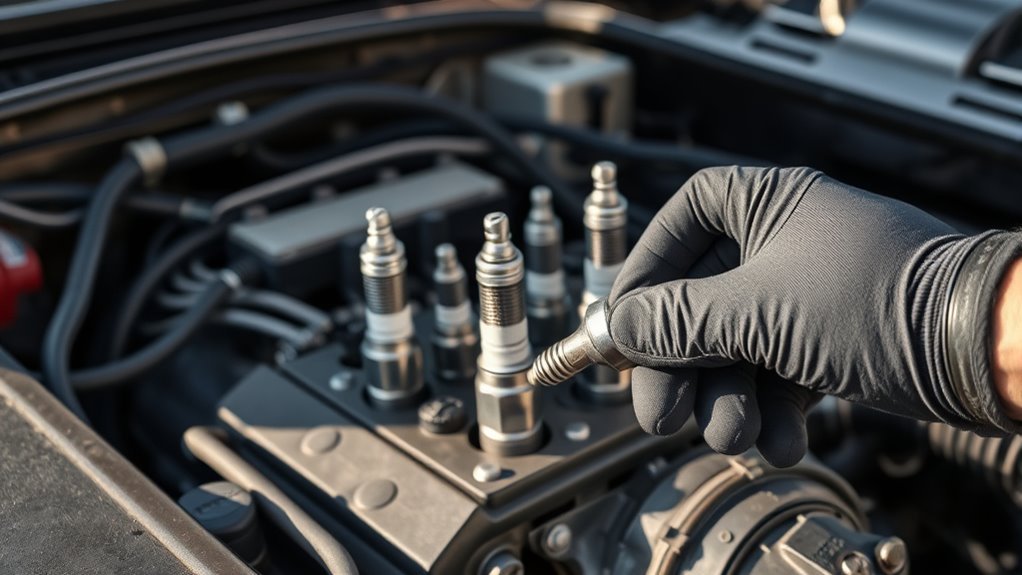
    To fix spark plugs, first ensure your engine is cool to prevent burns or damage. Use a spark plug socket and ratchet to carefully remove each plug, being cautious not to damage the threads.

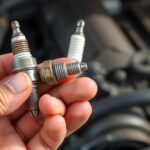
    Inspect the spark plugs for electrode wear, gaps, or fouling. If the plugs are lightly dirty but still reusable, clean them gently. Replace any plugs that show heavy wear or damage with new ones that match the manufacturer’s specifications.

    When installing new spark plugs, tighten them using a torque wrench to the recommended specification. Reconnect the wires or ignition coils securely to ensure proper function.

    After completing the installation, start the engine and observe the idle and acceleration for smoothness. Follow these steps carefully, and stay tuned for detailed guidance and expert tips.

    Key Takeaways

    • Inspect spark plugs for wear, carbon buildup, or damage to identify issues causing misfires or rough idling.
    • Use a spark plug socket and ratchet to carefully remove plugs from a cool engine without damaging threads.
    • Clean spark plugs gently with a wire brush or specialized cleaner to remove deposits, avoiding abrasive tools.
    • Check and adjust the electrode gap using a gap gauge to match manufacturer specifications before reinstalling.
    • Install new or cleaned plugs using a torque wrench to the recommended tightness, then test engine performance for smooth running.

    What Spark Plugs Do and Why They Matter

    Spark plugs ignite the air-fuel mixture inside your engine’s cylinders, creating the combustion necessary for your vehicle to run.

    You need to understand that different spark plug types, copper, platinum, and iridium, impact ignition efficiency and engine performance.

    Each type offers distinct advantages in conductivity, durability, and heat dissipation. Choosing the right spark plug type guarantees peak combustion, reducing misfires and improving fuel economy.

    When installed correctly, spark plugs maintain consistent ignition timing, which is critical for smooth engine operation.

    Ignition efficiency directly affects power output and emissions, so maintaining the proper spark plug type and condition is crucial.

    How to Spot Early Spark Plug Problems

    You can identify early spark plug problems by recognizing common symptoms like engine misfires, rough idling, or decreased fuel efficiency.

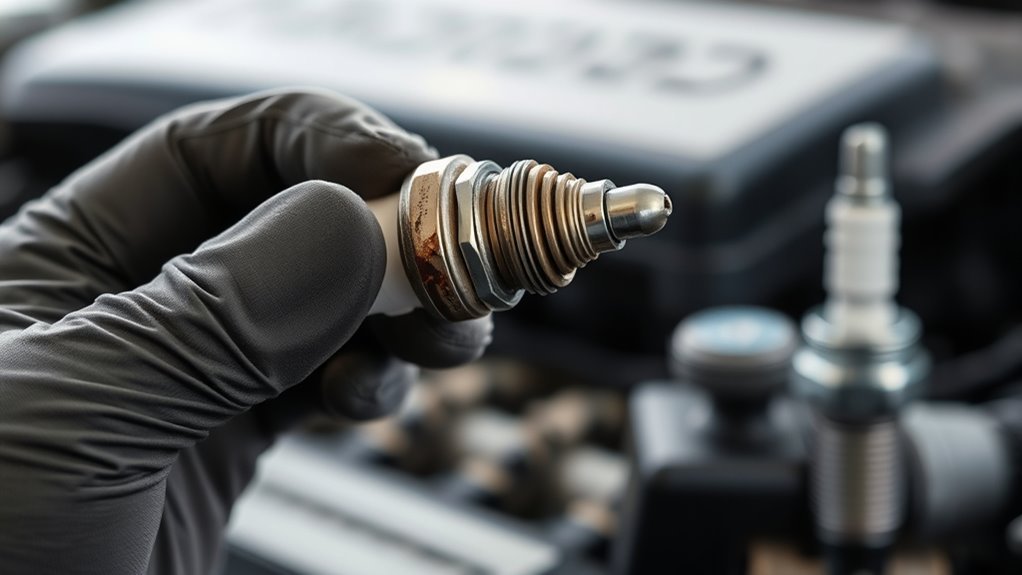
    Perform a visual inspection to check for worn electrodes, carbon buildup, or oil deposits on the plugs.

    Catching these signs early helps prevent more serious engine issues and guarantees peak performance.

    Common Spark Plug Symptoms

    Engine misfires, rough idling, and difficulty starting are key indicators that your spark plugs may be failing. A spark plug misfire occurs when the spark fails to ignite the air-fuel mixture properly, causing inconsistent engine performance.

    You might notice a decrease in fuel efficiency and sluggish acceleration, which often signals spark plug wear. Additionally, increased exhaust emissions can result from incomplete combustion due to faulty plugs.

    Pay attention to engine hesitation during acceleration or an unusual vibration at idle, as these symptoms often correlate with deteriorating spark plugs.

    Addressing these issues early prevents further engine damage and maintains peak performance.

    Regularly monitoring these symptoms helps you determine when to replace your spark plugs, ensuring your vehicle runs smoothly and efficiently.

    Visual Inspection Tips

    Although symptoms can indicate problems, a thorough visual inspection often reveals early signs of spark plug wear before performance issues arise. Different spark plug types require specific inspection techniques to identify issues like electrode erosion, deposits, or damage. Use a magnifying glass and good lighting to inspect the plug’s tip and insulator closely.

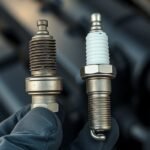
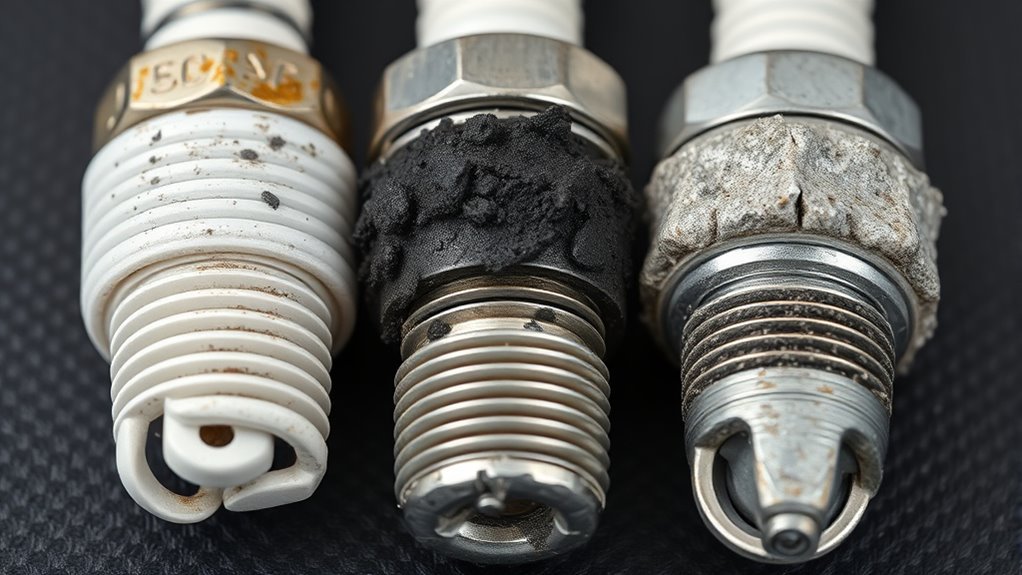
    Condition Indicator
    Normal Light tan or grayish insulator
    Carbon Fouling Black, dry soot on electrode
    Oil Fouling Wet, oily deposits on insulator
    Overheating White, blistered insulator
    Electrode Wear Rounded or eroded electrode tips

    Apply these inspection techniques routinely to catch problems early and maintain engine efficiency.

    Tools You Need to Fix Spark Plugs at Home

    To fix spark plugs at home, you’ll need a specific set of tools, including a spark plug socket, ratchet, and gap gauge.

    Don’t forget essential safety equipment like gloves and safety glasses to protect yourself during the process.

    Having the right tools and gear guarantees you can perform the job accurately and safely.

    Essential Spark Plug Tools

    You’ll need a few essential tools to fix spark plugs efficiently and safely at home. Start with a spark plug socket that fits the specific spark plug types you’re working on, commonly 5/8″ or 13/16″. A ratchet wrench provides the necessary torque for removal and installation. A gap gauge guarantees you set the correct spark plug gap, critical for peak performance and compatible with various spark plug brands.

    Tool Purpose
    Spark Plug Socket Fits specific spark plug sizes
    Ratchet Wrench Provides torque for removal
    Gap Gauge Measures and adjusts spark plug gap

    Having these tools on hand will streamline the process and prevent damage to your spark plugs or engine components.

    Safety Equipment Needed

    Since spark plug maintenance involves handling electrical components and working in tight engine spaces, wearing proper safety equipment is essential to protect yourself from injury.

    First, put on safety goggles to shield your eyes from debris, dust, and accidental sparks. Your eyes are vulnerable when you’re reaching into the engine bay, so clear, impact-resistant goggles provide vital protection.

    Next, wear durable work gloves to safeguard your hands from sharp edges, hot surfaces, and chemical exposure. Choose gloves with good grip and flexibility to maintain dexterity while loosening or tightening spark plugs.

    Avoid loose clothing and secure long hair to prevent entanglement.

    Finally, make certain the engine is cool and the vehicle is off before starting work. Following these precautions minimizes risks and guarantees a safe spark plug replacement process.

    How to Remove Old Spark Plugs

    Begin by ensuring the engine is completely cool to prevent burns or damage. Locate the spark plugs, noting different spark plug types: iridium, platinum, or copper. Each type affects lifespan. Use a spark plug socket with a ratchet for removal. Turn counterclockwise gently to avoid thread damage.

    Step Instruction
    1 Identify plug location
    2 Select appropriate socket size
    3 Attach ratchet to socket
    4 Loosen spark plug slowly
    5 Remove spark plug completely

    Keep track of spark plug lifespan; replace plugs after recommended mileage. Avoid using excessive force to prevent stripping threads or damaging the cylinder head. Proper removal sets the stage for effective inspection and replacement.

    How to Check Spark Plugs for Damage or Wear

    After removing the spark plugs carefully, inspect each one thoroughly for signs of damage or wear.

    Examine the electrode for erosion or rounded edges, which indicate reduced spark efficiency.

    Check electrode erosion or rounded edges as signs of decreased spark efficiency and potential engine issues.

    Check the insulator for cracks, chips, or discoloration that suggest overheating or combustion issues.

    Different spark plug types, such as copper, platinum, or iridium, wear differently; copper plugs erode faster, while iridium plugs last longer but can still show deposits.

    Look for heavy carbon buildup, oil fouling, or ash deposits, as these negatively affect engine performance.

    Also, measure the gap between electrodes using a feeler gauge to verify it matches manufacturer specifications.

    If you notice excessive wear, damage, or improper gap, replacing the spark plugs will restore peak engine performance and prevent misfires.

    When and How to Clean Spark Plugs

    You should clean spark plugs every 30,000 miles or whenever you observe performance issues like rough idling or misfires. Proper spark plug maintenance extends engine life and guarantees peak combustion.

    Begin by removing the plugs carefully, then use recommended cleaning techniques: a wire brush or specialized spark plug cleaner to remove carbon deposits. Avoid abrasive tools that could damage electrodes.

    After cleaning, inspect for wear or cracks before reinstallation.

    Remember these key points:

    • Use a wire brush gently to avoid electrode damage
    • Soak plugs briefly in a cleaning solvent for stubborn deposits
    • Dry plugs thoroughly before reinstalling
    • Check gap settings post-cleaning
    • Wear gloves to prevent oil contamination

    Consistent cleaning prevents ignition problems and improves fuel efficiency.

    Choosing and Installing the Right Replacement Spark Plugs

    Although cleaning spark plugs can restore performance, replacing them with the correct type guarantees perfect engine function and longevity.

    First, consult your vehicle’s manual to identify the recommended spark plug types based on heat range, thread size, and electrode material.

    Choose from reliable spark plug brands known for quality and durability, such as NGK, Bosch, or Denso.

    Avoid generic brands that may compromise engine efficiency.

    When installing, confirm the new plugs match specifications exactly.

    Use a torque wrench to tighten plugs to the manufacturer’s torque setting, preventing over-tightening or under-tightening.

    Apply anti-seize compound sparingly on threads if recommended by the brand.

    Finally, reconnect spark plug wires or ignition coils securely to confirm maximum electrical contact and combustion efficiency.

    How to Test Your Engine After Spark Plug Repair

    Once you’ve installed the correct spark plugs and confirmed proper torque and connections, it’s time to verify engine performance. Post repair testing guarantees your work restored peak combustion and prevents future issues.

    Start by idling the engine; listen for smooth, consistent operation without misfires or unusual noises. Next, accelerate gently to detect hesitation or power loss. Use a diagnostic scanner to check for error codes related to ignition or fuel delivery.

    Monitor the engine’s RPM stability and responsiveness, as irregularities signal unresolved problems. Finally, perform a short test drive under varied conditions to confirm the repair’s effectiveness.

    • Feel the engine’s smooth purr, a sign of success
    • Notice improved throttle response and power
    • Enjoy confidence in your repair skills
    • Avoid frustration from lingering faults
    • Experience satisfaction in precise, reliable performance

    Common Spark Plug Repair Mistakes to Avoid

    When performing spark plug repairs, overlooking key details can lead to persistent engine issues or damage.

    Avoid common installation errors like over-tightening, which can strip threads or crack the plug, and under-tightening, which causes poor grounding.

    Don’t fall for spark plug myths such as reusing old plugs or neglecting proper gap measurement; both compromise performance and fuel efficiency.

    Always check the gap with a feeler gauge before installation, and use a torque wrench to guarantee correct tightness.

    Use a feeler gauge to check the gap and a torque wrench to ensure proper spark plug tightness.

    Avoid contaminating plugs with oil or dirt during handling, as this affects ignition.

    Finally, install plugs in the correct firing order and verify they’re compatible with your engine’s specifications to prevent misfires and premature wear.

    Following these steps prevents costly repairs and optimizes engine function.

    Frequently Asked Questions

    Can Bad Spark Plugs Affect Fuel Efficiency?

    Yes, bad spark plugs increase fuel consumption by causing incomplete combustion. You should prioritize spark plug maintenance to guarantee efficient ignition, which directly improves fuel efficiency and reduces unnecessary fuel waste in your engine’s operation.

    How Often Should Spark Plugs Be Replaced on a New Car?

    You should replace spark plugs every 60,000 to 100,000 miles, depending on your new car’s spark plug lifespan. Follow the maintenance schedule strictly to guarantee peak engine performance and prevent misfires or reduced fuel efficiency.

    Are Iridium Spark Plugs Better Than Platinum Ones?

    Iridium spark plugs offer better spark plug longevity and improved ignition efficiency compared to platinum ones.

    You’ll notice enhanced performance, especially under high-stress conditions, making iridium plugs generally superior in a performance comparison.

    Can Spark Plug Issues Cause Engine Misfires?

    Think of spark plugs as the orchestra’s conductor; if they falter, engine misfires occur. You’ll notice spark plug symptoms like rough idling and poor engine performance, signaling you to inspect and replace them promptly for smooth operation.

    Is It Safe to Drive With a Cracked Spark Plug?

    You shouldn’t drive with a cracked spark plug because it can cause poor engine performance and misfires.

    Prioritize spark plug maintenance by replacing damaged plugs promptly to guarantee ideal engine function and avoid further mechanical issues.

    Conclusion

    Fixing spark plugs might seem intimidating, but with the right tools and steps, you can master it yourself. Remember, your engine’s heartbeat depends on these small components—neglecting them risks bigger issues down the road.

    By spotting problems early, cleaning or replacing plugs properly, and testing your engine afterward, you guarantee smooth performance. Regular maintenance can prevent stalling and improve fuel efficiency.

    So, don’t let worn spark plugs stall your progress; take charge and keep your engine firing flawlessly by learning how to fix spark plugs effectively.

  • How Do Air Shocks Work

    How Do Air Shocks Work

    How Do Air Shocks Work? You rely on air shocks to absorb impacts by compressing pressurized air inside a sealed chamber. As your vehicle encounters bumps, the piston compresses the air, which resists motion and cushions the ride dynamically.

    This air pressure adjustment lets you fine-tune suspension stiffness for varying terrain, improving traction and comfort. Unlike fixed coil springs, air shocks offer customizable damping but require maintenance to prevent leaks.

    Understanding how air pressure influences performance can further optimize your suspension. This knowledge helps ensure your vehicle handles smoothly and safely across different driving conditions.

    Key Takeaways

    • Air shocks use compressed air inside a sealed chamber to absorb and dissipate energy from impacts.
    • Piston movement compresses the air, creating resistance that cushions and controls suspension motion.
    • The compressed air acts like a spring, storing and slowly releasing energy to smooth out bumps.
    • Adjusting the air pressure changes the spring rate, allowing customizable suspension stiffness.
    • This dynamic air compression provides precise control over ride comfort and handling performance.

    What Are Air Shocks and How Do They Differ?

    Air shocks utilize compressed air as their primary damping medium, distinguishing them from traditional hydraulic shocks that rely on fluid displacement.

    When you examine air shock types, you’ll notice variations like coil-over air shocks and monotube air shocks, each optimized for specific performance parameters.

    These differences enable you to select air shocks tailored to your vehicle’s requirements and operating conditions.

    Choosing the right air shock ensures optimal performance for your vehicle’s unique needs and driving environment.

    With regard to air shock applications, they’re prevalent in off-road vehicles, motorcycles, and mountain bikes, where variable load handling and ride adjustability are critical.

    Unlike hydraulic shocks, air shocks offer tunable spring rates through air pressure adjustments, allowing you to fine-tune suspension stiffness dynamically.

    This capability enhances ride comfort and traction control, making air shocks a versatile solution for diverse mechanical systems requiring adaptive damping characteristics.

    How Air Shocks Use Compressed Air to Absorb Impact

    When you compress air inside a shock absorber, it acts as a highly responsive spring that absorbs and dissipates energy from impacts. The core of this process lies within the air chamber, a sealed space filled with pressurized air.

    As the vehicle encounters a bump, the compression mechanism forces the piston to move, compressing the air inside the chamber. This compressed air resists the piston’s movement, storing energy temporarily and then releasing it slowly, which cushions the impact.

    The air’s compressibility allows for variable spring rates, enabling the shock to adjust dynamically under different loads. By precisely controlling the air pressure in the air chamber, you can fine-tune the shock’s responsiveness and damping characteristics, optimizing performance for diverse driving conditions.

    The ability to adjust air pressure inside the shock chamber gives you precise control over suspension behavior, which is why these shocks have gained traction in off-road and performance vehicles.

    Adjusting air pressure in the shock chamber offers precise suspension control for off-road and performance driving.

    This adaptability delivers key off road benefits and performance enhancement by:

    1. Customizable Damping: You can fine-tune the shock’s responsiveness to varying terrains, optimizing traction and ride comfort.
    2. Weight Reduction: Air shocks typically weigh less than traditional coil springs, improving vehicle agility and acceleration.
    3. Progressive Spring Rate: The air chamber’s compressibility provides a variable spring rate, allowing smoother absorption of both small bumps and large impacts.

    These technical advantages enable you to maintain stability and control in challenging environments, directly contributing to enhanced off-road capability and superior on-road performance.

    Comparing Air Shocks With Other Suspension Systems

    Although traditional coil springs and hydraulic shocks have been the standard for decades, you’ll find that air shocks offer distinct advantages and trade-offs that merit careful comparison.

    When you evaluate suspension comparison, air shocks provide superior adjustability through variable air pressure, allowing you to fine-tune ride stiffness and load capacity dynamically. This flexibility is a key air shock benefit not present in fixed-rate coil springs or purely hydraulic designs.

    However, air shocks may require more maintenance due to potential air leaks and are generally more sensitive to temperature changes. Conversely, coil springs deliver consistent performance with less upkeep but lack adaptive tuning.

    Understanding these distinctions helps you select the ideal suspension system for your vehicle’s specific demands, balancing performance, durability, and customization effectively.

    How Air Pressure Affects Air Shock Performance

    You need to set the air pressure in your shock precisely to match your weight and riding style for ideal performance.

    Pressure directly influences ride quality by controlling firmness and responsiveness.

    Adjusting pressure based on terrain guarantees you maintain control and comfort across varying conditions.

    Optimal Pressure Settings

    Since air pressure directly influences the stiffness and responsiveness of an air shock, adjusting it precisely is essential for enhancing suspension performance.

    Achieving the ideal pressure requires careful pressure calibration based on rider weight, terrain, and riding style.

    You should:

    1. Measure rider weight accurately to establish a baseline pressure.
    2. Adjust pressure incrementally, testing responsiveness and ensuring the shock doesn’t bottom out or feel overly stiff.
    3. Recalibrate regularly, especially when changing terrain or after temperature variations, as air density affects pressure.

    Impact On Ride Quality

    Fine-tuning air pressure directly shapes how your air shock responds to varying trail conditions, influencing ride quality considerably.

    Increasing air pressure stiffens the shock, reducing its travel and limiting compression under load. This adjustment enhances stability but can diminish ride comfort by transmitting more trail vibrations.

    Conversely, lowering air pressure softens the suspension, improving shock absorption and smoothing out irregularities for better ride comfort. However, too little pressure risks bottoming out, compromising control and potentially damaging components.

    Finding the right balance guarantees your air shock provides ideal shock absorption without sacrificing responsiveness.

    By precisely calibrating air pressure, you control the suspension’s compliance and damping characteristics, directly affecting how effectively it mitigates impacts and maintains traction.

    This interplay is critical for sustained ride comfort and performance.

    Adjusting For Terrain

    Three key terrain types, smooth, rocky, and uneven, demand specific air pressure adjustments to optimize your air shock’s performance.

    Proper pressure adjustment enhances terrain adaptability by tailoring shock response to surface conditions.

    1. Smooth Terrain: Increase air pressure to stiffen the shock, reducing unnecessary compression and maintaining efficiency on flat surfaces.
    2. Rocky Terrain: Lower air pressure slightly to allow more shock absorption, improving traction and control over irregular, jagged rocks.
    3. Uneven Terrain: Fine-tune air pressure to balance firmness and compliance, enabling the shock to adapt dynamically to mixed obstacles without bottoming out.

    Maintaining and Troubleshooting Air Shocks

    Although air shocks are designed to be durable, regular maintenance is essential to guarantee peak performance and longevity. Start by inspecting seals and valves for leaks and verify the air pressure aligns precisely with your vehicle’s specifications.

    Use recommended lubricants to prevent corrosion and wear. Employ maintenance tips such as cleaning dust boots and checking for physical damage regularly.

    Troubleshooting techniques involve monitoring ride quality changes, unusual noises, or rapid pressure loss, which often indicate internal issues or leaks. If you detect inconsistent damping or a sagging suspension, recheck air pressure and seals immediately.

    Properly maintaining air shocks not only extends their lifespan but also preserves their adaptive responsiveness, ensuring reliable shock absorption across varying terrains.

    Consistent, precise care will keep your air shocks functioning effectively.

    Frequently Asked Questions

    Can Air Shocks Be Used on Motorcycles?

    Yes, you can use air shocks on motorcycles, but you’ll need to verify motorcycle compatibility for maximum shock absorption. Properly tuned air shocks enhance ride comfort and performance by adjusting pressure to fit specific riding conditions.

    How Do Temperature Changes Affect Air Shock Performance?

    You’ll notice temperature impact causes pressure variation inside air shocks, altering their firmness. As temperature rises, air expands, increasing pressure; as it drops, pressure decreases, affecting suspension performance and requiring you to adjust settings accordingly.

    Are Air Shocks Compatible With All Vehicle Brands?

    Air shock compatibility varies by vehicle brand and model. You’ll need to verify specs to guarantee peak vehicle performance.

    Using incompatible air shocks can compromise handling, safety, and suspension efficiency, so always confirm fitment before installation.

    What Is the Average Lifespan of Air Shocks?

    Think of air shocks as your vehicle’s lungs, lasting 50,000 miles with proper air shock maintenance. Neglecting care accelerates wear, forcing earlier air shock replacement to preserve ride quality and suspension performance.

    Can Air Shocks Improve Fuel Efficiency?

    Yes, air shocks can improve fuel efficiency by optimizing air pressure and enhancing weight distribution. This reduces rolling resistance and vehicle drag, allowing your engine to operate more efficiently and consume less fuel during driving conditions.

    Conclusion

    If you think air shocks are just fancy springs, think again—they’re the superheroes of suspension, using precise air pressure to crush impacts and deliver unparalleled control. Without them, your ride would feel like a bumpy nightmare.

    Understanding how they function, adjust, and maintain them means you’re not just driving—you’re mastering the art of performance and comfort. Ignore air shocks, and you might as well be riding a pogo stick on steroids.

    In the end, knowing how air shocks work is key to ensuring your vehicle handles every road with ease and precision.

  • What Size Oil Filter Wrench Do I Need

    What Size Oil Filter Wrench Do I Need

    You need an oil filter wrench that matches your filter’s exact diameter to guarantee a secure grip and prevent damage. Choosing the right size oil filter wrench is essential for effective maintenance and avoiding tool slippage or filter damage.

    Common sizes range from about 65mm for compact car filters to over 100mm for heavy-duty truck filters. Measure the filter’s widest point accurately before selecting a wrench.

    Then, select a wrench type—band, cap, socket, or pliers-style—that is compatible with that size. Using the right fit helps optimize your maintenance process and ensures a smooth oil filter change.

    Key Takeaways

    • Measure the oil filter’s outer diameter accurately with calipers or a ruler to determine the correct wrench size needed.
    • Common wrench sizes include 65-68mm for Fram filters and 74-76mm for Bosch filters, matching popular oil filter brands.
    • Choose the wrench type (band, cap, socket, or pliers-style) based on the filter design and size for a secure grip.
    • Avoid using undersized or oversized wrenches to prevent filter damage and ensure smooth removal.
    • Consult your vehicle manual or online specifications to verify the correct oil filter wrench size for your car model.

    Why Getting the Correct Oil Filter Wrench Size Matters

    Although it might seem minor, using the correct oil filter wrench size is crucial for effective maintenance. When you select the right size, you guarantee a secure grip on the oil filter, preventing slippage that can damage the filter or surrounding components.

    Proper wrench sizing directly impacts wrench durability, as an ill-fitting tool undergoes uneven stress, leading to premature wear or breakage.

    An ill-fitting wrench causes uneven stress, reducing tool lifespan and increasing the risk of breakage.

    Accurate sizing also facilitates efficient oil filter maintenance, reducing the risk of stripped filters or incomplete removal. This precision streamlines your workflow, saving time and effort during routine servicing.

    Consequently, prioritizing the correct oil filter wrench size not only protects your equipment but also enhances operational reliability and safety.

    Always match wrench dimensions precisely to your filter for ideal performance.

    Measuring Your Oil Filter for the Right Wrench Size

    Start by measuring the diameter of your oil filter to guarantee you select the correct wrench size.

    Identify the filter cap style, as this affects the type of wrench you’ll need.

    For precise measurements, use calipers to avoid sizing errors.

    Measure Oil Filter Diameter

    When you need the right oil filter wrench, measuring the oil filter diameter accurately is crucial. Use precise measurement techniques, such as calipers or a ruler, to determine the filter’s outer diameter. Measure across the widest point, guaranteeing your tool will fit snugly without slipping.

    Measurement Tool Measurement Point Notes
    Caliper Outer diameter (mm/in) Most accurate, digital preferred
    Ruler Outer diameter (in) Use for quick, approximate sizing
    Tape Measure Circumference (in/cm) Convert circumference to diameter
    Micrometer Outer diameter (mm) High precision, smaller filters
    Visual Check Match to wrench sizes Confirm size compatibility

    Accurate diameter measurement guarantees you select a wrench that grips securely, preventing damage during removal or installation.

    Identify Filter Cap Style

    After measuring the oil filter’s diameter, you need to identify its cap style to select the correct wrench type.

    Filter cap styles vary, so precise filter identification techniques are essential. Here’s how to proceed:

    1. Examine the filter’s end cap. Note whether it’s smooth, ribbed, or has hexagonal flats.
    2. Check for built-in wrench slots or notches common in cartridge-style filters.
    3. Identify if the cap is plastic or metal, as wrench compatibility differs.
    4. Match these observations with wrench types designed for specific cap styles.

    Use Calipers For Accuracy

    A pair of calipers delivers the precise measurements you need to select the right oil filter wrench size. For accurate caliper usage, position the jaws around the oil filter’s diameter where the wrench will grip.

    Use digital or vernier calipers to measure the outer diameter, guaranteeing the device is perpendicular to the filter surface to avoid skewed readings. Apply consistent pressure to prevent deformation during measurement.

    Note the measurement to the nearest millimeter or fraction of an inch. Employing proper measurement techniques eliminates guesswork and guarantees you choose a wrench that fits snugly, enhancing grip and reducing the risk of slippage.

    Accurate sizing extends tool life and simplifies oil filter removal, making caliper usage an essential step in your maintenance routine.

    Common Oil Filter Wrench Sizes and Compatible Filters

    Several common oil filter wrench sizes cover most standard filters, simplifying your selection process.

    Knowing these sizes helps you match the wrench to popular oil filter brands for efficient filter installation.

    1. 65mm – 68mm: Fits many Fram and Mobil 1 filters, ideal for compact cars.
    2. 74mm – 76mm: Compatible with most Bosch and Purolator filters, common in mid-sized vehicles.
    3. 90mm – 95mm: Works with larger filters like those from K&N and Wix, suited for trucks.
    4. 100mm and above: Designed for heavy-duty applications, including some Motorcraft filters.

    Identifying Your Oil Filter Type for the Right Wrench

    When you need to select the correct oil filter wrench, identifying your oil filter type is essential to confirm a proper fit and avoid damage.

    Oil filters come in various designs: canister, cartridge, spin-on, or remote mount, each requiring specific wrench compatibility.

    You’ll want to examine your vehicle’s manual or the filter itself to determine its type, size, and mounting style. Note the filter’s diameter and whether it features hex flats or ridges. This information confirms you pick a wrench that matches the oil filter’s contours and dimensions precisely.

    Using an incompatible wrench can strip the filter casing or hinder removal.

    Accurately identifying oil filter types streamlines wrench selection, improving efficiency and preventing costly errors during maintenance.

    Oil Filter Wrench Types and Size Compatibility

    Although oil filters vary widely in size and shape, selecting the right wrench type is crucial for effective removal and installation. Different oil filter types demand specific wrench designs and materials to guarantee compatibility and durability.

    Consider these wrench types for your oil filter:

    1. Band wrenches: Flexible, ideal for oddly sized filters, often made with strong rubber or steel bands.
    2. Cap wrenches: Fit over the end of the filter, best for standard sizes, typically crafted from hardened steel.
    3. Socket wrenches: Use standard sockets matching filter diameters; steel construction guarantees strength.
    4. Pliers-style wrenches: Adjustable grips for various filter sizes, usually built from durable alloy steel.

    Choose wrench materials that resist corrosion and provide sufficient grip based on your oil filter type’s shape and size.

    Why Adjustable Oil Filter Wrenches Work for Multiple Sizes

    You’ll find adjustable oil filter wrenches fit a range of filter sizes by automatically adapting their grip.

    Their mechanism tightens or loosens to match the filter diameter, ensuring a secure hold without slipping.

    This versatility eliminates the need for multiple wrench sizes, simplifying your tool kit.

    Versatility In Grip Sizes

    Since oil filters come in various sizes, adjustable oil filter wrenches provide a practical solution by accommodating multiple grip sizes.

    Their adjustable grips guarantee multi size compatibility, eliminating the need for several wrenches.

    Here’s why they’re versatile:

    1. Adjustable grips conform to different filter diameters.
    2. They maintain firm contact, preventing slippage on varied surfaces.
    3. The design supports a range of filter heights and shapes.
    4. You save space and cost by using one tool for many filters.

    Mechanism Adjusts Automatically

    When you use an adjustable oil filter wrench, its mechanism automatically adapts to the filter’s size, ensuring a secure grip without manual adjustments. This automatic adjustment relies on a ratcheting or spring-loaded design that tightens around the filter as you apply torque.

    You don’t need to select or change wrench sizes, which enhances user convenience and reduces downtime. The wrench’s components shift responsively, accommodating various diameters within a specified range. This adaptability prevents slippage and damage to the filter housing.

    By relying on mechanical principles rather than fixed dimensions, the wrench maintains consistent pressure for efficient removal or installation.

    In short, the automatic adjustment feature streamlines your maintenance process by allowing one tool to fit multiple filter sizes seamlessly.

    Avoiding Damage: Using the Right Oil Filter Wrench Size

    Although choosing the right oil filter wrench size may seem straightforward, using an incorrect size can easily damage the filter or housing. To avoid this, make certain your wrench matches the filter’s dimensions and material.

    Here’s what you need to do:

    1. Verify filter compatibility by checking the manufacturer’s specifications.
    2. Select a wrench material that provides a secure grip without deforming the filter. Steel or reinforced plastic works well.
    3. Avoid wrenches that are too large, which can slip and round off the filter edges.
    4. Avoid wrenches that are too small, which may cause excessive pressure and crush the filter housing.

    Using the precise wrench size aligned with your filter’s design prevents costly damage and makes certain a smooth removal process every time.

    Where to Buy Oil Filter Wrenches and Size Options

    Finding the right oil filter wrench involves knowing where to look and what size options are available. You can purchase wrenches at automotive stores, online retailers, and specialty tool suppliers. Each vendor offers various purchasing options, including individual wrenches and multi-size sets to accommodate different oil filter types.

    When selecting, confirm the wrench compatibility with your oil filter’s diameter and design, such as spin-on or cartridge types. Online platforms often provide detailed size charts and customer reviews, assisting you in matching the correct wrench size. Additionally, some stores allow in-person fitting to verify precision.

    Choosing the Best Oil Filter Wrench Size for Your Vehicle

    How do you determine the best oil filter wrench size for your vehicle? Start by identifying the oil filter type, spin-on or cartridge, since size varies accordingly.

    Next, measure the filter diameter precisely to match the wrench size. Consider the wrench materials; steel wrenches offer durability for tight filters, while plastic or aluminum suits lighter tasks.

    Follow these steps:

    1. Verify your vehicle’s oil filter type via manual or online specs.
    2. Measure the oil filter’s outer diameter with a caliper or ruler.
    3. Select a wrench size matching the filter’s diameter for a secure grip.
    4. Choose wrench materials based on durability needs and frequency of use.

    This approach guarantees you pick an oil filter wrench size that fits perfectly and lasts.

    Frequently Asked Questions

    How Often Should I Replace My Oil Filter Wrench?

    You should replace your oil filter wrench based on its replacement frequency, typically every 2-3 years or when signs of wear appear. Monitor wrench lifespan closely to guarantee reliable performance and avoid damage during oil filter changes.

    Can I Use an Oil Filter Wrench on Other Car Parts?

    Can you use an oil filter wrench on other car parts? Generally, no. Compatibility concerns arise due to design differences.

    It’s best to choose alternative tools tailored for specific components to guarantee proper fit and avoid damage.

    What Materials Are Oil Filter Wrenches Typically Made From?

    Oil filter wrenches typically use steel or aluminum to guarantee wrench durability and resist wear. Some feature rubber or silicone components for grip.

    Understanding oil filter materials helps you choose a wrench that matches toughness and precision needs.

    How Do I Clean and Maintain My Oil Filter Wrench?

    Like a chef sharpening knives, you should clean your oil filter wrench after each use, removing grime and oil. Follow maintenance tips: lubricate moving parts, check for wear, then guarantee proper wrench storage to prevent rust and damage.

    Are There Any Safety Tips When Using an Oil Filter Wrench?

    You should wear gloves and eye protection for oil filter safety. Always grip the wrench firmly, avoid excessive force, and guarantee proper wrench handling to prevent slippage or damage to the filter or surrounding components.

    Conclusion

    Choosing the right oil filter wrench size guarantees a smooth, hassle-free maintenance experience. Using an ill-fitting tool can subtly undermine your efforts, causing unnecessary wear or frustration. By measuring accurately and selecting a compatible wrench type, you preserve both your filter and tool integrity.

    Embrace adjustable wrenches for versatility, but never underestimate the value of precision. Investing in the correct size not only safeguards your vehicle’s health but also elevates your mechanical confidence.

    In conclusion, knowing what size oil filter wrench you need is essential for effective and efficient oil filter changes.

  • Where Are Champion Spark Plugs Made

    Where Are Champion Spark Plugs Made

    Champion Spark Plugs are made in specialized facilities across the USA, Europe, and Asia to guarantee high precision and large-scale production. US plants focus on automated high-precision assembly, European sites excel in quality engineering and ceramic insulator fabrication, while Asian factories deliver volume manufacturing efficiency.

    Strict quality control and real-time monitoring maintain consistent performance regardless of location. Understanding these manufacturing distinctions can provide deeper insight into how Champion balances innovation, quality, and global supply chain dynamics.

    Key Takeaways

    • Champion Spark Plugs are manufactured globally in the USA, Europe, and Asia to balance precision, engineering, and volume production.
    • USA plants focus on high-precision assembly and advanced quality assurance for durable, high-performance spark plugs.
    • European facilities specialize in producing high-quality ceramic insulators with advanced automation for consistent tolerances.
    • Asian factories handle large-scale manufacturing, using cost-efficient processes to support consistent performance and supply.
    • All locations adhere to strict quality control, environmental standards, and continuous innovation for reliable and durable spark plugs.

    Where Are Champion Spark Plugs Manufactured Today?

    Although Champion Spark Plugs originated in the United States, they’re currently manufactured in multiple locations worldwide to meet global demand and maintain production efficiency.

    You’ll find that the spark plug history reflects continual advancements in manufacturing innovations, enabling Champion to adapt and optimize production processes.

    These innovations include automated assembly lines, precision electrode positioning, and advanced ceramic insulator fabrication techniques.

    By employing such technologies, Champion guarantees consistent quality and performance across all manufacturing sites.

    When you examine where Champion spark plugs are made today, you recognize a global manufacturing strategy that balances heritage with modern engineering.

    This approach aligns with evolving industry standards, allowing Champion to maintain its reputation for reliability while integrating new materials and design improvements in spark plug production.

    Champion Spark Plugs’ Manufacturing Locations: USA, Europe, and Asia

    You’ll find Champion spark plugs manufactured across multiple locations, including advanced facilities in the USA designed for high-precision production.

    European plants focus on specialized engineering and quality control, while Asian factories handle large-scale manufacturing to meet global demand.

    Understanding each region’s capabilities helps clarify how Champion maintains consistent performance and quality worldwide.

    Manufacturing Facilities Overview

    Champion Spark Plugs maintains a network of advanced manufacturing facilities strategically located across the USA, Europe, and Asia. These sites form the backbone of the company’s global production, enabling efficient distribution and regional customization of spark plug designs.

    You’ll find each facility equipped with state-of-the-art machinery that integrates manufacturing innovations, such as automated assembly lines and precision quality control systems. This technological investment guarantees consistent product performance and adherence to stringent industry standards worldwide.

    By positioning production centers across multiple continents, Champion optimizes supply chain logistics and responds swiftly to market demands.

    When you consider the company’s manufacturing footprint, it’s clear that their approach balances scalability with localized expertise, supporting a robust, resilient production network that meets diverse automotive requirements globally.

    USA Production Capabilities

    While the global manufacturing network spans multiple continents, the USA facilities play a critical role in Champion Spark Plugs’ production capabilities by focusing on high-precision assembly and rigorous quality assurance. These plants leverage advanced manufacturing innovations to enhance production efficiency and maintain stringent standards.

    The integration of automation and real-time monitoring guarantees consistent product quality and minimizes downtime.

    Aspect Details
    Location Multiple USA sites
    Focus High-precision assembly
    Key Technologies Automation, real-time quality monitoring
    Production Strengths Manufacturing innovations, efficiency

    This approach allows you to rely on American-made spark plugs that meet demanding performance and durability criteria.

    European And Asian Plants

    Although the USA facilities handle high-precision assembly, the European and Asian plants focus on large-scale production and specialized component manufacturing for Champion Spark Plugs.

    The European facilities primarily concentrate on producing high-quality ceramic insulators and metal core components, leveraging advanced automation to guarantee consistent tolerances. These plants integrate rigorous quality control protocols aligned with regional standards, optimizing parts for various automotive markets.

    In parallel, Asian production centers emphasize volume manufacturing of key spark plug elements, such as electrodes and gaskets, utilizing cost-efficient processes without compromising material integrity.

    This strategic division allows Champion to balance precision and scale effectively.

    When you consider Champion Spark Plugs’ global footprint, the European facilities and Asian production sites complement the USA plants, collectively guaranteeing reliable, high-performance spark plugs across diverse applications worldwide.

    Comparing Champion Spark Plugs Made in Different Countries

    When evaluating spark plugs made in different countries, you’ll notice variations in manufacturing processes, material quality, and performance standards. These differences influence how Champion incorporates spark plug innovations within its global manufacturing strategy.

    Here’s a comparison of key factors among major manufacturing locations:

    Country Material Quality Manufacturing Technique Performance Consistency
    USA Premium alloys Automated precision High
    China Standard alloys Semi-automated Moderate
    Germany High-grade alloys Advanced robotics Very High
    Mexico Standard alloys Manual assembly Moderate
    Japan Premium alloys Automated precision High

    You’ll find that European plants often lead in advanced robotics, while Asian facilities balance cost-efficiency with reliable performance, reflecting the nuances of global manufacturing.

    How Champion Spark Plugs Keep Quality High Across Factories

    You’ll find that Champion enforces consistent manufacturing standards across all its factories to maintain uniform product quality.

    They implement advanced quality control systems, including automated inspections and real-time data monitoring.

    These measures guarantee every spark plug meets strict performance and durability criteria regardless of where it’s produced.

    Consistent Manufacturing Standards

    Because Champion Spark Plugs operates multiple manufacturing facilities worldwide, it implements rigorous quality control protocols to maintain consistent standards.

    You can rely on uniform quality assurance across all sites due to standardized manufacturing processes.

    Champion achieves this by:

    1. Enforcing uniform production guidelines that specify exact material specifications, assembly steps, and testing criteria.
    2. Utilizing centralized training programs to guarantee all technicians understand and apply the same manufacturing principles.
    3. Employing regular inter-factory audits that compare output and processes, identifying deviations early to maintain consistency.

    Advanced Quality Control

    Although maintaining consistent manufacturing standards is essential, Champion Spark Plugs goes further by integrating advanced quality control technologies and methodologies across its factories.

    You’ll find that their quality assurance protocols include real-time monitoring systems that track every stage of production techniques, guaranteeing immediate detection of deviations.

    Automated inspection tools use high-resolution imaging and laser measurement to verify dimensional accuracy and material integrity, minimizing human error.

    Statistical process control (SPC) is employed to analyze data trends, allowing proactive adjustments before defects occur.

    Additionally, Champion incorporates rigorous testing procedures such as endurance and thermal cycling tests to validate spark plug performance under extreme conditions.

    How Champion Spark Plugs Ensure Consistency Across Plants

    Even as Champion Spark Plugs operates multiple manufacturing plants worldwide, it maintains strict quality control protocols to confirm consistency in performance and durability.

    You can trust that each spark plug meets exacting standards due to standardized manufacturing techniques implemented across all facilities.

    Champion guarantees consistency through:

    1. Uniform process controls: Every plant uses identical machinery and calibrated tools to replicate manufacturing parameters precisely.
    2. Centralized quality assurance: Data from each site feeds into a unified system, enabling continuous monitoring and rapid response to deviations.
    3. Rigorous employee training: Staff at all locations undergo thorough instruction to adhere to procedural standards and maintain product integrity.

    Why Manufacturing Location Matters for Champion Spark Plug Performance

    You need to recognize that the manufacturing location directly influences quality control procedures, which affects the spark plug’s reliability.

    Variations in material sourcing can lead to subtle differences in performance and durability.

    Additionally, differences in technological standards between plants may impact the final product’s consistency and efficiency.

    Impact On Quality Control

    Because manufacturing location directly influences the consistency of materials and adherence to production standards, it plays a critical role in Champion spark plug quality control.

    When you consider where spark plugs are made, you’re looking at how that location affects:

    1. Supply chain reliability Proximity to key suppliers guarantees timely, consistent delivery of components, reducing variability.
    2. Production efficiency Facilities with advanced automation and skilled labor enhance process control, minimizing defects.
    3. Regulatory compliance Local manufacturing must meet stringent environmental and quality regulations, safeguarding product integrity.

    These factors combined mean that the manufacturing site’s infrastructure and operational standards directly impact the final spark plug’s durability and performance.

    Material Sourcing Consistency

    How does the manufacturing location influence the consistency of materials used in Champion spark plugs? Your choice of manufacturing site directly impacts material quality due to regional sourcing strategies and supplier networks.

    Locations with established relationships to certified raw material suppliers guarantee consistent access to high-grade metals and ceramics essential for spark plug durability and performance. You’ll find that some facilities implement rigorous incoming material inspections aligned with local sourcing protocols, minimizing variability.

    Conversely, sites lacking robust sourcing strategies may face fluctuations in alloy composition or ceramic purity, leading to inconsistent spark plug function.

    Consequently, understanding where Champion spark plugs are made helps you assess the reliability of material inputs, which is critical for maintaining uniform performance standards across production batches and ultimately affects spark plug longevity and ignition efficiency.

    Technological Standards Variation

    Although Champion spark plugs share a common design framework, variations in technological standards across manufacturing locations greatly influence their performance characteristics.

    When you examine these differences, three factors stand out:

    1. Technological Advancements: Some plants integrate state-of-the-art machinery and automation, enhancing precision in electrode shaping and gap calibration, which directly affects ignition efficiency.
    2. Manufacturing Processes: Variations in assembly techniques and quality control protocols can lead to differences in plug durability and heat dissipation capabilities.
    3. Material Treatment: Advanced surface treatments and coatings applied in select facilities improve corrosion resistance and longevity, impacting overall spark plug reliability.

    Understanding these technological standards variations helps you appreciate why manufacturing location matters.

    It guarantees you select Champion spark plugs that meet specific performance and durability requirements tailored to your vehicle’s needs.

    Champion Spark Plugs’ European Production Facilities and Role

    When you examine Champion Spark Plugs’ global manufacturing network, their European production facilities stand out for their advanced engineering capabilities and stringent quality controls.

    You’ll find these plants integrate cutting-edge European innovations that enhance product reliability and performance. They employ automated assembly lines and robotics to boost manufacturing efficiency, reducing variability and ensuring consistent spark plug quality.

    These facilities focus on precision machining and metallurgical processes, adhering to rigorous European standards that align with both local and international automotive market demands.

    By leveraging real-time data analytics and lean manufacturing principles, the European sites continuously optimize production workflows. This not only shortens lead times but also minimizes waste.

    Understanding these factors helps you appreciate the strategic role Europe plays in Champion’s global supply chain, emphasizing innovation and efficiency.

    Key Supply Chain Factors Affecting Champion Spark Plugs

    Champion Spark Plugs’ European production facilities demonstrate a commitment to precision and efficiency, but the broader supply chain involves additional factors that directly impact product availability and cost.

    You need to take into account key supply chain elements influencing the manufacturing processes:

    1. Raw Material Sourcing: Consistent quality and timely delivery of metals and ceramics are critical to maintain spark plug performance and production schedules.
    2. Logistics Coordination: Efficient transportation networks guarantee components reach assembly plants without delay, minimizing inventory costs and production downtime.
    3. Supplier Reliability: Dependable suppliers reduce variability in manufacturing processes, guaranteeing uniform product standards and mitigating risks of supply disruptions.

    Understanding these factors helps you appreciate how Champion Spark Plugs maintain quality while managing costs within a complex supply chain framework.

    How Manufacturing Location Affects Champion Spark Plug Warranty and Support

    Since manufacturing locations influence quality control standards and regulatory compliance, they directly impact the warranty terms and support services you receive for Champion Spark Plugs.

    Different factories adhere to varying production protocols, which can affect product consistency and consequently the warranty implications tied to each unit.

    Factory-specific production protocols impact product consistency and directly influence warranty coverage for each spark plug unit.

    When spark plugs are manufactured in regions with stringent regulatory oversight, you typically benefit from clearer warranty coverage and more reliable support availability.

    Conversely, products from locations with less rigorous standards might’ve limited warranty scope or require additional verification before claims are honored.

    Additionally, proximity to manufacturing sites influences the speed and scope of technical support and replacement services you can access.

    Understanding where your Champion Spark Plugs are made helps you anticipate potential differences in warranty conditions and the quality of customer support.

    What Makes Champion Spark Plugs a Trusted Choice Worldwide

    Because you demand reliable engine performance, Champion Spark Plugs rigorously apply advanced manufacturing techniques and material science to guarantee consistent ignition quality.

    Their commitment to performance reliability addresses the stringent needs of diverse engine types worldwide, meeting the growing global demand.

    Here’s what sets Champion apart:

    1. Precision Engineering: Each spark plug is designed with exact electrode configurations and materials to optimize combustion efficiency and longevity.
    2. Quality Control: Champion employs thorough testing protocols at every production stage, ensuring every unit meets strict performance standards.
    3. Continuous Innovation: Research and development focus on enhancing spark plug durability and adaptability to evolving engine technologies.

    Frequently Asked Questions

    How Do Champion Spark Plugs Differ From Other Brands?

    You’ll notice Champion spark plugs excel in durability and consistent ignition, setting them apart in performance comparison. Their brand reputation reflects rigorous testing and advanced materials, ensuring reliable engine efficiency and reduced fouling under diverse conditions.

    What Types of Engines Use Champion Spark Plugs?

    You’ll find Champion spark plugs in over 85% of automotive applications, including performance engines. They excel in delivering reliable ignition, supporting both everyday vehicles and high-performance motors with advanced materials and precise engineering.

    How Often Should Champion Spark Plugs Be Replaced?

    You should follow the replacement schedule specified in your vehicle’s manual, typically every 30,000 to 100,000 miles. Timely replacement guarantees peak performance impact, preventing misfires, reduced fuel efficiency, and maintaining engine power.

    Are Champion Spark Plugs Compatible With Electric Vehicles?

    You won’t find champion spark plugs compatible with electric vehicles since EVs don’t use traditional combustion engines.

    Instead, you’ll need to explore spark plug alternatives designed for electric vehicle compatibility and their unique power systems.

    What Materials Are Used in Champion Spark Plugs?

    Champion spark plug materials include nickel alloy, copper, and precious metals like platinum or iridium. Their manufacturing process involves precision metal molding and electrode welding to guarantee durability, conductivity, and ideal ignition performance in various engine conditions.

    Conclusion

    You might expect Champion spark plugs made in different countries to vary wildly, but thanks to rigorous quality controls and standardized processes, they don’t. Whether produced in the USA, Europe, or Asia, each plug meets the same precise specifications you rely on.

    So, ironically, where your Champion spark plug was made matters less than you think—because behind the scenes, excellence travels seamlessly across borders to keep your engine running flawlessly. Ultimately, the quality and performance you get from every Champion spark plug remain consistently high, no matter its origin.

  • How Do I Know if I Need Spark Plugs

    How Do I Know if I Need Spark Plugs

    You’ll know you need spark plugs when your engine misfires, idles roughly, or hesitates during acceleration. Difficulty starting your vehicle or reduced fuel economy also signals worn or fouled plugs. Inspect for visible electrode wear, carbon buildup, or cracks, and check the gap if you can.

    These symptoms occur because spark plugs ignite your air-fuel mixture, so degraded plugs hurt combustion efficiency and performance. Understanding these signs helps you maintain engine reliability and optimize replacements. Regularly checking your spark plugs can prevent more serious engine issues down the road.

    Key Takeaways

    • Notice rough idling, engine misfires, or hesitation during acceleration as signs spark plugs may need replacement.
    • Difficulty starting the engine often indicates worn or degraded spark plugs affecting spark consistency.
    • Reduced fuel economy or increased exhaust emissions can signal inefficient combustion from bad spark plugs.
    • Inspect spark plugs visually for electrode erosion, carbon buildup, cracks, or deposits indicating wear.
    • Follow the manufacturer’s recommended replacement interval, typically every 30,000 to 100,000 miles, based on plug type.

    What Spark Plugs Do in Your Engine

    Although often overlooked, spark plugs play a critical role in your engine’s combustion process by igniting the air-fuel mixture inside the cylinders.

    The spark plug function centers on delivering a precise electrical spark at the right moment during the ignition process.

    Spark plugs deliver a precise electrical spark exactly when needed to ignite the fuel-air mixture.

    When your engine’s control unit sends voltage to the spark plug, it generates a high-voltage spark that jumps the gap between the electrodes. This spark ignites the compressed air-fuel mixture, causing combustion that drives the piston down and powers your vehicle.

    Without properly functioning spark plugs, the ignition process becomes inefficient or fails, leading to misfires, reduced power, and increased emissions.

    Understanding this function helps you appreciate why maintaining spark plugs is essential for peak engine performance and fuel efficiency.

    How Often Should You Replace Spark Plugs

    Most manufacturers recommend replacing spark plugs every 30,000 to 100,000 miles, depending on the type of spark plug and driving conditions. The spark plug lifespan varies considerably between copper, platinum, and iridium plugs, with iridium offering the longest durability.

    To maintain peak engine performance, adhere to the recommended replacement intervals outlined in your vehicle’s manual. These intervals take into account factors like engine design and fuel efficiency requirements.

    Neglecting timely spark plug replacement can reduce combustion efficiency, impacting fuel economy and emissions. You should also consider your driving habits; frequent short trips or stop-and-go traffic may shorten spark plug lifespan.

    Regular maintenance based on precise replacement intervals guarantees your engine runs smoothly and prolongs the overall health of your ignition system.

    Signs Your Spark Plugs Are Failing

    Several key indicators can alert you that your spark plugs are failing and need attention. As your spark plug lifespan approaches its end, you might notice rough idling or engine misfires. These symptoms occur because worn spark plugs struggle to ignite the air-fuel mixture efficiently.

    Reduced fuel economy is another sign; failing plugs cause incomplete combustion, wasting fuel.

    Additionally, difficulty starting your engine often signals degraded spark plug performance. Pay attention if your engine hesitates or stumbles during acceleration, as this can indicate inconsistent spark delivery.

    Monitoring these signs helps you maintain peak engine performance and prevents further damage. If you observe multiple symptoms, it’s time to inspect and potentially replace your spark plugs to guarantee reliable operation and preserve the spark plug lifespan.

    How Bad Spark Plugs Affect Car Performance

    When your spark plugs degrade, they directly impair your engine’s combustion efficiency, leading to noticeable drops in power and responsiveness. Worn or fouled spark plugs cause incomplete combustion, which reduces fuel economy and increases emissions.

    Different spark plug types, such as copper, platinum, or iridium, have varying lifespans, affecting how long they maintain peak performance. As spark plugs age past their recommended lifespan, misfires become more frequent, causing rough idling and hesitation during acceleration.

    You’ll also notice increased engine vibrations and difficulty starting the vehicle. Maintaining properly functioning spark plugs guarantees consistent ignition timing and peak combustion, which preserves engine power and fuel efficiency.

    Ignoring degraded spark plugs compromises your car’s performance and may lead to costly engine repairs over time.

    How to Inspect Your Spark Plugs for Wear

    To inspect your spark plugs for wear, start by checking for visible signs like erosion, deposits, or cracks on the electrode and insulator.

    Pay attention to performance indicators such as misfires, rough idling, or difficulty starting, which can signal plug issues.

    Regular cleaning and maintenance can extend their lifespan, but significant wear means replacement is necessary.

    Visual Signs of Damage

    A worn spark plug can cause your engine to misfire, reduce fuel efficiency, and increase emissions.

    During a spark plug inspection, focus on visual deterioration such as electrode erosion, buildup of carbon deposits, or cracked insulators.

    If you notice the center electrode is rounded or markedly worn down, it indicates the plug can no longer produce a strong spark.

    Heavy black soot suggests incomplete combustion or a rich fuel mixture, while oily deposits point to oil leakage into the combustion chamber.

    Additionally, inspect the ceramic insulator for cracks or chips, as damage here compromises spark delivery.

    Identifying these visual signs of damage helps you determine if replacing the spark plugs is necessary to restore ideal engine performance and prevent further mechanical issues.

    Performance Indicators

    Visual damage offers clear clues, but gauging how your spark plugs perform under operating conditions provides a more thorough evaluation of their wear.

    Monitor engine performance closely; symptoms like misfires, rough idling, or difficulty starting often indicate spark plug degradation.

    A decline in fuel efficiency can also suggest your spark plugs are nearing the end of their lifespan.

    You might notice reduced acceleration or uneven power delivery, which points to inefficient combustion caused by worn electrodes or carbon buildup.

    If your vehicle’s engine warning light activates, it could be related to spark plug issues.

    Regularly evaluating these performance indicators helps you determine if your spark plugs require replacement, ensuring peak engine performance and preventing further mechanical complications.

    Cleaning and Maintenance

    Spark plugs require regular cleaning and maintenance to guarantee peak engine function and longevity.

    When inspecting your spark plugs for wear, focus on these critical steps to ascertain effective spark plug cleaning and spark plug maintenance:

    Remove the spark plug carefully to avoid damaging the threads.

    Examine the electrode for erosion or buildup that impedes spark efficiency.

    Check the insulator for cracks or deposits indicating overheating or fouling.

    Use a wire brush or specialized spark plug cleaner to remove carbon deposits.

    Measure the electrode gap with a feeler gauge and adjust to manufacturer specifications.

    Consistent spark plug maintenance prevents misfires, improves fuel efficiency, and extends engine life.

    What Spark Plug Damage Looks Like

    How can you identify damage on your spark plugs before it affects engine performance?

    Start by inspecting the electrodes and insulator. Look for worn or rounded electrodes, which indicate erosion common across spark plug types, including copper, platinum, and iridium.

    Cracks or chips in the ceramic insulator suggest mechanical damage or overheating. Excessive carbon deposits or oil fouling on the plug surface signal combustion issues that can impair ignition.

    Different spark plug brands may have unique wear patterns, but all show similar signs when damaged.

    Also, check for corrosion on the terminals, which can disrupt electrical flow.

    Identifying these specific signs early helps you choose the right replacement plug matching your vehicle’s specifications and guarantees maximum engine efficiency.

    Can Bad Spark Plugs Cause Starting Problems?

    If your engine struggles to start or misfires during ignition, faulty spark plugs could be the culprit.

    These symptoms often indicate worn or damaged plugs that fail to deliver a strong spark.

    To confirm, you’ll need to inspect the plugs and test their performance systematically.

    Symptoms Of Spark Plug Failure

    Why does your engine hesitate or struggle to start? It often signals that your spark plugs have reached the end of their spark plug lifespan and are compromising engine performance.

    Worn or fouled spark plugs fail to generate the necessary spark, leading to inefficient combustion.

    Look out for these symptoms of spark plug failure:

    • Rough idling or engine misfires during acceleration
    • Reduced fuel efficiency despite normal driving habits
    • Difficulty starting the engine or prolonged cranking times
    • Noticeable loss of power and sluggish acceleration
    • Increased exhaust emissions and potential check engine light activation

    Recognizing these signs early helps maintain peak engine performance and prevents more severe issues.

    Impact On Engine Starting

    Experiencing engine hesitation or difficulty starting often points to spark plug issues, which directly affect ignition reliability.

    When spark plugs degrade, their ability to generate a consistent spark diminishes, lowering spark efficiency and causing incomplete combustion.

    This disrupts the engine ignition process, making it harder for your engine to fire promptly. As a result, you may notice extended cranking times or repeated attempts before the engine starts.

    Poor spark efficiency can also cause misfires during startup, further complicating ignition.

    Addressing spark plug wear or fouling is essential because subpar plugs compromise the initial combustion event critical for smooth engine start.

    Ensuring your spark plugs maintain peak spark efficiency supports reliable engine ignition and prevents starting problems, keeping your vehicle’s performance consistent and dependable.

    Diagnosing Spark Plug Issues

    Although various factors can cause starting problems, bad spark plugs are a common culprit you should evaluate first. The ignition system relies on spark plugs to ignite the fuel-air mixture, and worn or fouled plugs disrupt this process.

    To diagnose spark plug issues effectively, consider these steps:

    • Inspect spark plug types compatible with your engine for wear or deposits.
    • Check electrode gaps with a feeler gauge to verify proper ignition.
    • Examine spark plugs for cracks, carbon buildup, or oil fouling.
    • Test ignition coil output to confirm consistent spark delivery.
    • Use an OBD-II scanner to detect misfire codes related to spark plugs.

    When to Replace Spark Plugs Instead of Other Engine Parts

    How can you determine whether your engine issues stem from worn spark plugs rather than other components? Focus on the spark plug lifespan and recent engine maintenance. Spark plugs wear predictably and affect ignition first, unlike sensors or fuel injectors that cause broader symptoms.

    Use this table to distinguish replacement needs:

    Symptom Spark Plug Issue
    Engine misfires Worn or fouled plugs
    Rough idle Plug gap erosion
    Difficulty starting Plug electrode wear
    Poor fuel economy Delayed ignition from old plugs

    If your spark plugs exceed their recommended lifespan or exhibit these symptoms post-maintenance, replace them before investigating other parts. This targeted approach improves engine performance and avoids unnecessary repairs.

    How to Choose the Right Spark Plugs for Your Car

    Selecting the right spark plugs for your car requires considering factors such as engine type, manufacturer specifications, and driving conditions.

    Choosing from various spark plug types like copper, platinum, and iridium depends on your engine’s design and performance needs. Additionally, trusted spark plug brands guarantee quality and longevity.

    To select the perfect spark plugs, focus on:

    • Engine compatibility: Verify plug heat range matches your engine’s requirements.
    • Manufacturer recommendations: Always consult your vehicle’s manual.
    • Driving habits: High-performance or off-road conditions may need specialized plugs.
    • Material durability: Iridium plugs offer longer life but cost more.
    • Brand reliability: Opt for reputable brands with proven performance.

    Frequently Asked Questions

    Can Spark Plugs Affect Fuel Efficiency?

    Yes, spark plug wear reduces fuel combustion efficiency, causing your engine to burn more fuel. You’ll notice decreased fuel economy and rough idling.

    Replacing worn spark plugs guarantees ideal combustion and better fuel efficiency.

    Are Spark Plugs the Same for All Car Models?

    Spark plugs aren’t one-size-fits-all; they’re the heartbeat tuned to your engine’s rhythm. You need to match spark plug types with your vehicle specifications precisely to guarantee peak performance, fuel efficiency, and longevity.

    What Tools Do I Need to Change Spark Plugs?

    You’ll need a socket wrench with a spark plug socket to remove and install plugs, plus a spark plug gapper to check and adjust the gap. These guarantee proper fit and ideal engine performance during replacement.

    How Long Does It Take to Replace Spark Plugs?

    If you replace spark plugs on a four-cylinder car, it usually takes about 30-45 minutes.

    Spark plug lifespan varies, but replacement frequency is often every 30,000-100,000 miles, depending on type and driving conditions.

    Can Worn Spark Plugs Damage the Catalytic Converter?

    Yes, worn spark plugs can cause catalytic converter issues by misfiring, leading to unburned fuel entering the exhaust. Different spark plug types affect combustion efficiency, so replace them timely to protect your catalytic converter and engine performance.

    Conclusion

    You might not notice spark plugs until they fail, but ignoring them can turn smooth starts into frustrating stalls. While they’re small, spark plugs play a huge role in engine performance and fuel efficiency. Regular inspection and timely replacement prevent costly repairs and keep your car running reliably.

    Don’t wait for obvious symptoms—catching wear early guarantees your engine fires perfectly, avoiding the gap between routine maintenance and unexpected breakdowns. Knowing how to identify when you need spark plugs is key to maintaining your vehicle’s health and ensuring consistent performance.

  • What Does a Carburetor Do

    What Does a Carburetor Do

    A carburetor mixes air and fuel in precise proportions before combustion, so your engine runs efficiently and smoothly. It uses a venturi to increase airflow speed, which draws fuel from the float chamber, while the throttle valve controls air volume to adjust engine speed.

    Chokes and jets fine-tune the mixture for starting and driving conditions.

    If you want to understand how parts work together and how it compares to modern fuel systems, keep exploring this essential engine component.

    Key Takeaways

    • A carburetor mixes air and fuel in precise ratios for combustion in older engines and small machinery.
    • It uses a venturi to increase airflow speed, creating pressure that draws fuel into the air stream.
    • The throttle valve controls airflow volume, regulating engine speed and fuel flow.
    • The choke valve enriches the mixture for easier cold engine starts.
    • Carburetors adjust fuel delivery to optimize engine performance and fuel efficiency under varying conditions.

    What Is a Carburetor and Why Is It Important

    Although modern engines often use fuel injection, a carburetor remains an essential component in many older vehicles and small engines because it precisely mixes air and fuel before combustion.

    You’ll find several carburetor types, including the updraft, downdraft, and sidedraft, each designed to optimize airflow and fuel delivery for specific engine configurations.

    Understanding these types helps you appreciate their engineering and application.

    The carburetor’s historical significance lies in its role as the primary fuel delivery system before electronic controls emerged. It enabled early automotive and aviation advancements by providing reliable, adjustable fuel-air mixtures.

    The carburetor powered early vehicles and aircraft with dependable, adjustable fuel-air mixtures before electronic controls existed.

    When you work with or restore vintage engines, knowing the carburetor’s function and varieties guarantees you maintain performance and efficiency, highlighting why it remains a critical component despite newer technologies.

    How a Carburetor Mixes Air and Fuel

    When air flows through the carburetor’s venturi, it speeds up, creating a pressure drop that draws fuel from the bowl into the airstream. This initiates the precise mixing process, ensuring the correct air fuel ratio for combustion.

    You’ll notice that as the airflow increases, more fuel is pulled in, maintaining balance. The carburetor finely tunes this ratio to enhance engine performance and fuel efficiency.

    Parameter Role in Mixing Process
    Air Velocity Increases, creating suction
    Pressure Drop Draws fuel into airstream
    Fuel Flow Rate Adjusts to match air volume
    Air Fuel Ratio Maintains ideal combustion

    The Main Parts That Make a Carburetor Work

    A carburetor’s efficiency depends on several key components working in harmony.

    First, the venturi narrows the airflow path, increasing velocity and lowering pressure to draw fuel in. The throttle valve controls airflow volume, directly impacting engine speed.

    Fuel flows from the float chamber, regulated by the float and needle valve to maintain a consistent level. The main jet meters fuel into the venturi, ensuring the correct fuel air mixture.

    Additionally, the choke valve restricts air during startup for a richer mixture.

    Each of these carburetor components must function precisely to balance fuel and air delivery, optimizing combustion. If any part malfunctions, it disrupts the fuel air mixture, leading to poor engine performance or stalling.

    Understanding these parts helps you diagnose and maintain your carburetor effectively.

    How Carburetors Adjust Fuel Flow for Different Driving Conditions

    You control the throttle valve to regulate air intake, directly influencing fuel flow based on engine demand.

    When starting cold, the choke restricts air, enriching the mixture for smooth ignition.

    Additionally, the idle mixture control fine-tunes fuel delivery at low engine speeds to maintain stable operation.

    Throttle Valve Operation

    Although the carburetor’s main function is to mix air and fuel, the throttle valve plays a critical role in regulating how much of this mixture enters the engine.

    When you press the accelerator, the throttle valve opens, increasing airflow and simultaneously adjusting fuel flow to maintain the proper air fuel ratio.

    This balance guarantees efficient combustion and ideal throttle response. The valve’s position directly affects the pressure differential inside the carburetor’s venturi, which controls fuel draw from the jets.

    By precisely modulating the throttle valve, the carburetor adapts fuel delivery to varying load and speed demands, preventing lean or rich conditions.

    This mechanism lets you experience smooth acceleration and consistent engine performance across different driving conditions.

    Choke Functionality Role

    Alongside throttle valve regulation, the choke mechanism fine-tunes fuel delivery during engine start-up and varying temperature conditions.

    When you start a cold engine, the choke restricts airflow, enriching the fuel mixture to guarantee smoother ignition.

    Different choke types, manual, automatic, or thermostatic, control this process based on temperature or user input.

    Manual choke types require you to adjust the choke lever, while automatic systems use bi-metallic springs or vacuum actuators for precise choke adjustment.

    Proper choke adjustment prevents flooding or lean mixtures, enhancing combustion efficiency.

    As the engine warms, the choke gradually opens, normalizing the air-fuel ratio for peak performance.

    Understanding how to manage choke types and adjustment helps you maintain engine responsiveness and fuel economy under diverse driving conditions.

    Idle Mixture Control

    When the engine idles, the carburetor adjusts the fuel flow through the idle mixture control to maintain ideal combustion and prevent stalling.

    You’ll find that this system fine-tunes the air-fuel ratio at low throttle openings, ensuring the engine runs smoothly at a stable idle speed.

    The idle mixture adjustment screw regulates the amount of fuel entering the idle circuit, directly impacting engine responsiveness and emissions during minimal throttle use.

    If the mixture is too rich or lean, you might notice rough idling or hesitation.

    By precisely calibrating this mixture adjustment, you control combustion quality and maintain consistent idle speed under varied conditions such as temperature changes or accessory loads.

    Understanding this allows you to optimize engine performance and fuel efficiency during idle phases.

    Common Carburetor Problems to Watch For

    Since a carburetor controls the air-fuel mixture, any malfunction can directly impact engine performance.

    You need to watch for fuel leaks, which not only waste fuel but pose safety risks.

    Airflow issues can cause uneven mixtures, leading to rough idling or poor throttle response. Clogging problems, often from dirt or varnish buildup, restrict fuel flow and cause tuning troubles.

    Idle problems frequently stem from worn jets or passages, disrupting stable engine operation. Flooding issues occur when excess fuel overwhelms the combustion chamber, often due to stuck needles or float malfunctions.

    Vapor lock, influenced by temperature effects, can interrupt fuel delivery in hot conditions.

    Continuous wear and tear degrade components, so recognizing these symptoms early helps maintain ideal carburetor function and engine reliability.

    Simple Ways to Maintain Your Carburetor

    You should start by regularly inspecting your carburetor for dirt buildup and worn components to prevent performance issues.

    Use specialized cleaning sprays and brushes to remove deposits without damaging sensitive parts.

    Consistent maintenance guarantees ideal fuel-air mixture and prolongs your engine’s efficiency.

    Cleaning Techniques

    Maintaining your carburetor’s performance starts with regular cleaning to prevent buildup that can disrupt fuel flow and air mixture. You’ll need essential cleaning supplies like carburetor cleaner spray, soft brushes, compressed air, and protective gloves.

    Begin by removing the carburetor carefully, then disassemble it to access jets, float bowls, and passages. Soak metal parts in carburetor cleaner to dissolve varnish and deposits. Use brushes and compressed air to clear small orifices thoroughly.

    Pay close attention to the throttle plate and choke mechanisms to guarantee smooth operation.

    Cleaning frequency depends on usage and environment but aim for at least once a year or every 10,000 miles. Following these cleaning techniques keeps your carburetor functioning efficiently and prolongs engine life.

    Regular Inspection Tips

    Although cleaning is crucial, regular inspections play an important role in identifying early signs of wear or malfunction in your carburetor.

    During carburetor inspection, start by checking for fuel leaks around gaskets and connections, as these can indicate deterioration.

    Examine the throttle linkage and choke for smooth operation without sticking. Inspect the float bowl for sediment or corrosion, which can impair fuel flow.

    Pay close attention to the condition of the jets; clogged or damaged jets require immediate attention.

    Routine maintenance also involves verifying that all screws and fasteners are tight to prevent air leaks that disrupt the air-fuel mixture.

    How a Carburetor Differs From Modern Fuel Injection

    While both carburetors and modern fuel injection systems deliver fuel to an engine, they operate on fundamentally different principles. A carburetor relies on vacuum pressure to mix air and fuel mechanically, which can limit carburetor efficiency due to variations in airflow and engine load.

    In contrast, fuel injection uses electronic controls to precisely meter fuel delivery, optimizing combustion and improving responsiveness.

    You’ll notice that carburetors require manual tuning to maintain proper fuel-air ratios, whereas fuel injection systems automatically adjust in real time using sensors.

    This precision enhances fuel economy, reduces emissions, and improves cold starts.

    Understanding these differences helps you appreciate why fuel injection has largely replaced carburetors in modern engines, delivering more efficient and consistent fuel delivery under all operating conditions.

    Frequently Asked Questions

    Can a Carburetor Be Used With Alternative Fuels Like Ethanol?

    Yes, you can use a carburetor with ethanol, but ethanol compatibility requires adjustments to fuel jets and seals.

    Alternative fuel use demands careful tuning to prevent corrosion and guarantee the best air-fuel mixture for efficient combustion.

    How Does Altitude Affect Carburetor Performance?

    Think of altitude adjustments as tuning a delicate orchestra; as you climb, thinner air demands a leaner fuel mixture. You’ll need to adjust jets or screws to guarantee peak combustion, preventing engine bogging or overheating at high altitudes.

    What Tools Are Needed to Rebuild a Carburetor?

    You’ll need screwdrivers, wrenches, carburetor cleaner, a rebuild kit, and a small brush for carburetor maintenance. These tools help you carefully remove parts and follow the rebuilding process to restore proper function efficiently.

    Can a Carburetor Improve Engine Horsepower?

    Yes, with precise carburetor tuning, you can achieve noticeable horsepower gains by optimizing air-fuel mixture and fuel delivery.

    Proper adjustments enhance combustion efficiency, boosting your engine’s power output and overall performance considerably.

    Are Carburetors Environmentally Friendly Compared to Fuel Injection?

    Carburetors are like old maps, less precise, so they produce higher carburetor emissions and lower fuel efficiency. You won’t find them environmentally friendly compared to modern fuel injection’s tighter control and cleaner performance.

    Conclusion

    Think of your carburetor like a skilled chef blending precise ingredients for a perfect recipe. Too much or too little fuel throws off the balance and performance. Just as a chef adjusts seasoning for taste, your carburetor finely tunes the air-fuel mix to suit driving conditions.

    By understanding its parts and maintenance needs, you guarantee your engine runs efficiently. This helps avoid common issues that can degrade performance over time. Keep it balanced, and your ride stays smooth.

    The key to a well-running engine lies in a properly functioning carburetor.