Author: hello@wash-o-rama.com

  • How Long Do Iridium Spark Plugs Last

    How Long Do Iridium Spark Plugs Last

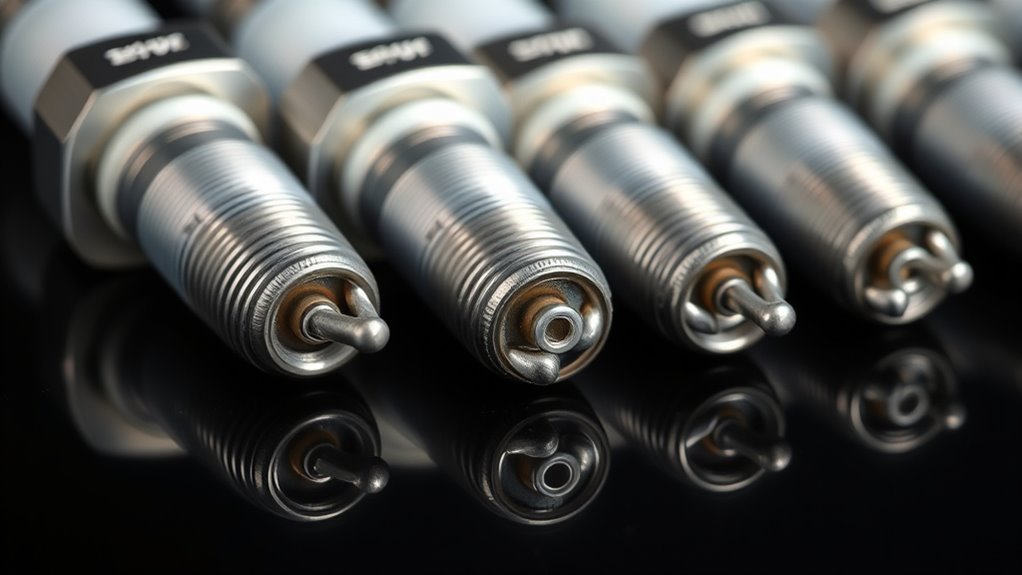
    You can expect your iridium spark plugs to last between 60,000 and 120,000 miles thanks to their durable alloy and superior resistance to wear. This impressive lifespan is one of the main reasons iridium spark plugs are favored over traditional types.

    Proper installation, quality fuel, and regular maintenance all help maximize their lifespan. Watch for signs like misfiring, rough idling, or reduced fuel efficiency to know when replacement is due.

    Understanding key factors and maintenance tips can help you keep your ignition system running smoothly and extend plug performance. Taking these steps ensures you get the most out of your iridium spark plugs and maintain optimal engine health.

    Key Takeaways

    • Iridium spark plugs typically last between 60,000 and 120,000 miles due to their durable alloy construction.
    • Their longevity surpasses copper and platinum plugs, offering improved ignition efficiency and fuel economy.
    • Proper installation and regular maintenance significantly extend the lifespan of iridium spark plugs.
    • Environmental factors and driving habits, like frequent short trips, can accelerate wear and fouling.
    • Replace iridium plugs if experiencing engine misfires, rough idling, power loss, or visible electrode damage.

    Iridium Spark Plug Lifespan: How Long Do They Last?

    How long do iridium spark plugs actually last? Typically, you can expect them to perform effectively for 60,000 to 120,000 miles, depending on your vehicle and driving conditions. Their longevity stems from the durable iridium alloy, which resists wear better than traditional materials.

    Proper spark plug maintenance enhances this lifespan, so you should inspect and replace plugs according to manufacturer recommendations. Ignoring maintenance can reduce performance benefits, such as improved ignition efficiency, fuel economy, and smoother engine operation.

    Key Factors That Affect Iridium Spark Plug Lifespan

    Although iridium spark plugs are designed for durability, several key factors influence their actual lifespan. Proper installation techniques are critical; incorrect torque or cross-threading can damage the plug or cylinder head, reducing lifespan.

    Maintaining peak engine performance also plays a significant role. Running an engine with improper air-fuel mixtures, oil leaks, or ignition timing issues causes excessive wear on the plugs.

    Environmental conditions like extreme temperatures and driving habits impact degradation rates as well. Frequent short trips prevent plugs from reaching ideal operating temperature, promoting deposits and fouling.

    Using high-quality fuel and adhering to manufacturer-recommended maintenance schedules further preserves plug integrity. By controlling these variables, you guarantee iridium spark plugs deliver their maximum service life, maintaining consistent ignition and overall engine efficiency.

    Warning Signs You Need to Replace Iridium Spark Plugs

    If your engine starts misfiring or experiences reduced fuel efficiency, it’s a strong indication that your iridium spark plugs may need replacement. Declining spark plug performance often manifests as rough idling, difficulty starting the engine, or noticeable loss of power during acceleration.

    Another replacement indicator is increased exhaust emissions, signaling incomplete combustion caused by worn electrodes. Visual inspection can reveal fouling, erosion, or carbon buildup on the spark plugs, confirming the need for replacement.

    Additionally, if your vehicle has exceeded the manufacturer’s recommended mileage interval for iridium plugs, usually between 60,000 to 100,000 miles, it’s prudent to assess spark plug condition.

    Monitoring these replacement indicators helps maintain ideal engine function and prevents damage caused by degraded spark plug performance.

    Tips to Extend the Life of Your Iridium Spark Plugs

    Recognizing the signs that your iridium spark plugs need replacement helps prevent engine issues, but taking proactive steps can also extend their service life.

    Effective spark plug maintenance directly supports consistent engine performance.

    Here are four key tips:

    1. Follow the manufacturer’s recommended replacement interval to avoid premature wear.
    2. Use high-quality fuel to minimize deposits that degrade spark plug efficiency.
    3. Regularly inspect and clean spark plugs during routine maintenance, checking for fouling or damage.
    4. Ascertain your ignition system components, such as coils and wires, are in good condition to prevent misfires.

    How Iridium Spark Plugs Compare to Other Spark Plug Types

    When comparing spark plug types, iridium plugs stand out for their superior durability and performance.

    Iridium advantages include a harder, more heat-resistant center electrode, which endures wear better than copper or platinum variants. This results in enhanced spark plug durability, allowing iridium plugs to last up to 60,000 to 120,000 miles, considerably longer than traditional copper plugs.

    Additionally, iridium’s fine electrode design improves ignition efficiency and fuel combustion, contributing to better engine performance and reduced emissions.

    While platinum plugs offer moderate longevity, they don’t match iridium’s lifespan or consistent spark quality under high-stress conditions.

    If you prioritize long-term reliability and minimal maintenance, iridium spark plugs provide a clear technical edge, justifying their higher initial cost with extended service intervals and improved engine efficiency.

    Frequently Asked Questions

    Can Iridium Spark Plugs Improve Fuel Efficiency?

    Yes, iridium spark plugs can improve your fuel efficiency by ensuring better combustion, which leads to fuel savings. They also offer performance enhancement through more reliable ignition and longer lifespan compared to standard plugs.

    Are Iridium Spark Plugs Compatible With All Car Models?

    Like fitting a key to a lock, iridium spark plugs aren’t universally compatible. You must check compatibility factors and your vehicle requirements carefully to guarantee peak performance and avoid engine misfires or damage.

    How Much Do Iridium Spark Plugs Typically Cost?

    Iridium spark plug pricing usually ranges between $15 and $30 each. While they’re pricier upfront, you’ll save on maintenance costs due to their durability and longer lifespan compared to standard plugs.

    Can I Install Iridium Spark Plugs Myself?

    Installing iridium spark plugs yourself is like tuning a delicate instrument. Follow installation tips: gap plugs properly, use anti-seize, torque to specs.

    With careful DIY maintenance, you’ll boost engine performance and save on labor costs.

    Do Iridium Spark Plugs Require Special Tools for Installation?

    You don’t need special tools for iridium spark plug installation, but using a torque wrench guarantees proper tightness. Follow installation tips carefully and perform regular spark plug maintenance to maximize performance and avoid damage.

    Conclusion

    Iridium spark plugs can often last up to 60,000 to 100,000 miles, but their lifespan depends on your driving habits and engine conditions. Keep an eye on signs like misfires or rough idling—they’re your spark plug’s way of waving a red flag.

    With proper maintenance, you can stretch their life like a well-tuned engine, saving you time and money. Understanding their advantages over other types helps you make smarter replacements.

    In conclusion, knowing how long iridium spark plugs last can help you maintain optimal engine performance and avoid unexpected issues.

  • Are Shocks Covered Under Warranty

    Are Shocks Covered Under Warranty

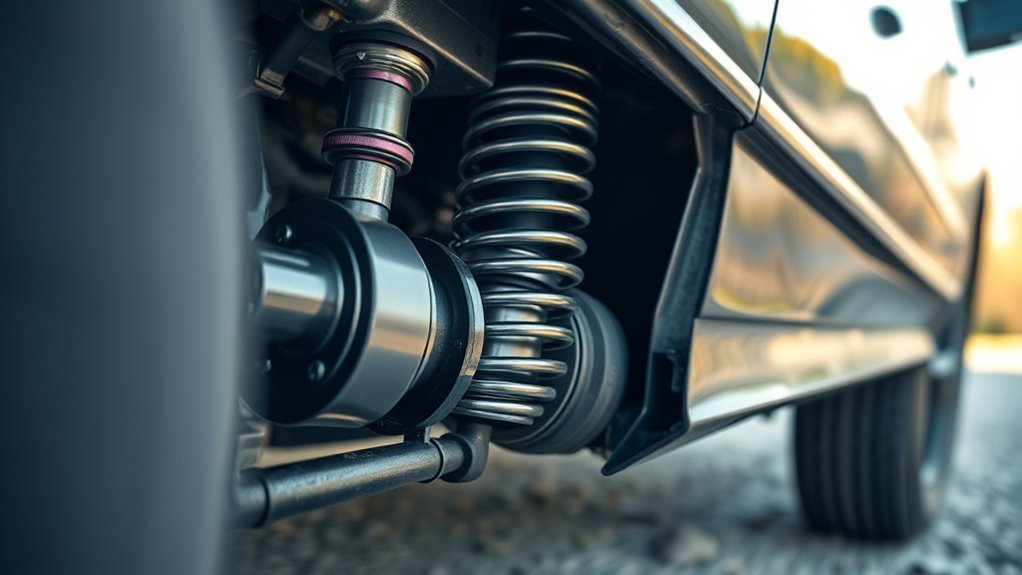
    Are shocks covered under warranty? Generally, your vehicle’s warranty will cover OEM shocks only if they fail due to manufacturing defects. Aftermarket shocks, however, are usually not included in the warranty coverage.

    The warranty does not cover damage resulting from accidents, improper installation, misuse, or normal wear and tear. To confirm your specific coverage, review your purchase documentation carefully. It’s also helpful to contact the manufacturer directly with your shock’s serial number.

    Maintaining your shocks properly is essential to keep your warranty valid. Understanding these details helps protect your suspension investment and guides you on the appropriate next steps.

    Key Takeaways

    • OEM shocks are typically covered under vehicle warranties, while aftermarket shocks usually are not.
    • Warranty coverage generally excludes damage from accidents, misuse, or improper installation.
    • Normal wear and tear and external damage like dents or leaks are usually not covered.
    • Verify shock warranty status using purchase receipts, warranty certificates, and manufacturer contact.
    • Prompt claims with proper documentation and authorized inspections are required to maintain warranty validity.

    Are Your Shocks Covered Under Warranty? What to Know

    How do you determine if your shocks are covered under warranty? Start by identifying the shock absorber types installed on your vehicle, as coverage often depends on whether they’re OEM or aftermarket units.

    Review your vehicle’s warranty documentation carefully, focusing on sections related to suspension components.

    Next, understand the warranty claim process: document any performance issues, gather purchase receipts, and consult with your dealer or manufacturer. They’ll verify if your shocks meet warranty criteria based on type, usage, and defect nature.

    Keep in mind, warranties typically exclude damage caused by misuse or normal wear.

    What Types of Shocks Does Your Warranty Cover?

    Although warranty coverage varies by manufacturer, most warranties specifically cover original equipment manufacturer (OEM) shocks rather than aftermarket or performance-oriented units.

    When reviewing your warranty specifics, focus on shock types explicitly mentioned, typically standard hydraulic or gas-charged OEM shocks. These are designed and tested to meet your vehicle’s performance and durability standards.

    Aftermarket shocks, including heavy-duty or adjustable performance shocks, often fall outside standard warranty terms due to their altered specifications and potential impact on vehicle dynamics.

    To guarantee coverage, confirm that the shock types installed match those detailed in your warranty documents. Understanding these warranty specifics helps you avoid denied claims and guarantees you receive appropriate support for genuine OEM shock replacements or repairs.

    Always consult your manufacturer’s warranty terms for precise coverage details.

    Common Warranty Exclusions for Shock Repairs

    Understanding which shocks qualify under your warranty is only part of ensuring coverage; you also need to be aware of common exclusions that may invalidate shock repair claims.

    Most warranty terms exclude damage resulting from improper installation, modifications, or use outside the manufacturer’s specified parameters.

    You won’t find coverage for shocks compromised by accidents, off-road abuse, or exposure to corrosive environments, as these factors degrade shock performance beyond normal conditions.

    Additionally, shocks showing signs of external damage, such as dents or leaks unrelated to manufacturing defects, typically fall outside warranty protection.

    Misuse or neglect, including failure to maintain recommended suspension components, can also void your warranty.

    To maximize your chances of successful claims, always review the specific warranty terms carefully and operate your vehicle within prescribed limits.

    How Normal Wear and Tear Affects Shock Warranty Claims

    You need to understand the limitations set by warranties regarding normal wear and tear on shocks.

    Patterns of wear directly influence whether a claim qualifies or gets denied under warranty terms.

    Recognizing these distinctions helps you manage expectations and maintain coverage eligibility.

    Warranty Limitations Explained

    Since normal wear and tear gradually degrades shock performance, warranty claims rarely cover damage resulting from everyday use. You must understand warranty terms carefully, as most exclude coverage for performance loss due to routine wear.

    Manufacturers typically honor claims only for defects in materials or workmanship, not for degradation caused by regular driving conditions.

    Warranty Aspect Coverage Scope Exclusions
    Defects Material and workmanship faults Wear from normal use
    Performance Loss Sudden failure Gradual shock performance decline
    Usage Conditions Proper installation/use Abuse or improper maintenance
    Time Limit Specific duration (e.g., 1 year) After expiration date
    Mileage Limit Defined mileage threshold Exceeding mileage limits

    Impact Of Wear Patterns

    Wear patterns directly influence whether shock warranty claims succeed or fail. When you submit a claim, manufacturers perform detailed wear analysis to determine if damage results from normal use or premature failure.

    Normal wear and tear, which naturally shortens shock lifespan, typically excludes coverage under warranty. If your shocks show uniform wear consistent with mileage and driving conditions, the claim may be denied.

    However, irregular wear patterns, such as uneven degradation or leaks caused by defects, can validate your claim.

    Understanding these distinctions helps you maintain realistic expectations. To improve your chances, document maintenance and driving habits, as manufacturers assess wear patterns to differentiate between expected deterioration and warranty-eligible faults.

    Ultimately, wear analysis serves as the critical benchmark for approving or rejecting shock warranty claims.

    How to Verify If Your Shocks Are Still Covered by Warranty

    Start by reviewing your purchase documentation to confirm the warranty period and coverage details.

    Then, contact the manufacturer directly to verify your shocks’ warranty status and confirm any claim procedures.

    This guarantees you have accurate information before proceeding.

    Check Purchase Documentation

    Although warranty terms vary by manufacturer, you can determine if your shocks remain covered by carefully reviewing your purchase documentation.

    Start by locating your purchase receipts, which provide essential details such as the purchase date, product model, and seller information.

    Compare these details against the warranty terms specified by the manufacturer, focusing on coverage duration and any exclusions.

    Pay close attention to conditions that might void the warranty, such as improper installation or unauthorized modifications.

    If your documentation includes a warranty certificate, verify its validity and any registration requirements you may have completed.

    Keeping this paperwork organized allows you to efficiently confirm your shocks’ warranty status and guarantees you’re prepared to claim coverage if needed.

    Always store purchase receipts securely for future reference.

    Contact Manufacturer Directly

    If you’re unsure about your shocks’ warranty status after reviewing your documents, contacting the manufacturer directly provides the most reliable verification.

    Locate the manufacturer contact information, typically found on the product label or official website. Use this to initiate warranty inquiries via phone or email.

    When reaching out, have your product serial number, purchase date, and proof of purchase ready to expedite the process.

    Manufacturers maintain detailed records and can confirm coverage based on their warranty terms. They’ll also clarify any conditions or exclusions that apply.

    Using direct manufacturer contact eliminates guesswork and guarantees you receive precise information about your shocks’ warranty.

    This approach is essential for accurate verification and can save you time and potential expenses in the long run.

    What to Do When Your Shocks Fail Under Warranty

    How do you proceed when your shocks fail under warranty? First, review your warranty documentation to confirm coverage terms and claim procedures. Document the failure thoroughly, noting symptoms and any relevant maintenance history.

    Start by reviewing your warranty and documenting the shock failure with detailed symptoms and maintenance history.

    Maintaining accurate shock maintenance records strengthens your claim and prevents disputes.

    Next, contact the manufacturer or authorized dealer directly with this information. Follow their instructions precisely to avoid voiding the warranty.

    Use warranty tips such as keeping all receipts and service records organized and submitting claims promptly. If required, arrange for an authorized inspection to verify the defect. Avoid unauthorized repairs, which can nullify coverage.

    When to Consider Extended or Third-Party Shock Warranties

    When your vehicle’s original shock warranty nears expiration or your driving conditions demand enhanced protection, considering extended or third-party shock warranties becomes essential. Extended coverage can safeguard you against costly repairs beyond the manufacturer’s period.

    Third party options often provide flexibility and tailored plans for specific terrains or usage patterns.

    Warranty Type Coverage Length Cost Claim Process Suitability
    Manufacturer 1-3 years Included Direct dealership Standard driving
    Extended Coverage 3-7 years Moderate Manufacturer aided Long-term ownership
    Third-Party Options Variable Varies widely Third-party handled Off-road, heavy use
    Limited Third-Party 1-3 years Low Streamlined Budget-conscious drivers
    All-Encompassing Third 5+ years Higher Full service High-risk environments

    Evaluate your needs carefully before selecting extended coverage or third party options.

    How to Maintain Your Shocks to Keep Your Warranty Valid

    To keep your shock warranty valid, you must perform regular inspections and maintenance focused on preventing damage and identifying issues early.

    Prioritize shock maintenance by checking for leaks, corrosion, and physical damage every 6,000 miles or as your manufacturer recommends.

    Clean shocks and surrounding components to prevent dirt accumulation, which can cause premature wear.

    Confirm that mounting bolts are tight and components align correctly to avoid undue stress.

    Avoid modifications or aftermarket parts not approved by the manufacturer, as these can void your warranty.

    Document all maintenance activities meticulously to demonstrate warranty compliance during claims.

    Promptly address any abnormal noises, vibrations, or performance drops, as delayed repairs may lead to denial of coverage.

    Strict adherence to these procedures safeguards your shocks and maintains warranty eligibility.

    Frequently Asked Questions

    Can I Transfer My Shock Warranty to a New Owner?

    You usually can’t transfer your shock warranty to a new owner, as warranty eligibility typically requires original ownership.

    Check the specific manufacturer’s policy, but most warranties restrict coverage to the initial purchaser only during ownership transfer.

    Do Aftermarket Shocks Have Different Warranty Terms?

    Aftermarket shocks offer benefits like customization and performance, but they come with warranty limitations you should know. You’ll find shorter coverage periods, exclusions for misuse, and non-transferable warranties compared to OEM options.

    How Does Off-Road Use Impact Shock Warranty Coverage?

    Off-road use often voids shock warranties due to increased stress beyond standard off-road durability limits. Manufacturers include warranty exclusions for harsh conditions, so you should verify terms carefully before expecting coverage for off-road damage.

    Are Installation Costs Covered Under Shock Warranties?

    Like a tightrope walk, installation expenses usually fall outside warranty limitations. You won’t find shock warranties covering those costs, so plan accordingly to avoid unexpected fees during repairs or replacements.

    Can I Claim Warranty if Shocks Fail Due to Accidents?

    You can’t claim warranty for shocks damaged by accident damage since warranty exclusions typically cover manufacturing defects only. Accidental damage falls outside warranty scope, so repairs or replacements due to accidents won’t be covered.

    Conclusion

    Think of your shocks as the silent guardians of your ride’s smooth journey. While warranties often shield them from defects, normal wear wears down that protection like time erodes stone. Stay sharp—verify coverage, understand exclusions, and maintain your shocks diligently.

    Doing so guarantees your warranty remains a sturdy shield, not just a fragile promise. In the world of vehicle care, knowledge is your best suspension. Remember, when it comes to shocks, knowing if they are covered under warranty can save you time and money.

  • How Do Shocks Work

    How Do Shocks Work

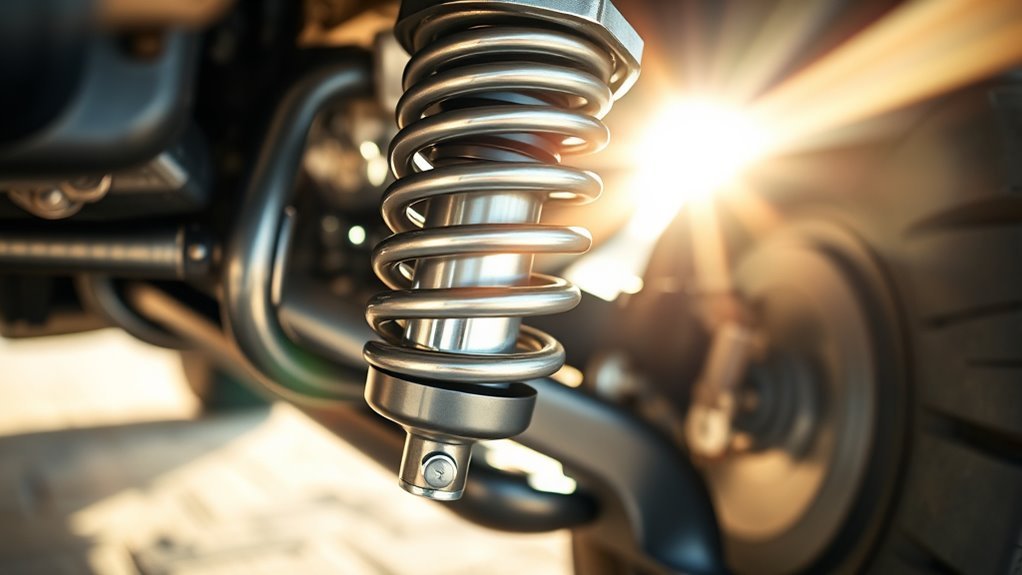
    When you encounter shocks, they act as mechanical devices designed to absorb and dissipate energy from sudden impacts or vibrations. Shocks convert kinetic energy into heat or other forms, reducing motion and force to maintain system stability.

    Typically, shocks use hydraulic or pneumatic systems with pistons moving through fluid or gas to control compression and rebound rates. This precise energy management prevents excessive oscillation.

    To understand how shocks influence broader systems and recovery mechanisms, explore their dynamic roles further.

    Key Takeaways

    • Shocks absorb and dampen energy from impacts or vibrations to reduce motion and force.
    • They convert kinetic energy into heat or another energy form to minimize oscillation.
    • Shocks typically use hydraulic or pneumatic systems with a piston moving through fluid or gas.
    • Resistance in shocks controls compression and rebound rates to stabilize system movement.
    • Shocks protect structural integrity and maintain system stability during dynamic loads.

    What Is a Shock and How Does It Work

    A shock is a mechanical device designed to absorb and dampen energy from sudden impacts or vibrations. Understanding the shock definition requires recognizing its role in converting kinetic energy into heat or another form of energy, thereby reducing motion and force transmitted to other components.

    You’ll find that shock mechanisms typically involve hydraulic or pneumatic systems where a piston moves through fluid or gas, creating resistance. This resistance controls the rate of compression and rebound, preventing excessive oscillation.

    By analyzing shock mechanisms, you see how they maintain system stability and protect structural integrity during dynamic loads.

    Shock mechanisms preserve stability and safeguard structural integrity under dynamic stress conditions.

    When you examine these devices, it becomes clear that their precision in energy absorption is essential for efficient and safe operation across various mechanical applications.

    Types of Shocks That Disrupt Systems

    You’ll encounter various shocks that disrupt systems, primarily economic and environmental.

    Economic shocks alter financial stability through sudden changes in markets or policies, while environmental shocks stem from natural events impacting resources and infrastructure.

    Understanding these distinctions helps you analyze how systems respond and adapt under pressure.

    Economic Shocks

    When unexpected events disrupt economic stability, they trigger shocks that ripple through markets and institutions. Economic shocks often stem from sudden changes in supply chain dynamics or shifts in consumer demand, causing market volatility that challenges forecasting and risk management.

    You’ll see these shocks destabilize prices, employment rates, and investment flows, requiring swift adaptation.

    Common economic shocks include:

    • Sudden commodity price spikes impacting production costs
    • Financial crises disrupting credit availability
    • Trade policy changes altering export-import balances
    • Technological disruptions rendering industries obsolete
    • Geopolitical tensions affecting global markets

    Understanding these shocks helps you anticipate vulnerabilities and implement strategies that mitigate adverse effects on economic systems, ensuring resilience amid uncertainty.

    Environmental Shocks

    Environmental shocks disrupt natural and human systems by triggering sudden, significant changes in ecological conditions. You must understand that these shocks often stem from natural disasters such as hurricanes, floods, and wildfires that abruptly alter landscapes and resource availability.

    Additionally, climate change exacerbates the frequency and intensity of such events, creating compounded stress on ecosystems and infrastructure.

    When facing these shocks, you’ll observe immediate impacts like habitat loss and agricultural disruption, alongside long-term consequences including altered weather patterns and diminished biodiversity.

    Your response requires analyzing both the direct environmental damage and the cascading effects on socio-economic systems. By quantifying these impacts, you can develop adaptive strategies that enhance resilience and mitigate vulnerabilities in the face of unpredictable environmental shocks.

    How Shocks Impact Economies and Markets

    Although shocks can originate from various sources, their effects ripple through economies and markets by disrupting supply chains, altering consumer behavior, and shifting investor confidence.

    You’ll observe increased market volatility as uncertainty rises, testing economic resilience.

    These disruptions force rapid adjustments in production and consumption patterns, often causing short-term contraction. The psychological impact on investors and consumers can exacerbate volatility, triggering sell-offs or hoarding behaviors.

    Understanding these dynamics helps you anticipate and mitigate adverse effects.

    • Sudden drops in asset prices heighten anxiety
    • Supply shortages create frustration and urgency
    • Consumer spending declines fuel economic slowdown fears
    • Investor uncertainty leads to erratic market swings
    • Business disruptions threaten job security and income

    This analytical insight equips you to navigate the complex repercussions shocks impose on economies and markets.

    Why Do Some Systems Bounce Back Faster After Shocks?

    Because systems vary in structure and resource allocation, their recovery rates after shocks differ considerably. You’ll notice that systems exhibiting high bounce resilience tend to restore functionality quicker. This resilience stems from inherent redundancies and diversified resource pools that buffer against disruptions.

    Additionally, system adaptability plays a significant role; systems designed to reconfigure processes or reallocate resources dynamically can mitigate shock impacts more efficiently. When you analyze these systems, you’ll observe that those with modular architectures and flexible protocols adapt faster, limiting downtime.

    Conversely, rigid systems with centralized control often experience prolonged recovery. Understanding the interplay between bounce resilience and system adaptability helps you predict which systems can absorb shocks and rebound swiftly. This understanding is essential for optimizing design and risk management strategies in complex environments.

    How People and Organizations Adapt to Shocks

    When faced with shocks, people and organizations must adjust their behaviors and structures promptly to maintain functionality.

    You rely on adaptive strategies to reconfigure processes, redistribute resources, and recalibrate priorities.

    This rapid adjustment builds organizational resilience, enabling you to absorb disruptions and continue operations.

    Key adaptive strategies include:

    • Reassessing workflows to eliminate inefficiencies
    • Enhancing communication channels for real-time feedback
    • Empowering teams with decision-making autonomy
    • Integrating flexible resource allocation models
    • Leveraging data analytics for informed responses

    The Role of Preparedness in Managing Shocks

    You can reduce the impact of shocks by prioritizing early planning and developing resilient systems.

    By anticipating potential disruptions, you create frameworks that absorb stress without collapsing.

    This proactive approach guarantees operational continuity when shocks occur.

    Importance of Early Planning

    Although shocks can occur unexpectedly, early planning greatly enhances your ability to manage their impact effectively.

    Implementing early strategies allows you to anticipate vulnerabilities and deploy proactive measures that reduce disruption.

    By preparing in advance, you gain control over uncertain variables, minimizing response time and resource wastage.

    Early planning sharpens decision-making under pressure and fosters preparedness that cushions against severe outcomes.

    Consider these critical benefits of early planning:

    • Identifying risks before they escalate
    • Allocating resources efficiently
    • Establishing clear communication channels
    • Training personnel on response protocols
    • Maintaining operational continuity during crises

    Building Resilient Systems

    Since shocks can disrupt operations unpredictably, building resilient systems requires deliberate preparedness that integrates flexibility and robustness. You need to employ resilient design principles that anticipate potential disruptions and embed redundancies to maintain core functions.

    This involves analyzing vulnerabilities and creating adaptive strategies that allow rapid response and recovery. By incorporating modular components and scalable resources, you can isolate failures and prevent cascading effects.

    Adaptive strategies enable you to adjust operational protocols dynamically, based on real-time data and evolving conditions. Your system must balance robustness, withstanding shocks without degradation, and agility, quickly adapting to new threats.

    Ultimately, preparedness through resilient design and adaptive strategies minimizes downtime and preserves functionality, ensuring your operations endure and recover effectively from unforeseen shocks.

    Turning Shocks Into Opportunities for Growth

    When shocks disrupt established systems, they also create critical junctures for reassessment and innovation. You must adopt a growth mindset to pivot effectively, recognizing opportunities embedded within disruption.

    This mindset enables you to analyze system vulnerabilities and identify pathways for improvement. Opportunity recognition becomes your analytical tool for transforming uncertainty into strategic advantage.

    To capitalize on shocks, focus on:

    • Embracing change as a catalyst, not a threat
    • Leveraging data to detect emerging trends
    • Prioritizing flexible resource allocation
    • Encouraging cross-functional collaboration
    • Institutionalizing continuous learning

    Frequently Asked Questions

    What Historical Events Are Considered Major Shocks?

    You’ll identify major shocks as economic crises like the 2008 financial collapse and natural disasters such as the 2011 Tōhoku earthquake. Both disrupt systems abruptly, requiring precise analysis to understand their impacts and responses.

    How Do Shocks Affect Mental Health?

    Imagine your mind as a fortress. Shocks trigger a trauma response that can weaken your emotional resilience. You’ll experience heightened stress, anxiety, or depression, but with proper support, you can rebuild and strengthen your mental defenses.

    Can Technology Predict Upcoming Shocks?

    Yes, you can leverage predictive analytics for effective shock forecasting. By analyzing data patterns and indicators, technology enables you to anticipate upcoming shocks with increased accuracy, enhancing your preparedness and response strategies.

    What Role Do Governments Play During Shocks?

    You see government responses stabilize markets, you see governments implement policies, you see governments provide relief. During shocks, they act decisively to guarantee economic stabilization, mitigate disruptions, and restore confidence, protecting both financial systems and public welfare efficiently.

    How Do Shocks Influence Global Supply Chains?

    Shocks cause supply chain disruptions by halting production and delaying shipments, which you’ll see reflected in global trade impacts.

    You’ll need to analyze these effects carefully to mitigate risks and maintain operational continuity.

    Conclusion

    You’ll find that shocks, while unsettling, are really just unexpected nudges pushing systems out of their comfort zones. By understanding their nature and impacts, you can better prepare and adapt, turning these jolts into valuable learning curves.

    With the right strategies, what feels like disruption becomes a catalyst for refinement and resilience. This allows both you and your organization to emerge smarter, stronger, and more agile in the face of future uncertainties.

    Ultimately, knowing how shocks work empowers you to transform challenges into opportunities for growth and innovation.

  • How Many Spark Plugs Does a 5.7 Hemi Have

    How Many Spark Plugs Does a 5.7 Hemi Have

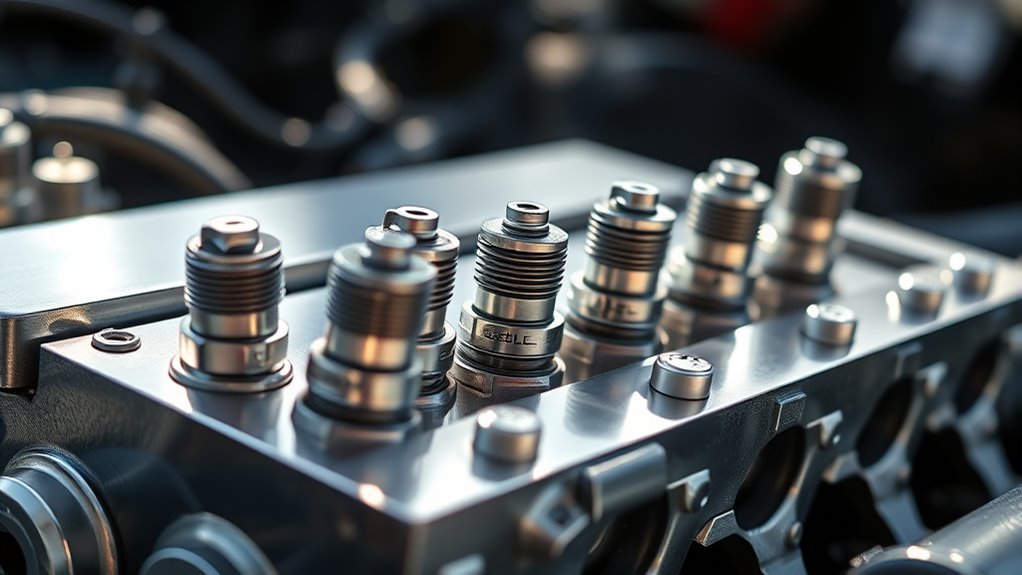
    Your 5.7 Hemi engine has 16 spark plugs—two per each of the eight cylinders. This dual-spark setup guarantees more efficient combustion by creating dual flame fronts, which improves power, fuel economy, and reduces emissions.

    It’s crucial to use the correct spark plugs and replace them according to your vehicle’s maintenance schedule, typically every 30,000 to 100,000 miles.

    Understanding this system helps you appreciate how your engine achieves enhanced performance and durability.

    Key Takeaways

    • The 5.7 Hemi engine has 16 spark plugs in total.
    • Each of the 8 cylinders contains 2 spark plugs.
    • Dual spark plugs per cylinder improve combustion efficiency and engine performance.
    • Regular spark plug maintenance is recommended every 30,000 to 100,000 miles.
    • Proper spark plug care reduces emissions and enhances fuel economy.

    How Many Spark Plugs Does a 5.7 Hemi Engine Have?

    How many spark plugs does a 5.7 Hemi engine have? This V8 engine features 16 spark plugs, two per cylinder.

    Understanding spark plug types is vital when maintaining this engine. The 5.7 Hemi typically uses fine-wire platinum or iridium spark plugs that offer durability and efficient ignition. These spark plugs improve combustion, contributing to peak engine performance and fuel economy.

    For effective engine maintenance, regularly inspect and replace spark plugs according to manufacturer recommendations, usually every 30,000 to 100,000 miles, depending on plug type.

    Using the correct spark plug type guarantees proper firing, reduces misfires, and prevents engine damage. Keeping up with spark plug maintenance directly supports your 5.7 Hemi’s longevity and power output, making it essential knowledge for any owner or technician.

    Why Does the 5.7 Hemi Have Multiple Spark Plugs Per Cylinder?

    You’ll notice the 5.7 Hemi uses multiple spark plugs per cylinder to improve combustion efficiency by igniting the air-fuel mixture more evenly and quickly.

    This setup enhances engine performance by producing more power and reducing emissions.

    Understanding this design helps explain why the engine delivers strong, consistent output.

    Improved Combustion Efficiency

    Because the 5.7 Hemi engine uses multiple spark plugs per cylinder, it achieves more efficient and complete combustion. You’ll notice that this setup improves combustion dynamics by initiating flame propagation at multiple points, reducing burn time and enhancing fuel utilization.

    This dual ignition optimizes the air-fuel mix’s energy release, leading to fewer unburned hydrocarbons.

    Aspect Single Spark Plug Multiple Spark Plugs
    Flame Propagation Slower, single front Faster, multi-front
    Combustion Dynamics Less uniform More uniform and controlled
    Efficiency Moderate High

    Enhanced Engine Performance

    Building on the improved combustion efficiency achieved by multiple spark plugs, the 5.7 Hemi leverages this design to enhance overall engine performance.

    You’ll find that having two spark plugs per cylinder guarantees more consistent and complete ignition, which directly translates to smoother power delivery and increased horsepower.

    This dual-spark setup also allows for more precise engine tuning, enabling you to optimize fuel-air mixture combustion for varying performance upgrades.

    When you upgrade components or adjust engine parameters, the multiple spark plugs provide better adaptability, reducing misfires and improving throttle response.

    Ultimately, this design supports higher compression ratios and aggressive tuning strategies, allowing the 5.7 Hemi to maintain reliability while extracting maximum power.

    How Do Dual Spark Plugs Improve 5.7 Hemi Performance?

    You’ll notice that dual spark plugs in the 5.7 Hemi optimize combustion by igniting the air-fuel mixture more completely and evenly.

    This leads to improved fuel economy since less unburned fuel escapes the cylinder.

    Additionally, more efficient combustion reduces harmful emissions, making the engine cleaner and more efficient overall.

    Enhanced Combustion Efficiency

    Dual spark plugs in a 5.7 Hemi engine enhance combustion efficiency by igniting the air-fuel mixture more evenly and rapidly within each cylinder. This improvement optimizes the combustion chamber’s conditions and refines ignition timing.

    Here’s how:

    1. Dual spark plugs create two flame fronts, reducing burn time and promoting complete combustion.
    2. Improved ignition timing precision minimizes the risk of knock and maximizes power output.
    3. Even heat distribution within the combustion chamber lowers hot spots that cause pre-ignition.
    4. Enhanced flame propagation leads to smoother engine operation and reduced emissions.

    Improved Fuel Economy

    When your 5.7 Hemi uses two spark plugs per cylinder, it burns fuel more completely and efficiently. This dual ignition setup enhances the combustion process, leading to a more thorough fuel burn within each cylinder.

    By igniting the air-fuel mixture from two points, the flame front spreads faster and more evenly, reducing unburned fuel residues. This precision in combustion allows the fuel system to operate effectively, minimizing wasted fuel.

    Additionally, the improved combustion stability gives you the advantage of refined engine tuning, enabling the ECU to adjust parameters for better fuel delivery and ignition timing.

    As a result, your 5.7 Hemi achieves better miles per gallon without sacrificing power, directly translating to improved fuel economy and overall engine performance.

    Reduced Emissions Output

    Although reducing emissions is a critical challenge for modern engines, the 5.7 Hemi’s use of two spark plugs per cylinder considerably lowers harmful exhaust output.

    By igniting the air-fuel mixture more efficiently, dual spark plugs enhance emission control and reduce the engine’s environmental impact.

    Here’s how they improve performance:

    1. Faster and more complete combustion minimizes unburned hydrocarbons.
    2. Lower combustion temperatures reduce nitrogen oxide (NOx) formation.
    3. Improved flame propagation decreases carbon monoxide emissions.
    4. Enhanced ignition reliability prevents misfires, further cutting pollutants.

    How Do You Identify the Right Spark Plugs for Your 5.7 Hemi?

    How can you guarantee you select the right spark plugs for your 5.7 Hemi? Start with spark plug identification by referencing your vehicle’s manual to confirm the correct specifications. Using plugs that meet OEM standards guarantees peak engine performance and longevity.

    Pay attention to heat range, thread size, and electrode type, as these factors influence combustion efficiency.

    Specification Value Importance
    Thread Size M14 x 1.25 mm Guarantees proper fit in cylinder
    Heat Range Medium (e.g., 5) Balances heat dissipation
    Electrode Type Iridium or Platinum Enhances durability and spark

    When Should You Replace Spark Plugs on a 5.7 Hemi Engine?

    Determining the ideal time to replace spark plugs in your 5.7 Hemi engine hinges on monitoring both mileage and engine performance.

    The spark plug lifespan typically ranges between 30,000 to 100,000 miles, depending on the type and driving conditions.

    To effectively manage replacement intervals, consider these key indicators:

    1. Review your vehicle’s owner manual for manufacturer-recommended replacement intervals.
    2. Monitor engine misfires, rough idling, or decreased fuel efficiency.
    3. Inspect spark plugs for wear, carbon buildup, or electrode erosion during routine maintenance.
    4. Note any difficulty starting the engine or loss of power under acceleration.

    Adhering to these guidelines maintains peak engine function and prevents potential damage related to worn spark plugs.

    What Are the Best Tips for Installing Spark Plugs in a 5.7 Hemi?

    When installing spark plugs in your 5.7 Hemi, you must guarantee proper torque and gap settings to maintain peak engine performance.

    Start by selecting the correct spark plug types recommended by the manufacturer, typically iridium plugs for durability and ideal ignition.

    Use a reliable torque wrench to tighten plugs to the specified torque, usually around 13 lb-ft, to prevent over-tightening or thread damage.

    Check and adjust the spark plug gap precisely with a feeler gauge before installation.

    Employ appropriate installation tools such as a spark plug socket with a rubber insert to protect the plug’s ceramic insulator.

    Finally, apply a small amount of anti-seize compound on the threads if specified, but avoid contaminating the electrode.

    These steps guarantee efficient combustion and prolong spark plug life in your 5.7 Hemi engine.

    Frequently Asked Questions

    Can I Use Plug Wires Instead of Coil-On-Plug for the 5.7 Hemi?

    You can’t use plug wires instead of coil-on-plug ignition systems on the 5.7 Hemi. The engine’s spark plug types require direct coil ignition for proper performance and reliability, so swapping isn’t compatible or recommended.

    You should use gasoline with an octane rating of 87 or higher to optimize fuel efficiency in your 5.7 Hemi engine. Higher octane fuels prevent knocking and maintain precise combustion for better performance.

    How Does Engine Timing Affect the 5.7 Hemi’s Spark Plugs?

    You’ll find that improper ignition timing can reduce your 5.7 Hemi’s engine performance by up to 15%. Timing directly affects spark plugs by altering combustion efficiency and potentially causing misfires or premature wear.

    Are There Common Spark Plug Issues Unique to the 5.7 Hemi?

    You’ll find common 5.7 Hemi spark plug issues include fouling and electrode wear. Regular spark plug maintenance and timely spark plug replacement guarantee ideal combustion and prevent misfires.

    This preserves engine performance and efficiency effectively.

    Can Aftermarket Performance Parts Impact Spark Plug Life in the 5.7 Hemi?

    Yes, aftermarket tuning can impact spark plug life in your 5.7 Hemi. You’ll need to guarantee spark plug compatibility with the modified engine parameters to avoid misfires, pre-ignition, and accelerated wear.

    Conclusion

    If you’re wondering how many spark plugs your 5.7 Hemi has, it’s exactly twice the cylinders—16 in total. Coincidentally, this dual-plug setup isn’t just a number; it’s engineered to boost ignition efficiency and performance.

    Knowing when and how to replace these plugs guarantees your engine runs smoothly. This setup helps improve combustion and power output.

    So, by understanding this precise design, you’re not only maintaining your Hemi properly but also optimizing its power every time you hit the road. Remember, the 5.7 Hemi spark plugs play a crucial role in keeping your engine running at its best.

  • How to Install Gas Shocks

    How to Install Gas Shocks

    To install gas shocks, first secure your vehicle on a flat surface using a jack and jack stands. This ensures safety and stability while you work.

    Next, remove the old shocks by loosening their mounting bolts. Take this opportunity to inspect surrounding suspension parts for any signs of wear or damage.

    Align the new shocks with the mounting points, using the correct hardware. Tighten the bolts to the manufacturer’s torque specifications to guarantee a secure attachment.

    After installation, test the shocks for smooth damping and proper alignment. For a safer ride and long-lasting performance, it’s helpful to explore detailed installation steps and common mistakes to avoid.

    Key Takeaways

    • Inspect shocks and suspension components for damage or wear before replacement to ensure vehicle safety and stability.
    • Securely lift and support the vehicle with a jack and jack stands on a flat surface before starting installation.
    • Remove old shocks carefully, then align and mount new gas shocks using correct hardware and specified torque values.
    • Use a torque wrench to evenly tighten bolts, avoiding over-tightening or under-tightening for proper shock function.
    • Test the vehicle on varied roads post-installation to check for proper shock performance and secure mounting.

    Identify When Gas Shocks Need Replacement

    Before you begin replacing gas shocks, you need to accurately determine whether they require replacement. Start by inspecting for clear symptoms of wear, such as fluid leaks around the shock body or visible dents and corrosion.

    Check for uneven tire wear, which often signals suspension issues.

    Next, assess performance degradation by conducting a bounce test: push down sharply on one corner of the vehicle and release. If the vehicle continues to bounce more than two or three times, the shocks have likely lost damping efficiency.

    Also, note any increased body roll, nose-diving during braking, or excessive vibration while driving, as these indicate compromised shock absorbers.

    Identifying these precise signs guarantees you replace gas shocks only when necessary, maintaining ideal vehicle stability and safety.

    Prepare Your Vehicle Safely for Gas Shock Installation

    Once you’ve confirmed that your gas shocks need replacing, focus on securing a safe and stable environment for the installation process. Begin by parking on a flat surface and engaging the parking brake to maintain vehicle stability. Use wheel chocks to prevent any movement.

    Next, lift the vehicle with a hydraulic jack and support it securely on jack stands. Never rely solely on the jack.

    Step Safety Tip
    Park & Engage Brake Guarantees no vehicle movement
    Use Wheel Chocks Prevents rolling during lift
    Jack & Support Vehicle Maintains stability for shock absorbers replacement

    This preparation is essential for your safety and to avoid damaging suspension components when you replace the shock absorbers.

    Inspect Suspension Components Before You Start

    Three key suspension components demand thorough inspection before you start replacing gas shocks: the control arms, bushings, and mounting hardware.

    Begin by applying suspension inspection techniques such as visual examination and manual manipulation to detect cracks, corrosion, or deformation.

    Use component wear analysis to evaluate bushings for cracks, brittleness, or excessive play, which could compromise shock performance.

    Check mounting hardware for rust, stripped threads, or looseness that might affect secure attachment.

    Pay close attention to ball joints and control arm integrity, as damage here can impact handling and safety.

    Document any signs of wear or damage, as these may require repair or replacement alongside the gas shocks.

    Record all wear or damage found to ensure necessary repairs accompany your gas shock replacement.

    Completing this inspection guarantees you address all potential suspension issues, allowing the new gas shocks to function efficiently and extend their service life.

    Remove Old Gas Shocks Step-by-Step

    Before you remove the old gas shocks, gather the necessary tools like wrenches, a jack, and safety glasses.

    Always secure the vehicle on a stable surface and use jack stands to prevent accidents.

    Following these safety precautions and preparing your equipment guarantees a smooth removal process.

    Tools Needed

    To remove old gas shocks effectively, you’ll need a specific set of tools that guarantee safety and efficiency.

    Since various shock absorber types have different mounting designs and gas pressure differences, having the right tools guarantees you handle components without damage.

    Prepare these essentials before starting:

    • Socket set and ratchet: For loosening and removing mounting bolts precisely.
    • Wrenches: To hold nuts securely while turning bolts, especially in tight spaces.
    • Penetrating oil: Helps loosen seized bolts caused by corrosion or pressure variations.
    • Jack and jack stands: To safely lift and support the vehicle, providing stable access to shocks.

    Using these tools correctly will streamline the removal process and prevent damage to the shocks or vehicle.

    Safety Precautions

    Although removing old gas shocks may seem straightforward, you must observe strict safety precautions to prevent injury and damage.

    First, always wear appropriate personal protective equipment, including safety glasses, gloves, and sturdy footwear, to shield against debris and accidental contact.

    Before starting, verify the vehicle is securely supported on jack stands to avoid collapse. Disconnect the battery to prevent electrical hazards. Familiarize yourself with emergency procedures, such as how to handle sudden shock decompression or fluid leaks.

    Work in a well-ventilated area and keep a fire extinguisher nearby. Avoid using excessive force when detaching components to prevent parts from snapping or causing injury.

    Install New Gas Shocks Correctly

    First, gather all necessary tools to guarantee a smooth installation process.

    Next, carefully remove the old shocks if you haven’t already done so.

    Finally, position and secure the new gas shocks firmly according to the manufacturer’s specifications.

    Gather Necessary Tools

    You’ll need a specific set of tools to install new gas shocks correctly and efficiently. Before you begin, gather tools and necessary equipment to guarantee a smooth process. Having the right tools prevents damage and speeds up the installation.

    Essential tools include:

    • Socket wrench set with appropriate sizes
    • Torque wrench for precise tightening
    • Jack and jack stands to safely lift and support the vehicle
    • Screwdrivers or pry bars to assist in removing clips or brackets

    Make certain all tools are in good condition and compatible with your vehicle model.

    Organize your workspace to keep the necessary equipment within reach. Preparing thoroughly at this stage minimizes interruptions and guarantees you install the gas shocks with accuracy and safety.

    Remove Old Shocks

    With all necessary tools prepared and your workspace organized, you can proceed to remove the old shocks. First, identify the shock absorber types on your vehicle to guarantee proper handling during removal. Typically, you’ll encounter either twin-tube or monotube designs, each requiring specific detachment methods.

    Begin by safely lifting the vehicle and securing it with jack stands. Loosen and remove the mounting bolts at both ends of the shock absorber using the appropriate wrench or socket.

    Note the condition of the old shocks, as shock replacement frequency generally depends on mileage and performance issues.

    Carefully extract the shock without damaging surrounding components. Removing the old shocks correctly prepares you for a smooth installation of new gas shocks, maintaining vehicle stability and ride comfort.

    Secure New Gas Shocks

    Align the new gas shock with the mounting points, guaranteeing the orientation matches the manufacturer’s specifications.

    Before fastening, verify the shock alignment to avoid stress or premature wear. Position the shock so the piston rod moves freely without binding.

    Use the correct hardware for secure mounting, tightening bolts to the torque values specified in the manual.

    Confirm that mounting brackets are clean and undamaged before installation.

    Insert bolts through the shock and mounting points without forcing.

    Tighten mounting bolts incrementally, alternating to maintain even pressure.

    Recheck shock alignment and secure mounting after initial torque application.

    Following these steps guarantees the gas shocks function efficiently and maintain vehicle stability under load.

    Torque and Secure Shock Mounting Bolts Properly

    Although securing the shock mounting bolts might seem straightforward, applying the correct torque is essential to confirm safety and peak performance.

    Start by consulting your vehicle’s service manual for the specified shock torque values.

    Use a calibrated torque wrench to tighten each bolt evenly and accurately, preventing under- or over-tightening. Proper bolt security confirms the gas shocks remain firmly attached under dynamic loads, reducing wear and potential failure.

    Tighten bolts in a crisscross pattern if applicable, and double-check all fasteners after initial torqueing.

    Avoid using impact tools for final tightening, as they can exceed recommended torque and damage threads.

    Test Your New Gas Shocks for a Smooth Ride

    After securing the shock mounting bolts to the correct torque specifications, you should verify the performance of your new gas shocks under actual driving conditions. Testing confirms ideal shock performance and ride comfort, confirming the installation’s success.

    Begin with a controlled drive on varied road surfaces to assess responsiveness. Pay attention to:

    • Reduced body roll during cornering
    • Minimized vibrations over bumps
    • Consistent rebound and compression rates
    • Stable vehicle height and alignment

    If you notice excessive bouncing, uneven ride height, or harsh impacts, recheck the installation.

    Proper testing guarantees your gas shocks deliver the intended smooth ride, enhancing safety and comfort. Always perform this step before regular use to confirm reliability and performance.

    Avoid Common Gas Shock Installation Mistakes

    When installing gas shocks, you must avoid common mistakes that can compromise performance and safety. One frequent pitfall is neglecting to properly align the shock with mounting points, which can cause premature wear or failure. Always check the orientation before tightening bolts.

    Another common pitfall is over-tightening fasteners; use a torque wrench and follow manufacturer specifications to prevent damage. Avoid mixing old and new components, as inconsistent parts can lead to uneven damping.

    Installation tips include cleaning mounting surfaces thoroughly to guarantee secure attachment and inspecting bushings for wear or damage.

    Additionally, don’t forget to compress the shock rod slightly if required before installation to reduce stress.

    Troubleshoot Issues After Installing Gas Shocks

    If you notice unusual noises, poor handling, or uneven ride height after installing gas shocks, you need to systematically troubleshoot the issue.

    Effective gas shock troubleshooting starts with identifying common installation problems that could cause malfunction.

    Check these critical points:

    • Confirm mounting bolts are correctly torqued and secured; loose fittings cause noise and instability.
    • Inspect shock orientation; reversed shocks lead to poor damping and handling issues.
    • Verify the shock length matches manufacturer specifications to avoid ride height discrepancies.
    • Examine for fluid leaks or damaged seals that impair shock performance.

    Addressing these factors will resolve most gas shock installation faults.

    Follow this precise approach to guarantee your gas shocks function at their best, restoring vehicle stability and ride comfort.

    Frequently Asked Questions

    What Are the Benefits of Gas Shocks Over Traditional Shocks?

    You’ll enjoy performance advantages with gas shocks, as they reduce aeration and fade, providing consistent damping. This directly improves ride quality by enhancing stability, control, and responsiveness compared to traditional hydraulic shocks.

    How Long Do Gas Shocks Typically Last Before Replacement?

    You can expect a shock lifespan of 50,000 to 100,000 miles with proper maintenance. Follow maintenance tips like regular inspections and cleaning to maximize durability. This ensures your gas shocks perform at their best over time without premature failure.

    Can I Install Gas Shocks on Any Type of Vehicle?

    You can’t install gas shocks on any vehicle; verify vehicle compatibility first. Check your vehicle’s specifications and shock type before shock installation to guarantee proper fit and performance.

    Always consult your manual or a professional technician.

    Are Gas Shocks Compatible With Aftermarket Suspension Kits?

    Yes, gas shocks often offer aftermarket compatibility, but you must verify fitment with your suspension kit. Proper matching guarantees peak suspension performance, maintaining ride quality and handling without compromising the upgraded components’ intended function.

    How Do Temperature Changes Affect Gas Shock Performance?

    You’ll notice temperature effects cause performance variability in gas shocks, as colder temperatures thicken the gas, reducing responsiveness, while heat thins it, increasing damping. Adjust for consistent performance by monitoring and compensating accordingly.

    Conclusion

    Now that you’ve tackled installing gas shocks yourself, you’ll probably wonder why you ever paid a mechanic. Just remember, while it seemed straightforward, skipping steps or ignoring torque specs can turn your smooth ride into a bumpy lesson.

    With careful inspection, proper tools, and precise installation, you’ll enjoy the improved handling you aimed for. So, don’t be surprised if your confidence grows as much as your vehicle’s performance.

    Installing gas shocks correctly is key to achieving that enhanced driving experience you want.

  • How to Put Spark Plugs in

    How to Put Spark Plugs in

    To put spark plugs in, first choose plugs compatible with your engine and gather tools like a spark plug socket, torque wrench, and gap gauge. Make certain the engine is cool and disconnect the battery before starting.

    Locate and clean spark plug holes, then carefully remove old plugs using the socket. Install new plugs by hand to avoid cross-threading, apply anti-seize if recommended, and tighten to the exact torque specification.

    Finally, reattach ignition parts and test for smooth operation. These precise steps guarantee ideal performance and durability.

    Key Takeaways

    • Ensure the engine is cool and disconnect the negative battery terminal before starting spark plug installation.
    • Remove ignition coils or spark plug wires carefully, noting their positions for correct reinstallation.
    • Thread new spark plugs in by hand to avoid cross-threading, applying anti-seize compound if recommended.
    • Tighten spark plugs to the torque specifications found in the vehicle’s service manual using a torque wrench.
    • Reconnect ignition components, start the engine, and listen for smooth operation to confirm proper installation.

    Choose the Right Spark Plugs

    Before you start installing spark plugs, you need to choose the right ones for your engine.

    Begin by consulting your vehicle’s manual to identify the recommended spark plug types, which vary by material—copper, platinum, or iridium—and design. Each type offers different durability and performance characteristics.

    Consult your vehicle manual to choose spark plug types—copper, platinum, or iridium—each with unique durability and performance.

    Next, verify engine compatibility by confirming the correct thread size, heat range, and gap specifications. Using spark plugs that don’t match your engine’s requirements can cause misfires or damage.

    If you’re unsure, cross-reference OEM part numbers with aftermarket options to confirm fitment.

    Selecting spark plugs with proper engine compatibility optimizes combustion efficiency and prolongs engine life.

    Taking these steps guarantees you install spark plugs that meet your engine’s precise demands.

    Gather Your Tools for Spark Plug Installation

    Proper tool selection is vital to guarantee a smooth and accurate spark plug installation. Using the correct spark plug tools prevents damage and assures torque accuracy. Gather these essentials before you start for efficient workflow and to apply key installation tips effectively.

    Tool Purpose
    Spark Plug Socket Fits spark plug hex for removal/install
    Torque Wrench Guarantees precise tightening torque
    Spark Plug Gap Gauge Measures gap for ideal spark
    Ratchet Extension Provides reach in tight engine areas

    Prepare your workspace with these tools to maintain control and precision. Using a torque wrench is vital to avoid over-tightening, while the gap gauge helps verify proper spark plug spacing. These spark plug tools are fundamental for a successful installation, reducing the risk of engine misfires or damage.

    Get Your Car Ready and Find the Spark Plug Holes

    Once you’ve gathered the necessary tools, prepare your car by guaranteeing the engine is cool to prevent burns and allow easier access.

    Begin engine preparation by disconnecting the negative battery terminal to avoid electrical hazards.

    Open the hood and locate the spark plug holes, which are typically positioned on the cylinder head. On inline engines, spark plug locations are aligned in a row; on V-type engines, they’re on both cylinder banks.

    Remove any engine covers obstructing access to the spark plugs using the appropriate socket or screwdriver.

    Clean the area around each spark plug hole to prevent debris from entering the combustion chamber during installation.

    Familiarize yourself with the exact spark plug locations specific to your vehicle’s make and model to guarantee correct installation later.

    How to Remove and Check Old Spark Plugs

    Start by carefully disconnecting the spark plug wires or ignition coils from the spark plugs, taking note of their positions to guarantee correct reinstallation.

    Use a spark plug socket and ratchet to remove each spark plug by turning counterclockwise.

    Inspect each plug for wear, deposits, or damage, as these signs can affect engine performance. Compare the plugs to the table below to identify issues related to different spark plug types.

    Spark Plug Type Common Condition Impact on Engine Performance
    Copper Worn electrodes Reduced ignition efficiency
    Platinum Carbon fouling Misfire, poor fuel economy
    Iridium Oil deposits Engine knocking, rough idle
    Double Platinum Normal wear Slight performance drop
    Silver Cracked insulator Hard starts, power loss

    Check gaps and replace plugs if necessary.

    Install New Spark Plugs Without Damaging Threads and Test for Issues

    After inspecting and deciding on the appropriate spark plugs, carefully thread each new plug into its cylinder by hand to avoid cross-threading.

    Use thread protection if available, such as anti-seize compound, but only if recommended by the manufacturer.

    Once hand-tight, use a torque wrench to tighten the spark plug to the specified spark plug torque value in your service manual to prevent over-tightening or stripping the threads.

    Over-tightening can damage the cylinder head, while under-tightening can cause poor contact and misfires.

    After installation, reconnect spark plug wires or ignition coils securely.

    Start the engine and listen for irregular noises or misfires. If the engine runs smoothly without hesitation, your installation is successful.

    Otherwise, recheck connections and torque settings to guarantee proper function and thread integrity.

    Frequently Asked Questions

    How Often Should Spark Plugs Be Replaced?

    You should replace spark plugs every 30,000 to 100,000 miles, depending on their spark plug lifespan. Follow the manufacturer’s recommended replacement intervals to maintain engine performance and prevent misfires or poor fuel efficiency.

    What Are the Signs of Faulty Spark Plugs?

    You’ll notice spark plug symptoms like engine misfires, rough idling, poor acceleration, and reduced fuel efficiency.

    Misfire indicators include uneven engine sound and vibration, signaling worn or fouled plugs needing immediate replacement for peak performance.

    Can Bad Spark Plugs Affect Fuel Efficiency?

    You might not realize it, but bad spark plugs drastically increase fuel consumption by causing incomplete combustion. This directly reduces engine performance, forcing your engine to work harder and consume more fuel than it should.

    Are Iridium Spark Plugs Better Than Platinum?

    Iridium spark plugs offer iridium advantages like higher melting points and improved ignition, enhancing performance. However, platinum longevity means platinum plugs often last longer.

    Choose iridium for efficiency; select platinum if durability is your priority.

    What Causes Spark Plugs to Foul or Wear Out?

    Imagine your engine running rich, causing carbon buildup. This is a common fouling cause. You’ll find wear factors include high heat and improper gap settings. Regular checks help you prevent fouling and premature spark plug wear.

    Conclusion

    Installing spark plugs is like tuning the heartbeat of your engine—precision and care keep everything running smoothly. By choosing the right plugs, using proper tools, and handling each step methodically, you prevent damage and guarantee peak performance.

    Remember, threading the spark plugs gently is key; forcing them is like trying to fit a square peg in a round hole. Follow these steps closely, and your engine will thank you with reliable starts and efficient power.

    Properly installing spark plugs ensures your engine runs optimally, so taking the time to do it right makes all the difference.

  • What Do Shocks and Struts Do

    What Do Shocks and Struts Do

    Shocks and struts play a crucial role in your vehicle’s stability and ride quality by absorbing impacts from bumps and rough roads, keeping your tires in firm contact with the pavement. These components help control suspension movement, reducing body roll during turns and enhancing handling precision for safer driving.

    Worn shocks and struts can lead to uneven tire wear and poor handling, which is why maintaining them is essential for vehicle safety and performance.

    If you want to understand the differences between shocks and struts and learn when to replace them, you’ll find detailed insights ahead.

    Key Takeaways

    • Shocks and struts absorb and control impact and rebound movement of a vehicle’s suspension springs.
    • They maintain vehicle stability by reducing excessive body roll during acceleration, braking, and cornering.
    • Struts support vehicle weight and influence steering and suspension alignment.
    • Shocks and struts ensure consistent tire contact with the road for improved traction and handling.
    • They reduce vibrations and impacts transmitted to the vehicle body for a smoother ride.

    What Are Shocks and Struts and How Are They Different?

    Shocks and struts are essential components of your vehicle’s suspension system, designed to control the impact and rebound movement of your car’s springs and suspension.

    Shock absorbers types vary, including twin-tube and monotube designs, both damping the oscillation of springs but differing in structure and performance.

    Shock absorbers come in twin-tube and monotube designs, each offering unique damping and performance characteristics.

    Struts, unlike shocks, combine several suspension functions; the strut assembly functions as a structural part of the suspension, supporting the vehicle’s weight and maintaining alignment.

    While shocks primarily absorb and dampen shock impulses, struts also play a critical role in steering and suspension geometry.

    Understanding these distinctions helps you identify the right maintenance or replacement needs for your vehicle’s suspension system, ensuring peak handling and ride quality.

    How Shocks and Struts Control Vehicle Stability and Ride

    Controlling how your vehicle responds to road conditions depends heavily on the performance of shocks and struts. They regulate shock absorption and strut performance to maintain stability and a smooth ride.

    When functioning at their best, they:

    • Absorb and dissipate energy from bumps, reducing impact transmitted to the vehicle body.
    • Control suspension movement, preventing excessive body roll and maintaining tire contact for better traction.
    • Enhance handling precision by stabilizing the vehicle during acceleration, braking, and cornering.

    Signs You Need to Replace Shocks or Struts

    Several clear indicators can signal when you need to replace your vehicle’s shocks or struts. If you notice excessive bouncing after hitting a bump, uneven tire wear, or fluid leaks on the shocks, these point to worn components requiring shocks replacement.

    Additionally, if your vehicle pulls to one side or exhibits increased braking distance, it’s wise to inspect the struts. Struts maintenance is essential because damaged struts compromise steering precision and ride comfort.

    If your vehicle pulls to one side or brakes poorly, check the struts to maintain steering and comfort.

    You might also feel vibrations through the steering wheel or hear clunking noises over rough terrain, both symptoms of deteriorated shocks or struts.

    Addressing these signs promptly guarantees peak suspension performance and vehicle safety, preventing further damage and costly repairs down the road.

    How Worn Shocks and Struts Impact Tire Wear and Handling

    Noticing signs like uneven tire wear or pulling to one side often means your shocks or struts have lost their effectiveness. When shocks and struts wear out, they compromise your vehicle’s tire alignment and handling performance, leading to premature tire damage and unsafe driving conditions.

    Here’s how worn components affect your vehicle:

    • Uneven tire wear: Reduced damping causes tires to bounce excessively, wearing unevenly.
    • Poor handling performance: Worn shocks and struts decrease stability during turns and braking.
    • Increased tire misalignment: Suspension inconsistency leads to misaligned tires, accelerating wear.

    Maintaining properly functioning shocks and struts guarantees consistent tire contact with the road, preserving tire alignment and optimizing handling performance.

    Ignoring deterioration can result in costly tire replacements and compromised vehicle control.

    Why Shocks and Struts Are Key to a Smooth, Safe Ride

    You rely on shocks and struts to absorb road impacts, preventing excessive jolts from reaching your vehicle’s frame.

    They also play an essential role in enhancing stability by maintaining tire contact with the road surface.

    Without properly functioning shocks and struts, your ride becomes rougher and handling less predictable.

    Absorbing Road Impacts

    Every bump, pothole, and uneven surface sends forces through your vehicle’s suspension system, and shocks and struts play a critical role in managing these impacts.

    They absorb road impact by converting kinetic energy into heat, reducing the force transferred to your vehicle’s frame and cabin. This mechanism prevents excessive bouncing and maintains tire contact with the road.

    Here’s how shocks and struts absorb road impacts effectively:

    • Dampen vertical motion: Control the up-and-down movement caused by irregular surfaces.
    • Reduce vibrations: Minimize oscillations to protect suspension components.
    • Distribute forces: Evenly spread impact loads across the suspension system.

    Enhancing Vehicle Stability

    Although shocks and struts primarily absorb road impacts, they also play an essential role in enhancing vehicle stability by controlling body roll, pitch, and sway during acceleration, braking, and cornering.

    When you drive, these components regulate suspension performance by damping unwanted oscillations, keeping tire contact consistent with the road surface. This control directly improves ride quality, allowing your vehicle to respond predictably to steering inputs and uneven terrain.

    Without properly functioning shocks and struts, your vehicle would experience excessive body movement, reducing traction and increasing the risk of loss of control.

    Maintaining ideal suspension performance guarantees you enjoy a smooth, safe ride, as these components stabilize the chassis and prevent abrupt shifts in weight distribution that compromise handling and safety.

    How to Decide When to Replace Shocks or Struts

    When should you replace shocks or struts to maintain peak vehicle performance? Proper replacement timing hinges on key performance indicators signaling wear.

    You’ll want to monitor these signs closely:

    • Excessive bouncing or swaying after hitting bumps, indicating diminished damping ability.
    • Uneven tire wear, which suggests improper suspension support affecting tire contact with the road.
    • Leaking fluid around shocks or struts, a clear mechanical failure marker.

    Ignoring these indicators compromises handling, braking efficiency, and overall safety.

    While mileage guidelines exist, real-world conditions and driving habits heavily influence replacement timing.

    Regular inspections focusing on these technical cues will guarantee you address worn shocks or struts promptly, maintaining ideal suspension performance and vehicle stability.

    What to Expect When Replacing Shocks or Struts

    When you notice signs of wear like excessive bouncing or uneven tire wear, it’s time to contemplate replacing your shocks or struts.

    The replacement process involves safely lifting the vehicle, removing the old components, and installing new ones while ensuring proper alignment.

    Understanding these steps helps you anticipate the work required to restore your suspension’s performance.

    Signs of Wear

    Several key signs indicate your shocks or struts need replacement, helping you identify wear before it compromises vehicle safety.

    Since shock types vary, understanding their specific failure symptoms is vital.

    Strut functions, including supporting vehicle weight and damping vibrations, deteriorate over time, causing performance issues.

    Watch for these indicators of wear:

    Excessive bouncing: Your vehicle continues to bounce after hitting a bump, signaling weakened shock absorption.

    Uneven tire wear: Worn shocks or struts fail to maintain proper tire contact, leading to irregular tread patterns.

    Leaking fluid: Visible oil on shocks or struts means internal seals have failed, reducing damping efficiency.

    Recognizing these signs guarantees timely maintenance, preserving handling, ride comfort, and overall safety.

    Replacement Process Overview

    Although replacing shocks or struts may seem straightforward, the process requires specific tools, safety precautions, and mechanical knowledge to guarantee proper installation and vehicle performance.

    You’ll need specialized replacement tools such as spring compressors, socket sets, and torque wrenches to safely disassemble and reassemble suspension components.

    Begin by securely lifting the vehicle and removing the wheel to access the shock or strut assembly.

    Follow precise installation techniques: decompress the spring if applicable, detach mounting hardware, and carefully remove the old unit.

    Install the new shock or strut, confirming all bolts meet manufacturer torque specifications to maintain alignment and safety.

    Finally, reassemble components in reverse order and perform a test drive to confirm ideal function and ride quality.

    Proper adherence to these steps prevents premature wear and guarantees vehicle stability.

    Frequently Asked Questions

    Can I Upgrade to Performance Shocks or Struts?

    Yes, you can upgrade to performance shocks or struts to enhance ride quality and handling. These performance upgrades provide better control, improved stability, and a more responsive driving experience tailored to your vehicle’s needs.

    Do Shocks and Struts Affect Fuel Efficiency?

    Yes, shocks and struts impact fuel consumption by maintaining ideal tire contact and reducing unnecessary suspension movement. This enhances ride comfort and stability, ultimately improving your vehicle’s fuel efficiency during driving conditions.

    How Do Shocks and Struts Differ Between Front and Rear?

    In your front suspension, struts combine shock absorption with structural support, while rear suspension usually uses shocks solely for damping. This difference optimizes handling and ride comfort according to each axle’s load and function.

    Can Bad Shocks or Struts Damage Other Suspension Parts?

    Yes, bad shocks or struts accelerate suspension wear by failing to absorb impacts properly, which compromises ride comfort and stresses components like bushings and ball joints. This can lead to costly repairs if you don’t address them promptly.

    Are There DIY Methods to Test Shocks and Struts?

    Like checking a book’s spine for damage, you can perform shocks inspection and struts evaluation by pushing down on your car’s corners and observing rebound. Uneven or prolonged bouncing signals worn components needing professional attention.

    Conclusion

    When your shocks and struts wear out, imagine your car bouncing uncontrollably over rough roads, losing grip and stability. These components are the unseen guardians of your ride’s smoothness and safety, absorbing impacts and keeping tires firmly planted.

    By recognizing signs of wear and replacing them promptly, you guarantee precise handling and even tire wear. Don’t let worn shocks and struts turn your drive into a risky, uncomfortable experience.

    Maintain your shocks and struts for control and confidence on every journey, ensuring your vehicle performs at its best.

  • Does Oil Change Include Oil Filter

    Does Oil Change Include Oil Filter

    When you get an oil change, the service typically includes replacing the oil filter because it’s essential for keeping your engine oil clean and flowing properly. The oil filter traps contaminants like dirt and metal particles that could damage your engine. Skipping this step may reduce oil efficiency and increase wear.

    Whether you’re doing it yourself or going to a professional, changing the filter helps maintain ideal engine performance. It’s important to uncover how to choose the right filter and understand the costs involved. This ensures your vehicle runs smoothly and lasts longer.

    Key Takeaways

    • Most standard oil change services include replacing the oil filter to ensure effective filtration and engine protection.
    • Oil filter replacement during an oil change maintains proper oil flow, pressure, and reduces engine wear.
    • Some professional oil change packages automatically bundle oil and oil filter replacement for convenience.
    • Skipping oil filter replacement is rare and generally only advised with specific high-quality filters or short intervals.
    • Confirm with service providers whether the oil change includes an oil filter replacement to avoid misunderstandings.

    What’s Included in a Standard Oil Change Service

    A standard oil change service includes draining the old engine oil, replacing the oil filter, and refilling with the manufacturer-recommended type and amount of fresh oil.

    When you get an oil change, the technician first removes the drain plug to expel used oil, making sure contaminants leave the system.

    Then, the oil filter is removed and replaced to maintain peak filtration, preventing engine wear.

    Afterward, the drain plug is reinstalled with the correct torque specification to avoid leaks.

    Finally, fresh oil is poured into the engine in the precise volume specified by the vehicle manufacturer.

    These service details make certain your engine operates efficiently, reduces friction, and prolongs engine life by maintaining proper lubrication and contaminant control.

    Understanding these components helps you appreciate the value of regular oil change services.

    Is the Oil Filter Always Replaced During an Oil Change?

    You should always replace the oil filter during an oil change to guarantee contaminants are effectively removed from the engine oil.

    However, some situations, like very recent filter replacements or specific service agreements, may allow skipping this step.

    Understanding when to replace the filter helps maintain engine performance and longevity.

    Oil Filter Replacement Necessity

    During an oil change, many technicians replace the oil filter to guarantee peak engine performance and longevity.

    The oil filter lifespan depends on driving conditions and oil quality, making timely replacement essential.

    Neglecting filter maintenance can reduce oil flow and increase engine wear.

    Here’s why you should prioritize filter changes:

    • Maintains proper oil flow and pressure
    • Removes contaminants that degrade engine components
    • Prevents clogging, ensuring efficient oil circulation
    • Extends overall engine life by reducing wear
    • Supports ideal oil filter lifespan per manufacturer guidelines

    Situations Skipping Filter Change

    Although replacing the oil filter is standard practice during an oil change, there are specific situations where technicians might skip this step.

    If your vehicle uses a high-quality filter designed for extended filter longevity, some mechanics may advise leaving the filter in place to realize cost savings without compromising engine protection.

    Additionally, in cases where the oil change interval is very short, such as during initial break-in periods or immediate post-repair flushes, changing the filter might be deemed unnecessary.

    However, skipping the filter replacement is generally not recommended because contaminants accumulate rapidly, reducing filtration efficiency.

    You should always verify your vehicle manufacturer’s guidelines and consider the balance between filter longevity and potential risks before opting out of a filter change during your oil service.

    Why Your Engine Needs a Clean Oil Filter

    Because the oil filter traps contaminants such as dirt, metal particles, and sludge, it prevents these impurities from circulating through your engine.

    Maintaining a clean oil filter guarantees peak engine performance by supporting efficient oil circulation and protecting internal components from abrasive debris.

    Keeping your oil filter clean ensures smooth oil flow and shields engine parts from harmful debris.

    When the filter is clogged or dirty, oil flow decreases, causing increased engine wear and reduced lubrication efficiency.

    A clean oil filter helps you:

    • Preserve consistent oil circulation pressure
    • Minimize engine component wear
    • Maintain peak engine temperature
    • Prevent sludge buildup and corrosion
    • Enhance overall engine efficiency and longevity

    How to Know When Your Oil Filter Needs Changing

    Keeping your oil filter clean directly impacts how well your engine performs, but knowing when to replace it’s just as important. The typical oil filter lifespan ranges between 3,000 to 7,500 miles, depending on vehicle type and driving conditions.

    You should monitor symptoms indicating replacement, such as decreased engine performance, unusual engine noises, or a drop in oil pressure. Additionally, visible oil contamination or a clogged filter can restrict oil flow, causing engine wear.

    Modern vehicles may trigger a dashboard oil change or maintenance light as a reminder. Regularly consulting your owner’s manual will provide specific oil filter lifespan guidelines.

    How to Choose the Right Oil Filter for Your Oil Change

    When selecting an oil filter, you need to understand the different filter types and how they match your engine’s specifications.

    Ensuring compatibility prevents performance issues and potential damage.

    Balancing quality and price is essential to get reliable filtration without overspending.

    Filter Types Overview

    Although selecting the right oil filter might seem straightforward, understanding the different filter types guarantees excellent engine protection and performance.

    Oil filters vary by design and filter materials, affecting their efficiency and lifespan. You’ll encounter several common filter types:

    • Full-flow filters: Filter all oil before reaching the engine, providing maximum protection.
    • Bypass filters: Clean a portion of oil at a time, offering finer filtration.
    • Spin-on filters: Easy to replace, containing pleated filter paper.
    • Cartridge filters: Use replaceable filter media, environmentally friendly.
    • Synthetic media filters: Employ advanced materials for superior contaminant trapping.

    Choosing the proper filter type and material guarantees the best filtration, maintaining engine health and extending oil change intervals.

    Understanding these distinctions helps you pick the filter best suited for your vehicle’s needs.

    Compatibility With Engine

    Choosing the right oil filter involves matching its specifications precisely to your engine’s requirements. You need to take into account the filter’s micron rating, filtering capacity, and compatibility with the oil viscosity recommended for your vehicle.

    An oil filter that doesn’t align with your engine’s design can restrict oil flow, negatively impacting engine performance and potentially causing premature wear. Check your owner’s manual or manufacturer guidelines to identify oil filters engineered for your engine model and oil type.

    Pay attention to pressure ratings and sealing materials, as these affect the filter’s durability and effectiveness under different operating conditions.

    Selecting a filter compatible with both your engine and the oil viscosity guarantees the best filtration, maintaining proper lubrication and extending engine life.

    Always prioritize compatibility to safeguard your engine’s efficiency and longevity.

    Quality Versus Price

    Matching your oil filter to your engine’s requirements sets the foundation, but balancing quality and price is equally important for ideal results.

    When choosing the right oil filter, consider these factors to guarantee quality assurance while performing a thorough price comparison:

    • Verify manufacturer certifications to confirm filtration efficiency.
    • Assess filter media type for particle retention and durability.
    • Check gasket material quality to prevent leaks under pressure.
    • Compare prices across reputable brands without compromising specifications.
    • Review user feedback on performance and lifespan in similar engines.

    How Much Extra Does an Oil Filter Change Cost?

    How much extra does an oil filter change cost when you get an oil change? Typically, the additional expense for replacing the oil filter ranges from $15 to $30, depending on your vehicle’s make and model as well as the filter quality.

    The oil filter is a vital component that traps contaminants, preventing engine wear, so including it in routine maintenance is necessary. While the filter itself is relatively inexpensive, labor costs can vary, influencing overall maintenance costs.

    Some service centers bundle the oil filter change with the oil change price, but others list it separately. Knowing this helps you budget accurately for thorough oil system maintenance, ensuring ideal engine performance and longevity without unexpected expenses.

    Always confirm with your service provider what’s included to avoid surprises.

    DIY vs. Professional Oil Changes: What’s Involved?

    Although performing an oil change yourself can save money, it requires specific tools, knowledge of your vehicle’s requirements, and careful handling of used oil.

    DIY oil changes save money but need the right tools, vehicle knowledge, and careful oil disposal.

    With diy oil changes, you handle every step, from draining old oil to replacing the filter, but you must guarantee correct oil type, filter compatibility, and proper disposal of waste oil.

    Professional services offer convenience and expertise, minimizing risks of errors or spills.

    Here’s what’s involved:

    • Gathering tools: wrench, oil pan, funnel, gloves, replacement oil and filter
    • Locating and accessing the drain plug and oil filter
    • Draining old oil completely and replacing the oil filter properly
    • Adding the correct quantity and type of new oil
    • Disposing of used oil according to environmental regulations

    Choosing between diy oil changes and professional services depends on your skills, time, and equipment availability.

    Frequently Asked Questions

    How Often Should I Change My Engine Oil?

    You should change your engine oil every 3,000 to 7,500 miles, depending on oil viscosity and your vehicle’s maintenance schedule.

    Always follow manufacturer recommendations for ideal engine performance and longevity.

    Can I Use Synthetic Oil for My Car?

    You can use synthetic oil if it meets your car’s oil compatibility requirements. Synthetic benefits include better engine protection, improved flow at low temperatures, and longer intervals between changes, enhancing overall performance and efficiency.

    What Happens if I Skip an Oil Change?

    Sure, skip your oil change and enjoy engine performance tanking as oil degradation thickens sludge. Your engine’s parts will grate noisily, heating up and wearing faster because who needs smooth, efficient running anyway?

    How Long Does an Oil Change Take?

    An oil change duration typically takes 30 to 45 minutes during your service appointment. Factors like vehicle type, oil filter replacement, and technician efficiency influence this time, ensuring thorough fluid drainage, filter swap, and oil refill.

    Are There Different Types of Motor Oil?

    Yes, you’ll find different types of motor oil like conventional oil, synthetic blends, and high mileage oil designed for vehicles with over 75,000 miles. Each offers distinct benefits tailored to engine needs and performance.

    Conclusion

    When you skip changing your oil filter during an oil change, it’s like trying to breathe through a clogged straw—your engine chokes on dirty oil, risking serious damage.

    Always replacing the filter guarantees clean oil flows smoothly, protecting essential components. While it may add a few dollars, the cost is tiny compared to engine repairs.

    Whether you DIY or go pro, never overlook the oil filter—it’s the unsung hero keeping your engine running like a finely tuned machine.

    Remember, a complete oil change includes the oil filter to ensure your engine stays healthy and performs at its best.

  • What Does a Carburetor Look Like

    What Does a Carburetor Look Like

    You’ll find a carburetor mounted atop the engine, compact with an angular shape. This essential component is what a carburetor looks like in most vehicles. It has visible parts like the fuel bowl, throttle lever, and venturi where air and fuel mix.

    Its design features narrow passages and a smooth air horn to optimize airflow for performance. You can often spot choke valves and fuel jets on it. This distinctive setup clearly separates carburetors from fuel injection systems.

    Keep exploring to understand how these parts work together. Understanding the look of a carburetor is the first step to grasping its function in your engine.

    Key Takeaways

    • A carburetor is a compact, metal assembly mounted on the engine’s intake manifold, with a distinctive, tapered shape for efficient airflow.
    • It features visible parts like the throttle lever, fuel bowl, and air horn that control air and fuel mixing.
    • The design includes a venturi section that narrows to increase air velocity and mix fuel properly.
    • Carburetors can have one to four barrels, with each barrel controlling air and fuel flow for engine performance.
    • Compared to fuel injection, carburetors have mechanical linkages and adjustment screws without electronic wiring.

    What Does a Carburetor Look Like on an Engine?

    A carburetor sits atop the engine, typically mounted on the intake manifold where it regulates the air-fuel mixture entering the combustion chamber.

    When you look at it, you’ll notice a compact assembly of carburetor components designed for precise control of engine function.

    The main body houses the venturi, throttle valve, and fuel jets, each playing a critical role in mixing air and fuel in the correct ratio.

    You’ll find linkages connected to the throttle, allowing you to control engine speed by adjusting airflow.

    Though compact, the carburetor’s layout is purposeful, ensuring efficient fuel atomization and delivery.

    Understanding its placement and basic components helps you appreciate how it directly influences engine performance and responsiveness.

    Key Carburetor Parts You Can See

    Several key parts of the carburetor are visible and essential for its operation. Understanding the carburetor anatomy helps you identify these essential components that regulate air-fuel mixture.

    When you inspect a carburetor, you’ll notice parts like the throttle lever, fuel bowl, air horn, and choke valve clearly exposed on its exterior.

    Part Function
    Throttle Lever Controls airflow into the engine
    Fuel Bowl Stores fuel before mixing
    Air Horn Directs and smooths incoming air
    Choke Valve Restricts air to enrich fuel mixture

    Why Carburetors Have Their Unique Shape

    When you examine the visible parts of a carburetor, its distinctive shape becomes more than just an assembly of components. It reflects a design optimized for mixing air and fuel efficiently.

    The carburetor design is carefully crafted to manage airflow dynamics, ensuring the air moves smoothly through the venturi, where pressure drops to draw in fuel. Its narrow, tapered sections reduce turbulence and maximize atomization.

    You’ll notice chambers and passages shaped to balance fuel delivery with engine demand, maintaining a precise air-fuel ratio. This unique form isn’t arbitrary; it’s a result of engineering focused on performance and efficiency.

    Common Carburetor Types You Should Know

    Understanding the different carburetor types helps you select the right one for your engine’s performance needs. The most common carburetor types include single-barrel, two-barrel, and four-barrel designs.

    Single-barrel carburetors are simple and ideal for low-power engines, offering basic fuel delivery with ease of maintenance.

    Single-barrel carburetors provide straightforward fuel delivery, perfect for low-power engines with easy upkeep.

    Two-barrel carburetors provide improved fuel-air mixing and better throttle response, enhancing moderate performance benefits.

    Four-barrel carburetors, often used in high-performance engines, deliver maximum airflow and fuel for increased power output.

    Additionally, you’ll encounter downdraft and sidedraft carburetors, distinguished by air and fuel flow direction, which affect installation and performance characteristics.

    Knowing these carburetor types helps you optimize engine efficiency, fuel economy, and power according to your specific application and performance goals.

    Spotting a Carburetor vs. Fuel Injection Parts

    How can you tell a carburetor apart from fuel injection components? For effective carburetor identification, focus on physical and functional traits that highlight fuel injection differences.

    Carburetors are mechanical devices with visible throttle linkages and float bowls, while fuel injection systems rely on electronic sensors and injectors.

    • Carburetors have a bulky, cast-metal body with a prominent air horn.
    • Fuel injection parts include wiring harnesses and fuel rails with injectors.
    • Carburetors mix air and fuel mechanically; fuel injection systems use precise electronic control.
    • Carburetors often feature adjustment screws for fuel-air mixture; fuel injection systems lack these.

    Understanding these distinctions helps you accurately spot and differentiate carburetors from modern fuel injection parts during inspection or repair.

    Frequently Asked Questions

    How Does a Carburetor Mix Air and Fuel Efficiently?

    You control the air fuel ratio by adjusting the carburetor’s venturi, creating a pressure drop that draws fuel into the air stream. This precise mixing process guarantees ideal combustion and engine performance under varying conditions.

    What Maintenance Is Required for a Carburetor?

    You’ll want to give your carburetor a gentle spa treatment through regular cleaning, ensuring the fuel mixture flows smoothly. Check jets and adjust screws precisely, preventing buildup that disrupts efficient air-fuel blending and engine performance.

    Can a Carburetor Improve Engine Performance?

    Yes, carburetor tuning can improve engine performance by optimizing the air-fuel mixture. Performance upgrades like high-flow jets and adjustable needles let you fine-tune fuel delivery.

    This enhances power, throttle response, and fuel efficiency effectively.

    What Are Signs of a Failing Carburetor?

    Like a canary in a coal mine, your carburetor symptoms such as rough idling, stalling, or poor acceleration warn you of performance issues. If you notice these, you should inspect and possibly repair or replace the carburetor promptly.

    How Do Carburetors Affect Fuel Economy?

    You’ll notice fuel efficiency depends heavily on carburetor design; an optimized carburetor precisely mixes air and fuel, ensuring complete combustion.

    Poor design or adjustment wastes fuel, reducing your engine’s overall fuel economy substantially.

    Conclusion

    Now that you’ve seen what a carburetor looks like and identified its key parts, you’re ready to spot it on any engine with confidence. Its unique shape isn’t just for show—it’s a finely tuned tool, mixing air and fuel like a skilled conductor leads an orchestra.

    Understanding these details helps you distinguish carburetors from fuel injection systems, making your engine knowledge sharper and more practical every time you work under the hood.

    Recognizing what a carburetor looks like is an essential skill for anyone interested in automotive mechanics or engine performance.

  • Does Autozone Change Spark Plugs

    Does Autozone Change Spark Plugs

    AutoZone doesn’t change spark plugs, but they do offer a wide selection of high-quality spark plugs, tools, and expert advice to help you choose and install the right ones for your vehicle. Whether you want to replace the spark plugs yourself or take the parts to a trusted mechanic, AutoZone supports you every step of the way.

    They focus on empowering you to manage the installation, which can save both time and money. With their guidance, you can feel confident about handling this maintenance task on your own.

    Keep exploring to find out where to get spark plugs changed and discover helpful tips for doing it yourself effectively.

    Key Takeaways

    • AutoZone does not provide spark plug installation or replacement services.
    • They sell high-quality spark plugs and offer technical advice for selection.
    • Customers can use AutoZone resources to identify the correct spark plugs for their vehicle.
    • Installation is a DIY task or requires visiting a local mechanic or repair shop.
    • AutoZone staff can assist with product questions but do not perform mechanical work.

    Does AutoZone Offer Spark Plug Replacement Services?

    Wondering if AutoZone can handle your spark plug replacement?

    AutoZone primarily offers spark plug services focused on parts and technical guidance rather than direct installation.

    When you visit, AutoZone mechanics provide expert advice to help you select the right spark plugs for your vehicle’s make and model. They supply high-quality spark plugs and tools, guaranteeing you have everything needed for a successful replacement.

    However, AutoZone mechanics don’t perform spark plug replacement or installation themselves. Instead, they equip you with the necessary parts and instructions, empowering you to manage the task or seek professional installation elsewhere.

    This approach guarantees you get precise, vehicle-specific components while maintaining control over the service process.

    Where Can I Get Spark Plug Replacement Near AutoZone?

    Where can you find reliable spark plug replacement services near AutoZone? You’ll want to evaluate local auto shops specializing in spark plug installation, as they offer professional service with proper tools and expertise.

    Many independent mechanics and chain repair centers are typically located within a short drive from AutoZone stores, providing quick access to quality spark plug replacement. These shops guarantee correct torque application and gap settings, critical for peak engine performance.

    Before choosing, verify that the shop uses OEM or high-quality aftermarket spark plugs compatible with your vehicle. Additionally, some shops offer diagnostic checks to assess ignition system health during installation.

    How Do I Buy the Right Spark Plugs at AutoZone?

    Selecting the right spark plugs at AutoZone starts with knowing your vehicle’s specific requirements. To make an informed choice, consult the vehicle’s manual or use AutoZone’s online lookup tool, which matches spark plug types by make, model, and year.

    When using the buying guide, focus on these key factors:

    • Spark plug types: copper, platinum, iridium. Each offers different durability and performance.
    • Heat range: verify compatibility to avoid engine knocking or fouling.
    • Thread size and length: critical for proper fit and sealing.
    • Gap size: ideal for efficient combustion.

    AutoZone’s staff can assist if you bring your vehicle info. This technical approach guarantees you select spark plugs that enhance engine efficiency and longevity.

    Why Does AutoZone Want You to Change Spark Plugs Yourself?

    After choosing the correct spark plugs for your vehicle, AutoZone encourages you to perform the installation yourself to save time and money. This approach promotes DIY maintenance, empowering you with hands-on experience while greatly reducing labor costs.

    By handling the replacement, you avoid service fees and control the process, ensuring quality and timing.

    Benefit Impact
    Cost Savings Avoid expensive mechanic fees
    Skill Development Gain practical vehicle knowledge
    Convenience Schedule repair at your pace

    AutoZone’s model leverages your willingness to learn, making maintenance accessible and affordable. This strategy aligns with modern vehicle care trends, where precision and self-reliance optimize performance and budget management.

    Tips for Replacing Spark Plugs Yourself After Buying at AutoZone

    Although replacing spark plugs might seem straightforward, following specific technical tips guarantees you do the job correctly and safely.

    After purchasing your spark plugs at AutoZone, use the right spark plug tools, such as a torque wrench and a spark plug socket, to avoid damaging the plugs or engine components.

    Here are essential installation tips:

    • Inspect and gap the new spark plugs according to your vehicle’s specifications before installation.
    • Clean the spark plug holes to remove debris and prevent misfires.
    • Apply a small amount of anti-seize compound on the threads to ease future removal.
    • Tighten the plugs to the manufacturer’s recommended torque to guarantee proper sealing and avoid over-tightening.

    Using these precise steps guarantees maximum performance and longevity of your spark plugs.

    Frequently Asked Questions

    How Long Do Spark Plugs Typically Last Before Needing Replacement?

    You can expect a spark plug lifespan of 30,000 to 100,000 miles, depending on type and usage. Regularly check and clean them as part of maintenance tips to guarantee peak engine performance and longevity.

    What Are the Signs of Worn-Out Spark Plugs in a Car?

    If your engine stutters coincidentally during acceleration, you’re likely experiencing spark plug symptoms. You’ll notice reduced engine performance, rough idling, misfires, or poor fuel efficiency. These are clear signs your spark plugs need inspection or replacement immediately.

    Can Using Wrong Spark Plugs Damage My Engine?

    Yes, using wrong spark plug types can harm your engine performance by causing misfires, poor fuel efficiency, and increased wear. Always match plugs to your engine specs to guarantee ideal combustion and avoid potential damage.

    How Much Does Professional Spark Plug Replacement Usually Cost?

    Professional spark plug replacement usually costs between $100 and $200, but don’t let that break the bank! When you do a cost comparison, DIY replacement saves money, though requires technical skill and proper tools.

    Are Spark Plug Wires Also Replaced During Spark Plug Service?

    You typically don’t have to replace spark plug wires during spark plug maintenance unless wire inspection reveals damage or wear.

    Always inspect wires closely, as faulty wires can cause misfires and reduce engine performance.

    Conclusion

    While AutoZone doesn’t change spark plugs for you, it equips you with the exact parts and guidance needed. Think of it like a pilot handing you the controls after a thorough briefing—you’re empowered to take off confidently.

    With over 90% of spark plug issues resolved through proper DIY replacement, you’ll save time and money by doing it yourself. Follow the tips carefully, and you’ll keep your engine firing smoothly without a mechanic’s visit.

    In conclusion, although AutoZone does not offer spark plug replacement services, it provides everything necessary for you to handle the job on your own, making AutoZone a great resource for spark plug changes.