Author: hello@wash-o-rama.com

  • Can Spark Plugs Cause Car Not to Start

    Can Spark Plugs Cause Car Not to Start

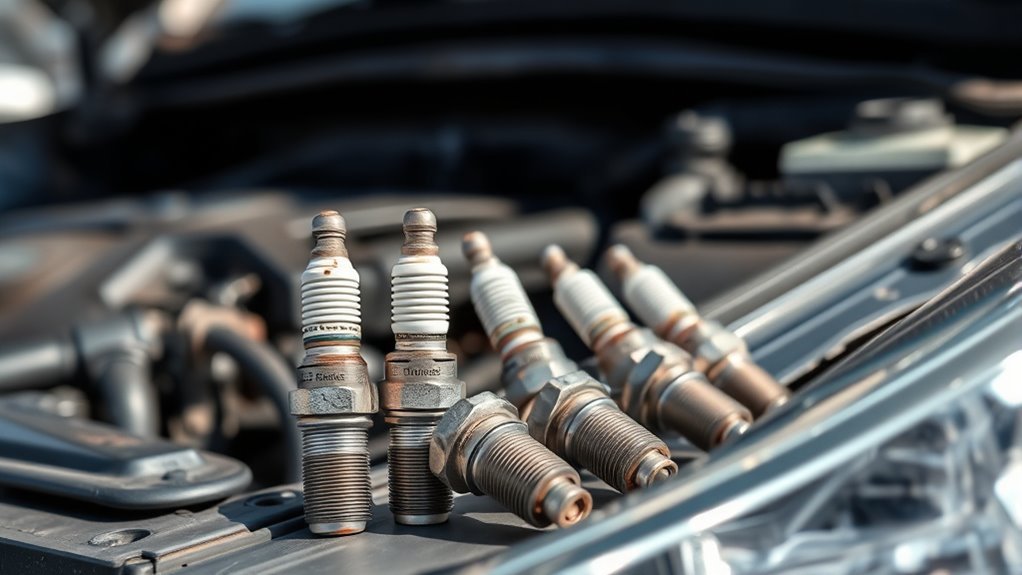
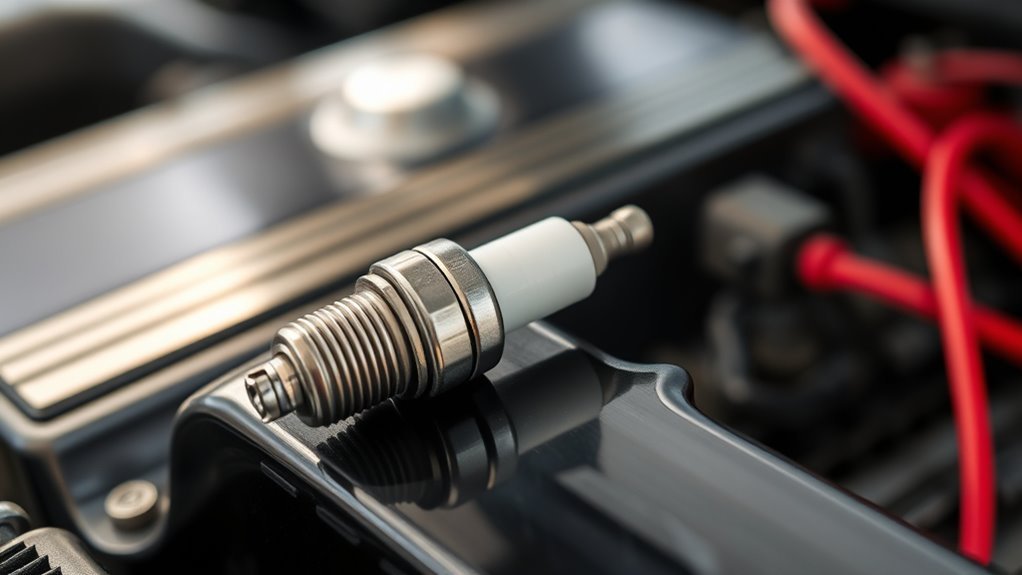
    Yes, spark plugs can cause a car not to start if they are faulty. Spark plugs play a crucial role by igniting the air-fuel mixture in the engine cylinders. When they wear out, get fouled, or have damaged electrodes, they fail to produce the necessary spark.

    This failure prevents combustion and engine ignition, which often leads to misfires, rough idling, or no-start conditions. Testing your spark plugs for spark performance can help confirm if they are the issue.

    Knowing how to diagnose and replace spark plugs is important to determine if they are the cause of your car not starting. Proper maintenance can save you time and prevent further engine problems.

    Key Takeaways

    • Worn or damaged spark plugs can fail to generate sparks, preventing the engine from starting.
    • Fouled spark plugs insulate electrodes, stopping ignition and causing no-start conditions.
    • Weak or inconsistent sparks from bad spark plugs disrupt the combustion process, hindering engine start.
    • Testing spark plugs for spark presence helps diagnose if they are the cause of starting issues.
    • Replacing faulty spark plugs promptly restores reliable ignition and resolves many no-start problems.

    How Spark Plugs Help Your Car Start

    Spark plugs play an essential role in starting your car by igniting the air-fuel mixture within the engine’s cylinders. The spark plug function is to generate a high-voltage electrical spark at the precise moment during the combustion cycle.

    Spark plugs ignite the air-fuel mix, creating the spark that powers your engine’s start.

    This spark initiates combustion, converting chemical energy into mechanical energy that powers the engine. The ignition system delivers this electrical energy from the battery and ignition coil to the spark plugs.

    When you turn the key, the ignition system sends voltage through the spark plug, creating a spark across its gap. This controlled ignition guarantees efficient combustion and ideal engine performance.

    Without properly functioning spark plugs, the ignition system can’t ignite the mixture, preventing the engine from starting reliably.

    Understanding this interplay clarifies why spark plugs are vital to your vehicle’s start-up process.

    Why Bad Spark Plugs Might Stop Your Car From Starting

    If your car struggles to start or fails to start at all, worn or damaged spark plugs might be the culprit.

    Spark plug issues can disrupt the ignition process by failing to generate the necessary spark to ignite the air-fuel mixture in the combustion chamber.

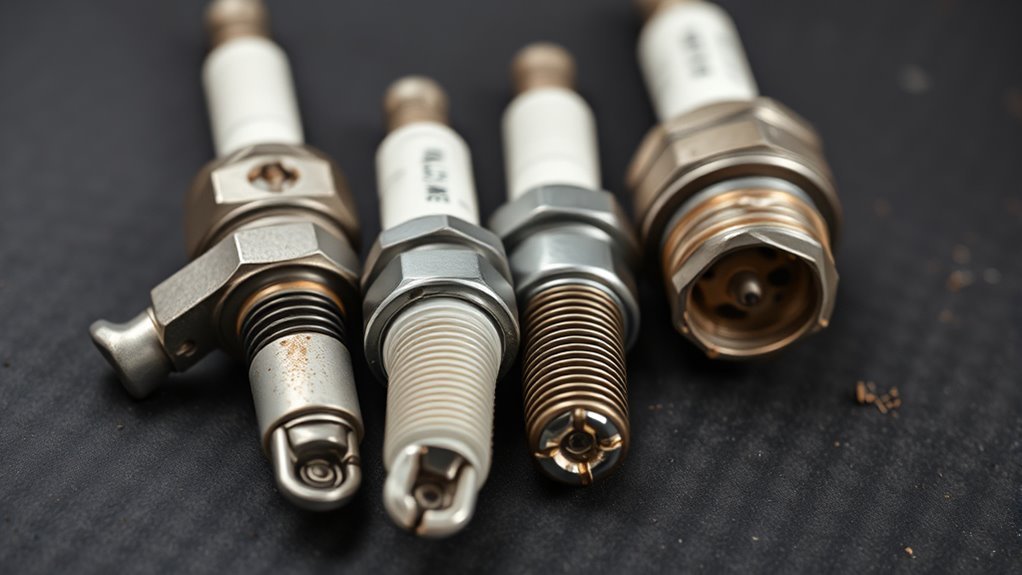
    When spark plugs wear out, their electrodes erode, increasing the gap and reducing spark intensity. This leads to weak or inconsistent sparks, causing ignition problems that prevent the engine from firing properly.

    Additionally, deposits or fouling on spark plugs can insulate the electrodes, further inhibiting spark generation.

    Since reliable ignition is critical for starting your vehicle, any degradation in spark plug performance can directly result in your car not starting or experiencing repeated failed attempts.

    Regular inspection and replacement of spark plugs help avoid these ignition problems.

    Signs Your Spark Plugs Are Failing

    When your engine starts misfiring or idling roughly, it’s a clear indication that your spark plugs may be failing. Common spark plug symptoms include difficulty starting the engine, reduced fuel efficiency, and a noticeable loss of power during acceleration.

    You might also experience increased exhaust emissions or hear unusual engine noises. These issues arise because worn or fouled spark plugs disrupt the ignition process, leading to incomplete combustion.

    Ignition issues caused by failing spark plugs can result in a rough running engine and poor throttle response. If you notice any of these signs, it’s essential to inspect the spark plugs promptly.

    Addressing spark plug symptoms early helps maintain peak engine performance and prevents more severe ignition or starting problems down the line.

    How To Test Spark Plugs If Your Car Won’t Start

    Although a non-starting engine can stem from various issues, testing the spark plugs is an essential diagnostic step.

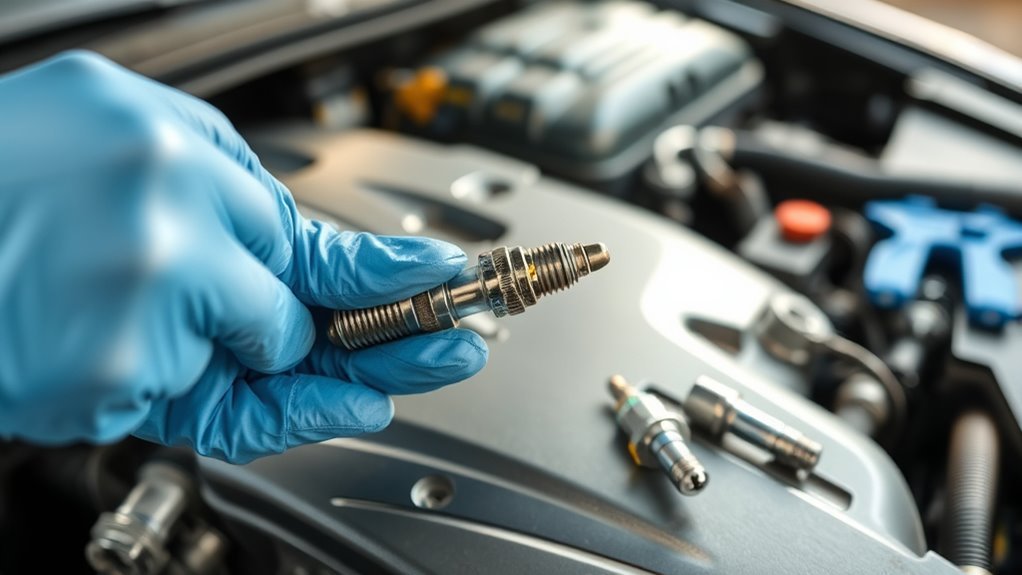
    Begin spark plug testing by removing a plug with a spark plug socket. Inspect it for fouling, wear, or damage.

    Next, reconnect the plug wire and ground the spark plug’s threaded portion against the engine block. Crank the engine and observe for a strong, blue spark. No spark or a weak, inconsistent spark indicates a faulty plug or ignition system issue.

    Alternatively, use a spark tester tool for more accurate engine diagnostics. Verify your battery is fully charged to avoid false negatives.

    Document your findings to guide further troubleshooting or repairs. Precise spark plug testing helps isolate ignition problems that prevent your car from starting.

    When And How To Replace Spark Plugs

    After identifying faulty spark plugs through testing, replacing them promptly guarantees peak engine performance and prevents further ignition issues.

    Begin by selecting the correct spark plug types specified in your vehicle’s manual, as improper plugs can cause misfires or damage.

    Always choose spark plugs recommended in your vehicle manual to avoid misfires and potential engine damage.

    Gather essential replacement tools: a spark plug socket, ratchet wrench, gap gauge, and torque wrench.

    First, disconnect the ignition coil or spark plug wire, then use the spark plug socket and ratchet to carefully remove the old plugs.

    Check the gap on the new plugs with a gap gauge and adjust if necessary.

    Install the new plugs by hand to avoid cross-threading, then tighten them to the manufacturer’s torque specifications using the torque wrench.

    Finally, reconnect the ignition components and test the engine to confirm proper operation.

    Other Common Causes Of Car Not Starting

    Besides spark plug issues, several other factors can prevent your car from starting.

    Battery issues are a primary cause; a weak or dead battery won’t provide enough power to crank the engine.

    Corroded terminals or loose connections also disrupt electrical flow, so inspect and clean them regularly.

    Fuel delivery problems can halt engine ignition as well. A clogged fuel filter, failing fuel pump, or empty fuel tank means the engine isn’t receiving the necessary fuel to start.

    Additionally, faulty ignition coils or a malfunctioning starter motor can cause no-start conditions.

    Diagnosing these components systematically helps pinpoint the exact cause.

    Frequently Asked Questions

    Can Faulty Spark Plugs Affect Fuel Efficiency?

    Yes, faulty spark plugs reduce fuel efficiency by causing incomplete combustion.

    You should prioritize spark plug maintenance to guarantee peak engine performance and fuel economy, preventing misfires that waste fuel and lower your vehicle’s overall efficiency.

    Do Spark Plugs Need Different Types for Cold Climates?

    Yes, you need spark plugs designed for cold climate performance. Different spark plug materials, like iridium or platinum, handle low temperatures better, ensuring reliable ignition and improving engine start-up in freezing conditions.

    How Often Should Spark Plug Wires Be Replaced?

    You should replace spark plug wires every 30,000 to 50,000 miles as part of regular spark plug maintenance. This guarantees peak ignition system performance and prevents misfires, improving engine efficiency and reliability.

    Can Spark Plugs Cause Engine Misfires While Driving?

    Yes, faulty spark plugs can cause engine misfires while driving. You’ll notice reduced engine performance and ignition troubles, as inconsistent sparks disrupt combustion.

    This leads to rough idling, decreased power, and increased fuel consumption.

    Are Spark Plugs the Same for All Car Models?

    Imagine you install spark plugs from a sports car into a compact sedan. Spark plug compatibility issues arise because spark plug types vary in size, heat range, and electrode design. You can’t use the same plugs for all car models.

    Conclusion

    Think of your spark plugs as the tiny matchsticks lighting the engine’s fire. If they’re worn or fouled, that spark never ignites, leaving your car silent and still.

    By regularly testing and replacing these critical components, you guarantee your engine’s heartbeat stays strong. Remember, just like a single weak link can halt a chain, a faulty spark plug can stop your car from starting.

    Stay proactive to keep your drive alive. Yes, spark plugs can cause a car not to start, so maintaining them is essential for reliable performance.

  • How to Know if Spark Plugs Are Bad

    How to Know if Spark Plugs Are Bad

    You’ll know spark plugs are bad if your engine misfires, idles roughly, hesitates during acceleration, or struggles to start. These symptoms are clear indicators that your spark plugs may need attention.

    You might also notice decreased fuel efficiency and increased fuel consumption. Inspect the plugs for worn electrodes, heavy deposits, or improper gaps. These signs indicate incomplete combustion and can lead to reduced engine power and higher emissions.

    Maintaining spark plugs regularly guarantees peak performance. Keep going to understand how to inspect, maintain, and troubleshoot them properly.

    Key Takeaways

    • Notice engine misfires, rough idling, or hesitation during acceleration as signs of bad spark plugs.
    • Check for decreased fuel efficiency and increased fuel consumption indicating incomplete combustion.
    • Inspect spark plugs visually for worn electrodes, excessive carbon buildup, or damaged insulators.
    • Experience difficulty starting the engine or prolonged cranking times due to ignition misfires.
    • Test spark plug gap with a gauge and use a multimeter to verify proper resistance and spark quality.

    Common Symptoms of Bad Spark Plugs

    Although spark plugs are small components, they play an essential role in your engine’s performance, and when they begin to fail, you’ll notice specific symptoms.

    A reduced spark plug lifespan typically results in misfires, rough idling, and decreased fuel efficiency.

    You might also experience hesitation during acceleration or difficulty maintaining consistent engine speed. These signs indicate that the plugs are no longer providing maximum spark, which compromises combustion quality.

    Paying attention to these symptoms helps you identify when the spark plugs need replacement to restore proper engine function. Ignoring signs of deterioration can lead to further engine damage and reduced overall performance.

    Monitoring spark plug lifespan and addressing issues promptly guarantees your engine runs smoothly and efficiently.

    Why Your Car Struggles to Start With Bad Spark Plugs

    When your spark plugs are bad, ignition misfires cause delays in starting your engine.

    You’ll notice reduced spark energy, which disrupts proper fuel combustion.

    This inefficiency makes your car struggle to turn over and run smoothly at startup.

    Ignition Misfires Cause Delay

    Since spark plugs generate the electrical spark needed for combustion, faulty plugs often cause ignition misfires that delay engine startup.

    When spark plugs malfunction, the ignition timing can become inconsistent, disrupting the precise moment the spark ignites the air-fuel mixture.

    This mistiming leads to incomplete combustion cycles, causing the engine to hesitate or stall during startup. You might notice your engine cranking longer than usual or even stalling shortly after ignition due to repeated misfires.

    These irregular sparks prevent the engine from reaching ideal operational speed quickly, increasing wear on your starter motor and battery.

    Addressing bad spark plugs promptly restores proper ignition timing, ensuring smooth combustion and eliminating startup delays caused by ignition misfires and engine stalling.

    Reduced Spark Energy

    A key reason your car struggles to start with bad spark plugs is reduced spark energy.

    Spark plugs generate the electrical spark needed to ignite the air-fuel mixture within the combustion chamber. Over time, corrosion, electrode wear, or carbon buildup diminish their ability to produce a strong spark.

    Different spark plug types, such as copper, platinum, or iridium, vary in durability and conductivity, affecting spark energy output.

    When spark plugs degrade, the ignition system must work harder, often delivering weaker sparks insufficient for consistent ignition.

    This weak spark delays engine start, especially in cold conditions or under load.

    Diagnosing reduced spark energy involves inspecting spark plug condition and verifying ignition system performance, ensuring your vehicle maintains reliable starting capability and efficient combustion.

    Fuel Combustion Issues

    Reduced spark energy directly impacts how efficiently fuel combusts within the engine. When your spark plugs are bad, they fail to ignite the fuel mixture at the correct moment, disrupting engine timing.

    This incomplete combustion leads to a weak or inconsistent spark, causing your car to struggle during startup. The improper ignition also results in unburned fuel, reducing engine efficiency and increasing emissions.

    You’ll notice hesitation or rough idling because the fuel mixture isn’t ignited thoroughly, which compromises power delivery.

    Fundamentally, faulty spark plugs prevent the precise spark your engine needs to initiate combustion properly.

    Addressing spark plug wear restores ideal fuel mixture ignition and engine timing, ensuring your vehicle starts smoothly and performs reliably.

    How to Inspect Spark Plugs for Wear and Damage

    Inspecting spark plugs for wear and damage requires a careful visual examination and understanding of key indicators.

    Begin your spark plug inspection by removing the plug and checking the electrode and insulator for deposits, erosion, or cracks.

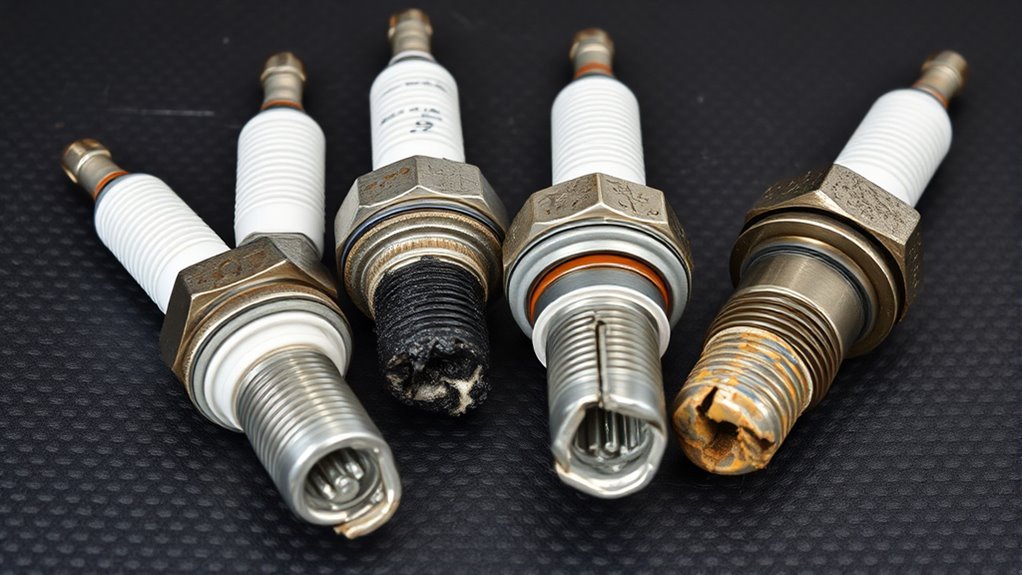
    Look for wear indicators such as rounded or worn electrodes, which reduce spark efficiency. Excessive carbon buildup signals incomplete combustion, while oil fouling points to engine oil leaks.

    Also, examine the insulator’s color; a light tan or grayish hue indicates normal operation, whereas white or blistered insulators suggest overheating.

    Additionally, check the spark plug gap for uniformity; an uneven or widened gap can impair ignition.

    When to Replace Spark Plugs Based on Mileage and Condition

    You should replace spark plugs according to your vehicle’s recommended mileage intervals, typically between 30,000 and 100,000 miles depending on the type.

    Pay close attention to signs of wear such as electrode erosion, deposits, or damage that can impair performance.

    Also, consider how driving conditions like frequent short trips or extreme climates may accelerate the need for replacement.

    Most manufacturers recommend replacing spark plugs every 30,000 to 100,000 miles, depending on the type and condition of the plugs.

    The replacement frequency largely depends on the spark plug lifespan, which varies by material. Copper plugs typically last around 30,000 miles, while platinum and iridium types can exceed 100,000 miles.

    To determine the ideal replacement interval, consult your vehicle’s manual and consider driving conditions. High-performance or older engines may require more frequent changes.

    Even if mileage guidelines aren’t reached, inspect plugs regularly for signs of wear or deposits that could reduce efficiency.

    Adhering to recommended replacement intervals guarantees consistent engine performance, fuel efficiency, and emission control.

    Staying proactive with spark plug maintenance helps prevent misfires and costly repairs down the line.

    Signs of Wear

    Although spark plugs have recommended replacement intervals, their actual condition often dictates when they need changing. Different spark plug types, such as copper, platinum, and iridium, exhibit distinct wear patterns and lifespans.

    You should inspect wear indicators such as electrode erosion, rounded edges, and gap enlargement. When the electrode wears down considerably or the gap increases beyond specifications, misfires and poor engine performance occur.

    Carbon deposits or oil fouling on the insulator also signal deterioration. Mileage alone isn’t definitive; instead, assess the physical condition regularly.

    If you notice signs like pitting, cracks, or heavy deposits, it’s time to replace the plugs regardless of interval. Monitoring wear indicators guarantees you maintain engine efficiency and avoid damage, tailoring replacement to actual spark plug condition rather than relying solely on mileage.

    Impact of Driving Conditions

    Wear patterns and physical conditions alone don’t tell the whole story when deciding the right time to replace spark plugs. You must also consider your driving habits and environmental factors. Frequent short trips, stop-and-go traffic, or aggressive acceleration accelerate spark plug wear, reducing their effective lifespan.

    Conversely, consistent highway driving at steady speeds generally prolongs spark plug life. Environmental factors such as extreme temperatures, high humidity, or dusty conditions can also contribute to premature degradation.

    Manufacturers typically recommend replacement intervals based on mileage, but these guidelines assume average driving conditions. If your driving habits or environment are harsher than average, you should replace spark plugs earlier, even if mileage hasn’t been reached.

    Regular inspection combined with monitoring your specific conditions guarantees peak engine performance and prevents misfires caused by deteriorated spark plugs.

    Tools Needed to Check and Replace Spark Plugs

    Before you begin checking or replacing spark plugs, you’ll need specific tools to guarantee accuracy and safety.

    Essential inspection tools include a spark plug socket with a rubber insert to securely grip the spark plug, a ratchet wrench for loosening and tightening, and a torque wrench to ascertain correct spark plug installation torque.

    You’ll also want a gap gauge to measure the spark plug electrode gap precisely, as improper gaps can affect engine performance.

    Additionally, having dielectric grease can help protect the spark plug boots from moisture and corrosion.

    Safety equipment like gloves and safety glasses is vital to prevent injury.

    Using the right spark plug inspection tools not only streamlines the process but also protects your engine’s ignition system from damage during maintenance.

    How Worn Spark Plugs Affect Engine Performance

    When spark plugs degrade, they directly reduce your engine’s efficiency by causing incomplete combustion and misfires.

    Worn spark plugs can’t generate a strong, consistent spark, which disrupts ideal ignition timing critical for engine tuning.

    Depending on the spark plug types installed—copper, platinum, or iridium—their wear characteristics vary, influencing performance differently.

    Key effects of worn spark plugs on engine performance include:

    • Reduced power output due to inefficient combustion cycles.
    • Increased engine vibrations and rough idling caused by misfires.
    • Difficulty in maintaining precise engine timing, leading to less-than-ideal throttle response.

    How Faulty Spark Plugs Affect Fuel Efficiency

    Although faulty spark plugs may seem like a minor issue, they directly impact your vehicle’s fuel efficiency by causing incomplete combustion.

    When spark plugs fail to ignite the fuel-air mixture properly, the engine burns more fuel than necessary, increasing fuel consumption. This inefficiency means your engine has to work harder to produce the same power output, reducing overall engine efficiency.

    As a result, your vehicle experiences decreased miles per gallon and higher operating costs.

    Additionally, misfires caused by defective spark plugs lead to unburned fuel entering the exhaust system, further lowering fuel economy.

    Maintaining ideal spark plug function guarantees precise ignition timing, which maximizes fuel combustion and sustains engine efficiency, ultimately helping you conserve fuel and reduce emissions.

    Benefits of Regular Spark Plug Maintenance

    Maintaining your spark plugs regularly guarantees peak engine performance and prevents issues such as misfires and rough idling.

    Adhering to a strict maintenance schedule extends the spark plug lifespan, ensuring reliable ignition and combustion efficiency.

    Neglecting maintenance leads to carbon buildup, electrode wear, and increased gap size, which degrade engine responsiveness.

    By committing to routine spark plug care, you achieve:

    • Consistent fuel economy through ideal ignition timing
    • Reduced emissions due to complete fuel combustion
    • Prolonged engine component life by minimizing stress and detonation

    Monitoring and replacing spark plugs as per manufacturer recommendations enhances your vehicle’s performance and protects critical engine systems.

    Following the maintenance schedule not only avoids unexpected breakdowns but also saves you costly repairs in the long run.

    Troubleshooting Spark Plug Issues and Next Steps

    If you notice symptoms like engine misfires, poor acceleration, or increased fuel consumption, it’s crucial to troubleshoot your spark plugs promptly.

    Start with spark plug testing using a multimeter to check resistance; values outside the manufacturer’s range indicate a faulty plug.

    Visually inspect plugs for signs of fouling, wear, or damage. Employ troubleshooting techniques such as swapping suspected bad plugs with known good ones to isolate the issue. Additionally, verify proper spark plug gap and guarantee ignition coils function correctly.

    If testing confirms degradation or damage, replace the spark plugs immediately.

    After replacement, reset any diagnostic trouble codes and monitor engine performance. Timely, precise troubleshooting and corrective action prevent further engine damage and maintain ideal fuel efficiency and power output.

    Frequently Asked Questions

    Can Bad Spark Plugs Cause Transmission Problems?

    Yes, spark plug failure can indirectly cause transmission issues by disrupting engine performance, leading to misfires and poor combustion. This affects the transmission’s sensors and shifting behavior.

    You should inspect spark plugs when diagnosing transmission problems.

    Do Spark Plugs Affect the Car’s Emissions?

    You’d think bad spark plugs could cause a volcanic eruption with emissions! Poor spark plug performance leads to incomplete combustion, increasing pollutants and causing your car to fail emissions testing.

    Keep them sharp for cleaner exhaust and peak efficiency.

    How Do Spark Plugs Differ Between Gasoline and Diesel Engines?

    You’ll find spark plug types differ: gasoline engines use spark plugs to ignite the fuel-air mix, while diesel engines rely on glow plugs for cold starts. This distinction directly impacts engine performance and combustion efficiency.

    Can Spark Plugs Cause the Check Engine Light to Turn On?

    Yes, faulty spark plug symptoms can trigger the check engine light. When this happens, you should run check engine diagnostics to identify misfires, poor combustion, or ignition issues caused by worn or damaged spark plugs.

    Are Iridium Spark Plugs Better Than Platinum Ones?

    You’d think iridium spark plugs last forever with their superior iridium benefits, offering better performance and efficiency, while platinum plugs boast unmatched platinum durability.

    Choose iridium for precision, but platinum’s longevity still impresses many drivers.

    Conclusion

    Now that you know how to spot bad spark plugs, don’t let them quietly sabotage your engine’s performance. Think of spark plugs as the heartbeat of your car’s ignition system—when they falter, everything slows down.

    Regular inspection and timely replacement keep your engine running smoothly and efficiently. Stay proactive with maintenance, and you’ll avoid costly repairs while ensuring your vehicle starts strong every time you turn the key.

    In conclusion, knowing how to know if spark plugs are bad is essential for maintaining your car’s health and performance. Keep an eye on them to enjoy a reliable and efficient ride.

  • How Often to Change Spark Plugs

    How Often to Change Spark Plugs

    You should change your spark plugs based on the type and manufacturer’s recommendations, usually between 30,000 to 100,000 miles. The frequency depends largely on the spark plug material and vehicle specifications.

    Copper plugs require replacement around 20,000-30,000 miles, while platinum and iridium types last longer, up to 100,000 miles. Regular inspection helps detect wear or deposits that affect performance.

    Proper replacement enhances fuel efficiency and prevents engine issues. If you want to understand the specific signs and tools for maintenance, keep exploring further details.

    Key Takeaways

    • Replace spark plugs every 30,000 to 100,000 miles, based on plug type and vehicle manufacturer recommendations.
    • Copper plugs typically require replacement every 20,000 to 30,000 miles, while iridium plugs last around 100,000 miles.
    • Inspect spark plugs regularly for wear, deposits, and performance issues to determine if earlier replacement is needed.
    • Follow the vehicle’s owner manual for precise spark plug replacement intervals specific to your engine model.
    • Timely spark plug replacement improves fuel efficiency, engine performance, and reduces misfires and emissions.

    When and How Often to Change Spark Plugs

    You should change your spark plugs every 30,000 to 100,000 miles, depending on the type and condition of the plugs as well as your vehicle’s manufacturer recommendations.

    The spark plug lifespan varies greatly based on materials and engine demands, which influences the ideal replacement frequency.

    Regular inspection is vital to monitor electrode wear, deposit buildup, and gap erosion, all of which degrade ignition efficiency.

    Neglecting timely replacement can lead to misfires, reduced fuel economy, and engine performance issues.

    Always consult your owner’s manual or service guide to determine the precise interval tailored to your vehicle.

    Adhering to specified replacement frequency not only guarantees reliable engine operation but also prevents potential damage caused by worn or fouled spark plugs.

    Proper timing protects the ignition system and maintains ideal combustion.

    Spark Plug Types and Replacement Intervals

    Understanding the recommended replacement intervals requires recognizing the different types of spark plugs available.

    Knowing spark plug types is key to understanding their recommended replacement intervals.

    Spark plug materials and designs directly influence their durability and performance, affecting when you should replace them.

    Here’s a concise overview:

    • Copper spark plugs: Traditional design with a copper core, typically replaced every 20,000 to 30,000 miles due to faster wear.
    • Platinum spark plugs: Feature a platinum tip for longer life, usually lasting 60,000 to 100,000 miles.
    • Iridium spark plugs: Utilize a durable iridium alloy, offering the longest lifespan of around 100,000 miles or more.
    • Double platinum or multi-electrode designs: Enhanced durability and improved ignition efficiency, often matching iridium plugs in longevity.

    Signs Your Spark Plugs Need Replacing

    You’ll notice your engine misfiring, rough idling, or reduced fuel efficiency when spark plugs start failing.

    A thorough visual inspection can reveal worn electrodes, carbon deposits, or oil fouling.

    Recognizing these signs early helps maintain peak engine performance and prevents further damage.

    Engine Performance Issues

    Engine misfires, rough idling, and reduced acceleration often indicate that your spark plugs are failing. When spark plugs wear out, they ignite the air-fuel mixture less effectively, causing incomplete combustion. This leads to engine misfires, which directly impact fuel efficiency and overall engine performance.

    You might also notice increased fuel consumption as your engine compensates for inefficient ignition.

    Watch for these performance issues:

    • Frequent engine misfires during acceleration or at idle
    • Noticeable drop in fuel efficiency without other causes
    • Rough or uneven idling, causing vibrations or shaking
    • Decreased responsiveness and sluggish acceleration

    Addressing spark plug issues promptly helps maintain ideal combustion, preserving fuel economy and preventing further engine damage.

    If you observe these signs, it’s time to inspect and possibly replace your spark plugs.

    Visual Spark Plug Inspection

    Anyone performing vehicle maintenance should regularly inspect spark plugs visually to identify signs of wear or damage. Understanding spark plug anatomy, comprising the center electrode, ground electrode, insulator, and metal shell, helps you pinpoint defects effectively.

    Use inspection techniques such as checking for electrode erosion, carbon deposits, oil fouling, or cracks in the ceramic insulator. Excessive electrode wear or rounded edges indicate diminished spark efficiency, signaling replacement.

    Black, sooty deposits suggest improper combustion or fuel mixture issues, while oily residue points to engine oil leaks. Cracks or chips in the insulator compromise insulation, causing misfires.

    How Spark Plug Replacement Boosts Engine Performance

    Although many drivers overlook spark plug maintenance, replacing them regularly plays a critical role in enhancing your engine’s combustion efficiency. Fresh spark plugs guarantee consistent ignition timing, which directly improves combustion quality and overall engine efficiency.

    Regular spark plug replacements are crucial for maintaining optimal engine combustion and efficiency.

    When you replace worn plugs, you’ll experience:

    • Enhanced fuel combustion, reducing unburned fuel and emissions
    • Smoother engine idling and acceleration responsiveness
    • Improved power output due to efficient spark generation
    • Reduced engine misfires and rough starts

    These benefits arise because new spark plugs provide a stronger, more reliable spark, promoting complete fuel-air mixture ignition. This precision prevents energy loss and maintains ideal combustion conditions, helping your engine run cleaner and more efficiently.

    What Affects Spark Plug Lifespan?

    Because various factors influence spark plug durability, understanding what affects their lifespan helps you optimize replacement intervals.

    Primarily, spark plug materials greatly impact longevity. Iridium and platinum plugs offer superior wear resistance compared to copper, extending service life.

    Additionally, engine conditions play a critical role; frequent short trips increase deposits, accelerating electrode wear, while high engine temperatures can cause overheating and premature failure.

    Contaminants from oil leaks or fuel additives also degrade spark plugs faster.

    Furthermore, improper ignition timing and lean air-fuel mixtures elevate stress on the plugs, reducing lifespan.

    Tools and Tips for Replacing Spark Plugs Yourself

    When replacing spark plugs yourself, having the right tools and following precise procedures guarantees a successful job without damaging engine components.

    Essential spark plug tools include a spark plug socket with a rubber insert to protect the plug, a torque wrench for accurate tightening, and a gap gauge to ascertain proper electrode spacing.

    Follow these replacement tips to optimize performance:

    Disconnect the battery to prevent electrical shorts.

    Clean the spark plug well area to avoid debris entering the combustion chamber.

    Apply anti-seize compound sparingly on the spark plug threads.

    Tighten plugs to manufacturer-specified torque settings to prevent overtightening or loosening.

    Using the correct tools and adhering to these replacement tips guarantees longevity and engine efficiency after your DIY maintenance.

    Mistakes to Avoid When Changing Spark Plugs

    Having the right tools and following proper procedures is only part of the process; avoiding common mistakes during spark plug replacement is equally important to guarantee peak engine performance and prevent damage.

    One frequent error is over-tightening plugs, which can strip threads or crack the ceramic insulator. Conversely, under-tightening risks poor sealing and misfires. You should always use a torque wrench and adhere to the manufacturer’s specifications for installation techniques.

    Over-tightening can damage plugs; under-tightening causes misfires. Always use a torque wrench and follow specs.

    Another common error is neglecting to check or adjust the spark plug gap, which affects ignition efficiency. Additionally, avoid contaminating the spark plug tip with oil or debris, as this compromises performance.

    Finally, don’t reuse old spark plugs; always replace with new ones to maintain reliability and ideal combustion.

    When to Seek Professional Spark Plug Replacement

    If your engine misfires persist after a spark plug change or you notice unusual wear patterns, it’s time to seek professional help.

    Choosing a qualified technician guarantees accurate diagnosis and proper installation, preventing further engine damage.

    Always verify certifications and experience before entrusting your vehicle to a specialist.

    Signs You Need Help

    Although some spark plug issues can be diagnosed and fixed on your own, certain symptoms indicate you should seek professional replacement. Proper spark plug maintenance requires precise engine troubleshooting, which might exceed your tools or expertise.

    Watch for these signs that signal professional help is necessary:

    • Persistent engine misfires despite routine spark plug checks
    • Difficulty starting the engine or frequent stalling
    • Noticeable decrease in fuel efficiency and power output
    • Engine warning lights related to ignition or emissions systems

    If you experience any of these, a technician can accurately diagnose and replace spark plugs, ensuring peak engine performance and preventing further damage.

    Prompt professional intervention saves time and protects your engine’s long-term health.

    Choosing Qualified Technicians

    Where should you turn when professional spark plug replacement is necessary? Always seek certified technicians who follow expert recommendations to guarantee peak engine performance.

    Certified technicians possess the specialized training and tools required to accurately assess spark plug wear and perform replacements without damaging the ignition system. They adhere to manufacturer specifications regarding torque settings and gap measurements, which are critical for maintaining fuel efficiency and preventing misfires.

    By choosing qualified professionals, you minimize the risk of installation errors that could lead to costly repairs. Additionally, certified technicians can identify underlying issues contributing to premature spark plug failure, providing extensive diagnostics.

    Trusting experts guarantees that your vehicle receives precise, reliable service, extending the lifespan of your spark plugs and supporting overall engine health.

    Frequently Asked Questions

    Can Bad Spark Plugs Cause Poor Fuel Economy?

    Yes, bad spark plugs reduce fuel efficiency by disrupting combustion. If you ignore the spark plug lifespan, your engine misfires, wasting fuel and lowering performance.

    Regularly replacing plugs maintains ideal fuel economy and engine function.

    How Do Spark Plugs Affect Engine Emissions?

    Think of spark plugs as the engine’s heartbeat; worn plugs disrupt combustion, raising emissions. Maintaining your spark plug lifespan guarantees precise ignition timing, optimizing engine performance and reducing harmful pollutants released into the atmosphere effectively.

    What Materials Are Spark Plugs Made From?

    Spark plugs use ceramic insulators for heat resistance and durability. Their electrode materials commonly include copper, platinum, or iridium, chosen for conductivity and wear resistance.

    This combination ensures efficient ignition and long-lasting performance in your engine.

    Are Spark Plug Gaps Adjustable or Fixed?

    You’ll find spark plug gaps can be either adjustable gaps or fixed gaps. Adjustable gaps let you fine-tune the distance for peak performance, while fixed gaps come pre-set and can’t be altered without risking damage.

    Can Old Spark Plugs Damage the Ignition Coil?

    Yes, old spark plugs can cause ignition coil wear because as their spark plug lifespan ends, they increase resistance and misfire risk. This forces the ignition coil to work harder, accelerating its deterioration and potential failure.

    Conclusion

    Now that you know when and how often to change your spark plugs, the real question is—are you ready to take control of your engine’s performance?

    Ignoring worn plugs can silently erode efficiency and power, but timely replacement puts you back in the driver’s seat. Don’t wait for obvious signs; staying ahead means smoother starts and better fuel economy.

    So, will you act before your spark plugs demand attention, or risk costly damage down the road? Remember, knowing how often to change spark plugs is key to keeping your vehicle running smoothly and efficiently.

  • Can Bad Spark Plugs Cause Overheating

    Can Bad Spark Plugs Cause Overheating

    Yes, bad spark plugs can cause overheating in your engine. When spark plugs fail, they disrupt the combustion process by causing misfires and incomplete fuel burning. This inefficiency forces your engine to work harder than normal, which generates excess heat.

    As a result, the increased workload and heat put additional strain on the cooling system components. Misfires also create localized hotspots within the engine, further raising temperatures and increasing the risk of damage.

    Recognizing the early signs of bad spark plugs and maintaining them properly is essential to prevent overheating and other engine problems. Keep reading to learn how these issues develop and the best ways to address them effectively.

    Key Takeaways

    • Bad spark plugs cause incomplete fuel burning, leading to engine misfires and increased heat generation.
    • Misfires force the engine to work harder, raising its operating temperature and risking overheating.
    • Faulty spark plugs disrupt ignition timing, creating localized hotspots that stress the cooling system.
    • Persistent misfires and uneven combustion from bad plugs increase exhaust emissions and engine strain.
    • Regular spark plug maintenance prevents overheating by ensuring efficient combustion and reducing engine stress.

    How Do Bad Spark Plugs Affect Engine Performance?

    When your spark plugs malfunction, they disrupt the combustion process by failing to ignite the air-fuel mixture efficiently. This inefficiency directly reduces engine efficiency, leading to poor fuel combustion, misfires, and reduced power output.

    You should understand that different spark plug types, such as copper, platinum, and iridium, offer varying durability and conductivity, impacting ignition quality. If your spark plugs wear out or become fouled, the ignition timing and spark intensity suffer, causing incomplete combustion.

    As a result, your engine runs rough, wastes fuel, and emits higher pollutants. Maintaining ideal spark plug function guarantees consistent combustion, maximizes engine efficiency, and preserves smooth vehicle operation.

    Consequently, timely inspection and replacement of spark plugs according to manufacturer specifications are essential to prevent performance degradation.

    Why Can Bad Spark Plugs Cause Engine Overheating?

    Although bad spark plugs primarily affect combustion, they can also lead to engine overheating by causing incomplete fuel burning and increased engine strain.

    When a spark plug misfire occurs, the air-fuel mixture doesn’t ignite properly, resulting in unburned fuel entering the exhaust system. This incomplete combustion forces the engine to work harder to maintain power output, increasing heat generation within the combustion chamber.

    Additionally, misfires disrupt the engine’s timing and efficiency, causing localized hotspots that elevate overall engine temperature.

    Over time, this excess heat can stress cooling system components and reduce engine longevity.

    What Are the Signs of Spark Plug–Related Overheating?

    How can you identify engine overheating caused by faulty spark plugs? Key overheating symptoms often include engine misfires, rough idling, and increased exhaust emissions. These signs suggest improper combustion, which can raise engine temperature.

    During a spark plug inspection, you might notice deposits or electrode wear, indicating inefficient ignition. Recognizing these symptoms early helps prevent severe overheating damage.

    Symptom Explanation
    Engine Misfires Uneven combustion raises engine temperature
    Rough Idling Inconsistent spark delivery stresses the engine
    Increased Emissions Incomplete fuel burn contributes to overheating

    How Can You Check If Your Spark Plugs Are Faulty?

    If your engine shows signs of overheating, you’ll want to inspect your spark plugs carefully to determine if they’re the cause.

    Begin with a thorough spark plug inspection: remove each plug and examine its electrode and insulator for wear, deposits, or damage.

    Look for signs like fouling, erosion, or abnormal coloring, which indicate combustion issues.

    Conduct a faulty spark analysis by testing each plug’s resistance with a multimeter to detect internal breakdowns.

    Additionally, check for consistent spark by using a spark tester while cranking the engine.

    Any irregularities in spark intensity or timing suggest faulty plugs.

    Document your findings to correlate plug condition with engine performance.

    This systematic approach guarantees accurate diagnosis before considering replacements or further engine diagnostics.

    How to Replace Spark Plugs to Fix Overheating

    Start by gathering the necessary tools: a spark plug socket, ratchet, gap gauge, and anti-seize lubricant.

    Begin by disconnecting the battery to guarantee safety.

    Remove the ignition coil or spark plug wire carefully, then use the spark plug socket attached to the ratchet to unscrew the old spark plug.

    Inspect the removed spark plug for wear or damage.

    Before installing the new spark plug, check and adjust the gap with the gap gauge to match manufacturer specifications.

    Apply a small amount of anti-seize lubricant to the spark plug threads to prevent seizing.

    Screw in the new spark plug by hand initially to avoid cross-threading, then tighten it with the ratchet to the recommended torque.

    Reattach the ignition coil or wire, reconnect the battery, and start the engine to confirm the overheating issue is resolved.

    How to Prevent Engine Overheating by Maintaining Spark Plugs

    Regularly maintaining your spark plugs plays an essential role in preventing engine overheating by ensuring efficient combustion and excellent engine performance.

    To perform effective spark plug maintenance, inspect the plugs for wear, carbon buildup, or electrode erosion every 30,000 miles or as specified by your vehicle’s manufacturer.

    Clean or replace them promptly to maintain optimal ignition timing and combustion quality. Faulty spark plugs increase combustion chamber heat, straining the engine cooling system.

    Additionally, verify the correct spark plug gap to avoid misfires that generate excess heat.

    Maintaining ignition system components, including spark plug wires, supports consistent spark delivery, further safeguarding against overheating.

    Other Causes of Engine Overheating Besides Spark Plugs

    Although faulty spark plugs are a common cause of engine overheating, several other factors can contribute to this issue. One primary cause is coolant leaks, which reduce the coolant level and impair the system’s ability to dissipate heat effectively.

    Even minor leaks can lead to significant temperature increases if not addressed promptly. Additionally, radiator issues, such as clogged fins, damaged tubes, or malfunctioning fans, can hinder heat exchange, causing the engine to overheat.

    Minor leaks and radiator problems can quickly raise engine temperature and lead to overheating.

    A compromised radiator fails to maintain ideal coolant temperature, increasing thermal stress on engine components.

    To prevent overheating, you should regularly inspect the cooling system for leaks and verify the radiator is clean and functioning properly.

    Addressing these issues early helps maintain engine temperature within safe operating limits.

    When Should You See a Mechanic About Overheating?

    How do you know when engine overheating requires professional attention? If you notice persistent overheating symptoms like a rising temperature gauge, steam from the hood, or a warning light, you should promptly seek mechanic advice.

    Immediate inspection is essential if the engine overheats repeatedly despite basic checks such as coolant level and radiator condition. Avoid driving the vehicle if overheating worsens or is accompanied by unusual noises or loss of power.

    A certified mechanic will diagnose underlying issues, whether related to spark plugs, cooling system failures, or thermostat malfunction, using specialized tools.

    Timely professional intervention prevents severe engine damage and costly repairs. Don’t delay contacting a mechanic if overheating symptoms persist beyond initial troubleshooting or if you’re uncertain about the cause.

    Frequently Asked Questions

    Can Bad Spark Plugs Affect Fuel Efficiency?

    Yes, bad spark plugs can reduce fuel efficiency by causing incomplete combustion. Regular spark plug maintenance guarantees an ideal fuel mixture, improving engine performance and preventing wasted fuel.

    This ultimately saves you money and reduces emissions.

    Do Bad Spark Plugs Cause Difficulty Starting the Engine?

    Yes, you’ll experience difficulty starting the engine when bad spark plugs disrupt ignition timing, reducing engine performance by up to 30%.

    Faulty plugs cause weak sparks, leading to misfires and delayed combustion during startup.

    How Often Should Spark Plugs Be Replaced in High-Mileage Vehicles?

    You should replace spark plugs every 30,000 to 50,000 miles for ideal spark plug lifespan in high mileage maintenance. Regular inspections guarantee performance, prevent misfires, and maintain fuel efficiency, especially as your vehicle ages.

    Are There Different Spark Plugs for Different Engine Types?

    Yes, different spark plug types exist to match engine compatibility. You’ll find variations in heat range, material, and size to guarantee peak performance and durability for specific engines.

    Always select plugs designed for your vehicle.

    Can Using the Wrong Spark Plugs Damage the Engine?

    Yes, using the wrong spark plug types can damage your engine. It reduces engine performance, causes misfires, and may increase wear.

    Always match spark plugs to your engine specifications for ideal, reliable operation and longevity.

    Conclusion

    You might not expect tiny spark plugs to cause your engine to overheat like a mini furnace, but they do. Faulty plugs disrupt combustion, forcing your engine to work harder and run hotter—ironically turning a small, simple part into a major heat source.

    So, keep those plugs in check to avoid your engine feeling the heat. After all, ignoring spark plugs is the quickest way to turn cool performance into a costly meltdown.

    In conclusion, yes, bad spark plugs can cause overheating, making it essential to maintain them for optimal engine health.

  • How Often to Change Oil Filter

    How Often to Change Oil Filter

    How Often to Change Oil Filter is an important question for maintaining your vehicle’s health. You should change your oil filter every 3,000 to 7,500 miles, depending on your vehicle’s manual and driving habits. Synthetic filters last longer, up to 10,000 miles, while cellulose ones need more frequent changes.

    City driving clogs filters faster than highway driving, so adjust accordingly. Regular replacement avoids contaminants damaging your engine and maintains performance. If you want to optimize engine health and avoid common maintenance pitfalls, there’s more useful information coming up.

    Key Takeaways

    • Change oil filters every 3,000 to 7,500 miles, depending on vehicle manual and oil type recommendations.
    • Synthetic oil filters can last longer, up to 7,500 to 10,000 miles, compared to cellulose filters.
    • Frequent city driving with stops may require more frequent oil filter changes due to faster clogging.
    • Replace oil filters if oil pressure warnings appear or engine performance declines to prevent damage.
    • Always follow manufacturer guidelines and use the correct filter type for optimal engine protection.

    How Often Should You Change Your Oil Filter?

    How often should you change your oil filter to maintain peak engine performance? Typically, the oil filter lifespan ranges between 3,000 to 7,500 miles, depending on driving conditions and oil type.

    Regularly replacing your oil filter guarantees contaminants don’t circulate through the engine, preventing wear and maintaining ideal lubrication.

    To maximize filter efficiency, follow these filter maintenance tips: inspect for leaks or damage during oil changes, use high-quality filters compatible with your engine, and avoid extended intervals beyond manufacturer recommendations.

    Neglecting timely replacement can reduce oil flow, causing engine strain and reduced fuel efficiency. Staying proactive with oil filter changes helps preserve engine health and performance.

    Adhering to precise mileage intervals guarantees your vehicle runs smoothly without risking costly repairs.

    What Your Vehicle Manual Says About Oil Filter Changes

    Your vehicle manual provides specific manufacturer recommendations on when to change the oil filter, often based on mileage or time intervals.

    These guidelines consider your engine’s design and operating conditions to optimize performance and longevity.

    Following these vehicle-specific maintenance tips guarantees you maintain proper filtration and avoid premature engine wear.

    Manufacturer Recommendations Overview

    Although oil filter change intervals can vary widely, vehicle manufacturers provide specific guidelines in the owner’s manual that you should follow to maintain peak engine performance.

    These recommendations reflect detailed testing of oil filter lifespan and account for manufacturer variations based on engine design and oil type.

    To guarantee your engine runs efficiently and avoid premature wear, pay close attention to these key points:

    • Follow the exact oil filter change interval specified for your model.
    • Consider manufacturer notes on operating conditions affecting filter life.
    • Use only approved filter brands or specifications.
    • Monitor any updates or recalls related to oil filter performance.
    • Adhere to recommended oil types paired with your filter for maximum filtration.

    Mileage Guidelines Explained

    Most vehicle manuals recommend changing the oil filter every 3,000 to 7,500 miles, depending on the engine type and driving conditions. You should follow these mileage guidelines closely to guarantee ideal oil filter maintenance.

    The interval varies because some engines work harder or operate in harsher environments, accelerating filter clogging. Sticking to the recommended mileage guarantees your filter effectively captures contaminants, preventing engine wear.

    This maintenance directly translates to performance benefits, such as improved engine efficiency and longevity. Ignoring these guidelines can reduce oil flow, increase friction, and degrade overall engine health.

    Always consult your manual to identify the specific mileage interval tailored for your vehicle’s engine. Adhering to these manufacturer-specified intervals is vital for maintaining ideal filtration and sustaining peak engine performance.

    Vehicle-Specific Maintenance Tips

    Understanding general mileage guidelines provides a foundation, but oil filter maintenance can vary greatly between different vehicles.

    Your vehicle manual offers the most precise recommendations tailored to your engine type, especially for diesel engines and hybrid vehicles.

    For example, diesel engines often require more frequent oil filter changes due to higher soot levels, while hybrid vehicles might’ve extended intervals thanks to reduced engine load.

    When checking your manual, consider these factors:

    • Engine type specifics (gasoline, diesel, hybrid)
    • Manufacturer’s recommended oil filter change interval
    • Driving conditions and operating environment
    • Oil type compatibility with your filter
    • Warranty requirements and service schedules

    Always prioritize your manual’s guidance to guarantee peak engine performance and longevity.

    Oil Filter Types And How Long They Last

    Since oil filters come in various designs and materials, knowing their types helps you determine how often they need replacement.

    Common oil filters include conventional cellulose, synthetic blend, and full synthetic.

    Cellulose filters offer basic filtration but have shorter filter longevity, typically requiring changes every 3,000 to 5,000 miles.

    Synthetic filters provide enhanced contaminant removal and extended durability, often lasting up to 7,500 to 10,000 miles.

    Filter compatibility is essential; you must select a filter that matches your vehicle’s specifications to guarantee proper fit and function.

    Selecting the right oil filter ensures proper fit, optimal performance, and maximum engine protection.

    Using incompatible filters can compromise filtration efficiency and reduce filter longevity.

    Always consult your owner’s manual or manufacturer guidelines to identify the correct filter type and recommended replacement interval for peak engine performance.

    Why Changing Your Oil Filter Protects Your Engine

    Although your engine oil lubricates vital components, it can quickly become contaminated with dirt, metal particles, and sludge during operation. Changing your oil filter regularly guarantees filter efficiency, which is essential for maintaining clean oil flow.

    A clogged or inefficient filter allows contaminants to circulate, accelerating wear and reducing engine longevity. By replacing your oil filter, you:

    • Prevent abrasive particles from damaging engine parts
    • Maintain ideal oil pressure and flow
    • Reduce sludge buildup and corrosion risks
    • Support efficient heat dissipation
    • Extend your engine’s operational life

    Consistently changing your oil filter preserves engine health by filtering out harmful debris, enhancing performance, and preventing premature failure.

    Prioritizing filter efficiency directly contributes to maximizing engine longevity and reliability.

    How Your Driving Habits Affect Oil Filter Changes

    Your driving habits greatly impact how often you should change your oil filter.

    City driving with frequent short trips causes more contaminants to accumulate, requiring more frequent filter changes than consistent highway driving.

    Understanding these patterns helps you maintain ideal engine performance and longevity.

    City vs. Highway Driving

    When you drive primarily in the city, frequent stops and idling cause your engine to accumulate more contaminants, which can clog the oil filter faster.

    Urban driving subjects your engine oil to higher levels of soot, fuel dilution, and moisture.

    Conversely, highway efficiency promotes a more consistent engine temperature and better oil circulation, reducing filter stress.

    To enhance oil filter changes based on your driving habits, consider these factors:

    • Increased particulate matter from stop-and-go traffic
    • Higher engine temperature fluctuations in urban settings
    • Reduced contamination during steady highway speeds
    • Longer intervals possible with consistent highway driving
    • Manufacturer recommendations adjusted for driving environment

    Understanding these distinctions helps you tailor your oil filter maintenance schedule for superior engine protection and performance.

    Frequent Short Trips

    Since frequent short trips prevent your engine from reaching peak operating temperature, contaminants like moisture and fuel residues don’t evaporate fully, accelerating oil filter clogging.

    When your short trip frequency is high, the oil filter accumulates debris and sludge faster than during longer drives, reducing its effective lifespan.

    This means you’ll need to change your oil filter more often than the standard interval suggests. Failing to adjust for these driving habits can compromise engine protection, as a clogged filter restricts oil flow and increases wear.

    To maintain superior engine performance, consider shortening your oil filter lifespan based on how often you take short trips.

    Regularly monitoring your driving patterns helps assure timely oil filter changes and prevents premature engine damage.

    Warning Signs Your Oil Filter Needs Early Replacement

    Although oil filters are designed to last for a specific interval, certain conditions can cause them to clog or degrade prematurely.

    Recognizing oil filter symptoms and replacement indicators early helps prevent engine damage. You should watch for these warning signs:

    Early recognition of oil filter issues is crucial to avoid serious engine damage.

    • Reduced engine performance or power output
    • Unusual engine noises, such as knocking or ticking
    • Oil pressure warning light activation
    • Dark, dirty oil despite recent oil changes
    • Increased fuel consumption

    These symptoms suggest your oil filter is compromised, restricting oil flow or failing to trap contaminants effectively.

    Ignoring these replacement indicators risks accelerated engine wear or failure. If you notice any of these signs, inspect and replace your oil filter immediately to maintain ideal engine health and performance.

    How To Change Your Oil Filter

    Start by gathering the necessary tools and materials: a new oil filter, an oil filter wrench, a drain pan, and appropriate gloves. Use the oil filter wrench to loosen and remove the old filter carefully, avoiding spills. Drain residual oil into the pan.

    Apply a thin layer of fresh oil to the new filter’s gasket to guarantee a proper seal. Follow these filter installation techniques: screw the new filter by hand until the gasket contacts the mounting surface, then tighten it an additional 3/4 turn.

    Use the table below for a quick reference:

    Step Action
    1 Gather oil filter tools
    2 Loosen old filter with wrench
    3 Drain residual oil
    4 Lubricate new filter gasket
    5 Install new filter, tighten

    This method guarantees a secure fit and prevents leaks.

    Common Oil Filter Replacement Mistakes

    When you replace your oil filter, avoiding common mistakes is essential to maintain engine performance and prevent leaks.

    Pay close attention to oil filter compatibility to guarantee the filter matches your engine specifications. Installation errors can cause serious problems, so take care during the process.

    Ensure your oil filter matches engine specs and install it carefully to avoid serious issues.

    Common mistakes include:

    • Using the wrong oil filter model, compromising filtration efficiency
    • Failing to lubricate the filter gasket before installation
    • Over-tightening or under-tightening the filter, leading to leaks or damage
    • Neglecting to clean the mounting surface, causing improper sealing
    • Forgetting to replace the oil filter with every oil change

    Tips To Extend Your Oil Filter’s Life

    To maximize your oil filter’s lifespan, you should focus on proper maintenance and driving habits that reduce contaminants and strain on the filter. Regular oil changes and using high-quality oil minimize debris buildup, directly impacting oil filter maintenance and extending filter lifespan.

    Avoid frequent short trips, as cold starts increase engine wear and contaminants. Monitor oil pressure to detect early signs of filter clogging.

    Action Impact on Filter Lifespan
    Use high-quality oil Reduces contaminants
    Change oil regularly Prevents filter overload
    Avoid short trips Minimizes cold start wear
    Monitor oil pressure Detects clogging early
    Replace filter timely Maintains peak filtration

    Following these tips guarantees your oil filter performs efficiently and lasts longer.

    Frequently Asked Questions

    Can You Use Any Brand of Oil Filter for Your Vehicle?

    You can’t use just any brand; guarantee oil filter compatibility with your vehicle’s specifications. Aftermarket options exist but always verify quality and fit to maintain engine performance and avoid potential damage or warranty issues.

    What Are the Environmental Impacts of Disposing Oil Filters Improperly?

    Don’t throw the baby out with the bathwater: disposing oil filters improperly releases hazardous waste into soil and water.

    You should prioritize oil filter recycling to prevent environmental contamination and protect ecosystems effectively.

    How Does Synthetic Oil Affect Oil Filter Change Frequency?

    Using synthetic oil extends your oil filter lifespan due to synthetic oil benefits like better contamination control and thermal stability. This means you can safely increase intervals between oil filter changes, but always follow your vehicle manufacturer’s recommendations.

    Are There Reusable or Washable Oil Filters Available?

    You can find reusable options like metal mesh filters that demand proper filter maintenance. These washable filters offer longevity but require thorough cleaning and inspection to guarantee ideal engine protection and performance, saving you money over time.

    Does Oil Filter Size Vary Between Different Car Models?

    Yes, oil filter size varies due to car model differences. You need to confirm oil filter compatibility by checking specific dimensions and specifications for your vehicle to guarantee proper fit and effective filtration.

    Always verify before purchase.

    Conclusion

    You should change your oil filter every 3,000 to 7,500 miles, depending on your vehicle and driving conditions. Curiously, studies show that 80% of engine wear occurs between oil changes due to contaminated oil circulating when the filter is clogged.

    By replacing your oil filter regularly, you guarantee your engine runs efficiently and lasts longer. Always follow your vehicle manual and monitor driving habits to optimize oil filter life and protect your engine’s performance.

    In conclusion, adhering to the recommended schedule for how often to change oil filter is essential for maintaining your engine’s health and longevity.

  • Where to Put Dielectric Grease on Spark Plugs

    Where to Put Dielectric Grease on Spark Plugs

    You should apply dielectric grease on spark plugs inside the spark plug boot around the terminal, not on the spark plug electrode or threads. This ensures a secure, moisture-resistant connection that prevents corrosion and electrical misfires.

    Use a thin, even layer on the boot’s interior surface to seal gaps and avoid excess grease, which can impair contact. Proper application protects the ignition system and makes future maintenance easier.

    Understanding the correct technique helps maximize spark plug performance and longevity. Applying dielectric grease correctly is key to maintaining a reliable ignition system.

    Key Takeaways

    • Apply dielectric grease inside the spark plug boot’s interior surface to seal out moisture and prevent corrosion.
    • Avoid putting grease directly on the spark plug electrodes or threads to maintain proper electrical contact and torque.
    • Spread a thin, even layer of grease on the boot’s terminal connection area where it contacts the spark plug tip.
    • Use a small amount of silicone-based dielectric grease to prevent drying and cracking of the rubber boot.
    • Clean the spark plug surface before application to ensure effective sealing and electrical performance.

    What Is Dielectric Grease And Why Use It On Spark Plugs

    Dielectric grease is a non-conductive silicone-based lubricant designed to prevent moisture and corrosion in electrical connections.

    When performing spark plug maintenance, applying dielectric grease offers several benefits. It guarantees a secure connection between the spark plug boot and terminal, reducing the risk of electrical arcing.

    This grease also helps maintain the integrity of the rubber boot, preventing it from drying out and cracking over time.

    Additionally, dielectric grease simplifies future spark plug removal by preventing parts from seizing together.

    While it doesn’t conduct electricity, it protects the connection from contaminants that could degrade performance.

    Using dielectric grease during spark plug maintenance enhances reliability and longevity, making it an essential step in preserving your engine’s ignition system efficiency.

    How Dielectric Grease Prevents Moisture And Corrosion

    By creating a protective barrier, the silicone-based grease blocks moisture and contaminants from reaching the spark plug terminal and boot interface.

    When you apply dielectric grease, it forms a moisture barrier that effectively prevents water and humidity infiltration.

    This barrier is essential because moisture can lead to corrosion, which degrades the metal contacts and impairs electrical conductivity.

    The grease’s corrosion resistance properties inhibit oxidation and rust formation, extending the spark plug’s lifespan.

    Dielectric grease prevents oxidation and rust, significantly prolonging the life of your spark plugs.

    To maintain peak performance, verify the grease covers the contact surfaces evenly, sealing gaps where moisture might enter.

    Applying dielectric grease correctly enhances the spark plug’s durability by stopping corrosion before it starts, guaranteeing reliable ignition and minimizing electrical misfires caused by corrosion-related resistance increases.

    Where To Apply Dielectric Grease On Spark Plugs (And Where Not To)

    Although applying grease can enhance spark plug performance, you need to be careful about where you put it.

    The best practices for using dielectric grease involve applying a thin layer inside the spark plug boot, where it contacts the spark plug terminal. This prevents moisture intrusion and guarantees a reliable electrical connection.

    However, avoid applying grease directly on the spark plug electrodes or threads. Grease on the electrodes can interfere with the spark, reducing ignition efficiency, while on threads, it may affect torque accuracy during installation.

    Use dielectric grease exclusively on the boot’s interior surface and the terminal connection. Following these guidelines guarantees you protect components without compromising function.

    Sticking to these best practices helps maintain spark plug performance and longevity.

    How To Apply Dielectric Grease Correctly Without Overdoing It

    When applying grease, you need to use just enough to coat surfaces lightly without creating excess buildup that could interfere with connections.

    Start by selecting the right grease type. Silicone-based dielectric grease works best for spark plugs due to its non-conductive and heat-resistant properties.

    Choose silicone-based dielectric grease for spark plugs because it is non-conductive and withstands high heat effectively.

    Use a small dab on your fingertip or a clean applicator to spread a thin, even layer on the inside of the spark plug boot or ignition coil terminal. Avoid applying grease directly onto the electrode or threads.

    Focus on application techniques that prevent pooling or dripping; excessive grease can trap dirt or moisture, reducing effectiveness.

    Troubleshooting Common Issues With Dielectric Grease On Spark Plugs

    Applying dielectric grease correctly minimizes many common problems, but you may still encounter issues affecting spark plug performance. To troubleshoot, first review your application for common mistakes and verify you’re following proper techniques.

    Check these points:

    • Excessive grease causing poor electrical contact
    • Applying grease on the electrode rather than the boot
    • Using incompatible grease types that degrade under heat
    • Neglecting to clean the spark plug surface before application
    • Failing to seat the boot properly, leading to moisture intrusion

    Addressing these issues helps maintain peak spark plug function. If you spot excessive grease, clean it off and reapply a thin layer only on the boot’s inside surface.

    Always use high-temperature silicone-based dielectric grease compatible with ignition systems. Following these proper techniques prevents misfires and guarantees reliable engine performance.

    Why You Should Never Put Dielectric Grease On The Spark Plug Electrode

    You should never apply dielectric grease to the spark plug electrode because it directly affects the electrode’s ability to generate a strong spark.

    The grease acts as an insulator, reducing spark efficiency and causing misfires or poor engine performance.

    Always keep the electrode clean and free from any grease to maintain ideal ignition function.

    Spark Plug Electrode Function

    Understanding the critical role of the spark plug electrode clarifies why dielectric grease must never contact this component. The electrode is essential in the ignition system, generating the necessary spark by allowing electricity to jump the electrode gap.

    Spark plug materials, often iridium or platinum, ensure durability and efficient conductivity. Applying dielectric grease here would insulate the electrode, preventing spark formation.

    Key functions of the spark plug electrode include:

    • Conducting high voltage from the ignition coil
    • Creating a precise spark gap for ignition
    • Withstanding extreme heat and pressure
    • Resisting corrosion and wear due to specialized spark plug materials
    • Maintaining reliable electrical conductivity in the ignition system

    Avoiding dielectric grease on the electrode preserves its function and prevents ignition failure.

    Impact On Spark Efficiency

    The electrode’s ability to generate a reliable spark depends on direct electrical contact and a clean, unobstructed gap. When you apply dielectric grease to the spark plug electrode, you create an insulating barrier that hinders spark formation, negating any spark efficiency improvement.

    Dielectric grease benefits are best realized on the spark plug boot, where it prevents moisture and corrosion without affecting the electrode’s function. Avoid placing grease on the electrode to maintain peak combustion performance.

    Aspect Dielectric Grease on Electrode Dielectric Grease on Boot
    Electrical Contact Impaired Maintained
    Spark Efficiency Reduced Enhanced
    Moisture Protection Minimal High
    Corrosion Prevention None Effective

    Frequently Asked Questions

    Can Dielectric Grease Improve Spark Plug Performance?

    Yes, dielectric grease improves spark plug performance by enhancing spark plug maintenance. When you apply grease correctly, it prevents moisture and corrosion, ensuring better electrical insulation and consistent ignition.

    This results in smoother engine operation and longer component life.

    Is Dielectric Grease Safe for All Engine Types?

    Think of dielectric grease as a universal key, but not every lock matches. You’ll find its dielectric properties suit most engines, yet always verify engine compatibility. Some designs may react differently, demanding precise application for peak performance and safety.

    How Often Should Dielectric Grease Be Reapplied?

    You should reapply dielectric grease during routine spark plug maintenance or replacement, typically every 30,000 to 50,000 miles.

    Regular application frequency prevents moisture and corrosion; follow maintenance tips to guarantee peak engine performance.

    Can Dielectric Grease Prevent Spark Plug Misfires?

    Dielectric grease can help prevent spark plug misfires by improving spark plug maintenance through proper grease application. It seals out moisture and contaminants, ensuring consistent electrical conductivity and preventing corrosion that could disrupt ignition performance.

    Will Dielectric Grease Damage Ignition Wires?

    Think of dielectric grease as a shield, not a threat. With proper ignition wire maintenance and precise grease application techniques, you won’t damage wires.

    Instead, you’ll protect connections from moisture and corrosion, ensuring peak electrical performance.

    Conclusion

    Now that you know where to apply dielectric grease on your spark plugs, you can keep your engine’s spark reliable and protected from moisture and corrosion. Just remember, a little goes a long way—avoiding the electrode guarantees everything runs smoothly without hiccups.

    Treat your spark plugs with this simple step, and you’ll quietly extend their life and performance, preventing those frustrating misfires that sneak up when you least expect them. Properly applying dielectric grease on spark plugs is a small task that makes a big difference in engine reliability.

  • Do Spark Plugs Need to Be Torqued

    Do Spark Plugs Need to Be Torqued

    Yes, spark plugs need to be torqued precisely to guarantee they seat properly, create a tight seal, and maintain engine efficiency. Proper torque is essential to ensure the spark plugs function correctly and last longer.

    Improper torque—whether too loose or too tight—can cause misfires, damage threads, or even crack the spark plug. Using a calibrated torque wrench and following your vehicle’s exact specifications helps avoid costly issues.

    Correct torque guarantees reliable combustion and effective heat transfer. Continue reading for detailed steps, recommended tools, and signs to get this right every time.

    Key Takeaways

    • Yes, spark plugs must be torqued to ensure a secure fit and proper sealing in the cylinder head.
    • Proper torque prevents damage to threads, spark plugs, and ensures efficient combustion and engine performance.
    • Insufficient torque can cause misfires, poor sealing, and reduced fuel efficiency.
    • Over-torquing risks stripping threads, cracking insulators, and complicating spark plug removal.
    • Always use a calibrated torque wrench and follow the vehicle manufacturer’s torque specifications.

    Do Spark Plugs Need to Be Torqued?

    Why is torquing spark plugs essential? When you install spark plugs, applying the correct torque guarantees a secure fit without damaging the threads or the plug itself.

    Different spark plug types, such as copper, platinum, or iridium, require precise torque to maintain peak engine performance.

    Copper, platinum, and iridium spark plugs each need precise torque for optimal engine performance.

    Over-tightening can strip the threads or crack the ceramic insulator, while under-tightening may cause poor heat dissipation and misfires. Proper torque ensures a stable seal between the plug and cylinder head, facilitating efficient combustion and preventing gas leakage.

    By methodically following manufacturer torque specifications for your spark plug type, you maintain consistent engine performance, fuel efficiency, and longevity.

    Why Proper Torque Matters for Spark Plugs

    Although it might seem like a minor detail, applying the correct torque to spark plugs directly affects your engine’s reliability and efficiency.

    Proper torque guarantees ideal contact between the spark plug materials and the engine head, which is crucial for consistent ignition.

    Here’s why it matters:

    1. Guarantees correct sealing to prevent combustion gas leaks.
    2. Maintains proper heat transfer from spark plug to cylinder head.
    3. Avoids damage to spark plug materials caused by over-tightening.
    4. Supports stable engine performance by preserving the spark plug’s structural integrity.

    What Happens If Spark Plugs Aren’t Torqued Right?

    If you don’t torque spark plugs correctly, you risk compromising engine performance and component longevity. Insufficient torque prevents proper spark plug seating, leading to poor combustion sealing and potential misfires. This can cause decreased fuel efficiency and rough idling.

    Conversely, over-torquing exceeds torque specifications, risking damage to the spark plug threads or cylinder head, which may result in costly repairs. Additionally, incorrect torque can cause the spark plug to loosen over time, impairing ignition reliability.

    Proper adherence to torque specifications guarantees the spark plug seats firmly, maintains ideal compression, and avoids thermal stress.

    How to Find the Right Torque Specification for Your Spark Plugs

    Guaranteeing correct torque on your spark plugs hinges on obtaining the precise specification for your engine model.

    You’ll need to take into account spark plug materials, as different metals and ceramics affect expansion rates and torque tolerances.

    Here’s how to find the right torque specifications:

    1. Consult your vehicle’s service manual. Manufacturers specify exact torque values based on engine design and spark plug materials.
    2. Check the spark plug packaging or manufacturer’s website for recommended torque ranges specific to the plug model.
    3. Use online automotive databases or forums for your vehicle make and model to verify torque specs.
    4. When in doubt, contact the spark plug manufacturer’s technical support for authoritative guidance on torque specifications.

    Following these steps guarantees ideal spark plug performance and prevents damage due to incorrect torque.

    Tools You Need to Torque Spark Plugs Accurately

    Accurate torque application requires specific tools designed for precision and control. To torque spark plugs correctly, you need a calibrated torque wrench suited to the torque specifications for your spark plug types. Additionally, using the correct spark plug socket guarantees secure engagement without damaging the plug.

    Tool Purpose Recommended Use
    Torque Wrench Applies precise torque Match torque specs per plug type
    Spark Plug Socket Fits spark plug hex size Prevents plug damage
    Extension Bar Reaches deep spark plugs Maintains tool alignment
    Torque Adapter Converts wrench sizes Adapts to various torque wrenches

    Using these tools methodically guarantees you meet OEM torque specs, avoiding over- or under-tightening that compromises engine performance.

    Hand Tightening vs. Torque Wrench for Spark Plugs

    You might think hand tightening spark plugs is sufficient, but it often lacks the precise control needed for proper installation.

    Using a torque wrench guarantees you apply the exact torque specified by the manufacturer, reducing the risk of over- or under-tightening.

    Improper tightening can lead to engine damage or poor performance, making accurate torque application essential.

    Accuracy Of Hand Tightening

    Although hand tightening spark plugs might seem sufficient, it often lacks the precision required for ideal engine performance.

    When you rely solely on hand torque, you risk under-tightening or over-tightening the spark plug, which can cause misfires, thread damage, or poor sealing.

    Consider these points regarding accuracy:

    1. Hand torque varies considerably based on your strength and experience.
    2. Precise torque guarantees proper spark plug seating and heat transfer.
    3. Over-tightening can strip threads or break the spark plug.
    4. Under-tightening may lead to combustion gas leaks or vibration loosening.

    To maintain engine integrity, you need consistent and accurate torque application.

    Hand tightening alone doesn’t promise this, so understanding its limitations is vital for ideal spark plug installation.

    Benefits Of Torque Wrench

    Anyone installing spark plugs benefits considerably from using a torque wrench instead of relying solely on hand tightening. A torque wrench provides precise control over the tightening force, guaranteeing spark plugs are neither under- nor over-tightened.

    This tool delivers consistent, accurate measurements, critical for maintaining the integrity of the spark plug and cylinder head interface. By using a torque wrench, you reduce variability caused by subjective hand pressure, achieving the manufacturer’s specified torque values reliably.

    The torque wrench benefits extend to preventing potential damage and optimizing engine performance. When you apply a calibrated torque, you maintain uniform clamping force, which is essential for proper heat dissipation and sealing.

    Risks Of Improper Tightening

    When spark plugs aren’t tightened to the correct torque, engine performance and component longevity can suffer considerably.

    Hand tightening often leads to inconsistent pressure, risking damage or poor sealing. Using a torque wrench guarantees precise application, protecting your engine and maximizing spark plug lifespan.

    Risks of improper tightening include:

    1. Over-tightening: Strips threads, damages cylinder head, shortens spark plug lifespan.
    2. Under-tightening: Causes poor seal, misfires, and reduced engine performance.
    3. Heat dissipation issues: Incorrect torque affects heat transfer, leading to overheating.
    4. Vibration loosening: Insufficient torque can allow plugs to loosen, causing erratic engine behavior.

    How to Torque Spark Plugs Step-by-Step

    Follow these five essential steps to torque spark plugs correctly, guaranteeing ideal engine performance and longevity.

    First, consult your vehicle’s service manual to find the exact torque specifications for your spark plugs.

    Second, hand-tighten the spark plug until it seats firmly to avoid cross-threading.

    Third, set your torque wrench to the specified spark plug torque value.

    Fourth, use the torque wrench to tighten the spark plug slowly and steadily until it clicks or indicates the set torque has been reached.

    Finally, double-check each spark plug for consistent torque application to prevent uneven pressure on the cylinder head.

    Following these steps precisely guarantees proper spark plug seating, prevents damage, and maintains optimal engine efficiency.

    Top Mistakes When Torquing Spark Plugs

    When torquing spark plugs, you need to avoid over-tightening, which can damage the threads or the plug itself.

    Under-tightening poses risks like poor engine performance and potential detachment during operation.

    Also, using incorrect torque tools can lead to inaccurate readings, compromising the installation’s reliability.

    Over-Tightening Consequences

    Although it may seem like tightening spark plugs as much as possible guarantees a secure fit, over-tightening actually risks damaging the threads and the spark plug itself. The over tightening effects can compromise engine performance and lead to costly repairs.

    When you over-tighten spark plugs, you may encounter:

    1. Stripped threads in the cylinder head, reducing thread engagement and sealing capability.
    2. Cracked or broken spark plug insulators, causing misfires and spark plug damage.
    3. Difficulty removing spark plugs during maintenance, increasing labor time and risk of further damage.
    4. Warped or damaged spark plug seats, leading to improper sealing and potential compression loss.

    To avoid these issues, always follow manufacturer torque specifications carefully and use a calibrated torque wrench for precise installation.

    Under-Tightening Risks

    If you don’t apply enough torque when installing spark plugs, you risk poor sealing and compromised engine performance.

    Under-tightening can cause gaps between the spark plug and cylinder head, allowing combustion gases to escape. This leakage reduces engine efficiency and may lead to misfires.

    Additionally, insufficient torque prevents proper heat transfer from the spark plug to the cylinder head, reducing the spark plug lifespan by increasing the risk of overheating.

    Vibration can also loosen under-tightened plugs, resulting in erratic ignition and potential engine damage.

    To maintain peak engine performance and prolong spark plug lifespan, always follow manufacturer-specified torque values.

    Using a calibrated torque wrench guarantees you apply the correct force, preventing under-tightening risks and safeguarding your vehicle’s reliability and efficiency.

    Incorrect Torque Tools

    Using incorrect torque tools can lead to inaccurate tightening of spark plugs, compromising engine performance and safety.

    When you use tools that don’t provide consistent torque readings, you risk torque variations that affect spark plug seating and sealing.

    Avoiding incorrect torque requires selecting the right equipment and maintaining it properly. Keep these points in mind:

    1. Use a calibrated torque wrench designed for spark plugs to guarantee precise torque application.
    2. Avoid using adjustable wrenches or pliers that can’t measure torque accurately.
    3. Regularly calibrate your torque tools to prevent torque variations over time.
    4. Follow manufacturer torque specifications strictly to avoid under- or over-tightening.

    Signs Your Spark Plugs Are Too Tight or Too Loose

    Incorrectly torqued spark plugs can cause several performance issues in your engine. If your spark plugs are too tight, you may notice thread damage or difficulty removing them later, indicating excessive stress.

    Over-tightening can also lead to cracked insulators, resulting in misfires and reduced spark plug performance.

    Over-tightened spark plugs risk cracked insulators, causing misfires and diminished engine performance.

    Conversely, spark plugs that are too loose may cause poor sealing, leading to compression loss and increased spark plug wear from combustion gases leaking past the threads. This can manifest as engine misfires, rough idling, or decreased fuel efficiency.

    To accurately assess, inspect for signs like stripped threads, unusual engine noises, or inconsistent ignition.

    Maintaining proper torque guarantees ideal spark plug wear and maximizes spark plug performance, preserving engine reliability and efficiency.

    When to Replace Spark Plugs Instead of Retightening

    When you notice persistent engine misfires or visible damage to the spark plug threads, replacing the spark plugs is necessary rather than simply retightening them. Retightening won’t fix issues caused by worn electrodes or compromised spark plug lifespan.

    For effective ignition system maintenance, consider replacement under these conditions:

    1. Spark plugs have exceeded their recommended mileage interval.
    2. Electrodes are eroded or damaged, impairing spark quality.
    3. Threads show stripping or cross-threading, preventing proper torque.
    4. Signs of fouling from oil, carbon, or fuel deposits persist after cleaning.

    Replacing spark plugs guarantees peak combustion and prevents ignition failures.

    Regularly monitoring spark plug lifespan during routine ignition system maintenance extends engine performance and reliability.

    Frequently Asked Questions

    Can Spark Plug Torque Affect Engine Fuel Efficiency?

    Yes, improper spark plug torque can degrade spark plug performance, reducing engine efficiency. You should torque spark plugs precisely to guarantee ideal combustion, avoid misfires, and maintain consistent engine fuel efficiency over time.

    How Often Should Spark Plugs Be Checked for Proper Torque?

    Think of spark plug maintenance like tuning a piano; you should check proper torque every 30,000 miles or during routine service, strictly following torque specifications to guarantee peak engine performance and prevent damage.

    Do Different Spark Plug Materials Require Different Torque Settings?

    Yes, different spark plug materials demand varying torque specifications. You should always follow manufacturer guidelines because materials like iridium or platinum have distinct thermal expansion properties.

    These differences impact how tightly you torque the plugs for peak performance.

    Can Over-Torqued Spark Plugs Damage the Cylinder Head?

    Yes, over-torquing spark plugs can reduce cylinder head integrity by causing cracks or warping.

    Studies show 15% of engine failures stem from improper spark plug compression, highlighting the necessity of precise torque application for reliable operation.

    Is It Necessary to Re-Torque Spark Plugs After Initial Installation?

    You don’t usually need to re-torque spark plugs after initial installation if you torque them correctly the first time. Proper spark plug installation guarantees consistent torque, making re-torque importance minimal unless specified by the manufacturer.

    Conclusion

    So, do spark plugs really need to be torqued? Absolutely. Proper torque guarantees peak engine performance and prevents damage like stripped threads or poor seals.

    Imagine tightening a spark plug too loosely—wouldn’t you risk misfires or engine inefficiency? Follow the right specs, use a torque wrench, and avoid common mistakes to keep your engine running smoothly.

    When in doubt, replace rather than retighten to maintain reliability and safety. Remember, spark plugs need to be torqued correctly to ensure optimal function and longevity.

  • How Many Spark Plugs Are in a Diesel

    How Many Spark Plugs Are in a Diesel

    How Many Spark Plugs Are in a Diesel engine? The straightforward answer is none. You won’t find any spark plugs in a traditional diesel engine because diesel relies on compression ignition instead of spark ignition.

    Instead, each cylinder typically has one glow plug. Glow plugs preheat the combustion chamber to aid cold starts by raising the temperature, not sparking combustion.

    While some specialized diesel engines may use spark plugs for pilot ignition, this is quite rare. Understanding these ignition differences and the role of glow plugs can clarify why diesel engines operate as they do.

    Key Takeaways

    • Traditional diesel engines do not use spark plugs for ignition, relying instead on compression ignition.
    • Diesel engines ignite fuel by high temperature and pressure, not by sparks from spark plugs.
    • Some specialized or dual-fuel diesel engines may have spark plugs for pilot ignition, but this is rare.
    • Glow plugs, not spark plugs, are used in diesel engines to preheat cylinders during cold starts.
    • Typically, a diesel engine has zero spark plugs; glow plugs are used instead, one per cylinder.

    Do Diesel Engines Have Spark Plugs?

    How do diesel engines ignite fuel without spark plugs? Unlike gasoline engines, diesel engines rely on compression ignition for diesel ignition.

    You compress air inside the cylinder to extremely high pressures and temperatures, causing the injected diesel fuel to spontaneously combust without any external spark.

    This process enhances engine efficiency because the combustion timing is precisely controlled by injection, not by an electrical spark. Since the fuel ignites due to heat generated from compression, diesel engines don’t require spark plugs at all.

    Instead, they use fuel injectors to deliver fuel directly into the combustion chamber at the ideal moment. This method improves fuel atomization and combustion, resulting in better thermal efficiency and power output while minimizing energy losses associated with spark plug ignition systems.

    Why Don’t Diesel Engines Use Spark Plugs?

    Because diesel engines rely on compression to ignite fuel, they don’t need spark plugs to initiate combustion. The high pressure and temperature inside the cylinder cause fuel to auto-ignite, optimizing diesel engine efficiency and altering fuel combustion dynamics compared to gasoline engines. This compression ignition eliminates the need for an external spark.

    Aspect Diesel Engine Gasoline Engine
    Ignition Method Compression ignition Spark ignition
    Combustion Initiation Auto-ignition via pressure Spark plug-induced
    Fuel Type Diesel Gasoline
    Efficiency Higher due to lean burn and timing Lower, limited by knock
    Combustion Dynamics Gradual, controlled combustion Rapid, spark-induced combustion

    Understanding this clarifies why diesel engines operate without spark plugs, leveraging combustion dynamics for efficiency.

    Do Any Diesel Engines Ever Use Spark Plugs?

    While traditional diesel engines operate without spark plugs due to their reliance on compression ignition, certain diesel engine designs do incorporate spark plugs for specific purposes.

    You’ll find that some low-temperature combustion processes, such as in dual-fuel or pilot ignition systems, use spark plugs to initiate combustion more precisely.

    These applications modify standard diesel engine characteristics to optimize fuel efficiency or emissions. In these cases, the spark plug’s role is supplementary, assisting the combustion process under conditions where compression alone may not reliably ignite the fuel-air mixture.

    Consequently, although uncommon, spark plugs can be integral to specialized diesel engines, particularly those blending diesel with alternative fuels or employing advanced combustion strategies.

    This adaptation highlights the evolving nature of diesel engine technology beyond conventional compression ignition.

    How Diesel Engines Ignite Fuel Without Spark Plugs

    Although diesel engines don’t use spark plugs, they rely on a process called compression ignition to ignite the fuel. Instead of an electrical spark, you achieve fuel ignition by compressing air inside the cylinder to extremely high pressures and temperatures, typically above 500°C.

    Diesel engines ignite fuel by compressing air to high temperatures, eliminating the need for spark plugs.

    When you inject diesel fuel into this hot, compressed air, it spontaneously ignites. This combustion process is fundamentally different from gasoline engines, where spark plugs initiate ignition.

    The high compression ratio in diesel engines, ranging from 14:1 to 25:1, ensures sufficient thermal energy for auto-ignition. By controlling the timing and pressure of fuel injection, you optimize the combustion process for efficiency and power.

    Ultimately, this method eliminates the need for spark plugs while ensuring reliable and efficient fuel ignition.

    Glow Plugs: The Components That Replace Spark Plugs in Diesel Engines

    You rely on glow plugs to preheat the combustion chamber, ensuring efficient ignition in cold conditions where spark plugs aren’t used.

    Understanding how glow plugs operate helps you troubleshoot starting issues and optimize engine performance.

    Regular maintenance of these components is essential to prevent wear and maintain reliable function.

    Purpose of Glow Plugs

    Glow plugs play an essential role in diesel engines by providing the necessary heat to ignite the fuel-air mixture during cold starts. Unlike spark plugs, glow plugs don’t create a spark; instead, they heat the combustion chamber to guarantee efficient ignition under low-temperature conditions.

    Understanding glow plug types and glow plug lifespan helps you maintain peak engine performance and avoid starting issues. Their primary purposes include:

    • Facilitating cold-start ignition by raising combustion chamber temperature
    • Reducing white smoke emissions during startup
    • Improving fuel combustion efficiency
    • Lowering engine wear from incomplete combustion
    • Enhancing overall engine reliability in cold climates

    Glow Plug Operation Basics

    Since diesel engines lack spark plugs, they rely on glow plugs to initiate combustion under cold conditions. Glow plugs preheat the combustion chamber, ensuring efficient ignition when temperatures drop.

    Understanding glow plug types and their lifespan helps you optimize engine performance and avoid cold-start failures.

    Glow Plug Type Heating Method Typical Lifespan (hours)
    Ceramic Electrical heating 1,000 – 1,500
    Metal Electrical heating 1,500 – 2,000
    Composite Combined heating 1,800 – 2,500
    Pressure Sensor Electrical + sensor 2,000 – 3,000

    You should select glow plugs based on your engine’s specific requirements and operating conditions to maximize lifespan and efficiency.

    Glow Plug Maintenance Tips

    Although diesel engines don’t use spark plugs, maintaining their glow plugs is essential for reliable cold starts and best performance.

    You must understand the different glow plug types and monitor their glow plug lifespan carefully to prevent engine start failures. Regular inspection and timely replacement are critical.

    To maintain your glow plugs effectively:

    Identify the specific glow plug type compatible with your engine.

    Test glow plugs periodically for resistance and heating efficiency.

    Replace glow plugs approaching the end of their lifespan to avoid weakened performance.

    Keep electrical connections clean and corrosion-free.

    Monitor engine start times for signs of glow plug deterioration.

    How Many Glow Plugs Does a Diesel Engine Have and What Do They Do?

    How many glow plugs does a diesel engine typically contain, and what role do they perform? Generally, a diesel engine has one glow plug per cylinder, meaning a 4-cylinder engine will have four glow plugs.

    These devices are critical for preheating the combustion chamber, ensuring efficient ignition of the diesel fuel, especially in cold conditions.

    Glow plugs preheat the combustion chamber, enabling reliable diesel ignition, particularly in cold weather.

    Various glow plug types exist, including ceramic and metal sheathed designs, each with distinct heating characteristics and durability.

    Understanding glow plug lifespan is essential; they usually last between 30,000 and 100,000 miles, depending on engine conditions and plug quality.

    How to Identify Glow Plugs in Your Diesel Engine

    When inspecting your diesel engine, you’ll find glow plugs typically positioned near the cylinder head, connected to the fuel injection system.

    For accurate glow plug identification, focus on these diesel engine components:

    • Small, slender metal rods threaded into each cylinder’s combustion chamber
    • Electrical connectors or terminals attached to the top for power supply
    • Distinctive heating elements visible at the tip upon removal
    • Placement adjacent to fuel injectors for efficient combustion aid
    • Wiring harness leading from the glow plugs to the engine control unit

    Common Glow Plug Problems and Fixes

    You’ll notice glow plug failure through symptoms like hard starting and rough idling, which signal the need for inspection.

    Start by cleaning the glow plugs to remove carbon buildup and guarantee proper function.

    If cleaning doesn’t restore performance, replacing the faulty glow plugs is the most effective solution.

    Glow Plug Failure Symptoms

    Several indicators point to glow plug failure, each affecting your diesel engine’s performance and starting reliability.

    Recognizing glow plug malfunctions early can prevent more severe engine issues.

    Key glow plug indicators include:

    • Difficulty starting the engine, especially in cold conditions
    • Increased white or gray exhaust smoke during startup
    • Noticeable drop in engine power and acceleration
    • Illuminated glow plug warning light on the dashboard
    • Rough idling or misfires shortly after ignition

    These symptoms reveal compromised glow plug function, reducing combustion efficiency and causing incomplete fuel ignition.

    If you notice any of these issues, it’s essential to diagnose and address glow plug malfunctions promptly to maintain peak engine performance and prevent damage.

    Cleaning Glow Plugs

    Regularly cleaning glow plugs guarantees peak performance and extends their lifespan by removing carbon deposits and contaminants that hinder their function.

    For effective glow plug cleaning, you’ll need a soft wire brush and an appropriate electrical contact cleaner to avoid damage. Begin by disconnecting the glow plug wiring harness and carefully removing each plug.

    Use the brush to eliminate soot and buildup from the heating element without scratching the surface. Follow with a spray of contact cleaner to dissolve residual grime and promote maximum electrical conductivity.

    Incorporate this procedure into your routine glow plug maintenance to prevent misfires and prolonged engine start times. Remember, thorough cleaning minimizes resistance and maintains the plugs’ rapid heating capability, critical for diesel combustion efficiency.

    Always handle plugs carefully to avoid bending or breaking fragile components.

    Replacing Glow Plugs

    Even with diligent cleaning, glow plugs can fail due to wear, electrical issues, or contamination buildup that cleaning alone can’t resolve.

    When replacing glow plugs, you must consider glow plug types and guarantee glow plug compatibility with your diesel engine model. Incorrect replacements can cause misfires or inefficient starts.

    Common problems prompting replacement include electrical resistance failure, physical damage, and inconsistent heating.

    To address these issues effectively:

    • Verify the exact glow plug types specified by your vehicle manufacturer
    • Test electrical resistance to identify faulty plugs
    • Inspect for physical damage or corrosion
    • Confirm glow plug compatibility using OEM or verified aftermarket parts
    • Replace plugs in matched sets to maintain uniform heating performance

    This analytical approach guarantees ideal engine start-up and longevity.

    Frequently Asked Questions

    How Often Should Glow Plugs Be Replaced in a Diesel Engine?

    You should replace glow plugs every 60,000 to 100,000 miles, considering their typical glow plug lifespan. Monitor replacement intervals closely, as failure can impair cold starts and engine efficiency, requiring timely, precise maintenance.

    Can Faulty Glow Plugs Cause Hard Starting in Cold Weather?

    Yes, faulty glow plugs are the cold weather culprits behind your starting issues. They fail to preheat the combustion chamber properly, making ignition difficult and causing your engine to struggle or stall when temperatures drop sharply.

    What Are the Symptoms of a Bad Glow Plug Relay?

    You’ll notice slow engine cranking, extended glow plug activation, or no glow plug light if the relay fails.

    Conduct relay testing using a multimeter to confirm glow plug failure and guarantee proper electrical flow to the plugs.

    Are Glow Plugs Used in All Types of Diesel Engines?

    Not all diesel engine variations use glow plugs; their necessity depends on engine design and operating conditions. You’ll find different glow plug types tailored to specific diesel engines, optimizing cold start performance and combustion efficiency.

    How Do Glow Plugs Affect Diesel Engine Emissions?

    You can’t imagine diesel engines without glow plugs; they’re essential for emission control! By enhancing glow plug efficiency, you guarantee quicker combustion, reducing unburned fuel and harmful emissions. This ultimately optimizes your engine’s environmental impact and performance precision.

    Conclusion

    Now that you know diesel engines don’t use spark plugs but rely on glow plugs instead, it’s fascinating to realize that a typical diesel engine can have anywhere from 4 to 12 glow plugs, matching its cylinder count. These components are essential for cold starts, heating the combustion chamber to guarantee efficient ignition.

    Understanding this can help you diagnose starting issues more precisely and appreciate the engineering that makes diesel engines reliable even in harsh conditions. When considering how many spark plugs are in a diesel, remember that traditional spark plugs are absent, replaced entirely by glow plugs that serve a critical role in the engine’s operation.

  • What Do Bad Spark Plugs Look Like

    What Do Bad Spark Plugs Look Like

    If you want to know what bad spark plugs look like, there are several signs to watch for. Black and sooty plugs usually indicate fouling from a rich fuel mixture or incomplete combustion.

    White, blistered insulators point to overheating issues, while oily, wet deposits suggest oil leaking into the combustion chamber.

    Worn electrodes often appear rounded or eroded, and incorrect gap sizes—either too wide or too narrow—can lead to misfires and reduced engine performance.

    Recognizing these signs helps keep your engine running efficiently. Explore more about identifying spark plug wear and when to replace them to avoid bigger engine problems.

    Key Takeaways

    • Bad spark plugs show discoloration like white blistering or black soot indicating overheating or rich fuel mixture.
    • Electrodes with rounded, melted, or eroded tips signal excessive wear and poor spark generation.
    • Presence of oily, wet deposits indicates oil fouling caused by oil entering the combustion chamber.
    • Cracked insulators or chipped electrodes reveal physical damage requiring immediate replacement.
    • Excessive gap widening or heavy carbon buildup leads to misfires and reduced engine performance.

    Identifying Bad Spark Plugs by Appearance

    When you inspect spark plugs, you can often identify problems by their appearance. Different spark plug types, copper, platinum, and iridium, have distinct electrode designs, so understanding these helps you assess wear accurately.

    Look for discoloration, buildup, or erosion on the electrodes and insulator. Proper maintenance tips include regularly checking for deposits that indicate fuel mixture issues or overheating.

    You should also examine the gap between electrodes; an increased gap can cause misfires. Comparing your spark plugs’ condition to manufacturer specifications is essential for accurate diagnosis.

    By knowing what normal wear looks like on each spark plug type, you can prevent performance loss and engine damage.

    Regular visual inspections are a simple but effective maintenance step to keep your engine running efficiently.

    Key Visual Signs of Worn or Damaged Spark Plugs

    You’ll want to inspect your spark plugs for discoloration and unusual deposits, as these often indicate combustion issues or fuel mixture problems.

    Check for physical damage like cracked insulators or worn electrodes, which can disrupt proper spark generation.

    Recognizing these visual cues helps you determine when replacement is necessary to maintain engine performance.

    Discoloration and Deposits

    Discoloration and deposits on spark plugs serve as clear indicators of engine performance issues or combustion irregularities. When you inspect your spark plugs, note that discoloration causes often stem from fuel mixture imbalances, overheating, or oil contamination.

    For example, a white or blistered appearance typically points to excessive heat, while a black, sooty coating indicates a rich fuel mixture or incomplete combustion.

    Understanding deposit types is essential: carbon deposits appear as dry, black soot, suggesting poor fuel burn, whereas oily, wet deposits signal oil leakage into the combustion chamber.

    You might also encounter ash deposits—light tan or grayish layers that result from fuel additives or oil burning.

    Identifying these discoloration causes and deposit types helps you accurately diagnose engine problems and maintain ideal spark plug function.

    Physical Damage Indicators

    Beyond discoloration and deposits, physical damage on spark plugs offers immediate visual cues about wear or malfunction.

    You should look for cracked insulators, chipped electrodes, or bent components, as these indicate that the spark plug has exceeded its ideal spark plug lifespan or suffered mechanical stress.

    Burnt or melted electrodes suggest overheating, often a sign of incorrect heat range or ignition timing.

    Consistent maintenance tips include inspecting spark plugs regularly, replacing them within manufacturer-recommended intervals, and avoiding overtightening during installation to prevent cracking.

    Physical damage compromises the spark plug’s ability to generate a reliable spark, leading to misfires, reduced fuel efficiency, and engine performance issues.

    Recognizing these physical damage indicators early helps you maintain engine health and avoid costly repairs.

    What Black or Sooty Spark Plugs Mean

    When spark plugs appear black or covered in soot, it usually indicates an overly rich fuel mixture or incomplete combustion in the engine. This black soot on the spark plug can interfere with proper ignition and engine performance.

    You should consider these factors:

    1. Fuel Mixture Issues: Excess fuel causes carbon deposits, leading to black soot accumulation on the spark plug tip.
    2. Ignition Problems: Weak or inconsistent sparks fail to burn the air-fuel mixture completely, producing soot.
    3. Engine Conditions: Frequent short trips or clogged air filters can cause incomplete combustion, resulting in black soot.

    Identifying black soot on your spark plug helps pinpoint combustion inefficiencies, enabling you to address fuel system or ignition faults before they degrade engine performance further.

    Spotting Oil Fouling on Spark Plugs

    You’ll recognize oil fouling on spark plugs by a wet, oily residue coating the electrodes and insulator.

    This condition usually results from worn piston rings or valve seals allowing oil into the combustion chamber.

    Oil fouling reduces spark efficiency, causing misfires and decreased engine performance.

    Identifying Oil Fouling Symptoms

    Although oil fouling can sometimes be subtle, you can identify its presence on spark plugs by looking for specific signs such as wet, oily deposits on the electrode and insulator tip. This oil residue interferes with proper sparking, leading to misfires or poor engine performance.

    When inspecting, focus on these symptoms:

    1. Glossy, dark coating: Unlike carbon fouling, oil fouling appears wet and shiny rather than dry and powdery.
    2. Persistent misfires: Repeated misfires despite spark plug cleaning often indicate oil contamination.
    3. Strong oil smell: A noticeable oil odor near the spark plug suggests oil seepage affecting combustion.

    Spotting these signs helps you determine when spark plug cleaning won’t suffice and replacement or engine repair is necessary.

    Causes Of Oil Fouling

    Since oil fouling directly impacts spark plug performance, understanding its causes is essential for accurate diagnosis and effective repair. Oil contamination shortens spark plug lifespan by coating electrodes and insulating against the spark.

    Common causes include worn valve guides, piston rings, and turbocharger seals, each allowing oil to enter the combustion chamber.

    Cause Description
    Worn Valve Guides Oil seeps past guides into combustion chamber
    Damaged Piston Rings Oil bypasses rings, contaminates spark plug
    Turbocharger Seals Faulty seals leak oil into intake air
    PCV Valve Failure Excessive crankcase pressure forces oil past plugs
    Cylinder Wall Wear Oil leakage due to worn cylinder walls

    Identifying these causes helps you prevent oil contamination and extend your spark plug lifespan effectively.

    Effects On Engine Performance

    When oil fouls your spark plugs, it directly disrupts the ignition process, causing misfires, rough idling, and reduced fuel efficiency. The contamination coats the electrodes, severely diminishing spark plug efficiency, which is critical for peak combustion.

    This inefficiency leads to poor engine acceleration and increased fuel consumption. You’ll notice decreased responsiveness and power output.

    Specifically, oil fouling impacts your engine in three main ways:

    1. Ignition Failure: Oil deposits prevent consistent spark generation, causing frequent misfires.
    2. Combustion Inefficiency: Fuel-air mixture burns incompletely, reducing power and increasing emissions.
    3. Engine Wear: Misfires and inefficient combustion contribute to long-term engine damage.

    Spotting oil fouling early helps maintain engine performance and prevents costly repairs.

    What Overheated Spark Plugs Look Like

    Overheated spark plugs exhibit distinct physical signs that you can identify during inspection. Typically, their insulator nose appears white or blistered, indicating extreme heat exposure. The electrode may look rounded or melted, which reduces its ability to create a proper spark.

    Overheating causes often include incorrect spark plug heat range, lean air-fuel mixture, or ignition timing issues. These conditions increase combustion temperatures, accelerating plug wear.

    Proper spark plug maintenance involves regularly checking for these signs to prevent engine damage. If you spot glazed or cracked insulators, it’s a clear indication that your spark plugs have endured excessive heat.

    Addressing overheating promptly guarantees efficient combustion and prolongs engine life, so never ignore these visual cues during routine inspections.

    How Corrosion and Rust Hurt Spark Plugs

    Beyond heat damage, corrosion and rust also greatly impair spark plug performance. You need to recognize how different corrosion types and rust effects can degrade your spark plugs to maintain engine efficiency.

    1. Electrochemical corrosion occurs when moisture and contaminants cause metal degradation on the spark plug surface, leading to poor conductivity and misfires.
    2. Rust effects, primarily iron oxide buildup, weaken the electrode structure, increasing resistance and reducing spark intensity.
    3. Galvanic corrosion arises from contact between dissimilar metals, accelerating wear and potentially causing electrode pitting that disrupts the spark gap uniformity.

    What Changes in Spark Plug Gaps Look Like

    If you examine your spark plugs closely, you’ll notice that changes in the spark plug gap can greatly impact engine performance. The gap, the distance between the center and ground electrodes, must fall within specific tolerances for ideal spark generation.

    Spark plug gap size is crucial for optimal engine performance and efficient spark generation.

    Over time, this gap can widen due to electrode erosion or narrow from deposit buildup. When you perform spark plug adjustments, precise gap measurement is essential. Use a feeler gauge to verify the gap matches manufacturer specifications.

    An excessively wide gap causes weak or inconsistent sparks, while a too-narrow gap can lead to misfires. Visual inspection reveals these changes: a visibly larger space between electrodes indicates wear, whereas deposits may obscure the gap.

    Maintaining accurate gap measurement and adjustments guarantees efficient combustion and prolongs spark plug life.

    Symptoms of Bad Spark Plugs

    You’ll notice engine misfires when spark plugs fail to ignite the fuel-air mixture consistently, causing rough idling or hesitation during acceleration.

    Poor fuel efficiency often follows, as incomplete combustion wastes fuel and reduces power output.

    Recognizing these symptoms early can help you address spark plug issues before they lead to more serious engine problems.

    Engine Misfire Signs

    How can you tell when your engine is misfiring due to bad spark plugs? Misfires occur when the spark plugs fail to ignite the air-fuel mixture consistently, directly impacting engine performance and signaling a reduced spark plug lifespan.

    Pay attention to these key signs:

    1. Rough Idle and Hesitation: The engine runs unevenly at idle, and acceleration feels sluggish or jerky.
    2. Check Engine Light Activation: The onboard diagnostics detect misfires, triggering the warning light.
    3. Increased Exhaust Emissions: Unburned fuel from incomplete combustion causes noticeable smoke or odor.

    These symptoms indicate your spark plugs aren’t delivering the precise ignition needed.

    Addressing them promptly preserves engine integrity and restores ideal performance.

    Poor Fuel Efficiency

    When spark plugs fail to ignite the air-fuel mixture efficiently, your engine burns more fuel than necessary, causing a noticeable drop in fuel economy.

    Faulty spark plugs increase fuel consumption because they produce incomplete combustion, meaning your engine struggles to convert fuel into usable energy.

    As a result, you lose engine power, forcing the system to work harder and consume extra fuel to maintain performance. This inefficiency directly impacts your vehicle’s miles per gallon (MPG), making each tank of gas less effective.

    Monitoring your fuel consumption closely can help you identify spark plug issues early.

    Replacing worn or damaged spark plugs restores ideal combustion, improving engine power and reducing unnecessary fuel use, ultimately saving you money and enhancing overall vehicle efficiency.

    When to Replace Spark Plugs

    Determining the right time to replace your spark plugs depends on several factors, including your vehicle’s make, model, and driving conditions.

    Manufacturers specify a spark plug lifespan that guides replacement intervals, typically ranging from 30,000 to 100,000 miles.

    To optimize performance, monitor these key indicators:

    1. Mileage: Replace spark plugs once you approach the manufacturer’s recommended replacement intervals to prevent misfires and poor combustion.
    2. Engine Performance: Noticeable drops in acceleration or rough idling often signal worn spark plugs.
    3. Visual Inspection: Signs of electrode erosion, heavy carbon buildup, or glazing indicate the need for replacement.

    Adhering to these guidelines guarantees efficient combustion, reduces emissions, and maintains your engine’s reliability.

    Safe Tips for Inspecting Spark Plugs

    Regularly checking your spark plugs guarantees they perform at their best and helps you catch issues early.

    For effective spark plug inspection, first verify the engine is completely cool to avoid burns. Disconnect the battery to prevent electrical shocks.

    Use the proper socket wrench designed for spark plugs to avoid damage during removal. Inspect each plug under good lighting, checking for signs of wear such as carbon deposits, oil fouling, or electrode erosion.

    Refer to your vehicle’s manual for specific gap measurements and compare them with a feeler gauge.

    Keep your workspace clean to prevent debris from entering the combustion chamber. These maintenance tips verify your spark plug inspection is safe and accurate, extending engine life and optimizing performance.

    Frequently Asked Questions

    How Often Should Spark Plugs Be Cleaned or Maintained?

    You should perform spark plug maintenance, including cleaning frequency, every 30,000 to 50,000 miles. Regular inspections help prevent fouling and guarantee peak engine performance.

    This practice prolongs spark plug life and maintains efficient combustion.

    Can Bad Spark Plugs Affect Fuel Efficiency?

    Yes, poor spark plug performance increases fuel consumption, decreases engine power, and raises emissions. When your spark plugs misfire or foul, they disrupt combustion efficiency. This forces your engine to burn more fuel to maintain performance and power output.

    What Tools Are Needed to Replace Spark Plugs?

    You’ll need a spark plug socket, ratchet wrench, extension, and gap gauge. Consider spark plug types like iridium or copper.

    Follow replacement tips: check the gap, torque properly, and replace plugs one at a time for accurate installation.

    Are Spark Plug Issues Covered Under Vehicle Warranties?

    You’ll find warranty coverage varies by spark plug types and vehicle brand. Typically, standard plugs have limited coverage, while premium or OEM spark plugs might be covered longer.

    Always check your specific warranty terms carefully.

    How Do Different Engine Types Affect Spark Plug Wear?

    You’ll notice wear patterns vary by engine types; for instance, high-performance engines can cause spark plugs to wear 30% faster due to higher combustion temperatures. This affects electrode erosion and necessitates more frequent inspections.

    Conclusion

    Just like a detective reads clues at a crime scene, you can diagnose your engine’s health by examining spark plugs. Black soot, oil deposits, or melted electrodes aren’t just cosmetic—they signal underlying issues that demand prompt attention. Ignoring these signs is like ignoring a warning light on your dashboard.

    By regularly inspecting and replacing bad spark plugs, you keep your engine running smoothly and avoid costly repairs down the road. Stay vigilant and proactive. Recognizing what bad spark plugs look like is essential for maintaining optimal engine performance.

  • Are Autolite Spark Plugs Good

    Are Autolite Spark Plugs Good

    Are Autolite spark plugs good? You can trust Autolite spark plugs for reliable ignition and efficient fuel combustion, designed to match or surpass OEM specs. They use advanced materials like iridium and platinum, offering longer life and stable spark performance that reduces misfires and emissions.

    Their durability holds up under tough conditions, maintaining ideal gaps and resisting fouling. Whether you drive a standard or high-performance engine, Autolite provides cost-effective options with strong value.

    Uncover more about their performance and benefits ahead.

    Key Takeaways

    • Autolite spark plugs deliver reliable ignition and efficient fuel combustion with stable spark intensity and precise timing.
    • They feature proprietary electrode technology that reduces misfires and improves throttle response.
    • Durable construction with corrosion-resistant plating and high-quality materials extends spark plug lifespan.
    • Available in copper, iridium, platinum, and double platinum types to suit various engine needs.
    • Autolite plugs offer competitive value by balancing durability, efficiency, and cost-effectiveness.

    How Autolite Spark Plugs Perform Compared to Competitors

    When comparing Autolite spark plugs to competitors, you’ll find that they consistently deliver reliable ignition performance and efficient fuel combustion. In rigorous performance metrics assessments, Autolite plugs exhibit ideal firing voltage and stable spark intensity, ensuring precise ignition timing.

    Competitor analysis shows that while many brands offer similar designs, Autolite’s proprietary electrode technology reduces misfires and promotes better throttle response.

    You’ll notice Autolite spark plugs maintain lower quenching voltages, which enhances combustion efficiency and reduces emissions.

    Additionally, their consistent heat range variations align closely with OEM specifications, unlike some rivals that may cause engine knocking or incomplete combustion.

    This technical precision positions Autolite as a strong contender for those seeking dependable spark plug performance backed by quantifiable data rather than marketing claims.

    Autolite Spark Plug Durability and Reliability Over Time

    Building on their superior ignition performance, Autolite spark plugs also demonstrate exceptional durability and reliability over time.

    Autolite spark plugs combine superior ignition with exceptional long-term durability and reliability.

    When you choose Autolite, you benefit from a spark plug lifespan designed to withstand harsh operating conditions without compromising performance consistency.

    These plugs maintain ideal gap settings longer, reducing misfires and ensuring stable combustion cycles.

    Key factors contributing to their durability include:

    • High-quality electrode materials resistant to erosion
    • Robust insulator design minimizing cracks and fouling
    • Precision manufacturing ensuring tight tolerances
    • Corrosion-resistant plating protecting against environmental damage

    Best Autolite Spark Plug Types for Different Engines

    Selecting the right Autolite spark plug type depends on your engine’s specific requirements and operating conditions. Autolite offers several spark plug types designed to match engine compatibility precisely.

    For standard engines, Copper Core spark plugs provide reliable ignition with excellent conductivity. If you operate a high-performance or turbocharged engine, Iridium XP plugs deliver enhanced durability and superior spark efficiency.

    Platinum spark plugs suit modern vehicles requiring longer service intervals and consistent performance under varying loads. Additionally, Double Platinum types work well in waste spark ignition systems.

    Ensuring engine compatibility means cross-referencing your vehicle’s manual with Autolite’s specifications. Choosing the correct spark plug type enhances combustion efficiency, fuel economy, and overall engine longevity.

    Are Autolite Spark Plugs Worth the Price?

    Choosing the appropriate Autolite spark plug type sets the foundation for ideal engine performance, but it also raises the question of whether these plugs justify their cost.

    When evaluating product value, you’ll find that Autolite spark plugs offer competitive durability and efficiency. A pricing comparison with other leading brands reveals that Autolite balances affordability with high-quality materials, such as iridium and platinum tips. This combination guarantees longer lifespan and consistent ignition, reducing maintenance frequency.

    Consider these factors to assess value:

    Evaluate longevity, efficiency, compatibility, and cost-effectiveness to determine the true value of Autolite spark plugs.

    • Longevity under normal operating conditions
    • Enhanced combustion efficiency
    • Compatibility across a broad range of engines
    • Cost-effectiveness relative to performance gains

    Why Drivers Choose Autolite Spark Plugs

    Three key reasons explain why drivers consistently opt for Autolite spark plugs: reliability, advanced materials, and broad compatibility.

    When you choose Autolite, you benefit from spark plugs engineered with iridium and platinum alloys, enhancing durability and optimizing ignition performance. These materials resist wear, maintaining consistent spark delivery under varied operating conditions.

    Additionally, Autolite’s extensive product range guarantees compatibility with a wide array of engine types, making it easier for you to find the right fit.

    Customer reviews often highlight Autolite’s dependable performance and long service life, reinforcing its reputation. Performance ratings consistently place Autolite among top-tier spark plugs for efficiency and engine responsiveness.

    Frequently Asked Questions

    What Materials Are Used in Autolite Spark Plugs?

    Autolite spark plugs use nickel alloy or iridium for electrodes, ceramic insulators, and steel shells. These spark plug materials enhance spark plug performance by ensuring durability, efficient heat dissipation, and consistent ignition for peak engine function.

    How Often Should Autolite Spark Plugs Be Replaced?

    You wouldn’t replace Autolite spark plugs so often they outlast the universe! Their replacement frequency is typically every 30,000 to 50,000 miles, depending on spark plug lifespan and driving conditions, ensuring peak engine performance.

    Are Autolite Spark Plugs Compatible With Turbocharged Engines?

    Yes, Autolite spark plugs are compatible with turbocharged engines; they support turbo performance by maintaining ideal combustion. They offer spark plug longevity through durable materials designed to withstand increased pressure and temperature conditions typical in turbo setups.

    Can Autolite Spark Plugs Improve Fuel Efficiency?

    You can achieve noticeable fuel savings with Autolite spark plugs by enhancing engine performance. Their precise spark delivery optimizes combustion efficiency, reducing fuel waste and improving mileage, especially under varied driving conditions and engine loads.

    Do Autolite Spark Plugs Require Special Installation Tools?

    You don’t need special installation tools, but precise torque wrenches and proper gap gauges guarantee correct installation. The installation process demands accuracy, consistency, and care to maximize Autolite spark plugs’ performance and longevity in your engine.

    Conclusion

    When you choose Autolite spark plugs, you’re opting for reliable performance and long-lasting durability. Imagine driving your 2015 Ford F-150 for over 30,000 miles without a single misfire—Autolite’s consistent ignition keeps your engine running smoothly. Their competitive pricing and variety guarantee you get the right fit for your engine type.

    Ultimately, Autolite spark plugs deliver dependable value, making them a smart choice for both everyday drivers and automotive enthusiasts alike. If you’re wondering, are Autolite spark plugs good, the answer lies in their proven reliability and performance.