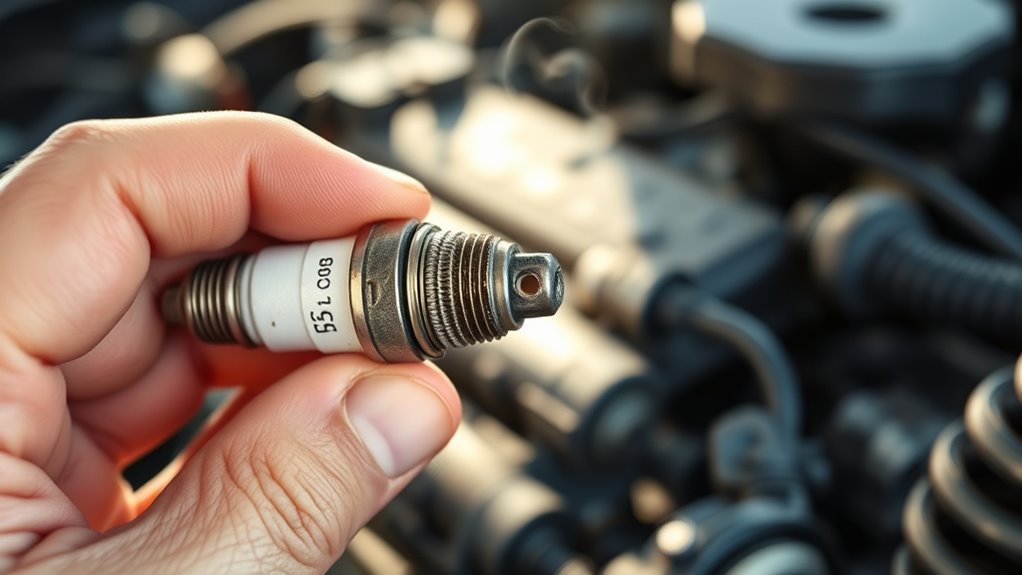

If you’re wondering what do bad spark plugs sound like, you’ll likely hear popping, sputtering, or irregular clicking noises coming from your engine. These sounds are most noticeable during acceleration or when idling. They indicate that your spark plugs are misfiring or fouled.
This misfiring causes incomplete combustion, leading to rough engine performance. You might also experience hesitation or inconsistent RPMs while driving.
Catching these noises early is important to prevent further engine damage and poor fuel economy. By paying attention, you can learn to differentiate spark plug issues from other engine problems.
Key Takeaways
- Bad spark plugs cause sputtering or misfiring sounds due to incomplete combustion in the engine cylinders.
- Popping noises during acceleration often indicate fouled or worn spark plugs needing inspection or replacement.
- Irregular clicking or knocking sounds while driving can signal improper spark timing from degraded spark plugs.
- Rough idle and hesitation are audible signs of spark plug issues affecting consistent engine firing.
- Listening for inconsistent RPMs, backfiring, or power drops helps identify spark plug problems early.
How Bad Spark Plugs Make Your Engine Sound Weird
When spark plugs go bad, you’ll notice your engine producing unusual sounds that differ from its normal rhythm. These irregular engine noises often manifest as sputtering or misfiring, indicating incomplete combustion within the cylinders.
During spark plug diagnostics, you’ll find that worn or fouled plugs fail to ignite the air-fuel mixture efficiently, causing these disruptions. The inconsistent firing results in erratic engine noise patterns, which can escalate under acceleration or load.
Identifying these sound anomalies early allows you to pinpoint spark plug issues before they lead to performance degradation or increased emissions.
Proper spark plug diagnostics involve listening closely to the engine noise and inspecting plug condition, ensuring the ignition system functions effectively to maintain smooth engine operation.
Common Sounds of Bad Spark Plugs You Should Know
Although spark plugs play a small role in your engine’s overall function, their failure can produce distinct sounds that indicate specific issues. Recognizing these sounds helps you address problems related to spark plug types and the importance of regular spark plug maintenance.
Here’s a quick reference:
| Sound Type | Cause | Suggested Action |
|---|---|---|
| Popping Noise | Fouled or worn spark plugs | Inspect & clean or replace |
| Rough Idle | Incorrect spark plug type | Verify compatibility |
| Engine Backfire | Delayed ignition | Check spark plug gap |
| Misfire Clicking | Carbon buildup | Perform spark plug maintenance |
| High-Pitched Whine | Loose spark plug wires | Secure connections |
Misfiring Spark Plug Sounds and What They Mean
If your engine emits irregular clicking or sputtering sounds, it often signals a misfiring spark plug disrupting the combustion process. Misfire symptoms include rough idling, hesitation during acceleration, and loss of power.
These sounds occur because the spark plug fails to ignite the air-fuel mixture consistently, causing incomplete combustion. To confirm the issue, perform spark plug diagnostics by inspecting the plugs for wear, fouling, or damage and using an OBD-II scanner to detect misfire-related error codes.
Addressing misfiring spark plugs promptly prevents further engine damage and restores peak performance. Recognizing these specific sounds helps you diagnose the problem accurately and maintain engine efficiency.
Proper spark plug function is critical, so don’t ignore signs of misfire symptoms during your vehicle’s operation.
Popping and Sputtering Noises From Failing Spark Plugs
Since failing spark plugs disrupt proper combustion timing, you may notice distinct popping and sputtering noises from your engine.
These sounds result from incomplete or delayed ignition of the air-fuel mixture in one or more cylinders.
When spark plugs degrade, they fail to generate a consistent spark, causing irregular combustion cycles that produce audible pops or sputters.
Regular spark plug maintenance is crucial to prevent these issues and maintain peak engine tuning.
Ignoring these noises can lead to reduced fuel efficiency, increased emissions, and potential engine damage.
By promptly diagnosing and replacing faulty spark plugs, you guarantee smooth ignition sequences, improving overall engine performance and reliability.
Monitoring these auditory cues allows you to address spark plug wear before it compromises your vehicle’s operation.
Clicking or Tapping Noises Caused by Bad Spark Plugs
If you hear clicking or tapping noises from your engine, bad spark plugs could be the cause.
These sounds often result from improper spark timing or electrode damage, which disrupt combustion.
You’ll need to diagnose the exact source by inspecting the plugs and monitoring engine performance closely.
Causes Of Clicking Sounds
When your engine produces clicking or tapping noises, bad spark plugs often play a key role in causing these sounds. These noises typically result from improper combustion due to worn or incorrect spark plug types, gaps, or deposits interfering with ignition timing. Poor engine maintenance can accelerate spark plug degradation, leading to misfires that create audible clicks or taps.
| Cause | Description |
|---|---|
| Incorrect Spark Plug Type | Using incompatible spark plugs disrupts firing |
| Excessive Gap | Large gaps delay ignition, causing incomplete combustion |
| Carbon Deposits | Build-up insulates electrodes, weakening spark |
| Worn Electrodes | Erosion reduces spark efficiency, misfiring occurs |
| Poor Engine Maintenance | Neglect accelerates plug wear and combustion issues |
Addressing these causes guarantees smoother operation and reduces clicking noises linked to spark plugs.
Diagnosing Tapping Noises
Understanding the causes of clicking sounds from bad spark plugs sets the stage for accurately diagnosing tapping noises. When you hear tapping or clicking engine noise, it often signals incomplete combustion due to worn or fouled spark plugs.
During spark plug maintenance, inspect for electrode erosion or carbon buildup, which disrupts proper ignition timing. This irregular ignition causes uneven pressure spikes, producing distinct tapping sounds.
To confirm the source, isolate each cylinder by disabling spark plugs individually; a change in noise intensity pinpoints the faulty plug. Addressing these issues promptly prevents further engine damage and restores smooth operation.
Regular spark plug maintenance is essential to eliminate tapping noises and maintain peak engine performance. Monitoring engine noise closely helps you identify and resolve spark plug-related problems efficiently.
Why Backfiring Sounds Can Signal Spark Plug Problems
When you hear backfiring sounds, it often points to spark plug misfires disrupting the combustion process.
These misfires can cause unburned fuel to ignite in the exhaust system, affecting engine performance and efficiency.
Recognizing these signs early helps prevent further engine damage and maintains peak operation.
Causes Of Backfiring
Although backfiring sounds might seem like a minor annoyance, they often indicate underlying spark plug issues that affect engine performance. One primary backfire cause is incorrect engine timing, which disrupts the ignition sequence.
When spark plugs fire too early or too late, unburned fuel can enter the exhaust system, igniting and producing the characteristic backfire sound. Additionally, worn or fouled spark plugs fail to generate a strong, consistent spark, causing incomplete combustion and backfire.
Faulty spark plugs can also lead to misfires, resulting in a surge of unburned fuel igniting outside the combustion chamber.
Monitoring these backfire causes is essential because they reflect how well your spark plugs maintain proper ignition timing and combustion efficiency, directly impacting your engine’s smooth operation.
Spark Plug Misfire Signs
Because spark plugs play an essential role in igniting the air-fuel mixture, any misfire can produce distinct backfiring sounds that signal underlying problems.
These misfire signs often indicate that your spark plugs may have exceeded their spark plug lifespan or are failing to maintain proper ignition timing, which directly affects engine performance.
Watch for these four indicators:
- Irregular backfiring or popping sounds from the exhaust.
- Noticeable loss of power or hesitation during acceleration.
- Rough idling or engine vibrations.
- Increased fuel consumption despite normal driving habits.
Addressing these signs promptly helps maintain peak engine performance and prevents more severe damage to your vehicle’s ignition system.
Monitoring spark plug condition is vital for reliable operation.
Engine Performance Impact
If you notice backfiring sounds, your engine’s combustion process isn’t functioning efficiently, often due to faulty spark plugs.
Backfiring occurs when unburned fuel ignites in the exhaust system, indicating incomplete combustion in the cylinder.
This inefficiency directly impacts engine performance, leading to reduced power, poor fuel economy, and increased emissions.
Ignoring these sounds can cause further damage to the exhaust valves or catalytic converter.
Regular spark plug maintenance is vital to guarantee proper ignition timing and combustion efficiency.
By inspecting and replacing worn or fouled spark plugs promptly, you prevent misfires that trigger backfiring.
Maintaining peak spark plug function stabilizes engine performance, improving responsiveness and fuel efficiency while minimizing engine wear and costly repairs.
Address backfiring sounds early to protect your engine’s longevity.
How to Tell Spark Plug Sounds Apart From Other Engine Noises
When you hear unusual noises from your engine, distinguishing spark plug sounds from other engine noises is essential for accurate diagnosis.
Spark plug types can influence the sound characteristics, so knowing your engine’s specific plugs helps.
To tell these sounds apart, focus on:
- Rhythm: Spark plug issues often produce irregular popping or sputtering, unlike consistent mechanical sounds.
- Location: Spark plug noises usually emanate from the cylinder head area.
- Sound quality: Expect sharp, quick misfires or clicking, differing from grinding or knocking.
- Engine response: Combine sound observation with performance drops; misfires correlate with spark plug faults during engine maintenance.
How to Listen for Spark Plug Issues While Driving
Listening carefully for spark plug issues while driving can help you identify early signs of engine misfire or inefficiency. Pay attention to irregular engine sounds such as popping, sputtering, or hesitation during acceleration, especially under variable driving conditions like stop-and-go traffic or highway cruising.
These engine symptoms often indicate incomplete combustion caused by faulty spark plugs. Notice if the engine struggles to maintain consistent RPMs or if there’s a noticeable drop in power during load changes.
Also, monitor fuel efficiency, as bad spark plugs can cause increased consumption. Use these auditory cues combined with changes in driving conditions to pinpoint potential spark plug problems before they escalate.
Regularly scanning for these symptoms guarantees timely maintenance, preventing further engine damage.
When Engine Sounds Mean It’s Time to Replace Your Spark Plugs
Although some engine noises might seem minor, persistent misfires, knocking, or excessive engine vibrations signal that your spark plugs need replacement. Monitoring these sounds is critical for maintaining spark plug longevity and overall engine maintenance.
Here are four key engine sounds indicating it’s time to replace your spark plugs:
- Engine Misfire: Irregular firing results in a sputtering sound, reducing performance.
- Knocking Noise: Detonation caused by improper combustion hints at worn or fouled spark plugs.
- Rough Idle: Unstable engine idle due to inconsistent spark plug firing.
- Poor Acceleration: Delayed or weak acceleration suggests spark plug degradation affecting combustion efficiency.
Addressing these sounds promptly preserves engine components and guarantees ideal spark plug longevity, preventing costly repairs and enhancing vehicle reliability.
Simple Ways to Identify Spark Plug Problems by Sound at Home
Recognizing the specific sounds that indicate spark plug issues can save you time and money by allowing you to diagnose problems at home before they escalate.
Start by listening for irregular engine noise, such as sputtering, knocking, or misfiring sounds during acceleration or idling. These noises often signal incomplete combustion caused by faulty spark plugs.
Pay attention to any hesitation or rough idling, which indicates poor spark plug performance. For effective spark plug maintenance, routinely check these sounds alongside visual inspections.
Use a mechanic’s stethoscope or a simple hose to isolate engine noise sources precisely.
Early detection through sound helps you avoid engine damage and guarantees peak performance.
Frequently Asked Questions
How Often Should Spark Plugs Be Replaced for Optimal Performance?
You should replace spark plugs every 30,000 to 100,000 miles, depending on their type and your vehicle. Monitoring spark plug lifespan guarantees peak performance, so adhere to the recommended replacement frequency in your owner’s manual.
What Tools Are Needed to Inspect Spark Plugs Properly?
For spark plug inspection, you’ll need a spark plug socket, ratchet wrench, gap gauge, and a torque wrench. These necessary tools let you remove, measure, and reinstall plugs correctly, ensuring peak engine performance and accurate diagnosis.
Can Bad Spark Plugs Affect Fuel Efficiency?
Yes, bad spark plugs cause incomplete fuel combustion due to spark plug wear, reducing engine efficiency. You’ll notice decreased fuel economy as unburned fuel wastes energy.
Replacing worn plugs helps restore ideal combustion and fuel efficiency.
Are Certain Car Models More Prone to Spark Plug Issues?
You’ll find certain car models more prone to spark plug issues due to engine compatibility and specific spark plug brands. Matching the right brand and type guarantees peak performance, preventing misfires and costly repairs down the road.
How Do Spark Plug Materials Impact Engine Performance?
You’ll notice spark plug types with higher material durability, like iridium or platinum, improve engine performance by providing consistent ignition, longer lifespan, and better fuel efficiency compared to standard copper plugs. This optimizes combustion precision.
Conclusion
If you notice your engine sputtering or hearing irregular clicking, it’s likely your spark plugs are failing. For example, imagine driving when your car suddenly misfires with a distinct popping noise—this often signals worn spark plugs disrupting combustion.
By tuning into these sounds early, you can prevent further engine damage and costly repairs. Regularly listening for these specific noises helps you maintain peak engine performance.
Knowing what bad spark plugs sound like is essential to timely diagnosis and replacement, ensuring your vehicle runs smoothly and efficiently.