Tag: engine issues

  • Can Bad Spark Plugs Cause Car to Stall

    Can Bad Spark Plugs Cause Car to Stall

    Yes, bad spark plugs can cause your car to stall by failing to ignite the air-fuel mixture consistently. When spark plugs wear out, their electrodes erode, creating weak sparks that lead to engine misfires, rough idling, and stalling.

    Inconsistent combustion reduces engine performance and efficiency, causing hesitation or stalls under load. Regular inspection and timely replacement of spark plugs are essential to maintain reliable ignition and prevent stalling issues.

    Keep exploring to understand how plug health impacts engine stability and what you can do.

    Key Takeaways

    • Bad spark plugs can cause inconsistent sparks, leading to engine misfires and frequent stalling.
    • Worn or fouled plugs reduce combustion efficiency, causing rough idling and engine stalls.
    • Electrode erosion or improper gaps weaken spark intensity, resulting in stalling under load or idle.
    • Carbon fouling from bad plugs disrupts ignition, increasing misfire and stall risks.
    • Regular spark plug maintenance and timely replacement prevent stalls and improve engine reliability.

    Symptoms of Bad Spark Plugs That Cause Stalling

    Anyone experiencing frequent engine stalls should consider the condition of their spark plugs. Worn or damaged spark plugs directly impact engine performance by disrupting the ignition process.

    You might notice rough idling, difficulty starting, or a noticeable drop in fuel efficiency. These symptoms often signal that the spark plug lifespan has been exceeded.

    As spark plugs degrade, they fail to produce consistent sparks, causing misfires and intermittent stalling. You’ll also observe decreased acceleration or hesitation during throttle response.

    Monitoring these signs helps you identify when spark plugs need replacement before stalling worsens. Regular inspection and timely replacement maintain peak engine performance and prevent stalling episodes caused by deteriorated spark plugs.

    Why Worn Spark Plugs Make Your Engine Stall

    When spark plugs wear down, they can’t generate the strong, consistent spark needed to ignite the air-fuel mixture in your engine’s cylinders.

    Worn spark plugs fail to create the powerful spark required for efficient combustion.

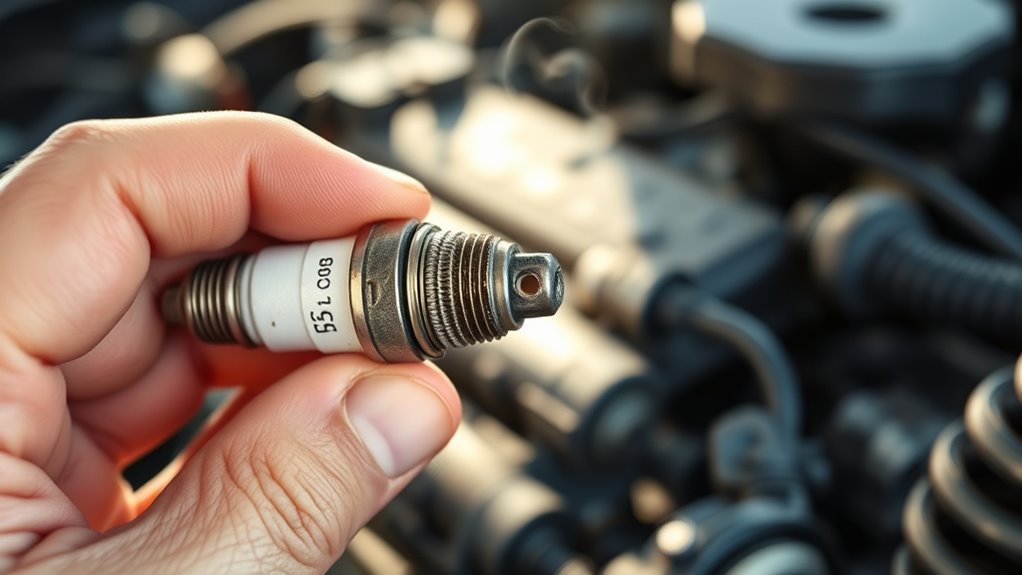
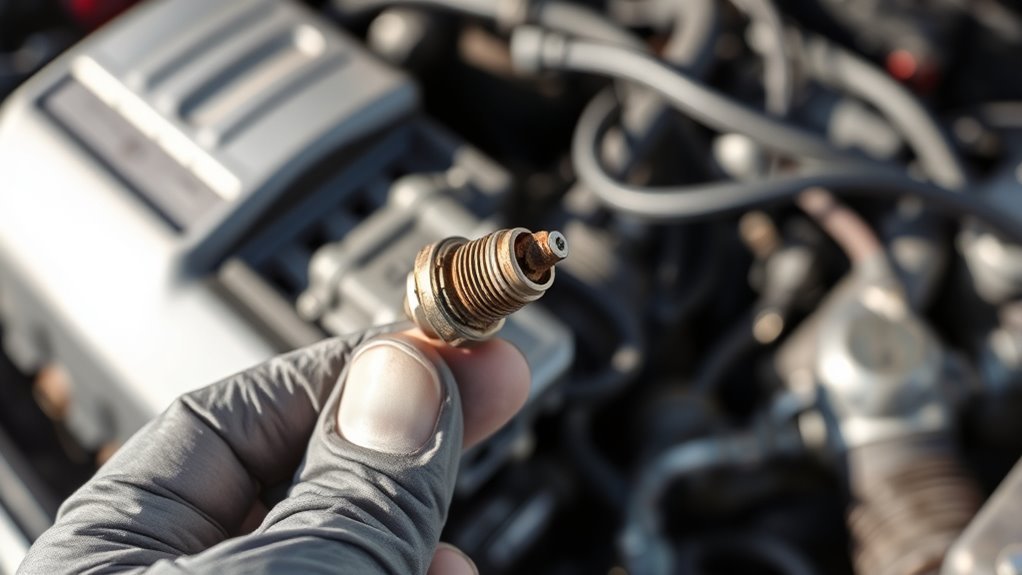
    Over time, the spark plug lifespan diminishes due to electrode erosion and deposits, which increase the gap and weaken the spark intensity.

    This disruption directly impacts engine performance by causing incomplete combustion or misfires. As a result, your engine struggles to maintain smooth operation and may stall under load or at idle.

    Worn spark plugs reduce combustion efficiency, leading to rough idling, hesitation, and poor throttle response.

    To preserve peak engine performance and prevent stalling, it’s essential to replace spark plugs according to your vehicle’s recommended spark plug lifespan.

    Neglecting this maintenance compromises ignition reliability and can cause your engine to stall unexpectedly.

    How Bad Spark Plugs Lead to Car Stalling

    You rely on spark plugs to ignite the air-fuel mixture in your engine’s cylinders, ensuring smooth combustion.

    When these plugs malfunction, you’ll notice symptoms like rough idling and decreased acceleration.

    Faulty spark plugs cause engine misfires, which can lead to sudden stalling during operation.

    Spark Plug Function Explained

    Spark plugs ignite the air-fuel mixture inside your engine’s cylinders, creating the combustion necessary for your car to run smoothly. They serve as the ignition system’s critical component by delivering a high-voltage spark at the precise moment.

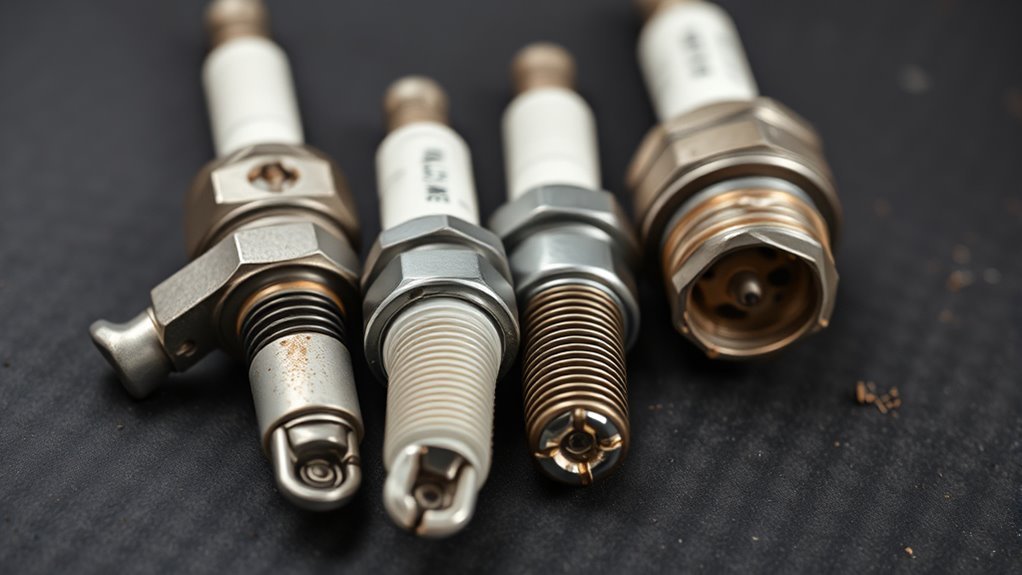
    Different spark plug types, such as copper, platinum, and iridium, offer varying durability and conductivity levels, affecting performance and reliability.

    Here’s what you need to know about their function:

    • Transmit electrical current from the ignition coil to the combustion chamber
    • Generate sparks that ignite the compressed air-fuel mix
    • Withstand extreme heat and pressure inside cylinders
    • Maintain ideal gap to guarantee consistent spark timing
    • Work in sync with your vehicle’s ignition system to prevent misfires

    A faulty spark plug disrupts these functions, causing your engine to stall.

    Symptoms Of Faulty Plugs

    Although bad spark plugs can cause various engine issues, one of the most noticeable symptoms is car stalling. When spark plugs degrade beyond their recommended lifespan, they fail to ignite the air-fuel mixture consistently, causing engine hesitation and stalls.

    Different spark plug types, such as copper, platinum, or iridium, have varying lifespans, with iridium typically lasting longest. As plugs wear, electrode erosion and carbon buildup increase the gap, reducing spark efficiency.

    This inefficiency interrupts combustion, especially during idling or low RPMs, leading to sudden stalls. You might also notice rough idling, decreased acceleration, or difficulty starting.

    Monitoring spark plug condition and replacing them according to manufacturer specifications prevents such issues. Ignoring worn plugs compromises engine stability, directly causing stalling and poor performance.

    Engine Misfire And Stall

    Engine misfires occur when the combustion process in one or more cylinders fails to ignite properly, and bad spark plugs are a common cause.

    When spark plugs wear out or are incompatible spark plug types, they can’t generate a strong enough spark, disrupting ignition. This leads to compromised engine performance and can cause your car to stall.

    You might notice these issues:

    • Rough idling and hesitation during acceleration
    • Increased fuel consumption due to incomplete combustion
    • Reduced power output and sluggish response
    • Engine warning lights indicating misfire codes
    • Frequent stalls, especially at low speeds or stops

    How Spark Plug Misfires Cause Stalling

    Misfires disrupt the combustion process by preventing the air-fuel mixture from igniting properly, which causes your car to stall unexpectedly.

    When a spark plug misfires, it fails to generate a consistent spark, interrupting the ignition system’s function.

    Different spark plug types, such as copper, platinum, and iridium, vary in durability and conductivity, impacting their performance in the ignition cycle.

    If the spark plug can’t sustain the necessary spark, combustion becomes erratic or incomplete, reducing engine power and causing stalling.

    The ignition system relies on precise timing and spark integrity; any deviation from this due to worn or fouled spark plugs leads to misfires.

    Recognizing how these misfires compromise engine stability helps you understand why maintaining proper spark plug health is critical to preventing stalls.

    Other Causes of Spark Plug Failure That Cause Stalling

    Since spark plugs endure extreme conditions, several factors beyond simple wear can cause their failure and lead to stalling. Understanding these causes helps you maintain peak engine performance.

    Different spark plug types have varying tolerances, so improper selection can accelerate failure. Additionally, inadequate spark plug maintenance is a common culprit.

    Here are key causes you should consider:

    • Incorrect spark plug type causing mismatched heat range
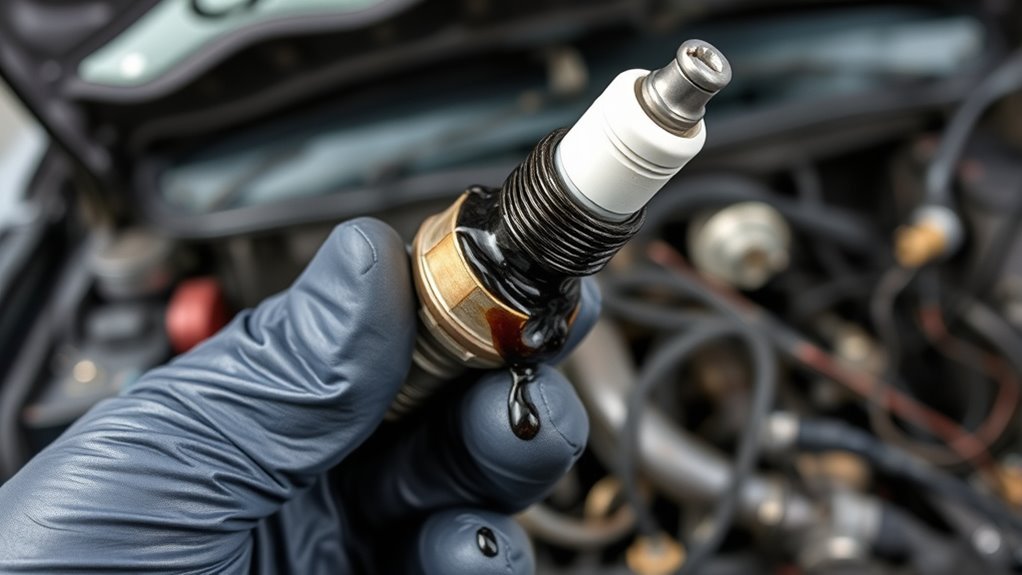
    • Carbon fouling from incomplete combustion or oil contamination
    • Electrode erosion due to prolonged use or poor fuel quality
    • Improper gap settings leading to weak or inconsistent sparks
    • Overheating caused by engine timing issues or cooling system failures

    Addressing these issues promptly guarantees your spark plugs function reliably, preventing stalling and maintaining engine efficiency.

    How to Diagnose Spark Plug Problems Causing Stalling

    Identifying spark plug problems that cause stalling requires a systematic approach, starting with a thorough visual inspection.

    Check for fouling, cracks, or worn electrodes across different spark plug types, as each reacts differently to engine conditions.

    Next, measure the spark plug gap to verify it matches manufacturer specifications.

    Incorrect gaps impair combustion efficiency and engine performance.

    Use a spark tester to confirm consistent spark generation under load.

    Additionally, monitor engine misfires and hesitation during acceleration; these symptoms often indicate spark plug issues.

    Employ an OBD-II scanner to detect related diagnostic trouble codes (DTCs) connected to ignition faults.

    How Replacing Spark Plugs Fixes Stalling

    When you replace worn or fouled spark plugs, you restore ideal ignition timing and combustion efficiency, which directly addresses stalling issues.

    New spark plugs guarantee consistent spark delivery, preventing misfires that cause engine hesitation or stall.

    This intervention is a core stalling solution that improves your engine’s response and fuel combustion.

    You also enhance spark plug longevity by using quality replacements suited to your engine specifications.

    Key benefits include:

    • Stable ignition under varying loads
    • Reduced engine misfire rates
    • Improved fuel efficiency and emissions
    • Consistent engine idle and acceleration
    • Prevention of spark plug fouling and wear

    Preventing Stalling by Maintaining Healthy Spark Plugs

    You can prevent stalling by regularly inspecting your spark plugs for wear and deposits.

    Replace them promptly when you notice signs of degradation to maintain peak engine performance.

    Consistent maintenance keeps your ignition system reliable and reduces the risk of unexpected stalls.

    Regular Spark Plug Inspection

    Performing regular spark plug inspections every 10,000 to 15,000 miles helps prevent stalling by ensuring peak engine performance.

    Spark plug maintenance requires adhering to the correct inspection frequency to detect wear, deposits, or damage early.

    When you inspect spark plugs, focus on these key areas:

    • Check electrode gap for proper spacing, preventing misfires
    • Look for carbon deposits indicating incomplete combustion
    • Inspect insulator for cracks or chips that cause weak sparks
    • Assess electrode wear, which reduces ignition efficiency
    • Verify spark plug color to evaluate air-fuel mixture balance

    Following this inspection routine enables you to maintain ideal ignition system function.

    Neglecting inspection frequency increases the risk of stalling caused by degraded spark plug performance, ultimately compromising engine reliability.

    Timely Spark Plug Replacement

    Regular inspections identify spark plug wear and damage, but replacing plugs at the recommended intervals keeps your engine running smoothly and prevents stalling.

    You should adhere to the specified spark plug lifespan indicated in your vehicle’s manual, as exceeding it increases misfire risk and ignition failure.

    Selecting high-quality spark plug brands guarantees consistent performance and longevity, reducing the likelihood of premature wear.

    When replacing, consider plugs with proven durability and compatibility with your engine type to maintain peak combustion efficiency.

    Neglecting timely replacement degrades spark intensity, causing rough idling and stalling.

    By proactively managing spark plug health through scheduled replacements, you avoid costly repairs and maintain engine reliability.

    Trust reputable spark plug brands and respect lifespan guidelines to prevent stalling issues and sustain vehicle performance.

    When You Should Call a Mechanic for Spark Plug Issues

    How do you know when spark plug issues require professional attention? While basic spark plug maintenance can be DIY, certain symptoms signal it’s time to seek mechanic expertise.

    If you notice persistent engine misfires, rough idling, or difficulty starting despite replacing plugs, a mechanic should diagnose the problem.

    Additionally, if your fuel efficiency drops abruptly or your car stalls frequently, these indicate deeper ignition or fuel system issues beyond simple plug replacement.

    Call a mechanic when you experience:

    • Repeated stalling post spark plug change
    • Engine warning lights related to ignition
    • Visible corrosion or damage on plugs despite cleaning
    • Unusual engine noises or backfires
    • Inability to identify the spark plug gap or proper replacement part

    Professional evaluation guarantees precise troubleshooting and avoids costly repairs.

    Frequently Asked Questions

    Can Bad Spark Plugs Affect Fuel Efficiency?

    Yes, bad spark plugs reduce combustion efficiency, lowering fuel performance. By prioritizing spark plug maintenance, you guarantee ideal ignition timing, improve fuel economy, and prevent engine misfires that cause wasted fuel and decreased overall efficiency.

    Do Spark Plug Issues Impact Emissions Testing?

    Like tuning a gramophone, you need the right spark plug types to meet emissions regulations. Faulty plugs disrupt combustion, raising emissions and causing testing failures.

    You must verify ideal plug condition for precise, compliant performance.

    How Often Should Spark Plugs Be Replaced?

    You should replace spark plugs every 30,000 to 100,000 miles, depending on their type and quality.

    Monitor your vehicle’s spark plug lifespan and follow manufacturer-recommended replacement intervals to maintain peak engine performance.

    Are All Spark Plugs Interchangeable in Any Car?

    You can’t use all spark plug types interchangeably; each ignition system requires specific plugs based on heat range, size, and electrode design.

    Always match your spark plugs to your car’s ignition system for best performance and longevity.

    Can Bad Spark Plugs Cause Difficulty Starting the Engine?

    Around 30% of starting problems stem from faulty spark plugs. If yours are worn or fouled, you’ll likely face engine misfires and difficulty starting the engine.

    Replace them promptly to restore ideal ignition performance.

    Conclusion

    If your car stalls unexpectedly, bad spark plugs might be the culprit. They disrupt ignition, causing misfires and engine hesitation that lead to stalling. You can diagnose this by checking for symptoms like rough idling or decreased performance.

    Replacing worn spark plugs restores smooth engine function and prevents stalls. So, why risk your safety and vehicle health when a simple spark plug check can keep your engine running reliably?

    Don’t hesitate to consult a mechanic if needed, especially since bad spark plugs can cause your car to stall.