Tag: carburetor tuning

  • How to Drill Carburetor Jets Walboro

    How to Drill Carburetor Jets Walboro

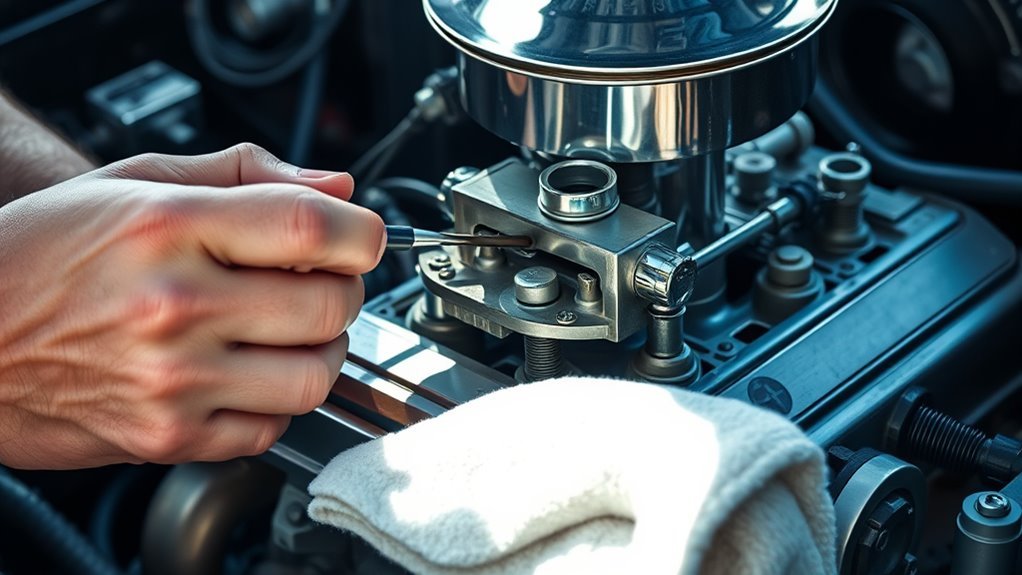
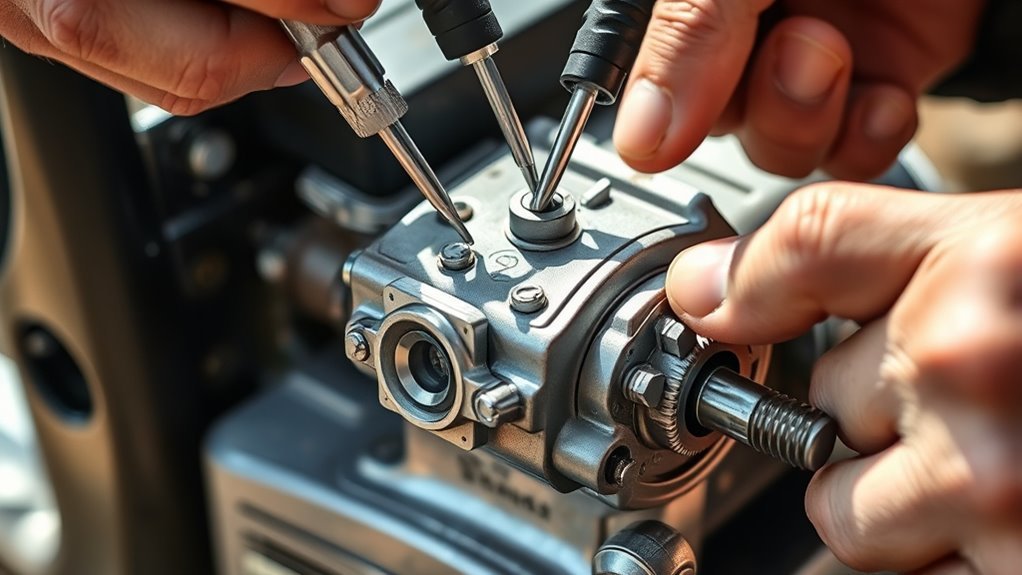
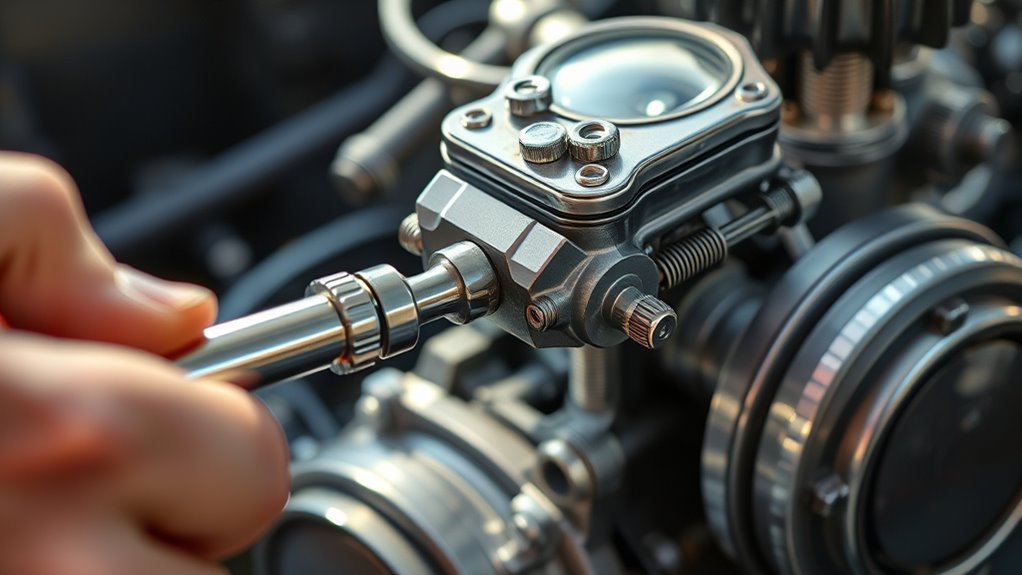
    You’ll first identify jets needing drilling by checking performance issues like hesitation or rough idling in your Walbro carburetor jets. Secure the Walbro jet in a stable clamp, then select the correct drill bit (#53, #55, or #57) matching your tuning goals.

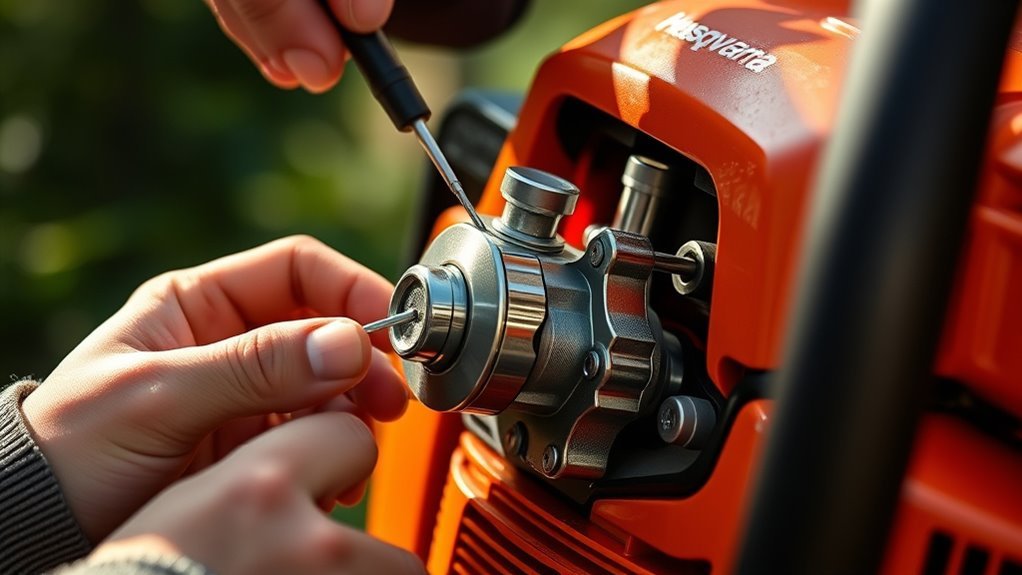
    Drill slowly with steady pressure, keeping the bit perpendicular to avoid damage. After drilling, inspect the jet for smoothness and test performance, adjusting as needed.

    Understanding this precise method guarantees ideal fuel flow and engine reliability—you’ll find additional tips to refine your technique ahead.

    Key Takeaways

    • Secure the Walbro jet firmly in a vise to prevent movement during drilling for precise hole enlargement.
    • Use sharp, appropriately sized drill bits (#53, #55, or #57) and drill at slow speeds to avoid overheating.
    • Apply steady, moderate pressure and keep the drill perpendicular to ensure a clean, accurate hole.
    • Periodically withdraw the drill bit to clear metal shavings and maintain hole quality.
    • After drilling, inspect the jet for smoothness, remove burrs, and clean thoroughly before reassembly.

    How to Identify Walbro Jets That Need Drilling

    Before you start drilling, you need to identify which Walbro jets require modification.

    Begin by analyzing the current jet performance during engine operation. Look for symptoms like inconsistent idling, hesitation, or poor acceleration. These signs often indicate that the jets are undersized or clogged.

    Compare the existing jet sizes against manufacturer specifications and your engine’s tuning requirements. Focus on jets commonly responsible for fuel delivery issues, such as the main and idle jets.

    Effective tuning solutions involve pinpointing jets that limit ideal fuel flow and adjusting their orifice size accordingly. Use precise measurement tools to verify jet diameters before modification.

    Identifying the correct jets guarantees that your drilling efforts improve overall carburetor efficiency without compromising engine reliability or fuel economy.

    Tools Needed to Drill Walbro Jets

    You’ll need specific drill bit sizes to accurately enlarge Walbro jets without damaging them.

    Make sure to wear safety goggles and gloves to protect yourself during the process.

    Additionally, have jet cleaning tools ready to remove any debris after drilling.

    Essential Drill Bit Sizes

    Three specific drill bit sizes are essential when working with Walbro carburetor jets to guarantee accurate jet enlargement. Typically, you’ll need #53 (0.0595″), #55 (0.0520″), and #57 (0.0410″) drill bits, as these allow precise incremental increases in jet orifice diameter.

    Choosing bits made from high-quality drill bit materials like solid carbide or cobalt steel guarantees durability and clean cuts through hardened brass jets, preventing deformation.

    The jet size impact on fuel flow is sensitive; even a slight increase in diameter considerably alters the air-fuel mixture.

    Using the correct bit sizes, you can systematically test and tune jetting with confidence. Avoid oversized bits that risk over-enlarging and causing inconsistent engine performance.

    Precision in bit selection directly translates to ideal carburetor functionality.

    Safety Equipment Required

    Proper safety equipment is essential when drilling Walbro carburetor jets to protect both you and your tools from potential hazards.

    You need to wear protective gear such as safety goggles to shield your eyes from metal shavings, and gloves to prevent cuts and improve grip.

    A dust mask or respirator is vital to avoid inhaling fine particles generated during drilling.

    Additionally, make certain you have a stable work surface and use clamps to secure the carburetor, preventing movement that could cause injury or damage.

    Follow strict safety precautions by confirming your drill bit is sharp and appropriate for the material, and always drill at controlled speeds.

    Adhering to these safety measures minimizes risks and guarantees precise, efficient jet drilling.

    Jet Cleaning Tools

    Although drilling carburetor jets requires precision, having the right jet cleaning tools guarantees the process runs smoothly and accurately.

    You’ll need a set of micro drill bits specifically sized for Walbro jets to enlarge passages without damaging the jet body.

    Complement these with fine wire brushes and specialized jet cleaning needles to remove debris before and after drilling.

    A magnifying glass or jeweler’s loupe helps inspect the jet’s orifice for cleanliness and correct size.

    Regular tool maintenance is essential. Clean your drill bits and needles after each use to prevent clogging and secure consistent performance.

    Proper jet cleaning not only improves fuel flow but also prevents engine issues caused by blockages.

    Using these tools correctly gives you control and precision every time you modify your Walbro carburetor jets.

    Choose the Right Drill Bit Size

    Selecting the correct drill bit size is essential to guarantee the carburetor jet functions efficiently without causing damage. When choosing, focus on jet size considerations. Measure the original or desired orifice diameter precisely to maintain ideal fuel flow.

    Use drill bits made from high-quality materials such as hardened steel or carbide. These guarantee clean cuts and resist wear when working on small, delicate jets. Avoid using bits that are too large, as they’ll enlarge the orifice beyond specifications, impacting engine performance.

    Conversely, bits that are too small won’t effectively clean or enlarge the jet. Always verify your measurements with a caliper or micrometer and consult the manufacturer’s specifications for the Walbro carburetor to select the appropriate drill bit diameter before proceeding.

    Step-by-Step Guide to Drilling Walbro Jets

    To drill Walbro jets accurately, you need to select the correct drill bit that matches the desired jet size.

    Use steady, controlled pressure and maintain alignment to avoid damaging the jet.

    Following precise techniques guarantees consistent fuel flow and ideal engine performance.

    Selecting The Right Drill

    When you prepare to drill Walbro jets, choosing the appropriate drill bit is essential for maintaining accuracy and preventing damage.

    Select a drill bit made from high-speed steel (HSS) or carbide, as these materials offer durability and sharpness necessary for precise jet modification.

    The drill size must correspond exactly to the desired jet diameter to optimize jet performance without compromising fuel flow.

    Using a bit that’s too large can damage the jet, while one that’s too small won’t improve performance.

    Confirm your drill bit has a fine point to allow controlled material removal.

    Avoid general-purpose bits, as poor drill material can lead to inaccuracies and increased wear.

    Drilling Techniques And Tips

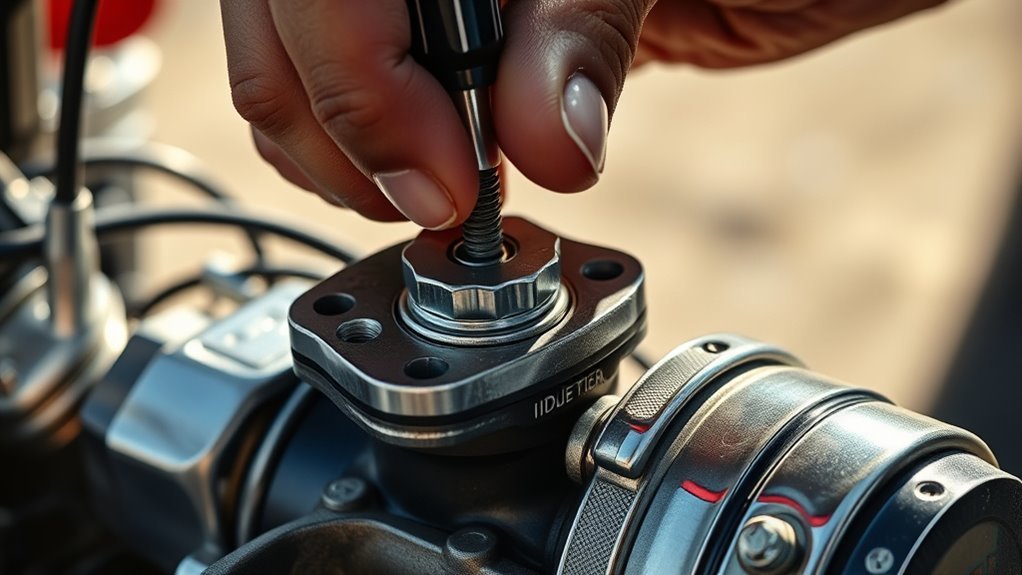
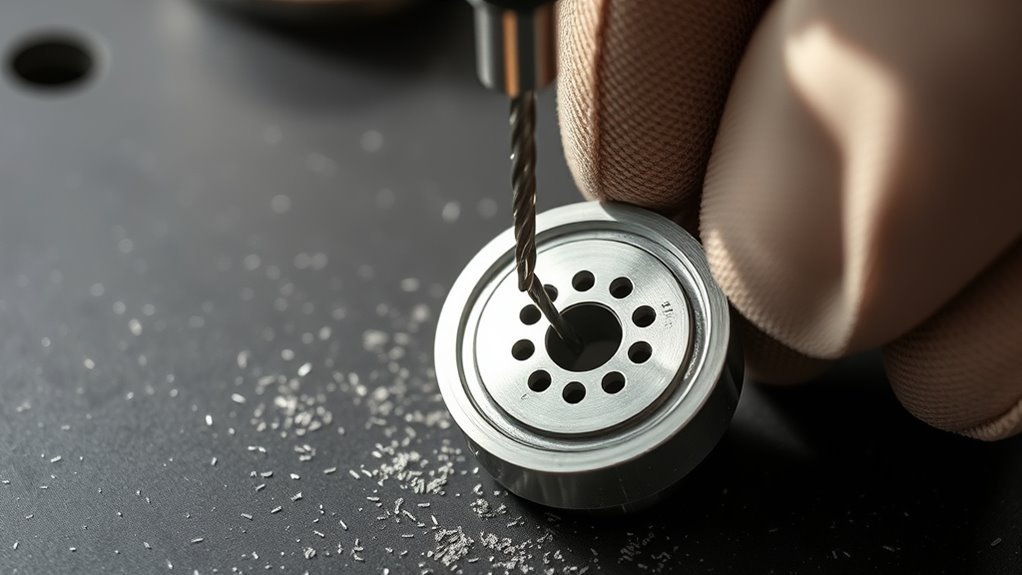
    Start by securely clamping the Walbro jet in a stable vise or fixture to prevent any movement during drilling.

    Use a sharp drill bit matched precisely to the desired jet size to guarantee clean, accurate holes.

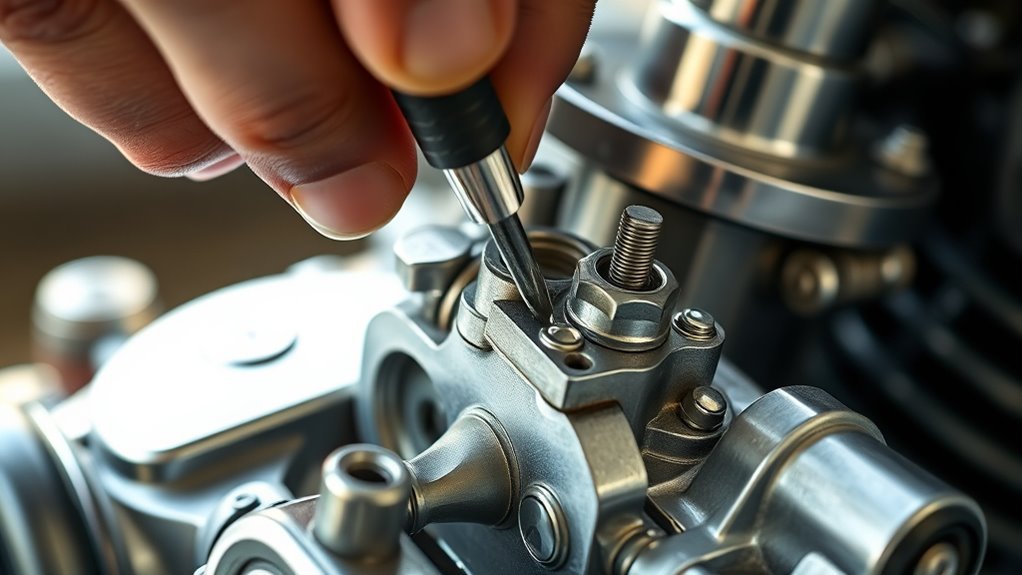
    Apply steady, moderate pressure and maintain a perpendicular angle to avoid enlarging or deforming the jet orifice.

    Employ slow drilling speeds to reduce heat buildup, which can alter metal properties and compromise jet performance.

    Periodically withdraw the bit to clear metal shavings, preventing clogging and uneven drilling.

    After achieving the target size, inspect the jet under magnification for smooth edges, as burrs can disrupt fuel flow.

    Proper drilling techniques directly impact jet performance, so accuracy and patience are essential to optimize carburetor efficiency and consistency.

    Test and Adjust Jet Size After Drilling

    After drilling the carburetor jets, you’ll need to test their performance under actual operating conditions. Monitoring jet performance is critical to verify your engine runs efficiently.

    Follow these steps:

    1. Run the engine at various throttle positions to observe fuel delivery and responsiveness.
    2. Note any signs of hesitation, bogging, or excessive smoke, indicating improper jet size.
    3. Make precise tuning adjustments by incrementally enlarging or reducing the jet orifice, then retesting to optimize air-fuel mixture.

    Keep detailed records of each adjustment and its impact. This methodical approach guarantees that you achieve the correct jet size for peak engine performance and longevity.

    Avoid rushing; fine-tuning verifies consistent power and fuel efficiency.

    Common Mistakes to Avoid When Drilling Walbro Carburetor Jets

    Although drilling carburetor jets may seem straightforward, you must avoid several common mistakes that can compromise engine performance and safety.

    One of the most frequent issues is improper jet alignment. If you don’t align the drill bit precisely with the jet’s orifice, you risk enlarging the hole unevenly, causing inconsistent fuel flow.

    Another frequent problem involves using the wrong drill size or applying excessive pressure, leading to over-drilling or damaging the jet’s structure.

    Avoid common drilling errors like rushing the process or neglecting to secure the jet firmly, which can cause slipping and inaccuracies.

    Always use a drill press or a guided tool for consistent results.

    Carefully inspect the drilled jet to guarantee the hole is smooth and correctly sized before reassembly.

    Frequently Asked Questions

    What Is the Function of a Walbro Carburetor Jet?

    The Walbro carburetor jet controls fuel flow, with different jet types adjusting mixture richness. You’ll gain tuning benefits by selecting correct jets, optimizing engine performance and efficiency in varying conditions.

    How Does Jet Size Affect Engine Performance?

    You might think larger jets always boost power, but jet size precisely controls fuel flow. Choosing the right size is essential for jet tuning and performance optimization, ensuring your engine runs efficiently without flooding or starving.

    Can Drilling Jets Void the Manufacturer’s Warranty?

    Yes, drilling jets can void your warranty. You must follow manufacturer guidelines carefully, as any modification outside their specifications carries warranty implications.

    Always check these guidelines before altering your carburetor jets to avoid losing coverage.

    Are There Safety Precautions When Handling Carburetor Jets?

    Yes, you should always wear safety gear like gloves and eye protection when handling carburetor jets. Guarantee proper ventilation to avoid inhaling fumes or dust from drilling, maintaining a safe and controlled workspace throughout the process.

    How Often Should Walbro Jets Be Cleaned or Replaced?

    Like clockwork maintenance in aviation, you should follow jet maintenance tips by cleaning Walbro jets every 25 hours and replacing them at signs of wear or clogging. This cleaning frequency guarantees peak performance and longevity.

    Conclusion

    Drilling Walbro carburetor jets demands precision, like tuning a fine instrument. By carefully identifying jets that need adjustment, selecting the correct drill bit, and following each step methodically, you guarantee ideal fuel flow and engine performance.

    Remember to test and refine your work, avoiding common errors that can compromise results. With attention to detail and patience, you’ll master the process.

    Keeping your engine running smoothly and efficiently is achievable by properly drilling Walbro carburetor jets.