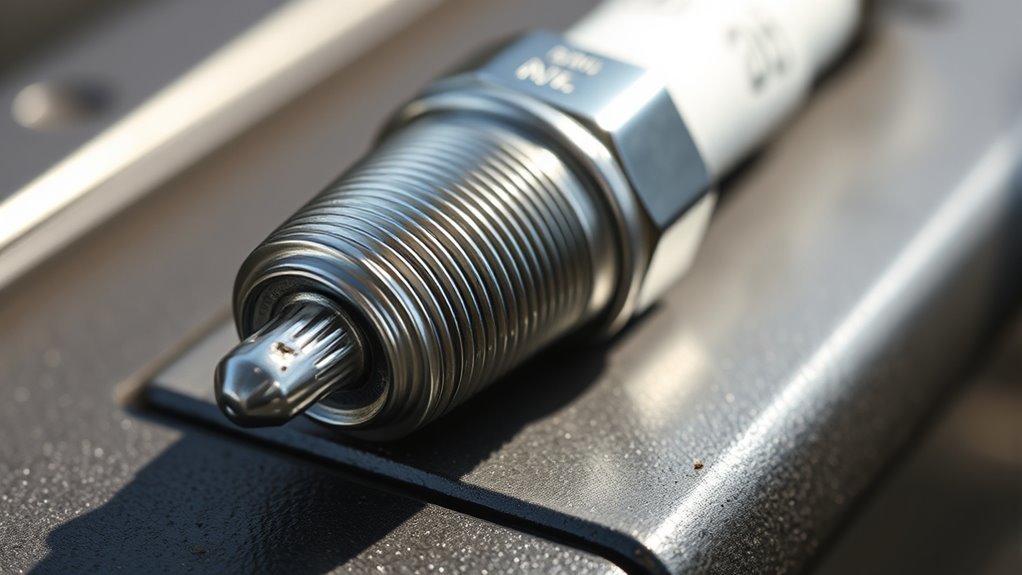

You can count on platinum spark plugs lasting between 60,000 and 100,000 miles when properly maintained. Their durable platinum electrode resists wear, ensuring consistent performance over time. However, factors like engine heat, fuel quality, and installation techniques impact longevity.
Regular inspections and maintaining the correct gap help avoid misfires and efficiency loss. If you want to understand how to maximize their lifespan and when to replace them, there’s more detailed guidance ahead.
Key Takeaways
- Platinum spark plugs typically last between 60,000 to 100,000 miles with proper maintenance.
- Their durability comes from platinum’s resistance to electrode wear, maintaining spark quality longer than copper plugs.
- Regular inspections every 30,000 miles help detect early wear and extend plug lifespan.
- Engine conditions, fuel quality, and installation affect how long platinum spark plugs remain effective.
- Replace plugs upon wear signs or after 60,000-100,000 miles to maintain engine performance and fuel efficiency.
How Long Do Platinum Spark Plugs Typically Last?
How long can you expect platinum spark plugs to perform reliably? Typically, platinum spark plugs offer a lifespan between 60,000 and 100,000 miles due to their superior platinum durability.
This precious metal resists electrode wear much better than conventional copper plugs, maintaining consistent spark quality over extended periods. However, achieving this potential requires proper spark plug maintenance. Regular inspections and timely replacements prevent performance degradation caused by fouling or electrode erosion.
While platinum spark plugs are engineered for longevity, factors such as engine conditions and driving habits influence their effective life. By adhering to manufacturer-recommended maintenance intervals and monitoring ignition system health, you can maximize the operational reliability and efficiency of your platinum spark plugs, ensuring peak engine performance throughout their service interval.
Key Factors That Affect Platinum Spark Plug Lifespan
Although platinum spark plugs are designed for durability, several key factors directly impact their lifespan.
First, proper installation techniques are essential; incorrect torque or cross-threading can damage the plugs, leading to premature failure. You need to verify the plugs are installed with the manufacturer’s specified torque settings to avoid electrode wear or casing damage.
Second, engine operating conditions influence longevity. Excessive heat, detonation, or oil contamination accelerate electrode erosion.
Third, adherence to maintenance tips, such as regular inspection and cleaning, helps identify early signs of wear or deposits that can affect performance.
Finally, fuel quality and engine tuning also play roles. Poor combustion conditions increase carbon buildup, reducing spark plug efficiency and lifespan.
Paying attention to these factors guarantees ideal spark plug durability.
How to Extend the Life of Platinum Spark Plugs
To maximize the lifespan of your platinum spark plugs, you must follow specific maintenance and operational practices that minimize wear and prevent damage.
Proper spark plug maintenance coupled with mindful driving habits plays a vital role in extending their service life.
Here are four essential strategies:
- Regular Inspection: Check spark plugs for fouling, corrosion, or wear every 30,000 miles to catch early issues.
- Maintain Proper Gap: Use a feeler gauge to verify the electrode gap matches manufacturer specifications, optimizing combustion efficiency.
- Use Quality Fuel: High-quality fuel reduces deposit buildup on spark plugs, supporting consistent performance.
- Adopt Smooth Driving Habits: Avoid excessive idling and rapid acceleration, which increase engine strain and spark plug degradation.
Signs Your Platinum Spark Plugs Need Replacement
When should you replace your platinum spark plugs to maintain peak engine performance? Watch for signs like reduced spark plug performance, which often leads to engine misfire.
If your vehicle experiences rough idling, difficulty starting, or decreased fuel efficiency, these symptoms typically indicate worn platinum spark plugs. Additionally, inspect the spark plugs for visible wear such as electrode erosion or heavy carbon deposits, which impair efficient sparking.
Persistent engine misfire, even after checking ignition coils and fuel systems, strongly suggests spark plug degradation. Ignoring these signs can cause further engine damage and reduced power output.
Persistent engine misfire after other checks points to spark plug wear; ignoring it risks further damage and power loss.
Monitoring these indicators helps you maintain prime combustion, ensuring your engine runs smoothly and efficiently.
Replacing spark plugs at the right time prevents costly repairs and keeps performance consistent.
When and How to Replace Platinum Spark Plugs
You should replace your platinum spark plugs when you notice signs of wear or after reaching the manufacturer’s recommended intervals, typically between 60,000 and 100,000 miles.
To guarantee peak engine performance, follow a step-by-step process that includes safely removing the old plugs, checking gap settings, and installing new ones with the correct torque.
Proper replacement helps maintain fuel efficiency and prevents engine misfires.
Signs of Wear
Recognizing the signs of wear on platinum spark plugs is essential for maintaining engine performance and fuel efficiency.
Spark plug degradation can cause distinct performance symptoms that signal the need for replacement. Watch for these key indicators:
1. Engine Misfires
Irregular combustion caused by worn electrodes reduces ignition reliability.
2. Poor Fuel Economy
Inefficient spark leads to incomplete combustion, increasing fuel consumption.
3. Difficulty Starting
Worn plugs struggle to generate a strong spark, making ignition harder.
4. Rough Idling
Inconsistent spark delivery causes unstable engine idle and vibrations.
Monitoring these symptoms lets you identify spark plug degradation early, preventing more severe engine issues.
Replace platinum spark plugs promptly when these signs appear to maintain ideal engine function.
Replacement Intervals
Noticing signs of wear on your platinum spark plugs means it’s time to contemplate their replacement intervals. Typically, manufacturers recommend replacement every 60,000 to 100,000 miles. Ignoring this can increase replacement cost due to engine damage and cause a significant performance impact like misfires or poor fuel efficiency.
| Mileage Interval | Replacement Cost Estimate | Performance Impact |
|---|---|---|
| 0-30,000 miles | Low | Ideal performance |
| 30,000-60,000 | Moderate | Minor power reduction |
| 60,000-90,000 | Moderate to High | Noticeable misfires, rough idle |
| 90,000-120,000 | High | Severe misfires, poor mileage |
| 120,000+ | Very High | Engine damage risk |
Stay proactive to minimize costs and maintain engine efficiency.
Step-by-Step Replacement
When your vehicle approaches the recommended mileage for spark plug replacement, it’s essential to follow a systematic procedure to guarantee proper installation and peak engine performance.
Here’s a step-by-step guide on replacing platinum spark plugs with key installation tips:
- Prepare the engine: Allow it to cool completely to avoid damage or burns.
- Remove old spark plugs: Disconnect the ignition coil or wire, then use a spark plug socket and ratchet to carefully extract the plugs.
- Check and gap new plugs: Verify the gap matches manufacturer specifications using a feeler gauge, adjusting if necessary.
- Install new plugs: Insert carefully by hand to avoid cross-threading, then tighten to the specified torque. Reattach ignition components securely.
Following these precise steps guarantees peak ignition and prolongs the life of your platinum spark plugs.
Platinum Spark Plugs vs. Other Spark Plug Types
Several key differences set platinum spark plugs apart from other types, such as copper and iridium variants. You’ll find that platinum spark plugs offer superior platinum durability due to their corrosion-resistant electrodes, which extend their operational lifespan compared to copper plugs.
While copper spark plugs provide excellent conductivity, they wear out faster, reducing overall spark plug efficiency. On the other hand, iridium spark plugs excel in longevity and performance but come at a higher cost.
Platinum plugs strike a balance between cost and durability, maintaining consistent spark plug efficiency over 60,000 to 100,000 miles.
Platinum spark plugs offer reliable performance and durability, lasting between 60,000 and 100,000 miles.
When choosing, consider your vehicle’s requirements: platinum plugs suit daily drivers seeking longevity without premium pricing, whereas iridium plugs are ideal for high-performance engines demanding maximum efficiency and durability.
Frequently Asked Questions
Can Platinum Spark Plugs Improve Fuel Efficiency?
Yes, you’ll notice fuel savings with platinum spark plugs due to their superior spark longevity and consistent ignition. This guarantees efficient combustion, reducing wasted fuel and improving overall engine performance and fuel efficiency over time.
Are Platinum Spark Plugs Compatible With All Car Models?
You can use platinum spark plugs in many vehicles, but platinum sparkplug compatibility depends on your vehicle engine types.
Always consult your owner’s manual or a professional to verify the plugs match your engine’s specifications and performance needs.
How Do Platinum Spark Plugs Affect Engine Performance?
You’ll boost engine efficiency by up to 10% using platinum spark plugs, thanks to their superior spark plug longevity. Their precise ignition improves combustion, reducing misfires and enhancing overall engine performance and fuel economy consistently.
What Is the Cost Difference Between Platinum and Other Spark Plugs?
You’ll find the cost comparison shows platinum spark plugs are pricier than copper but less expensive than iridium types. Different spark plug types offer varying longevity and performance, so your choice depends on balancing cost and durability.
Can Platinum Spark Plugs Cause Engine Misfires?
Don’t let a faulty spark plug lifespan throw a wrench in your engine maintenance. Yes, platinum spark plugs can cause misfires if they wear out or get fouled, affecting ignition and engine performance. Stay vigilant!
Conclusion
You might expect platinum spark plugs to last forever given their name, but even these durable components need attention after 60,000 to 100,000 miles. Ignoring signs of wear won’t make them magically improve performance.
By understanding factors that affect their lifespan and knowing when to replace them, you’ll keep your engine running smoothly—because, ironically, even the “precious” ones aren’t invincible. Regular checks are your best defense against unexpected breakdowns.
In conclusion, knowing how long do platinum spark plugs last helps you maintain optimal engine performance and avoid costly repairs.