Tag: spark plug lifespan

  • How Long Do Spark Plugs Last

    How Long Do Spark Plugs Last

    You can expect spark plugs to last between 30,000 and over 100,000 miles, depending on their type and your driving habits. Spark plug lifespan varies significantly based on the materials used and how you drive your vehicle.

    Copper plugs typically wear out sooner, around 20,000–30,000 miles, while platinum and iridium variants last much longer, even beyond 100,000 miles. Aggressive driving and frequent short trips can shorten their lifespan.

    Proper inspection and timely replacement are key to maintaining engine performance. Uncover how different factors influence spark plug longevity and maintenance next.

    Key Takeaways

    • Spark plug lifespan ranges from 20,000 to over 100,000 miles, depending on materials like copper, platinum, or iridium.
    • Copper spark plugs last about 20,000-30,000 miles, platinum around 60,000 miles, and iridium can exceed 100,000 miles.
    • Driving habits such as frequent short trips and aggressive acceleration can shorten spark plug life.
    • Manufacturers recommend replacement intervals based on engine design and spark plug type to maintain optimal performance.
    • Regular inspection and timely replacement prevent engine issues, misfires, and fuel inefficiency.

    How Long Do Spark Plugs Last?

    How long do spark plugs last before you need to replace them? Typically, spark plugs endure between 30,000 to 100,000 miles, depending on their design and the spark plug materials used.

    Copper plugs generally last around 30,000 miles, while iridium and platinum variants can extend up to 100,000 miles due to their superior durability and resistance to electrode erosion.

    Proper spark plug maintenance considerably influences their lifespan; regular inspection for deposits, electrode wear, and correct gap measurement helps guarantee ideal performance.

    Regular spark plug checks for wear, deposits, and gap ensure optimal engine performance and longer plug life.

    Neglecting maintenance can lead to misfires, reduced fuel efficiency, and engine damage, shortening spark plug life.

    Always consult your vehicle’s service manual to determine the recommended replacement interval based on your spark plug type and follow maintenance guidelines to maximize longevity and maintain engine efficiency.

    How Do Spark Plug Types Affect Lifespan?

    Because different spark plug materials and designs influence durability, you’ll notice significant variations in lifespan among types.

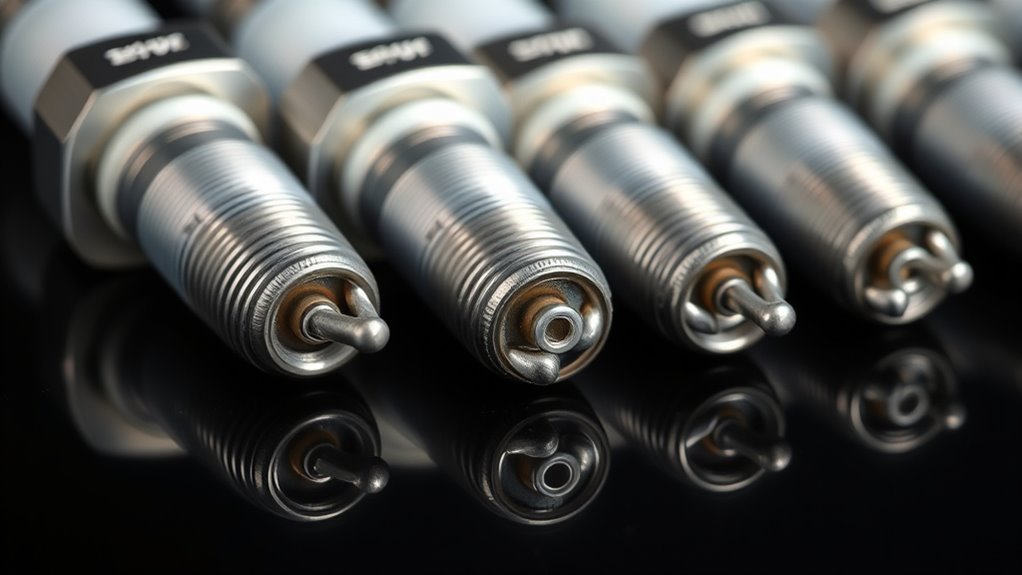
    For instance, copper spark plugs, with their high conductivity, typically last around 20,000 to 30,000 miles but wear faster due to softer electrodes.

    Platinum spark plugs, using a harder electrode material, extend lifespan to approximately 60,000 miles by resisting erosion better.

    Iridium spark plugs offer the longest durability, often exceeding 100,000 miles, thanks to their ultra-hard electrode tips that maintain peak performance over time.

    Additionally, the engineering quality of spark plug brands affects how well materials perform under heat and pressure.

    Premium brands often use advanced spark plug materials and precise manufacturing techniques, ensuring consistent durability.

    Which Driving Habits Affect Spark Plug Life?

    Your driving habits directly influence spark plug longevity.

    Frequent short trips prevent complete combustion, leading to residue buildup, while aggressive acceleration increases electrode wear.

    Additionally, extended idling causes incomplete combustion cycles, accelerating spark plug degradation.

    Frequent Short Trips

    Although short trips might seem harmless, they can considerably impact the lifespan of your spark plugs. When you frequently take short trips, your engine doesn’t reach ideal operating temperature. This leads to incomplete combustion and increased carbon deposits on the spark plugs, accelerating spark wear.

    The buildup interferes with the spark plug’s ability to generate a strong, consistent spark, reducing engine efficiency and increasing the risk of misfires. Additionally, cold starts during short trips cause more strain on ignition components. Over time, this repeated stress degrades spark plug electrodes faster than normal driving conditions.

    To mitigate premature spark plug wear caused by short trips, consider longer drives periodically to allow the engine to fully warm up and burn off deposits, preserving spark plug performance and extending their service life.

    Aggressive Acceleration Impact

    Short trips can leave carbon deposits that weaken spark plugs, but how you accelerate also plays a significant role in their longevity.

    Aggressive driving, characterized by rapid throttle changes and frequent hard acceleration, increases combustion chamber temperatures and pressure. This elevated stress accelerates electrode wear and can cause premature spark plug degradation.

    While performance enhancement modifications often encourage aggressive acceleration, they also demand higher-grade spark plugs designed to withstand increased thermal and mechanical loads.

    If you frequently engage in aggressive driving for performance gains, you’ll likely need to replace your spark plugs more often to maintain ideal ignition efficiency.

    Monitoring your driving habits and selecting spark plugs rated for higher heat ranges can help counteract the accelerated wear associated with aggressive acceleration and preserve spark plug function longer.

    Idling And Spark Wear

    When you let your engine idle for extended periods, incomplete combustion increases carbon buildup on spark plugs, accelerating electrode wear. This spark plug idling causes distinctive wear patterns that reduce ignition efficiency and overall engine performance.

    Understanding these effects helps you adjust your driving habits to extend spark plug life. Key factors include:

    • Prolonged idling leads to fouling, where deposits coat the electrodes and insulator.
    • Frequent stop-and-go traffic increases cycles of cooling and heating, intensifying wear patterns.
    • Low-speed driving without reaching ideal operating temperatures encourages incomplete combustion and carbon accumulation.

    How Can You Tell When Spark Plugs Need Replacing?

    How can you determine if your spark plugs need replacing? Regular spark plug inspections are crucial for evaluating their condition.

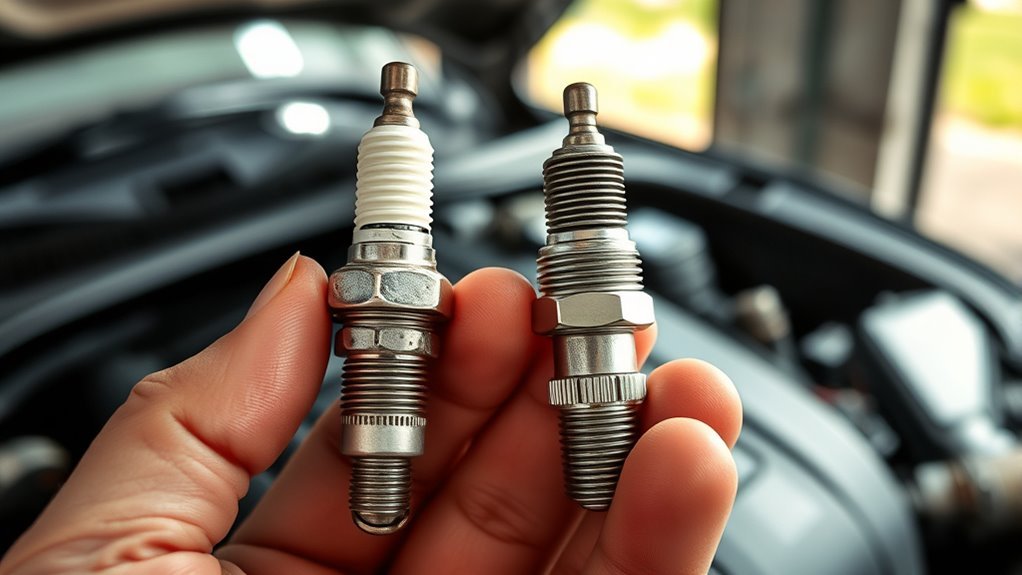
    Look for replacement signs such as excessive electrode wear, rounded edges, or heavy carbon buildup, which indicate inefficient combustion. Cracks or damage to the ceramic insulator also signal the need for replacement.

    Excessive electrode wear, rounded edges, heavy carbon buildup, or ceramic insulator damage all indicate spark plug replacement is needed.

    Additionally, if your engine experiences misfires, rough idling, or decreased fuel efficiency, these symptoms often correlate with worn spark plugs.

    You can perform a visual inspection by removing the plugs and comparing them to manufacturer guidelines. Using a feeler gauge to check electrode gaps guarantees they remain within specified tolerances.

    Why You Shouldn’t Wait to Change Worn Spark Plugs

    Recognizing worn spark plugs is important because delaying their replacement can lead to more serious engine problems. When spark plug performance declines, you risk inefficient combustion, which directly reduces engine efficiency and can cause increased fuel consumption.

    If you wait too long, you may experience misfires that strain ignition coils and catalytic converters. You might also have hard starts and rough idling, indicating combustion inconsistencies. Additionally, increased emissions occur due to incomplete fuel burning.

    Ignoring these signs compromises your engine’s reliability and could lead to costly repairs. Proactively replacing worn spark plugs maintains peak spark timing and combustion quality, preserving engine efficiency.

    Don’t wait until performance deteriorates. Timely spark plug changes prevent damage, boost fuel economy, and guarantee your vehicle runs smoothly.

    Prioritizing spark plug maintenance is essential for long-term engine health.

    How Vehicle Make & Model Affect Spark Plug Life

    Your vehicle’s make and model directly influence spark plug longevity due to variations in engine design and operating conditions.

    Manufacturers provide specific replacement intervals based on these factors to guarantee peak performance.

    Understanding these recommendations helps you maintain your engine’s efficiency and prevent premature wear.

    Engine Design Impact

    Because engine designs vary considerably between vehicle makes and models, the lifespan of spark plugs can differ accordingly. The engine configuration plays an essential role in how spark plugs wear over time.

    For example, inline engines may subject plugs to different stress patterns compared to V-type engines.

    Combustion efficiency also influences plug longevity; engines designed for higher efficiency tend to generate less fouling and electrode erosion.

    Consider these factors impacting your spark plug life:

    • Cylinder arrangement: Affects heat distribution and plug temperature.
    • Combustion chamber design: Influences flame travel and electrode exposure.
    • Ignition system type: Determines voltage requirements and stress on plugs.

    Understanding these design elements helps you anticipate when spark plugs need replacement for peak engine performance.

    Manufacturer Recommendations

    Several manufacturers specify exact spark plug replacement intervals tailored to their vehicles’ engine designs and performance requirements.

    When you consult your owner’s manual, you’ll notice these intervals vary because different makes and models use diverse spark plug materials, such as copper, platinum, or iridium, each affecting durability.

    For ideal spark plug maintenance, adhering to these manufacturer guidelines guarantees you maintain engine efficiency and prevent misfires.

    High-performance engines typically require more frequent replacements due to increased stress, while some modern vehicles with iridium plugs can exceed 100,000 miles between changes.

    Ignoring these recommendations risks premature wear or fouling, compromising combustion and fuel economy.

    Always use the specified spark plug type and replacement schedule to align with your vehicle’s engineering, assuring reliable performance and longevity.

    How to Inspect and Test Spark Plugs Yourself

    Inspecting and testing spark plugs involves a few essential steps that can reveal their condition and performance. When you perform spark plug inspection, start by removing the plug and visually checking for deposits, erosion, or damage on the electrodes.

    Next, measure the electrode gap with a feeler gauge to ascertain it matches manufacturer specifications.

    For spark plug testing, you can use a spark tester to confirm the plug produces a consistent spark under operating conditions.

    Check for carbon buildup, oil fouling, or cracks during spark plug inspection. Use a gap tool to verify the electrode spacing is correct.

    Employ a spark tester to evaluate ignition performance reliably.

    These methods provide a clear understanding of your spark plugs’ status and help you decide if replacement is necessary.

    Tips to Extend Spark Plug Life and Performance

    To maximize your spark plugs’ lifespan and maintain peak engine performance, you should follow specific maintenance and usage practices.

    Regular spark plug maintenance, including cleaning and inspecting for wear or deposits, helps prevent misfires and guarantees consistent ignition.

    Always use the recommended torque when installing plugs to avoid electrode damage or poor contact.

    Additionally, avoid prolonged engine idling, which can cause carbon buildup, reducing spark plug efficiency.

    Incorporate performance tuning by adjusting ignition timing and fuel mixtures to best settings; this reduces stress on spark plugs and enhances combustion.

    Using high-quality fuel and keeping your engine properly tuned further prevents premature wear.

    How to Choose the Right Spark Plugs for Your Vehicle

    When selecting spark plugs for your vehicle, you need to take into account factors such as engine type, manufacturer specifications, and driving conditions. Choosing the right spark plugs guarantees peak engine performance and longevity.

    Consider these points:

    • Spark plug materials: Iridium and platinum offer better durability and performance compared to copper but come at a higher cost. Match the material to your vehicle’s needs.
    • Spark plug brands: Opt for reputable brands known for quality and compatibility with your engine type to avoid premature wear or misfires.
    • Manufacturer specifications: Always follow your vehicle’s manual recommendations regarding heat range, thread size, and gap settings to maintain proper combustion efficiency.

    Frequently Asked Questions

    Can Bad Spark Plugs Cause Poor Fuel Economy?

    Yes, bad spark plugs reduce fuel efficiency by causing incomplete combustion. You should prioritize spark plug maintenance to guarantee peak engine performance and fuel economy, preventing misfires and wasted fuel in your vehicle.

    How Do Spark Plugs Affect Engine Starting?

    Spark plugs directly impact engine starting by ensuring proper ignition timing and ideal combustion. If they’re worn or fouled, your engine performance suffers, causing hard starts or misfires due to inconsistent spark delivery.

    Are Iridium Spark Plugs Better Than Platinum?

    You might think platinum efficiency suffices, but iridium durability outperforms it markedly. Iridium spark plugs last longer and resist wear better, providing superior performance and reliability under demanding engine conditions, making them a smarter choice overall.

    Can Spark Plugs Cause Engine Misfires?

    Yes, spark plug failure can cause engine misfires by disrupting the ignition process. You’ll notice a drop in engine performance, rough idling, and increased emissions. Timely inspection and replacement are essential for peak engine function.

    How Much Does Spark Plug Replacement Cost?

    You’ll shell out $50 to $150 for spark plug replacement, depending on spark plug types and replacement frequency.

    Iridium plugs cost more but last longer, reducing how often you’ll need this necessary yet pricey maintenance.

    Conclusion

    Knowing how long spark plugs last and what affects their lifespan helps you keep your engine running like clockwork. Don’t let worn plugs sneak up on you—regular inspections and timely replacements are your best defense against performance drops and costly repairs.

    By choosing the right plugs and adopting good driving habits, you’ll extend their life and keep your vehicle firing on all cylinders. Remember, a well-maintained spark plug is the heartbeat of your engine.

    Understanding how long spark plugs last ensures you maintain optimal engine performance and avoid unexpected breakdowns.