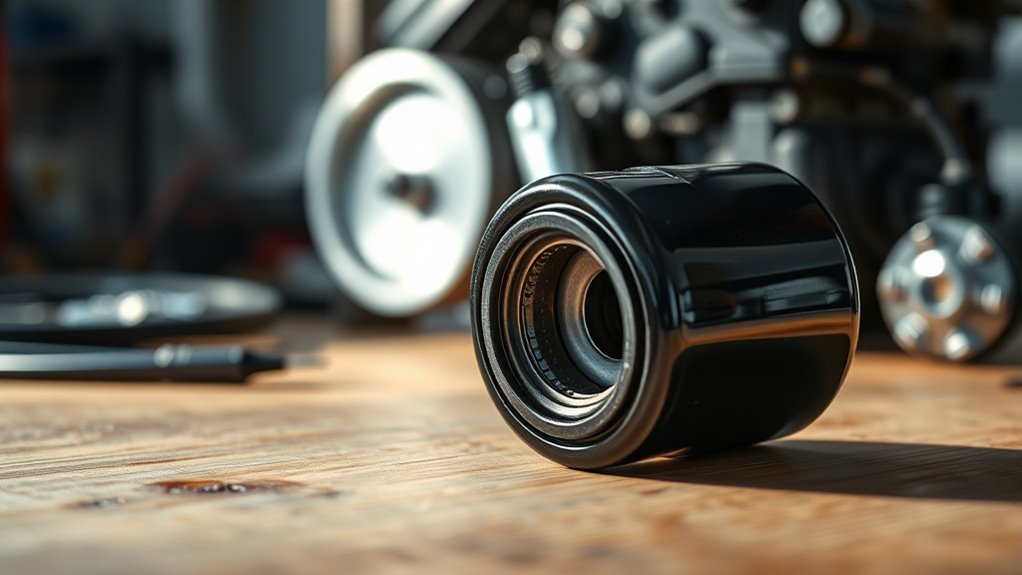

You want the best oil filter that efficiently removes contaminants without restricting oil flow and fits your vehicle’s make and model perfectly. Look for robust construction, reliable sealing, and a quality bypass valve to maintain consistent lubrication under all conditions.
Top brands like Bosch, Mobil 1, and K&N offer proven performance with advanced filtration media. Choosing the right filter and timely replacement will protect your engine’s longevity.
Explore how different types and maintenance practices can optimize your engine’s health.
Key Takeaways
- The best oil filter efficiently removes contaminants while maintaining optimal oil flow and compatibility with your vehicle’s make and model.
- High-quality filters feature durable metal casings, reliable gaskets, and well-designed bypass valves for consistent engine protection.
- Top brands like Bosch, Mobil 1, K&N, and FRAM offer advanced media technology and features tailored to enhance filtration and engine longevity.
- Regular replacement following manufacturer guidelines ensures maximum oil filter performance and prevents engine wear from clogged or degraded filters.
- Choosing filters with proven efficiency and durability safeguards engine components, supports peak lubrication, and extends engine life.
Why Oil Filters Matter for Your Engine
Oil filters play a critical role in maintaining your engine’s performance and longevity by removing contaminants from the engine oil. As your engine operates, microscopic particles like dirt, metal shavings, and carbon deposits accumulate in the oil, which can cause abrasion and wear.
A high filter efficiency guarantees these harmful contaminants are effectively trapped before circulating through engine components. By preventing abrasive particles from damaging bearings, pistons, and cylinders, the filter directly contributes to engine longevity.
Neglecting oil filter quality or replacement compromises filtration, increasing the risk of accelerated engine wear and potential failure.
Consequently, selecting an oil filter with proven filter efficiency is essential to sustaining peak lubrication and protecting your engine over time.
Oil Filter Types and How They Protect Engines
Because engines demand specific filtration needs, several types of oil filters have been developed to address varying contaminants and operating conditions. Understanding these types helps you choose the right filter materials to maximize filtration efficiency and engine protection.
Engines require tailored oil filters to effectively handle contaminants and ensure optimal protection.
Here’s a quick overview:
- Full-Flow Filters: Filter all oil before circulation, prioritizing flow rate and moderate filtration efficiency.
- Bypass Filters: Divert a small oil stream through finer filter media, enhancing filtration efficiency with specialized filter materials.
- Spin-On Filters: Self-contained units with pleated filter paper, balancing ease of replacement and effective contaminant trapping.
- Cartridge Filters: Replaceable filter elements housed in a permanent casing, allowing for advanced filter materials and improved filtration efficiency.
Each type protects your engine by removing particulates and debris, preserving oil quality and engine longevity.
What to Look for in a Great Oil Filter
Choosing the right filter involves more than just picking a type; you need to evaluate specific characteristics that determine performance and durability.
First, focus on filter efficiency—the ability to capture contaminants without restricting oil flow is essential. High efficiency guarantees your engine stays cleaner longer, reducing wear.
Next, verify filter compatibility with your vehicle’s make and model. Using an incompatible filter can lead to improper fit, leaks, or reduced filtration.
Also, consider the filter’s construction quality: a robust metal casing and reliable sealing gasket prevent deformation and leaks under pressure.
Finally, check the bypass valve specifications to guarantee oil flow continuity under extreme conditions.
Top Oil Filter Brands and What Makes Them Stand Out
Several leading brands dominate the oil filter market by consistently delivering superior filtration technology and durable construction.
When selecting from top brands, you’ll notice each offers unique features tailored to enhance engine protection and oil flow efficiency.
- Bosch: Known for high-efficiency media and advanced synthetic blend filtration.
- Mobil 1: Features synthetic fiber media for extended oil change intervals.
- K&N: Offers robust metal construction and high dirt-holding capacity.
- FRAM: Incorporates anti-drainback valves to prevent dry starts.
Understanding these unique features helps you identify which brand suits your engine’s demands best.
These top brands invest heavily in research, ensuring their filters meet or exceed OEM specifications, providing you with reliable and effective filtration.
How to Choose the Right Oil Filter for Your Vehicle
When selecting an oil filter for your vehicle, you need to take into account compatibility, filtration efficiency, and construction quality.
First, verify filter compatibility by confirming the model matches your engine’s specifications and oil type. Using a filter designed for your vehicle guarantees proper fit and peak performance.
Next, prioritize filter efficiency, which determines how well the filter captures contaminants without restricting oil flow. Look for filters with a high micron rating and advanced media technology to maintain engine cleanliness and longevity.
Finally, assess construction quality. Robust materials and secure sealing prevent leaks and withstand pressure fluctuations.
When to Upgrade Your Oil Filter and Why It Matters
You should replace your oil filter when you notice decreased engine performance or visible contamination in the oil.
Upgrading on time prevents engine wear and maintains peak lubrication efficiency.
Always prioritize high-quality filters over cheaper alternatives to guarantee reliable protection.
Signs You Need Replacement
Identifying three key indicators can help you determine when to replace your oil filter to maintain ideal engine performance. Monitoring these signs guarantees you avoid compromised filter performance or potential damage due to oil filter leaks.
- Visible oil filter leaks around the filter housing or gasket, signaling seal failure
- Decreased engine performance or unusual noises, indicating clogged or inefficient filtration
- Extended mileage beyond manufacturer’s recommendation, which increases contamination risk
- Dark, dirty oil during inspection, showing the filter isn’t effectively removing debris
Pay close attention to these factors, as they directly impact oil flow and engine lubrication.
Replacing your oil filter promptly prevents contaminants from circulating, preserving engine integrity and efficiency.
Benefits Of Timely Upgrade
Although oil filters may seem like simple components, upgrading them at the right intervals plays an essential role in maintaining ideal engine function. Timely maintenance guarantees contaminants don’t compromise oil flow, directly impacting engine longevity.
Delaying filter changes can cause clogging, reduced oil pressure, and accelerated wear.
| Upgrade Interval (miles) | Contaminant Removal Efficiency (%) | Engine Wear Reduction (%) |
|---|---|---|
| 0-3,000 | 99 | 90 |
| 3,001-5,000 | 85 | 70 |
| 5,001-7,500 | 60 | 40 |
| 7,501-10,000 | 30 | 15 |
| 10,000+ | 10 | 5 |
Choosing Quality Over Cost
Since oil filters directly affect engine performance and longevity, prioritizing quality over cost is crucial when deciding on replacement timing.
You need to evaluate filters made from quality materials that withstand high pressure and temperature fluctuations.
Relying solely on the lowest price can lead to premature clogging or bypass valve failure, risking engine damage.
A thorough cost analysis reveals that investing in a superior filter reduces long-term maintenance expenses and extends engine life.
Consider these factors to guide your upgrade decision:
- Filtration efficiency and media durability
- Resistance to collapse under extreme conditions
- Manufacturer specifications aligning with your engine type
- Total cost of ownership beyond initial purchase price
Choosing premium filters guarantees maximum engine protection and justifies the upgrade timing based on performance, not just cost.
How to Install and Maintain Your Oil Filter for Best Performance
When you install and maintain your oil filter correctly, you guarantee peak engine performance and longevity.
Begin oil filter installation by selecting the right filter for your vehicle’s specifications.
Before mounting, lubricate the rubber gasket with fresh oil to guarantee a proper seal. Screw the filter on by hand until snug, then tighten an additional three-quarters turn. Avoid over-tightening to prevent damage.
For oil filter maintenance, routinely check for leaks and replace the filter at every oil change or as recommended by the manufacturer. Dispose of used filters responsibly.
Regular oil filter maintenance removes contaminants effectively, protects internal engine components, and maintains peak oil flow.
Following these precise steps guarantees your engine stays clean, efficient, and reliable throughout its lifespan.
Frequently Asked Questions
Can Oil Filters Affect Fuel Efficiency?
Yes, poor oil filtration can reduce your fuel economy by causing engine inefficiency. Using a high-quality oil filter guarantees ideal oil flow, reducing friction and wear, which helps maintain your vehicle’s fuel efficiency and performance.
Are Reusable Oil Filters Worth It?
You might think reusable oil filters aren’t worth it, but their reusable benefits include cost savings and reduced waste. They also minimize environmental impact by cutting disposable filter waste, making them a technically sound, eco-friendly choice.
How Do Oil Filters Impact Engine Noise?
You’ll notice that high-quality oil filter types reduce engine noise by maintaining consistent oil flow and trapping contaminants efficiently, preventing mechanical wear. This noise reduction improves engine smoothness and longevity by minimizing friction and vibrations.
Can Bad Oil Filters Cause Engine Overheating?
Yes, bad oil filters can cause engine overheating by restricting oil flow. Different oil filter types demand proper oil filter maintenance to guarantee efficient lubrication, preventing heat buildup and protecting your engine from damage.
Do Oil Filter Warranties Cover Engine Damage?
You’d think oil filter warranties would cover engine damage risks, but they usually don’t. They typically cover defects, not consequential engine damage.
Always check terms carefully to avoid surprises when problems arise during warranty claims.
Conclusion
Choosing the best oil filter isn’t just about brand names—it’s about understanding how it protects your engine from harmful contaminants. You want a filter that offers reliable filtration, durability, and fits your vehicle’s specifications perfectly.
With the right knowledge, you can make an informed choice that extends your engine’s life and performance.
So, why settle for less when your engine deserves the best protection every mile you drive? Choosing the best oil filter ensures your engine stays clean and runs smoothly for years to come.