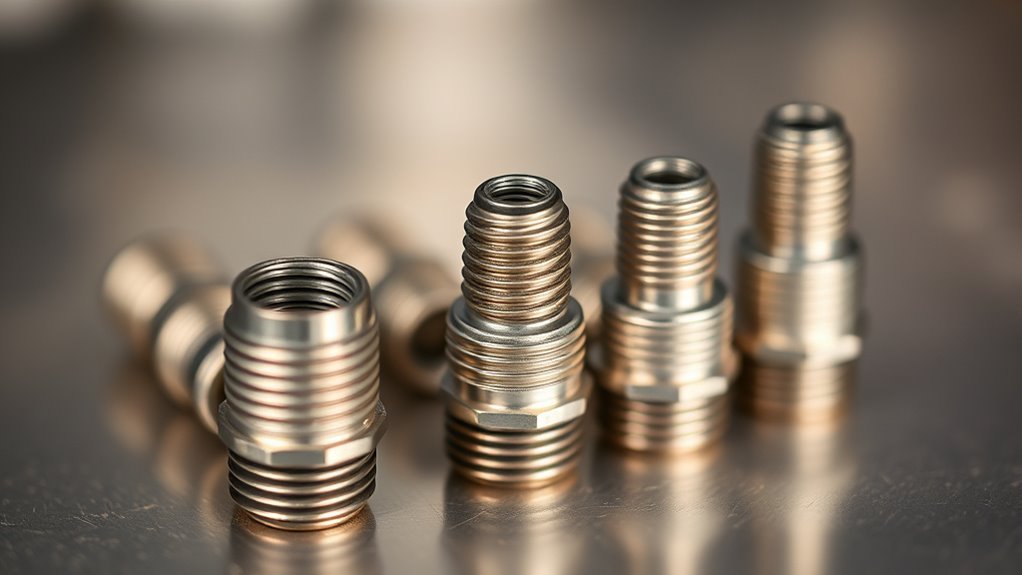

Carburetor jets vary in thread size because they need to fit specific carburetor models and engine requirements precisely. The thread size impacts fuel flow by ensuring proper seating and alignment, which is critical for maintaining the correct air-fuel mixture. Different engines demand distinct thread sizes to optimize performance, durability, and compatibility.
Using the wrong thread can cause leaks or poor fuel delivery, which negatively affects engine operation. Understanding how thread size variations affect your engine helps you make informed maintenance and upgrade choices. Proper thread sizing ensures reliable fuel flow and overall engine efficiency.
Key Takeaways
- Carburetor jets vary in thread size to match specific carburetor models and ensure proper fit and fuel flow regulation.
- Different engine types require distinct thread sizes to optimize fuel delivery and accommodate engine design constraints.
- Thread size differences prevent leaks and cross-threading by providing precise seating and alignment in the carburetor body.
- Manufacturers use various thread standards to tailor jets for performance needs and compatibility with diverse carburetor designs.
- Variations in thread size affect internal fuel passage dimensions, influencing the air-fuel mixture and overall engine efficiency.
What Are Carburetor Jets and Why Thread Size Matters
Carburetor jets control the flow of fuel into the engine by regulating the mixture of air and fuel. Understanding their role is critical, as different carburetor types require specific jet configurations to optimize performance.
Carburetor jets precisely regulate fuel flow, tailoring air-fuel mixtures to suit specific carburetor types for optimal engine performance.
When you examine jets, you’ll notice they come in various thread sizes, which guarantee compatibility with particular carburetor models and affect sealing integrity. Jet materials, commonly brass or stainless steel, influence durability and corrosion resistance, impacting long-term fuel flow consistency.
Selecting the correct thread size ensures a precise fit, preventing leaks and maintaining the designed fuel metering.
As you work with jets, recognizing how thread size interfaces with carburetor types and jet materials helps you maintain engine efficiency and reliability during tuning or replacement.
How Thread Size Affects Fuel Flow and Engine Performance
You’ll find that the thread size directly influences the fuel delivery rate by controlling how securely the jet seats and how fuel passages align.
A mismatched or improper thread size can restrict flow, causing inefficient combustion and reduced engine performance.
Understanding this relationship helps you optimize engine efficiency by selecting the correct jet size for your carburetor.
Thread Size And Fuel Delivery
Although thread size might seem like a minor detail, it directly influences fuel delivery by determining the jet’s sealing integrity and flow capacity.
When you select a jet with the correct thread size, you guarantee ideal thread compatibility, which prevents leaks and maintains consistent fuel mixture ratios.
A mismatch in thread size compromises the seal, causing fluctuations in fuel flow that disrupt the precise air-fuel balance needed for efficient combustion.
Additionally, variations in thread diameter affect the internal passage dimensions, subtly altering the volume of fuel that passes through.
By understanding how thread size impacts these factors, you can better control fuel delivery, assuring reliable engine response and consistent performance.
Precision in thread sizing is therefore essential for maintaining the intended fuel mixture and overall carburetor function.
Impact On Engine Efficiency
When thread size doesn’t match the specifications, it disrupts fuel flow rates, directly affecting engine efficiency by altering combustion dynamics.
Incorrect thread size leads to improper jet calibration, causing inconsistent fuel atomization. This inconsistency hinders the precise mixture of air and fuel, reducing combustion quality and power output.
You’ll notice that even minor deviations in thread dimensions can cause leaks or improper seating, which disturbs fuel delivery and alters the air-fuel ratio.
Maintaining the correct thread size guarantees the jet fits securely, preserving ideal fuel atomization and consistent jet calibration.
Ultimately, this precision supports efficient combustion, maximizing power and minimizing fuel consumption.
How Engine Types Influence Carburetor Jet Thread Sizes
You’ll find that different engine designs demand specific carburetor jet thread sizes to match their unique fuel delivery needs.
High-performance engines often require larger or more precise threads to handle increased fuel flow rates without leakage.
Understanding these variations helps you select the right jet for ideal engine efficiency and reliability.
Engine Design Variations
Because various engine designs demand specific fuel delivery characteristics, the thread size of carburetor jets often varies accordingly.
When you examine different engine configurations, such as inline, V-type, or flat engines, you’ll notice distinct design adaptations influencing jet thread dimensions.
For example, compact engine layouts may require smaller jets with finer threads to fit constrained carburetor bodies, while larger or multi-cylinder configurations often use coarser threads for durability and ease of maintenance.
These adaptations guarantee ideal fuel metering aligned with the engine’s air-fuel flow dynamics.
Additionally, variations in port orientation and carburetor mounting angles necessitate tailored jet threading to maintain sealing integrity and prevent fuel leaks.
Understanding these engineering nuances clarifies why carburetor jets aren’t standardized but customized to match specific engine design parameters.
Performance Requirements Differences
Variations in engine design directly impact the performance demands placed on carburetor jets, shaping their thread sizes accordingly.
When you consider high-performance engines, their fuel delivery requirements necessitate precise jet calibration to optimize air-fuel mixture under varying loads and speeds.
Larger or more complex engines often require jets with robust thread sizes to withstand repeated adjustments during performance tuning without compromising seal integrity.
Conversely, smaller or less powerful engines use finer threads, enabling delicate control over fuel flow for efficient combustion.
Your choice of jet thread size must account for the engine’s operational parameters and tuning goals, ensuring reliable installation and consistent fuel metering.
Ultimately, understanding how engine types influence jet calibration lets you select thread sizes that support accurate, stable performance tuning tailored to specific performance needs.
Common Carburetor Jet Thread Sizes and Their Applications
Carburetor jets come in several standardized thread sizes that determine their compatibility with different engine models and fuel delivery requirements.
Understanding these sizes is essential for effective jet sizing and performance tuning.
Here are the common thread sizes and their typical applications:
- M5x0.8: Widely used in small engines and motorcycles, offering fine control over fuel flow.
- M6x1.0: Common in automotive carburetors, balancing durability and precise fuel metering.
- 10-32 UNF: Found in older or specialized engines, preferred for retrofit and custom setups.
- M7x1.0: Utilized in high-performance engines requiring robust jets for aggressive tuning.
Selecting the correct thread size guarantees secure installation and peak fuel delivery, directly impacting engine efficiency and responsiveness during performance tuning.
Why Manufacturers Use Different Carburetor Jet Thread Standards
Although standardization might seem ideal, manufacturers adopt different carburetor jet thread standards to address diverse engine designs, performance requirements, and manufacturing constraints.
When you consider jet standardization challenges, you’ll find factors like varying thread pitch, diameter, and material compatibility complicate uniformity.
Manufacturers must tailor thread specifications to optimize fuel flow and maintain engine efficiency across different models.
Additionally, manufacturing inconsistencies, such as tooling variations or production tolerances, can lead to slight deviations in thread dimensions, reinforcing the need for distinct standards.
By employing varied thread standards, manufacturers guarantee precise fitment and reliable function within their specific carburetor systems, even if it complicates cross-compatibility.
This diversity reflects a balance between engineering precision and practical manufacturing realities rather than oversight or arbitrary choice.
How Thread Size Affects Compatibility and Replacement Options
When selecting replacement jets, you’ll find that thread size directly determines compatibility with your carburetor. Ignoring jet specifications can lead to compatibility issues, causing improper fit or fuel flow problems.
Here’s how thread size impacts your options:
- Guarantees precise fit. Matching thread diameter and pitch prevents leaks or stripping.
- Limits interchangeability. Jets with different thread sizes aren’t universally compatible.
- Affects sourcing. Correct thread size narrows down replacement suppliers and parts.
- Influences performance. Improper thread size can disrupt fuel delivery and engine efficiency.
Understanding these factors helps you avoid compatibility issues and select replacement jets that maintain peak carburetor function.
Always verify thread specifications alongside other jet parameters for seamless integration and reliable performance.
Key Tips for Choosing the Correct Carburetor Jet Thread Size
Since thread size directly affects fit and function, you need to accurately identify the specifications before selecting a replacement jet.
Begin by measuring the thread diameter and pitch using precise tools like calipers and thread gauges to avoid thread compatibility challenges.
Cross-reference these measurements with manufacturer data or trusted jet selection techniques databases to guarantee an exact match.
Avoid assumptions based on visual similarities, as even minor deviations can cause improper sealing or damage.
Consider the carburetor model and year, since thread standards vary across manufacturers and production periods.
Finally, confirm that the jet’s material and coating align with your engine’s operating environment to maintain longevity.
Following these steps guarantees peak performance and prevents costly installation errors.
Troubleshooting Carburetor Jet Thread Size Problems
Accurately identifying and matching the carburetor jet thread size doesn’t eliminate all risks of fitment issues. During jet installation, you might still face challenges caused by thread compatibility.
To troubleshoot effectively, focus on these key steps:
To troubleshoot effectively, concentrate on visual inspection, thread pitch verification, gentle test fitting, and thorough cleaning.
1. Inspect Threads Visually
Look for cross-threading or damage that hinders proper engagement.
2. Verify Thread Pitch
Use a thread pitch gauge to confirm the jet and carburetor threads align precisely.
3. Test Fit Without Force
Gently insert the jet; resistance or looseness signals incompatibility or damage.
4. Clean Threads Thoroughly
Remove debris or corrosion that can affect thread engagement and sealing.
How to Safely Change or Upgrade Carburetor Jets
Changing or upgrading carburetor jets involves several critical steps to assure peak engine performance and prevent damage.
First, ascertain you identify the correct jet thread size to avoid cross-threading or stripping. Use appropriate jet replacement techniques, such as employing proper wrenches and applying steady torque.
Before removal, clean the area to prevent debris from entering the carburetor.
When selecting new jets, focus on jet sizing considerations. Verify the size matches your engine’s fuel and air requirements to optimize combustion.
After installation, inspect the seating and sealing surfaces to prevent leaks.
Finally, test engine performance under various conditions to confirm the upgrade’s effectiveness.
Following this methodical approach minimizes risks and enhances reliability during carburetor jet changes or upgrades.
Frequently Asked Questions
Can Carburetor Jet Thread Size Affect Fuel Efficiency?
Yes, carburetor jet thread size affects fuel delivery precision, which directly impacts fuel efficiency. You’ll need proper thread sizing for accurate performance tuning, ensuring ideal air-fuel mixture and preventing inefficient combustion or fuel wastage.
Do Thread Sizes Differ Between Two-Stroke and Four-Stroke Engines?
You’d think thread sizes are universal, but no. They differ between two-stroke and four-stroke engines. Ensuring thread compatibility is essential for best engine performance, as mismatched jets can disrupt fuel flow and harm efficiency.
Are There Universal Tools for Measuring Carburetor Jet Thread Size?
You won’t find truly universal jet tools since thread sizes vary widely. Instead, use precise jet measurement techniques like thread pitch gauges and calipers to identify sizes accurately before selecting compatible tools or replacements.
How Often Should Carburetor Jets Be Inspected for Thread Wear?
Like clockwork in a Swiss watch, you should perform jet maintenance and thread inspection every 10-15 hours of engine use. This guarantees precise fuel flow and prevents thread wear from compromising your carburetor’s performance.
Can Incorrect Jet Thread Size Cause Engine Flooding or Lean Conditions?
Yes, incorrect jet thread size causes jet alignment issues and thread compatibility concerns, leading to improper fuel flow. This misalignment can result in engine flooding or lean conditions, impacting performance and risking engine damage if not promptly corrected.
Conclusion
When you handle carburetor jets, picture the intricate dance of fuel threading precisely through minute channels. Each thread size shapes flow and engine pulse. Choosing the right thread isn’t just about fit—it’s about tuning performance and ensuring reliability under pressure.
By understanding thread variations and their impact, you’ll confidently select or replace jets. This knowledge helps avoid mismatches that choke power or cause leaks. Precision in thread size keeps your engine humming smoothly, like a well-oiled machine.
Ultimately, knowing why carburetor jets vary in thread size is key to maintaining optimal engine function and achieving the best performance.