Author: hello@wash-o-rama.com

  • Which Way to Turn Oil Filter

    Which Way to Turn Oil Filter

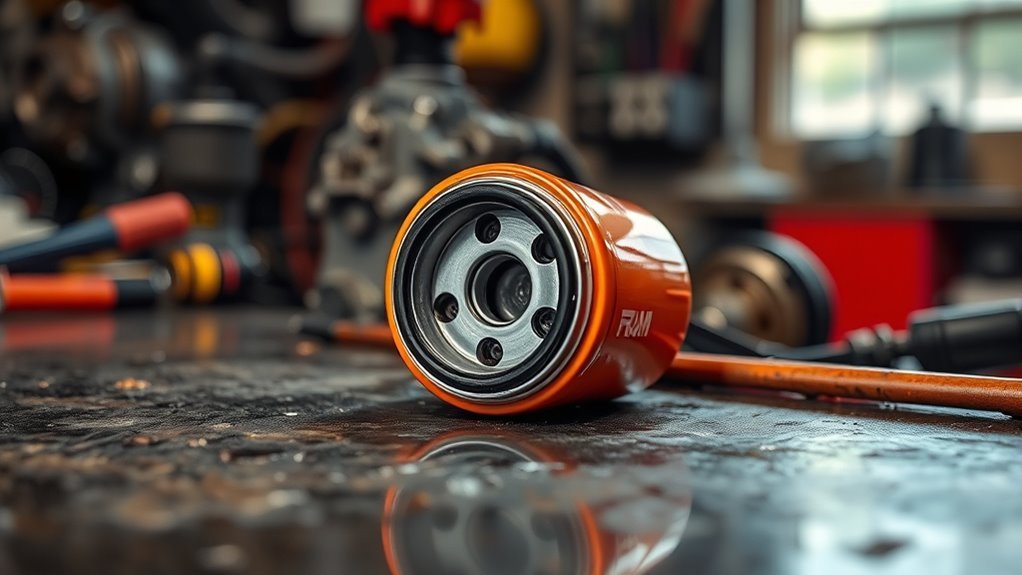
    Which way to turn oil filter is an important question when performing an oil change. You should turn your oil filter counterclockwise to remove it and clockwise to install it, ensuring a proper seal and preventing leaks.

    Use a suitable oil filter wrench for grip, apply steady pressure, and avoid over-tightening by following the manufacturer’s torque specifications. If the filter is stuck, gently tap it or apply penetrating oil before trying again.

    Proper technique extends engine life and avoids damage—keep going for more tips on safe removal and installation methods.

    Key Takeaways

    • To remove an oil filter, always turn it counterclockwise, regardless of brand or type.
    • When installing, turn the oil filter clockwise until the gasket contacts the mounting surface, then tighten an additional three-quarters to one turn.
    • Use an appropriate oil filter wrench or socket to ensure a secure grip and avoid damage.
    • Avoid over-tightening to prevent thread stripping and ensure a proper seal.
    • If the filter is stuck, apply penetrating oil and use steady, controlled pressure while turning counterclockwise.

    Why It’s Important to Turn Your Oil Filter the Right Way

    Although it might seem straightforward, turning your oil filter the right way is essential to establish a proper seal and prevent leaks.

    Correct oil filter orientation establishes the gasket seats evenly against the engine surface, avoiding gaps that cause oil seepage.

    When you apply proper filter installation techniques, you align the threads precisely, reducing the risk of cross-threading or damage. Misalignment can lead to a loose fit, jeopardizing engine performance and safety.

    You should tighten the filter by hand until the gasket contacts the mounting surface, then follow the manufacturer’s recommended torque or turning angle. This method secures the filter without over-tightening, which can strip threads or deform the gasket.

    Proper oil filter orientation and installation techniques safeguard engine longevity and maintain consistent oil pressure.

    The Simple Rule: Turn Oil Filters Counterclockwise to Remove

    Making sure your oil filter is installed correctly includes knowing how to remove it properly when the time comes. The simple, universal rule is to turn oil filters counterclockwise to remove them.

    Regardless of oil filter types, whether spin-on or cartridge style, counterclockwise rotation loosens the filter’s threads. When dealing with various oil filter brands, this rule remains consistent, as manufacturers design filters to secure tightly clockwise.

    Turning oil filters counterclockwise loosens them, a consistent rule across all types and brands.

    Use an appropriate oil filter wrench to maintain grip and avoid damage. Apply steady force, turning slowly to prevent stripping the threads. If a filter feels stuck, a small penetrating lubricant can help ease removal.

    Following this counterclockwise rule guarantees safe, efficient oil filter changes and prevents costly engine damage caused by improper removal.

    Signs You’re Turning the Oil Filter the Wrong Way

    If you find the oil filter resisting removal despite applying force, you might be turning it the wrong way. Proper installation techniques dictate turning the oil filter counterclockwise to remove it.

    Turning it clockwise when attempting removal can cause damage or stripping. Watch for these signs:

    Sign Explanation
    Oil filter doesn’t budge Likely turned clockwise, tightening it further
    Unusual resistance Wrong direction increases friction on seal
    Damaged filter threads Applying force in wrong direction can strip threads
    Oil leaks after reinstallation Incorrect removal can damage seal, causing leaks

    Recognizing these signs helps correct your approach quickly, preventing further issues during maintenance.

    How to Loosen a Stuck Oil Filter Safely

    When you encounter a stuck oil filter, applying too much force without the right technique can damage the filter or surrounding components.

    Begin by verifying you’re turning the oil filter counterclockwise, the standard removal direction.

    To loosen it safely, first clean the filter’s surface to improve grip. Then, use steady, controlled pressure rather than sudden force.

    If it remains stuck, try tapping the filter gently with a rubber mallet to break the seal.

    Another removal technique involves applying a penetrating oil around the filter base and allowing it to sit for several minutes to loosen corrosion or grime.

    Avoid using excessive leverage, which risks damaging the filter housing.

    Essential Tools for Removing and Installing Oil Filters

    Proper oil filter removal and installation require specific tools designed to fit securely and provide adequate leverage without damaging components.

    To work efficiently, you’ll need:

    1. Filter wrenches. These come in various styles (strap, chain, or cap) to grip different filter sizes firmly.
    2. Oil filter socket. A socket designed to fit over the end of the filter, allowing you to use a ratchet or breaker bar for controlled turning.
    3. Ratchet wrench. Paired with the oil filter socket, it provides precise torque application during removal and installation.
    4. Oil catch pan. While not a tool for turning, it’s essential to catch spilled oil during the process.

    Using the right tools guarantees you avoid damaging the oil filter housing and achieve a proper seal when installing the new filter.

    Tips to Remove and Install Oil Filters Safely

    You’ll want to turn the oil filter counterclockwise to remove it, applying steady pressure to avoid slipping.

    When installing, verify the gasket seats properly and tighten the filter according to the manufacturer’s torque specifications.

    Following these steps prevents leaks and guarantees a secure fit for peak engine performance.

    Proper Removal Techniques

    Mastering oil filter removal requires the right tools and a methodical approach to prevent spills and damage. Proper filter maintenance hinges on effective removal techniques. Follow these steps:

    1. Prepare the area: Place a drain pan beneath the filter to catch residual oil and wear gloves to avoid skin contact.
    2. Loosen the filter: Use an oil filter wrench, turning the filter counterclockwise. Apply steady pressure to avoid crushing it.
    3. Remove gently: Once loose, unscrew by hand carefully to prevent oil spillage. Keep the filter upright.
    4. Inspect the mounting surface: Check for old gasket remnants to guarantee a clean seal during installation.

    Adhering to these removal techniques minimizes contamination risks and supports efficient filter maintenance.

    Secure Installation Tips

    Although removing the oil filter carefully is essential, securing its installation is equally important to prevent leaks and guarantee engine performance.

    Start by applying a thin layer of clean oil to the new oil filter’s gasket. This confirms a proper seal and makes future removal easier.

    Screw the oil filter onto the engine by hand, turning it clockwise until the gasket contacts the mounting surface. Avoid cross-threading by aligning the filter correctly before tightening.

    Once seated, tighten the oil filter an additional ¾ to 1 full turn by hand. Don’t overtighten, as this can damage the gasket or filter housing.

    After installation, check for leaks during engine start-up and after a short run. Proper filter installation confirms efficient oil flow and engine protection.

    Common Mistakes to Avoid When Changing Oil Filters

    When changing your oil filter, make certain you install it in the correct orientation to guarantee proper sealing and function.

    Don’t over-tighten the filter, as this can damage the seal or housing.

    Always inspect the seal for integrity before final installation to prevent leaks.

    Proper Filter Orientation

    Since improper filter orientation can lead to oil leaks and engine damage, you need to make sure the oil filter is aligned correctly during installation.

    Proper filter orientation guarantees peak sealing and oil flow.

    Follow these installation techniques to avoid mistakes:

    1. Identify the threaded side of the filter; this must face the engine’s mounting surface.
    2. Lightly lubricate the rubber gasket with clean oil to improve the seal and ease of removal.
    3. Screw the filter on by hand, turning it clockwise until the gasket contacts the mounting surface.
    4. Tighten the filter according to manufacturer specifications, usually ¾ to 1 full turn after gasket contact.

    Adhering to these steps guarantees the filter seats properly, preventing leaks and maintaining engine protection.

    Avoid Over-Tightening

    Even if you think tightening the oil filter more guarantees a better seal, over-tightening can cause serious damage. When you install the oil filter, follow the manufacturer’s torque specifications precisely.

    Over tightening can strip the threads on the filter or the engine block, leading to leaks or costly repairs. Use your hand to screw the filter on until the gasket contacts the mounting surface, then tighten it about three-quarters to one full turn more.

    Avoid using tools that can exert excessive force. Remember, the gasket compresses to form the seal; applying too much torque risks crushing or deforming it.

    Proper tightening guarantees a secure fit without compromising the oil filter’s integrity or the engine’s components. Always prioritize controlled torque over brute force.

    Check Seal Integrity

    Inspect the oil filter gasket carefully before installation to confirm a proper seal. Neglecting seal inspection can lead to oil leaks and engine damage.

    Follow these steps to guarantee seal integrity:

    1. Examine the gasket for cracks, tears, or deformities before placing the filter.
    2. Apply a thin layer of clean oil on the gasket to improve filter alignment and seal.
    3. Position the filter correctly on the mounting surface, confirming even contact of the gasket.
    4. After tightening, double-check that the gasket remains seated and undistorted to prevent leaks.

    Performing a thorough seal inspection and maintaining precise filter alignment will help you avoid common mistakes and confirm reliable engine protection.

    When to Replace or Reuse Your Oil Filter

    Determining when to replace or reuse your oil filter depends on several factors, including mileage, oil type, and engine condition.

    You should adhere to the manufacturer’s recommended filter replacement frequency, which often aligns with oil change intervals to maintain peak filtration performance.

    Oil filter longevity varies based on synthetic versus conventional oil use; synthetic oils usually allow longer intervals. If your engine operates under severe conditions, such as extreme temperatures or heavy loads, you’ll need more frequent replacements.

    Reusing an oil filter is generally discouraged because contaminants accumulate and reduce filtration efficiency, risking engine wear. Always inspect the filter for seal integrity and physical damage before considering reuse.

    Prioritize timely replacement to guarantee effective filtration, protect engine components, and sustain overall performance.

    How to Change Your Oil Filter Without Damage

    Replacing your oil filter requires careful handling to prevent damage that could compromise its function or cause leaks.

    Proper care during oil filter replacement ensures optimal performance and prevents leaks or damage.

    Different oil filter types and oil filter brands vary in design, so follow these steps precisely:

    1. Identify the correct oil filter for your vehicle, considering compatibility with oil filter types and recommended oil filter brands.
    2. Use an appropriate oil filter wrench to loosen the filter by turning it counterclockwise; avoid excessive force to prevent casing deformation.
    3. Before installing the new filter, apply a thin layer of clean engine oil to the rubber gasket to guarantee a proper seal.
    4. Screw the new filter on by hand, turning clockwise until the gasket contacts the mounting surface, then tighten an additional ¾ turn. Don’t overtighten.

    These steps minimize damage risk, guaranteeing reliable oil filtration and engine protection.

    Frequently Asked Questions

    Can I Use Any Oil Filter Brand for My Car?

    You can’t use just any oil filter brand; you need to guarantee oil filter compatibility with your car’s specifications. Prioritize filter brand quality to maintain engine performance and avoid damage by selecting certified, reliable filters only.

    How Often Should I Change My Oil Filter?

    You shouldn’t wait forever. Oil filter lifespan usually maxes out at 7,500 miles or six months. Stick to your maintenance schedule precisely to avoid engine damage and guarantee peak filtration performance for your vehicle’s longevity.

    Does Oil Filter Size Vary Between Car Models?

    Yes, oil filter size varies between car models due to differing oil filter dimensions and oil filter compatibility requirements. Always verify the exact specifications to confirm proper fit and maximum engine protection in your vehicle.

    What Happens if I Overtighten the Oil Filter?

    If you overtighten the oil filter, you risk oil filter damage and warping the gasket, leading to oil filter leaks. Always tighten it hand-tight plus a quarter turn to guarantee a proper seal without damage.

    Can I Change the Oil Filter Without Lifting the Car?

    You can change the oil filter without lifting the car if oil filter accessibility is sufficient. Use proper tools and guarantee safety.

    For DIY oil changes, verify clearance under the vehicle before starting to avoid complications.

    Conclusion

    Never underestimate the power of turning your oil filter the right way—turning it clockwise to remove could cause a mechanical meltdown of epic proportions! Always twist counterclockwise to avoid stripped threads, oil spills, or a stuck filter that feels like it’s fused to your engine.

    Use the proper tools, apply steady force, and follow the steps precisely. Master this simple action, and you’ll save yourself from catastrophic engine damage and costly repairs every single time.

    Remember, knowing which way to turn oil filter is crucial for maintaining your engine’s health and ensuring a smooth oil change process.

  • How to Identify a Holley Carburetor

    How to Identify a Holley Carburetor

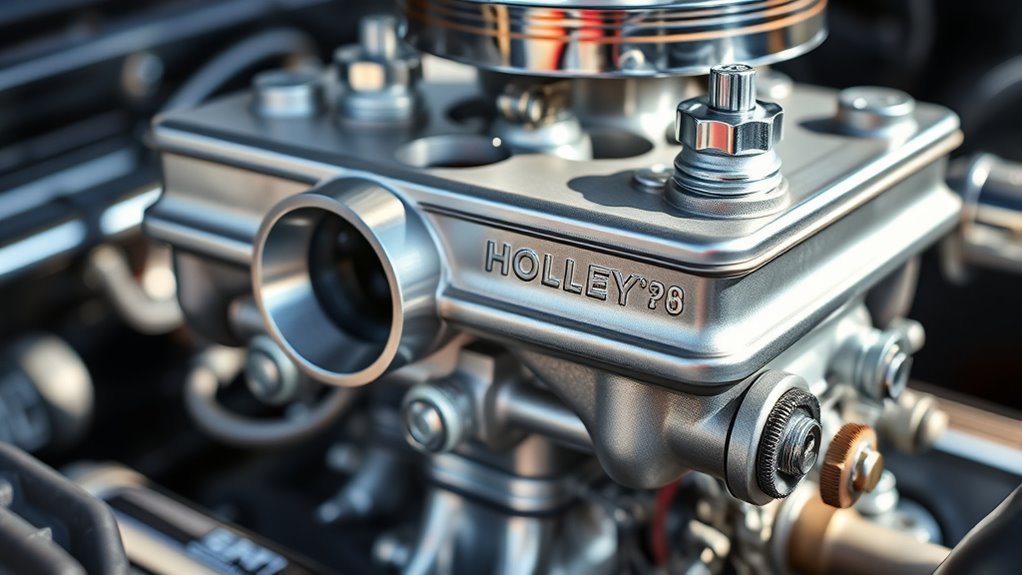
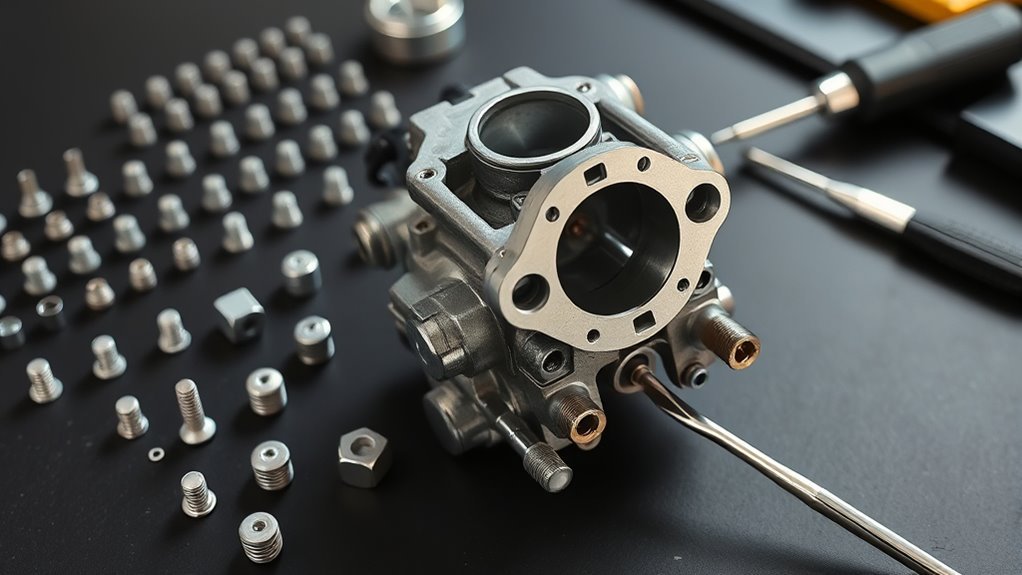
    To identify a Holley carburetor, start by inspecting its body for the “Holley” logo. This logo is often found in raised or recessed lettering, typically on the fuel bowl or throttle body. Spotting this mark is a key first step in recognition.

    Next, locate the stamped model number, which is usually near the base or on the passenger side flange. This number helps verify the specific Holley carburetor model you are examining.

    Additionally, decode any date stamps, which combine letters and numbers to provide production details. Look for the characteristic dual-barrel design, precise machining, and consistent wear patterns.

    Verifying these details confirms the carburetor’s authenticity and performance focus. Exploring further will help you understand unique design features and how to check for genuine Holley parts.

    Key Takeaways

    • Look for the “Holley” logo in script or block letters on the fuel bowl or throttle body casting.
    • Locate the model number stamped near the base or passenger side flange of the carburetor body.
    • Check for date codes combining letters and numbers indicating manufacturing month, day, and year.
    • Inspect machining quality, clean casting marks, and consistent wear patterns for authenticity.
    • Verify distinctive dual-barrel design and presence of features like the metering block and accelerator pump.

    How To Spot A Holley Carburetor Logo And Casting Marks

    When examining a carburetor, the Holley logo and casting marks provide the most reliable identification clues.

    For precise logo identification, look for the distinct “Holley” script or block lettering typically embossed or cast into the fuel bowl or throttle body. These logos often appear recessed or raised, depending on the casting process.

    Pay close attention to the casting features surrounding the logo, such as the shape of the fuel bowl, venturi design, and throttle linkage mounts, as these details confirm authenticity.

    The presence of consistent, clean casting marks without irregularities indicates genuine Holley manufacturing.

    Finding The Model Number On Your Holley Carburetor

    Where exactly can you locate the model number on your Holley carburetor?

    For accurate model identification, the model number is typically stamped on the main body of the carburetor, near the base or on the passenger side flange.

    It’s often found as a four- or five-digit number, sometimes accompanied by a letter suffix, indicating specific carburetor variations. You might need to clean the area gently to reveal the stamped digits clearly.

    Keep in mind that different Holley models have slight differences in the placement of these numbers, but they’re consistently cast or stamped into the metal for durability.

    Locating this model number is essential to distinguish among variations accurately, facilitating proper identification, maintenance, or replacement of your Holley carburetor.

    What The Date Codes On Holley Carbs Mean

    You’ll find date codes stamped on your Holley carburetor that reveal its exact manufacturing date, essential for verifying authenticity and compatibility.

    These codes use a specific format combining letters and numbers to indicate the month, day, and year of production.

    Understanding how to decode these stamps guarantees you can accurately identify the carb’s production timeline and match it to your engine’s requirements.

    Decoding Holley Date Stamps

    Although Holley carburetors come with various identification marks, the date stamp provides crucial insight into the manufacturing timeline and authenticity of the unit.

    To decode these stamps, you need to understand their format, which typically includes a combination of letters and numbers indicating the month, day, and year of production.

    The date code significance lies in verifying the carburetor’s originality and matching it to the correct engine application.

    Use decoding techniques such as referencing Holley’s official charts or guides that translate stamped codes into exact dates.

    Pay close attention to subtle variations in font style and placement, as these can affect interpretation.

    Mastering this decoding process guarantees you accurately determine the carburetor’s manufacturing date and maintain historical accuracy in restoration or performance tuning.

    Importance Of Manufacturing Dates

    Because manufacturing dates reveal when a Holley carburetor was produced, they play a critical role in verifying its compatibility and authenticity. When you analyze these date codes, you gain manufacturing significance by confirming that the carburetor matches the vehicle’s original production period.

    Accurate date interpretation helps distinguish genuine Holley carbs from aftermarket or counterfeit units. You’ll find date stamps typically encoded with month and year information, often positioned near the casting number or on the carburetor body.

    By decoding these marks precisely, you guarantee the part’s integrity and maintain correct restoration standards. Understanding the manufacturing timeline also aids in identifying design revisions or improvements linked to specific production runs, which can affect performance and fitment.

    Consequently, mastering manufacturing date interpretation is essential for accurate Holley carburetor identification.

    Holley Carburetor Design Features You Should Know

    When examining a Holley carburetor, you’ll notice its distinctive dual-barrel setup designed for efficient fuel-air mixture delivery. Key Holley carburetor components include the metering block, float bowl, and accelerator pump, each engineered to optimize performance based on Holley carburetor history of innovation.

    This design guarantees precise fuel metering and responsiveness.

    Component Function
    Metering Block Controls fuel flow to jets
    Float Bowl Maintains fuel level
    Accelerator Pump Provides extra fuel during acceleration

    Understanding these features helps you identify Holley carburetors accurately. Their design reflects decades of refinement aimed at balancing power and efficiency, a hallmark rooted deeply in Holley carburetor history.

    If you’re looking to identify the right Holley carburetor for your engine, understanding the specifications and applications of popular models is essential.

    Holley carburetor types such as the 4150 and 4160 stand out for their distinct fuel metering systems and throttle bore sizes.

    The 4150 features vacuum-secondary operation, ideal for street performance, while the 4160 employs mechanical secondaries suited for racing applications.

    Key Holley carburetor features include adjustable fuel bowls, replaceable jets, and consistent airflow design, which impact tuning precision and engine response.

    Additionally, the Holley Sniper series offers electronic fuel injection integration for modernized control.

    Recognizing these models and their specific features helps you match your carburetor to engine demands, ensuring peak performance and reliability.

    How To Tell If Your Holley Carburetor Parts Are Genuine

    How can you be certain that your Holley carburetor parts are authentic and not counterfeits?

    Start by closely inspecting the machining quality. Genuine parts exhibit consistent, precise casting marks and clean edges.

    Check for the official Holley logos and part numbers stamped or engraved; these should be sharp and perfectly aligned.

    Counterfeit signs include irregular fonts, misspelled brand names, and inconsistent finishes.

    Examine the material weight and feel; authentic components have uniform density and smooth surfaces.

    Additionally, genuine parts come with specific packaging that includes holograms or security seals.

    If you spot rust, poor welds, or uneven coatings, these are red flags.

    Tips For Checking Authenticity Of Used Holley Carburetors

    When checking a used Holley carburetor, start by verifying the serial number against Holley’s official database to confirm its production details.

    Next, conduct a thorough physical inspection for consistent casting marks, correct machining, and wear patterns that match genuine Holley standards.

    These steps help you avoid counterfeit units and guarantee the carburetor’s authenticity.

    Serial Number Verification

    Although verifying the serial number might seem straightforward, it requires careful attention to detail to confirm the authenticity of a used Holley carburetor. The serial number significance lies in its ability to provide precise manufacturing data, such as production date, model type, and factory location. This information is crucial for verifying authenticity.

    When you check the serial number, compare it against Holley’s official records or trusted databases to detect forgeries or mismatches.

    Serial Number Format Common Position on Carburetor Verification Tip
    6-8 digits On the throttle body casting Match exact model & year
    Alphanumeric codes Near the fuel bowl Cross-reference factory ID
    Stamped or engraved On the choke housing Look for consistent font

    Use this data precisely to authenticate your Holley carburetor confidently.

    Physical Condition Inspection

    A thorough physical condition inspection reveals critical signs of authenticity and wear on a used Holley carburetor.

    Start with a detailed visual wear evaluation, focusing on the throttle linkage, choke housing, and fuel bowls. Look for consistent wear patterns that align with the carburetor’s expected age and use.

    Next, conduct a corrosion inspection, especially around the base plate and mounting flange, as genuine Holley units often use corrosion-resistant materials but can still show surface oxidation.

    Pay close attention to any pitting or unusual discoloration, which may indicate poor storage or counterfeit parts.

    Check for intact Holley logos and casting marks; these should be crisp and well-defined.

    How Holley Carburetors Compare To Other Brands

    Since Holley carburetors have set industry standards for decades, understanding how they compare to other brands helps you make informed decisions about performance and compatibility. Holley performance is renowned for precise fuel metering and durability.

    Holley upgrades allow tailored enhancements to suit specific engine demands. Other brands may offer simplicity or cost savings but often lack Holley’s extensive tuning options and robust aftermarket support.

    Feature Holley Carburetors
    Fuel Delivery Highly precise, adjustable
    Upgrade Potential Extensive Holley upgrades
    Durability Heavy-duty components
    Performance Range Wide, from street to racing

    Choosing Holley means prioritizing adaptability and proven engineering for optimized engine output.

    Frequently Asked Questions

    Can Holley Carburetors Be Used on Diesel Engines?

    You can’t effectively use Holley carburetors on diesel applications due to fuel delivery and combustion differences.

    They have significant performance limitations in diesel engines, which require fuel injection systems for precise control and efficiency.

    Don’t skip routine carburetor cleaning; you’ll guarantee peak performance. You should inspect and adjust fuel mixtures every 3,000 to 5,000 miles, checking for wear and tuning jets precisely to maintain efficient fuel delivery and engine response.

    Are Holley Carburetors Compatible With Modern Fuel Injection Systems?

    Holley compatibility with modern fuel injection systems is limited; you can’t directly connect a Holley carburetor to fuel injection.

    You’ll need specialized adapters or conversion kits to integrate Holley carburetors within electronic fuel injection setups effectively.

    How Does Altitude Affect Holley Carburetor Performance?

    As you climb higher, air thins like a fading whisper, forcing your Holley carburetor adjustments to compensate. You’ll optimize performance by enriching the mixture, ensuring fuel atomization matches altitude-induced oxygen scarcity precisely.

    Can Holley Carburetors Be Tuned for Racing Applications?

    Yes, you can tune Holley carburetors for racing applications by applying precise performance tuning and racing modifications. This includes optimizing fuel delivery, jet sizes, and air-fuel mixtures to enhance engine responsiveness.

    Such adjustments help maximize power output under varying race conditions.

    Conclusion

    Now that you know how to spot Holley carburetor logos, casting marks, and decode model numbers, you can confidently identify genuine parts.

    Curiously, Holley has produced over 50 million carburetors since 1903, making it a dominant name in performance fuel systems. This widespread use underscores the importance of verifying authenticity to guarantee peak engine performance.

    With these detailed tips, you’re well-equipped to distinguish true Holley carburetors from imitations and maintain your vehicle’s reliability. Knowing how to identify a Holley carburetor ensures you get the quality and performance you expect.

  • Can Bad Spark Plugs Cause Car to Stall

    Can Bad Spark Plugs Cause Car to Stall

    Yes, bad spark plugs can cause your car to stall by failing to ignite the air-fuel mixture consistently. When spark plugs wear out, their electrodes erode, creating weak sparks that lead to engine misfires, rough idling, and stalling.

    Inconsistent combustion reduces engine performance and efficiency, causing hesitation or stalls under load. Regular inspection and timely replacement of spark plugs are essential to maintain reliable ignition and prevent stalling issues.

    Keep exploring to understand how plug health impacts engine stability and what you can do.

    Key Takeaways

    • Bad spark plugs can cause inconsistent sparks, leading to engine misfires and frequent stalling.
    • Worn or fouled plugs reduce combustion efficiency, causing rough idling and engine stalls.
    • Electrode erosion or improper gaps weaken spark intensity, resulting in stalling under load or idle.
    • Carbon fouling from bad plugs disrupts ignition, increasing misfire and stall risks.
    • Regular spark plug maintenance and timely replacement prevent stalls and improve engine reliability.

    Symptoms of Bad Spark Plugs That Cause Stalling

    Anyone experiencing frequent engine stalls should consider the condition of their spark plugs. Worn or damaged spark plugs directly impact engine performance by disrupting the ignition process.

    You might notice rough idling, difficulty starting, or a noticeable drop in fuel efficiency. These symptoms often signal that the spark plug lifespan has been exceeded.

    As spark plugs degrade, they fail to produce consistent sparks, causing misfires and intermittent stalling. You’ll also observe decreased acceleration or hesitation during throttle response.

    Monitoring these signs helps you identify when spark plugs need replacement before stalling worsens. Regular inspection and timely replacement maintain peak engine performance and prevent stalling episodes caused by deteriorated spark plugs.

    Why Worn Spark Plugs Make Your Engine Stall

    When spark plugs wear down, they can’t generate the strong, consistent spark needed to ignite the air-fuel mixture in your engine’s cylinders.

    Worn spark plugs fail to create the powerful spark required for efficient combustion.

    Over time, the spark plug lifespan diminishes due to electrode erosion and deposits, which increase the gap and weaken the spark intensity.

    This disruption directly impacts engine performance by causing incomplete combustion or misfires. As a result, your engine struggles to maintain smooth operation and may stall under load or at idle.

    Worn spark plugs reduce combustion efficiency, leading to rough idling, hesitation, and poor throttle response.

    To preserve peak engine performance and prevent stalling, it’s essential to replace spark plugs according to your vehicle’s recommended spark plug lifespan.

    Neglecting this maintenance compromises ignition reliability and can cause your engine to stall unexpectedly.

    How Bad Spark Plugs Lead to Car Stalling

    You rely on spark plugs to ignite the air-fuel mixture in your engine’s cylinders, ensuring smooth combustion.

    When these plugs malfunction, you’ll notice symptoms like rough idling and decreased acceleration.

    Faulty spark plugs cause engine misfires, which can lead to sudden stalling during operation.

    Spark Plug Function Explained

    Spark plugs ignite the air-fuel mixture inside your engine’s cylinders, creating the combustion necessary for your car to run smoothly. They serve as the ignition system’s critical component by delivering a high-voltage spark at the precise moment.

    Different spark plug types, such as copper, platinum, and iridium, offer varying durability and conductivity levels, affecting performance and reliability.

    Here’s what you need to know about their function:

    • Transmit electrical current from the ignition coil to the combustion chamber
    • Generate sparks that ignite the compressed air-fuel mix
    • Withstand extreme heat and pressure inside cylinders
    • Maintain ideal gap to guarantee consistent spark timing
    • Work in sync with your vehicle’s ignition system to prevent misfires

    A faulty spark plug disrupts these functions, causing your engine to stall.

    Symptoms Of Faulty Plugs

    Although bad spark plugs can cause various engine issues, one of the most noticeable symptoms is car stalling. When spark plugs degrade beyond their recommended lifespan, they fail to ignite the air-fuel mixture consistently, causing engine hesitation and stalls.

    Different spark plug types, such as copper, platinum, or iridium, have varying lifespans, with iridium typically lasting longest. As plugs wear, electrode erosion and carbon buildup increase the gap, reducing spark efficiency.

    This inefficiency interrupts combustion, especially during idling or low RPMs, leading to sudden stalls. You might also notice rough idling, decreased acceleration, or difficulty starting.

    Monitoring spark plug condition and replacing them according to manufacturer specifications prevents such issues. Ignoring worn plugs compromises engine stability, directly causing stalling and poor performance.

    Engine Misfire And Stall

    Engine misfires occur when the combustion process in one or more cylinders fails to ignite properly, and bad spark plugs are a common cause.

    When spark plugs wear out or are incompatible spark plug types, they can’t generate a strong enough spark, disrupting ignition. This leads to compromised engine performance and can cause your car to stall.

    You might notice these issues:

    • Rough idling and hesitation during acceleration
    • Increased fuel consumption due to incomplete combustion
    • Reduced power output and sluggish response
    • Engine warning lights indicating misfire codes
    • Frequent stalls, especially at low speeds or stops

    How Spark Plug Misfires Cause Stalling

    Misfires disrupt the combustion process by preventing the air-fuel mixture from igniting properly, which causes your car to stall unexpectedly.

    When a spark plug misfires, it fails to generate a consistent spark, interrupting the ignition system’s function.

    Different spark plug types, such as copper, platinum, and iridium, vary in durability and conductivity, impacting their performance in the ignition cycle.

    If the spark plug can’t sustain the necessary spark, combustion becomes erratic or incomplete, reducing engine power and causing stalling.

    The ignition system relies on precise timing and spark integrity; any deviation from this due to worn or fouled spark plugs leads to misfires.

    Recognizing how these misfires compromise engine stability helps you understand why maintaining proper spark plug health is critical to preventing stalls.

    Other Causes of Spark Plug Failure That Cause Stalling

    Since spark plugs endure extreme conditions, several factors beyond simple wear can cause their failure and lead to stalling. Understanding these causes helps you maintain peak engine performance.

    Different spark plug types have varying tolerances, so improper selection can accelerate failure. Additionally, inadequate spark plug maintenance is a common culprit.

    Here are key causes you should consider:

    • Incorrect spark plug type causing mismatched heat range
    • Carbon fouling from incomplete combustion or oil contamination
    • Electrode erosion due to prolonged use or poor fuel quality
    • Improper gap settings leading to weak or inconsistent sparks
    • Overheating caused by engine timing issues or cooling system failures

    Addressing these issues promptly guarantees your spark plugs function reliably, preventing stalling and maintaining engine efficiency.

    How to Diagnose Spark Plug Problems Causing Stalling

    Identifying spark plug problems that cause stalling requires a systematic approach, starting with a thorough visual inspection.

    Check for fouling, cracks, or worn electrodes across different spark plug types, as each reacts differently to engine conditions.

    Next, measure the spark plug gap to verify it matches manufacturer specifications.

    Incorrect gaps impair combustion efficiency and engine performance.

    Use a spark tester to confirm consistent spark generation under load.

    Additionally, monitor engine misfires and hesitation during acceleration; these symptoms often indicate spark plug issues.

    Employ an OBD-II scanner to detect related diagnostic trouble codes (DTCs) connected to ignition faults.

    How Replacing Spark Plugs Fixes Stalling

    When you replace worn or fouled spark plugs, you restore ideal ignition timing and combustion efficiency, which directly addresses stalling issues.

    New spark plugs guarantee consistent spark delivery, preventing misfires that cause engine hesitation or stall.

    This intervention is a core stalling solution that improves your engine’s response and fuel combustion.

    You also enhance spark plug longevity by using quality replacements suited to your engine specifications.

    Key benefits include:

    • Stable ignition under varying loads
    • Reduced engine misfire rates
    • Improved fuel efficiency and emissions
    • Consistent engine idle and acceleration
    • Prevention of spark plug fouling and wear

    Preventing Stalling by Maintaining Healthy Spark Plugs

    You can prevent stalling by regularly inspecting your spark plugs for wear and deposits.

    Replace them promptly when you notice signs of degradation to maintain peak engine performance.

    Consistent maintenance keeps your ignition system reliable and reduces the risk of unexpected stalls.

    Regular Spark Plug Inspection

    Performing regular spark plug inspections every 10,000 to 15,000 miles helps prevent stalling by ensuring peak engine performance.

    Spark plug maintenance requires adhering to the correct inspection frequency to detect wear, deposits, or damage early.

    When you inspect spark plugs, focus on these key areas:

    • Check electrode gap for proper spacing, preventing misfires
    • Look for carbon deposits indicating incomplete combustion
    • Inspect insulator for cracks or chips that cause weak sparks
    • Assess electrode wear, which reduces ignition efficiency
    • Verify spark plug color to evaluate air-fuel mixture balance

    Following this inspection routine enables you to maintain ideal ignition system function.

    Neglecting inspection frequency increases the risk of stalling caused by degraded spark plug performance, ultimately compromising engine reliability.

    Timely Spark Plug Replacement

    Regular inspections identify spark plug wear and damage, but replacing plugs at the recommended intervals keeps your engine running smoothly and prevents stalling.

    You should adhere to the specified spark plug lifespan indicated in your vehicle’s manual, as exceeding it increases misfire risk and ignition failure.

    Selecting high-quality spark plug brands guarantees consistent performance and longevity, reducing the likelihood of premature wear.

    When replacing, consider plugs with proven durability and compatibility with your engine type to maintain peak combustion efficiency.

    Neglecting timely replacement degrades spark intensity, causing rough idling and stalling.

    By proactively managing spark plug health through scheduled replacements, you avoid costly repairs and maintain engine reliability.

    Trust reputable spark plug brands and respect lifespan guidelines to prevent stalling issues and sustain vehicle performance.

    When You Should Call a Mechanic for Spark Plug Issues

    How do you know when spark plug issues require professional attention? While basic spark plug maintenance can be DIY, certain symptoms signal it’s time to seek mechanic expertise.

    If you notice persistent engine misfires, rough idling, or difficulty starting despite replacing plugs, a mechanic should diagnose the problem.

    Additionally, if your fuel efficiency drops abruptly or your car stalls frequently, these indicate deeper ignition or fuel system issues beyond simple plug replacement.

    Call a mechanic when you experience:

    • Repeated stalling post spark plug change
    • Engine warning lights related to ignition
    • Visible corrosion or damage on plugs despite cleaning
    • Unusual engine noises or backfires
    • Inability to identify the spark plug gap or proper replacement part

    Professional evaluation guarantees precise troubleshooting and avoids costly repairs.

    Frequently Asked Questions

    Can Bad Spark Plugs Affect Fuel Efficiency?

    Yes, bad spark plugs reduce combustion efficiency, lowering fuel performance. By prioritizing spark plug maintenance, you guarantee ideal ignition timing, improve fuel economy, and prevent engine misfires that cause wasted fuel and decreased overall efficiency.

    Do Spark Plug Issues Impact Emissions Testing?

    Like tuning a gramophone, you need the right spark plug types to meet emissions regulations. Faulty plugs disrupt combustion, raising emissions and causing testing failures.

    You must verify ideal plug condition for precise, compliant performance.

    How Often Should Spark Plugs Be Replaced?

    You should replace spark plugs every 30,000 to 100,000 miles, depending on their type and quality.

    Monitor your vehicle’s spark plug lifespan and follow manufacturer-recommended replacement intervals to maintain peak engine performance.

    Are All Spark Plugs Interchangeable in Any Car?

    You can’t use all spark plug types interchangeably; each ignition system requires specific plugs based on heat range, size, and electrode design.

    Always match your spark plugs to your car’s ignition system for best performance and longevity.

    Can Bad Spark Plugs Cause Difficulty Starting the Engine?

    Around 30% of starting problems stem from faulty spark plugs. If yours are worn or fouled, you’ll likely face engine misfires and difficulty starting the engine.

    Replace them promptly to restore ideal ignition performance.

    Conclusion

    If your car stalls unexpectedly, bad spark plugs might be the culprit. They disrupt ignition, causing misfires and engine hesitation that lead to stalling. You can diagnose this by checking for symptoms like rough idling or decreased performance.

    Replacing worn spark plugs restores smooth engine function and prevents stalls. So, why risk your safety and vehicle health when a simple spark plug check can keep your engine running reliably?

    Don’t hesitate to consult a mechanic if needed, especially since bad spark plugs can cause your car to stall.

  • What Causes a Motorcycle Carburetor to Run Lean

    What Causes a Motorcycle Carburetor to Run Lean

    Your motorcycle carburetor runs lean when it delivers too little fuel compared to the air entering the engine. This imbalance in the air-fuel mixture is the primary cause of a lean-running carburetor. It often results from improper carburetor tuning, clogged or incorrectly sized jets, poor fuel quality, or air leaks around intake boots and gaskets.

    These issues disrupt the ideal air-fuel ratio, leading to engine overheating and a noticeable loss of power. The lean condition can cause the engine to run hotter than normal, potentially damaging internal components over time.

    To fix lean conditions, adjustments and cleaning are essential. Regular maintenance, including checking jets, seals, and fuel quality, helps keep the carburetor functioning properly. Keep exploring to understand the detailed causes and precise solutions.

    Key Takeaways

    • Air leaks around the carburetor or intake manifold introduce unmetered air, causing a lean fuel mixture.
    • Clogged or dirty jets restrict fuel flow, leading to insufficient fuel delivery.
    • Incorrect jet sizing limits fuel supply, resulting in a lean running condition.
    • Improper carburetor tuning, such as wrong pilot screw or needle adjustments, disrupts the air-fuel ratio.
    • Poor fuel quality or fuel delivery blockages reduce effective combustion, contributing to lean operation.

    How to Tell If Your Motorcycle Carburetor Is Running Lean

    How can you determine if your motorcycle carburetor is running lean? Start by observing engine performance during carburetor tuning. A lean fuel mixture means insufficient fuel relative to air, causing symptoms like engine overheating, hesitation on acceleration, and backfiring through the intake.

    You’ll notice a high-pitched exhaust sound and a lean spark plug color, usually white or light gray instead of tan.

    During carburetor tuning, monitor throttle response; if the engine stumbles or lacks power at mid-to-high RPMs, the mixture is likely lean.

    Use precise adjustments on the fuel mixture screws to correct this, ensuring a balanced air-fuel ratio.

    Regular checks and tuning can prevent damage caused by running lean, maintaining ideal engine efficiency and longevity.

    Common Causes of a Lean Motorcycle Carburetor

    Identifying that your motorcycle carburetor is running lean is only the first step; understanding the underlying causes allows you to address the issue effectively. Lean running often stems from improper carburetor tuning, which disrupts the ideal air-fuel mixture.

    Additionally, poor fuel quality can reduce combustion efficiency, contributing to lean conditions. Incorrect jet sizing or clogged jets also restrict fuel flow, worsening the lean state.

    Cause Effect on Carburetor
    Improper carburetor tuning Insufficient fuel delivery
    Low fuel quality Inconsistent combustion
    Incorrect jetting Restricted fuel flow

    How Air Leaks and Dirty Jets Cause Lean Running

    When air leaks develop around the carburetor or intake manifold, they introduce unmetered air that disrupts the fuel mixture, causing the engine to run lean. These leaks upset the air fuel balance, reducing fuel delivery relative to air intake.

    Similarly, dirty jets restrict fuel flow, further leaning out the mixture. To maintain peak performance, you must address these issues promptly.

    Key points to take into account:

    • Inspect intake boots and carburetor gaskets for cracks or gaps
    • Use carburetor cleaner to remove deposits from jets and passages
    • Verify jet orifices are clear to guarantee proper fuel flow
    • Check for vacuum leaks using a carburetor cleaner spray test
    • Confirm all carburetor components are correctly seated to prevent leaks

    Regular jet cleaning and leak inspection are essential to prevent lean running and maintain engine reliability.

    How Carburetor Settings Affect Lean Conditions

    Beyond air leaks and clogged jets, the carburetor’s adjustment settings play a significant role in lean running conditions.

    When you perform carburetor tuning, incorrect adjustments to the pilot screw, needle position, or main jet can reduce the fuel flow, causing a lean fuel mixture.

    For instance, tightening the pilot screw too much restricts fuel at idle and low throttle, while raising the needle clips lessens fuel delivery mid-throttle.

    Similarly, selecting a smaller main jet limits fuel at high RPMs.

    Each component affects the air-to-fuel ratio, so precise tuning is critical.

    If you don’t adjust these settings correctly, the engine will run hotter and risk damage due to insufficient fuel.

    Understanding how carburetor tuning influences the fuel mixture helps you prevent lean conditions effectively.

    Diagnosing Lean Running: Symptoms and Tests

    Because a lean fuel mixture can cause engine damage, you need to recognize its symptoms early and perform targeted tests. Lean running often leads to reduced fuel efficiency and noticeable performance issues.

    Recognize lean fuel mixture symptoms early to avoid engine damage and performance problems.

    To diagnose, watch for these indicators:

    • Overheating engine or spark plug discoloration (white or light gray)
    • Hesitation or stumbling during acceleration
    • Rough idling or frequent stalling
    • Poor throttle response and power loss
    • Exhaust backfiring or popping sounds

    You should also perform a spark plug inspection and use an exhaust gas analyzer if available. Checking air-fuel ratios with a carburetor tuning tool helps confirm lean conditions.

    Diagnosing lean running accurately allows you to maintain ideal fuel efficiency and prevent costly engine damage.

    Effective Fixes to Prevent and Correct a Lean Motorcycle Carburetor

    To fix a lean carburetor, start by precisely adjusting the air-fuel mixture screws to achieve the correct balance.

    Next, thoroughly clean all carburetor components to remove deposits that restrict fuel flow.

    Finally, inspect the entire fuel delivery system for blockages or leaks that could cause insufficient fuel supply.

    Adjusting Air-Fuel Mixture

    When you adjust the air-fuel mixture on your motorcycle carburetor, you directly influence the engine’s combustion efficiency and overall performance.

    Precise mixture adjustments guarantee the correct air fuel ratios, preventing a lean condition that can cause overheating and engine damage.

    To enhance the mixture:

    Locate the air-fuel mixture screw on the carburetor body. Turn the screw incrementally, noting the engine response at each step. Aim for the highest stable idle RPM without hesitation or bogging.

    Use a tachometer or exhaust gas analyzer to verify ideal air fuel ratios.

    Recheck adjustments after warming the engine to operating temperature.

    Cleaning Carburetor Components

    Adjusting the air-fuel mixture sets the stage for ideal engine performance, but persistent lean conditions often stem from issues within the carburetor itself.

    Begin your carburetor cleaning by disassembling key components such as jets, float bowl, and needle valves.

    Use a carburetor cleaner to dissolve varnish and deposits that restrict fuel flow. During component inspection, look for clogged jets, damaged gaskets, or warped parts that can disrupt air-fuel balance.

    Pay close attention to the pilot and main jets, as blockages here commonly cause lean running.

    After thorough cleaning and inspection, reassemble all parts carefully, ensuring seals are intact to prevent air leaks.

    Regular carburetor cleaning and component inspection are essential to maintaining proper fuel delivery and eliminating lean conditions effectively.

    Inspecting Fuel Delivery System

    Although cleaning the carburetor is essential, inspecting the entire fuel delivery system is equally important to prevent and correct lean conditions.

    You’ll want to guarantee consistent fuel flow and eliminate any system blockages that restrict it.

    Start by checking the fuel tank for debris or rust, then inspect the fuel lines for cracks or kinks that could impede flow.

    Next, examine the fuel filter for clogging and replace it if necessary.

    Don’t overlook the petcock valve; verify it opens fully and isn’t partially blocked.

    Finally, inspect the fuel pump (if applicable) for proper operation and pressure output.

    Addressing these areas systematically helps maintain ideal fuel delivery and prevents lean running conditions that can cause engine damage.

    Frequently Asked Questions

    Can Fuel Type Affect Carburetor Lean Conditions?

    Yes, using fuel with improper fuel octane or high ethanol content can cause your carburetor to run lean by altering combustion characteristics and air-fuel mixture. Always choose fuel matching your motorcycle’s specifications for peak performance.

    How Does Altitude Impact Carburetor Air-Fuel Mixtures?

    You’ll notice altitude reduces air density, so less oxygen enters the carburetor. This alters fuel vaporization, causing a leaner air-fuel mix.

    Adjustments are necessary to maintain proper combustion and engine performance at higher elevations.

    Are Lean Carburetor Conditions Harmful to Engine Longevity?

    You know what they say: “A stitch in time saves nine.” Lean carburetor conditions cause engine wear and performance issues, so you should address them promptly.

    Doing so will help you avoid costly damage and maintain your motorcycle’s reliability and efficiency.

    Can Riding Style Cause a Carburetor to Run Lean?

    Yes, your riding habits and throttle control directly affect carburetor mixture. Abrupt throttle changes can create lean conditions by drawing more air than fuel, so smooth, consistent throttle inputs help maintain proper fuel-air balance.

    How Often Should Carburetor Maintenance Be Performed?

    You should perform carburetor maintenance and tuning every 3,000 to 5,000 miles based on your maintenance schedule. Regular checks guarantee ideal fuel-air mixture, preventing lean conditions and maintaining engine performance and efficiency.

    Conclusion

    If your motorcycle carburetor runs lean, you’re likely dealing with a 15-20% increase in air-to-fuel ratio, which can cause engine overheating and reduced performance.

    Regularly inspecting for air leaks, cleaning jets, and fine-tuning carburetor settings are essential steps to prevent lean conditions that stress your engine.

    Diagnosing symptoms like backfiring or hesitation helps you act quickly to avoid further damage.

    Staying proactive guarantees ideal combustion, prolonging engine life and maintaining smooth rides every time you hit the throttle. Understanding what causes a motorcycle carburetor to run lean is key to keeping your bike in top condition.

  • What Do I Need to Change Spark Plugs

    What Do I Need to Change Spark Plugs

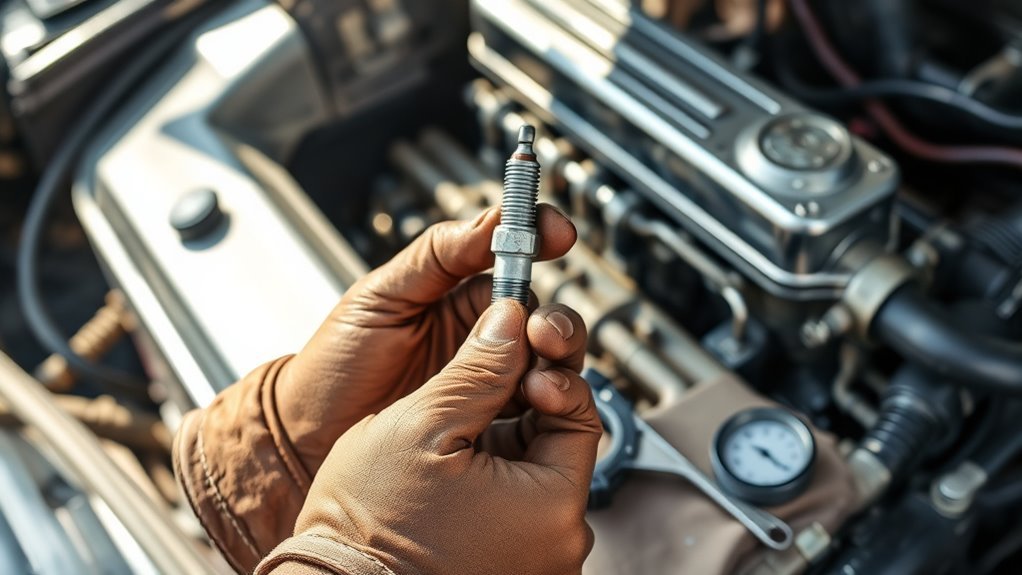
    To change spark plugs, you’ll need a few essential tools to ensure the job is done correctly and safely. Start with a correctly sized spark plug socket—typically 5/8 or 13/16 inch—with a rubber insert or magnet for a secure grip.

    You’ll also need a compatible ratchet wrench with an extension to reach deep into the engine bay. A torque wrench is important to guarantee precise tightening according to manufacturer specifications.

    Additionally, use a spark plug gap tool to verify or adjust the electrode gaps for optimal performance. Applying dielectric grease to the boots helps provide proper insulation and prevents moisture intrusion.

    Proper engine preparation and understanding the applications of different compounds will optimize your replacement process. Let’s explore the details to ensure a smooth spark plug change.

    Key Takeaways

    • Gather essential tools: spark plug socket, ratchet wrench with extension, torque wrench, spark plug gap tool, and dielectric grease applicator.
    • Disconnect the battery and allow the engine to cool completely before starting to ensure safety.
    • Consult the owner’s manual to identify the correct spark plug type, size, gap, and torque specifications.
    • Use a spark plug socket with rubber inserts to remove old plugs gently and avoid damage.
    • Apply anti-seize on threads and dielectric grease on boots, then install plugs using a torque wrench to the specified tightness.

    What Tools Do You Need to Change Spark Plugs

    To change spark plugs efficiently, you’ll need a specific set of tools designed for the task.

    First, a spark plug socket matched to your spark plug types is vital; these sockets have rubber inserts to grip and protect the plug during removal and installation.

    Use a ratchet wrench with an extension to reach deep-set plugs. A torque wrench is critical for applying the correct installation torque, preventing damage from over- or under-tightening.

    Additionally, a spark plug gap tool helps you verify or adjust the electrode gap according to your vehicle’s specifications.

    Finally, a dielectric grease applicator can improve electrical conductivity and seal connections.

    Mastering these tools guarantees precise installation techniques, promoting ideal engine performance and longevity.

    Why Check Your Owner’s Manual Before Changing Spark Plugs

    Before you start changing spark plugs, check your owner’s manual to identify the exact spark plug type required for your engine.

    The manual also specifies the recommended replacement intervals to maintain ideal performance.

    Following these guidelines guarantees proper fit and prevents premature wear.

    Locate Specific Spark Plug Type

    How do you guarantee you select the correct spark plug for your vehicle? First, locate the specific spark plug type recommended in your owner’s manual. This guide provides exact specifications, confirming spark plug compatibility with your engine model.

    Using the specified plug type maintains peak engine performance, as incorrect plugs can cause misfires or inefficient combustion. Note details like thread size, heat range, and electrode design.

    If you’re sourcing plugs from a parts store, cross-reference these specs with the product to confirm a match. Avoid generic plugs, as they may compromise engine efficiency and longevity.

    Although spark plugs might seem durable, they wear down over time and lose efficiency, so you need to follow the replacement intervals specified in your owner’s manual. Checking your manual guarantees you adhere to the recommended spark plug lifespan, which varies by engine type and plug material.

    Ignoring these intervals can lead to misfires, reduced fuel economy, and diminished engine performance. By replacing spark plugs as directed, you maintain excellent combustion, resulting in noticeable performance improvement and smoother operation.

    Your owner’s manual provides precise guidance tailored to your vehicle’s design, including mileage or time frames for replacement. Always consult it before changing spark plugs to avoid premature wear or unnecessary replacements.

    Following these intervals protects your engine and sustains peak performance throughout your vehicle’s service life.

    How to Pick the Right Spark Plugs for Your Car

    Start by consulting your vehicle specifications guide to identify the correct spark plug size, heat range, and gap.

    Choose the spark plug material, such as copper, platinum, or iridium, based on your car’s performance requirements and manufacturer recommendations.

    Matching these factors guarantees ideal engine efficiency and longevity.

    Vehicle Specifications Guide

    When selecting spark plugs, you’ll need to consult your vehicle’s specifications to verify compatibility and peak performance. Checking the specifications overview guarantees you choose plugs that fit the engine design, heat range, and gap requirements. Incorrect plugs can cause misfires or damage.

    Refer to your vehicle manual or manufacturer’s database for exact details. Below is a quick reference table illustrating key specification parameters:

    Specification Description Importance
    Thread Size Diameter and pitch Ensures proper fit
    Heat Range Plug’s temperature rating Prevents fouling or pre-ignition
    Gap Size Distance between electrodes Affects ignition efficiency

    Confirming these specs verifies vehicle compatibility and ideal engine performance when replacing spark plugs.

    Spark Plug Material Types

    After confirming your vehicle’s spark plug specifications, the next step is selecting the appropriate material type.

    Copper plugs offer excellent conductivity and are often recommended for older engines or those with lower voltage ignition systems. They provide reliable ignition but tend to wear out faster due to softer electrodes.

    On the other hand, iridium plugs feature a harder, more durable tip that improves longevity and performance, especially under high-stress conditions. They maintain a consistent spark over time and resist erosion better than copper plugs.

    When choosing between these, refer to your vehicle’s manual and consider your driving habits.

    If you prioritize durability and efficiency, iridium plugs are ideal. For budget-friendly replacements in less demanding engines, copper plugs remain a solid choice.

    Always match the spark plug material to your engine’s requirements.

    How to Choose a Spark Plug Socket and Ratchet

    Why does selecting the right spark plug socket and ratchet matter? Using the correct size guarantees a secure fit, preventing damage to the spark plug or engine components.

    First, identify the spark plug sizes specified by your vehicle manufacturer, commonly 5/8 inch or 13/16 inch sockets.

    Next, consider socket depth. A deep socket accommodates the spark plug’s insulator, allowing you to grip it firmly without slipping. Choose a socket with a rubber insert or magnet to hold the spark plug securely during removal and installation.

    Pair the socket with a ratchet that offers sufficient torque and maneuverability in tight engine spaces. A 3/8-inch drive ratchet is typically ideal for most spark plug changes.

    Proper tool selection minimizes the risk of stripping or breaking spark plugs, guaranteeing a smooth, efficient replacement process.

    How to Prepare Your Engine Safely Before Changing Spark Plugs

    Before you start changing spark plugs, make certain to disconnect the battery to prevent electrical shocks or short circuits.

    Allow the engine to cool completely to avoid burns and guarantee accurate spark plug removal.

    These steps protect both you and your vehicle during the maintenance process.

    Disconnect Battery Power

    One essential step to safely prepare your engine for changing spark plugs is to disconnect the battery power.

    Begin by locating the negative terminal of your vehicle’s battery, typically marked with a minus (-) sign or black cable.

    Using a wrench, loosen the nut securing the negative cable clamp and carefully remove the cable from the terminal. This step prevents accidental electrical shorts and safeguards you from potential shocks.

    Prioritize battery safety by avoiding contact between metal tools and both battery terminals simultaneously. Keep the disconnected cable secured away from the terminal during the entire procedure.

    Following these electrical precautions guarantees that no current flows through the ignition system, minimizing risk during spark plug removal and installation.

    Reconnect the battery only after completing the spark plug replacement and verifying all components are properly reassembled.

    Allow Engine To Cool

    Although you’ve disconnected the battery, you should let the engine cool completely before touching any spark plugs. Proper engine cooling is essential for safe handling and to prevent burns or damage to engine components.

    Follow these steps to guarantee safety:

    • Wait at least 30 minutes after engine shutdown to allow temperature normalization.
    • Avoid using water or other cooling agents to speed up the process, as thermal shock can damage parts.
    • Use a temperature gauge or infrared thermometer to verify the engine temperature is safe to work on (below 100°F/38°C).
    • Keep the workspace ventilated to dissipate residual heat effectively.

    Adhering to these guidelines guarantees you handle the engine safely and avoid injuries or component damage during spark plug replacement.

    How to Remove Old Spark Plugs Without Damaging Threads

    Removing old spark plugs without damaging the threads requires careful technique and the right tools. First, ascertain the engine is cool to prevent metal expansion that can seize spark plug threads.

    Use a quality spark plug socket with a rubber insert to grip the plug firmly. Apply steady, even pressure when turning the socket counterclockwise. Avoid sudden force or jerky movements, which can strip or cross-thread the spark plug threads.

    If a plug is stubborn, apply a penetrating oil and let it sit for 10–15 minutes before retrying. Always back the plug out slowly and stop if you feel resistance, reassessing the angle to ascertain proper alignment.

    These removal techniques protect the spark plug threads and prevent costly repairs.

    How to Gap Spark Plugs Correctly for Your Engine

    Properly gapping your spark plugs guarantees excellent combustion and engine performance. To gap them correctly, always refer to your vehicle’s spark plug specifications, which detail the exact gap measurement needed.

    Accurate spark plug gapping ensures optimal combustion and peak engine efficiency tailored to your vehicle’s specifications.

    Use precise gapping methods such as a feeler gauge or a specialized gap tool to measure and adjust the gap. Avoid relying on guesswork; the gap affects ignition timing and fuel efficiency.

    Follow these steps to gap spark plugs accurately:

    • Consult your engine’s manual for the recommended spark plug specifications.
    • Select the correct gapping tool for measurement and adjustment.
    • Measure the gap between the center and ground electrodes.
    • Carefully bend the ground electrode to achieve the specified gap without damaging the plug.

    These steps guarantee superior spark plug performance and longevity.

    How Anti-Seize and Dielectric Grease Help When Changing Spark Plugs

    When you change spark plugs, applying anti-seize compound on the threads prevents galling and makes future removal easier. Dielectric grease on the spark plug boots guarantees a secure, corrosion-resistant connection.

    The anti-seize application reduces friction and protects against seizing in high-heat environments. Meanwhile, dielectric grease seals out moisture and assures electrical insulation.

    Substance Purpose
    Anti-Seize Compound Prevents thread galling
    Facilitates easy removal
    Dielectric Grease Protects against corrosion
    Enhances electrical insulation

    Using both compounds correctly guarantees longevity and reliability in spark plug performance.

    How to Install Spark Plugs Using a Torque Wrench

    Although installing spark plugs might seem straightforward, using a torque wrench guarantees you apply the exact amount of torque specified by the manufacturer. Proper tightening prevents damage to the spark plug and cylinder head, assuring peak engine performance.

    To install spark plugs using a torque wrench, follow these steps:

    • Confirm the torque specifications in your vehicle’s manual.
    • Insert the spark plug carefully by hand to avoid cross-threading.
    • Set your torque wrench to the recommended torque value.
    • Tighten the spark plug until the wrench clicks, indicating proper tightening.

    This method assures consistent torque application, preventing over-tightening or under-tightening.

    Using a torque wrench protects the spark plug threads and maintains the correct compression seal, essential for engine efficiency and longevity.

    How to Inspect and Test Spark Plugs After Installation

    After installing spark plugs, you should inspect and test them to confirm they function correctly and maintain engine performance.

    Begin spark plug inspection by visually examining the electrode and insulator for damage, carbon buildup, or unusual wear.

    Start by visually checking the electrode and insulator for damage, carbon buildup, or abnormal wear.

    Verify the spark plug gap matches manufacturer specifications using a feeler gauge.

    Next, perform spark plug testing by reconnecting the ignition coil and cranking the engine while observing the spark.

    A strong, blue spark indicates proper function; a weak or absent spark suggests issues like improper installation or faulty plugs. Use a spark tester if available for more accurate results.

    Finally, double-check torque settings and wiring connections to prevent misfires.

    Consistent spark plug inspection and testing confirm reliable ignition and maximum engine efficiency.

    Frequently Asked Questions

    How Often Should Spark Plugs Be Replaced?

    You should replace spark plugs every 30,000 to 100,000 miles, depending on spark plug lifespan and manufacturer recommendations.

    Follow specific replacement intervals for your vehicle to maintain ideal engine performance and fuel efficiency.

    Can Bad Spark Plugs Cause Engine Misfires?

    Yes, bad spark plugs can cause engine misfires, reducing engine performance. You should inspect the spark plug types, such as iridium or platinum, for wear.

    Replace faulty plugs promptly to guarantee ideal combustion and prevent misfiring issues.

    What Symptoms Indicate Failing Spark Plugs?

    You know what they say: “A stitch in time saves nine.” If you notice spark plug wear, rough idling, poor engine performance, misfires, or decreased fuel efficiency, it’s time to inspect and replace your spark plugs promptly.

    Are Iridium Spark Plugs Better Than Platinum?

    Yes, iridium spark plugs offer superior iridium durability, lasting longer under high stress. However, platinum spark plugs provide consistent platinum performance at a lower cost.

    Choose iridium for longevity, platinum for balanced efficiency and budget.

    Can I Change Spark Plugs Myself or Need a Mechanic?

    You can change spark plugs yourself with proper spark plug tools and knowledge. Make certain you follow DIY maintenance procedures precisely, including gap measurement and torque specs.

    If unsure, consult a mechanic to avoid engine damage or misfires.

    Conclusion

    Now that you know the essential tools and steps to change your spark plugs safely and effectively, are you ready to boost your engine’s performance? Remember, following your owner’s manual, choosing the right plugs, and using proper techniques like gapping and torque application guarantee longevity and efficiency.

    Taking these precise actions not only prevents damage but also maximizes your vehicle’s power. Don’t skip these critical steps—your engine will thank you.

    When considering what do I need to change spark plugs, ensure you have all the correct tools and knowledge to perform the task correctly for the best results.

  • How to Use Carburetor Cleaner

    How to Use Carburetor Cleaner

    To use carburetor cleaner effectively, first disconnect the fuel supply and remove the carburetor from your engine. Carefully disassemble key components, making sure to keep track of small parts.

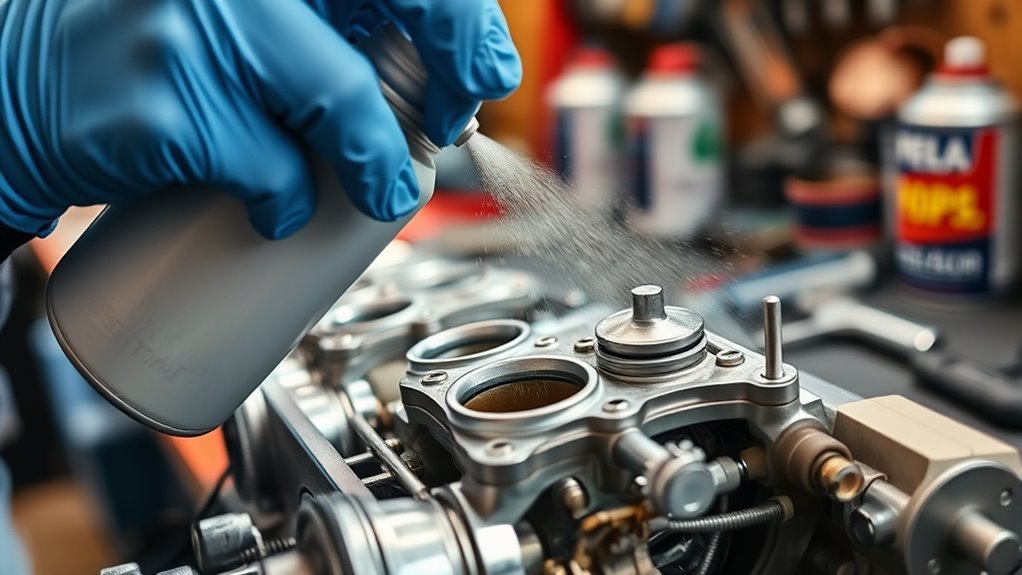
    Spray the cleaner onto jets, passages, and the throttle body to dissolve varnish and deposits that block fuel flow. Use a soft brush to tackle stubborn buildup.

    Make sure all parts dry completely before reassembling. Proper use of carburetor cleaner restores performance and efficiency. For detailed cleaning techniques and troubleshooting tips, you’ll find valuable guidance ahead.

    Key Takeaways

    • Disconnect the fuel supply and remove the carburetor from the engine before cleaning.
    • Spray carburetor cleaner into jets, passages, and throttle body to dissolve deposits.
    • Use a soft brush to gently scrub stubborn varnish and gum without damaging parts.
    • Soak metal components in cleaner solution and use compressed air to clear passages.
    • Reassemble only after all parts are dry and verify proper throttle and choke movement.

    How to Use Carburetor Cleaner: A Step-by-Step Guide

    Before you begin cleaning your carburetor, make certain you have the necessary tools and safety equipment ready, including gloves and eye protection.

    Start by disconnecting the fuel supply and removing the carburetor from the engine. Place it on a clean, well-lit workspace.

    Use a screwdriver to carefully disassemble the carburetor, keeping track of all small parts. Apply carburetor cleaner to each component, focusing on jets, passages, and the throttle body.

    Use a soft brush to remove stubborn deposits without damaging delicate parts. Rinse with cleaner and dry completely before reassembling.

    Throughout the process, follow strict safety precautions: work in a ventilated area, avoid skin contact with chemicals, and dispose of waste properly.

    This method guarantees effective carburetor cleaning and peak engine performance.

    What Is Carburetor Cleaner and When to Use It

    Although carburetor cleaner comes in various formulations, its primary function is to dissolve and remove varnish, gum, and carbon deposits that accumulate inside carburetors. You use it to restore peak carburetor function, improving fuel atomization and engine performance. Regular cleaning prevents clogging and inefficient fuel flow, delivering clear cleaning benefits.

    Issue Effect on Carburetor Function Cleaning Benefits
    Varnish buildup Restricts fuel passages Restores smooth fuel flow
    Gum deposits Causes sticking throttle plates Enhances throttle response
    Carbon deposits Impairs air-fuel mixture Improves combustion efficiency
    Dirt and debris Blocks jets and valves Prevents engine stalling

    Use carburetor cleaner when you notice rough idling, poor acceleration, or decreased fuel efficiency.

    Preparing Your Engine for Carburetor Cleaning

    When you prepare your engine for carburetor cleaning, ensuring it’s cool and the battery is disconnected will prevent accidents and damage.

    Begin engine preparation by removing any covers or air filters obstructing access to the carburetor. Use gloves and safety glasses to maintain cleaner safety standards throughout the process.

    Carefully inspect hoses and connections for wear or leaks, as damaged components can hinder effective cleaning.

    Ventilate your workspace to avoid inhaling fumes. Place a drip pan beneath the carburetor to catch any solvent runoff.

    Avoid open flames or sparks near the cleaning area, since carburetor cleaner is highly flammable.

    Deep Cleaning Techniques and Maintenance Tips

    Since carburetor efficiency depends heavily on thorough cleaning, you should focus on removing all deposits, varnish, and debris from jets, passages, and throttle plates.

    Carburetor efficiency relies on removing deposits, varnish, and debris from jets, passages, and throttle plates.

    Use carburetor cleaner to dissolve stubborn buildup inside hard-to-reach areas. Establish a cleaning frequency based on your usage and operating conditions to optimize performance and prevent clogging.

    Stick to a maintenance schedule for consistent care.

    For effective deep cleaning and maintenance, follow these steps:

    • Disassemble the carburetor carefully, noting jet sizes and positions.
    • Soak metal parts in carburetor cleaner solution to break down varnish.
    • Use compressed air to clear passages and dry components thoroughly before reassembly.

    Maintaining this routine guarantees smooth fuel flow, prolongs carburetor life, and minimizes engine issues.

    Troubleshooting Common Issues After Using Carburetor Cleaner

    If you notice performance issues after using carburetor cleaner, you’ll need to systematically identify the cause to restore proper function.

    First, verify that all carburetor jets and passages are free of residual cleaner or loosened debris; blockages can impair carburetor performance.

    Next, check the throttle linkage and choke for proper movement, as cleaner residue can cause sticking.

    Inspect fuel lines for cracks or leaks introduced during cleaning.

    Assess the cleaning frequency. Excessive use can degrade seals and gaskets, leading to air leaks and poor engine response.

    Finally, confirm the idle mixture and speed settings remain within specifications, as aggressive cleaning may alter calibration.

    Addressing these factors methodically will help you troubleshoot effectively and maintain ideal carburetor performance.

    Frequently Asked Questions

    Is Carburetor Cleaner Safe for All Engine Types?

    Carburetor cleaner isn’t safe for all engine types; you need to check carburetor compatibility carefully. Some engines, especially those with sensitive materials, can be damaged, so always verify the cleaner suits your specific engine types before use.

    Can Carburetor Cleaner Damage Rubber or Plastic Parts?

    Yes, carburetor cleaner can cause rubber degradation and plastic brittleness. You should avoid prolonged contact with these materials to prevent damage.

    Always use cleaner sparingly and rinse affected parts promptly to maintain component integrity.

    How Often Should I Use Carburetor Cleaner on My Vehicle?

    You should follow frequency guidelines in your maintenance schedule, typically using carburetor cleaner every 12,000 to 15,000 miles or annually. Adjust based on driving conditions and engine performance for best results.

    Are There Eco-Friendly Alternatives to Traditional Carburetor Cleaners?

    When it comes to eco-friendly options, you shouldn’t put all your eggs in one basket. Biodegradable options using natural solvents like citrus-based cleaners effectively dissolve grime while minimizing environmental impact. Choose these for responsible carburetor maintenance.

    You should wear protective gloves and safety goggles to shield your skin and eyes from harmful chemicals.

    Additionally, use a respirator mask in poorly ventilated areas to avoid inhaling toxic fumes when handling carburetor cleaner.

    Conclusion

    Using carburetor cleaner is like giving your engine a fresh breath—clearing away the grime that blocks its pulse. By following the steps carefully, you restore smooth fuel flow and ideal performance.

    Remember, a clean carburetor is the engine’s heartbeat, so treat it with precision and regular maintenance. This guarantees your machine runs efficiently, preventing issues before they start.

    Keeping your carburetor spotless is key to optimal engine function. Using carburetor cleaner regularly helps maintain reliability and ensures your ride performs at its best every time you turn the key.

  • Can Spark Plugs Cause Check Engine Light

    Can Spark Plugs Cause Check Engine Light

    Yes, spark plugs can cause the check engine light to come on. Faulty or worn spark plugs disrupt the ignition timing and combustion process, leading to misfires.

    These misfires result in rough idling, reduced acceleration, and increased emissions. Your car’s diagnostic system detects these issues and triggers trouble codes that turn on the check engine light.

    Replacing worn or fouled spark plugs promptly helps restore engine performance and prevents further damage. Recognizing these symptoms and understanding diagnostic steps is key to keeping your engine running smoothly.

    Key Takeaways

    • Faulty spark plugs often cause engine misfires, triggering the check engine light due to disrupted ignition timing and incomplete combustion.
    • Worn or fouled spark plugs reduce spark intensity, leading to rough idling and acceleration hesitation that the onboard system detects.
    • Diagnostic trouble codes like P0300-P0308 commonly indicate spark plug-related misfires, helping identify spark plug issues causing the check engine light.
    • Regular spark plug inspection and timely replacement prevent misfires and emissions increases that activate the check engine light.
    • While spark plugs are a frequent cause, other engine issues like sensor failures or fuel leaks can also illuminate the check engine light.

    Why Do Bad Spark Plugs Trigger the Check Engine Light?

    Although spark plugs are small components, they play a critical role in your engine’s combustion process, and when they malfunction, they can cause misfires that your vehicle’s onboard diagnostic system detects immediately.

    Bad spark plugs disrupt the precise ignition timing required for peak combustion, leading to incomplete fuel burning.

    As spark plugs approach the end of their spark plug lifespan, electrode wear and fouling increase the gap, weakening the spark intensity and causing delayed or failed ignition.

    This irregular combustion triggers the engine control unit to register fault codes, illuminating the check engine light.

    By monitoring ignition timing and combustion efficiency, the system alerts you to spark plug issues before they cause severe engine damage or performance loss.

    Regular spark plug maintenance guarantees consistent ignition timing and prevents diagnostic warnings.

    How Do Spark Plugs Affect Your Engine’s Performance and Emissions?

    You need properly functioning spark plugs to maintain ideal combustion efficiency, which directly influences your engine’s power output and fuel economy.

    When spark plugs degrade, incomplete combustion raises emission levels and can trigger engine misfires.

    These misfires not only reduce performance but also increase harmful pollutants released from your vehicle.

    Combustion Efficiency Impact

    Because spark plugs initiate the combustion process, their condition directly influences engine performance and emissions. Worn or fouled plugs disrupt optimal combustion dynamics by producing weak or inconsistent sparks, which delay or misalign ignition timing.

    This misfire affects the air-fuel mixture’s burn rate, reducing power output and fuel efficiency. When ignition timing shifts from its calibrated point, combustion becomes incomplete, causing rough idling and hesitation during acceleration.

    You’ll notice decreased engine responsiveness and potential vibration due to uneven cylinder firing. Maintaining spark plugs within specification guarantees precise ignition timing, promoting efficient combustion dynamics.

    This preserves engine power and minimizes unburned fuel residues. By monitoring spark plug health, you maintain stable combustion, enhancing your engine’s performance and reducing the likelihood of triggering the check engine light related to combustion inefficiencies.

    Emission Levels Increase

    When spark plugs fail to ignite the air-fuel mixture efficiently, incomplete combustion occurs, leading to elevated emission levels. This results in increased hydrocarbons (HC), carbon monoxide (CO), and nitrogen oxides (NOx) being released into the exhaust stream.

    Such heightened emissions directly affect your vehicle’s ability to pass emission testing, potentially causing regulatory non-compliance.

    Your engine’s pollution control systems, including catalytic converters and oxygen sensors, must work harder to mitigate these pollutants, reducing overall system efficiency.

    Over time, persistent spark plug malfunction can degrade emission control components, increasing repair costs.

    Maintaining properly functioning spark plugs guarantees peak combustion, which minimizes harmful emissions and supports effective pollution control.

    Consequently, addressing spark plug issues promptly helps you meet emission standards and avoid check engine light triggers related to emissions.

    Engine Misfire Consequences

    Elevated emissions often stem from incomplete combustion caused by spark plug issues, which frequently lead to engine misfires. When spark plugs fail to ignite the air-fuel mixture at the correct ignition timing, the combustion process becomes erratic, directly impairing engine performance.

    You’ll notice reduced power output, rough idling, and decreased fuel efficiency as misfires disrupt the engine’s normal operation. Furthermore, misfires increase unburned hydrocarbons and carbon monoxide emissions, contributing to environmental pollution and potential regulatory failures.

    Ignoring faulty spark plugs can also cause damage to catalytic converters due to excessive unburned fuel. To maintain peak engine performance and control emissions, you must guarantee spark plugs are functioning correctly and replace them promptly when signs of degradation appear, preserving precise ignition timing and efficient combustion cycles.

    What Are Common Symptoms of Faulty Spark Plugs That Cause the Check Engine Light?

    How can you tell if faulty spark plugs are triggering your check engine light? Typically, you’ll notice rough idling, reduced acceleration, and increased fuel consumption. Faulty spark plugs disrupt the ignition system’s ability to ignite the air-fuel mixture properly, causing incomplete combustion.

    Depending on the spark plug type, copper, platinum, or iridium, wear patterns vary, but symptoms remain consistent. You might experience engine misfires, characterized by jerking or hesitation during acceleration. Additionally, the engine may stall unexpectedly or produce higher emissions, triggering the check engine light.

    These symptoms occur because worn or fouled spark plugs fail to generate a strong, consistent spark, impairing the ignition system’s efficiency. Monitoring these signs helps you identify spark plug issues before they cause more severe engine damage.

    How Can You Tell if Spark Plugs Are Causing Your Check Engine Light?

    You can identify spark plugs as the cause of your check engine light by checking for specific symptoms like misfires and rough idling.

    Use an OBD-II scanner to read diagnostic trouble codes that point directly to ignition or cylinder issues.

    Additionally, perform a visual inspection of the spark plugs for signs of wear, fouling, or damage to confirm their condition.

    Common Spark Plug Symptoms

    Although check engine lights can indicate various issues, faulty spark plugs often trigger specific symptoms that help pinpoint their involvement. You may notice rough idling, engine misfires, or decreased fuel efficiency, common signs linked to spark plug wear or damage.

    Different spark plug types, such as copper, platinum, or iridium, have varying lifespans and performance characteristics, affecting symptom onset. Poor spark plug maintenance, like neglecting timely replacement or improper gap settings, accelerates degradation.

    Additionally, your engine might experience hesitation during acceleration or difficulty starting. Monitoring these symptoms alongside routine spark plug inspection guarantees accurate diagnosis.

    Paying close attention to these details helps you address spark plug-related problems promptly, preventing potential engine damage and maintaining peak performance.

    Diagnostic Trouble Codes

    Identifying spark plug issues through observable symptoms is helpful, but confirming their role in triggering the check engine light requires analyzing Diagnostic Trouble Codes (DTCs).

    You’ll need diagnostic tools, such as an OBD-II scanner, to retrieve these trouble codes from your vehicle’s onboard computer.

    Specific DTCs related to spark plugs often include misfire codes like P0300 (random/multiple cylinder misfire) and P0301-P0308, indicating misfires in individual cylinders. These codes suggest incomplete combustion, frequently caused by faulty or worn spark plugs.

    After connecting the scanner, note the codes and cross-reference them with your vehicle’s service manual for precise diagnosis.

    This method provides objective data beyond symptoms, allowing you to pinpoint whether spark plugs are the root cause or if other components, such as ignition coils or fuel injectors, are involved.

    Visual Spark Plug Inspection

    A thorough visual inspection of spark plugs provides critical clues about their condition and potential role in triggering the check engine light.

    Start by gathering proper inspection tools: a spark plug socket, gap gauge, and magnifying glass.

    Next, examine the spark plugs closely for abnormalities specific to spark plug types (copper, platinum, iridium).

    1. Look for carbon fouling, a black, dry soot that indicates rich fuel mixture or weak ignition.
    2. Check for electrode wear or rounded edges, which reduce spark efficiency.
    3. Identify oil deposits or wetness, signaling possible oil leakage into the combustion chamber.

    If you spot any of these symptoms during your visual spark plug inspection, they likely contribute to engine misfires and illuminate the check engine light.

    When Should You Replace Spark Plugs to Fix the Check Engine Light?

    Spark plugs wear out over time and can trigger the check engine light when their performance drops below satisfactory levels. Typically, the spark plug lifespan ranges from 30,000 to 100,000 miles, depending on the type and vehicle specifications.

    You should adhere strictly to the manufacturer’s recommended replacement intervals to avoid misfires and combustion inefficiencies that illuminate the check engine light. If your vehicle’s diagnostic trouble codes specifically indicate ignition misfires or spark-related faults, replacing the plugs promptly is essential.

    Delaying replacement beyond the prescribed intervals increases the risk of fouling, electrode wear, and gap erosion, all of which degrade spark quality.

    What Other Engine Issues Can Cause the Check Engine Light Like Spark Plugs?

    Although worn spark plugs are a common cause of the check engine light, several other engine components can trigger similar warnings.

    You should consider these issues when diagnosing the problem:

    1. Engine Overheating: Sensors detect abnormal temperature rises that can damage components, triggering the check engine light to prevent severe engine failure.
    2. Fuel Leaks: Leaking fuel disrupts the air-fuel mixture, causing inefficient combustion and potentially activating the engine control module warning.
    3. Oxygen Sensor Malfunction: Faulty oxygen sensors provide incorrect data, leading to poor fuel management and illuminating the check engine light.

    Frequently Asked Questions

    Can Using the Wrong Spark Plug Type Trigger the Check Engine Light?

    Yes, using the wrong spark plug type can trigger the check engine light because improper spark plug compatibility affects ignition timing and combustion efficiency. This leads to misfires and reduced engine performance, which your vehicle’s diagnostics will detect immediately.

    Do Spark Plug Wires Affect the Check Engine Light Activation?

    Think of spark plug wires as arteries in your ignition system; if they falter, signals misfire, triggering the check engine light. Proper spark plug maintenance guarantees these wires deliver consistent current, preventing diagnostic errors and engine inefficiency.

    How Often Should Spark Plugs Be Inspected to Prevent Engine Light Issues?

    You should perform spark plug maintenance every 30,000 to 50,000 miles, depending on your vehicle. Regular inspection frequency prevents misfires and engine light activation, ensuring ideal ignition performance and avoiding costly repairs.

    Can Spark Plugs Cause a Check Engine Light Without Engine Misfires?

    A stitch in time saves nine: even without misfires, faulty spark plugs can trigger your check engine light by affecting engine diagnostics. They influence combustion efficiency, so addressing them early helps avoid costly repairs and guarantees peak performance.

    Are Spark Plug Gaps Linked to Check Engine Light Problems?

    Yes, incorrect spark plug gap measurement directly affects spark plug performance, causing inefficient combustion and triggering the check engine light.

    Ensuring precise gap measurement maintains ideal performance and prevents related engine diagnostic trouble codes.

    Conclusion

    If your check engine light comes on, faulty spark plugs are a common culprit, responsible for up to 30% of ignition-related issues. You’ll notice rough idling, poor acceleration, and increased emissions when plugs misfire.

    Regularly inspecting and replacing spark plugs every 30,000 to 50,000 miles helps maintain engine efficiency and prevents warning lights. Always diagnose carefully, as other engine problems can mimic spark plug symptoms.

    In conclusion, spark plugs can cause the check engine light to come on, so addressing their condition promptly is essential for your vehicle’s performance and reliability.

  • Is Fram a Good Oil Filter

    Is Fram a Good Oil Filter

    If you choose Fram oil filters, you get reliable engine protection with balanced filtration efficiency and durability. Fram meets industry standards and fits many passenger cars and light trucks well. While not the top performer for extreme or heavy-duty use, it combines cost-effectiveness with consistent contaminant capture and structural integrity.

    Fram’s filters excel within conventional oil change intervals, offering a practical solution for everyday maintenance. Exploring Fram’s specifics will reveal how it stacks up against alternatives and vehicle needs. This makes Fram a good oil filter option for many drivers looking for dependable performance without breaking the bank.

    Key Takeaways

    • Fram oil filters offer reliable filtration performance at an affordable price, balancing cost and engine protection effectively.
    • They use cellulose and synthetic media blends capturing contaminants with 90-95% efficiency, meeting OEM specifications.
    • Fram filters have durable construction with metal end caps and anti-drainback valves for stability and cold weather resistance.
    • They are well-suited for standard passenger cars, light trucks, and SUVs but not ideal for heavy-duty or high-performance engines.
    • Fram provides wide availability and competitive pricing, making it a popular, cost-effective choice for routine maintenance.

    Is Fram a Good Oil Filter?

    Although opinions vary, Fram oil filters have established a solid reputation for balancing affordability with reliable filtration performance. When you choose Fram, you benefit from a filtration system designed to capture contaminants effectively while maintaining peak oil flow.

    Fram oil filters offer a trusted balance of affordability and effective contaminant filtration for optimal engine performance.

    Their reputation stems from consistent manufacturing standards and widespread availability. However, if you’re considering Fram alternatives, you’ll find options that may offer enhanced filtration media or longer service intervals.

    While Fram filters generally meet industry standards, some alternatives incorporate synthetic fibers or advanced bypass valves, potentially improving engine protection under extreme conditions.

    Ultimately, your selection should weigh Fram’s proven track record against the specific performance needs of your vehicle and driving habits, ensuring you achieve the best balance of cost, filtration efficiency, and durability.

    How Does Fram Perform Compared to Other Brands?

    How does Fram stack up against other oil filter brands regarding filtration efficiency and durability?

    When you analyze Fram performance, it shows competitive filtration capabilities, capturing contaminants effectively within its cellulose and synthetic media blends.

    Fram comparisons reveal that while some premium brands use advanced synthetic fibers offering marginally higher micron ratings, Fram balances cost and performance well. Its filtration efficiency typically ranges between 90-95%, sufficient for standard engine protection.

    However, compared to top-tier competitors with proprietary media technologies, Fram may lag slightly in contaminant retention under extreme conditions.

    You’ll find Fram filters meet OEM specifications and industry standards consistently, making them reliable for everyday use.

    To conclude, Fram performance is solid but not leading-edge, positioning it as a cost-effective choice rather than a high-performance filter in Fram comparisons.

    How Durable Are Fram Oil Filters?

    When evaluating durability, Fram oil filters feature a robust construction designed to withstand typical operating pressures and temperatures encountered in daily driving. Their performance in durability tests highlights the effectiveness of the selected filter materials and design integrity.

    You’ll find that:

    1. Fram uses high-quality cellulose and synthetic blends, enhancing resistance to breakdown.
    2. The filter media maintains structural integrity under contamination stress.
    3. Metal end caps and a reinforced center tube add mechanical stability.
    4. The anti-drainback valve resists cracking in cold conditions, extending filter life.

    These factors combine to deliver reliable filtration without premature failure.

    If you’re scrutinizing durability, Fram’s engineering offers consistent protection, but it’s critical to replace filters per manufacturer intervals to maintain peak performance.

    Which Vehicles Are Best Suited for Fram Filters?

    Understanding the durability features of Fram oil filters helps clarify which vehicles benefit most from their design.

    When evaluating vehicle compatibility, Fram filters excel in standard passenger cars, light trucks, and SUVs that require moderate to high filtration efficiency without extreme flow rates.

    Their robust media and anti-drainback valves suit engines with conventional oil change intervals and typical operating conditions.

    However, for high-performance or heavy-duty diesel engines, you should carefully assess filter selection, as Fram’s standard lines may not meet specialized filtration demands.

    You can rely on Fram filters for everyday vehicles prioritizing cost-effective maintenance and reliable contamination control.

    Always cross-reference your vehicle’s manufacturer specifications with Fram’s product catalog to verify precise filter compatibility and best engine protection.

    Is Fram a Good Value for Oil Filters?

    Why consider Fram oil filters as a cost-effective choice? You want a balance between cost effectiveness and filter quality, and Fram offers just that. Their filters provide reliable filtration at a competitive price point, making them a practical option for routine maintenance.

    Here’s why Fram stands out in value:

    1. Consistent particle removal efficiency guarantees engine protection.
    2. Competitive pricing lowers your overall maintenance costs.
    3. Wide availability simplifies replacement and reduces downtime.
    4. Compatibility with numerous vehicle models enhances versatility.

    Frequently Asked Questions

    Where Are Fram Oil Filters Manufactured?

    Fram oil filters are manufactured in multiple locations, including the United States and Mexico. You’ll find their manufacturing locations emphasize consistent product quality through rigorous testing and advanced filtration technology to meet automotive standards.

    Are Fram Oil Filters Compatible With Synthetic Oil?

    You’re demanding synthetic compatibility, so Fram oil filters deliver precise filtration that supports synthetic oil’s unique properties. Their engineered media enhances oil filter performance, ensuring ideal protection and longevity for your engine under synthetic oil conditions.

    Do Fram Oil Filters Come With a Warranty?

    Yes, Fram warranty covers defects and manufacturing issues, reflecting Fram reliability.

    You’ll find their coverage varies by product line, so check specific terms carefully to guarantee your oil filter’s protection meets your vehicle’s maintenance needs.

    How Often Should Fram Oil Filters Be Replaced?

    You should replace Fram oil filters every 3,000 to 7,500 miles, depending on your vehicle and driving conditions. This replacement frequency optimizes filter longevity and guarantees consistent engine protection without compromising performance.

    Can Fram Oil Filters Be Used for High-Performance Engines?

    You can use Fram oil filters for performance engines, but check Fram filter reviews carefully. Some models suit high-stress conditions, while others lack necessary engine compatibility.

    Analyze specifications to guarantee maximum filtration and durability for your engine.

    Conclusion

    When I switched to Fram oil filters, my engine ran smoother, much like a well-tuned orchestra. Fram’s filtration efficiency, rated at 98%, guarantees contaminants stay out, protecting your engine’s essential parts.

    While not the absolute top-tier, their durability and compatibility with many vehicles make them a reliable choice. If you want solid performance without overspending, Fram offers a balanced mix of quality and value that won’t leave you stranded under the hood.

    In conclusion, Fram is a good oil filter for those seeking dependable filtration and affordability in one package.

  • How to Remove Oil Filter

    How to Remove Oil Filter

    To remove your oil filter, first park your vehicle on a level surface with the engine cool. Engage the parking brake for safety before starting the process.

    Use an oil filter wrench to loosen the filter by turning it counterclockwise. Be sure to catch any oil dripping with a drain pan to avoid spills.

    If the filter is stuck, apply penetrating oil and try using a strap wrench for extra leverage. Remove the filter by hand once it’s loosened.

    Clean the mounting surface thoroughly and inspect the gasket to ensure it’s in good condition. Follow these steps carefully to avoid damage.

    There’s more to learn about handling common challenges and proper disposal of your oil filter.

    Key Takeaways

    • Park the vehicle on a level surface, engage the parking brake, and ensure the engine is cool before starting.
    • Locate the oil filter on the engine block and prepare an oil catch pan underneath.
    • Use an oil filter wrench to turn the filter counterclockwise to loosen it.
    • Remove the filter carefully by hand to avoid oil spills, checking the gasket isn’t stuck to the engine.
    • Wipe the mounting surface clean before installing a new filter or finishing the removal.

    How To Prepare Your Vehicle For Oil Filter Removal

    Before you begin removing the oil filter, make sure your vehicle is securely parked on a level surface and the engine is cool to prevent burns. Engage the parking brake to enhance vehicle stability during the procedure.

    Position wheel chocks behind the tires if necessary to prevent any movement.

    Locate the oil drain plug and place a suitable container beneath it to catch the old oil during the oil drain process. Slowly loosen the drain plug to allow oil to flow out completely, ensuring minimal spills.

    This step reduces pressure in the system, making filter removal easier and safer.

    Verifying stability and proper drainage setup minimizes risks and prepares your vehicle for efficient oil filter removal.

    Essential Tools For Removing An Oil Filter Safely

    You’ll need specific tools like an oil filter wrench or strap wrench to loosen the filter without damaging it.

    Don’t forget safety equipment such as gloves and eye protection to prevent injury from hot oil or debris.

    Preparing these tools guarantees you remove the filter efficiently and safely.

    Common Removal Tools

    Several essential tools make removing an oil filter safer and more efficient. First, filter wrenches are indispensable; they provide the grip and leverage needed to loosen stubborn filters without damaging the housing. Different types, such as strap, cap, or plier-style wrenches, suit various filter designs. Choose one that matches your filter’s size and shape.

    Next, an oil catchment container is vital to collect draining oil, preventing spills and environmental contamination. Position it directly under the filter before removal to capture residual oil effectively.

    Additionally, having a sturdy ratchet or socket set can assist if the filter wrench requires additional torque. Using these tools correctly guarantees a smooth removal process, minimizes mess, and prepares you for a safe, efficient oil filter change.

    Safety Equipment Needed

    Personal protective equipment (PPE) plays an essential role in guaranteeing your safety during oil filter removal. Proper PPE minimizes exposure to hot oil, sharp edges, and debris.

    Prioritize gloves usage to protect your hands from burns and chemical irritation. Equally important is eye protection to prevent oil splashes from causing injury.

    Before starting, equip yourself with the following:

    1. Nitrile or latex gloves for chemical and heat resistance
    2. Safety goggles or glasses to shield your eyes from splashes
    3. Long-sleeve clothing to protect your arms from hot oil contact
    4. A mechanic’s creeper or mat to provide stable positioning and reduce strain

    Using these safety tools guarantees a safer, more efficient oil filter removal process.

    Step-By-Step Guide To Removing Your Oil Filter

    Begin by locating the oil filter, which is typically found on the engine block. Identify your oil filter type, spin-on or cartridge, as maintenance tips vary accordingly. Prepare your tools and a drain pan. Loosen the filter using an oil filter wrench, turning counterclockwise. Once loose, carefully remove it by hand, avoiding oil spills.

    Step Action
    1. Locate Find the oil filter on engine
    2. Identify Check oil filter types
    3. Loosen Use wrench to turn filter CCW
    4. Remove Unscrew filter by hand

    After removal, inspect the rubber gasket to verify it’s not stuck to the engine. Proper removal prevents damage, verifying effective oil filter maintenance and prolonging engine life.

    What To Do When Your Oil Filter Won’t Budge

    If your oil filter won’t budge, it’s often due to corrosion, overtightening, or old gasket buildup.

    You’ll need to use specific removal techniques like applying penetrating oil, using a strap wrench, or tapping the filter gently to break the seal.

    Addressing these common causes methodically will help you safely free the stuck filter without damaging components.

    Common Causes Of Stuck Filters

    Although oil filters are designed for easy removal, several factors can cause them to become stuck, making the process challenging. Understanding these causes is vital for effective oil filter maintenance and proper filter installation.

    1. Over-tightening during installation: Applying excessive torque can deform the filter gasket, causing it to bind.
    2. Accumulated dirt and grime: Dirt buildup around the filter base can create resistance.
    3. Heat expansion: Engine heat can cause metal components to expand, seizing the filter.
    4. Corrosion or rust: Exposure to moisture leads to corrosion, fusing the filter to the mounting surface.

    Addressing these issues during filter installation and regular oil filter maintenance helps prevent stuck filters and guarantees smoother removal next time.

    Effective Removal Techniques

    Three proven techniques can help you loosen a stubborn oil filter when it refuses to budge. First, use a strap wrench for standard canister filters; it grips without damage.

    Second, for cartridge-type filters, apply pliers carefully to avoid deforming the housing. Third, apply penetrating oil around the filter base to break corrosion bonds, letting it soak before attempting removal.

    Technique Suitable Oil Filter Types Key Advantage
    Strap Wrench Canister Non-damaging grip
    Pliers Cartridge Precise application
    Penetrating Oil All Types Loosens corrosion and grime

    Next Steps After Removing The Oil Filter

    Once you’ve removed the oil filter, immediately inspect the mounting surface for any remaining gasket material or debris. This step is critical for a proper oil filter replacement and preventing leaks.

    Follow these next steps precisely:

    1. Perform a thorough oil filter inspection on the mounting surface to guarantee it’s clean and smooth.
    2. Check the old oil filter to confirm its gasket came off with it; if not, remove the stuck gasket manually.
    3. Apply a thin layer of fresh engine oil to the new filter’s gasket to improve the seal during installation.
    4. Align and hand-tighten the new oil filter according to manufacturer torque specifications to avoid over-tightening or leaks.

    These steps guarantee a successful oil filter replacement and maintain engine integrity.

    Common Oil Filter Removal Mistakes To Avoid

    After properly inspecting the mounting surface and preparing the new oil filter, you need to be aware of common mistakes that can compromise the removal process.

    One frequent oil filter mistake is using excessive force, which can damage the filter housing or cause leaks. Avoid applying uneven pressure or twisting at odd angles.

    Using too much force risks damaging the filter housing and causing leaks; apply even pressure carefully.

    Another misconception is neglecting to drain the oil before removal; this leads to spills and messes.

    Don’t reuse old gaskets or fail to check for a stuck gasket on the mounting surface, as this causes sealing issues.

    Also, avoid using the wrong size tool—this can strip the filter casing.

    How To Dispose Of Your Old Oil Filter Properly

    Anyone handling an old oil filter must dispose of it according to local environmental regulations to prevent contamination.

    Improper disposal risks hazardous waste leakage, harming the environment.

    Follow these steps to dispose of your oil filter properly:

    1. Drain the oil filter thoroughly to remove residual oil, facilitating recycling oil processes.
    2. Store the drained filter in a sealed container to prevent leaks during transport.
    3. Locate a certified recycling or hazardous waste facility that accepts used oil filters.
    4. Deliver the oil filter to the facility, ensuring it undergoes proper recycling oil recovery or hazardous waste treatment.

    Frequently Asked Questions

    How Often Should I Replace My Oil Filter?

    You should replace your oil filter every oil change frequency interval, typically every 3,000 to 7,500 miles. Monitor your vehicle’s manual for specific filter lifespan recommendations to guarantee peak engine performance and longevity.

    Can I Use Any Oil Filter for My Car Model?

    You can’t use any oil filter; always verify oil filter compatibility with your vehicle specifications. Check your owner’s manual or manufacturer guidelines to confirm the filter fits correctly and meets performance requirements for maximum engine protection.

    What Are Signs of a Clogged Oil Filter?

    If your oil pressure gauge drops like it’s on vacation and engine performance feels like a snail’s race, your oil filter’s probably clogged.

    That’s your cue: clogged filters choke flow, harming pressure and performance. Time for a change.

    Is It Necessary to Change the Oil Filter Every Oil Change?

    Yes, you should change the oil filter every oil change to maintain peak engine performance. The oil filter lifespan aligns with your maintenance schedule, ensuring contaminants don’t reduce oil effectiveness or damage engine components.

    Can a Dirty Oil Filter Cause Engine Damage?

    Yes, a dirty oil filter can cause engine damage by restricting oil flow and contaminant removal. Proper oil filter maintenance guarantees peak engine performance, preventing wear and overheating caused by insufficient lubrication and debris accumulation.

    Conclusion

    Now that you’ve mastered oil filter removal, imagine avoiding a stuck filter like Jake, who used the right tools and technique to prevent damage and save time.

    By preparing properly, following each step carefully, and disposing of your old filter responsibly, you’ll keep your vehicle running smoothly and protect the environment.

    Remember, precision and patience are key—skip these, and you risk costly repairs or contamination. Stay diligent for a safe, efficient oil change every time.

    In conclusion, mastering how to remove oil filter correctly ensures a hassle-free maintenance process and extends your vehicle’s life.

  • How to Rebuild Carburetor From Kawasaki fe290

    How to Rebuild Carburetor From Kawasaki fe290

    You start by safely removing the Kawasaki FE290 carburetor, disconnecting fuel lines and throttle linkages carefully. This is the first essential step in how to rebuild the carburetor from Kawasaki FE290.

    Then, disassemble it by removing jets, float, and needle valve while keeping parts organized. Clean all components with carburetor solvent and inspect for wear like cracks or corrosion.

    Replace worn parts with quality replacements. Reinstall ensuring tight connections, no air leaks, and smooth throttle linkage. After, test and fine-tune idle and throttle response for peak performance.

    The following steps will guide you through each detail precisely.

    Key Takeaways

    • Remove the carburetor by disconnecting the fuel line, throttle linkage, and mounting bolts carefully to avoid damage.
    • Disassemble the carburetor by removing the float bowl, jets, float, and needle valve, keeping parts organized and labeled.
    • Clean all components thoroughly using carburetor cleaner, soft brushes, and compressed air, avoiding harsh abrasives that damage surfaces.
    • Inspect the float, needle valve, gaskets, and metal surfaces for wear or damage, replacing any deteriorated parts with quality replacements.
    • Reinstall the carburetor securely, reconnect all linkages and fuel lines, then start the engine and adjust idle and throttle for optimal performance.

    Signs Your Kawasaki FE290 Carburetor Needs Rebuilding

    When your Kawasaki FE290 carburetor starts showing performance issues, it’s crucial to recognize the specific signs that indicate it needs rebuilding.

    You’ll notice engine starting problems, such as difficulty firing up or prolonged cranking, which often point to fuel delivery inconsistencies caused by clogged jets or worn gaskets.

    Carburetor performance issues also manifest as erratic idling, engine stalling, or reduced throttle response due to improper air-fuel mixture adjustments.

    Excessive black smoke or fuel leaks around the carburetor body are additional red flags signaling internal wear or damaged seals.

    If your engine hesitates under load or produces uneven acceleration, these symptoms further confirm the need for a carburetor rebuild.

    Identifying these precise issues promptly helps maintain effective engine function and prevents more severe mechanical failures.

    Essential Tools for Kawasaki FE290 Carburetor Rebuild

    You’ll need a set of basic hand tools like screwdrivers and wrenches to access and disassemble the Kawasaki FE290 carburetor.

    Carburetor cleaning supplies, including specialized solvents and brushes, are crucial to remove debris and buildup effectively.

    Finally, having a replacement parts kit on hand guarantees you can swap out worn components and restore proper function during the rebuild.

    Basic Hand Tools

    Although rebuilding the Kawasaki FE290 carburetor involves intricate components, having the right basic hand tools simplifies the process and guarantees accuracy.

    To work efficiently, you must prioritize tool organization before starting. This prevents lost parts and streamlines your workflow.

    Essential basic hand tools include:

    1. Precision screwdrivers for removing tiny screws without damaging heads.
    2. Needle-nose pliers to handle small clips and springs securely.
    3. Wrenches (metric sizes) for loosening bolts on the carburetor body.
    4. A small flat file to smooth gasket surfaces ensuring a tight seal.

    With these tools properly organized, you’ll maintain control over delicate parts, reduce errors, and rebuild the carburetor with precision.

    Carburetor Cleaning Supplies

    Proper cleaning supplies play an essential role in restoring the Kawasaki FE290 carburetor to ideal condition.

    To follow effective carburetor maintenance tips, start with high-quality cleaning solvents recommendations like carburetor cleaner sprays containing acetone or xylene, which dissolve varnish and deposits efficiently.

    You’ll also need small, soft-bristle brushes and compressed air to clear jets and passages without damage. A container for soaking parts in solvent helps break down stubborn residues.

    Use lint-free cloths for wiping components dry, avoiding contamination. Precision is key—don’t use harsh abrasives that can alter critical surfaces or orifice sizes.

    Replacement Parts Kit

    After thoroughly cleaning your Kawasaki FE290 carburetor components, the next step involves assembling a replacement parts kit tailored to the model.

    This kit guarantees you replace worn parts that impact performance and prevent leaks or blockages.

    Focus on high-quality components designed specifically for the FE290 to assure compatibility and longevity.

    Your replacement parts kit should include:

    1. Carburetor gasket – essential for sealing joints and preventing air leaks.
    2. Fuel filter – critical for blocking contaminants from entering the carburetor.
    3. Needle valve and seat – controls fuel flow with precision.
    4. Float – regulates fuel level inside the carburetor bowl.

    Having these parts ready allows you to rebuild efficiently, restoring ideal fuel delivery and engine performance.

    How to Safely Remove the Carburetor From Your Kawasaki FE290

    Start by gathering all necessary tools and clearing your workspace to guarantee a smooth removal process.

    Carefully disconnect the fuel line and throttle linkages to prevent damage or leaks.

    Finally, remove the mounting bolts methodically, keeping track of their positions for reassembly.

    Prepare Tools And Workspace

    Gathering the right tools and organizing your workspace are essential steps before removing the carburetor from your Kawasaki FE290. Proper workspace organization guarantees you maintain tool safety and efficiency during the process.

    Clear a flat, well-lit area free of contaminants to prevent dirt from entering the carburetor. Use a non-slip mat to keep parts from rolling away.

    Prepare these essential tools:

    1. Screwdrivers (flathead and Phillips) for fastener removal
    2. Wrenches and sockets sized for carburetor bolts
    3. Needle-nose pliers for handling clips and springs
    4. A small container to safely hold screws and small components

    Following these steps minimizes errors and protects delicate parts during carburetor removal.

    Disconnect Fuel And Linkages

    Two critical steps precede removing the carburetor: disconnecting the fuel line and linkages.

    First, locate the fuel line attached to the carburetor inlet. Using pliers, gently loosen the clamp securing the fuel line, then carefully pull the line off to avoid damaging the hose or causing fuel spillage.

    Next, focus on the throttle linkage. Identify the connection point where the throttle cable attaches to the carburetor lever. Release the retaining clip or fastener securing the throttle linkage, then slide the cable end free.

    Confirm no tension remains on the linkage to prevent bending or breaking. Detaching both the fuel line and throttle linkage cleanly ensures a smooth removal process while safeguarding components for reassembly.

    Always work methodically and contain any fuel to maintain a safe workspace.

    Remove Mounting Bolts Carefully

    Loosen each mounting bolt securing the carburetor to the engine manifold with a properly sized wrench or socket. The Kawasaki FE290 typically uses hex head and flange bolts, so identify the mounting bolt types before proceeding.

    Apply these bolt removal techniques for safety and efficiency:

    1. Use penetrating oil on bolts if they’ve seized or show corrosion.
    2. Turn bolts counterclockwise steadily, avoiding sudden force to prevent stripping.
    3. Keep track of bolt length and position to guarantee proper reinstallation.
    4. Support the carburetor as you remove the last bolt to prevent dropping or damage.

    Disassembling the Carburetor Step-by-Step

    Start by removing the carburetor from the engine, ensuring the fuel line and throttle linkage are disconnected carefully to prevent damage. Place the carburetor on a clean workspace.

    Unscrew the float bowl screws, then remove the float and needle valve gently. Use carburetor assembly techniques to keep parts organized and reduce troubleshooting carburetor issues later.

    Next, detach the main jet and pilot jet with a precision screwdriver. Avoid forcing components to prevent stripping screws.

    Step Key Tip
    Remove float bowl Use proper screwdriver size
    Extract float & valve Handle needle valve delicately
    Unscrew jets Keep parts in labeled containers
    Inspect gaskets Avoid damaging sealing surfaces

    Inspecting Carburetor Components for Wear and Damage

    Before reassembling the carburetor, carefully examine each component for signs of wear, corrosion, or damage that could impair performance. Identifying carburetor wear and component damage early prevents future malfunctions and guarantees peak engine operation.

    1. Inspect the float for cracks or deformation that affect fuel regulation.
    2. Check the needle valve tip for grooves or wear that can cause fuel leaks.
    3. Examine the throttle shaft and bushings for excessive play indicating worn parts.
    4. Assess gaskets and seals for brittleness or tears that lead to air leaks.

    Pay close attention to metal surfaces prone to corrosion or erosion.

    Replace any parts showing significant carburetor wear or damage to maintain reliability and fuel efficiency.

    Cleaning and Replacing Carburetor Parts

    Three essential steps guarantee effective cleaning and replacement of carburetor parts: removing debris, inspecting components, and installing new parts where necessary.

    Start by soaking metal parts in a carburetor-specific cleaning solution, such as an ultrasonic cleaner or a solvent designed to dissolve varnish and gum.

    Begin by immersing metal parts in a carburetor-specific cleaner to dissolve varnish and gum buildup.

    Use carburetor maintenance tips like employing compressed air to clear jets and passages thoroughly. Avoid abrasive tools that can damage precision surfaces.

    After cleaning, inspect parts closely for wear, corrosion, or cracks, especially the float, needle valve, and gaskets.

    Replace any components that show signs of deterioration to guarantee peak performance.

    Always use OEM or high-quality aftermarket parts during reassembly.

    Following these cleaning solution recommendations and careful replacement procedures preserves fuel flow integrity and prolongs your Kawasaki FE290 carburetor’s lifespan.

    Reinstalling and Testing the Kawasaki FE290 Carburetor

    With your carburetor parts thoroughly cleaned, inspected, and replaced as needed, you can now focus on reinstalling the Kawasaki FE290 carburetor.

    Proper carburetor tuning during reinstallation is essential for ideal performance improvement. Follow these steps:

    1. Securely mount the carburetor onto the intake manifold, ensuring all gaskets align perfectly to prevent air leaks.
    2. Reattach the fuel line and throttle linkage, verifying smooth operation without binding.
    3. Connect the choke cable and adjust it for proper engagement.
    4. Start the engine and perform fine carburetor tuning by adjusting the idle mixture screws and throttle stop to achieve stable idle and responsive throttle response.

    Testing under load conditions confirms performance improvement and identifies if further tuning is necessary.

    Frequently Asked Questions

    What Fuel Type Is Best for the Kawasaki FE290?

    You should use unleaded gasoline with a fuel octane rating of at least 87 for the Kawasaki FE290. Avoid fuel additives unless specified, as some can harm the carburetor or engine performance over time.

    How Often Should the Carburetor Be Rebuilt?

    You should perform carburetor maintenance every 100 hours or annually, whichever comes first. Watch for signs of wear like rough idling, fuel leaks, or poor acceleration to rebuild promptly and keep your engine running smoothly.

    Can I Use Aftermarket Carburetor Parts?

    You can use aftermarket performance parts, but watch for compatibility concerns. Verify seals, jets, and floats match your carburetor’s specifications to avoid leaks or poor performance.

    Test thoroughly before full operation to confirm reliability.

    What Are Common Kawasaki FE290 Engine Issues?

    You might think your Kawasaki FE290 engine’s about to explode from carburetor leaks, but common issues usually involve reduced engine performance, clogged jets, worn gaskets, or fuel line cracks. Check these first for practical, effective troubleshooting.

    How to Store the Kawasaki FE290 During Winter?

    For winter preparation, drain fuel or add stabilizer, clean the Kawasaki FE290 thoroughly, and change the oil. Remove the battery and store it in a dry, cool place. These storage tips prevent damage and guarantee reliable startup.

    Conclusion

    Rebuilding your Kawasaki FE290 carburetor might seem like traversing a maze, but with patience and precision, it’s completely manageable. By carefully inspecting, cleaning, and replacing worn parts, you guarantee your engine runs smoothly and efficiently.

    Remember, attention to detail is your best tool—any overlooked debris or damage can throw off performance. Follow each step methodically, and you’ll have your carburetor firing on all cylinders in no time.

    Taking the time to thoroughly rebuild your Kawasaki FE290 carburetor ensures optimal engine function and longevity.