
Yes, you do have to gap spark plugs to guarantee they produce the correct spark for ideal engine performance and fuel efficiency.
An improper gap can cause misfires, rough idling, and increased emissions. While some plugs come pre-gapped, it is crucial to verify and adjust them according to your vehicle’s specs using a feeler gauge.
Proper gapping also helps avoid engine damage and enhances combustion. Understanding how to measure and set the gap will improve your engine’s reliability and power output.
Key Takeaways
- Most spark plugs require gapping to match the manufacturer’s specified gap for optimal engine performance.
- Pre-gapped spark plugs still need verification with a feeler gauge before installation.
- Incorrect gaps cause misfires, reduced fuel efficiency, and poor engine performance.
- Proper gapping ensures reliable ignition and combustion efficiency in the engine.
- Always consult your vehicle manual for the recommended spark plug gap size before adjusting.
Do You Have to Gap Spark Plugs?
Why is gapping spark plugs important? Proper gap measuring guarantees that your spark plugs deliver peak ignition performance.
Different spark plug types, such as copper, platinum, and iridium, may come pre-gapped, but variations in manufacturing tolerances or vehicle specifications often require adjustment.
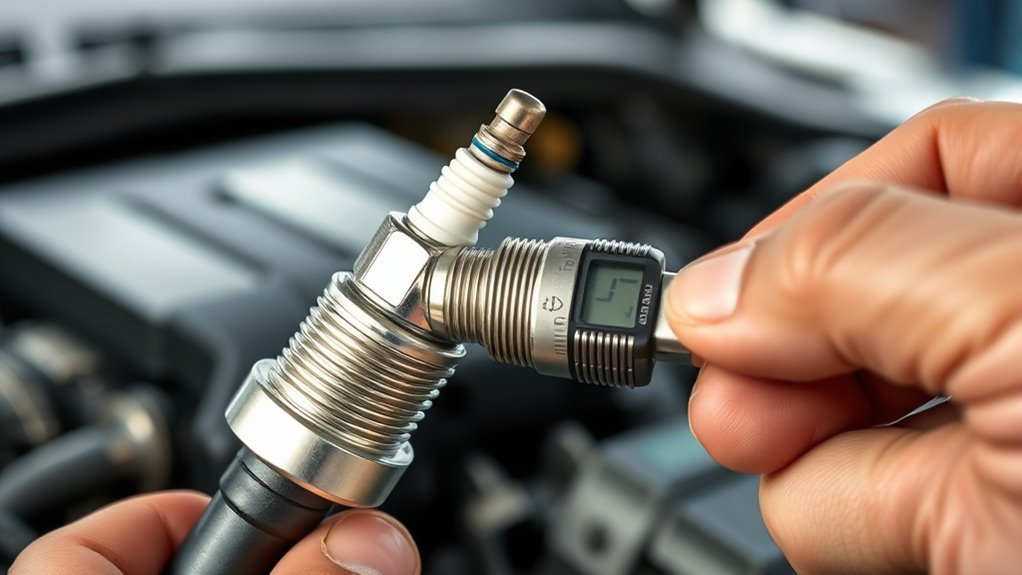
You need to verify the gap before installation because an incorrect gap can lead to misfires or inefficient combustion. Using a precise gap measuring tool, like a feeler gauge or gap gauge, allows you to set the electrode spacing accurately.
Even if your spark plugs appear correctly gapped, checking is critical since engine demands vary by make and model.
Why Is Spark Plug Gap Important for Your Engine?
Maintaining the correct spark plug gap directly influences your engine’s combustion efficiency and overall performance. The spark plug function relies on a precise gap to generate a strong, consistent spark that ignites the air-fuel mixture. If the gap is too wide or narrow, the spark weakens, leading to incomplete combustion, reduced power, and increased emissions.
| Gap Size | Effect on Spark Plug Function | Impact on Engine Performance |
|---|---|---|
| Too Narrow | Weak spark, potential misfire | Lower power, poor fuel economy |
| Correct | Ideal spark generation | Efficient combustion, smooth operation |
| Too Wide | Difficulty sparking, misfires | Rough idling, increased emissions |
Maintaining the correct gap guarantees your engine runs efficiently, maximizing power output and fuel efficiency.
When Should You Check or Adjust Spark Plug Gaps?
You should check or adjust your spark plug gaps according to the manufacturer’s specified intervals to maintain peak engine performance.
If you notice symptoms like rough idling, misfires, or decreased fuel efficiency, it’s crucial to inspect the gaps immediately.
Regular maintenance schedules also recommend periodic gap checks to prevent potential engine issues before they arise.
Manufacturer Recommendations
Although some spark plugs come pre-gapped from the manufacturer, it’s important to check the gap according to your vehicle’s service schedule or when you install new plugs.
Manufacturers specify exact spark plug specifications, including gap measurements, critical for peak engine performance. Ignoring these guidelines can lead to inefficient combustion or misfires.
You should consult your owner’s manual or service documentation to find the recommended gap for your engine model. If adjustments are necessary, use a proper gapping tool to achieve precise spacing.
Regularly verifying and adjusting spark plug gaps guarantees consistent ignition, maximizes fuel efficiency, and maintains engine power.
Always adhere to manufacturer recommendations to prevent premature wear or damage caused by incorrect gaps, preserving your engine’s reliability and performance over time.
Signs of Engine Issues
Whenever your engine displays signs like rough idling, misfires, or reduced fuel efficiency, it’s a clear indication that you should check the spark plug gaps.
These symptoms often stem from improper gap size due to spark plug wear, which negatively impacts engine performance.
To pinpoint whether gap adjustment is necessary, consider these key signs:
- Engine Misfires: Inconsistent combustion due to incorrect spark gaps leads to frequent misfires.
- Reduced Fuel Efficiency: A gap that’s too wide or narrow disrupts ignition timing, increasing fuel consumption.
- Hard Starts or Rough Idling: Excessive spark plug wear alters the gap, causing unstable ignition and rough engine operation.
Regularly inspecting and adjusting spark plug gaps guarantees peak engine performance and helps prevent premature spark plug wear.
Routine Maintenance Intervals
Identifying signs of engine issues like misfires or rough idling signals that spark plug gaps may need attention.
To maintain peak engine performance, you should check or adjust spark plug gaps during routine inspections, typically every 30,000 to 50,000 miles, depending on your vehicle and the spark plug lifespan specified by the manufacturer.
Some high-performance or iridium plugs may last longer but still require periodic gap verification. During these intervals, measure the gap with a feeler gauge and adjust it to the recommended specification.
Failing to maintain proper gaps can lead to inefficient combustion, increased emissions, and potential engine damage.
How Do You Measure and Set the Correct Spark Plug Gap?
Before you set the spark plug gap, you need to measure it accurately using a feeler gauge or a specialized gap tool. Different spark plug types require specific gap sizes, so consult your vehicle’s manual first.
Accurately measure spark plug gaps with a feeler gauge, and always check your vehicle’s manual for the correct size.
Here’s how to measure and set the gap:
- Insert the appropriate gauge thickness between the center and ground electrodes. The gauge should fit snugly without forcing.
- If the gap is too wide, gently tap the ground electrode against a hard surface or use the gap tool’s adjusting tool to narrow it.
- If the gap is too narrow, carefully pry the ground electrode outward with the tool until the correct measurement is achieved.
Using proper gap tools guarantees precise adjustments, maintaining peak ignition performance for your engine.
Are Some Spark Plugs Pre-Gapped? When Can You Skip Adjusting?
Some spark plugs come pre-gapped from the manufacturer, typically for standard engine requirements.
You can skip adjusting these if the factory gap matches your engine’s specifications exactly.
Always verify the gap with a gauge before installation to guarantee peak performance.
Pre-Gapped Spark Plug Types
Manufacturers often supply spark plugs with a factory-set gap tailored for specific engine types, meaning you may not need to adjust them before installation.
Understanding pre-gapped spark plug types helps you leverage pre-gapped advantages effectively. Here are common types:
- Copper Core Plugs: Typically pre-gapped for general use, offering reliable performance with minimal adjustment needed.
- Platinum and Iridium Plugs: These advanced types often come pre-gapped precisely for high-performance engines, enhancing ignition efficiency.
- OEM-Specific Plugs: Designed for direct replacement, these plugs arrive pre-gapped according to manufacturer specifications, ensuring ideal compatibility.
When To Skip Adjustment
Knowing that certain spark plugs come pre-gapped can save you time during installation. Many modern spark plug brands, like NGK and Bosch, manufacture plugs with factory-set gaps tailored to common engine specifications. If you choose these, you often don’t need to adjust the gap.
However, before skipping adjustment, always verify the gap using precise gap tools to verify it matches your engine’s requirements. Some high-performance or specialty plugs may require custom gaps not provided by manufacturers.
Additionally, if you’re replacing plugs in an older vehicle with unique gap specs, rely on gap tools to confirm accuracy.
To summarize, skip adjusting only when the pre-gapped plug matches your engine’s specified gap, confirmed with proper gap tools, to maintain peak ignition performance.
What Are Common Mistakes to Avoid When Gapping Spark Plugs?
Avoiding five key mistakes can guarantee accurate spark plug gapping and peak engine performance.
First, don’t misuse gapping techniques; always use a proper feeler gauge instead of abrasive tools that can damage spark plug materials.
Second, avoid over-adjusting the gap. Excessive bending of the ground electrode can weaken or crack it, especially with fragile spark plug materials like iridium or platinum.
Third, never assume new spark plugs come pre-gapped correctly. Manufacturers often set a generic gap, so always verify against your engine’s specifications.
Following these guidelines guarantees precise gaps, maintaining peak ignition and combustion efficiency.
By steering clear of these errors, you’ll preserve spark plug integrity and avoid misfires or poor fuel economy.
Accurate gapping is critical for reliable engine function and longevity.
Frequently Asked Questions
Can Incorrect Spark Plug Gaps Affect Fuel Efficiency?
Yes, incorrect spark plug gaps increase fuel consumption by causing incomplete combustion. You’ll experience reduced efficiency and accelerated spark plug wear, which compromises ignition performance.
This may lead to costly engine repairs if not addressed promptly.
How Does Spark Plug Gap Impact Engine Performance?
You might not realize it, but the spark plug gap critically influences ignition timing and flame propagation. Precise spark plug design guarantees ideal gap, directly boosting engine efficiency and performance by maximizing combustion and power output.
Are There Special Tools for Gapping Iridium Spark Plugs?
Yes, you’ll want specific gapping tools designed for iridium plugs to avoid damaging their fine electrodes. Precision feeler gauges or specialized gap adjusters guarantee accurate gaps without harming the iridium tip’s delicate structure.
Can Gapping Spark Plugs Cause Misfires?
Back in the Renaissance, precision was key, just like in spark plug maintenance today. If you gap plugs incorrectly, you can cause misfire symptoms like rough idling or power loss. Always measure gaps carefully to avoid issues.
Do Electric Vehicles Require Spark Plug Gap Adjustments?
You don’t need to adjust spark plug gaps in electric vehicles since they lack spark plug technology.
Electric vehicle maintenance focuses on battery, motor, and software systems, making traditional spark plug gap concerns irrelevant in EVs.
Conclusion
You don’t always have to gap spark plugs, but ensuring the correct gap is vital—incorrect gaps can reduce engine efficiency by up to 15%. Regularly checking and adjusting gaps helps maintain ideal combustion and performance.
While many plugs come pre-gapped, confirming the gap suits your engine specs is essential. Avoid common mistakes like using improper tools or neglecting adjustments.
By understanding when and how to gap spark plugs, you’ll keep your engine running smoothly and efficiently. Remember, knowing whether you need to gap spark plugs can save you time and improve your vehicle’s performance.