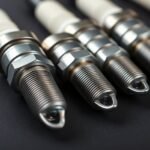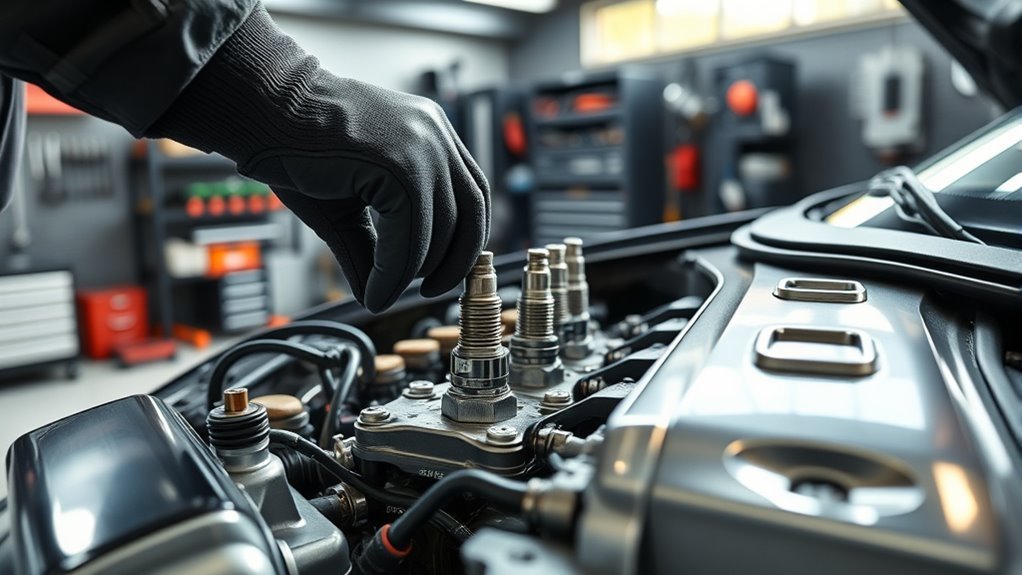

You can get your spark plugs changed at various locations, depending on your budget and vehicle needs. Dealerships offer specialized expertise but usually charge higher prices. Quick lube shops provide faster and often cheaper service, though quality can vary.
Independent mechanics often strike a balance between cost and skill. If you have the right tools and knowledge, you can also replace spark plugs yourself. Understanding these options helps you choose the best service and maintain engine performance effectively.
Explore further to optimize your spark plug care and ensure your vehicle runs smoothly.
Key Takeaways
- Auto repair shops and independent mechanics offer professional spark plug replacement with certified technicians.
- Quick lube centers and auto service chains provide fast, affordable spark plug changes, often within 30-60 minutes.
- Dealership service departments ensure manufacturer-recommended spark plug types and precise installation for your specific vehicle.
- Specialty performance shops cater to high-performance vehicles needing specific spark plug brands and expert installation.
- DIY spark plug replacement is possible with proper tools, knowledge, and adherence to vehicle-specific specifications.
Why Spark Plug Replacement Matters
Although spark plugs are small components, they play a critical role in your engine’s performance by igniting the air-fuel mixture in the combustion chamber. Over time, deposits accumulate on the spark plugs, which can degrade spark plug longevity and reduce ignition efficiency.
When spark plugs wear out, your engine may misfire, experience sluggish acceleration, or consume more fuel. Maintaining ideal spark plug condition guarantees consistent combustion, improving engine performance, fuel economy, and emissions.
Quality spark plugs with appropriate heat range and electrode design contribute to longer service life and reliable ignition. By understanding the importance of spark plug longevity, you can appreciate how timely replacement sustains engine power and responsiveness, preventing potential damage to ignition coils or catalytic converters.
Choosing quality spark plugs with the right heat range ensures longer life and protects vital engine components.
Proper maintenance keeps your engine running smoothly and efficiently.
When Should You Change Your Spark Plugs?
How do you know when it’s time to change your spark plugs? Monitoring your vehicle’s spark plug lifespan is essential to maintain engine efficiency. Typically, spark plugs last between 30,000 to 100,000 miles, depending on their type and driving conditions.
Pay attention to symptoms replacement is necessary, such as rough idling, difficulty starting, or decreased fuel economy.
| Symptom | Possible Cause | Recommended Action |
|---|---|---|
| Engine Misfire | Worn or fouled plugs | Inspect and replace plugs |
| Poor Fuel Economy | Inefficient combustion | Check spark plug condition |
| Hard Starting | Weak spark | Replace spark plugs promptly |
Regular inspections help you avoid performance issues by replacing spark plugs at the right time.
Spark Plug Replacement Costs
You’ll typically pay between $10 and $30 per spark plug, but labor costs vary depending on your vehicle’s design and the mechanic’s rates.
Understanding how factors like engine type and accessibility influence these charges helps you budget accurately.
Let’s break down average prices, labor fees, and what impacts the total replacement cost.
Average Spark Plug Prices
Several factors influence the average cost of spark plug replacement, including the type of spark plugs used, the make and model of your vehicle, and labor rates at service centers. Spark plug types vary from copper to iridium, each with different price points and performance.
Additionally, spark plug brands impact cost due to quality and warranty differences.
| Spark Plug Type | Average Price (per plug) | Popular Brands |
|---|---|---|
| Copper | $2 – $5 | NGK, Bosch |
| Platinum | $8 – $12 | Denso, ACDelco |
| Iridium | $12 – $20 | NGK, Denso, Bosch |
Choosing the right spark plug type and brand guarantees peak engine efficiency and longevity.
Labor Charges Explained
Understanding labor charges is vital when budgeting for spark plug replacement. Labor pricing directly impacts your total cost, as it covers the mechanic’s time and expertise.
Service fees can vary markedly by location and shop type, so it’s important to obtain detailed estimates. Typically, labor costs depend on the complexity of accessing the spark plugs and the vehicle model.
Key points to take into account include:
- Hourly labor rate set by the repair facility
- Estimated time required to complete the replacement
- Additional service fees for diagnostics or inspections
- Potential markups on labor for specialty or high-performance vehicles
Factors Affecting Costs
While the base price of spark plugs sets a starting point, multiple factors influence the total replacement cost you’ll face.
First, the spark plug types matter greatly; platinum and iridium plugs cost more than copper but offer enhanced durability and better engine performance.
The complexity of your engine also affects cost. High-performance or turbocharged engines often require specialized plugs, increasing prices.
Labor rates vary by location and vehicle model, impacting the overall expense.
Additionally, if your vehicle needs extensive cleaning or repairs during replacement, expect higher charges.
Choosing the right spark plug type not only guarantees ideal engine performance but also affects long-term maintenance expenses.
Understanding these variables helps you anticipate costs accurately and select the best service option for your vehicle’s needs.
How to Pick the Best Place to Change Your Spark Plugs
To pick the best place to change your spark plugs, you need to verify the technician’s qualifications and experience with your vehicle type.
Compare service prices carefully, ensuring they include parts, labor, and any additional fees.
Prioritize shops that offer transparent pricing and certified technicians to guarantee quality and value.
Qualified Technician Criteria
Choosing a qualified technician guarantees your spark plugs are replaced correctly and efficiently, preventing engine issues and maintaining peak performance.
To ascertain you pick the right professional, focus on these essential criteria:
- Verify certification requirements such as ASE or manufacturer-specific credentials to confirm technical competence.
- Assess technician experience with your vehicle make and model, ensuring familiarity with specific spark plug types and installation procedures.
- Confirm the use of proper tools and diagnostic equipment to maintain precise torque and gap settings.
- Check for adherence to safety protocols and quality control standards to avoid damage to ignition components or engine.
Service Price Comparison
After ensuring the technician meets all qualification standards, the next step involves comparing service prices to find the best value for your spark plug replacement.
Start by obtaining detailed quotes from multiple service centers, specifying the spark plug brands they use, as brand quality directly impacts performance and longevity.
Check if the quoted price includes labor, parts, and disposal fees to avoid hidden costs. Additionally, evaluate current service promotions or discounts that may reduce your overall expense.
Remember, the lowest price isn’t always the best deal. Consider warranty terms and technician expertise alongside cost.
Dealerships: Pros and Cons of Spark Plug Replacement
Although dealerships often charge higher rates for spark plug replacement, they provide specialized expertise and access to manufacturer-specific parts that guarantee peak performance.
When you choose a dealership, you benefit from technicians trained directly by the vehicle manufacturer, ensuring precise installation according to exact specifications.
Additionally, dealerships maintain a reputation for reliability and strong customer service, which can be critical for complex vehicle systems.
Consider these pros and cons:
- Pros:
- Access to OEM spark plugs and components
- Technicians with brand-specific training
- Cons:
- Higher labor and parts costs
- Potentially longer wait times due to appointment scheduling
Weighing these factors helps you decide if a dealership’s service aligns with your priorities for quality and cost.
Independent Mechanics: What to Expect
When you bring your vehicle to an independent mechanic for spark plug replacement, expect a more flexible and often cost-effective service compared to dealerships.
Independent mechanics typically have lower overhead, allowing them to offer competitive pricing without compromising quality. They can source parts from various suppliers, giving you options for OEM or aftermarket spark plugs.
Before choosing, review customer reviews to gauge reliability, workmanship, and turnaround time.
Independent mechanics often provide personalized attention and can explain the diagnostic process in detail, ensuring you understand the condition of your ignition system.
However, skill levels vary, so verifying certifications like ASE and checking past service records is essential.
Quick Lube Shops and Auto Centers: Are They a Good Choice?
You’ll find that quick lube shops and auto centers often offer spark plug replacement as part of their services, usually at a lower cost than dealerships.
Their efficiency means you can get in and out quickly, but the quality of work may vary depending on technician expertise.
It’s important to weigh the balance between cost savings and the precision required for your vehicle’s spark plug installation.
Services Offered
Quick lube shops and auto centers offer spark plug replacement services designed for convenience and speed. When you choose these options, you’ll find technicians familiar with various spark plug types and reputable spark plug brands, ensuring compatibility with your vehicle.
Their services typically include:
- Inspection of ignition components for wear or damage
- Removal and replacement of old spark plugs with recommended types
- Use of OEM or trusted aftermarket spark plug brands
- Resetting engine codes and test drives to verify performance
While their focus is on quick turnaround, these centers maintain technical accuracy, helping you avoid misfires or engine inefficiencies.
However, confirm that your vehicle’s specific spark plug requirements are met, as some high-performance or specialty plugs may be unavailable at quick lube shops.
Cost and Efficiency
Auto centers and quick lube shops balance speed with technical service, but understanding their cost and efficiency can help you decide if they’re the right option for your spark plug replacement. These facilities typically offer competitive pricing and quick turnaround but may vary in expertise affecting spark plug longevity.
Following proper maintenance tips post-service guarantees peak performance. Review the table below comparing cost and efficiency factors:
| Factor | Details |
|---|---|
| Cost | Generally lower than dealerships |
| Service Time | 30-60 minutes |
| Technician Expertise | Varies; may lack specialized training |
| Impact on Longevity | Proper installation essential |
| Maintenance Tips | Follow recommended intervals |
Choosing a quick lube shop suits those valuing speed and affordability but verify technician skill to maximize spark plug longevity.
DIY Spark Plug Replacement: When and How to Do It
Although spark plug replacement might seem intimidating at first, performing this maintenance yourself can save time and money while ensuring your engine runs efficiently. You should consider DIY replacement if your vehicle’s manual indicates worn plugs or if you notice decreased engine performance, rough idling, or poor fuel economy.
To replace your spark plugs effectively, gather the right spark plug tools and follow these steps:
Disconnect the battery to avoid electrical shocks.
Remove the ignition coils or wires carefully.
Use a spark plug socket and ratchet to extract old plugs.
Install new plugs, ensuring correct gap and torque specifications.
This approach maintains peak engine performance and prevents damage from improper installation.
Questions to Ask Your Mechanic Before Changing Spark Plugs
Before you hand over your vehicle for spark plug replacement, you’ll want to ask your mechanic specific questions to guarantee the job is done correctly and cost-effectively. Knowing the spark plug types they recommend and their maintenance tips can prevent future issues.
| Question | Purpose |
|---|---|
| Which spark plug types suit my engine? | Ensures compatibility and peak performance |
| What maintenance tips should I follow post-replacement? | Helps extend spark plug life and engine efficiency |
| How will you verify proper installation? | Confirms adherence to torque specs and gap settings |
These questions confirm your mechanic understands your vehicle’s requirements and applies precise installation techniques, safeguarding engine health and performance.
How Regular Spark Plug Maintenance Saves You Money
When you maintain your spark plugs regularly, you reduce engine misfires and improve fuel efficiency, which directly lowers your fuel costs.
Following a strict maintenance schedule guarantees peak spark plug longevity, preventing premature wear and costly repairs.
Neglecting this can lead to inefficient combustion, reducing engine performance and increasing emissions.
Ignoring spark plug care causes poor combustion, harming engine performance and raising emissions.
Here’s how regular maintenance saves you money:
- Extends spark plug lifespan, minimizing replacement frequency
- Enhances engine efficiency, lowering fuel consumption
- Prevents costly engine damage caused by misfires
- Maintains peak ignition timing, reducing repair expenses
Frequently Asked Questions
Can Changing Spark Plugs Improve Fuel Efficiency Immediately?
Yes, improving fuel economy happens quickly after spark plug maintenance because properly functioning plugs guarantee efficient combustion. You’ll notice immediate benefits in engine performance and fuel efficiency, reducing misfires and optimizing power output.
Are There Specific Spark Plugs for Electric or Hybrid Vehicles?
You won’t find spark plug types for electric vehicles; they don’t need them. However, hybrid models use specific spark plugs tailored for their combustion engines.
Understanding spark plug types is essential for precise electric vehicle maintenance.
How Do Weather Conditions Affect Spark Plug Performance?
You’ll find temperature fluctuations cause spark plugs to expand and contract, affecting gap consistency, while high humidity levels can lead to corrosion and misfires.
Monitoring these conditions helps maintain ideal spark plug performance and engine efficiency.
Can Faulty Spark Plugs Cause Engine Warning Lights?
Yes, spark plug failure can trigger engine warning lights. Your vehicle’s engine diagnostics system detects misfires or inefficiencies caused by faulty spark plugs, prompting the warning to alert you for timely maintenance and prevent further engine damage.
Is There a Warranty on Spark Plug Replacements at Service Centers?
Yes, most service centers provide warranty coverage on spark plug replacements. You should review their specific service policies to understand duration and conditions, ensuring your repair is protected against defects or premature failures.
Conclusion
Think of your spark plugs as the heart of your engine’s ignition system—keeping them fresh guarantees your car runs like a well-oiled machine. Whether you choose a trusted dealership, a quick lube shop, or tackle the job yourself, timely replacement prevents costly breakdowns and boosts performance.
By asking the right questions and maintaining your spark plugs regularly, you’re fueling efficiency and extending your engine’s life. This routine care ultimately turns into long-term savings.
If you’re wondering where can I get my spark plugs changed, consider these options carefully to ensure quality service and keep your vehicle running smoothly.