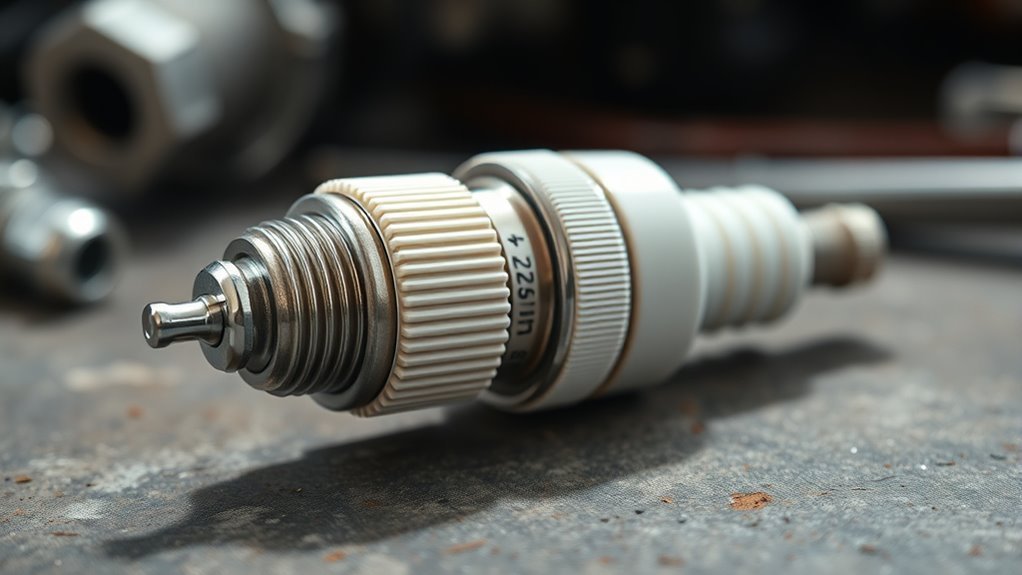

What should spark plugs look like? Ideally, your spark plugs should have a clean, light gray or tan electrode surface with uniform wear and no heavy deposits. New plugs display sharp, well-defined edges, while used ones show rounded electrodes and may have slight staining.
A smooth, slightly rough texture and the absence of corrosion indicate proper combustion. Be alert for signs such as thick carbon buildup, oil deposits, or cracked insulators. These issues can signal underlying engine problems.
Keeping spark plugs in good condition enhances engine performance. Understanding their appearance helps you spot potential issues early and maintain your vehicle efficiently.
Key Takeaways
- Healthy spark plugs have clean, light gray or tan electrodes with minimal deposits and no corrosion or heavy buildup.
- The insulator nose should be clean, free from cracks, and show a light tan or grayish color indicating proper combustion.
- Worn plugs exhibit rounded or eroded electrodes, excessive deposits, and possible staining on the insulator.
- Black, sooty deposits suggest a rich fuel mixture; oily deposits indicate oil leakage into the combustion chamber.
- White, blistered deposits or cracked insulators signal overheating and the need for spark plug replacement.
What Healthy Spark Plugs Look Like
Healthy spark plugs exhibit a clean, light gray or tan electrode surface with minimal deposits. This indicates efficient combustion and proper engine function.
When performing spark plug maintenance, you should inspect the electrodes for uniform wear and no signs of corrosion or heavy carbon buildup. The insulator nose should remain clean and free of cracks, which can cause misfires.
Maintaining spark plugs within their ideal spark plug lifespan, typically 30,000 to 100,000 miles depending on type, ensures consistent performance, fuel efficiency, and reduced emissions.
You’ll want to replace plugs that show signs of erosion, glazing, or excessive deposits, as these symptoms decrease ignition reliability.
Regular inspection during routine maintenance helps you detect early wear, preventing engine issues and ensuring your ignition system operates at peak efficiency.
Differences Between New and Used Spark Plugs
Although new spark plugs have pristine electrodes and clean insulators, used spark plugs display signs of wear and deposits that reflect engine conditions. You’ll notice that new spark plug features include sharp electrode edges and a bright, uncontaminated ceramic insulator.
In contrast, used spark plug characteristics often involve electrode erosion, discoloration, and deposit accumulation caused by combustion byproducts.
| Aspect | New Spark Plugs | Used Spark Plugs |
|---|---|---|
| Electrode Condition | Sharp, well-defined edges | Rounded, worn edges |
| Insulator Appearance | Clean, white ceramic | Stained or coated with deposits |
| Surface Deposits | None | Carbon, oil, or ash accumulation |
Understanding these differences helps you assess engine health and determine spark plug replacement timing.
How to Inspect Spark Plug Electrodes for Wear
Recognizing the visible differences between new and used spark plugs sets the stage for a more detailed examination of electrode wear.
During electrode inspection, focus on evaluating wear patterns that indicate the plug’s condition. Look for these signs:
- Rounded or eroded electrode edges, which reduce spark efficiency
- Excessive gap widening caused by electrode material loss
- Deposits or pitting that alter the spark path and can signal combustion issues
Use a feeler gauge to measure the electrode gap precisely; deviations from specifications often indicate wear.
Also, check for uneven wear, which might point to ignition or engine problems.
Systematic electrode inspection helps you determine whether the spark plug still performs at its best or requires replacement, ensuring reliable engine operation.
Normal Spark Plug Color and Texture
When you examine a spark plug after normal engine operation, you’ll typically see a light tan or grayish-brown coloration on the electrode and insulator tip. This coloration indicates proper combustion and efficient fuel-air mixture burning.
The spark plug surface should feel smooth with a dry, slightly rough texture, free from heavy deposits or corrosion. Maintaining this normal appearance is essential for peak spark plug performance and longevity.
Consistent spark plug maintenance, including timely inspection and replacement, helps preserve this ideal color and texture, ensuring reliable ignition and preventing misfires.
Deviations from this normal look often signal underlying engine issues. Recognizing the correct spark plug color and texture provides a baseline for evaluating spark plug condition and planning maintenance to maximize spark plug longevity and engine efficiency.
Common Spark Plug Deposits and What They Mean
You should expect a normal spark plug to have a light tan or grayish color with a slightly rough texture.
When you see deposits, their color and consistency can tell you a lot about engine conditions or fuel quality.
Recognizing these common deposits helps you diagnose issues quickly and maintain peak engine performance.
Normal Spark Plug Appearance
Spark plugs often develop specific deposits that reveal valuable information about engine performance and combustion quality.
When inspecting normal spark plug appearance, you’ll notice a light tan or grayish color on the insulator tip, indicating efficient combustion. This appearance varies slightly depending on spark plug types and spark plug brands, but the underlying indicators remain consistent.
Look for these key features in a healthy spark plug:
- Clean, light-colored insulator with no excessive buildup
- Minimal electrode wear, ensuring proper spark gap
- Absence of oily or carbon-heavy deposits that suggest abnormal combustion
Identifying Common Deposits
Deposits on spark plugs provide essential diagnostic clues about engine conditions and fuel combustion. When you examine your spark plugs, you might notice different deposits indicating specific issues.
For example, black, sooty carbon deposits usually signal a rich fuel mixture or incomplete combustion. Oily deposits suggest oil leakage into the combustion chamber, while white, blistered deposits often point to overheating.
Understanding these deposit causes helps you determine whether spark plug cleaning is sufficient or if further engine diagnostics are necessary. Light tan or grayish deposits typically indicate normal operation.
By regularly inspecting and identifying these deposits, you can maintain peak engine performance and prevent potential damage.
Effective spark plug cleaning removes problematic buildup, restoring proper spark function and ensuring efficient combustion.
Recognizing Oil-Contaminated Spark Plugs
When oil leaks into the combustion chamber, it leaves distinct residues on the plug that can affect engine performance. You’ll notice oil residue coating the insulator and electrode, which often appears wet, shiny, or blackened.
This contamination disrupts the spark generation, leading to spark plug failure and misfires.
To recognize oil-contaminated spark plugs, look for:
- Oily, glossy deposits on the firing end that don’t wipe away easily
- A dark, greasy buildup contrasting with normal light tan or gray coloration
- Signs of fouling that cause weak or inconsistent sparks, reducing engine efficiency
Identifying these symptoms early helps you pinpoint issues like worn valve guides or piston rings causing oil to seep into the combustion chamber, preventing further engine damage and costly repairs.
Overheated Spark Plugs: Appearance and Causes
You’ll recognize overheated spark plugs by their blistered, white insulator and eroded electrodes.
These signs indicate excessive combustion temperatures, often caused by incorrect spark plug heat range, lean air-fuel mixtures, or ignition timing issues.
Understanding these causes helps you prevent engine damage and maintain peak performance.
Signs of Overheating
Although spark plugs are designed to operate under high temperatures, excessive heat can cause distinct signs of overheating that affect their performance.
Recognizing these overheating symptoms is essential to prevent spark plug failure and maintain engine efficiency.
When inspecting your spark plugs, look for these indicators:
- Blistered or melted electrodes: Excessive heat causes electrode material to degrade or deform.
- White, powdery deposits: Indicate burnt electrodes and insulator tips due to high combustion temperatures.
- Faded or washed-out insulator color: Suggests overheating, as normal tan or light brown hues turn abnormally white.
If you notice any of these signs, it’s a clear indication that the spark plug has been subjected to abnormal thermal stress, which compromises ignition quality and can lead to engine misfires or damage.
Common Overheating Causes
Recognizing the signs of overheating spark plugs is only part of the process; understanding what causes these conditions helps you prevent recurring issues. Common causes include incorrect engine timing, which increases combustion chamber temperature, stressing the spark plugs beyond their heat range.
Additionally, coolant leaks into the combustion chamber can disrupt proper cooling, elevating spark plug temperatures and causing premature wear. Lean air-fuel mixtures also raise combustion temperatures, contributing to overheating.
Faulty ignition components and insufficient engine cooling exacerbate these effects. To avoid repeated overheating, regularly inspect your engine’s timing system and check for coolant leaks that compromise thermal management.
Maintaining the correct fuel mixture and ensuring your ignition system functions effectively will help keep spark plugs operating within their designed temperature range, preserving engine performance and longevity.
Appearance of Worn or Damaged Spark Plugs
Several visual indicators help you identify worn or damaged spark plugs, essential for maintaining engine performance.
Recognizing spark plug wear and electrode damage early can prevent engine misfires and reduced fuel efficiency.
You should look for:
Eroded electrodes: Noticeable rounding or thinning of the center and ground electrodes indicates electrode damage affecting spark quality.
Excessive deposits: Carbon, oil, or ash build-up on the insulator or electrodes signals combustion issues or contamination.
Cracked insulator: Visible fractures or chips in the ceramic insulator compromise insulation and spark integrity.
When to Replace Spark Plugs Based on Visual Signs
You should inspect your spark plugs regularly to distinguish between a normal appearance and signs of wear or damage.
Look for specific indicators like electrode erosion, deposits, or cracks that signal the need for replacement.
Recognizing these visual cues helps maintain engine performance and prevents potential failures.
Normal Spark Plug Appearance
A spark plug in normal condition exhibits a light tan or grayish color on the insulator tip and electrodes, indicating efficient combustion and proper engine performance.
You’ll notice this consistent appearance across various spark plug types, whether copper, iridium, or platinum, due to their specific spark plug materials designed for durability and conductivity.
When inspecting, look for:
- Clean, dry insulator tips without deposits or oil fouling.
- Minimal electrode wear that preserves the proper gap for ideal spark.
- No signs of cracking or glazing on the ceramic insulator.
Maintaining spark plugs with these normal characteristics guarantees reliable ignition and engine efficiency.
If your spark plugs match this description, replacement isn’t necessary yet, but regular checks aligned with your vehicle’s maintenance schedule keep performance ideal.
Signs of Wear
Although spark plugs are built to last, they inevitably exhibit signs of wear that signal the need for replacement. Understanding these wear indicators helps you maintain peak engine performance and adhere to the recommended spark plug lifespan.
Typical wear signs include electrode erosion, where the center and ground electrodes become rounded or thinned, reducing spark efficiency. You may also notice a light tan or grayish deposit coating the insulator, which is normal but thick buildup suggests wear.
Excessive gap widening due to electrode wear increases misfires and poor combustion. Additionally, if you observe dull, blistered, or cracked insulator tips, it’s time to replace the plugs.
Monitoring these wear indicators prevents performance decline and guarantees your engine runs smoothly within the designed spark plug lifespan.
Indicators of Damage
When spark plugs show visible signs of damage, it’s crucial to replace them promptly to avoid engine performance issues or potential damage.
You should inspect your spark plugs regularly for specific indicators that signal the need for replacement.
These signs typically include:
- Spark plug corrosion: Rust or buildup on the metal parts can impede electrical conductivity, leading to misfires or poor combustion.
- Electrode wear: Rounded or eroded electrodes reduce spark efficiency, causing rough idling and decreased fuel economy.
- Cracked or chipped insulator: Damage to the ceramic insulator compromises insulation, increasing the risk of misfire or short circuits.
Tips for Maintaining Spark Plug Health
Since spark plugs play a critical role in engine performance, you should regularly inspect and clean them to prevent misfires and maintain ideal combustion.
For effective spark plug maintenance, check for carbon deposits, electrode wear, and proper gap size. Use a wire brush or specialized cleaner to remove debris without damaging the electrodes.
Always adhere to the manufacturer’s recommended spark plug lifespan, typically between 30,000 and 100,000 miles, depending on the type. Replace plugs promptly when signs of wear or damage appear to sustain engine efficiency.
Follow the manufacturer’s spark plug lifespan guidelines and replace when worn to maintain engine efficiency.
Additionally, verify correct torque during installation to avoid distortion or poor contact.
Proper spark plug maintenance not only extends spark plug lifespan but also optimizes fuel economy and reduces emissions, keeping your engine running smoothly.
Frequently Asked Questions
How Often Should Spark Plugs Be Replaced for Optimal Performance?
You should replace spark plugs every 30,000 to 100,000 miles, depending on type. Follow maintenance tips like regular inspection and cleaning to maximize spark plug lifespan and guarantee your engine runs efficiently and reliably.
Can Spark Plug Type Affect Fuel Efficiency?
Think of spark plug types like different paintbrushes; choosing the right one can improve fuel efficiency by ensuring ideal combustion. Using iridium plugs, for example, often enhances fuel economy compared to standard copper types due to better ignition.
What Tools Are Needed to Change Spark Plugs?
You’ll need a spark plug socket to fit snugly over the plug and a torque wrench to tighten it precisely to the manufacturer’s specs.
Additionally, a ratchet and extension bar may help reach deep plugs efficiently.
How Do Spark Plugs Impact Engine Starting Issues?
Did you know spark plug failure causes up to 10% of engine starting issues? When your plugs misfire, they disrupt ignition timing, leading to engine misfire and difficulty starting.
Regular checks prevent these problems effectively.
Are There Aftermarket Spark Plugs Better Than OEM Ones?
Yes, you’ll find aftermarket benefits like enhanced durability and improved ignition. When you do a performance comparison, some aftermarket spark plugs offer better heat resistance and efficiency than OEM ones, boosting overall engine performance.
Conclusion
You should regularly inspect your spark plugs, as studies show that up to 30% of engine misfires stem from worn or fouled plugs. Healthy spark plugs have clean, light-gray electrodes without heavy deposits or damage.
By recognizing normal colors and textures versus signs of overheating or wear, you can maintain peak engine performance. Consistent visual checks and timely replacements based on these indicators help prevent costly repairs and keep your engine running efficiently.
Understanding what spark plugs should look like is essential for ensuring your vehicle operates smoothly and reliably.