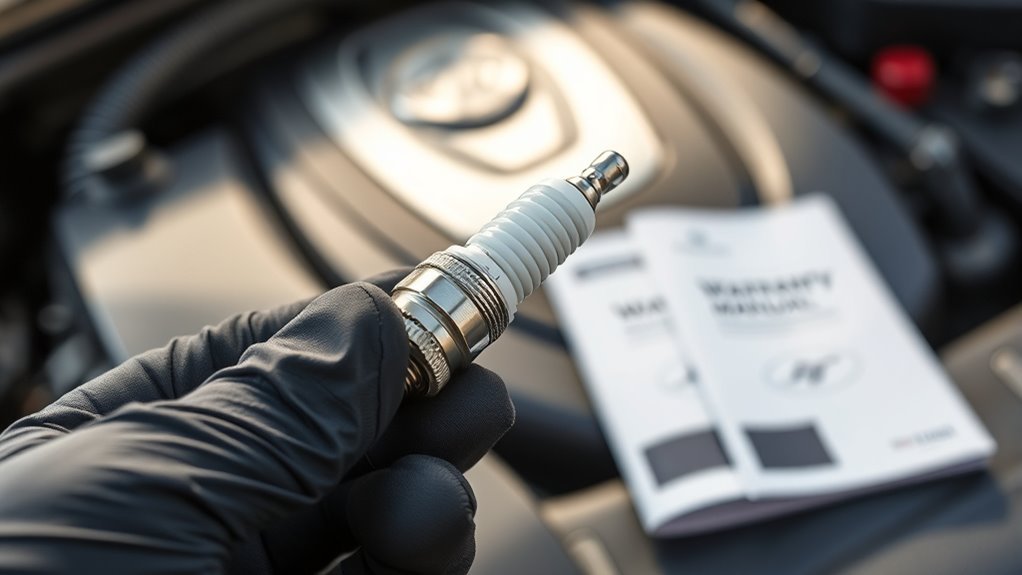

Are spark plugs covered under warranty? Whether they are depends on your vehicle’s manufacturer and the specific type of warranty you have.
Basic warranties often exclude spark plugs because they are considered wear-and-tear items. However, extended or bumper-to-bumper warranties may offer some coverage for spark plugs.
Most warranties focus on covering defects rather than normal wear or damage caused by misuse. Your driving habits and maintenance routine can also affect warranty claims.
If you want to know which warranties include spark plugs and how to verify your coverage, there is more detailed information available to explore.
Key Takeaways
- Spark plugs coverage depends on the vehicle’s warranty type and manufacturer policies, with some excluding them from basic warranties.
- Standard warranties typically cover defects in materials or workmanship, not normal wear or maintenance-related replacements.
- Extended warranties often include spark plug coverage, especially for wear items beyond the original warranty period.
- Warranty coverage usually lasts 12 to 24 months or up to a specific mileage, matching typical spark plug lifespan limits.
- Always review the vehicle’s warranty documents or contact the dealership to confirm specific spark plug coverage details.
Are Spark Plugs Covered Under Warranty?
When it comes to whether spark plugs are covered under warranty, the answer depends largely on the type of warranty and the vehicle manufacturer’s policies.
Different spark plug types, such as copper, platinum, and iridium, have varying lifespans and maintenance requirements, which can affect warranty coverage.
Typically, warranties distinguish between wear-and-tear items and defective parts, so you need to perform a warranty comparison specific to your vehicle. Some manufacturers exclude spark plugs from basic warranties due to their routine replacement intervals, while others include them under powertrain or extended warranties if failure occurs prematurely.
To determine your coverage, review your warranty documentation carefully, focusing on terms related to ignition components and maintenance parts. This approach guarantees you understand the scope of protection for your spark plugs.
Which Warranties Cover Spark Plugs?
Understanding the types of warranties that cover spark plugs can help you identify whether replacements will be at no cost or out of pocket. Typically, spark plugs fall under the vehicle’s basic or powertrain warranties, depending on the manufacturer and spark plug types used.
Standard warranties often cover defects in materials or workmanship, which means if your spark plugs fail prematurely due to such issues, you can file warranty claims. However, wear-and-tear or maintenance-related replacements usually aren’t covered.
Some manufacturers specify certain spark plug types, like iridium or platinum, that may have different coverage terms.
To avoid denied claims, you should consult your vehicle’s warranty documentation and adhere strictly to recommended maintenance schedules and authorized service providers. This guarantees accurate assessment and smooth processing of any warranty claims related to spark plugs.
Are Spark Plugs Covered Under Extended Warranties?
When you purchase an extended warranty, it often includes coverage for wear items like spark plugs beyond the original warranty period.
These plans can save you money on replacements and labor costs that aren’t typically covered under standard warranties.
Understanding the specifics of your extended warranty helps you know if spark plugs are included and what conditions apply.
Typical Warranty Coverage
Many extended warranties include spark plugs within their coverage, but the extent varies considerably depending on the provider and specific plan. Understanding typical warranty coverage helps you anticipate what’s protected, especially since spark plug lifespan often exceeds basic warranty durations.
- Coverage Duration: Some plans cover spark plugs only up to a certain mileage or time limit, aligned with the expected spark plug lifespan.
- Wear and Tear Exclusion: Many warranties exclude parts subject to normal wear, so you must check warranty terms carefully to confirm spark plugs are included.
- Type of Warranty: Powertrain warranties usually exclude spark plugs, while extensive or bumper-to-bumper plans are more likely to cover them.
Reviewing these details guarantees you know whether your extended warranty provides adequate spark plug protection.
Extended Warranty Benefits
Although spark plugs are often overlooked, extended warranties can offer valuable protection for these critical engine components. When you opt for extended coverage, you gain warranty benefits that go beyond the manufacturer’s standard terms, often including parts like spark plugs that typically wear out over time.
This extended coverage protects you from unexpected repair costs associated with spark plug failure, which can affect engine performance and fuel efficiency. Since spark plugs endure significant stress and heat, having them covered under an extended warranty guarantees timely replacement without added expense.
Before purchasing, verify the specific terms of your extended warranty, as coverage for spark plugs varies by provider. Understanding the scope of warranty benefits helps you make informed decisions about protecting your vehicle’s ignition system.
What Does a Spark Plug Warranty Cover?
You’ll want to understand the specific coverage duration limits your spark plug warranty offers, as it often varies by manufacturer.
Typically, warranties cover defects and malfunctions but exclude damage from misuse or normal wear.
Be sure to review any conditions or exclusions that might affect your eligibility for a claim.
Coverage Duration Limits
Since spark plugs endure high temperatures and electrical stress, warranty coverage typically focuses on manufacturing defects and premature failure rather than normal wear.
When considering coverage duration limits, you should keep these points in mind:
- Spark plug lifespan: Most warranties align with the expected lifespan of spark plugs, usually between 30,000 and 100,000 miles, depending on the type and manufacturer.
- Time constraints: Coverage generally expires after a set period, often 12 to 24 months from purchase, regardless of mileage.
- Warranty renewal: Some manufacturers offer warranty renewal or extended coverage if you adhere to recommended maintenance schedules and use authorized service providers.
Understanding these limits helps you avoid assuming coverage for natural degradation and guarantees you claim warranty benefits within the valid timeframe.
Defects And Malfunctions
When spark plugs fail due to manufacturing defects or malfunctions, warranties typically cover the cost of replacement or repair. These defects may include improper electrode construction, insulation flaws, or material inconsistencies that shorten the spark plug lifespan beyond normal wear expectations.
Since the spark plug plays a critical role in the ignition system’s performance, a defective plug can cause misfires, poor fuel efficiency, or engine hesitation. Warranties focus on ensuring that the spark plug functions as designed within the specified lifespan, protecting you from premature failures unrelated to external factors.
If the malfunction originates from a production fault, the manufacturer is responsible for remedying the issue, maintaining ideal ignition system operation and your vehicle’s reliability during the warranty period.
Exclusions And Conditions
Understanding what a spark plug warranty covers requires recognizing its limitations and specific conditions. Warranty differences often depend on spark plug types and manufacturer policies. Here are key exclusions and conditions to evaluate:
- Normal Wear and Tear: Most warranties don’t cover degradation from regular use, as spark plugs naturally wear over time.
- Improper Installation or Use: Damage caused by incorrect installation, modifications, or using spark plugs in incompatible engines is typically excluded.
- Environmental and External Factors: Issues arising from contamination, corrosion, or exposure to extreme conditions often fall outside warranty coverage.
How Driving Habits Affect Spark Plug Warranty Claims
Although spark plugs are designed to withstand typical driving conditions, your driving habits directly influence their lifespan and the validity of warranty claims. Aggressive driving styles, poor maintenance habits, and substandard fuel quality accelerate wear.
Incorrect engine tuning, including ignition timing errors, can cause premature failure. Temperature extremes and heavy vehicle load further stress spark plugs.
Frequent short trips in stop-and-go traffic with rapid acceleration patterns degrade performance faster.
| Factor | Effect on Spark Plugs | Warranty Impact |
|---|---|---|
| Driving Styles | Increased wear, fouling | May void warranty if abusive |
| Maintenance Habits | Longevity, performance | Poor upkeep can negate claims |
| Fuel Quality | Deposits, corrosion | Low-quality fuel reduces coverage |
| Engine Tuning | Misfires, overheating | Improper tuning often excluded |
| Temperature/Load | Thermal stress, damage | Extreme conditions scrutinized |
Why Wear and Tear Isn’t Covered by Spark Plug Warranty
Since spark plugs undergo continuous combustion cycles, they experience gradual degradation that manufacturers classify as normal wear and tear. This inherent process limits the spark plug lifespan and is a primary reason why warranties exclude coverage for wear-related issues.
You should understand these common warranty misconceptions:
- Spark plug warranties don’t cover expected deterioration resulting from regular use.
- Damage caused by environmental factors or improper maintenance is distinct from manufacturing defects.
- The warranty aims to address faults in materials or workmanship, not natural performance decline.
How to Check If Your Spark Plugs Are Still Under Warranty
To determine if your spark plugs are still under warranty, first locate your vehicle’s warranty document.
Carefully review the terms related to ignition components, noting coverage duration and conditions.
This guarantees you understand whether your spark plugs qualify for warranty service.
Locate Your Warranty Document
When you want to confirm whether your spark plugs are still covered under warranty, start by locating your warranty document. This document is essential because it outlines warranty types and specific coverage details. Without it, verifying your eligibility for replacement or repair becomes difficult.
Follow these steps to locate your warranty document:
- Check your vehicle’s glove compartment or owner’s manual folder, where manufacturers often include warranty papers.
- Access your vehicle manufacturer’s official website; many provide digital copies once you input your VIN.
- Contact your dealership or service center directly; they can supply or guide you to the exact warranty document.
Check Vehicle Warranty Terms
Although warranty coverage varies by manufacturer and model, you can determine if your spark plugs are still under warranty by carefully reviewing the specific terms and conditions outlined in your vehicle’s warranty document.
Start by identifying the warranty types applicable, such as bumper-to-bumper, powertrain, or emissions warranties, as coverage for spark plugs often depends on these distinctions.
Next, verify the warranty period and mileage limits to guarantee your vehicle qualifies. Pay close attention to maintenance schedules, as failure to adhere to recommended service intervals can void warranty claims on spark plugs.
Confirm whether routine maintenance records are required to validate coverage.
What to Do If Spark Plugs Fail Warranty
If your spark plugs fail outside the warranty coverage, you’ll need to evaluate alternative solutions promptly. Proper spark plug maintenance is vital to prolong their lifespan and avoid costly repairs. Since warranty claims won’t apply, consider the following steps:
- Inspect and Replace: Conduct a thorough inspection for wear or fouling. Replace spark plugs with OEM or high-quality aftermarket parts to guarantee peak performance.
- Consult a Technician: A certified mechanic can diagnose underlying issues causing premature failure, such as ignition system faults or fuel mixture problems.
- Document Maintenance: Keep detailed records of all spark plug maintenance and replacements. This documentation can support future warranty claims and help track your vehicle’s health.
Acting swiftly and methodically will minimize downtime and prevent further engine damage.
Can Service Contracts Cover Spark Plug Replacement?
How do service contracts handle spark plug replacement? Typically, service contracts vary in coverage; some include spark plug replacement if it’s part of the engine’s critical components, while others exclude it as a regular maintenance item. You should review your specific contract terms to determine eligibility.
| Aspect | Coverage Details |
|---|---|
| Included in Contract | Spark plugs covered under powertrain or ignition system protection |
| Excluded Items | Routine maintenance like spark plug replacement without damage |
| Claim Requirements | Proof of failure not caused by neglect or misuse |
When spark plugs fail due to defects, some service contracts will cover replacement, but maintenance-related wear usually isn’t covered. Always verify your contract before proceeding.
Tips to Maintain Spark Plugs and Avoid Warranty Denials
Since spark plugs play a critical role in engine performance, maintaining them properly helps prevent premature failure and potential warranty claim denials.
Effective spark plug maintenance guarantees peak combustion and reduces the risk of damage that could void your warranty.
To keep your spark plugs in top condition and support successful warranty claims, follow these key tips:
- Regular Inspection: Check spark plugs at recommended intervals for wear, deposits, or damage to catch issues early.
- Proper Installation: Use the correct torque and gap specifications to avoid misfires and physical damage.
- Timely Replacement: Replace spark plugs according to manufacturer guidelines to maintain engine efficiency and warranty compliance.
Consistent spark plug maintenance minimizes failure risk and strengthens your position in warranty disputes.
Frequently Asked Questions
How Often Should Spark Plugs Be Replaced for Optimal Performance?
You should replace spark plugs every 30,000 to 100,000 miles, depending on their lifespan. Regularly inspect and clean them as part of maintenance tips to guarantee peak engine performance and fuel efficiency.
What Are Common Signs of Faulty Spark Plugs?
You’ll notice spark plug symptoms like rough idling, misfires, and ignition issues affecting 30% of vehicles with worn plugs. These cause inefficient combustion, reducing performance and fuel economy, signaling it’s time to inspect or replace them promptly.
Can Using the Wrong Type of Spark Plug Damage My Engine?
Yes, using the wrong spark plug compatibility can damage your engine. It disrupts combustion, lowers engine performance, and may cause misfires or excessive wear.
Always use manufacturer-recommended spark plugs to guarantee peak function and longevity.
How Do Spark Plugs Affect Fuel Efficiency?
When your engine fires perfectly, like synchronized lightning, the right spark plug types optimize ignition timing, boosting fuel efficiency by ensuring complete combustion.
Misaligned timing wastes fuel, so precise plugs keep your engine running lean and clean.
Are There Any Aftermarket Spark Plugs Recommended for Specific Vehicles?
Yes, you’ll find aftermarket options tailored for specific vehicles. Always verify vehicle compatibility by checking manufacturer specs and consulting expert reviews.
This helps guarantee peak performance, durability, and fuel efficiency when selecting aftermarket spark plugs.
Conclusion
Don’t let a worn-out spark plug turn your engine into a sputtering mess of chaos. Knowing if your spark plugs are covered under warranty can save you from an unexpected explosion of repair costs. Check your warranty details carefully—extended plans often have your back.
Maintain your plugs diligently to avoid denial. Regular inspections and timely replacements keep your engine running smoothly and prevent costly breakdowns. Staying proactive helps you catch issues early before they escalate.
By staying informed and proactive, you’ll keep your engine firing smoothly and your wallet intact, no matter how wild the road gets. Remember, understanding whether spark plugs are covered under warranty is key to managing your vehicle’s maintenance expenses effectively.