Tag: spark plug gapping

  • What Is Gapping Spark Plugs

    What Is Gapping Spark Plugs

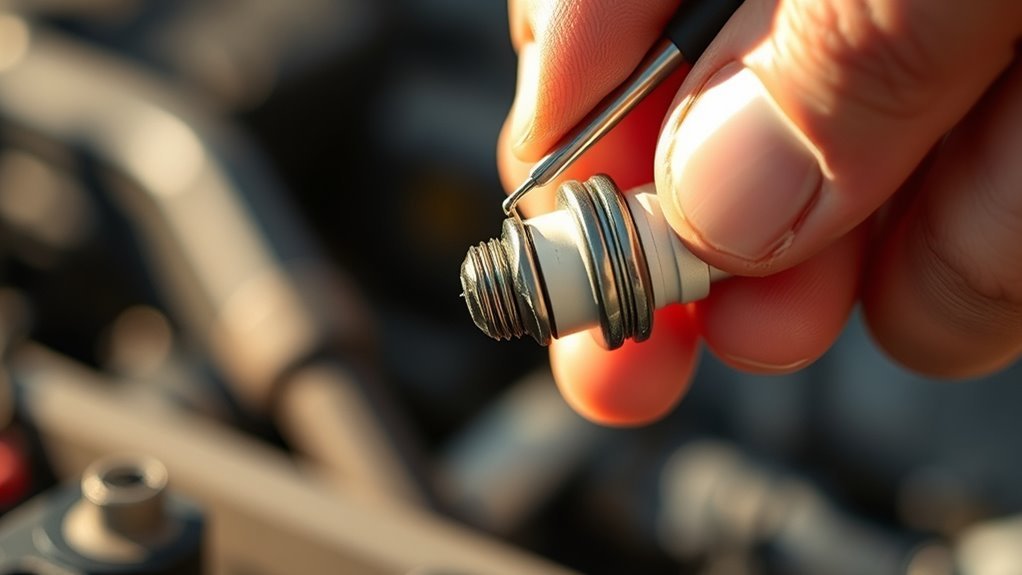
    Gapping spark plugs means setting the precise distance between the center and ground electrodes to match your engine’s specifications. This gap controls the spark’s strength and consistency, directly impacting ignition efficiency and combustion quality.

    If the gap’s too wide or narrow, you’ll experience misfires, poor fuel economy, or rough idling. You’ll want to measure and adjust this gap carefully with the right tools to guarantee peak performance.

    Keep exploring to understand how to check and fine-tune your spark plug gaps accurately.

    Key Takeaways

    • Gapping spark plugs means adjusting the distance between the center and ground electrodes for proper ignition.
    • The gap size must match manufacturer specifications for optimal engine performance and fuel efficiency.
    • Different spark plug types require different gap measurements to ensure effective combustion.
    • Incorrect spark plug gaps cause misfires, rough idling, poor fuel economy, and reduced engine life.
    • Gapping is done using a feeler gauge to measure and adjust the electrode gap carefully.

    What It Means to Gap Spark Plugs

    Although many overlook it, gapping spark plugs is a critical step in ensuring peak engine performance. Gapping refers to adjusting the distance between the center and ground electrodes of the spark plug.

    This gap must align precisely with the manufacturer’s gap specifications for your specific spark plug type. Different spark plug types, such as copper, platinum, or iridium, have varying ideal gap measurements due to their material properties and intended applications.

    Using a feeler gauge, you measure and adjust the gap to meet these specifications, ensuring a consistent and strong spark. Incorrect gaps can lead to misfires or inefficient combustion.

    Why Spark Plug Gaps Matter for Your Engine

    You need to set the spark plug gap precisely to guarantee ideal spark efficiency, which directly influences combustion quality.

    If the gap is too wide or too narrow, your engine’s performance can suffer through misfires or incomplete fuel burn.

    Understanding this balance helps you maintain smooth acceleration and fuel economy.

    Optimal Spark Efficiency

    When your engine operates, the spark plug gap directly influences the strength and consistency of the spark that ignites the air-fuel mixture. You want the gap set precisely to maximize spark efficiency, ensuring the spark is strong enough to initiate complete combustion.

    If the gap is too narrow, the spark may lack intensity, reducing combustion effectiveness. Conversely, an excessively wide gap can cause misfires or weak sparks, disrupting the ignition process.

    By maintaining the ideal gap specified by your engine manufacturer, you enhance the spark’s ability to create a reliable ignition source. This precision contributes to more efficient fuel burning and smoother engine function.

    Proper gapping is thus critical for achieving consistent spark efficiency and effective combustion effectiveness in your engine.

    Impact on Engine Performance

    Maintaining the correct spark plug gap directly affects engine performance by ensuring consistent ignition timing and combustion quality. If the gap is too wide or narrow, misfires occur, reducing fuel efficiency and accelerating wear, which shortens engine longevity.

    Proper gapping maximizes the spark energy needed to ignite the air-fuel mixture efficiently.

    Gap Size Effect on Engine Performance
    Too Narrow Weak spark, incomplete combustion
    Ideal Gap Efficient ignition, max fuel efficiency
    Too Wide Misfires, increased emissions

    Signs Your Spark Plug Gap Needs Attention

    Engine performance issues often signal that your spark plug gap needs attention. If you notice rough idling, engine misfires, or decreased fuel efficiency, these are common indicators of improper gap settings.

    Spark plug wear can cause the gap to widen, disrupting the spark’s consistency and timing. Additionally, difficulty starting your engine or a noticeable loss in power during acceleration may point to gap irregularities.

    Regular gap maintenance guarantees the electrodes remain correctly spaced, optimizing combustion and preventing premature spark plug failure. Ignoring these signs can lead to increased emissions and costly engine repairs.

    How to Measure Spark Plug Gaps

    To measure your spark plug gap accurately, you’ll need a feeler gauge or a gap tool designed for this purpose.

    Start by cleaning the spark plug and then insert the gauge between the center and ground electrodes, noting the resistance or fit.

    Follow a systematic approach to guarantee the gap matches the manufacturer’s specifications precisely.

    Tools Needed

    Although gapping spark plugs might seem straightforward, selecting the right tools guarantees accuracy and prevents damage. To measure spark plug gaps effectively, you’ll need a reliable feeler gauge or a gap gauge tool designed for precision.

    Different spark plug types require specific gapping techniques, so using adjustable wire or coin-style gap gauges helps to ascertain you achieve the correct measurement. Avoid using improvised tools that can distort the electrode or give inaccurate readings.

    A caliper can also assist in verifying gap width with high precision. Additionally, a spark plug gapper tool allows you to adjust gaps without risking electrode damage.

    Having these tools on hand ensures you measure and set spark plug gaps accurately, optimizing engine performance and longevity.

    Step-By-Step Process

    When you measure spark plug gaps, start by cleaning the electrodes to remove any debris that could affect accuracy.

    Next, identify the spark plug type, as gap specifications vary between copper, platinum, and iridium plugs.

    Use a feeler gauge or gap tool to measure the distance between the center and ground electrodes. Insert the appropriate thickness blade gently; it should fit snugly without forcing.

    If the gap is too wide, carefully bend the ground electrode inward; if too narrow, bend it outward. Recheck the measurement after adjustment to guarantee compliance with manufacturer gap specifications.

    Repeat this process for each spark plug, maintaining consistency.

    Properly gapped spark plugs optimize ignition efficiency and engine performance, making precise measurement vital regardless of spark plug types.

    Tools You Need to Gap Spark Plugs

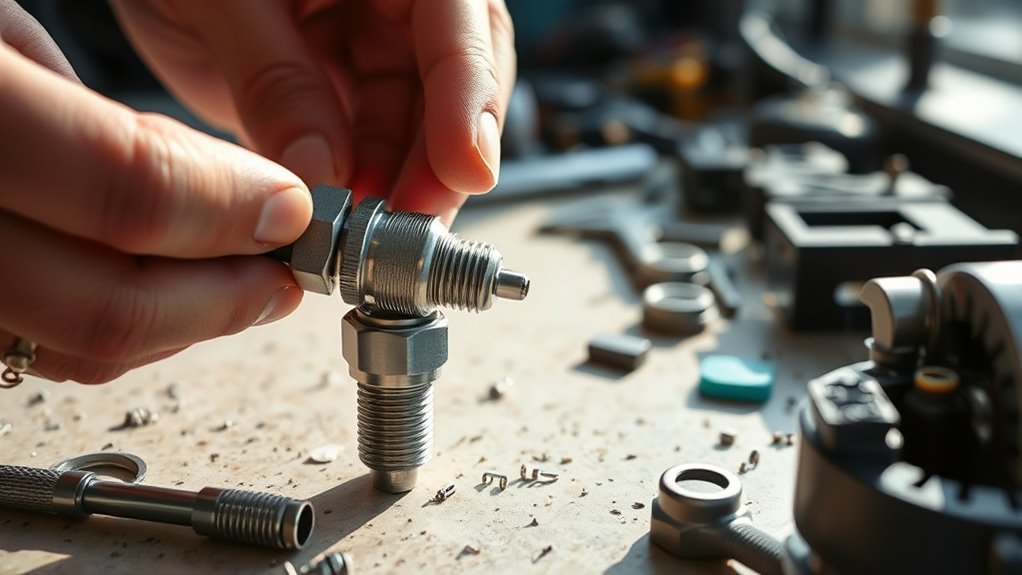
    Before you start adjusting spark plug gaps, you’ll need a few essential tools to guarantee accuracy and efficiency. The primary tool is a gapping tool, designed specifically to measure and adjust the distance between the electrodes precisely. This tool often includes a wire-type gauge or a tapered feeler blade.

    A spark plug feeler, a set of thin metal blades with calibrated thicknesses, is vital for verifying the gap size. Using these blades, you can accurately check if the electrode spacing matches the manufacturer’s specifications. Some gapping tools combine both measurement and adjustment functions, streamlining the process.

    Make certain your tools are clean and undamaged to avoid inaccurate readings. With the right spark plug feeler and gapping tool, you’ll guarantee peak spark plug performance.

    How to Adjust Spark Plug Gaps

    Since accurate spark plug gaps are essential for ideal engine performance, you’ll need to adjust them carefully using your gapping tool.

    Begin by identifying the correct gap specifications for your specific spark plug types, which you can find in the vehicle’s service manual.

    Use a wire-type or coin-style feeler gauge to measure the current gap between the center and ground electrodes. If the gap is too narrow, gently widen it by bending the ground electrode outward with the gap tool.

    Conversely, if the gap is too wide, tap the electrode inward slightly.

    Always recheck the gap after adjustment to verify it matches the exact specification.

    Avoid applying excessive force to prevent damaging the electrode or altering the plug’s firing characteristics.

    Properly gapped spark plugs optimize combustion efficiency and engine reliability.

    Frequently Asked Questions

    Can Incorrect Spark Plug Gaps Cause Engine Misfires?

    Yes, incorrect spark plug gaps can cause engine misfires. You must prioritize spark plug maintenance to guarantee peak engine performance.

    Improper gaps disrupt ignition timing and combustion efficiency, leading to reduced power and increased emissions.

    How Often Should Spark Plug Gaps Be Checked?

    You should check spark plug gaps every 30,000 miles or during routine spark plug maintenance. Maintaining proper gapping frequency guarantees peak engine performance and prevents misfires, so use a feeler gauge to measure and adjust gaps precisely.

    Do All Vehicles Require the Same Spark Plug Gap?

    Like tailoring a suit, you can’t use the same spark plug gap for every car. Different spark plug specifications matter because they optimize engine performance, matching your vehicle’s unique ignition system requirements precisely.

    Can Gapping Spark Plugs Improve Fuel Efficiency?

    Yes, adjusting spark plug gaps can improve fuel economy by optimizing spark plug performance. Proper gaps guarantee efficient combustion, reducing fuel consumption and emissions.

    You should always match the gap to your engine’s specifications for best results.

    Are Gap Sizes Different for Cold and Hot Spark Plugs?

    Think of cold plug specifications and hot plug recommendations as two sides of a coin; yes, their gap sizes differ. Cold plugs usually have narrower gaps for cooler engines, while hot plugs require wider gaps to optimize combustion.

    Conclusion

    Now that you know how essential the right spark plug gap is, imagine the hidden power and efficiency you could release by simply adjusting it. Don’t overlook this small but significant detail—it directly impacts your engine’s performance and fuel economy.

    Next time your engine hesitates or stalls, remember: the answer might be in the gap.

    Are you ready to fine-tune your spark plugs and take control of your ride’s true potential? Understanding what is gapping spark plugs can be the key to unlocking better engine performance.