Tag: manufacturing location

  • Where Are Ngk Spark Plugs Made

    Where Are Ngk Spark Plugs Made

    Where Are Ngk Spark Plugs Made

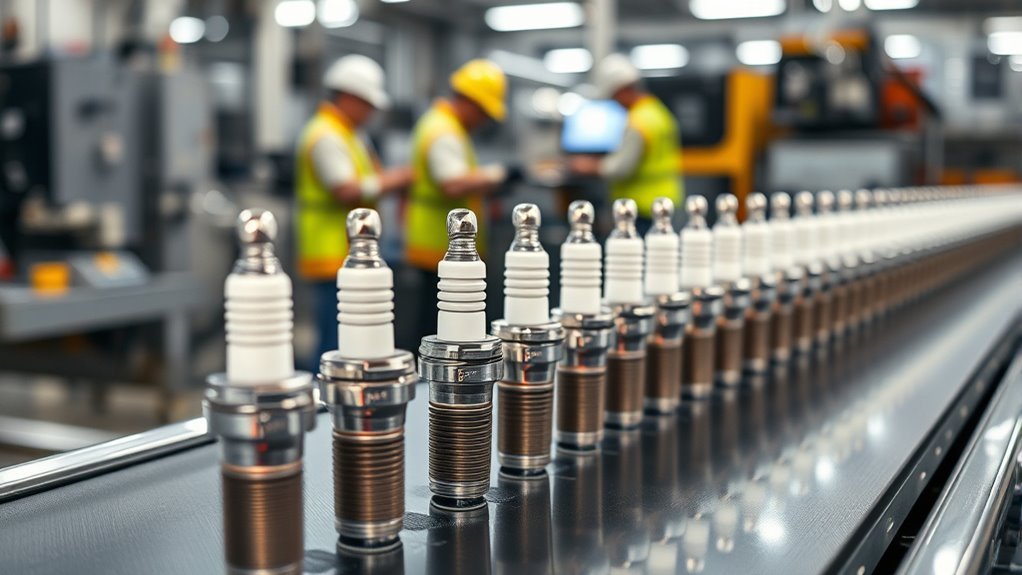
    NGK spark plugs are primarily made in Japan, where meticulous craftsmanship and stringent quality controls guarantee top performance. They also produce plugs in other global factories that follow strict standards, assuring consistent reliability and material quality worldwide.

    Advanced materials like iridium and precise manufacturing techniques maintain durability across all plants. Knowing where NGK spark plugs come from helps you understand quality differences and performance factors. There’s much more to explore about their manufacturing and technology nuances.

    Key Takeaways

    • NGK spark plugs are primarily manufactured in Japan using advanced production technologies.
    • Additional NGK manufacturing facilities exist worldwide to meet local regulations and market needs.
    • All NGK factories follow standardized processes ensuring consistent spark plug performance globally.
    • Japanese-made NGK plugs feature superior material quality and meticulous electrode design.
    • Final product quality checks guarantee reliability and consistent performance across all manufacturing sites.

    NGK Spark Plug Manufacturing Locations

    Although NGK is a global brand, it manufactures its spark plugs primarily in Japan, leveraging advanced production technologies and strict quality controls.

    You’ll find that NGK’s manufacturing processes emphasize precise electrode placement, ceramic insulator integrity, and metal shell durability. These steps guarantee peak ignition performance across various engine types.

    While Japan remains the central hub, NGK also operates facilities in other regions, adapting certain manufacturing aspects to regional differences in regulatory standards and market requirements.

    However, the core technology and quality benchmarks stay consistent worldwide.

    When you examine NGK spark plugs, you can trust that their manufacturing locations uphold stringent processes designed to meet both global and localized demands, ensuring reliability irrespective of where the spark plug is assembled.

    How NGK’s Factory Locations Affect Quality and Availability

    You benefit from NGK’s global manufacturing footprint, which guarantees consistent quality through standardized control protocols across all factories.

    Their strict quality control standards maintain performance regardless of production site.

    Plus, strategically placed plants optimize distribution, reducing supply chain delays and improving availability.

    Global Manufacturing Footprint

    NGK operates multiple manufacturing facilities across several continents, strategically positioning its production to optimize both quality control and supply chain efficiency. By distributing manufacturing sites in Japan, Asia, Europe, and North America, NGK leverages regional expertise and resources, enhancing responsiveness to market demands.

    This global manufacturing footprint fosters manufacturing innovation through cross-site technology sharing and process standardization, ensuring consistent product performance worldwide. You benefit from this global collaboration as it minimizes lead times and mitigates risks associated with localized disruptions.

    Additionally, NGK’s strategic location choices enable efficient logistics and inventory management, maintaining steady availability of spark plugs. This networked approach not only supports production scalability but also integrates advanced manufacturing techniques, helping NGK sustain its reputation for reliability and technical excellence across diverse automotive markets.

    Quality Control Standards

    Each NGK factory adheres to stringent quality control standards that directly impact both product reliability and availability.

    When you examine NGK’s manufacturing processes, you’ll notice rigorous quality assurance protocols embedded at every production stage. These protocols guarantee that every spark plug meets exacting specifications, regardless of the factory’s location.

    NGK employs advanced inspection technologies and continuous monitoring systems to detect defects early, minimizing variability and enhancing consistency.

    This approach means you can trust NGK spark plugs to perform reliably in various applications worldwide.

    By maintaining uniform quality assurance across all facilities, NGK ensures that geographic differences don’t compromise product integrity or availability.

    Distribution and Supply Chain

    Although manufacturing locations vary globally, the strategic placement of NGK’s factories plays an essential role in optimizing distribution and supply chain efficiency. By situating facilities near key markets and transportation hubs, NGK reduces lead times and guarantees consistent product availability. This robust distribution network supports just-in-time inventory management, minimizing delays and maintaining quality.

    Factory Location Proximity to Markets Impact on Supply Chain
    Japan Asia-Pacific High quality control, fast regional delivery
    United States North America Streamlined distribution, reduced transit times
    Europe European Union Efficient logistics, responsive supply chain

    You can rely on NGK’s well-integrated supply chain and distribution network to receive spark plugs promptly, without compromising quality.

    Materials and Technologies Used in NGK Factories

    You’ll find NGK spark plugs use advanced ceramic insulators that offer exceptional heat resistance and electrical insulation.

    Their factories employ precision electrode engineering to guarantee peak ignition performance and durability.

    These materials and technologies work together to maximize efficiency and reliability in every spark plug.

    Advanced Ceramic Insulators

    Because spark plugs must withstand extreme temperatures and pressures, NGK employs advanced ceramic insulators made from high-purity alumina oxide. This material’s exceptional ceramic properties, such as high dielectric strength, thermal conductivity, and mechanical toughness, ensure reliable electrical insulation and heat dissipation.

    You’ll notice NGK’s insulator design optimizes these properties by incorporating precise geometries to prevent flashover and withstand thermal shock. The insulator’s shape and composition work together to maintain structural integrity under combustion stresses, improving spark plug durability and performance.

    By controlling ceramic microstructure and purity, NGK guarantees consistent insulation resistance and minimizes contamination risks.

    When you use NGK spark plugs, you benefit from these engineered ceramic insulators that deliver consistent ignition reliability in demanding engine environments.

    Precision Electrode Engineering

    When crafting NGK spark plugs, engineers employ precision electrode engineering to optimize ignition performance and longevity. You’ll find that the electrode design is meticulously calculated to guarantee consistent spark delivery and minimal wear.

    NGK utilizes advanced materials like iridium and platinum, which withstand extreme temperatures and corrosion, enhancing durability.

    Manufacturing precision is vital; automated laser welding and computer-controlled machining guarantee exact electrode dimensions and alignment. This tight control reduces energy loss and promotes efficient combustion.

    By focusing on electrode geometry and surface finish, NGK achieves superior ignition reliability.

    When you use NGK spark plugs, you benefit from their cutting-edge electrode design and the manufacturing precision that underpins each component’s consistent quality and performance in demanding engine conditions.

    Differences Between NGK Spark Plugs Made in Japan and Elsewhere

    How do NGK spark plugs made in Japan differ from those produced in other countries?

    You’ll find that Japanese craftsmanship and advanced manufacturing techniques set these plugs apart. Japan’s factories emphasize meticulous electrode design and material purity, enhancing performance and longevity.

    Key differences include:

    • Superior material quality due to stringent sourcing standards
    • Advanced manufacturing techniques ensuring tighter tolerances
    • Enhanced precision in electrode construction for optimal spark efficiency
    • Rigorous inspection processes unique to Japanese production lines

    While NGK maintains high standards globally, the Japanese-made spark plugs often feature subtle refinements born from decades of innovation and expertise.

    When you choose a plug made in Japan, you’re opting for the pinnacle of precision engineering rooted in tradition and cutting-edge technology.

    How NGK Maintains Quality Consistency Across Its Factories

    Although Japanese-made NGK spark plugs showcase exceptional craftsmanship, the company assures that all its manufacturing facilities worldwide adhere to strict quality standards. NGK implements uniform quality assurance protocols and standardized manufacturing processes across each factory. This approach guarantees consistent spark plug performance regardless of origin.

    Quality Assurance Step Manufacturing Process Focus
    Raw Material Inspection Precision Electrode Assembly
    Automated Testing Controlled Firing Techniques
    Final Product Evaluation Environmental Stability Checks

    Why NGK Spark Plug Origin Matters for Performance and Reliability

    Because spark plug performance directly impacts engine efficiency and longevity, knowing their origin helps you make informed decisions about reliability.

    NGK spark plugs produced in different factories may vary slightly due to local manufacturing processes, materials, and quality control standards.

    These reliability factors influence combustion consistency, electrode wear, and resistance to fouling.

    When evaluating NGK spark plugs, consider:

    • Manufacturing standards adherence at each factory
    • Material sourcing and purity
    • Precision in electrode gap and design
    • Quality control protocols for defect minimization

    Understanding where your NGK spark plugs come from guarantees ideal spark plug performance tailored to your engine’s demands.

    It also helps you anticipate maintenance intervals and avoid premature failures, enhancing your vehicle’s overall reliability.

    Frequently Asked Questions

    How Often Should NGK Spark Plugs Be Replaced?

    You should replace NGK spark plugs every 30,000 to 60,000 miles, depending on the spark plug lifespan and your vehicle’s specifications.

    Follow replacement intervals in your manual to guarantee peak engine performance and fuel efficiency.

    Can NGK Spark Plugs Improve Fuel Efficiency?

    Think of spark plug technology as the conductor of an orchestra; when NGK spark plugs optimize fuel combustion, you’ll see improved fuel efficiency, smoother engine performance, and reduced emissions. This makes your vehicle run cleaner and more economically.

    Are NGK Spark Plugs Compatible With All Car Models?

    Ngk spark plugs aren’t compatible with all car models; you need to match spark plug types to your vehicle compatibility requirements.

    Always consult your owner’s manual or NGK’s catalog to select the precise spark plug for peak performance.

    What Is the Warranty Period for NGK Spark Plugs?

    Like a reliable engine hum, NGK Spark Plugs come with warranty coverage typically lasting 12 months or 12,000 miles. You can trust their durability, ensuring peak performance under various driving conditions without worry.

    How Do I Identify a Genuine NGK Spark Plug?

    You can verify spark plug authenticity by checking NGK’s hologram, barcode, and packaging details. Use counterfeit detection tools like UV light or NGK’s online verification to guarantee you’re getting genuine, high-quality spark plugs.

    Conclusion

    Whether NGK spark plugs come from Japan’s precision-driven plants or their advanced facilities abroad, you can expect consistent quality and cutting-edge materials. These manufacturing sites maintain rigorous standards to ensure every spark plug performs reliably under various conditions. This global approach combines expertise and innovation seamlessly.

    While some may prefer the heritage of Japanese-made plugs, NGK’s worldwide production guarantees that reliability does not waver. The subtle differences highlight how origin influences performance, but NGK’s stringent quality controls bridge any gap. This commitment ensures customers receive dependable products regardless of where they are made.

    Ultimately, knowing where your spark plug is made helps you appreciate the balance between tradition and innovation powering your engine. For those curious about the answer to “Where are NGK spark plugs made,” it is clear they are produced in multiple facilities globally, all upholding NGK’s high standards.