Tag: fuel mixtures

  • What Causes Spark Plugs to Foul

    What Causes Spark Plugs to Foul

    What Causes Spark Plugs to Foul

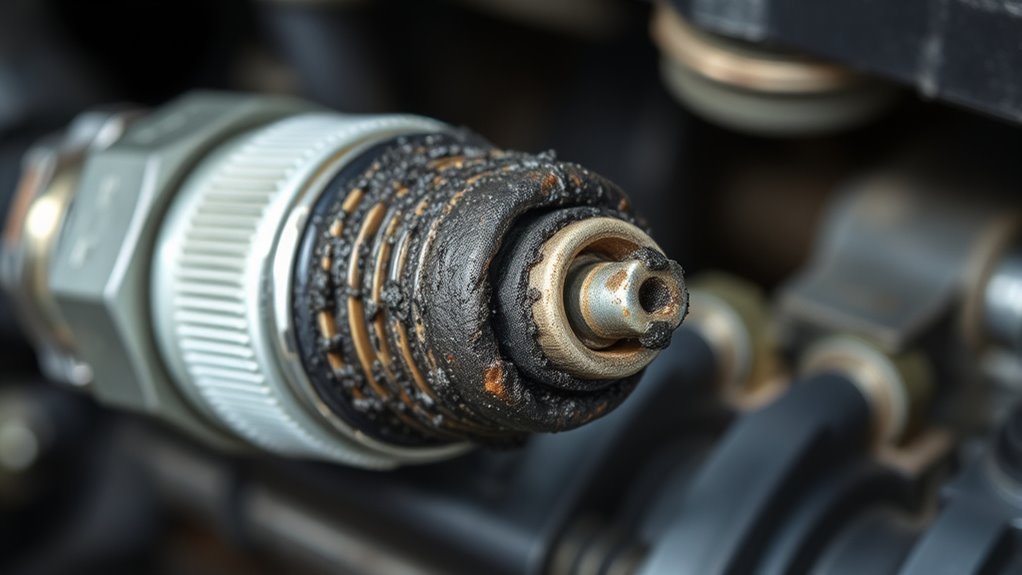
    You cause spark plugs to foul when oil leaks or carbon buildup coat the electrodes, disrupting the spark needed to ignite the air-fuel mixture. Rich or improper fuel mixtures also leave deposits, while incompatible additives may impair insulation.

    Using the wrong spark plug heat range and driving habits such as frequent short trips or idling add to fouling risk. Proper maintenance and correct specifications help prevent these issues.

    Understanding these factors can help you address spark plug fouling more effectively.

    Key Takeaways

    • Oil leaks and oil consumption cause oily deposits that disrupt spark plug ignition and lead to fouling.
    • Rich fuel mixtures create excess carbon deposits, while lean mixtures risk electrode damage and fouling.
    • Short trips, stop-and-go traffic, and frequent idling cause incomplete combustion and spark plug fouling.
    • Fuel additives with metallic compounds may leave deposits that impair spark plug insulation and performance.
    • Neglecting regular inspection and maintenance accelerates fouling by allowing buildup and wear to worsen.

    How Spark Plugs Work and Why They Get Fouled

    A spark plug ignites the air-fuel mixture inside your engine’s combustion chamber by generating a high-voltage spark across its electrodes. The spark plug design, including electrode shape and gap, directly affects the spark’s strength and consistency.

    Proper ignition timing guarantees the spark occurs at the ideal moment in the combustion cycle, maximizing efficiency and power. When ignition timing is off or the spark plug design is less than ideal, combustion can become incomplete, leading to fouling.

    Fouling occurs when deposits accumulate on the electrodes, impairing spark formation and engine performance. Understanding how spark plugs operate and the importance of precise ignition timing helps you diagnose why plugs foul and maintain your engine’s reliability.

    Regular inspection and correct spark plug specifications are crucial to prevent fouling issues.

    Common Causes of Spark Plug Fouling: Oil Leaks and Carbon Buildup

    You’ll notice spark plug fouling often stems from oil leaks and carbon buildup.

    Oil leakage leaves oily deposits that disrupt the spark’s effectiveness, while carbon buildup insulates the electrode and changes combustion characteristics.

    Understanding these causes helps you implement proper maintenance to prevent fouling and maintain engine performance.

    Oil Leak Indicators

    When oil leaks into the combustion chamber, it leaves distinct traces on the spark plugs that signal fouling. You’ll notice oily deposits coating the electrodes and insulator tips, which disrupts proper spark generation.

    Increased oil consumption often accompanies this fouling, so monitoring consumption rates aids early leak detection. Common oil leak sources include worn piston rings, valve guides, or damaged seals allowing oil to seep past combustion boundaries.

    To confirm leak detection, inspect spark plugs regularly for wet, glossy residues or dark, oily carbon buildup. Addressing the root cause promptly prevents misfires and engine performance loss.

    Carbon Buildup Effects

    Although oil leaks contribute considerably to spark plug fouling, carbon buildup presents another common and persistent cause.

    Carbon deposits accumulate on the spark plug electrodes and insulator, resulting from incomplete combustion or excessive fuel mixture.

    This buildup impedes the spark’s ability to jump the gap effectively, leading to misfires, rough engine performance, and reduced fuel efficiency. You’ll notice carbon fouling appears as a dry, black, sooty coating on the plug surface.

    Addressing carbon buildup requires consistent spark plug maintenance, including timely inspection and cleaning or replacement.

    Understanding the mechanisms behind carbon accumulation helps you optimize carbon buildup prevention strategies, ensuring the spark plugs perform reliably and extend engine longevity.

    Keeping carbon deposits in check is essential for maintaining ignition efficiency and overall engine health.

    Preventing Spark Plug Fouling

    Managing both oil leaks and carbon buildup effectively reduces the risk of spark plug fouling and maintains peak engine performance.

    To prevent fouling, you should perform regular spark plug maintenance, inspecting for deposits and wear.

    Address oil leaks promptly by checking valve cover gaskets and piston rings, as oil contamination causes misfires.

    Additionally, optimize engine tuning by guaranteeing the air-fuel mixture is correct; a rich mixture promotes carbon buildup, which hinders spark efficiency.

    Use manufacturer-recommended spark plug types and heat ranges to match your engine’s specifications.

    Periodic cleaning or replacement of spark plugs during scheduled maintenance intervals prevents performance degradation.

    How Fuel Mixtures Affect Spark Plug Fouling

    You’ll find that rich fuel mixtures deposit excess carbon on spark plugs, leading to fouling and misfires.

    Conversely, lean mixtures raise combustion temperatures, which can cause overheating and electrode damage.

    Additives in fuel also play a role by either reducing deposits or, in some cases, accelerating plug wear depending on their chemical composition.

    Rich Fuel Mixtures

    Three key factors contribute to spark plug fouling when your engine runs on a rich fuel mixture. Excess fuel delivered by the fuel injector reduces combustion efficiency, causing incomplete burning. This leads to carbon deposits accumulating on the spark plug electrodes, impairing spark generation.

    Additionally, unburned hydrocarbons increase electrode wetting, further degrading ignition performance.

    Factor Cause Effect on Spark Plug
    Excess Fuel Fuel injector over-supplies Carbon buildup
    Incomplete Combustion Low combustion efficiency Deposits on electrodes
    Hydrocarbon Residue Unburned fuel Electrode wetting
    Rich Mixture Air-fuel ratio < stoich Reduced spark intensity
    Engine Condition Cold starts, poor tune-up Accelerated fouling

    Managing fuel injector output and maintaining proper combustion efficiency minimizes fouling risks.

    Lean Fuel Mixtures

    While rich fuel mixtures lead to spark plug fouling through carbon buildup and wet electrodes, lean fuel mixtures cause fouling via different mechanisms.

    When your engine runs on a lean fuel mixture, meaning there’s more air than ideal relative to fuel, the combustion temperature rises considerably. This elevated temperature can cause electrode tip erosion and insulator glazing, which impair spark efficiency.

    Additionally, lean fuel conditions often result in incomplete combustion due to unstable flame propagation, reducing overall combustion efficiency. This incomplete burn can deposit oxide layers and microscopic ash on the spark plug surface, leading to misfires and fouling.

    Understanding how lean fuel affects your spark plugs helps you diagnose fouling issues accurately and maintain ideal engine performance.

    Controlling the air-fuel ratio is essential to avoid these lean-fuel-related fouling problems.

    Impact of Additives

    Although fuel additives are designed to enhance engine performance and protect components, they can also influence spark plug fouling in various ways. Different additive types, such as detergents, octane boosters, and anti-knock agents, alter combustion characteristics and residue formation.

    For example, detergent additives help prevent carbon deposits, reducing fouling risk, while certain metal-based additives may leave conductive residues that degrade spark plug insulation. You must understand that the performance impact of these additives depends on their chemical composition and concentration.

    Excessive or incompatible additives can increase deposit buildup, impairing spark plug function and engine efficiency.

    To minimize fouling, select fuel additives formulated specifically for your engine type and operating conditions, ensuring peak combustion and maintaining spark plug cleanliness over time.

    How Fuel Additives Can Cause Spark Plug Fouling

    Because fuel additives alter the chemical composition of gasoline, they can contribute to spark plug fouling by leaving deposits on the electrodes.

    When you use fuel additives containing detergents, oxygenates, or metallic compounds, these substances may not fully combust, resulting in residue buildup. This buildup disrupts the spark plug’s ability to generate a clean spark, directly affecting engine efficiency and performance impact.

    Over time, these deposits increase electrode gap and reduce ignition reliability, causing misfires or rough idling.

    Additionally, certain additives designed to enhance octane or reduce emissions can inadvertently promote fouling if the fuel mixture or combustion temperature isn’t ideal.

    To minimize fouling risks, you need to understand how specific fuel additives interact with your engine’s operating conditions and choose additives that balance performance impact without compromising spark plug cleanliness.

    Choosing the Right Spark Plug Heat Range to Prevent Fouling

    When you select the appropriate spark plug heat range, you directly influence its ability to self-clean and resist fouling. The heat range defines the spark plug’s operating temperature: a hotter plug runs cleaner by burning off deposits, while a colder plug prevents overheating in high-performance engines.

    During spark plug selection, you must consider your engine’s design, operating conditions, and manufacturer specifications. Choosing a plug with too cold a heat range causes carbon buildup because deposits don’t burn off effectively, leading to fouling.

    Conversely, too hot a heat range risks pre-ignition and electrode damage. To prevent fouling, match the heat range to your engine’s thermal characteristics and driving patterns.

    Proper spark plug selection guarantees ideal combustion, minimizes fouling, and maintains engine efficiency.

    Driving Habits That Lead to Spark Plug Problems

    If you frequently engage in short trips or stop-and-go driving, your spark plugs are more prone to fouling due to incomplete combustion and insufficient operating temperature.

    Aggressive acceleration stresses the ignition system, promoting carbon deposits. Frequent idling causes fuel to accumulate on the plugs, increasing fouling risk.

    Driving Habit Impact on Spark Plugs Emotional Response
    Short Trips Incomplete combustion Frustration
    Stop-and-Go Traffic Insufficient temperature Annoyance
    Aggressive Acceleration Carbon buildup Concern
    Frequent Idling Fuel residue accumulation Worry
    Poor Maintenance Accelerated fouling Regret

    Understanding these habits helps you recognize how driving behavior directly affects spark plug health.

    How to Prevent and Fix Spark Plug Fouling

    Although spark plug fouling can disrupt engine performance, you can prevent and address it effectively through proper maintenance and driving adjustments.

    First, adhere to a regular spark plug maintenance schedule, inspecting and cleaning plugs every 30,000 miles or as specified by your vehicle’s manufacturer.

    Use the correct spark plug type and gap to guarantee peak combustion. Avoid short trips that prevent the engine from reaching operating temperature, as this promotes carbon buildup.

    If fouling occurs, clean the spark plugs with a wire brush or replace them if worn or damaged. Additionally, check your fuel system and ignition timing to eliminate underlying causes.

    Frequently Asked Questions

    How Often Should Spark Plugs Be Replaced?

    You should replace your spark plugs every 30,000 to 100,000 miles, depending on their design and vehicle.

    Monitor spark plug lifespan and follow the manufacturer’s recommended replacement frequency for peak engine performance and efficiency.

    Can Spark Plug Fouling Affect Fuel Efficiency?

    Think of fouled spark plugs as clogged arteries; they throttle your engine’s spark, increasing fuel consumption and decreasing engine performance.

    You’ll notice reduced efficiency and power, so keeping plugs clean guarantees ideal combustion and fuel economy.

    Are Iridium Spark Plugs Less Prone to Fouling?

    Yes, you’ll find iridium spark plugs less prone to fouling due to their superior iridium advantages, including higher melting point and enhanced electrode durability. These features greatly improve spark plug longevity and help maintain ideal engine performance longer.

    How Does Altitude Impact Spark Plug Performance?

    You’ll notice altitude effects reduce oxygen levels, decreasing combustion efficiency. This causes incomplete fuel burning, leading to fouled spark plugs.

    Adjusting your engine’s air-fuel mixture compensates, maintaining ideal spark plug performance at high altitudes.

    What Tools Are Needed to Clean Fouled Spark Plugs?

    You’ll need a wire brush, spark plug cleaner or carburetor cleaner, a gap gauge, and safety goggles for effective spark plug cleaning. These tools help remove fouling caused by oil, carbon buildup, or fuel residue efficiently.

    Conclusion

    You should know that up to 30% of engine misfires stem from fouled spark plugs, highlighting their critical role in engine performance. Oil leaks, carbon buildup, and incorrect fuel mixtures are common causes that contribute to spark plug fouling. Understanding these factors allows you to take precise steps to prevent the issue.

    Choosing the right heat range for your spark plugs and adjusting your driving habits are essential preventive measures. Regular maintenance routines and using proper fuel additives can also help keep the spark plugs clean. These practices ensure efficient combustion and help avoid costly repairs.

    In conclusion, knowing what causes spark plugs to foul is key to maintaining engine health and performance. By addressing fouling early, you protect your engine and extend the life of your spark plugs.