Tag: engine oil

  • What Doe the Engine Oil Filter Housing Do

    What Doe the Engine Oil Filter Housing Do

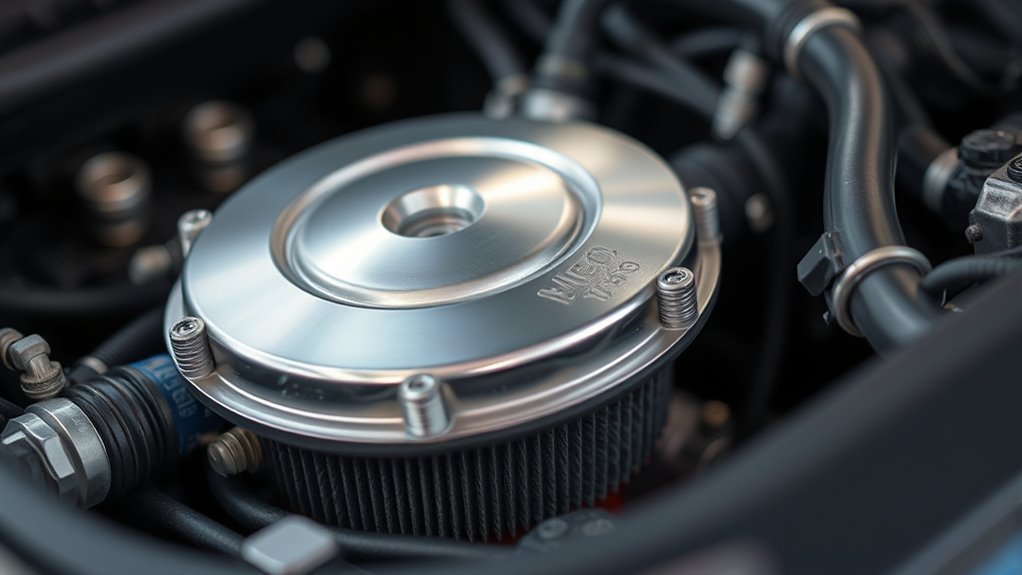
    The engine oil filter housing securely holds the oil filter in place, ensuring your engine oil passes through the filter media for contaminant removal. This component is crucial for maintaining proper oil flow and pressure, which lubricates engine parts and minimizes wear.

    The housing provides a sealed enclosure that prevents oil leaks and can withstand the high temperatures inside the engine. If the oil filter housing fails, it can lead to oil leaks, pressure drops, and ultimately engine damage.

    Understanding the function of the engine oil filter housing helps you protect your engine’s longevity and performance. Regular inspection and maintenance of this part are essential for keeping your engine running smoothly.

    Key Takeaways

    • The engine oil filter housing secures and supports the oil filter on the engine block or cylinder head.
    • It provides a sealed enclosure to ensure proper alignment and maintain oil pressure during filtration.
    • The housing directs engine oil through the filter media to trap contaminants and clean the oil.
    • It withstands high temperatures and pressures to prevent leaks and maintain system integrity.
    • The housing facilitates consistent oil flow to vital engine components, supporting engine performance and longevity.

    What Is an Engine Oil Filter Housing?

    An engine oil filter housing is a critical component that secures and supports the oil filter within your vehicle’s engine. It provides a sealed enclosure that guarantees proper alignment and pressure regulation for the filter function, allowing engine oil to flow efficiently through the filter media.

    The housing is designed to withstand high temperatures and pressures typical of engine operation, preventing leaks and maintaining system integrity. By maintaining a reliable connection between the oil filter and the engine block, it guarantees that contaminants are effectively removed from the circulating engine oil.

    Engine oil filter housing ensures leak-free operation and thorough contaminant removal under extreme engine conditions.

    This filtration process protects internal engine components from wear and damage, preserving engine performance and longevity.

    Without a properly functioning housing, the filter function and engine oil circulation could be compromised, risking engine damage.

    Where the Oil Filter Housing Is in Your Engine

    You’ll typically find the oil filter housing mounted on the engine block or cylinder head, depending on your vehicle’s design.

    Its location is strategically chosen for efficient oil flow and heat dissipation, but it can vary in accessibility.

    Understanding where it sits helps you plan maintenance and guarantees you can reach it without unnecessary disassembly.

    Typical Housing Locations

    Although the exact placement varies by engine design, the oil filter housing typically mounts near the engine block or cylinder head to facilitate efficient oil flow and temperature regulation.

    You’ll often find it integrated into aluminum or composite housing materials chosen for thermal conductivity and corrosion resistance.

    The housing must accommodate various oil filter types, spin-on or cartridge style, ensuring a secure seal and proper alignment.

    In inline engines, the housing often sits on the side of the block for direct oil passage, while in V-type engines, it may be positioned on each cylinder bank for balanced filtration.

    Some modern engines incorporate the housing within the timing cover or near the oil cooler, optimizing space and thermal management.

    Understanding these locations helps you recognize potential points for inspection and maintenance.

    Accessibility for Maintenance

    Because routine oil changes are critical for engine longevity, knowing where the oil filter housing is located and how accessible it’s can save you time and effort during maintenance.

    Typically, the oil filter housing is positioned on the engine block’s side or top, designed for straightforward oil filter accessibility.

    In some models, tight engine compartments or additional components may restrict access, requiring specific tools or partial disassembly.

    When planning maintenance, use these maintenance tips: first, consult your vehicle’s manual to identify the housing location precisely; second, verify you have the correct filter wrench to avoid damage; third, clear any obstructing parts if necessary.

    Prioritizing oil filter accessibility minimizes the risk of improper installation and guarantees effective filtration, ultimately protecting engine health and performance.

    How the Oil Filter Housing Helps Clean Engine Oil

    When engine oil circulates through your vehicle, the oil filter housing plays an essential role in directing it through the filter media. It channels the oil efficiently, ensuring contaminants like metal particles, carbon deposits, and sludge are trapped before reaching critical engine parts.

    This precise routing supports various oil filtration methods, such as mechanical filtration through cellulose or synthetic fibers. By maintaining proper oil flow and pressure, the housing enhances filter performance and longevity.

    Regular filter housing maintenance prevents leaks and blockages that could compromise filtration efficiency or cause oil starvation.

    Fundamentally, the oil filter housing acts as a controlled gateway, guaranteeing that only clean, filtered oil lubricates your engine, thereby extending engine life and maintaining peak performance.

    Common Engine Oil Filter Housing Designs

    Understanding how the oil filter housing directs and supports filtration sets the stage for examining the various designs you’ll encounter in engines.

    Common engine oil filter housing designs differ primarily by their integration with oil filter types: spin-on or cartridge.

    Engine oil filter housings mainly vary by compatibility with spin-on or cartridge filter types.

    Spin-on filter housings feature a threaded mount allowing you to replace the entire filter assembly easily.

    Cartridge filter housings, meanwhile, are designed to hold a replaceable filter element inside a fixed housing, reducing waste.

    Housing materials typically vary, with aluminum and high-grade plastics being prevalent due to their strength-to-weight ratios and thermal properties.

    Some designs include integrated bypass valves and pressure sensors, enhancing filtration control and monitoring.

    Recognizing these design distinctions helps you select and maintain the appropriate housing aligned with your engine’s specifications and oil filter type.

    What Engine Oil Filter Housings Are Made Of

    Although engine oil filter housings must withstand high pressures and temperatures, manufacturers commonly use aluminum alloys and reinforced plastics to balance durability with weight. These material types optimize thermal resistance and mechanical strength, essential for various housing designs.

    Aluminum alloys offer excellent corrosion resistance and heat dissipation, while reinforced plastics provide impact resistance and weight reduction. Steel is less common but used in heavy-duty applications for superior strength.

    Material Type Advantages Common Housing Designs
    Aluminum Alloys Corrosion resistance, heat dissipation Threaded, cartridge-style
    Reinforced Plastics Lightweight, impact resistance Modular, snap-fit
    Steel High strength, durability Heavy-duty, bolted

    Understanding these material types helps you evaluate housing designs for specific engine requirements.

    Signs Your Engine Oil Filter Housing Is Failing

    How can you tell if your engine oil filter housing is failing? One clear indicator is the presence of oil leaks around the housing or filter connections.

    These leaks often result from cracks or damaged seals within the housing, compromising the oil containment.

    Another critical sign is sudden pressure drops in the oil system, detectable via the oil pressure gauge or warning light.

    Pressure drops occur when the housing fails to maintain a proper seal, disrupting oil flow and filtration efficiency.

    Additionally, you might notice unusual engine noises caused by inconsistent oil circulation.

    If you observe these symptoms, inspect the housing for visible damage or deformities.

    Promptly addressing these signs prevents further engine damage due to inadequate lubrication and maintains ideal oil pressure and filtration integrity.

    How a Faulty Oil Filter Housing Impacts Engine Performance

    If your oil filter housing is faulty, you’ll likely experience reduced oil pressure that compromises lubrication throughout the engine.

    This drop in pressure can cause increased friction and wear on critical components.

    Additionally, insufficient oil flow raises the risk of engine overheating, which can lead to serious mechanical damage.

    Reduced Oil Pressure

    When the oil filter housing malfunctions, it directly disrupts the engine’s oil flow, causing a noticeable drop in oil pressure. This happens because the housing may develop cracks or leaks, leading to oil escaping before it reaches vital engine components.

    As a result, the effective oil viscosity diminishes, impairing its ability to maintain consistent lubrication. Pressure drops in the oil delivery system reduce the force that pushes oil through tight engine tolerances, causing insufficient lubrication and increased wear.

    You’ll notice warning lights or gauge readings indicating low oil pressure, signaling that the oil filter housing’s integrity is compromised.

    Addressing this promptly is essential because sustained pressure drops can lead to rapid engine deterioration, even if other oil system components appear functional.

    Engine Overheating Risks

    Although the oil filter housing primarily manages oil flow, a fault in its structure can greatly contribute to engine overheating. When the housing cracks or seals fail, oil leaks reduce lubrication efficiency, a critical engine overheating cause.

    Insufficient oil circulation increases friction and heat within engine components, accelerating wear and risking thermal damage. Additionally, blockages or deformation in the housing impede oil flow, causing localized hot spots and further elevating engine temperature.

    Neglecting oil filter maintenance exacerbates these risks, as contaminants accumulate and strain the housing’s integrity.

    To prevent engine overheating, you must regularly inspect and service the oil filter housing, ensuring it maintains proper oil pressure and flow.

    Addressing any faults promptly mitigates overheating causes, preserving engine performance and longevity.

    How to Prevent Damage to Your Oil Filter Housing

    Protecting your oil filter housing starts with understanding the common causes of damage, such as overtightening, contamination, and improper installation.

    To guarantee effective housing care, always follow manufacturer torque specifications when securing the housing cap to prevent warping or cracking.

    Maintain rigorous oil filter maintenance by using high-quality filters and replacing them at recommended intervals to avoid debris buildup that can compromise the housing’s integrity.

    During oil changes, carefully clean the housing sealing surfaces to remove contaminants that might cause leaks or corrosion.

    Avoid using excessive force or inappropriate tools that can deform or damage the housing threads.

    How to Inspect and Replace the Oil Filter Housing

    To properly inspect and replace your oil filter housing, you’ll need a systematic approach that assures no damage goes unnoticed.

    Begin by draining the engine oil and removing the oil filter cap to access the housing. Carefully examine the housing for cracks, warping, or corrosion, which can compromise its seal.

    Note that different oil filter types may require specific housing designs, so verify compatibility before replacement.

    Ensure your oil filter housing matches the filter type to maintain proper fit and engine protection.

    Follow these key maintenance tips:

    Use a torque wrench to avoid overtightening the housing bolts.

    Replace the housing gasket to prevent leaks.

    Inspect oil filter threads for wear or damage.

    Clean the housing thoroughly before installing a new filter.

    These steps guarantee you maintain ideal engine protection and prolong component life.

    Why Maintaining the Oil Filter Housing Matters

    Three critical functions rely on the integrity of your oil filter housing: maintaining oil pressure, ensuring effective filtration, and preventing leaks. Neglecting oil filter maintenance can compromise these functions, leading to reduced engine performance and potential damage.

    When the housing deteriorates, it can cause oil pressure fluctuations, allowing unfiltered oil to circulate and contaminants to damage engine components. Ensuring the housing remains secure and free from cracks or corrosion preserves housing longevity and ideal oil flow.

    Regular inspections during oil changes help you detect wear early, preventing costly repairs. By prioritizing oil filter housing care, you maintain the engine’s lubrication system efficiency, safeguard internal parts, and extend your vehicle’s operational lifespan.

    Proper maintenance is essential for reliable engine performance and preventing premature failures.

    Frequently Asked Questions

    Can a Faulty Oil Filter Housing Cause Oil Leaks?

    Yes, a faulty oil filter housing can cause oil leaks. You should prioritize filter housing maintenance to prevent common oil leak causes like cracked seals or damaged threads.

    Ensuring your engine maintains proper oil pressure and cleanliness is essential.

    How Often Should the Oil Filter Housing Gasket Be Replaced?

    You should replace the oil filter housing gasket every 50,000 to 75,000 miles, considering its typical gasket lifespan. Replacement frequency varies with driving conditions, but regular inspection guarantees you avoid leaks and maintain engine integrity.

    Are Aftermarket Oil Filter Housings Reliable?

    Sure, aftermarket oil filter housings are like lottery tickets. Sometimes you win with excellent filter quality and aftermarket benefits, but often, inconsistent manufacturing compromises durability and sealing.

    Does Engine Type Affect Oil Filter Housing Design?

    Yes, engine type affects oil filter housing design because engine specifications dictate size, pressure, and flow requirements. You’ll need to verify filter compatibility with these parameters to maintain ideal filtration and engine performance.

    Can a Cracked Oil Filter Housing Trigger Warning Lights?

    Like a telegram from the past, a cracked oil filter housing can indeed trigger your engine warning lights by causing oil pressure drops. This compromises lubrication, risking severe engine damage.

    Address it promptly to guarantee peak performance.

    Conclusion

    Maintaining your engine oil filter housing is essential for peak engine performance. Imagine you ignore a small crack in the housing; over time, it could cause oil leaks, leading to poor lubrication and engine damage.

    By regularly inspecting and replacing faulty housings, you guarantee clean oil circulation and protect important engine components. Don’t overlook this often-hidden part—its integrity directly affects your engine’s longevity and efficiency.

    Stay proactive to avoid costly repairs down the road. Remember, the engine oil filter housing plays a crucial role in keeping your engine running smoothly and reliably.