Tag: DIY skills

  • How to Change Oil Filter Without Tool

    How to Change Oil Filter Without Tool

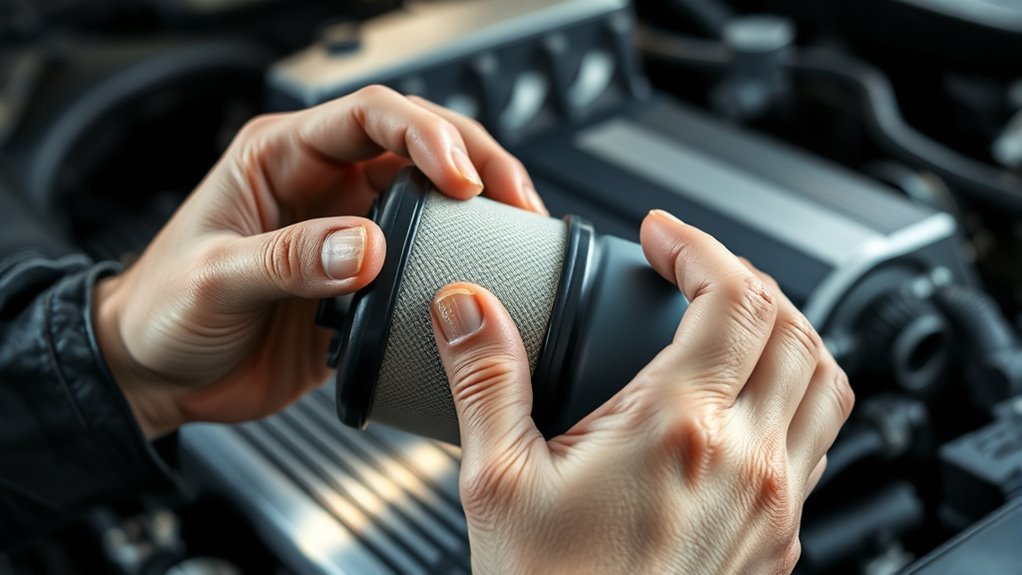
    To change your oil filter without a tool, first park on a flat surface with a cool engine and engage the parking brake. Using gloves and a clean rag, grip the filter firmly and twist it counterclockwise by hand. Household items like a rubber strap or a heavy-duty belt can provide extra leverage if needed.

    Once the old filter is removed, clean the mounting surface thoroughly. Then, hand-tighten the new filter, turning it slightly past gasket contact to ensure a proper seal.

    If the filter is stuck or you feel unsure, it’s important to know when to seek tools or professional help. Exploring effective methods and taking necessary precautions will help guarantee a successful oil filter change without a tool.

    Key Takeaways

    • Use a sturdy rubber strap or clean rag wrapped around the filter to improve grip for manual twisting counterclockwise.
    • Apply penetrating oil at the filter base and wait 10-15 minutes to loosen a stuck filter before attempting removal by hand.
    • Wear gloves and safety glasses to protect hands and eyes while removing the filter without specialized tools.
    • Hand-tighten the new oil filter by rotating clockwise until gasket contacts, then turn 3/4 to 1 full turn for proper sealing.
    • If the filter is severely stuck or damaged, seek professional help to avoid injury or damage to the vehicle.

    Preparing Your Car Before Changing the Oil Filter

    Before you start changing the oil filter, make certain your car is parked on a flat, stable surface and the engine is cool to avoid burns.

    Proper oil change preparation begins with securing the vehicle by engaging the parking brake and placing wheel chocks behind the tires. This vehicle setup prevents any movement during the procedure.

    Next, gather necessary materials: a drain pan, gloves, and rags for potential spills. Locate the oil filter and oil drain plug under the car, ensuring you have clear access.

    If you plan to change the oil simultaneously, position the drain pan accordingly. Confirm you have the correct replacement filter on hand.

    Completing these steps in your oil change preparation guarantees a safe, efficient process, minimizing risks and potential complications before you proceed to removing the oil filter.

    How to Remove an Oil Filter Without a Tool

    You can remove an oil filter manually by gripping it firmly and twisting counterclockwise, even without specialized tools.

    Household items like a rubber strap, oil filter wrench made from a chain, or a screwdriver can provide extra leverage.

    Always wear gloves and protect your eyes to prevent injury from slipping tools or hot oil.

    Manual Removal Techniques

    A firm grip and steady pressure can often loosen an oil filter without specialized tools. First, identify the oil filter type; spin-on filters are most common and require a twisting motion. Confirm the engine is cool to avoid burns.

    Place a clean rag around the filter to improve grip and protect your hand from oil residue. Turn the filter counterclockwise with steady, even force. If it resists, shift your grip and apply controlled pressure rather than sudden jerks to prevent damage.

    Maintaining your filter regularly reduces tightness caused by grime buildup. After removal, inspect the filter mounting surface for old gasket remnants, which can cause leaks.

    Proper filter maintenance and using the correct removal technique guarantee a smooth process without tools.

    Using Household Items

    Three common household items can effectively substitute for specialized oil filter removal tools, allowing you to loosen and remove the filter with minimal effort.

    These household hacks provide grip and leverage, essential when dealing with a tight oil filter.

    1. Rubber gloves or a rubber band: Wrap around the oil filter to increase friction and grip, enabling you to turn the filter counterclockwise with your hand.
    2. Oil filter wrench strap substitute: Use a sturdy nylon strap or belt looped tightly around the filter; pull to rotate and loosen it.
    3. Spoon or butter knife: Carefully insert the edge under the filter’s lip to pry it loose. Apply gentle, controlled force to avoid damage.

    These methods give you practical options to remove an oil filter without specialized tools.

    Safety Precautions Explained

    While household items can help grip and loosen an oil filter, handling the filter without the proper tools requires careful attention to safety.

    Prioritize oil filter safety by wearing personal protective equipment such as gloves and safety glasses to prevent contact with hot oil and sharp edges.

    Ascertain the engine is cool before starting to avoid burns from residual heat. Work in a well-ventilated area to prevent inhaling fumes. Use rags or absorbent pads to contain any oil spills promptly.

    Avoid excessive force to prevent slipping or injury. Dispose of used oil and filters according to local regulations.

    Installing a New Oil Filter Without Special Tools

    Start by selecting an oil filter that matches your vehicle’s specifications to guarantee proper fit and function.

    Clean the filter mounting surface thoroughly to remove old gasket residue and debris before installation.

    Then, install the new filter by hand-tightening it securely, using controlled force to avoid over-tightening without special tools.

    Choosing Compatible Oil Filters

    Before you install a new oil filter without special tools, make sure you select one that matches your vehicle’s specifications precisely.

    Filter compatibility guarantees the filter seals properly and functions effectively, preventing leaks and engine damage.

    Also, consider the oil type recommended for your engine, as some filters are optimized for synthetic or conventional oils.

    Follow these steps to choose the right oil filter:

    1. Consult your vehicle’s owner manual to identify the exact filter model number and oil type compatibility.
    2. Verify the filter’s thread size and gasket dimensions match the original to ensure a secure fit.
    3. Opt for reputable brands that meet or exceed industry standards for filtration efficiency.

    Choosing the correct oil filter enhances engine performance and longevity without requiring special tools.

    Preparing the Filter Area

    A clean and accessible filter mounting area guarantees a proper seal and prevents contamination when installing a new oil filter without special tools.

    First, identify the filter location by consulting your vehicle’s manual or inspecting the engine bay.

    Once located, inspect the surrounding area for dirt, grime, or old oil residues. Use a clean rag or lint-free cloth to thoroughly clean the area, making sure no debris remains that could interfere with the new filter’s seal.

    Pay special attention to the filter mounting surface, removing any old gasket remnants.

    This cleaning area step is critical to avoid leaks and guarantee the new filter seats correctly.

    Proper preparation of the filter location sets the foundation for a secure and leak-free oil filter installation.

    Hand-Tightening Techniques

    When installing a new oil filter without special tools, you’ll rely on hand-tightening techniques to confirm a secure fit. Proper hand grip and controlled filter rotation confirm the filter seals correctly without overtightening.

    Follow these steps:

    1. Position the filter with your hand grip firmly around its body.
    2. Rotate the filter clockwise until the gasket contacts the mounting surface.
    3. Continue filter rotation an additional 3/4 to 1 full turn to compress the gasket and secure the seal.

    This method uses tactile feedback to prevent damage and leaks. Avoid using excessive force; the hand grip should maintain steady pressure.

    Proper hand-tightening confirms the oil filter stays in place, maintaining engine protection without needing special tools.

    Common Mistakes to Avoid When Changing an Oil Filter Without a Tool

    Although changing an oil filter without a tool might seem straightforward, you’ll encounter common pitfalls that can compromise the process. One frequent mistake is overtightening the filter by hand, which can cause filter damage or seal deformation, leading to leaks.

    Avoid using excessive force when reinstalling the filter; instead, tighten it firmly but gently.

    Another common pitfall is neglecting to clean the mounting surface, which can prevent a proper seal. Be certain to remove old gasket residues thoroughly.

    Cleaning the mounting surface is crucial to ensure a proper seal; remove all old gasket residues carefully.

    Also, don’t forget to lubricate the new filter’s gasket with fresh oil to guarantee smooth installation and a tight seal.

    Finally, avoid rushing the removal process, as improper grip or speed can damage the filter housing or cause spills.

    Stay methodical to maintain system integrity.

    When to Get a Tool or Professional Help

    If you struggle to loosen a stubborn oil filter by hand or notice signs of damage on the filter housing, it’s time to use a proper tool or seek professional assistance.

    Proper tool selection guarantees you avoid further damage and efficiently complete the task. Consider these scenarios:

    1. The filter is tightly sealed or over-torqued, making manual removal ineffective.
    2. The filter housing shows deformation or cracks, requiring expert evaluation.
    3. You lack experience or confidence in handling oil filter removal safely.

    In these cases, acquiring a specialized oil filter wrench or contacting professional assistance is advisable.

    Avoid forcing the filter, which risks damage or injury. Prioritize tool selection based on your vehicle’s specifications to guarantee a secure grip and effective removal.

    When in doubt, professional help assures a safe, reliable solution.

    Tips for Loosening a Stuck Oil Filter Using Household Items

    Since specialized tools may not always be available, you can use common household items to loosen a stuck oil filter effectively.

    First, wrap a sturdy rubber glove or a clean rag around the oil filter to improve grip. Then, use a pair of adjustable pliers or a large wrench, if available, to turn the filter counterclockwise.

    If you lack these, a strong belt or a piece of heavy-duty rubber can serve as a makeshift strap wrench. Secure it tightly around the oil filter and twist.

    Applying penetrating oil around the filter’s base can also help break the seal. Allow it to sit for 10-15 minutes before attempting removal with household items.

    These methods minimize damage and leverage common materials to free the oil filter safely.

    Frequently Asked Questions

    Can I Reuse an Old Oil Filter if It Looks Clean?

    You shouldn’t reuse an old oil filter, even if it looks clean. Oil filter longevity affects engine wear, and reusing it risks contaminants damaging your engine.

    Always replace the filter to guarantee maximum protection and performance.

    How Often Should I Change My Oil Filter?

    You should change your oil filter every time you perform an oil change. Typically, oil change frequency ranges from 3,000 to 7,500 miles, ensuring your filter lifespan matches to maintain peak engine performance and cleanliness.

    What Type of Oil Filter Is Best for My Car Model?

    Which oil filter type suits your car compatibility best? You’ll want to check your owner’s manual for recommended oil filter types, usually cartridge or spin-on, ensuring the filter matches your engine’s specifications for ideal performance and protection.

    Will Changing the Oil Filter Improve Engine Performance?

    Yes, changing the oil filter improves oil quality, preventing contaminants from circulating and enhancing engine longevity.

    Regular replacement guarantees ideal lubrication, reducing wear and maintaining consistent engine performance over time.

    How Do I Dispose of Used Oil Filters Safely?

    Think of used oil filters as sponges soaked with toxic fluid. You must drain them fully, then take them to an oil recycling center for proper filter disposal.

    This prevents environmental harm and ensures safe, compliant waste management.

    Conclusion

    Changing your oil filter without a specialized tool might seem like trying to move a mountain with your bare hands, but it’s totally doable with the right approach.

    By prepping your car, using household items wisely, and avoiding common pitfalls, you can get the job done efficiently.

    Just remember, if the filter won’t budge or you’re unsure, don’t hesitate to grab the proper tool or call a pro to avoid damage.

    With patience and care, changing your oil filter without a tool is achievable and can save you time and money.