Tag: combustion tuning

  • How to Gap Iridium Spark Plugs

    How to Gap Iridium Spark Plugs

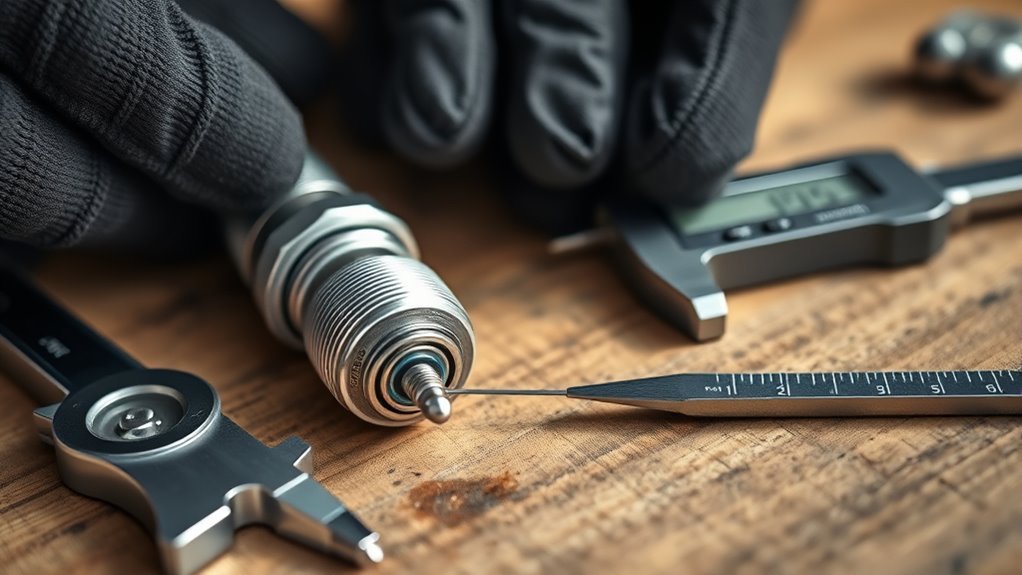
    You should first check your vehicle’s manual or spark plug packaging for the exact gap specs, as proper spacing guarantees efficient combustion and prevents misfires. When learning how to gap iridium spark plugs, using a precise gap gauge is essential to measure the distance between the center and ground electrodes.

    Adjust only the ground electrode carefully with a spark plug gap tool. Avoid bending the iridium tip to prevent damage. Proper gapping enhances performance and longevity.

    Understanding the full process and maintenance tips will help you optimize your engine’s efficiency.

    Key Takeaways

    • Verify the recommended spark plug gap in your vehicle’s owner manual or manufacturer specifications before starting.
    • Use a precise gap gauge and avoid metal tools to measure the gap gently between the center and ground electrodes.
    • Adjust the gap by carefully bending only the ground electrode with a dedicated spark plug gap tool, avoiding damage to the iridium tip.
    • Inspect the spark plug for electrode wear, deposits, or damage before gapping; replace plugs if significant wear is present.
    • Recheck the gap multiple times to ensure accuracy and maintain proper spacing for optimal engine performance and fuel efficiency.

    Why You Should Gap Your Iridium Spark Plugs Right

    Although iridium spark plugs come pre-gapped, you should always check and adjust the gap to your engine’s specifications. Proper gapping guarantees peak spark intensity and timing, directly impacting combustion efficiency.

    Incorrect gaps can cause misfires, reducing spark plug longevity and degrading engine performance. If the gap is too wide, the spark may weaken, causing incomplete combustion.

    Incorrect spark plug gaps lead to misfires, reduced lifespan, and poor engine performance due to weak sparks.

    Too narrow, and the spark might be insufficient to ignite the air-fuel mixture effectively. By setting the precise gap, you enhance the spark plug’s ability to deliver consistent ignition, improving fuel efficiency and power output.

    This careful adjustment also minimizes electrode wear, extending spark plug longevity.

    In short, precise gapping is essential for performance enhancement and maintaining your engine’s reliability over time.

    Where can you find the exact gap specifications for your iridium spark plugs? The best source is your vehicle’s owner manual, which provides precise spark plug specifications tailored to your engine.

    You can also reference the service manual or the spark plug packaging, which often lists gap measurement guidelines. Additionally, manufacturer websites offer detailed specs based on your make and model.

    Here’s a quick reference for common vehicles:

    Vehicle Type Gap Measurement (inches)
    Compact Cars 0.028 – 0.032
    Sedans 0.030 – 0.035
    SUVs 0.032 – 0.038
    Trucks 0.035 – 0.040
    Performance Cars 0.035 – 0.045

    Always follow official spark plug specifications and gap measurement guidelines to guarantee peak performance.

    Tools You’ll Need to Gap Iridium Spark Plugs Accurately

    To gap iridium spark plugs accurately, you’ll need specialized tools designed for precise measurement and adjustment. Start with a reliable gap gauge, preferably a wire-type or feeler gauge, to measure the spark plug gap measurement accurately. Avoid using rudimentary tools, as iridium plugs require exact spacing.

    Accurate gapping of iridium spark plugs requires specialized tools and precise measurement for optimal performance.

    You’ll also need a spark plug gap tool or a bending tool to adjust the gap without damaging the delicate iridium tip. Make certain the tool allows incremental adjustments to maintain the recommended gap.

    A magnifying glass or a bright light can help you inspect the electrode closely during adjustment. Using these precise instruments guarantees consistent spark plug gap measurement and adjustment, which is critical for ideal ignition performance and engine efficiency.

    Always handle the spark plug carefully to prevent electrode damage.

    Inspecting Iridium Spark Plugs Before Adjusting the Gap

    Before adjusting the gap, carefully inspect your iridium spark plugs for wear, deposits, or damage.

    Begin the spark plug inspection by examining the electrode condition closely. Look for erosion, pitting, or rounding of the iridium tip, as these can affect ignition performance and gap stability.

    Check for carbon or oil deposits on the insulator and electrodes, which may indicate combustion issues.

    Also, inspect the ceramic insulator for cracks or chips that compromise spark integrity. Any signs of damage or excessive wear mean the plug should be replaced rather than gapped.

    Ensuring the electrode condition is ideal before adjusting the gap prevents inaccurate measurements and potential engine misfires.

    Conduct a thorough spark plug inspection to maintain engine efficiency and reliable ignition before proceeding to gap adjustment.

    How to Measure the Gap on Iridium Spark Plugs

    How exactly do you measure the gap on iridium spark plugs to confirm peak performance?

    Start by selecting a reliable gap tool, like a wire-type feeler gauge or a specialized spark plug gap tool designed for precision. Verify the tool’s thickness matches the manufacturer’s recommended gap specification.

    Gently slide the gauge between the center and ground electrodes without forcing it, preserving iridium durability. The gauge should fit snugly with slight resistance; if it’s too loose or tight, the gap isn’t correct.

    Accurate gap measurement is critical because even minor deviations affect combustion efficiency and engine performance.

    Avoid using metal tools that can damage the delicate iridium tip during measurement.

    How to Adjust the Gap Without Damaging Iridium Tips

    Although iridium spark plugs are durable, you need to handle their gaps with care to avoid damaging the delicate electrode tips. When adjusting the gap, apply minimal force and use the right spark plug techniques to preserve iridium durability.

    Avoid bending the center electrode, as it’s fragile and critical for performance. Use a specialized gap tool designed for iridium plugs to guarantee accurate and safe adjustments.

    Keep these points in mind:

    • Use a non-metallic or coated gap tool to prevent scratching.
    • Adjust only the ground electrode gently; the center tip must remain untouched.
    • Measure the gap repeatedly to avoid over-bending.

    Mistakes to Avoid When Gapping Iridium Spark Plugs

    Don’t over-gap your iridium spark plugs, as it can damage the electrode and impair performance.

    Always use the correct tools to guarantee precise adjustments without harming the delicate tip.

    Most importantly, follow the manufacturer’s specifications to maintain peak spark plug function.

    Over-Gapping Risks

    A common mistake when adjusting iridium spark plugs is over-gapping, which can lead to misfires, increased electrode wear, and poor engine performance.

    When the gap exceeds manufacturer specs, the spark becomes weaker, causing spark plug failure and noticeable performance degradation.

    You risk damaging the delicate iridium tip, shortening its lifespan and increasing maintenance costs.

    Avoid these pitfalls:

    • Frustration from repeated misfires and rough idling
    • Unexpected breakdowns due to spark plug failure
    • Reduced fuel efficiency and power output

    To prevent over-gapping, always measure the gap accurately with a feeler gauge and adjust carefully.

    Remember, even a slight over-extension compromises ignition reliability, leading to costly repairs and compromised engine health.

    Stay precise to maintain peak performance and durability.

    Using Incorrect Tools

    Using improper tools can quickly damage your iridium spark plugs or lead to inaccurate gap settings.

    Using wrong tools like pliers or screwdrivers risks bending or scratching the delicate iridium electrode, compromising performance and lifespan.

    You need to avoid metal tools that apply uneven pressure. Instead, focus on selecting proper tools designed specifically for spark plug gapping, such as a wire gapper or a feeler gauge.

    These tools guarantee precise measurement and gentle adjustment without deforming the electrode.

    Using the correct instruments reduces the risk of over-gapping or under-gapping, which can negatively affect ignition efficiency.

    Always verify that your tools are calibrated and free from debris before use.

    Proper tool selection is critical to maintaining the integrity and function of your iridium spark plugs.

    Ignoring Manufacturer Specs

    Although it might seem tempting to set the gap based on general guidelines, ignoring the manufacturer’s specific spark plug gap recommendations can lead to less-than-ideal engine performance or damage.

    The precise impact of gap on combustion efficiency and ignition timing is critical, especially with iridium spark plugs. Deviating from specs risks misfires, reduced fuel economy, and decreased spark plug longevity.

    When you overlook these guidelines, you might face:

    • Premature wear, shortening spark plug lifespan
    • Engine hesitation or rough idling
    • Increased emissions and potential engine damage

    Always consult your vehicle’s manual or the plug manufacturer’s data to set the exact gap. This guarantees ideal spark intensity and durability, protecting your engine and maximizing the iridium plug’s benefits.

    Don’t compromise precision; respect the specs for reliable performance.

    When to Replace Iridium Spark Plugs Instead of Gapping

    You should replace iridium spark plugs if you notice signs of wear like electrode erosion or persistent misfires.

    Performance issues such as rough idling or reduced fuel efficiency often indicate that gapping alone won’t fix the problem.

    Always follow your manufacturer’s recommendations for replacement intervals to maintain peak engine function.

    Signs of Wear

    A clear indication that your iridium spark plugs need replacement is visible wear or damage that can’t be corrected by adjusting the gap.

    Over time, visual wear indicators like electrode erosion, deposits, or cracking signal that the spark plug has reached the end of its spark plug lifespan.

    If you notice these signs, continuing to gap the plugs won’t restore performance or reliability.

    Watch for:

    • Rounded or severely worn electrodes that degrade ignition efficiency
    • Heavy carbon or oil deposits that impair spark delivery
    • Cracked or damaged insulators risking misfires or shorts

    Addressing these signs promptly prevents engine issues and maintains peak combustion.

    Don’t hesitate to replace worn iridium plugs instead of repeatedly adjusting gaps, since gap correction alone won’t fix underlying deterioration.

    Performance Issues

    Beyond visible wear, performance issues often indicate when iridium spark plugs need replacement rather than just gap adjustment.

    If you notice reduced spark plug efficiency, such as misfires, rough idling, or decreased fuel economy, it’s a sign the plugs may be compromised internally.

    Adjusting the gap won’t fix erosion or electrode damage affecting ignition timing consistency. When your engine struggles to maintain proper ignition timing, it results in power loss and increased emissions.

    In these cases, replacing the iridium spark plugs guarantees reliable spark delivery and peak combustion.

    Don’t rely solely on gap tweaks if performance drops; worn iridium tips degrade electrical conductivity and spark quality.

    Prioritize replacement over gapping when spark plug efficiency declines noticeably, as this restores engine performance and prevents further mechanical issues.

    Manufacturer Recommendations

    Although iridium spark plugs allow for longer service intervals, manufacturers specify exact replacement schedules based on mileage or operating hours to guarantee peak performance.

    You should follow these guidelines rather than solely adjusting gap specifications because iridium electrodes wear down subtly over time, affecting combustion efficiency. Unlike other spark plug types, iridium’s durability doesn’t mean indefinite use.

    Replace your iridium plugs when you hit the manufacturer’s recommended mileage, often between 60,000 to 100,000 miles.

    Replace your plugs when you notice performance drops that gap adjustments can’t fix.

    Replace your plugs when visual inspection reveals electrode erosion or deposits beyond gap specifications.

    Ignoring these recommendations risks engine misfires and reduced fuel economy.

    Always consult your vehicle’s service manual to match the correct spark plug types and maintain proper gap settings for ideal engine health.

    How Correct Gapping Boosts Engine Performance

    When you set the correct gap on your iridium spark plugs, you guarantee the spark ignites the air-fuel mixture efficiently, leading to better combustion. Proper gap adjustment enhances spark plug efficiency by ensuring a consistent, strong spark.

    This precision directly affects engine tuning, as an inaccurate gap can cause misfires, incomplete combustion, or increased emissions. By maintaining the ideal gap, you support stable ignition timing and maximize power output while reducing fuel consumption.

    Correct gapping also minimizes electrode wear, preserving spark integrity over time. Ultimately, precise spark plug gap settings improve throttle response, smooth engine operation, and longevity.

    Skipping this step compromises performance and may lead to costly repairs, so always measure and adjust your iridium plugs according to your vehicle’s specifications for peak engine tuning results.

    Tips for Maintaining Optimal Spark Plug Gaps Over Time

    To maintain ideal spark plug gaps over time, you need to regularly inspect and adjust them according to your vehicle’s specifications. Proper gap maintenance guarantees peak combustion and extends spark plug longevity, preventing misfires and engine inefficiency.

    Regularly inspecting and adjusting spark plug gaps ensures optimal combustion and prevents engine misfires.

    Use a feeler gauge to measure the gap accurately and avoid damaging the iridium tip.

    Remember these key tips to keep your spark plugs performing at their best:

    • Check gaps every 30,000 miles or during routine maintenance to catch wear early.
    • Handle plugs carefully to preserve the iridium electrode and avoid altering the gap.
    • Replace plugs if gap adjustments become frequent, indicating wear beyond acceptable range.

    Consistent attention to gap precision maximizes fuel efficiency and engine power while safeguarding your investment in quality spark plugs.

    Frequently Asked Questions

    Can I Reuse Iridium Spark Plugs After Cleaning?

    You can reuse iridium spark plugs after proper cleaning techniques, but keep in mind spark plug longevity decreases with reuse.

    Make certain you clean deposits carefully without damaging electrodes to maintain performance and prevent misfires or engine issues.

    Do Iridium Spark Plugs Require Different Tools Than Other Plugs?

    Unlike other spark plug types, iridium plugs demand more delicate gapping techniques. You don’t need special tools, but using a feeler gauge or a precision gapper guarantees accurate adjustment without damaging the fine iridium tip.

    How Does Altitude Affect Spark Plug Gap Settings?

    You’ll need to make altitude adjustments because higher altitude reduces air density, affecting spark plug performance. A slightly wider gap improves combustion efficiency, while lower altitudes require a narrower gap to prevent misfires. Adjust accordingly.

    You should use precise Iridium plug gappers from recommended brands like Snap-On or Accu-Gap. These guarantee accurate adjustments without damaging the electrode, maintaining ideal performance and longevity for your iridium spark plugs.

    Can Improper Gapping Cause Engine Misfires?

    Misfiring may manifest if you mismanage the spark plug gap. Improper gapping impairs spark plug performance, diminishing engine efficiency.

    You need precise measurements to maintain ideal combustion and avoid costly engine complications or performance pitfalls.

    Conclusion

    Think of your iridium spark plugs as tiny gatekeepers, where the gap is the gate’s width. Too wide or too narrow, and the spark struggles to leap, just like a gate that’s stuck or ajar.

    By carefully measuring and adjusting this gap, you guarantee the spark jumps cleanly every time, releasing your engine’s full potential. Keep this precision in check, and your engine will run as smoothly as a well-oiled machine.

    Maintaining the correct gap is essential for optimal performance and fuel efficiency. Properly gapping your iridium spark plugs ensures reliable ignition and helps your engine deliver consistent power. This is a crucial step in how to gap iridium spark plugs effectively.