Tag: automotive safety

  • Are All Spark Plugs the Same Size

    Are All Spark Plugs the Same Size

    No, all spark plugs aren’t the same size. They vary in thread diameter, reach length, and hex size to match specific engine designs.

    Using the wrong size can cause misfires, poor heat dissipation, or even engine damage. You need the correct size for maximum combustion efficiency and engine longevity.

    Checking your vehicle’s manual or spark plug codes helps verify you choose the right fit. Understanding these details will improve your engine’s performance and reliability.

    Key Takeaways

    • Spark plugs vary in thread diameter, reach length, and hex size based on engine design and manufacturer specifications.
    • Different engine types require specific spark plug sizes to ensure proper combustion and heat dissipation.
    • Using the wrong spark plug size can cause engine misfires, mechanical damage, and reduced performance.
    • Vehicle manuals or manufacturer resources provide the correct spark plug size and type recommendations.
    • Properly sized spark plugs ensure optimal ignition efficiency, power output, and engine longevity.

    How Spark Plug Sizes Differ Across Vehicles

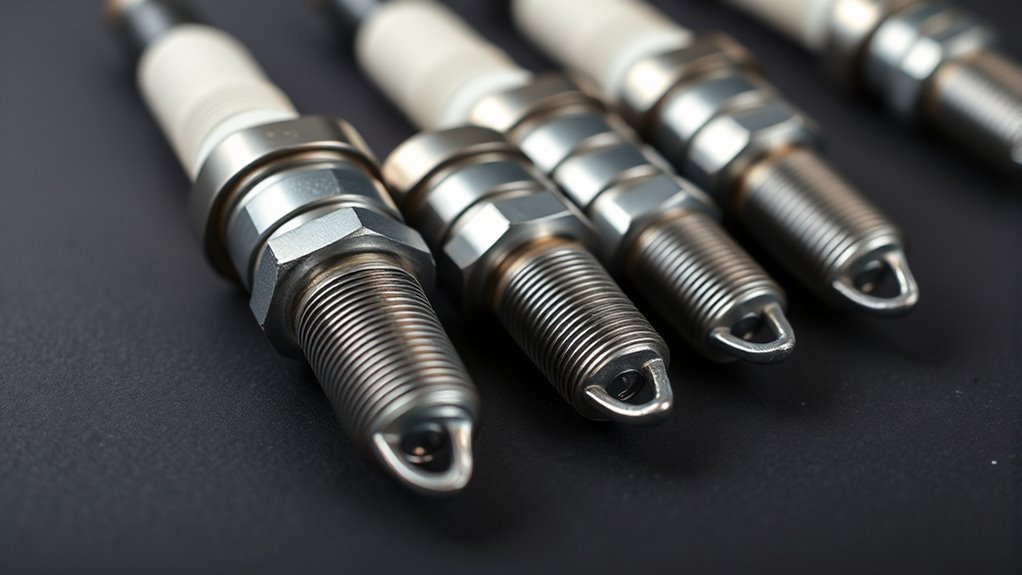
    Although spark plugs may look similar at a glance, their sizes vary considerably depending on the vehicle’s engine design and manufacturer specifications.

    You’ll find that spark plug dimensions, such as thread diameter, reach length, and hex size, are tailored to fit specific engine configurations.

    Different spark plug types, including copper, platinum, and iridium, also come in unique dimension sets to optimize performance.

    Copper, platinum, and iridium spark plugs feature distinct dimensions designed to enhance engine performance.

    For example, a compact four-cylinder engine uses shorter reach spark plugs with smaller diameters, while larger V8 engines require longer reach and wider thread plugs to accommodate deeper combustion chambers.

    Understanding these variations is essential when selecting replacements, as mismatched spark plug dimensions can lead to improper seating or damage.

    Always refer to your vehicle’s manual to identify the correct spark plug types and dimensions.

    Why Spark Plug Size Affects Engine Performance and Longevity

    When you choose the correct spark plug size for your engine, you guarantee maximum combustion efficiency and prevent mechanical issues. The spark plug’s size directly influences spark plug heat dissipation, which is critical for maintaining ideal combustion chamber temperatures.

    If the plug’s heat range isn’t suitable, it can lead to pre-ignition or fouling, reducing ignition efficiency. Properly sized spark plugs ensure the electrode is positioned correctly within the combustion chamber, promoting consistent spark delivery and stable flame propagation.

    This precision reduces unburned fuel, enhances power output, and lowers emissions. Additionally, the correct size prevents damage to the cylinder head and extends the spark plug’s lifespan.

    Ultimately, selecting the right spark plug size maximizes engine performance and durability by balancing spark plug heat and ignition efficiency.

    What Happens If You Use the Wrong Spark Plug Size

    If you use the wrong spark plug size, you risk impairing engine function and causing mechanical damage. Incorrect spark plug compatibility can lead to improper seating in the cylinder head, resulting in inadequate heat dissipation and potential thread damage.

    This mismatch may cause engine misfire, reducing combustion efficiency and increasing emissions. Additionally, a spark plug that’s too long can interfere with the piston or valves, risking severe internal damage.

    Conversely, a spark plug that’s too short may not reach the combustion chamber adequately, causing weak sparks and misfires.

    Ensuring the correct spark plug size maintains ideal electrode gap positioning and heat range, critical for reliable ignition and engine longevity.

    Ignoring precise spark plug compatibility compromises performance and may lead to costly repairs.

    How to Find and Choose the Right Spark Plug Size for Your Car

    Since spark plug size directly affects engine performance and durability, you need to identify the exact specifications recommended for your vehicle. Start by consulting your car’s owner manual or manufacturer’s website for the precise spark plug identification, including thread diameter, reach, and heat range.

    These details ascertain spark plug compatibility with your engine’s cylinder head and combustion chamber design. You can also check the existing spark plugs for stamped codes that reveal size and type. Additionally, utilize reputable automotive parts databases or consult certified technicians to verify compatibility.

    Choosing the correct spark plug size prevents misfires, engine damage, and inefficient combustion. Accurate spark plug identification and adherence to manufacturer specifications guarantee peak engine function and longevity, making this step critical in maintaining your vehicle’s performance.

    Tips for Installing and Maintaining the Right Spark Plug

    After identifying the correct spark plug size, proper installation and maintenance guarantee peak engine performance and longevity.

    Begin by inspecting the spark plug types recommended for your vehicle: iridium, platinum, or copper. Each demands specific handling.

    Use a torque wrench to apply the manufacturer-specified torque during installation; over-tightening can damage the threads, while under-tightening risks poor contact.

    Before installation, check the spark plug gap with a feeler gauge and adjust it precisely to specifications.

    Clean the spark plug hole and apply anti-seize compound sparingly to avoid galling.

    For maintenance, regularly inspect plugs for fouling, wear, or deposits, and replace them according to your vehicle’s service schedule.

    Following these installation techniques guarantees maximum combustion efficiency and prevents engine misfires.

    Frequently Asked Questions

    Can Spark Plugs Affect Fuel Efficiency?

    Yes, spark plug types directly affect fuel combustion efficiency. Using incorrect or worn plugs reduces combustion quality, decreasing fuel efficiency.

    Choosing the right spark plugs guarantees ideal ignition, improving fuel economy and engine performance consistently.

    How Often Should Spark Plugs Be Replaced?

    Think of your spark plugs as tiny engines’ heartbeat; you should replace them every 30,000 to 100,000 miles depending on spark plug lifespan and vehicle specs.

    Stick to replacement intervals for ideal performance and fuel efficiency.

    Are Iridium Spark Plugs Better Than Platinum?

    You’ll find iridium spark plugs offer superior iridium durability, lasting longer under high heat. Platinum spark plugs provide excellent platinum conductivity, ensuring efficient ignition. Choose based on your engine’s performance needs and maintenance intervals.

    Can Spark Plugs Cause Engine Misfires?

    Oh, spark plugs causing misfires? Absolutely, they’re the prime suspects when you notice misfire symptoms like rough idle or poor acceleration.

    Different spark plug types affect ignition quality, so choosing the right one prevents costly engine hiccups.

    Do Cold Weather Conditions Impact Spark Plug Performance?

    Yes, cold temperature effects can reduce ignition efficiency by causing slower fuel vaporization. You should choose spark plug materials with better heat conductivity, like iridium or platinum, to maintain consistent performance in cold weather conditions.

    Conclusion

    Not all spark plugs are the same size—using the wrong one can reduce engine efficiency by up to 15%. This affects performance, fuel economy, and engine longevity. To avoid costly damage, always check your vehicle’s specifications before purchasing.

    Proper installation and regular maintenance guarantee peak spark plug function, maximizing engine life. Remember, precision in choosing the right size isn’t just about fit—it directly impacts how well your engine runs.

    In conclusion, understanding that not all spark plugs are the same size is crucial for maintaining optimal engine performance and efficiency.