Category: Car Care

  • How to Adjust Float on Carburetor

    How to Adjust Float on Carburetor

    To adjust the float on your carburetor, first turn off the fuel supply to prevent any spills. Carefully remove the carburetor bowl, making sure to catch any fuel that may leak out during the process.

    Next, measure the float height from the gasket surface using a precise caliper. Gently bend the float arm to raise or lower the fuel level according to the manufacturer’s specifications.

    Once adjusted, reassemble the carburetor bowl securely. Finally, test your engine to ensure it idles smoothly and there are no fuel leaks. Following these steps ensures accurate fuel regulation and optimal engine performance.

    Key Takeaways

    • Remove the carburetor bowl carefully, using proper tools and a container to catch any fuel spills.
    • Measure the float height from the gasket surface to the top of the float using a caliper or float gauge.
    • Adjust the float by gently bending the float arm up to raise or down to lower the fuel level.
    • Recheck the float height after adjustment to ensure it matches manufacturer specifications and moves freely.
    • Reassemble the carburetor, start the engine, and test for smooth idling, acceleration, and absence of fuel leaks.

    Signs Your Carburetor Float Needs Adjustment

    How can you tell when your carburetor float needs adjustment? One clear indicator is float sticking, which causes inconsistent fuel levels in the carburetor bowl. If the float sticks, it fails to rise and fall properly, disrupting fuel flow.

    Another sign is fuel overflow; you may notice fuel leaking from the carburetor or pooling beneath the engine. This overflow results from the float not closing the inlet valve at the correct level.

    Fuel overflow, seen as leaks or pooling under the engine, signals the float isn’t closing the inlet valve properly.

    Additionally, engine performance issues like rough idling or flooding often accompany float problems. To confirm, inspect the float for physical damage or wear that could cause sticking.

    Identifying these symptoms early prevents engine damage and guarantees peak fuel-air mixture. When you observe float sticking or fuel overflow, adjusting the carburetor float becomes necessary.

    Tools Needed for Carburetor Float Adjustment

    To properly adjust a carburetor float, you’ll need a specific set of tools to secure accuracy and avoid damage.

    Start with a precision ruler or caliper to measure float height accurately. A small screwdriver, preferably flathead, helps you bend the float tab gently without cracking or deforming it.

    Use a clean container or magnetic tray to hold small parts during carburetor maintenance, preventing loss. Needle-nose pliers assist in fine adjustments and handling delicate components.

    Additionally, keep a flashlight handy to illuminate tight spaces within the carburetor.

    Having a repair manual or float specification sheet guarantees you follow manufacturer guidelines during float troubleshooting.

    Using these tools will streamline the adjustment process, maintain carburetor integrity, and improve overall engine performance.

    Removing the Carburetor Bowl Safely

    Before you begin removing the carburetor bowl, make sure the engine is cool and the fuel supply is turned off to prevent spills.

    Start by placing a clean container or rag beneath the carburetor to catch any residual fuel.

    Use the correct screwdriver or wrench to carefully loosen and remove the screws or bolts securing the bowl. Avoid forcing parts to prevent damage.

    Gently detach the bowl, watching for the float and needle valve inside. Handle these components with care to maintain proper carburetor function.

    As part of routine carburetor maintenance, inspect the bowl for debris or corrosion that could affect fuel system performance.

    Properly removing the bowl guarantees you can safely proceed with float adjustment without introducing contaminants or risking fuel leakage.

    Measuring the Float Height Correctly

    You’ll need a caliper or a specialized float gauge to measure the float height accurately.

    Position the float as specified by your carburetor’s manual, then measure from the gasket surface to the top of the float.

    Keep in mind common float height values vary by model, so verify the exact specification before making adjustments.

    Tools Needed

    Accurate measurement of the float height requires specific tools to guarantee proper carburetor function.

    For precise carburetor maintenance, you’ll need a set of feeler gauges to measure the gap accurately between the float and the carburetor body.

    A small ruler or caliper can help verify exact float height dimensions as specified by the manufacturer.

    Additionally, a flat, stable surface to rest the carburetor float bowl guarantees consistent readings.

    Using a magnifying glass or good lighting can aid visibility during measurement.

    These tools are essential for implementing effective float adjustment tips, preventing improper fuel levels that cause performance issues.

    Avoid guessing measurements; having these tools on hand enhances accuracy and reliability during your float height inspection and adjustment process.

    Proper Measurement Technique

    Having the right tools in place sets the foundation for measuring the float height correctly. To guarantee accuracy, follow these float measurement techniques precisely.

    First, remove the carburetor bowl carefully to expose the float.

    Second, use a precision gauge or a calibrated ruler to measure the distance from the float’s highest point to the carburetor seat.

    Third, hold the float gently in the natural resting position without applying pressure that could alter its height.

    Fourth, verify the measurement multiple times to confirm consistency.

    Remember, precise float height measurement directly affects fuel delivery and engine performance.

    Common Float Height Values

    Several common float height values apply to most carburetors, but you should always verify the specifications for your particular model.

    Typical float heights range from 5/16 inch to 7/16 inch, depending on the carburetor design and float needle types.

    To measure accurately, refer to the manufacturer’s float adjustment specifications, which provide exact values for your carburetor.

    Incorrect float height can cause fuel overflow or starvation, affecting engine performance.

    When measuring, verify the float rests naturally without pressure on the needle valve.

    Use a calibrated ruler or gauge to check the distance from the gasket surface to the float’s top edge, aligning with the specified height.

    Adjust carefully, considering the float needle type, as different designs may require slight variations in settings.

    Always double-check your adjustments before reassembly.

    Adjusting the Float Arm for Correct Fuel Level

    Before you can set the fuel level correctly, you need to understand how the float arm influences the carburetor’s operation. The float arm controls the needle valve, regulating fuel flow into the bowl.

    Proper float adjustment techniques guarantee ideal fuel levels, preventing flooding or fuel starvation.

    Correct float adjustment ensures optimal fuel levels, avoiding both flooding and fuel starvation for smooth engine operation.

    Follow these steps to adjust the float arm:

    1. Remove the carburetor bowl and locate the float arm.
    2. Gently bend the float arm upward to raise the fuel level or downward to lower it.
    3. Use a calibrated gauge or ruler to measure the float height against manufacturer specifications.
    4. Recheck the float movement to confirm the needle valve seats properly without binding.

    Precise adjustments here maintain consistent fuel delivery and efficient engine performance.

    Reassembling the Carburetor Properly

    When reassembling the carburetor, make certain all components align precisely to avoid misfits.

    Check that the float and needle valve seat correctly to maintain a proper seal.

    Tighten screws evenly to prevent leaks and guarantee peak performance.

    Aligning Components Correctly

    A critical step in reassembling the carburetor properly is aligning all components with exact precision.

    To guarantee peak performance, apply float alignment techniques and conduct a thorough float component inspection before assembly.

    Follow these steps carefully:

    1. Position the float so it sits parallel to the carburetor body, avoiding any tilt or obstruction.
    2. Check the float hinge pin for smooth movement; it should pivot without binding.
    3. Align the needle valve tip precisely with the float arm to control fuel flow accurately.
    4. Verify that the float height matches manufacturer specifications, adjusting as needed.

    Ensuring Proper Seal

    Although aligning components correctly is essential, guaranteeing a proper seal during reassembly is equally critical to prevent fuel leaks and maintain peak carburetor function.

    Start by inspecting the float seal integrity; replace any worn or damaged seals to avoid float chamber leaks.

    When reinstalling the float bowl, position the gasket evenly without folds or damage.

    Tighten screws gradually in a crisscross pattern to distribute pressure evenly, preventing warping that could compromise the seal.

    Avoid over-tightening, which can deform the gasket or housing.

    After assembly, visually inspect the joint for gaps or misalignment.

    Finally, test for float chamber leaks by applying light pressure or running a fuel flow test.

    A secure, leak-free seal guarantees accurate float operation and consistent carburetor performance.

    Testing Your Engine After Adjustment

    After completing the float adjustment, you’ll need to verify the engine’s performance under typical operating conditions. Proper testing guarantees the carburetor float is set correctly and prevents future issues.

    Follow these steps:

    1. Start the engine and let it idle. Observe the idle speed and listen for any irregular sounds.
    2. Gradually increase throttle to check for smooth acceleration without hesitation or stalling.
    3. Inspect for fuel leaks around the carburetor, indicating an improper seal or float level.
    4. If engine performance is inconsistent, refer to troubleshooting tips such as rechecking float height or cleaning the carburetor.

    Performing these tests confirms the adjustment’s accuracy and helps maintain peak engine function, preventing common performance problems.

    Avoid These Common Float Adjustment Mistakes

    When you adjust the carburetor float, overlooking small details can lead to improper fuel levels and engine issues.

    One common float adjustment error is failing to measure the float height accurately; always use a precise gauge or ruler to guarantee exact settings.

    Avoid bending the float arm excessively, as this can distort readings and cause fuel overflow or starvation.

    Another misconception is assuming all floats are the same; verify your float’s specifications before adjustment.

    Don’t ignore the float’s condition. Damaged or saturated floats can mislead your adjustments.

    Finally, don’t rush the process; take time to recheck your measurements and confirm the float moves freely without sticking.

    These steps will help you avoid common float adjustment errors and guarantee peak carburetor performance.

    When to Replace a Faulty Carburetor Float

    Even with careful adjustments, a carburetor float can wear out or become damaged over time, impacting fuel regulation.

    You need to recognize when float replacement is necessary to maintain peak carburetor performance and avoid engine issues.

    During routine carburetor maintenance, look for these signs:

    1. Fuel flooding or leakage from the carburetor bowl.
    2. Erratic engine idling or stalling due to inconsistent fuel levels.
    3. Visible float damage, such as cracks, warping, or fuel absorption.
    4. Difficulty adjusting the float height to manufacturer specifications.

    If you observe any of these symptoms, replace the float immediately to guarantee precise fuel control and prevent engine damage.

    Adhering to these guidelines keeps your carburetor functioning efficiently and prolongs engine life.

    Frequently Asked Questions

    What Causes a Carburetor Float to Malfunction Initially?

    You’ll find that debris or varnish buildup often causes a carburetor float to malfunction initially, disrupting fuel delivery and skewing float height. Regular cleaning and inspection help maintain precise fuel flow and proper float operation.

    Only about 30% of carburetor issues are solved by float adjustments. You can’t fix all engine performance problems by tweaking floats; some require cleaning, gasket replacement, or jet tuning for precise fuel-air mixture control.

    How Often Should Carburetor Float Adjustments Be Performed?

    You should perform carburetor float adjustments during routine maintenance or performance tuning, typically every 12 months or 12,000 miles.

    Regular checks guarantee ideal fuel levels, preventing flooding or starvation, and maintaining efficient engine operation.

    Are There Different Float Types for Various Carburetor Models?

    Like choosing between a feather and a bullet, float materials and float designs vary across carburetor models. You’ll find plastic, brass, or foam floats, each tailored to specific fuel types and engine requirements for ideal performance.

    Does Ethanol Fuel Affect Carburetor Float Performance?

    Yes, ethanol impacts carburetor float performance by reducing fuel stability, causing corrosion or swelling. You should regularly inspect and adjust the float to maintain proper fuel level and prevent engine running issues.

    Conclusion

    Now that you know how to spot float issues, gather the right tools, measure precisely, and adjust carefully, you’re ready to improve your carburetor’s performance.

    Remember to reassemble securely, test thoroughly, and avoid common mistakes to guarantee smooth operation. If the float shows persistent problems, don’t hesitate to replace it.

    By following these steps methodically, you’ll maintain ideal fuel levels, enhance engine efficiency, and extend your carburetor’s lifespan. Adjusting the float on the carburetor is key to ensuring your engine runs smoothly and efficiently.

  • When Change Spark Plugs

    When Change Spark Plugs

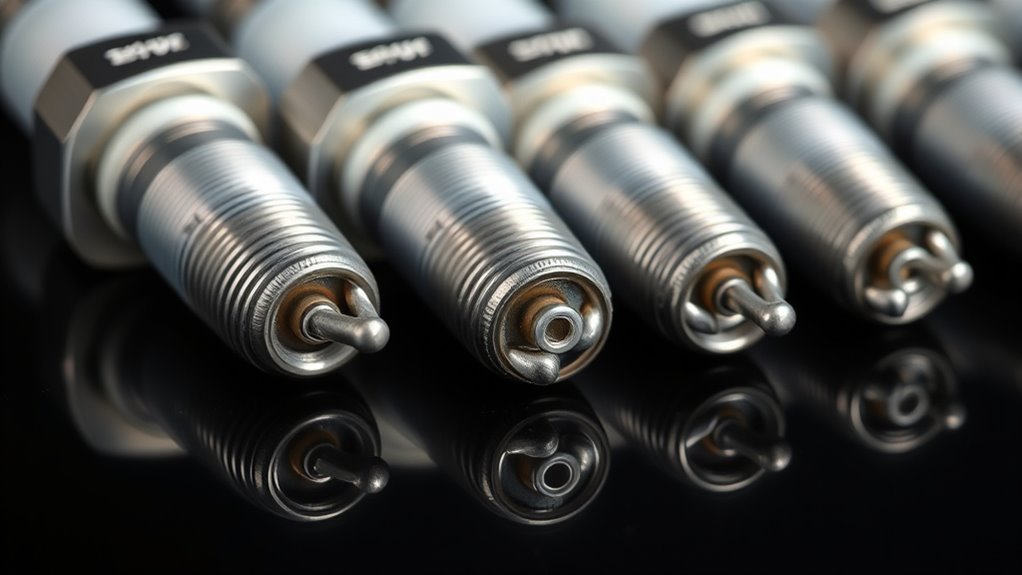
    You should change your spark plugs every 30,000 to 100,000 miles, depending on the type—copper plugs wear faster, while iridium or platinum plugs last longer. Knowing when to change spark plugs is essential for maintaining your vehicle’s performance and efficiency.

    If you notice misfires, rough idling, poor acceleration, or reduced fuel economy, it’s time to inspect and possibly replace them. Regular, timely replacement maintains engine efficiency and prevents costly damage.

    Understanding the signs and proper maintenance can help you optimize your vehicle’s performance and longevity. Keeping an eye on spark plug condition ensures your engine runs smoothly and reliably.

    Key Takeaways

    • Change spark plugs every 30,000 to 100,000 miles, depending on the plug type and manufacturer recommendations.
    • Replace copper plugs closer to 30,000 miles; iridium or platinum plugs can last up to 100,000 miles.
    • Inspect spark plugs regularly for wear, deposits, or damage to determine if earlier replacement is needed.
    • Change plugs immediately if you notice engine misfires, rough idling, poor fuel economy, or starting difficulties.
    • Follow your vehicle’s maintenance schedule and replace plugs to maintain peak engine performance and avoid costly repairs.

    How Do You Know It’s Time to Replace Spark Plugs?

    How can you tell when your spark plugs need replacing? Begin by considering the spark plug lifespan, typically ranging from 30,000 to 100,000 miles depending on the type and manufacturer. To guarantee peak engine performance, you should adhere to this guideline strictly.

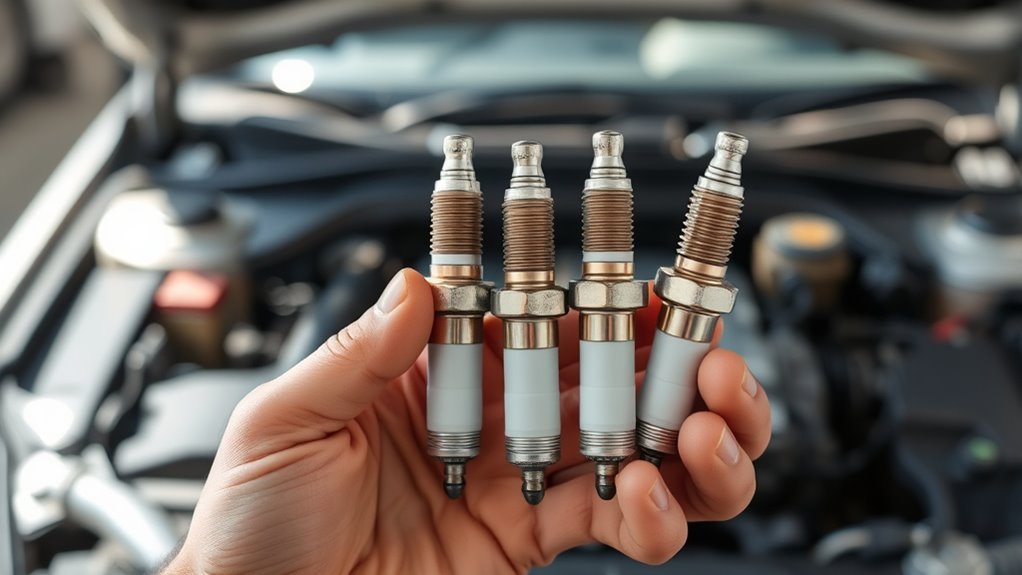
    When troubleshooting spark plugs, inspect their condition during routine maintenance or if you experience engine misfires, rough idling, or poor fuel economy. Remove the spark plugs and check for signs of wear such as electrode erosion, carbon deposits, or oil fouling.

    If the gap appears widened or inconsistent, it indicates reduced efficiency. Using a spark plug tester can help you verify proper functionality.

    Common Signs Your Spark Plugs Are Failing

    Engine performance issues often signal failing spark plugs. Since spark plug lifespan varies, recognizing early symptoms is vital for effective spark plug maintenance. Ignoring these signs can reduce fuel efficiency and damage your engine.

    Early detection of spark plug issues is key to maintaining engine efficiency and preventing damage.

    Watch for these common indicators:

    • Engine misfires or rough idling, caused by inconsistent ignition.
    • Difficulty starting the engine, due to weak or no spark.
    • Reduced fuel economy, as unburned fuel increases consumption.
    • Engine hesitation or lack of acceleration, signaling improper combustion.

    How Often Should You Replace Spark Plugs?

    You should follow your vehicle’s manufacturer guidelines for spark plug replacement intervals, typically ranging from 30,000 to 100,000 miles.

    Keep in mind that factors like driving conditions, fuel quality, and engine type can affect spark plug longevity.

    Regular inspections help you adjust replacement timing to maintain ideal engine performance.

    Replacement Intervals Guidelines

    Most vehicles require spark plug replacements every 30,000 to 100,000 miles, depending on the type of spark plug and driving conditions. Your replacement interval hinges on spark plug types and materials.

    For example, copper plugs wear faster, requiring replacement closer to 30,000 miles, while iridium or platinum plugs last longer, often approaching 100,000 miles.

    Follow these guidelines for peak performance:

    • Check your owner’s manual for manufacturer-recommended intervals.
    • Inspect spark plugs during routine maintenance for wear or deposits.
    • Replace plugs earlier if you notice engine misfires or rough idling.
    • Use spark plug types and materials compatible with your vehicle’s engine.

    Adhering to these intervals guarantees efficient combustion and prevents engine damage.

    Factors Affecting Longevity

    Although spark plugs have general replacement intervals, several factors influence their actual lifespan. You need to evaluate spark plug materials. Iridium or platinum last longer than copper.

    Additionally, the heat range affects how quickly a plug wears. A colder heat range prevents overheating but may foul plugs faster. Driving conditions such as frequent short trips or heavy loads accelerate wear too.

    Factor Impact on Longevity Example
    Spark Plug Material Durability varies Iridium lasts ~100k miles
    Heat Range Affects temperature control Incorrect range causes fouling
    Driving Conditions Increased stress reduces life Stop-and-go vs. highway

    Benefits of Timely Spark Plug Replacement

    Since spark plugs play a critical role in engine ignition, replacing them on time guarantees peak combustion efficiency and consistent engine performance.

    Adhering to the recommended spark plug lifespan helps maintain maximum ignition efficiency, preventing misfires and rough idling.

    When you replace spark plugs promptly, you guarantee:

    • Improved fuel economy due to efficient combustion
    • Stable engine power output and smoother acceleration
    • Reduced emissions by minimizing incomplete fuel burn
    • Enhanced engine longevity through reliable ignition timing

    Timely replacement also avoids increased electrical load on the ignition system, preserving related components.

    By monitoring your spark plug lifespan and acting accordingly, you maximize engine function and reduce maintenance costs.

    This proactive approach supports your vehicle’s overall reliability and performance, keeping it running smoothly without unexpected interruptions.

    Risks of Delaying Spark Plug Replacement

    If you delay changing your spark plugs, you’ll notice a decline in engine performance and increased fuel consumption.

    Worn plugs can cause misfires that strain your engine’s components.

    Ignoring these signs risks severe engine damage and costly repairs.

    Engine Performance Decline

    When you delay replacing worn spark plugs, your engine’s performance will inevitably suffer. Worn plugs cause incomplete combustion, leading to engine misfire and ignition issues that disrupt smooth operation. This results in reduced power output and acceleration lag.

    You’ll notice rough idling and difficulty starting the engine, especially in cold conditions. Over time, these problems intensify, increasing strain on other components.

    Key symptoms include:

    • Frequent engine misfire causing uneven power delivery
    • Ignition issues triggering hesitation during acceleration
    • Rough idling with noticeable vibration
    • Difficulty starting the engine in cooler temperatures

    Addressing spark plug wear promptly helps maintain peak combustion, ensuring your engine runs efficiently without performance degradation.

    Increased Fuel Consumption

    Any delay in replacing worn spark plugs directly increases your vehicle’s fuel consumption.

    As spark plugs degrade, their ability to efficiently ignite the air-fuel mixture diminishes, causing incomplete combustion. This inefficiency forces your engine to burn more fuel to maintain power output, reducing overall fuel efficiency.

    Different spark plug types, such as copper, platinum, or iridium, have varying lifespans and performance characteristics; choosing the right type and timely replacement guarantees ideal combustion.

    Neglecting replacement disrupts the precise ignition timing, leading to increased fuel use and higher operating costs. By promptly changing spark plugs, you maintain peak fuel efficiency and avoid unnecessary fuel waste.

    Staying attentive to spark plug condition is essential for preserving your vehicle’s economical performance.

    Potential Engine Damage

    Delaying spark plug replacement increases the risk of serious engine damage by causing misfires, excessive heat, and unburned fuel buildup.

    When spark plugs fail, you’ll experience misfiring issues that reduce combustion efficiency and strain engine components.

    This inefficiency can lead to engine overheating, further escalating wear and potential failure. Unburned fuel may damage the catalytic converter and exhaust system, increasing repair costs drastically.

    Key risks include:

    • Persistent misfiring causing rough engine operation
    • Elevated combustion chamber temperatures leading to engine overheating
    • Accelerated wear on ignition coils and wiring
    • Damage to the catalytic converter from unburned fuel

    Replacing spark plugs on schedule prevents these issues, maintaining peak engine performance and avoiding costly repairs.

    Tips for Maintaining Spark Plugs Between Replacements

    Although spark plugs are designed to last for thousands of miles, you should regularly inspect and clean them to confirm peak engine performance.

    Begin with a thorough spark plug inspection, checking for electrode wear, carbon buildup, and cracks.

    Use a feeler gauge to measure the gap, confirming it matches manufacturer specifications.

    For spark plug cleaning, carefully remove carbon deposits with a wire brush or specialized spark plug cleaner, avoiding damage to the electrode or insulator. Avoid using abrasive materials that can alter the plug’s surface.

    Additionally, examine the spark plug threads and confirm proper torque when reinstalling to prevent misfires.

    Regular maintenance through spark plug inspection and cleaning extends plug life, optimizes fuel efficiency, and maintains smooth engine operation between replacements.

    Frequently Asked Questions

    What Types of Spark Plugs Are Best for High-Performance Engines?

    You’ll want iridium spark plugs for high-performance engines because their benefits include superior durability and enhanced ignition. They optimize combustion, making them ideal for precise performance tuning and maximizing engine power and efficiency.

    Can Changing Spark Plugs Improve Fuel Economy Significantly?

    Yes, regular spark plug maintenance can improve fuel efficiency by ensuring ideal combustion. Worn plugs cause misfires and incomplete burning, reducing mileage.

    How Do Spark Plug Gaps Affect Engine Performance?

    Like tuning a guitar string, spark plug gaps affect engine performance by controlling ignition timing and spark strength. You’ll guarantee ideal combustion by performing precise gap measurement during spark plug maintenance, preventing misfires and boosting efficiency.

    Are Platinum Spark Plugs Better Than Copper Ones?

    Platinum spark plugs offer superior longevity due to their durable electrodes, while copper plugs provide better conductivity for improved ignition.

    You’ll choose platinum for durability and copper for enhanced electrical performance, depending on your engine’s needs.

    Can Faulty Spark Plugs Cause Engine Misfires During Cold Starts?

    Imagine your engine struggling like a hesitant runner; faulty spark plugs often cause cold start issues by misfiring.

    You’ll notice this as spark plug wear disrupts ignition, leading to rough starts and unreliable combustion during cold engine conditions.

    Conclusion

    Think of your spark plugs as the heartbeat of your engine—when they falter, your car’s rhythm stumbles. Replacing them on time keeps your engine firing smoothly, preventing costly breakdowns.

    Don’t wait for warning signs to flash like red flags; stay proactive. Regular maintenance guarantees peak performance and fuel efficiency, sparking longevity in every drive.

    Treat your spark plugs with care, and they’ll keep your engine’s pulse steady and strong. Remember, knowing when to change spark plugs is key to maintaining your vehicle’s health and performance.

  • How Often to Replace Shocks

    How Often to Replace Shocks

    How Often to Replace Shocks is an important consideration for maintaining your vehicle’s performance and safety. You should replace your shocks every 50,000 miles or sooner if you notice signs like excessive bouncing, increased body roll, fluid leaks, or uneven tire wear.

    Driving on rough terrain or off-road speeds up wear, so inspect them regularly under harsh conditions. Keeping shocks in good shape guarantees vehicle stability and effective braking.

    If you want to understand how driving habits affect shock lifespan and how to spot issues early, keep exploring these key details.

    Key Takeaways

    • Inspect shocks every 50,000 miles or sooner if driving on rough terrain or experiencing performance issues.
    • Replace shocks promptly if you notice leaking fluid, excessive bouncing, or diminished handling.
    • Off-road and harsh driving conditions accelerate shock wear, requiring more frequent replacements.
    • Regular shock inspections during routine maintenance help detect wear before it affects safety and performance.
    • Delaying replacement worsens ride quality, braking distance, and can cause uneven tire wear and costly repairs.

    When to Replace Your Vehicle’s Shocks

    How do you know when your vehicle’s shocks need replacing? You monitor shock performance regularly through scheduled shock maintenance. Typically, shocks should be inspected every 50,000 miles or sooner if you drive on rough terrain.

    During maintenance, assess for leaks, corrosion, and diminished damping efficiency, as these factors directly reduce shock performance. If the shocks fail to control suspension movement effectively, your vehicle’s stability and braking distance worsen, signaling replacement is necessary.

    Check for leaks, corrosion, and poor damping—if shocks can’t control suspension, stability and braking suffer.

    Additionally, shocks that no longer return smoothly or exhibit unusual noises during compression and rebound cycles compromise ride quality and safety.

    To maintain ideal shock performance, adhere to manufacturer guidelines and replace shocks promptly once they no longer meet performance standards.

    Proper shock maintenance guarantees stability, handling, and overall vehicle control.

    Signs Your Shocks Are Wearing Out

    Although shock absorbers are designed to last, you’ll notice specific signs when they start to wear out. Reduced shock absorber performance often leads to increased vehicle bouncing after bumps and poor absorption of road irregularities.

    You might also experience vehicle handling issues such as excessive body roll during turns, longer braking distances, or a loose steering feel. Uneven tire wear can indicate that shocks no longer maintain proper tire contact with the road.

    Additionally, visible fluid leaks around the shock housing signal internal seal failure, degrading performance. If you detect any of these symptoms, it’s essential to inspect or replace your shocks promptly to maintain safe handling and ride quality.

    Ignoring worn shocks compromises both comfort and control, increasing risk during driving.

    How Driving Conditions Affect Shock Replacement

    Since driving conditions vary widely, they greatly influence when you’ll need to replace your shocks. If you frequently encounter off-road impact, your shocks endure more stress, accelerating wear and compromising performance sooner.

    Rough terrains cause repeated jarring forces, which degrade shock absorbers faster than smooth surfaces do. Conversely, urban driving typically involves stop-and-go traffic and occasional potholes, which also strain your shocks but less intensely than off-road conditions.

    Rough terrain rapidly wears shocks, while urban driving causes milder but still noticeable strain.

    However, constant braking and acceleration can still reduce shock lifespan. To maintain ideal suspension function, assess your driving environment carefully. Regularly inspect shocks if you face harsh conditions.

    Understanding how your routes affect shock wear helps you schedule timely replacements, ensuring safety and ride quality without unnecessary expense.

    Tips to Extend the Life of Your Shocks

    To maximize the lifespan of your shocks, you should regularly perform maintenance that reduces unnecessary stress on the suspension system.

    Begin with routine inspections to identify leaks, dents, or corrosion, as these issues accelerate wear.

    Follow shock maintenance tips like keeping your tires properly inflated and aligned, which decreases uneven forces on your shock absorbers.

    Avoid aggressive driving over rough terrain when possible, as repeated impacts degrade shock absorber seals and internal components.

    Additionally, clean the shocks and surrounding areas to prevent dirt buildup that can compromise performance.

    Prioritize timely replacement of other suspension parts, like bushings and mounts, to guarantee your shocks operate under ideal conditions.

    Consistent shock absorber care preserves ride quality, handling, and safety, ultimately extending shock service life effectively.

    What Happens If You Delay Shock Replacement

    When you delay replacing worn shocks, your vehicle’s handling and braking performance deteriorate considerably. Reduced shock performance means your tires lose consistent contact with the road, increasing stopping distances and compromising safety.

    Additionally, your ride quality suffers as worn shocks fail to absorb road impacts effectively, leading to a harsher, less controlled driving experience. Prolonged neglect can cause uneven tire wear and strain suspension components, escalating repair costs.

    You may also experience increased body roll and instability during cornering, making your vehicle harder to control. Addressing shock replacement promptly guarantees peak shock performance, maintains ride quality, and preserves vehicle safety.

    Don’t wait for symptoms to worsen; regular inspections and timely replacements keep your suspension functioning correctly and protect your investment.

    Frequently Asked Questions

    Can I Replace Shocks Myself or Should I Hire a Professional?

    You can replace shocks yourself if you’re comfortable using DIY tools and following shock installation tips precisely. Otherwise, hiring a professional guarantees safety and proper installation, especially if you lack mechanical experience or specialized equipment.

    Are Shock Absorbers the Same for All Vehicle Types?

    Shock types vary considerably, so you can’t use the same shock absorbers for all vehicles. Always check vehicle compatibility, considering weight, suspension design, and intended use. This ensures peak performance and safety tailored to your specific vehicle.

    How Do Different Brands of Shocks Compare in Quality?

    Think of shock brands as musical instruments; quality comparison reveals some play smoother, lasting longer. You’ll find premium brands offer precise damping and durability, while budget options may compromise performance, affecting your vehicle’s ride comfort and safety.

    Do Shock Replacements Affect My Vehicle’s Warranty?

    Replacing shocks typically won’t void your warranty if you use quality parts and follow maintenance tips. Always check your vehicle’s warranty coverage details to guarantee authorized repairs and avoid potential disputes with the manufacturer.

    Can Worn Shocks Impact Fuel Efficiency?

    Think of worn shocks as a weary horse pulling your car; they increase fuel consumption by forcing the engine to work harder. You’ll notice reduced ride comfort and efficiency, so replacing them keeps your drive smooth and economical.

    Conclusion

    You should replace your shocks every 50,000 miles, but signs like excessive bouncing or uneven tire wear mean it’s time sooner. Studies show worn shocks can increase stopping distance by up to 20%, compromising safety.

    Driving on rough roads speeds up wear, so regular inspections matter. By staying proactive and maintaining proper tire pressure, you can extend shock life and avoid costly repairs.

    Don’t delay—your safety depends on it. Regular replacement is essential when considering how often to replace shocks.

  • Can You Change Oil Filter Without Changing Oil

    Can You Change Oil Filter Without Changing Oil

    You can change the oil filter without changing the oil only if the oil is still clean and within the manufacturer’s service limits. If the oil shows no signs of degradation—such as darkening, thinning, or contamination—replacing just the filter can help maintain oil cleanliness.

    However, doing this regularly risks circulating contaminants and accelerating engine wear. Proper oil and filter assessment is key to protecting your engine.

    Knowing when and how to change the oil filter without changing the oil will help extend your engine’s life. It’s important to follow manufacturer recommendations to ensure optimal engine performance.

    Key Takeaways

    • Changing only the oil filter is possible if the oil is still clean and within its recommended condition.
    • Saturated filters reduce efficiency and can contaminate clean oil if not changed regularly.
    • Oil condition must be assessed visually or via sensors before deciding to replace just the filter.
    • Routine practice is to replace both oil and filter together for optimal engine protection.
    • Manufacturer guidelines and engine health monitoring should guide whether to change oil, filter, or both.

    Can You Change the Oil Filter Without Changing the Oil?

    How often can you change the oil filter without changing the oil? The answer largely depends on your engine’s condition and the oil’s current state.

    Filter longevity varies, but filters typically trap contaminants effectively until they reach capacity or degrade oil quality.

    If the oil hasn’t undergone significant oil degradation, changing only the filter might seem feasible. However, as the filter captures particles, it can become saturated, reducing efficiency and potentially contaminating the oil further.

    Consequently, routinely changing the filter without replacing the oil risks diminished lubrication performance and premature engine wear.

    To maintain ideal engine health, you should monitor both filter longevity and oil degradation indicators closely before deciding to change just the filter.

    When Can You Safely Change Only the Oil Filter?

    You can safely change only the oil filter if your oil remains clean and within the manufacturer’s specified condition.

    Regularly assess oil quality using visual checks or sensor data to determine contamination or degradation levels.

    Always follow your vehicle’s maintenance guidelines to guarantee peak engine protection.

    Oil Condition Assessment

    Although changing only the oil filter might seem convenient, it’s crucial to assess the oil’s condition before proceeding. You need to verify that the oil lifespan hasn’t been exceeded, as degraded oil compromises engine protection regardless of filter status.

    Check oil color, viscosity, and contamination level. Dark, gritty, or thin oil indicates it’s time for a full change. The filter lifespan typically aligns with the oil lifespan; replacing the filter alone is effective only if the oil remains within its functional parameters.

    Use an oil analysis tool or dipstick inspection to confirm oil quality. If the oil shows signs of oxidation, sludge, or metal particles, changing the filter without replacing the oil won’t maintain engine health.

    Proper oil condition assessment guarantees your decision supports engine longevity.

    Manufacturer’s Maintenance Guidelines

    Properly evaluating oil condition sets the foundation for following the manufacturer’s maintenance guidelines regarding oil filter changes.

    You should always consult the manufacturer recommendations and maintenance schedules specific to your vehicle model.

    These guidelines specify intervals for oil and oil filter replacement based on factors like mileage, time, and operating conditions.

    In some cases, the manufacturer allows changing only the oil filter between full oil changes if the oil remains within acceptable condition parameters.

    However, this practice is generally limited to specific scenarios outlined in the maintenance schedules, such as extended oil life or synthetic oil usage.

    Ignoring these manufacturer recommendations can compromise engine protection.

    Consequently, adhere strictly to the prescribed intervals and conditions to guarantee you safely change only the oil filter without risking engine damage.

    How to Change the Oil Filter Without Draining the Oil

    To change the oil filter without draining the oil, you’ll need specific tools like an oil filter wrench and a drain pan to catch any spills.

    Follow a precise step-by-step process to remove the old filter and install the new one while minimizing oil loss.

    Keep in mind essential precautions and tips to avoid contamination and guarantee a proper seal.

    Tools Needed

    Essential tools for changing your oil filter without draining the oil include a specialized oil filter wrench, a drain plug extractor, and a clean catch pan to handle any minor leaks. These essential tools guarantee a secure grip on the oil filter and prevent spillage during removal.

    Additionally, have disposable gloves and rags ready for cleanliness.

    Tool Purpose Notes
    Oil Filter Wrench Loosen/tighten oil filter Choose size based on filter
    Drain Plug Extractor Remove drain plug if needed Use cautiously
    Catch Pan Collect drips or leaks Must be clean and leak-proof

    Using these tools correctly minimizes risks and maintains oil integrity during the filter change process.

    Step-by-Step Process

    Changing an oil filter without draining the oil involves several precise steps to ascertain no contamination or spillage occurs.

    First, warm up your engine briefly to reduce oil viscosity, then turn it off. Place absorbent pads beneath the filter to catch any drips.

    Use an oil filter wrench to carefully loosen and remove the old filter, ensuring you don’t tilt it excessively to avoid oil leakage.

    Before installing the new filter, apply a thin layer of fresh oil to its rubber gasket to ensure a proper seal.

    Screw the new filter on hand-tight, then give it a slight additional turn as specified by the manufacturer.

    This careful oil filter maintenance helps sustain engine performance by preventing contaminants from entering the system while preserving the existing oil’s integrity.

    Precautions and Tips

    Anyone attempting to change the oil filter without draining the oil must prioritize preventing spills and contamination.

    Begin by placing an oil catch pan beneath the filter to capture residual oil.

    Use proper tools to avoid damaging the filter housing, which can compromise oil filter maintenance.

    Verify the engine is cool; hot oil increases spill risk and injury potential.

    Check oil change frequency guidelines. Changing the filter alone may not suffice if oil is overdue for replacement.

    Inspect the new filter’s gasket and apply a thin oil layer for a secure seal.

    Tighten the filter to manufacturer specifications to prevent leaks.

    Finally, monitor oil levels and pressure after installation to detect any irregularities early.

    These precautions maintain engine integrity and prolong oil system reliability.

    What Risks and Engine Effects Come From Changing Only the Oil Filter?

    Although replacing just the oil filter might seem like a quick maintenance shortcut, it can introduce several risks to your engine’s performance and longevity.

    When you change only the filter, the oil remains contaminated with particles and sludge, which accelerates engine wear by circulating abrasive debris.

    Additionally, installing a new filter while retaining old oil shortens the filter lifespan, as the fresh filter traps contaminants more rapidly, reducing its effectiveness. This mismatch can cause inconsistent oil flow and pressure, stressing engine components.

    Over time, these factors degrade lubrication quality, increasing friction and heat, which compromises engine efficiency and durability.

    To avoid these risks, consider the oil and filter as a system; changing one without the other undermines peak engine protection and can lead to premature mechanical failure.

    How Often Should You Change Your Oil and Oil Filter Together?

    Since oil and oil filters work together to maintain engine health, you should replace both simultaneously at regular intervals.

    Typically, the recommended oil change frequency ranges from 3,000 to 7,500 miles, depending on your vehicle’s make, model, and driving conditions.

    Your filter replacement schedule should align with this frequency to guarantee ideal filtration and oil cleanliness. Ignoring synchronized replacements can lead to contaminants bypassing the filter or degraded oil circulating, risking engine wear.

    Always consult your owner’s manual or manufacturer guidelines to determine the precise interval tailored to your engine.

    By adhering to the prescribed oil change frequency and filter replacement schedule, you maintain proper lubrication, reduce wear, and extend engine longevity effectively.

    This coordinated maintenance is essential for sustaining peak engine performance.

    Final Tips for Maintaining Your Oil and Oil Filter

    Maintaining the integrity of your oil and oil filter goes beyond scheduled replacements. To maximize oil filter longevity and guarantee ideal engine performance, you need a proactive approach to regular maintenance.

    Proactive maintenance ensures your oil filter lasts longer and your engine performs at its best.

    Start by monitoring oil quality and level frequently, as degraded oil can reduce filter efficiency. Use high-quality oil and filters specified by your vehicle manufacturer to assure compatibility and protection.

    Finally, inspect the filter for signs of damage or leaks during oil changes to prevent contamination.

    • Check oil levels and condition monthly.
    • Use OEM or high-grade aftermarket filters.
    • Inspect filters for damage or leaks each service.

    Frequently Asked Questions

    What Are Signs My Oil Filter Is Clogged?

    You’ll notice oil filter symptoms like reduced engine performance, unusual noises, or the oil pressure warning light flashing. These clogged filter indicators signal restricted flow, meaning your engine’s struggling to circulate clean oil efficiently and needs attention.

    Can Using a Wrong Oil Filter Damage My Engine?

    Yes, using the wrong oil filter can cause engine damage by restricting oil flow or failing to filter contaminants properly.

    Always use a manufacturer-recommended oil filter to guarantee maximum engine protection and performance.

    How Do Synthetic Oils Affect Oil Filter Lifespan?

    Synthetic oil benefits include superior cleanliness and reduced contaminants, which can extend your oil filter’s lifespan. However, filter longevity factors like engine condition and driving habits still influence when you’ll need to replace the filter.

    Is It Necessary to Oil the New Filter Gasket?

    You’ll save a mountain of trouble by always oiling the new filter gasket. Gasket lubrication is essential for proper filter maintenance.

    It guarantees a tight seal, preventing leaks and maintaining peak engine performance and longevity.

    Can I Recycle Used Oil Filters Safely?

    Yes, you can safely recycle used oil filters by properly draining residual oil for used oil disposal. Many recycling centers accept them, ensuring responsible filter recycling and preventing environmental contamination.

    Always follow local regulations carefully.

    Conclusion

    Think of your engine like a garden—fresh oil is the nourishing soil, and the oil filter, the protective fence. Changing just the fence without revitalizing the soil won’t promote healthy growth.

    While you can swap the oil filter alone in specific cases, it’s best to replace both together to maintain ideal engine health. Regularly tending to both guarantees your engine runs smoothly, avoiding costly wear and keeping performance in full bloom.

    In conclusion, although it is possible to change the oil filter without changing oil, doing both simultaneously is the best practice for long-term engine care.