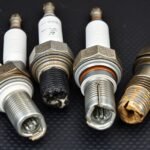

How Many Spark Plugs Are in a Diesel engine? The straightforward answer is none. You won’t find any spark plugs in a traditional diesel engine because diesel relies on compression ignition instead of spark ignition.
Instead, each cylinder typically has one glow plug. Glow plugs preheat the combustion chamber to aid cold starts by raising the temperature, not sparking combustion.
While some specialized diesel engines may use spark plugs for pilot ignition, this is quite rare. Understanding these ignition differences and the role of glow plugs can clarify why diesel engines operate as they do.
Key Takeaways
- Traditional diesel engines do not use spark plugs for ignition, relying instead on compression ignition.
- Diesel engines ignite fuel by high temperature and pressure, not by sparks from spark plugs.
- Some specialized or dual-fuel diesel engines may have spark plugs for pilot ignition, but this is rare.
- Glow plugs, not spark plugs, are used in diesel engines to preheat cylinders during cold starts.
- Typically, a diesel engine has zero spark plugs; glow plugs are used instead, one per cylinder.
Do Diesel Engines Have Spark Plugs?
How do diesel engines ignite fuel without spark plugs? Unlike gasoline engines, diesel engines rely on compression ignition for diesel ignition.
You compress air inside the cylinder to extremely high pressures and temperatures, causing the injected diesel fuel to spontaneously combust without any external spark.
This process enhances engine efficiency because the combustion timing is precisely controlled by injection, not by an electrical spark. Since the fuel ignites due to heat generated from compression, diesel engines don’t require spark plugs at all.
Instead, they use fuel injectors to deliver fuel directly into the combustion chamber at the ideal moment. This method improves fuel atomization and combustion, resulting in better thermal efficiency and power output while minimizing energy losses associated with spark plug ignition systems.
Why Don’t Diesel Engines Use Spark Plugs?
Because diesel engines rely on compression to ignite fuel, they don’t need spark plugs to initiate combustion. The high pressure and temperature inside the cylinder cause fuel to auto-ignite, optimizing diesel engine efficiency and altering fuel combustion dynamics compared to gasoline engines. This compression ignition eliminates the need for an external spark.
| Aspect | Diesel Engine | Gasoline Engine |
|---|---|---|
| Ignition Method | Compression ignition | Spark ignition |
| Combustion Initiation | Auto-ignition via pressure | Spark plug-induced |
| Fuel Type | Diesel | Gasoline |
| Efficiency | Higher due to lean burn and timing | Lower, limited by knock |
| Combustion Dynamics | Gradual, controlled combustion | Rapid, spark-induced combustion |
Understanding this clarifies why diesel engines operate without spark plugs, leveraging combustion dynamics for efficiency.
Do Any Diesel Engines Ever Use Spark Plugs?
While traditional diesel engines operate without spark plugs due to their reliance on compression ignition, certain diesel engine designs do incorporate spark plugs for specific purposes.
You’ll find that some low-temperature combustion processes, such as in dual-fuel or pilot ignition systems, use spark plugs to initiate combustion more precisely.
These applications modify standard diesel engine characteristics to optimize fuel efficiency or emissions. In these cases, the spark plug’s role is supplementary, assisting the combustion process under conditions where compression alone may not reliably ignite the fuel-air mixture.
Consequently, although uncommon, spark plugs can be integral to specialized diesel engines, particularly those blending diesel with alternative fuels or employing advanced combustion strategies.
This adaptation highlights the evolving nature of diesel engine technology beyond conventional compression ignition.
How Diesel Engines Ignite Fuel Without Spark Plugs
Although diesel engines don’t use spark plugs, they rely on a process called compression ignition to ignite the fuel. Instead of an electrical spark, you achieve fuel ignition by compressing air inside the cylinder to extremely high pressures and temperatures, typically above 500°C.
Diesel engines ignite fuel by compressing air to high temperatures, eliminating the need for spark plugs.
When you inject diesel fuel into this hot, compressed air, it spontaneously ignites. This combustion process is fundamentally different from gasoline engines, where spark plugs initiate ignition.
The high compression ratio in diesel engines, ranging from 14:1 to 25:1, ensures sufficient thermal energy for auto-ignition. By controlling the timing and pressure of fuel injection, you optimize the combustion process for efficiency and power.
Ultimately, this method eliminates the need for spark plugs while ensuring reliable and efficient fuel ignition.
Glow Plugs: The Components That Replace Spark Plugs in Diesel Engines
You rely on glow plugs to preheat the combustion chamber, ensuring efficient ignition in cold conditions where spark plugs aren’t used.
Understanding how glow plugs operate helps you troubleshoot starting issues and optimize engine performance.
Regular maintenance of these components is essential to prevent wear and maintain reliable function.
Purpose of Glow Plugs
Glow plugs play an essential role in diesel engines by providing the necessary heat to ignite the fuel-air mixture during cold starts. Unlike spark plugs, glow plugs don’t create a spark; instead, they heat the combustion chamber to guarantee efficient ignition under low-temperature conditions.
Understanding glow plug types and glow plug lifespan helps you maintain peak engine performance and avoid starting issues. Their primary purposes include:
- Facilitating cold-start ignition by raising combustion chamber temperature
- Reducing white smoke emissions during startup
- Improving fuel combustion efficiency
- Lowering engine wear from incomplete combustion
- Enhancing overall engine reliability in cold climates
Glow Plug Operation Basics
Since diesel engines lack spark plugs, they rely on glow plugs to initiate combustion under cold conditions. Glow plugs preheat the combustion chamber, ensuring efficient ignition when temperatures drop.
Understanding glow plug types and their lifespan helps you optimize engine performance and avoid cold-start failures.
| Glow Plug Type | Heating Method | Typical Lifespan (hours) |
|---|---|---|
| Ceramic | Electrical heating | 1,000 – 1,500 |
| Metal | Electrical heating | 1,500 – 2,000 |
| Composite | Combined heating | 1,800 – 2,500 |
| Pressure Sensor | Electrical + sensor | 2,000 – 3,000 |
You should select glow plugs based on your engine’s specific requirements and operating conditions to maximize lifespan and efficiency.
Glow Plug Maintenance Tips
Although diesel engines don’t use spark plugs, maintaining their glow plugs is essential for reliable cold starts and best performance.
You must understand the different glow plug types and monitor their glow plug lifespan carefully to prevent engine start failures. Regular inspection and timely replacement are critical.
To maintain your glow plugs effectively:
Identify the specific glow plug type compatible with your engine.
Test glow plugs periodically for resistance and heating efficiency.
Replace glow plugs approaching the end of their lifespan to avoid weakened performance.
Keep electrical connections clean and corrosion-free.
Monitor engine start times for signs of glow plug deterioration.
How Many Glow Plugs Does a Diesel Engine Have and What Do They Do?
How many glow plugs does a diesel engine typically contain, and what role do they perform? Generally, a diesel engine has one glow plug per cylinder, meaning a 4-cylinder engine will have four glow plugs.
These devices are critical for preheating the combustion chamber, ensuring efficient ignition of the diesel fuel, especially in cold conditions.
Glow plugs preheat the combustion chamber, enabling reliable diesel ignition, particularly in cold weather.
Various glow plug types exist, including ceramic and metal sheathed designs, each with distinct heating characteristics and durability.
Understanding glow plug lifespan is essential; they usually last between 30,000 and 100,000 miles, depending on engine conditions and plug quality.
How to Identify Glow Plugs in Your Diesel Engine
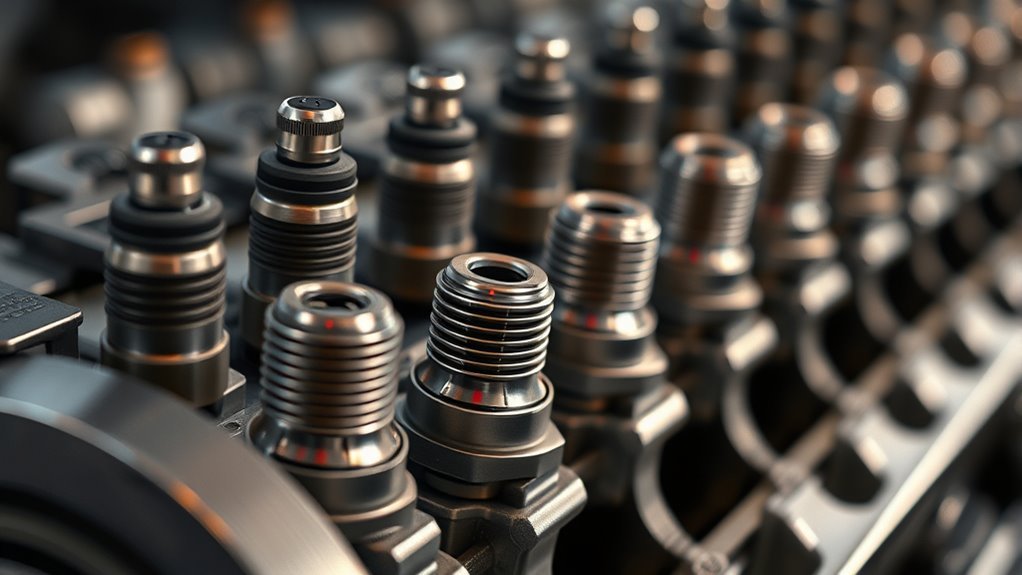
When inspecting your diesel engine, you’ll find glow plugs typically positioned near the cylinder head, connected to the fuel injection system.
For accurate glow plug identification, focus on these diesel engine components:
- Small, slender metal rods threaded into each cylinder’s combustion chamber
- Electrical connectors or terminals attached to the top for power supply
- Distinctive heating elements visible at the tip upon removal
- Placement adjacent to fuel injectors for efficient combustion aid
- Wiring harness leading from the glow plugs to the engine control unit
Common Glow Plug Problems and Fixes
You’ll notice glow plug failure through symptoms like hard starting and rough idling, which signal the need for inspection.
Start by cleaning the glow plugs to remove carbon buildup and guarantee proper function.
If cleaning doesn’t restore performance, replacing the faulty glow plugs is the most effective solution.
Glow Plug Failure Symptoms
Several indicators point to glow plug failure, each affecting your diesel engine’s performance and starting reliability.
Recognizing glow plug malfunctions early can prevent more severe engine issues.
Key glow plug indicators include:
- Difficulty starting the engine, especially in cold conditions
- Increased white or gray exhaust smoke during startup
- Noticeable drop in engine power and acceleration
- Illuminated glow plug warning light on the dashboard
- Rough idling or misfires shortly after ignition
These symptoms reveal compromised glow plug function, reducing combustion efficiency and causing incomplete fuel ignition.
If you notice any of these issues, it’s essential to diagnose and address glow plug malfunctions promptly to maintain peak engine performance and prevent damage.
Cleaning Glow Plugs
Regularly cleaning glow plugs guarantees peak performance and extends their lifespan by removing carbon deposits and contaminants that hinder their function.
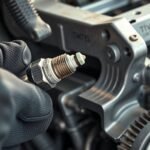
For effective glow plug cleaning, you’ll need a soft wire brush and an appropriate electrical contact cleaner to avoid damage. Begin by disconnecting the glow plug wiring harness and carefully removing each plug.
Use the brush to eliminate soot and buildup from the heating element without scratching the surface. Follow with a spray of contact cleaner to dissolve residual grime and promote maximum electrical conductivity.
Incorporate this procedure into your routine glow plug maintenance to prevent misfires and prolonged engine start times. Remember, thorough cleaning minimizes resistance and maintains the plugs’ rapid heating capability, critical for diesel combustion efficiency.
Always handle plugs carefully to avoid bending or breaking fragile components.
Replacing Glow Plugs
Even with diligent cleaning, glow plugs can fail due to wear, electrical issues, or contamination buildup that cleaning alone can’t resolve.
When replacing glow plugs, you must consider glow plug types and guarantee glow plug compatibility with your diesel engine model. Incorrect replacements can cause misfires or inefficient starts.
Common problems prompting replacement include electrical resistance failure, physical damage, and inconsistent heating.
To address these issues effectively:
- Verify the exact glow plug types specified by your vehicle manufacturer
- Test electrical resistance to identify faulty plugs
- Inspect for physical damage or corrosion
- Confirm glow plug compatibility using OEM or verified aftermarket parts
- Replace plugs in matched sets to maintain uniform heating performance
This analytical approach guarantees ideal engine start-up and longevity.
Frequently Asked Questions
How Often Should Glow Plugs Be Replaced in a Diesel Engine?
You should replace glow plugs every 60,000 to 100,000 miles, considering their typical glow plug lifespan. Monitor replacement intervals closely, as failure can impair cold starts and engine efficiency, requiring timely, precise maintenance.
Can Faulty Glow Plugs Cause Hard Starting in Cold Weather?
Yes, faulty glow plugs are the cold weather culprits behind your starting issues. They fail to preheat the combustion chamber properly, making ignition difficult and causing your engine to struggle or stall when temperatures drop sharply.
What Are the Symptoms of a Bad Glow Plug Relay?
You’ll notice slow engine cranking, extended glow plug activation, or no glow plug light if the relay fails.
Conduct relay testing using a multimeter to confirm glow plug failure and guarantee proper electrical flow to the plugs.
Are Glow Plugs Used in All Types of Diesel Engines?
Not all diesel engine variations use glow plugs; their necessity depends on engine design and operating conditions. You’ll find different glow plug types tailored to specific diesel engines, optimizing cold start performance and combustion efficiency.
How Do Glow Plugs Affect Diesel Engine Emissions?
You can’t imagine diesel engines without glow plugs; they’re essential for emission control! By enhancing glow plug efficiency, you guarantee quicker combustion, reducing unburned fuel and harmful emissions. This ultimately optimizes your engine’s environmental impact and performance precision.
Conclusion
Now that you know diesel engines don’t use spark plugs but rely on glow plugs instead, it’s fascinating to realize that a typical diesel engine can have anywhere from 4 to 12 glow plugs, matching its cylinder count. These components are essential for cold starts, heating the combustion chamber to guarantee efficient ignition.
Understanding this can help you diagnose starting issues more precisely and appreciate the engineering that makes diesel engines reliable even in harsh conditions. When considering how many spark plugs are in a diesel, remember that traditional spark plugs are absent, replaced entirely by glow plugs that serve a critical role in the engine’s operation.