Tag: engine maintenance

  • How to Rebuild Carburetor From Kawasaki fe290

    How to Rebuild Carburetor From Kawasaki fe290

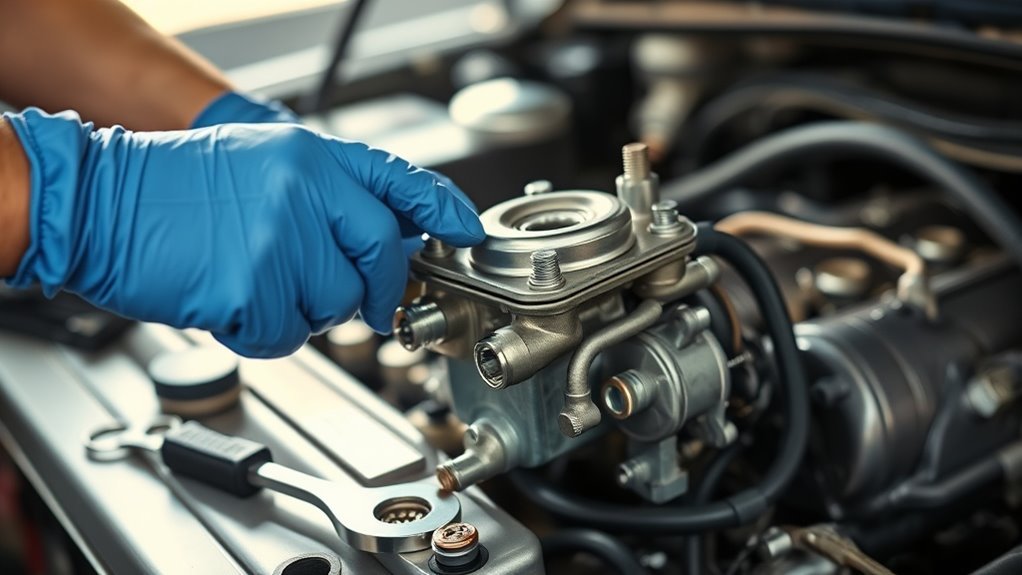
    You start by safely removing the Kawasaki FE290 carburetor, disconnecting fuel lines and throttle linkages carefully. This is the first essential step in how to rebuild the carburetor from Kawasaki FE290.

    Then, disassemble it by removing jets, float, and needle valve while keeping parts organized. Clean all components with carburetor solvent and inspect for wear like cracks or corrosion.

    Replace worn parts with quality replacements. Reinstall ensuring tight connections, no air leaks, and smooth throttle linkage. After, test and fine-tune idle and throttle response for peak performance.

    The following steps will guide you through each detail precisely.

    Key Takeaways

    • Remove the carburetor by disconnecting the fuel line, throttle linkage, and mounting bolts carefully to avoid damage.
    • Disassemble the carburetor by removing the float bowl, jets, float, and needle valve, keeping parts organized and labeled.
    • Clean all components thoroughly using carburetor cleaner, soft brushes, and compressed air, avoiding harsh abrasives that damage surfaces.
    • Inspect the float, needle valve, gaskets, and metal surfaces for wear or damage, replacing any deteriorated parts with quality replacements.
    • Reinstall the carburetor securely, reconnect all linkages and fuel lines, then start the engine and adjust idle and throttle for optimal performance.

    Signs Your Kawasaki FE290 Carburetor Needs Rebuilding

    When your Kawasaki FE290 carburetor starts showing performance issues, it’s crucial to recognize the specific signs that indicate it needs rebuilding.

    You’ll notice engine starting problems, such as difficulty firing up or prolonged cranking, which often point to fuel delivery inconsistencies caused by clogged jets or worn gaskets.

    Carburetor performance issues also manifest as erratic idling, engine stalling, or reduced throttle response due to improper air-fuel mixture adjustments.

    Excessive black smoke or fuel leaks around the carburetor body are additional red flags signaling internal wear or damaged seals.

    If your engine hesitates under load or produces uneven acceleration, these symptoms further confirm the need for a carburetor rebuild.

    Identifying these precise issues promptly helps maintain effective engine function and prevents more severe mechanical failures.

    Essential Tools for Kawasaki FE290 Carburetor Rebuild

    You’ll need a set of basic hand tools like screwdrivers and wrenches to access and disassemble the Kawasaki FE290 carburetor.

    Carburetor cleaning supplies, including specialized solvents and brushes, are crucial to remove debris and buildup effectively.

    Finally, having a replacement parts kit on hand guarantees you can swap out worn components and restore proper function during the rebuild.

    Basic Hand Tools

    Although rebuilding the Kawasaki FE290 carburetor involves intricate components, having the right basic hand tools simplifies the process and guarantees accuracy.

    To work efficiently, you must prioritize tool organization before starting. This prevents lost parts and streamlines your workflow.

    Essential basic hand tools include:

    1. Precision screwdrivers for removing tiny screws without damaging heads.
    2. Needle-nose pliers to handle small clips and springs securely.
    3. Wrenches (metric sizes) for loosening bolts on the carburetor body.
    4. A small flat file to smooth gasket surfaces ensuring a tight seal.

    With these tools properly organized, you’ll maintain control over delicate parts, reduce errors, and rebuild the carburetor with precision.

    Carburetor Cleaning Supplies

    Proper cleaning supplies play an essential role in restoring the Kawasaki FE290 carburetor to ideal condition.

    To follow effective carburetor maintenance tips, start with high-quality cleaning solvents recommendations like carburetor cleaner sprays containing acetone or xylene, which dissolve varnish and deposits efficiently.

    You’ll also need small, soft-bristle brushes and compressed air to clear jets and passages without damage. A container for soaking parts in solvent helps break down stubborn residues.

    Use lint-free cloths for wiping components dry, avoiding contamination. Precision is key—don’t use harsh abrasives that can alter critical surfaces or orifice sizes.

    Replacement Parts Kit

    After thoroughly cleaning your Kawasaki FE290 carburetor components, the next step involves assembling a replacement parts kit tailored to the model.

    This kit guarantees you replace worn parts that impact performance and prevent leaks or blockages.

    Focus on high-quality components designed specifically for the FE290 to assure compatibility and longevity.

    Your replacement parts kit should include:

    1. Carburetor gasket – essential for sealing joints and preventing air leaks.
    2. Fuel filter – critical for blocking contaminants from entering the carburetor.
    3. Needle valve and seat – controls fuel flow with precision.
    4. Float – regulates fuel level inside the carburetor bowl.

    Having these parts ready allows you to rebuild efficiently, restoring ideal fuel delivery and engine performance.

    How to Safely Remove the Carburetor From Your Kawasaki FE290

    Start by gathering all necessary tools and clearing your workspace to guarantee a smooth removal process.

    Carefully disconnect the fuel line and throttle linkages to prevent damage or leaks.

    Finally, remove the mounting bolts methodically, keeping track of their positions for reassembly.

    Prepare Tools And Workspace

    Gathering the right tools and organizing your workspace are essential steps before removing the carburetor from your Kawasaki FE290. Proper workspace organization guarantees you maintain tool safety and efficiency during the process.

    Clear a flat, well-lit area free of contaminants to prevent dirt from entering the carburetor. Use a non-slip mat to keep parts from rolling away.

    Prepare these essential tools:

    1. Screwdrivers (flathead and Phillips) for fastener removal
    2. Wrenches and sockets sized for carburetor bolts
    3. Needle-nose pliers for handling clips and springs
    4. A small container to safely hold screws and small components

    Following these steps minimizes errors and protects delicate parts during carburetor removal.

    Disconnect Fuel And Linkages

    Two critical steps precede removing the carburetor: disconnecting the fuel line and linkages.

    First, locate the fuel line attached to the carburetor inlet. Using pliers, gently loosen the clamp securing the fuel line, then carefully pull the line off to avoid damaging the hose or causing fuel spillage.

    Next, focus on the throttle linkage. Identify the connection point where the throttle cable attaches to the carburetor lever. Release the retaining clip or fastener securing the throttle linkage, then slide the cable end free.

    Confirm no tension remains on the linkage to prevent bending or breaking. Detaching both the fuel line and throttle linkage cleanly ensures a smooth removal process while safeguarding components for reassembly.

    Always work methodically and contain any fuel to maintain a safe workspace.

    Remove Mounting Bolts Carefully

    Loosen each mounting bolt securing the carburetor to the engine manifold with a properly sized wrench or socket. The Kawasaki FE290 typically uses hex head and flange bolts, so identify the mounting bolt types before proceeding.

    Apply these bolt removal techniques for safety and efficiency:

    1. Use penetrating oil on bolts if they’ve seized or show corrosion.
    2. Turn bolts counterclockwise steadily, avoiding sudden force to prevent stripping.
    3. Keep track of bolt length and position to guarantee proper reinstallation.
    4. Support the carburetor as you remove the last bolt to prevent dropping or damage.

    Disassembling the Carburetor Step-by-Step

    Start by removing the carburetor from the engine, ensuring the fuel line and throttle linkage are disconnected carefully to prevent damage. Place the carburetor on a clean workspace.

    Unscrew the float bowl screws, then remove the float and needle valve gently. Use carburetor assembly techniques to keep parts organized and reduce troubleshooting carburetor issues later.

    Next, detach the main jet and pilot jet with a precision screwdriver. Avoid forcing components to prevent stripping screws.

    Step Key Tip
    Remove float bowl Use proper screwdriver size
    Extract float & valve Handle needle valve delicately
    Unscrew jets Keep parts in labeled containers
    Inspect gaskets Avoid damaging sealing surfaces

    Inspecting Carburetor Components for Wear and Damage

    Before reassembling the carburetor, carefully examine each component for signs of wear, corrosion, or damage that could impair performance. Identifying carburetor wear and component damage early prevents future malfunctions and guarantees peak engine operation.

    1. Inspect the float for cracks or deformation that affect fuel regulation.
    2. Check the needle valve tip for grooves or wear that can cause fuel leaks.
    3. Examine the throttle shaft and bushings for excessive play indicating worn parts.
    4. Assess gaskets and seals for brittleness or tears that lead to air leaks.

    Pay close attention to metal surfaces prone to corrosion or erosion.

    Replace any parts showing significant carburetor wear or damage to maintain reliability and fuel efficiency.

    Cleaning and Replacing Carburetor Parts

    Three essential steps guarantee effective cleaning and replacement of carburetor parts: removing debris, inspecting components, and installing new parts where necessary.

    Start by soaking metal parts in a carburetor-specific cleaning solution, such as an ultrasonic cleaner or a solvent designed to dissolve varnish and gum.

    Begin by immersing metal parts in a carburetor-specific cleaner to dissolve varnish and gum buildup.

    Use carburetor maintenance tips like employing compressed air to clear jets and passages thoroughly. Avoid abrasive tools that can damage precision surfaces.

    After cleaning, inspect parts closely for wear, corrosion, or cracks, especially the float, needle valve, and gaskets.

    Replace any components that show signs of deterioration to guarantee peak performance.

    Always use OEM or high-quality aftermarket parts during reassembly.

    Following these cleaning solution recommendations and careful replacement procedures preserves fuel flow integrity and prolongs your Kawasaki FE290 carburetor’s lifespan.

    Reinstalling and Testing the Kawasaki FE290 Carburetor

    With your carburetor parts thoroughly cleaned, inspected, and replaced as needed, you can now focus on reinstalling the Kawasaki FE290 carburetor.

    Proper carburetor tuning during reinstallation is essential for ideal performance improvement. Follow these steps:

    1. Securely mount the carburetor onto the intake manifold, ensuring all gaskets align perfectly to prevent air leaks.
    2. Reattach the fuel line and throttle linkage, verifying smooth operation without binding.
    3. Connect the choke cable and adjust it for proper engagement.
    4. Start the engine and perform fine carburetor tuning by adjusting the idle mixture screws and throttle stop to achieve stable idle and responsive throttle response.

    Testing under load conditions confirms performance improvement and identifies if further tuning is necessary.

    Frequently Asked Questions

    What Fuel Type Is Best for the Kawasaki FE290?

    You should use unleaded gasoline with a fuel octane rating of at least 87 for the Kawasaki FE290. Avoid fuel additives unless specified, as some can harm the carburetor or engine performance over time.

    How Often Should the Carburetor Be Rebuilt?

    You should perform carburetor maintenance every 100 hours or annually, whichever comes first. Watch for signs of wear like rough idling, fuel leaks, or poor acceleration to rebuild promptly and keep your engine running smoothly.

    Can I Use Aftermarket Carburetor Parts?

    You can use aftermarket performance parts, but watch for compatibility concerns. Verify seals, jets, and floats match your carburetor’s specifications to avoid leaks or poor performance.

    Test thoroughly before full operation to confirm reliability.

    What Are Common Kawasaki FE290 Engine Issues?

    You might think your Kawasaki FE290 engine’s about to explode from carburetor leaks, but common issues usually involve reduced engine performance, clogged jets, worn gaskets, or fuel line cracks. Check these first for practical, effective troubleshooting.

    How to Store the Kawasaki FE290 During Winter?

    For winter preparation, drain fuel or add stabilizer, clean the Kawasaki FE290 thoroughly, and change the oil. Remove the battery and store it in a dry, cool place. These storage tips prevent damage and guarantee reliable startup.

    Conclusion

    Rebuilding your Kawasaki FE290 carburetor might seem like traversing a maze, but with patience and precision, it’s completely manageable. By carefully inspecting, cleaning, and replacing worn parts, you guarantee your engine runs smoothly and efficiently.

    Remember, attention to detail is your best tool—any overlooked debris or damage can throw off performance. Follow each step methodically, and you’ll have your carburetor firing on all cylinders in no time.

    Taking the time to thoroughly rebuild your Kawasaki FE290 carburetor ensures optimal engine function and longevity.

  • Can You Change Oil Filter Without Changing Oil

    Can You Change Oil Filter Without Changing Oil

    You can change the oil filter without changing the oil only if the oil is still clean and within the manufacturer’s service limits. If the oil shows no signs of degradation—such as darkening, thinning, or contamination—replacing just the filter can help maintain oil cleanliness.

    However, doing this regularly risks circulating contaminants and accelerating engine wear. Proper oil and filter assessment is key to protecting your engine.

    Knowing when and how to change the oil filter without changing the oil will help extend your engine’s life. It’s important to follow manufacturer recommendations to ensure optimal engine performance.

    Key Takeaways

    • Changing only the oil filter is possible if the oil is still clean and within its recommended condition.
    • Saturated filters reduce efficiency and can contaminate clean oil if not changed regularly.
    • Oil condition must be assessed visually or via sensors before deciding to replace just the filter.
    • Routine practice is to replace both oil and filter together for optimal engine protection.
    • Manufacturer guidelines and engine health monitoring should guide whether to change oil, filter, or both.

    Can You Change the Oil Filter Without Changing the Oil?

    How often can you change the oil filter without changing the oil? The answer largely depends on your engine’s condition and the oil’s current state.

    Filter longevity varies, but filters typically trap contaminants effectively until they reach capacity or degrade oil quality.

    If the oil hasn’t undergone significant oil degradation, changing only the filter might seem feasible. However, as the filter captures particles, it can become saturated, reducing efficiency and potentially contaminating the oil further.

    Consequently, routinely changing the filter without replacing the oil risks diminished lubrication performance and premature engine wear.

    To maintain ideal engine health, you should monitor both filter longevity and oil degradation indicators closely before deciding to change just the filter.

    When Can You Safely Change Only the Oil Filter?

    You can safely change only the oil filter if your oil remains clean and within the manufacturer’s specified condition.

    Regularly assess oil quality using visual checks or sensor data to determine contamination or degradation levels.

    Always follow your vehicle’s maintenance guidelines to guarantee peak engine protection.

    Oil Condition Assessment

    Although changing only the oil filter might seem convenient, it’s crucial to assess the oil’s condition before proceeding. You need to verify that the oil lifespan hasn’t been exceeded, as degraded oil compromises engine protection regardless of filter status.

    Check oil color, viscosity, and contamination level. Dark, gritty, or thin oil indicates it’s time for a full change. The filter lifespan typically aligns with the oil lifespan; replacing the filter alone is effective only if the oil remains within its functional parameters.

    Use an oil analysis tool or dipstick inspection to confirm oil quality. If the oil shows signs of oxidation, sludge, or metal particles, changing the filter without replacing the oil won’t maintain engine health.

    Proper oil condition assessment guarantees your decision supports engine longevity.

    Manufacturer’s Maintenance Guidelines

    Properly evaluating oil condition sets the foundation for following the manufacturer’s maintenance guidelines regarding oil filter changes.

    You should always consult the manufacturer recommendations and maintenance schedules specific to your vehicle model.

    These guidelines specify intervals for oil and oil filter replacement based on factors like mileage, time, and operating conditions.

    In some cases, the manufacturer allows changing only the oil filter between full oil changes if the oil remains within acceptable condition parameters.

    However, this practice is generally limited to specific scenarios outlined in the maintenance schedules, such as extended oil life or synthetic oil usage.

    Ignoring these manufacturer recommendations can compromise engine protection.

    Consequently, adhere strictly to the prescribed intervals and conditions to guarantee you safely change only the oil filter without risking engine damage.

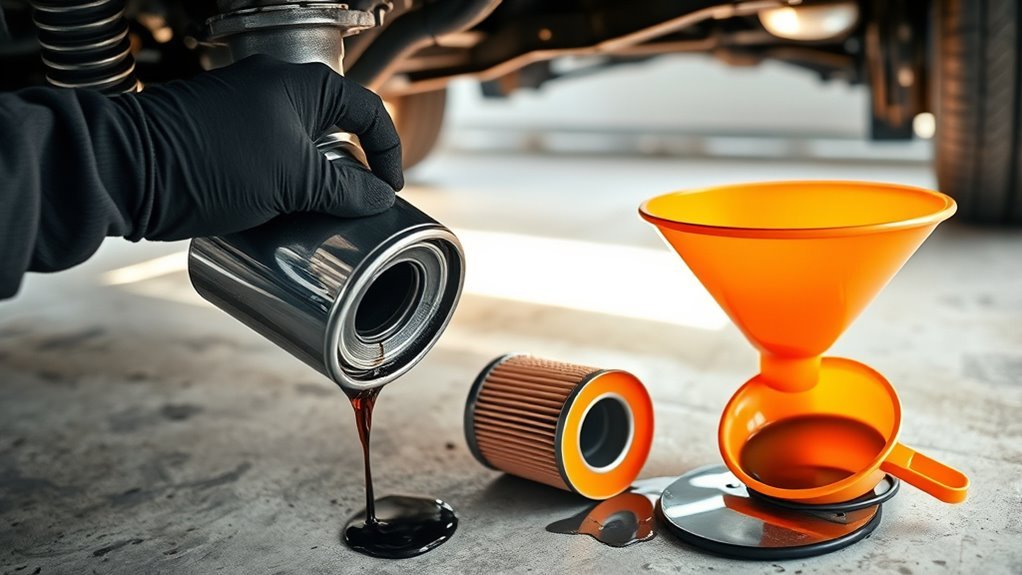
    How to Change the Oil Filter Without Draining the Oil

    To change the oil filter without draining the oil, you’ll need specific tools like an oil filter wrench and a drain pan to catch any spills.

    Follow a precise step-by-step process to remove the old filter and install the new one while minimizing oil loss.

    Keep in mind essential precautions and tips to avoid contamination and guarantee a proper seal.

    Tools Needed

    Essential tools for changing your oil filter without draining the oil include a specialized oil filter wrench, a drain plug extractor, and a clean catch pan to handle any minor leaks. These essential tools guarantee a secure grip on the oil filter and prevent spillage during removal.

    Additionally, have disposable gloves and rags ready for cleanliness.

    Tool Purpose Notes
    Oil Filter Wrench Loosen/tighten oil filter Choose size based on filter
    Drain Plug Extractor Remove drain plug if needed Use cautiously
    Catch Pan Collect drips or leaks Must be clean and leak-proof

    Using these tools correctly minimizes risks and maintains oil integrity during the filter change process.

    Step-by-Step Process

    Changing an oil filter without draining the oil involves several precise steps to ascertain no contamination or spillage occurs.

    First, warm up your engine briefly to reduce oil viscosity, then turn it off. Place absorbent pads beneath the filter to catch any drips.

    Use an oil filter wrench to carefully loosen and remove the old filter, ensuring you don’t tilt it excessively to avoid oil leakage.

    Before installing the new filter, apply a thin layer of fresh oil to its rubber gasket to ensure a proper seal.

    Screw the new filter on hand-tight, then give it a slight additional turn as specified by the manufacturer.

    This careful oil filter maintenance helps sustain engine performance by preventing contaminants from entering the system while preserving the existing oil’s integrity.

    Precautions and Tips

    Anyone attempting to change the oil filter without draining the oil must prioritize preventing spills and contamination.

    Begin by placing an oil catch pan beneath the filter to capture residual oil.

    Use proper tools to avoid damaging the filter housing, which can compromise oil filter maintenance.

    Verify the engine is cool; hot oil increases spill risk and injury potential.

    Check oil change frequency guidelines. Changing the filter alone may not suffice if oil is overdue for replacement.

    Inspect the new filter’s gasket and apply a thin oil layer for a secure seal.

    Tighten the filter to manufacturer specifications to prevent leaks.

    Finally, monitor oil levels and pressure after installation to detect any irregularities early.

    These precautions maintain engine integrity and prolong oil system reliability.

    What Risks and Engine Effects Come From Changing Only the Oil Filter?

    Although replacing just the oil filter might seem like a quick maintenance shortcut, it can introduce several risks to your engine’s performance and longevity.

    When you change only the filter, the oil remains contaminated with particles and sludge, which accelerates engine wear by circulating abrasive debris.

    Additionally, installing a new filter while retaining old oil shortens the filter lifespan, as the fresh filter traps contaminants more rapidly, reducing its effectiveness. This mismatch can cause inconsistent oil flow and pressure, stressing engine components.

    Over time, these factors degrade lubrication quality, increasing friction and heat, which compromises engine efficiency and durability.

    To avoid these risks, consider the oil and filter as a system; changing one without the other undermines peak engine protection and can lead to premature mechanical failure.

    How Often Should You Change Your Oil and Oil Filter Together?

    Since oil and oil filters work together to maintain engine health, you should replace both simultaneously at regular intervals.

    Typically, the recommended oil change frequency ranges from 3,000 to 7,500 miles, depending on your vehicle’s make, model, and driving conditions.

    Your filter replacement schedule should align with this frequency to guarantee ideal filtration and oil cleanliness. Ignoring synchronized replacements can lead to contaminants bypassing the filter or degraded oil circulating, risking engine wear.

    Always consult your owner’s manual or manufacturer guidelines to determine the precise interval tailored to your engine.

    By adhering to the prescribed oil change frequency and filter replacement schedule, you maintain proper lubrication, reduce wear, and extend engine longevity effectively.

    This coordinated maintenance is essential for sustaining peak engine performance.

    Final Tips for Maintaining Your Oil and Oil Filter

    Maintaining the integrity of your oil and oil filter goes beyond scheduled replacements. To maximize oil filter longevity and guarantee ideal engine performance, you need a proactive approach to regular maintenance.

    Proactive maintenance ensures your oil filter lasts longer and your engine performs at its best.

    Start by monitoring oil quality and level frequently, as degraded oil can reduce filter efficiency. Use high-quality oil and filters specified by your vehicle manufacturer to assure compatibility and protection.

    Finally, inspect the filter for signs of damage or leaks during oil changes to prevent contamination.

    • Check oil levels and condition monthly.
    • Use OEM or high-grade aftermarket filters.
    • Inspect filters for damage or leaks each service.

    Frequently Asked Questions

    What Are Signs My Oil Filter Is Clogged?

    You’ll notice oil filter symptoms like reduced engine performance, unusual noises, or the oil pressure warning light flashing. These clogged filter indicators signal restricted flow, meaning your engine’s struggling to circulate clean oil efficiently and needs attention.

    Can Using a Wrong Oil Filter Damage My Engine?

    Yes, using the wrong oil filter can cause engine damage by restricting oil flow or failing to filter contaminants properly.

    Always use a manufacturer-recommended oil filter to guarantee maximum engine protection and performance.

    How Do Synthetic Oils Affect Oil Filter Lifespan?

    Synthetic oil benefits include superior cleanliness and reduced contaminants, which can extend your oil filter’s lifespan. However, filter longevity factors like engine condition and driving habits still influence when you’ll need to replace the filter.

    Is It Necessary to Oil the New Filter Gasket?

    You’ll save a mountain of trouble by always oiling the new filter gasket. Gasket lubrication is essential for proper filter maintenance.

    It guarantees a tight seal, preventing leaks and maintaining peak engine performance and longevity.

    Can I Recycle Used Oil Filters Safely?

    Yes, you can safely recycle used oil filters by properly draining residual oil for used oil disposal. Many recycling centers accept them, ensuring responsible filter recycling and preventing environmental contamination.

    Always follow local regulations carefully.

    Conclusion

    Think of your engine like a garden—fresh oil is the nourishing soil, and the oil filter, the protective fence. Changing just the fence without revitalizing the soil won’t promote healthy growth.

    While you can swap the oil filter alone in specific cases, it’s best to replace both together to maintain ideal engine health. Regularly tending to both guarantees your engine runs smoothly, avoiding costly wear and keeping performance in full bloom.

    In conclusion, although it is possible to change the oil filter without changing oil, doing both simultaneously is the best practice for long-term engine care.