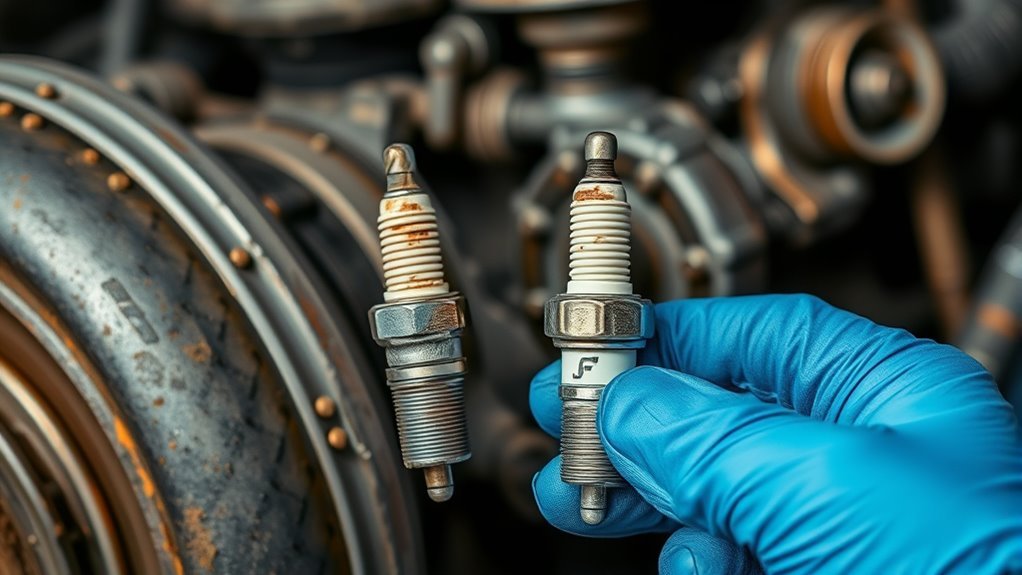
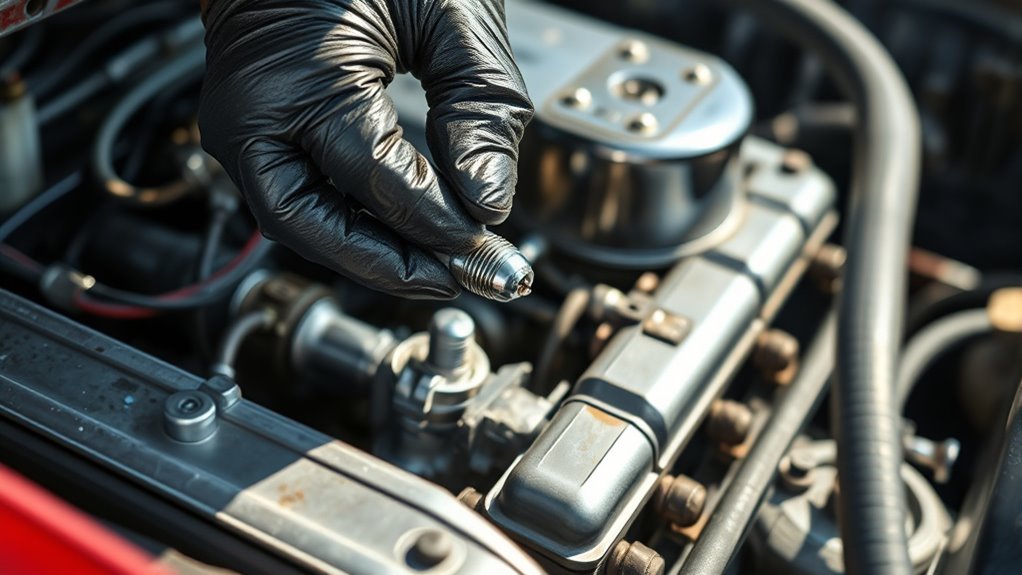
How Many Miles to Change Spark Plugs is a common question for vehicle owners aiming to maintain optimal engine performance. You should change your spark plugs every 30,000 to 100,000 miles, depending on the type. Copper plugs typically last 20,000–30,000 miles, platinum lasts up to 100,000, and iridium can exceed 100,000 miles.
Keep an eye on signs like engine misfires, rough idling, or reduced fuel efficiency, which indicate wear. Timely replacement guarantees peak ignition and engine performance. Understanding plug materials, symptoms, and replacement tips can help you maintain your vehicle effectively.
Key Takeaways
- Spark plug replacement intervals generally range from 30,000 to 100,000 miles, depending on the spark plug type and vehicle specifications.
- Copper spark plugs typically require replacement every 20,000 to 30,000 miles.
- Platinum spark plugs usually last between 60,000 and 100,000 miles before needing replacement.
- Iridium spark plugs can often exceed 100,000 miles before replacement is necessary.
- Regular inspection during maintenance helps identify worn plugs early, especially if engine misfires or rough idling occur.
When Should You Change Spark Plugs?
When should you change spark plugs to guarantee peak engine performance? Regular spark plug maintenance is essential to verify your ignition system operates efficiently.
Typically, manufacturers recommend replacing spark plugs every 30,000 to 100,000 miles, depending on the plug type and vehicle specifications.
Manufacturers generally advise changing spark plugs between 30,000 and 100,000 miles based on type and vehicle.
You should inspect spark plugs during routine maintenance or if you notice symptoms like engine misfires, rough idling, or decreased fuel efficiency. Worn or fouled spark plugs can cause incomplete combustion, leading to power loss and increased emissions.
By adhering to the recommended replacement intervals and monitoring your vehicle’s performance, you maintain ideal ignition system function. This proactive approach prevents premature wear on engine components and helps sustain consistent engine output.
Consistent spark plug maintenance verifies your engine runs smoothly and reliably.
Key Factors That Affect Spark Plug Lifespan
Understanding the recommended replacement intervals is just one aspect of maintaining spark plugs. Several key factors affect their lifespan, including spark plug materials and heat range.
Different materials, such as copper, platinum, or iridium, offer varying durability and conductivity, influencing how long your spark plugs last.
Heat range is also critical; it determines how quickly the spark plug dissipates heat. Choosing the correct heat range guarantees ideal combustion and prevents fouling or overheating, both of which shorten lifespan.
Additionally, engine conditions, such as combustion temperature and driving habits, can accelerate wear.
By selecting spark plugs with appropriate materials and heat range for your engine’s specifications, you maximize efficiency and longevity, reducing the frequency of replacements.
Always refer to your vehicle manufacturer’s guidelines for ideal performance.
Which Spark Plug Types Last the Longest?
Although spark plug lifespan depends on various factors, the type of spark plug you choose greatly impacts how long it will last. Different spark plug materials offer varying durability and performance. Here’s a longevity comparison to guide your choice:
| Spark Plug Material | Typical Lifespan (miles) |
|---|---|
| Copper | 20,000 – 30,000 |
| Platinum | 60,000 – 100,000 |
| Iridium | 100,000+ |
Copper spark plugs wear out fastest due to low melting points. Platinum plugs improve longevity with a harder electrode, while iridium offers the longest lifespan thanks to its high melting point and durability. When selecting spark plugs, consider these materials carefully to optimize replacement intervals and engine performance.
How to Tell If Your Spark Plugs Need Replacing
You’ll know your spark plugs need replacing if you experience engine misfires, rough idling, or decreased acceleration.
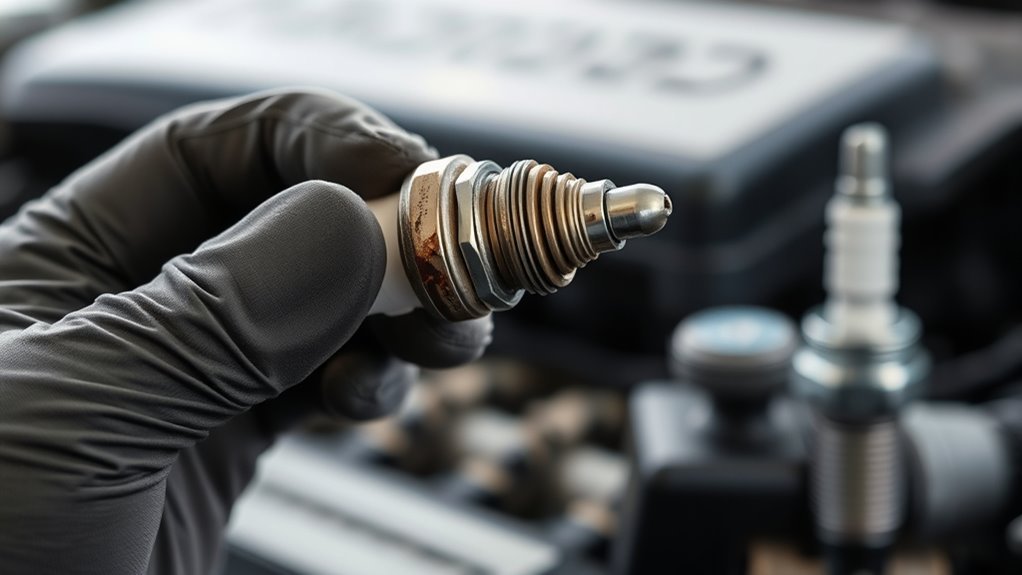
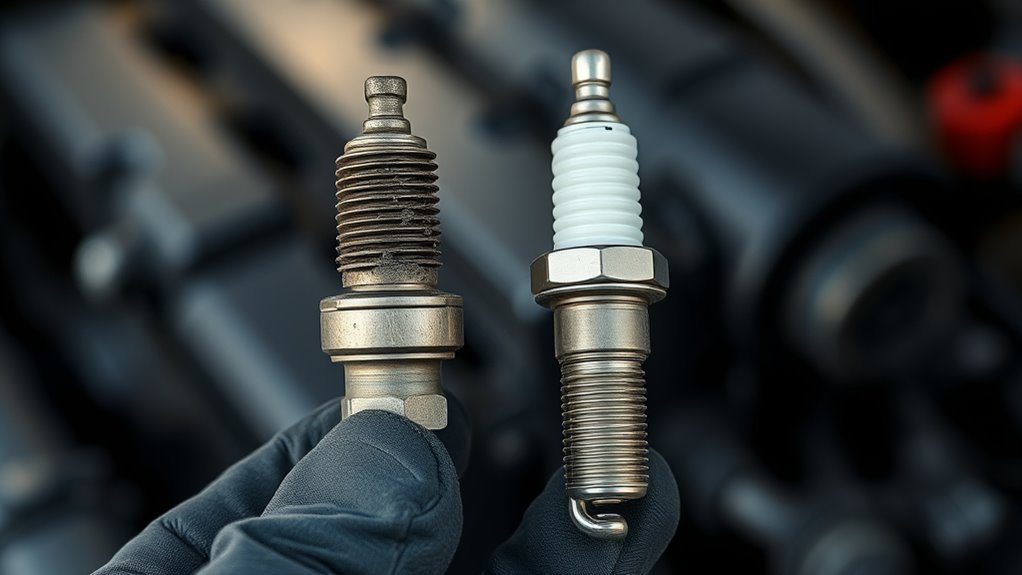
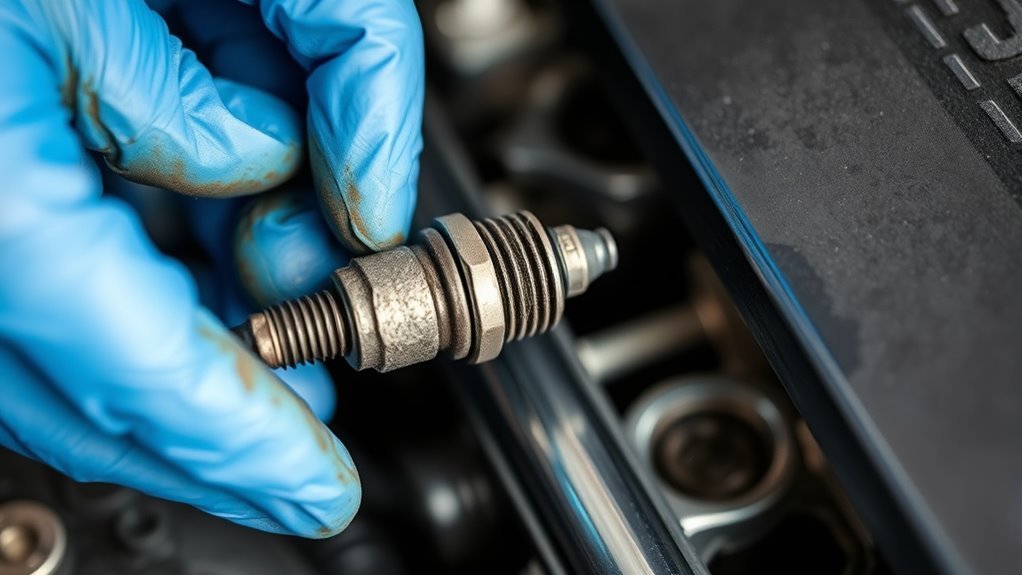
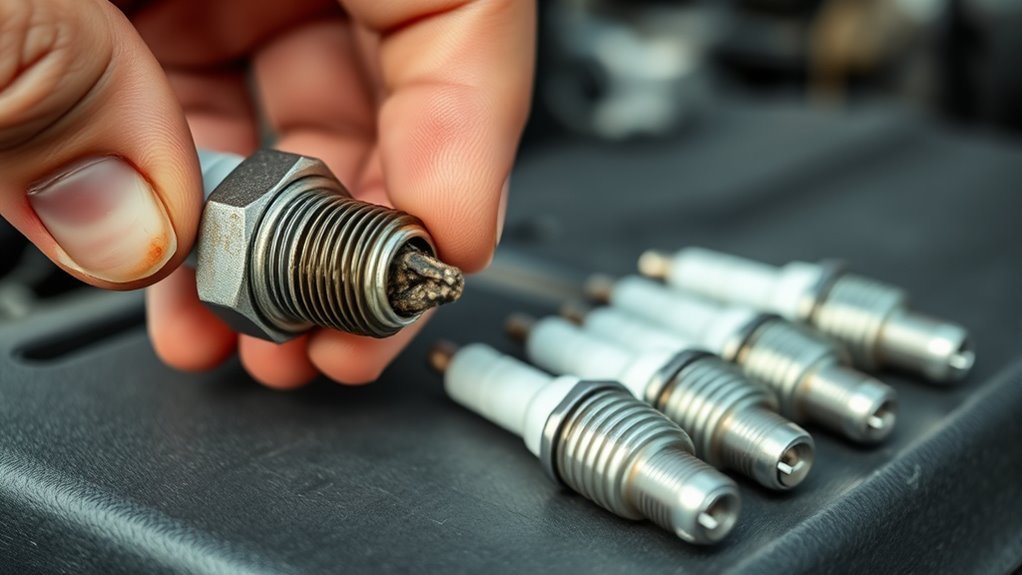
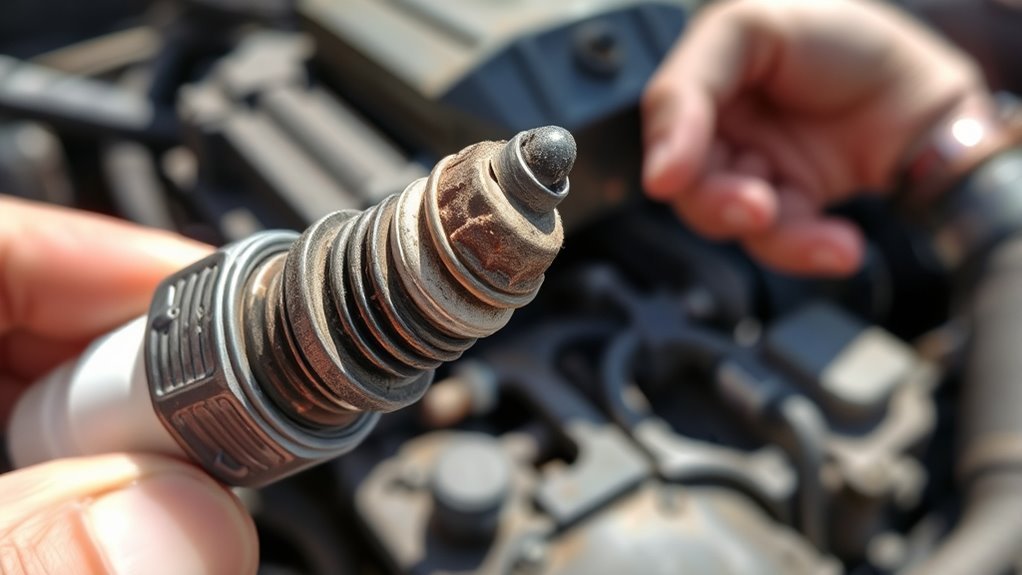
Conduct a visual inspection for worn electrodes, carbon buildup, or cracks on the spark plugs.
Additionally, monitor for increased fuel consumption, which often indicates inefficient combustion caused by faulty plugs.
Engine Performance Issues
When your engine starts misfiring or hesitating during acceleration, it often signals that your spark plugs need replacing. Faulty spark plugs disrupt the ignition process, causing incomplete combustion and reduced engine power.
You may notice rough idling, decreased fuel efficiency, or difficulty starting the engine. These symptoms indicate that your engine tuning is off, often due to worn spark plugs.
Adhering to the manufacturer’s maintenance schedule helps prevent these performance issues by ensuring timely spark plug replacement. Ignoring these signs can lead to further engine damage and costly repairs.
Regularly monitoring engine performance and addressing spark plug wear maintains peak combustion efficiency, smooth acceleration, and reliable ignition. Staying proactive with maintenance enhances your engine’s longevity and overall vehicle performance.
Visual Spark Plug Inspection
Monitoring engine performance can alert you to potential spark plug issues, but a direct visual inspection provides concrete evidence of their condition.
To accurately assess spark plug wear, use these inspection methods:
- Examine the electrode for erosion or rounded edges, indicating worn spark plugs.
- Check for carbon deposits or soot buildup, which can signal improper combustion.
- Look for oil fouling on the insulator, suggesting oil leakage into the combustion chamber.
- Inspect the ceramic insulator for cracks or chips, as damage compromises spark efficiency.
Increased Fuel Consumption
Although spark plugs may seem like minor components, their condition directly affects your vehicle’s fuel efficiency.
When spark plug efficiency decreases due to wear or fouling, your engine struggles to ignite the air-fuel mixture effectively. This incomplete combustion forces your engine to consume more fuel, negatively impacting overall fuel economy.
If you notice a sudden drop in miles per gallon or your fuel consumption spikes without changes in driving habits, worn spark plugs could be the culprit.
Monitoring fuel economy alongside regular spark plug checks guarantees peak engine performance. Replacing spark plugs at manufacturer-recommended intervals restores spark plug efficiency, maintains proper combustion, and prevents unnecessary fuel waste.
Staying vigilant about these signs helps you avoid costly fuel expenses and supports your vehicle’s longevity.
Warning Signs of Worn Spark Plugs
You might notice your engine misfiring or running rough, which often indicates worn spark plugs.
Additionally, a drop in fuel efficiency can signal that your spark plugs aren’t firing correctly.
Recognizing these symptoms early helps prevent further engine damage and maintains peak performance.
Engine Misfire Symptoms
When your engine misfires, it often signals worn spark plugs that fail to ignite the fuel-air mixture properly. This directly impacts engine performance and indicates significant spark plug wear.
You might notice these symptoms:
- Rough idling or inconsistent engine RPMs
- Sudden hesitations or jerking during acceleration
- Increased engine vibrations, felt especially at low speeds
- Check engine light illumination related to ignition system faults
These signs reveal incomplete combustion cycles caused by spark plugs losing their ability to generate a strong, consistent spark.
Addressing these symptoms promptly helps maintain ideal engine performance and prevents further mechanical issues.
Monitoring these misfire symptoms is essential for timely spark plug replacement, ensuring your vehicle runs efficiently and reliably.
Decreased Fuel Efficiency
Since spark plugs play an essential role in igniting the fuel-air mixture, worn plugs directly reduce combustion efficiency, causing your vehicle to consume more fuel than necessary.
When spark plugs degrade, they produce a weaker or inconsistent spark, disrupting the precise timing required for peak combustion. This inefficiency forces the fuel injector to deliver more fuel to compensate, resulting in increased fuel consumption.
You might notice your miles per gallon dropping despite consistent driving habits. Monitoring decreased fuel efficiency can help you identify worn spark plugs early, preventing further engine strain and higher fuel costs.
Regular inspection and timely replacement of spark plugs guarantee the fuel injector operates under peak conditions, maintaining combustion efficiency and preserving your vehicle’s performance and economy.
Why Changing Spark Plugs Boosts Engine Performance
Although spark plugs may seem like small components, they play a critical role in your engine’s combustion process. The quality of spark plug materials directly impacts ignition efficiency, which in turn affects engine performance.
Replacing worn spark plugs restores ideal spark delivery and combustion precision.
Here’s why changing spark plugs boosts engine performance:
- Restores proper spark timing for efficient fuel ignition.
- Prevents misfires caused by electrode wear or carbon buildup.
- Enhances combustion consistency, improving power output.
- Maintains ideal air-fuel mixture combustion, reducing engine strain.
How to Replace Spark Plugs or Find a Mechanic
Maintaining ideal engine performance means keeping your spark plugs in good condition, which involves regular replacement.
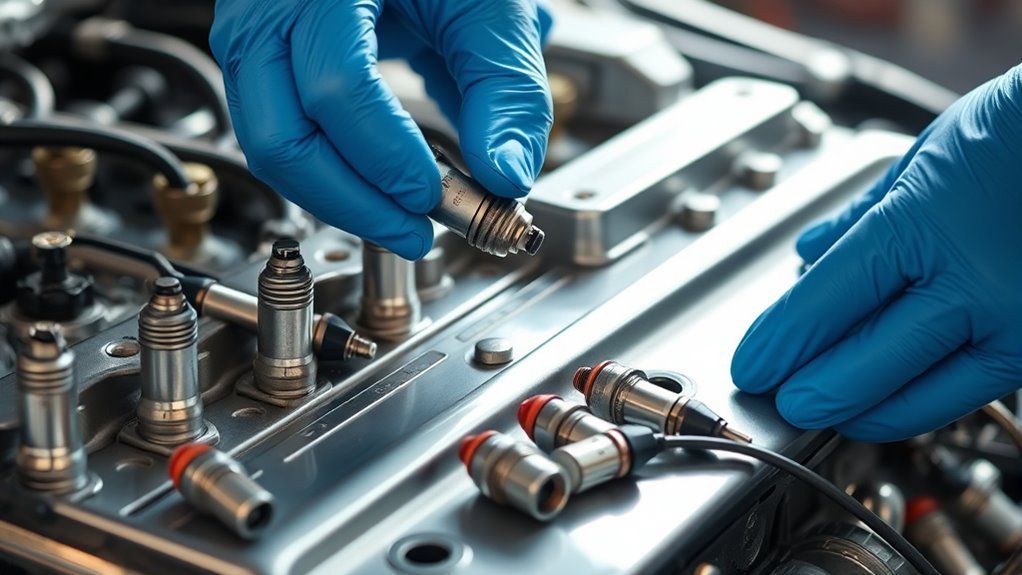
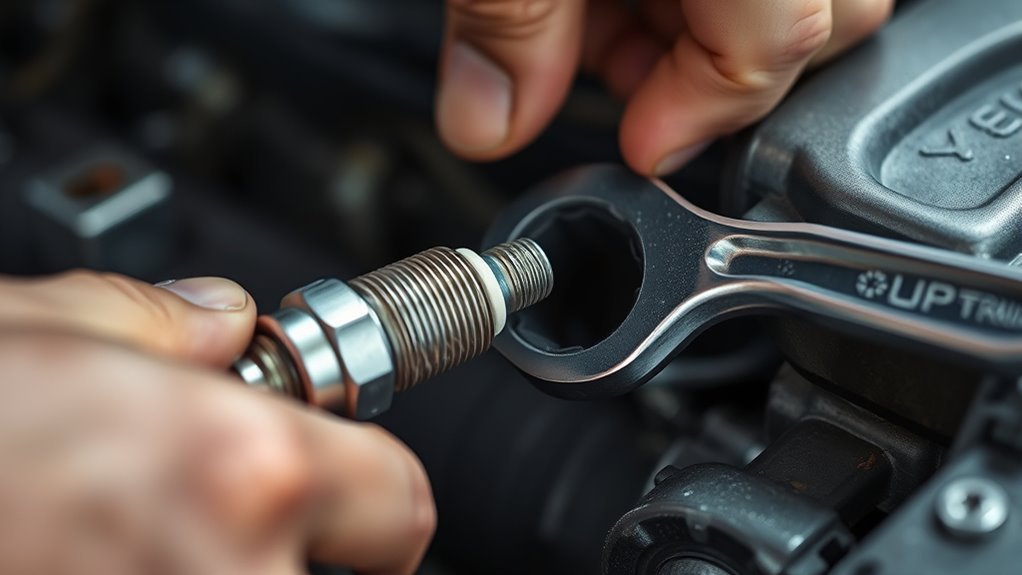
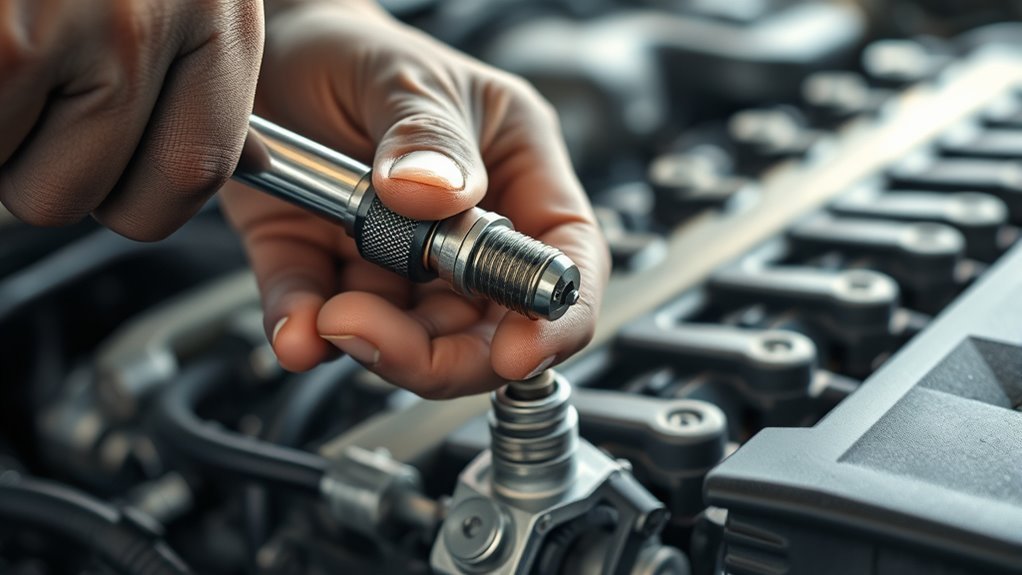
For DIY spark plug maintenance, first verify the engine is cool. Use the correct socket wrench and gap gauge to remove and inspect each spark plug, then install new plugs with the manufacturer-recommended gap and torque specifications.
If you’re unsure or lack tools, focus on mechanic selection. Choose a certified technician experienced in your vehicle’s make and model. Check reviews and certifications to verify reliability.
Clear communication about your car’s maintenance history and symptoms helps the mechanic perform accurate diagnostics.
Whether you replace plugs yourself or hire a professional, adhering to proper procedures guarantees consistent engine efficiency and longevity.
Frequently Asked Questions
Can Old Spark Plugs Damage the Catalytic Converter?
Yes, old spark plugs beyond their lifespan can cause incomplete combustion, leading to unburned fuel damaging your catalytic converter.
Regularly replacing spark plugs helps prevent catalytic converter damage and maintains peak engine performance.
Are Spark Plug Gaps Adjustable for Better Performance?
Yes, you can adjust spark plug gaps to optimize performance. Proper spark plug maintenance and precise gap settings enhance combustion efficiency, aiding performance tuning.
Always use a gap tool to guarantee accurate, consistent spacing for best results.
How Do Cold Weather Conditions Affect Spark Plug Life?
Cold weather can shorten spark plug life by causing increased electrode wear and fouling due to rich fuel mixtures during cold starts.
You should monitor plugs closely in cold weather to maintain ideal engine performance and efficiency.
Can Using the Wrong Spark Plug Type Harm the Engine?
Using the wrong spark plug type is like fitting a square peg in a round hole; it disrupts spark plug compatibility, causing misfires and poor engine performance. This can potentially damage the engine over time if not corrected promptly.
Do Spark Plugs Influence Fuel Efficiency Significantly?
Yes, spark plug quality directly influences fuel combustion efficiency. Poor-quality or worn plugs cause incomplete combustion, reducing fuel efficiency.
You should use high-quality spark plugs to optimize combustion, maximize fuel economy, and maintain engine performance consistently.
Conclusion
Just like a well-tuned orchestra keeps harmony, your engine relies on fresh spark plugs to perform at its peak. Changing them around every 30,000 to 100,000 miles, depending on type and conditions, guarantees ideal combustion and efficiency.
Don’t wait for warning signs to strike—proactive maintenance keeps your ride smooth and powerful. Whether you DIY or trust a mechanic, timely spark plug replacement is the key to releasing consistent engine performance and longevity.
To maintain optimal engine health, remember how many miles to change spark plugs plays a crucial role in your vehicle’s maintenance schedule.