Tag: spark plug change

  • Is It Easy to Change Spark Plugs

    Is It Easy to Change Spark Plugs

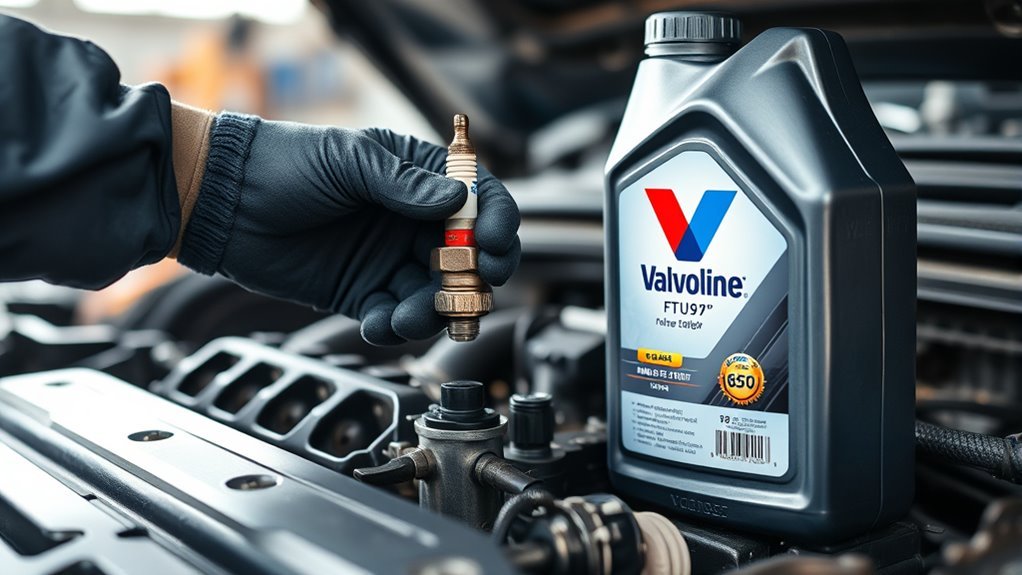
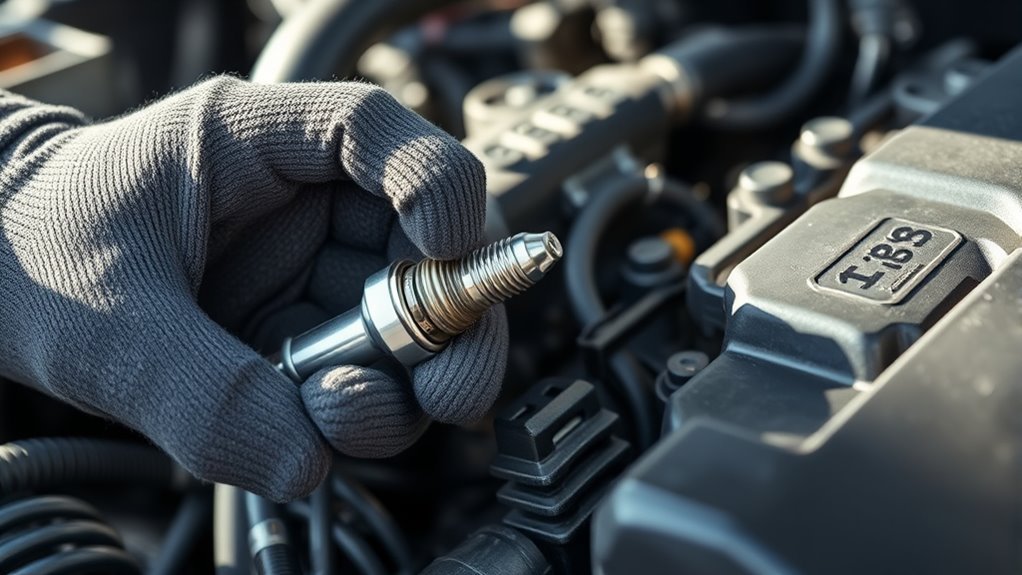
    You can change spark plugs yourself if you have the right tools and some mechanical know-how. Changing spark plugs is generally straightforward but depends on your engine type—accessibility varies between inline and V-shaped engines.

    You’ll need a spark plug socket, ratchet, torque wrench, and gap gauge. Be cautious of tight spaces and corroded threads. Follow torque specs carefully to avoid damage.

    If you want to guarantee reliability and safety, keep certain challenges and tips in mind as you proceed.

    Key Takeaways

    • Changing spark plugs is generally manageable with basic mechanical knowledge and proper preparation.
    • Accessing spark plugs varies by engine type and may require removing engine covers or components.
    • Essential tools include a spark plug socket, ratchet wrench, torque wrench, and gap gauge for accurate installation.
    • Challenges like tight spaces or corroded threads can complicate removal but can be mitigated with penetrating oil and care.
    • Safety measures such as working on a cool engine, disconnecting the battery, and wearing protective gear are crucial.

    How To Check If Your Spark Plugs Need Replacing

    How can you tell if your spark plugs need replacing? First, consider the spark plug lifespan, which typically ranges from 30,000 to 100,000 miles depending on the type and vehicle.

    You’ll want to inspect them if you notice performance symptoms like engine misfires, rough idling, or reduced fuel efficiency.

    Remove a spark plug and examine the electrode; excessive wear, heavy deposits, or a burnt appearance indicate deterioration.

    Also, check for a widened gap, which disrupts the spark and impairs combustion.

    If your vehicle struggles during acceleration or has difficulty starting, these are signs the spark plugs might be failing.

    Monitoring these indicators helps you maintain peak engine performance and prevents potential damage caused by neglecting worn spark plugs.

    How Easy Is It To Change Spark Plugs Yourself?

    Although changing spark plugs requires some mechanical knowledge, you can often perform the task yourself with the right tools and preparation.

    Spark plug maintenance is a manageable part of DIY automotive repairs if you follow structured steps. Here’s what you should consider:

    Changing spark plugs is a straightforward DIY task when approached with clear, step-by-step guidance.

    1. Access: Locate your spark plugs, which can be straightforward or require removing components depending on your engine design.
    2. Technique: Use proper tools and techniques to avoid damaging the spark plug or engine parts.
    3. Inspection: Carefully examine old plugs for wear signs to confirm replacement necessity and guarantee new plugs match specifications.

    Mastering these aspects will make changing spark plugs a precise and efficient task, saving you time and money while maintaining engine performance.

    What Tools You Need To Change Spark Plugs

    You’ll need a specific set of tools to change spark plugs efficiently and safely.

    First, a spark plug socket, designed to fit various spark plug types, is vital; it usually has a rubber insert to grip the plug securely without damage.

    A ratchet wrench with an extension bar helps reach deep-set plugs, especially in tight engine compartments.

    A torque wrench is important to tighten plugs to manufacturer specifications, preventing overtightening or loosening.

    Additionally, a gap gauge lets you measure and adjust the spark plug gap accurately, which varies by spark plug type and engine requirements.

    Finally, a breaker bar can assist in loosening stubborn plugs safely.

    Having these vital tools guarantees you can handle most spark plug replacements with precision and care.

    How To Locate Spark Plugs Before Changing Them

    To locate your spark plugs, first understand your engine layout, whether it’s inline, V-shaped, or flat.

    Next, identify the spark plug wires or ignition coils connected directly to the plugs. These wires lead you to each spark plug’s exact position for removal and replacement.

    Engine Layout Basics

    Before changing your spark plugs, you need to identify their exact location within the engine. Different engine types have distinct spark plug configurations, so understanding your engine layout is essential.

    1. Inline Engines: Spark plugs align along one side of the engine block, making them more accessible.
    2. V-Type Engines: Spark plugs are positioned on both sides of the “V,” requiring you to check each bank separately.
    3. Boxer Engines: Plugs sit on opposite sides, often requiring removal of engine covers to access.

    Knowing your engine type helps you anticipate where the spark plugs sit, how many there are, and the tools needed.

    This foundational knowledge streamlines the replacement process and prevents mistakes during removal or installation.

    Identifying Spark Plug Wires

    How can you accurately locate spark plugs without first identifying their wires? Begin by tracing the wire routing from the ignition coil or distributor cap to each spark plug.

    Different spark plug types may have distinct wire connectors, so note any variations. Proper wire routing guarantees you avoid mix-ups during replacement, which can cause engine misfires.

    Cylinder Number Wire Color Connector Type
    1 Black Boot
    2 Red Clip
    3 Blue Boot
    4 Green Clip
    5 Yellow Boot

    How To Remove Old Spark Plugs Safely

    Although spark plugs may seem simple, removing them requires careful attention to avoid damage. Different spark plug types demand specific removal techniques to prevent thread stripping or electrode damage. Follow these steps:

    1. Guarantee Engine Coolness: Wait until the engine is completely cool to avoid burns and thermal damage to the spark plug threads.
    2. Use the Correct Socket: Select a spark plug socket matching the plug type, typically 5/8″ or 13/16″, to guarantee a firm grip without slipping.
    3. Apply Steady Torque: Turn the socket counterclockwise with consistent, moderate force. Avoid jerky movements to prevent snapping the plug or damaging the cylinder head.

    How To Install New Spark Plugs Correctly

    Once you’ve carefully removed the old spark plugs without causing damage, installing new ones requires equal precision to guarantee peak engine performance.

    First, identify the correct spark plug types for your engine. Apply a small amount of anti-seize compound on the threads to prevent seizing, then hand-tighten each plug to avoid cross-threading.

    Use a torque wrench to tighten to the manufacturer’s specified torque value. Follow these installation tips to optimize performance and longevity.

    Step Detail Tool Required
    1. Select Plug Match spark plug types Manufacturer specs
    2. Apply Compound Light anti-seize on threads Anti-seize compound
    3. Tighten Torque to spec, avoid over-tightening Torque wrench

    Common Challenges When Changing Spark Plugs

    When changing spark plugs, you’ll often face challenges like accessing plugs in tight engine spaces that limit your tool movement.

    Corroded threads can make removal difficult and risk damaging the cylinder head if not handled properly.

    Applying the correct torque is critical to guarantee plug performance and prevent over-tightening or loosening.

    Accessing Hard-to-Reach Plugs

    Because engine designs vary widely, accessing certain spark plugs can present significant challenges. To improve spark plug accessibility, you often need to perform engine cover removal carefully, as these covers can obstruct access.

    Here are three key strategies:

    1. Remove obstructive components: Detach engine covers, air intake ducts, or ignition coils to clear the path to the plugs.
    2. Use specialized tools: Employ angled spark plug sockets or extension bars to reach deep or tight spaces without damaging surrounding parts.
    3. Work systematically: Identify plug locations beforehand and plan your removal sequence to avoid unnecessary disassembly.

    Dealing With Corroded Threads

    After gaining access to hard-to-reach spark plugs, you may encounter corroded threads that complicate removal and installation. Corrosion often forms from moisture and contaminants, seizing the spark plug in place.

    To address this, apply penetrating oil and allow it to soak before carefully loosening the plug with a proper socket. Avoid using excessive force to prevent thread damage.

    If threads are stripped or damaged, you’ll need thread repair techniques such as helicoil inserts or thread chasers to restore integrity.

    During reinstallation, apply anti-seize compound sparingly on new spark plug threads to facilitate future removal and guarantee corrosion prevention.

    Proper handling during this process prevents costly repairs and maintains engine performance by securing a tight, reliable spark plug fit.

    Ensuring Proper Torque Application

    Anyone working on spark plug replacement knows that applying the correct torque is critical for engine reliability.

    Over-tightening can damage the threads, while under-tightening causes poor sealing and misfires.

    To guarantee proper torque application, follow these steps:

    1. Consult Torque Specifications: Always refer to the manufacturer’s torque specifications for your vehicle’s spark plugs to avoid guesswork.
    2. Use a Calibrated Torque Wrench: Employ a torque wrench to apply consistent and accurate torque, preventing overtightening or undertightening.
    3. Apply Torque Gradually: Tighten the spark plug slowly and steadily, stopping immediately when the torque wrench clicks or indicates the preset value.

    How Car Models Affect Spark Plug Replacement

    While the basic function of spark plugs remains consistent, different car models require specific types and replacement intervals due to variations in engine design, fuel systems, and performance specifications. You must select spark plug types compatible with your engine to maintain ideal combustion and efficiency. Ignoring engine compatibility may cause misfires or damage.

    Car Model Spark Plug Type Replacement Interval Engine Design Notes
    Honda Civic Iridium 100,000 miles Inline-4 High durability
    Ford F-150 Platinum 60,000 miles V6/V8 Heavy-duty performance
    Toyota Camry Copper 30,000 miles Inline-4 or V6 Budget-friendly option
    BMW 3 Series Double Platinum 60,000 miles Turbocharged Inline-4 Enhanced ignition
    Chevrolet Malibu Iridium 100,000 miles V6 Long-lasting performance

    When Should You Call A Pro To Change Spark Plugs?

    If you encounter complex engine issues while replacing spark plugs, it’s best to call a pro.

    You also need specialized tools to properly remove and install plugs without causing damage.

    Without these, attempting the job yourself can lead to costly repairs or incomplete maintenance.

    Complex Engine Issues

    Because spark plug issues can sometimes signal deeper engine problems, you should call a professional when you notice persistent misfires, unusual engine noises, or error codes despite replacing the plugs yourself.

    These symptoms often indicate complex underlying issues that require advanced engine diagnostics.

    Attempting repairs without proper expertise may worsen performance issues or cause further damage.

    Here are three situations to involve a pro:

    1. Persistent Misfires: If misfires continue after spark plug replacement, the problem may lie in ignition coils, fuel injectors, or compression issues.
    2. Unusual Engine Noises: Knocking or pinging sounds can point to timing defects or detonation, beyond spark plug faults.
    3. Diagnostic Trouble Codes (DTCs): Repeated error codes linked to ignition or fuel systems demand specialized diagnostic tools to accurately identify causes.

    In these scenarios, professional intervention guarantees precise diagnosis and effective resolution.

    Lack Of Proper Tools

    Even when you understand the process of changing spark plugs, lacking the proper tools can make the task difficult or risky.

    If you don’t have the right spark plug socket, torque wrench, or gap gauge, you risk damaging the spark plugs or the engine components.

    Tool compatibility is critical; using incorrect sizes or low-quality tools can strip threads or cause improper installation.

    If you have a lack of experience handling specialized automotive tools, you mightn’t apply the correct torque or properly align the spark plug.

    In these cases, it’s best to call a professional.

    They’ve the precise tools and expertise to guarantee the spark plugs are replaced safely and correctly, preventing potential engine damage or performance issues.

    Safety Tips For Changing Spark Plugs Yourself

    Although changing spark plugs may seem straightforward, prioritizing safety assures you avoid injury and damage. Always wear appropriate safety gear, including gloves and safety glasses, to protect your hands and eyes from debris and accidental sparks.

    Be mindful of fire hazards; never work on a hot engine or near open flames, as fuel vapors can ignite.

    1. Disconnect the battery to eliminate electrical shock risks.
    2. Confirm the engine is cool to prevent burns and reduce fire hazards.
    3. Use insulated tools designed for automotive work to avoid accidental short circuits.

    Frequently Asked Questions

    What Are the Signs of a Bad Spark Plug Wire?

    You’ll notice engine misfire, rough idling, or poor acceleration when spark plug wires fail. Cracks, corrosion, or spark plug failure signs like visible damage indicate it’s time to inspect and replace those wires promptly for proper engine function.

    Can Using the Wrong Spark Plug Damage My Engine?

    Yes, using the wrong spark plug can damage your engine. Poor spark plug compatibility affects engine performance, causing misfires, increased wear, and potential overheating.

    Always guarantee you choose the correct spark plug specified for your vehicle.

    How Do Spark Plugs Affect Fuel Efficiency?

    You can improve fuel efficiency by up to 30% when your spark plugs maintain ideal spark plug lifespan, ensuring complete fuel combustion.

    Worn plugs reduce combustion quality, causing wasted fuel and lower mileage, so timely replacement is essential.

    What Types of Spark Plugs Are Best for High-Performance Cars?

    You want high performance spark plugs made from iridium or platinum for durability and ideal ignition. Racing spark plugs offer superior heat dissipation and spark energy, enhancing combustion efficiency and power in high-performance engines.

    How Often Should Spark Plug Gaps Be Checked?

    You should check spark plug gaps every 30,000 miles or during routine spark plug maintenance. Consistent gap adjustment guarantees peak performance, prevents misfires, and maintains efficient combustion in your engine’s high-performance environment.

    Conclusion

    Changing spark plugs yourself can feel like carefully unscrewing the engine’s heartbeat. With the right tools and clear steps, you’ll confidently remove old plugs and install new ones, ensuring smooth ignition.

    Remember, knowing your car’s layout and safety tips helps avoid common pitfalls. If you encounter stubborn plugs or complex setups, calling a pro saves time and hassle.

    By staying precise and cautious, you keep your engine running efficiently and reliably. Overall, changing spark plugs is a manageable task when approached with care and knowledge.