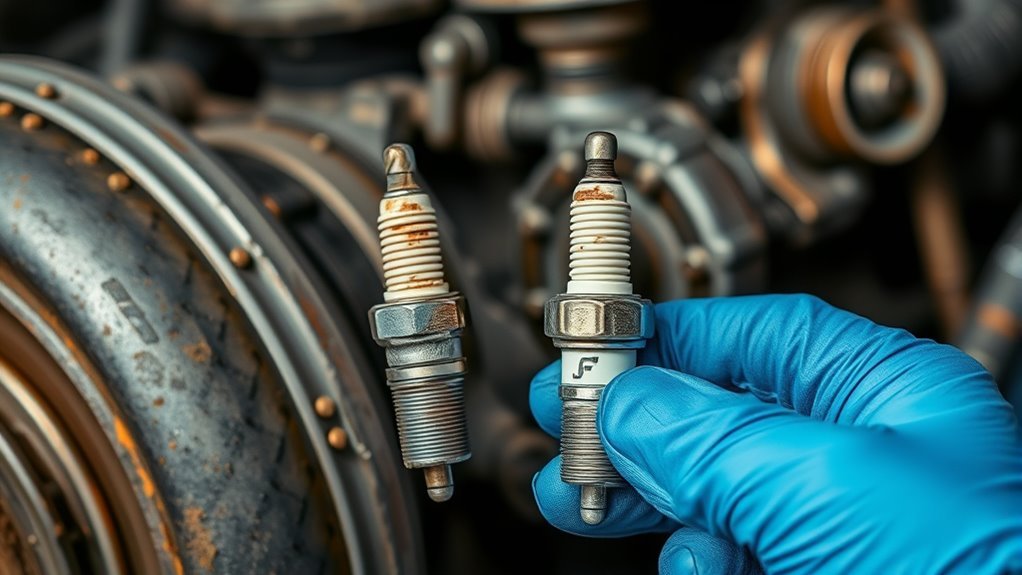
Tag: heavy duty cycles

  • How Often to Replace Spark Plugs for Heavy Duty Cycle

    How Often to Replace Spark Plugs for Heavy Duty Cycle

    You should replace spark plugs for heavy duty cycle every 60,000 to 100,000 miles, depending on the plug material and how hard your engine works. Iridium and platinum plugs last longer than copper but still wear faster under severe conditions or constant high heat.

    Watch for misfires, rough idling, or decreased fuel efficiency as signs for replacement. Proper inspection and maintenance help avoid premature failure.

    Keep going to understand how types, engine load, and care impact spark plug longevity.

    Key Takeaways

    • Heavy duty spark plugs typically require replacement every 60,000 to 100,000 miles depending on material and usage conditions.
    • Frequent replacement is advised under severe driving or performance tuning to maintain optimal engine performance.
    • Inspect spark plugs regularly for wear, deposits, or damage to determine the need for earlier replacement.
    • Signs like engine misfires, rough idling, and reduced fuel efficiency indicate spark plugs may need replacement sooner.
    • Use iridium or platinum plugs for longer service intervals and reduced maintenance in heavy duty cycles.

    How Often Should You Replace Heavy Duty Spark Plugs?

    When should you replace heavy duty spark plugs to maintain peak engine performance? The replacement interval depends largely on the spark plug materials and your vehicle’s operational demands.

    Heavy duty spark plugs typically use durable materials like iridium or platinum, which extend service life to 60,000–100,000 miles compared to conventional copper plugs.

    However, if you’re engaged in performance tuning or operate under severe conditions, more frequent replacement is advisable to preserve maximum combustion efficiency.

    Keep in mind that degradation in spark plug electrodes impacts ignition timing and fuel economy.

    Regularly inspect plugs based on manufacturer recommendations and your specific engine load.

    What Are the Signs Your Heavy Duty Spark Plugs Need Replacing?

    How can you tell if your heavy duty spark plugs need replacing? Key spark plug symptoms include engine misfires, reduced fuel efficiency, and difficulty starting.

    Symptoms like engine misfires, poor fuel efficiency, and hard starts indicate it’s time to replace heavy duty spark plugs.

    You might also notice rough idling or a loss of power under load. These replacement indicators signal that the plugs are no longer firing effectively, causing incomplete combustion.

    Visually inspecting the plugs reveals further clues: excessive carbon deposits, worn electrodes, or corrosion are clear signs of wear.

    If you detect any of these symptoms or indicators, it’s important to replace the spark plugs promptly to maintain engine performance and prevent further damage.

    Monitoring these technical signs guarantees your heavy duty engine runs smoothly and efficiently throughout its service life.

    Why Do Heavy Duty Spark Plugs Wear Out Faster?

    You’ll notice heavy duty spark plugs wear out faster because they endure increased heat exposure from demanding engine conditions.

    Frequent engine strain pushes them beyond typical operational limits, accelerating electrode erosion.

    Understanding these factors helps you anticipate when to replace your spark plugs before performance degrades.

    Increased Heat Exposure

    Heavy duty spark plugs endure considerably higher temperatures than standard plugs, which accelerates wear and degradation. You face significant heat dissipation challenges as these plugs operate under intense thermal cycling effects, causing material fatigue and electrode erosion. Managing this heat is essential; otherwise, you’ll notice reduced spark efficiency and eventual misfires.

    Factor Impact on Spark Plug Resulting Issue
    Elevated Temperatures Accelerates electrode wear Shortened service life
    Heat Dissipation Limits Increases core temperature Material breakdown
    Thermal Cycling Effects Causes expansion/contraction Cracks and insulation failure
    Constant Heat Exposure Degrades ceramic insulator Misfires and poor ignition

    Understanding these factors helps you plan timely replacements and maintain ideal engine performance.

    Frequent Engine Strain

    Since engines often operate under demanding conditions, frequent strain greatly accelerates spark plug wear. When your engine undergoes heavy duty cycles, spark plugs face increased stress, resulting in faster degradation. Understanding this helps you schedule frequent maintenance to maintain peak engine performance.

    Here’s why heavy strain shortens spark plug life:

    1. Constant high RPMs increase electrode erosion.
    2. Frequent load changes cause inconsistent combustion, accelerating wear.
    3. Elevated cylinder pressure raises spark plug temperature beyond design limits.

    How Do Spark Plug Types Affect Replacement Frequency?

    You’ll find that copper spark plugs wear out faster due to their lower durability compared to iridium types, which last considerably longer.

    Platinum plugs offer a middle ground with extended lifespan, while double platinum variants enhance longevity further by protecting both electrodes.

    Understanding these differences helps you determine the ideal replacement intervals for your vehicle.

    Copper Vs. Iridium Durability

    Although both copper and iridium spark plugs serve the same fundamental purpose, their material properties considerably influence how often you need to replace them.

    Copper advantages include excellent conductivity and lower cost but shorter lifespan due to faster electrode wear. Iridium longevity stems from its higher melting point and hardness, resisting erosion and maintaining spark efficiency longer.

    Consider these factors when choosing:

    1. Copper plugs typically require replacement every 20,000 to 30,000 miles due to quicker degradation.
    2. Iridium plugs can last 60,000 to 100,000 miles, cutting maintenance frequency.
    3. Heavy duty cycles accelerate copper plug wear more than iridium, which better tolerates harsh conditions.

    You’ll save time and money by selecting plugs with durability aligned to your engine’s demands.

    Platinum Spark Plug Lifespan

    Platinum spark plugs offer a balanced combination of durability and performance that affects how frequently you need to replace them. Thanks to platinum durability, these plugs typically last longer than standard copper plugs, often reaching 60,000 to 100,000 miles under heavy-duty cycles.

    This extended lifespan results from platinum’s high melting point and resistance to electrode wear, which maintains peak spark gap and combustion efficiency. You’ll notice improved spark plug efficiency, as platinum plugs sustain consistent ignition performance over time, reducing misfires and fuel consumption.

    However, despite their durability, environmental factors and engine conditions can accelerate wear, so regular inspection remains essential.

    Choosing platinum plugs helps balance maintenance intervals and engine reliability, making them a practical option for heavy-duty applications where moderate replacement frequency aligns with performance needs.

    Impact of Double Platinum

    When evaluating spark plug types, double platinum plugs stand out for their enhanced durability and extended replacement intervals.

    Their design provides notable double platinum benefits compared to single platinum or copper plugs.

    You’ll notice a clear performance enhancement due to their ability to maintain a stable spark over longer periods.

    Here’s why they affect replacement frequency:

    1. Durability: Double platinum electrodes resist wear better, extending lifespan up to 60,000–100,000 miles.
    2. Consistency: They provide stable, efficient combustion, reducing fouling and misfires.
    3. Cost-effectiveness: Although pricier upfront, longer intervals between replacements lower overall maintenance costs.

    How Engine Load and Conditions Affect Spark Plug Life

    Because engine load and operating conditions directly influence combustion temperature and pressure, they play a critical role in determining spark plug wear.

    When your engine runs under heavy loads or extreme conditions, combustion temperatures rise, accelerating electrode erosion and degrading spark plug materials faster than in light-duty use.

    High combustion pressure stresses spark plug insulators and electrodes, reducing their lifespan.

    Additionally, varying conditions such as frequent idling, stop-and-go driving, or exposure to contaminants can impair combustion efficiency, causing fouling or misfires that further damage plugs.

    Understanding these factors helps you select spark plugs with appropriate materials like iridium or platinum that resist wear and maintain peak combustion efficiency.

    Monitoring engine load and conditions guarantees timely replacement, preventing performance loss and potential engine damage.

    Different engine types demand specific spark plug replacement intervals to maintain peak performance and prevent damage.

    The choice of spark plug materials also influences these intervals, affecting engine performance and longevity. Here’s a quick guide tailored to engine types:

    1. Gasoline Engines: Replace spark plugs every 30,000 to 50,000 miles, using iridium or platinum plugs for enhanced durability and stable engine performance.
    2. Diesel Engines with Glow Plugs: Though not traditional spark plugs, glow plugs should be inspected every 20,000 miles and replaced as needed to guarantee efficient combustion.
    3. Heavy Duty Engines: Due to high thermal and mechanical stress, replace spark plugs every 20,000 to 30,000 miles, often using specialized materials like double platinum for peak performance.

    Following these intervals helps you maintain peak engine efficiency and prevents premature wear.

    How to Inspect and Test Heavy Duty Spark Plugs

    To guarantee peak performance, start by visually inspecting your heavy duty spark plugs for signs of wear or deposits.

    Next, measure the electrode gap to verify it meets manufacturer specifications.

    Finally, conduct spark plug tests to confirm proper ignition functionality before deciding on replacement.

    Visual Spark Plug Inspection

    Although heavy duty spark plugs are built to endure tough conditions, regular visual inspection is essential to guarantee peak performance and prevent engine issues.

    When you inspect the spark plug condition, focus on these critical areas:

    1. Electrode Wear: Check the electrode for rounded edges or thinning, which indicates wear affecting spark efficiency.
    2. Deposits: Look for carbon, oil, or ash buildup on the insulator or electrode, signaling combustion problems or contamination.
    3. Cracks and Damage: Examine the porcelain insulator for cracks or chips that can cause misfires or short circuits.

    Measuring Electrode Wear

    A precise measurement of electrode wear is essential for evaluating the condition of heavy duty spark plugs and ensuring ideal engine performance. You need to measure electrode erosion accurately to decide if replacement is necessary. Use a caliper or specialized gauge to measure the gap and electrode dimensions, comparing them to manufacturer specifications.

    Parameter Acceptable Range
    Center Electrode Diameter ≥ 2.0 mm
    Ground Electrode Thickness ≥ 1.0 mm
    Electrode Gap Manufacturer Specified
    Electrode Length No significant shortening
    Signs of Erosion Minimal or none

    Consistent wear measurement helps detect excessive electrode erosion, preventing misfires and maintaining combustion efficiency.

    Conducting Spark Plug Tests

    When inspecting heavy duty spark plugs, you’ll need to perform a series of tests that assess their mechanical condition and electrical performance.

    Start by checking for electrode degradation, which affects spark efficiency.

    Next, measure spark plug conductivity using a multimeter set to resistance mode. Values outside manufacturer specs indicate a faulty plug.

    Finally, conduct a visual inspection for cracks, carbon build-up, or physical damage that can impair function.

    Here’s a quick test sequence:

    1. Examine electrode tips for wear or erosion.
    2. Measure resistance to verify spark plug conductivity.
    3. Inspect insulator and shell for damage or deposits.

    These steps help you determine if the spark plug is still reliable or needs replacement, ensuring peak engine performance under heavy duty cycles.

    How to Replace Heavy Duty Spark Plugs Safely and Effectively

    Since heavy duty spark plugs endure higher stress and temperatures, replacing them requires careful attention to safety and technique.

    First, disconnect the battery to prevent accidental electrical shocks. Wear protective gloves and eye protection as a safety precaution.

    Use a spark plug socket and ratchet to carefully remove the old plugs, avoiding damage to the cylinder head threads.

    Before installation, check the gap on the new spark plugs to match manufacturer specifications.

    Apply a small amount of anti-seize compound to the threads to guarantee proper spark plug installation and easy future removal.

    Screw in the new plugs by hand initially to prevent cross-threading, then tighten to the specified torque using a torque wrench.

    Finally, reconnect the battery and start the engine to verify proper operation.

    Tips to Extend the Life of Heavy Duty Spark Plugs

    Proper installation of heavy duty spark plugs sets the foundation for their longevity, but maintaining their performance involves additional measures.

    To maximize spark plug life and guarantee consistent performance optimization, focus on these key aspects of spark plug maintenance:

    1. Regularly inspect the plugs for wear, carbon buildup, or fouling to identify issues early and prevent engine inefficiencies.
    2. Use the correct heat range and gap settings specified by the manufacturer to avoid overheating or misfiring, which degrade spark plug durability.
    3. Maintain the ignition system components, including wires and coils, to guarantee proper voltage delivery and consistent spark quality.

    Common Mistakes That Cause Premature Spark Plug Failure

    Although spark plugs are designed for durability, several common mistakes can cause them to fail prematurely. One frequent error is neglecting proper spark plug maintenance, such as skipping regular inspections and cleaning. Deposits and wear can accumulate, reducing spark efficiency and impairing engine performance.

    Another mistake is incorrect spark plug gap settings; an improper gap causes misfires, leading to overheating and electrode damage. Using the wrong spark plug type for your engine or heavy duty cycle also accelerates failure due to incompatible heat ranges.

    Additionally, over-tightening during installation can crack the porcelain insulator, while under-tightening results in poor heat dissipation. By avoiding these errors and adhering to manufacturer guidelines, you’ll maintain peak engine performance and extend the life of your spark plugs effectively.

    Frequently Asked Questions

    Can Using the Wrong Spark Plug Gap Affect Engine Performance?

    Yes, using the wrong spark plug gap causes spark plug misfires, disrupting engine tuning. This reduces combustion efficiency, lowers power, and increases emissions.

    You should always set the gap precisely for ideal engine performance and reliability.

    How Do Spark Plug Materials Impact Ignition Efficiency?

    You’ll find that spark plug types like iridium or platinum optimize ignition timing by providing stable sparks and longer lifespan. This enhances ignition efficiency compared to copper plugs, which wear faster and may disrupt precise ignition timing.

    What Tools Are Essential for Heavy Duty Spark Plug Replacement?

    Before you grab your quill, remember essential tools for heavy duty spark plug removal: a socket wrench with a spark plug socket, a torque wrench to meet torque specifications precisely, and a gap gauge for accurate spark plug installation.

    Are Aftermarket Spark Plugs Reliable for Heavy Duty Engines?

    You can trust reputable aftermarket brands for heavy duty engines, but always check performance comparison data. Some match OEM quality, while others lag.

    Choose plugs tested for durability, heat resistance, and ignition efficiency under heavy loads.

    How Does Fuel Type Influence Spark Plug Wear and Tear?

    Think of fuel composition like different soils affecting plant roots. You’ll find that fuel type directly impacts spark plug wear by altering combustion efficiency, causing varying residue buildup and electrode erosion rates. Monitor accordingly for ideal performance.

    Conclusion

    Don’t let worn spark plugs slow your heavy-duty engine down—think of them as the heartbeat of your machine. Regular inspection and testing are key to keeping your engine running smoothly. Replace spark plugs based on your specific load and operating conditions to ensure optimal performance.

    Choosing the right type of spark plug and following proper maintenance routines can significantly extend their lifespan. This proactive approach helps you avoid costly downtime and keeps your machine reliable.

    Remember, for heavy duty cycle engines, how often to replace spark plugs depends on usage intensity and environment. Keeping your spark plugs sharp ensures your engine delivers power and reliability every mile of the way.