Tag: DIY maintenance

  • How to Fix a Carburetor

    How to Fix a Carburetor

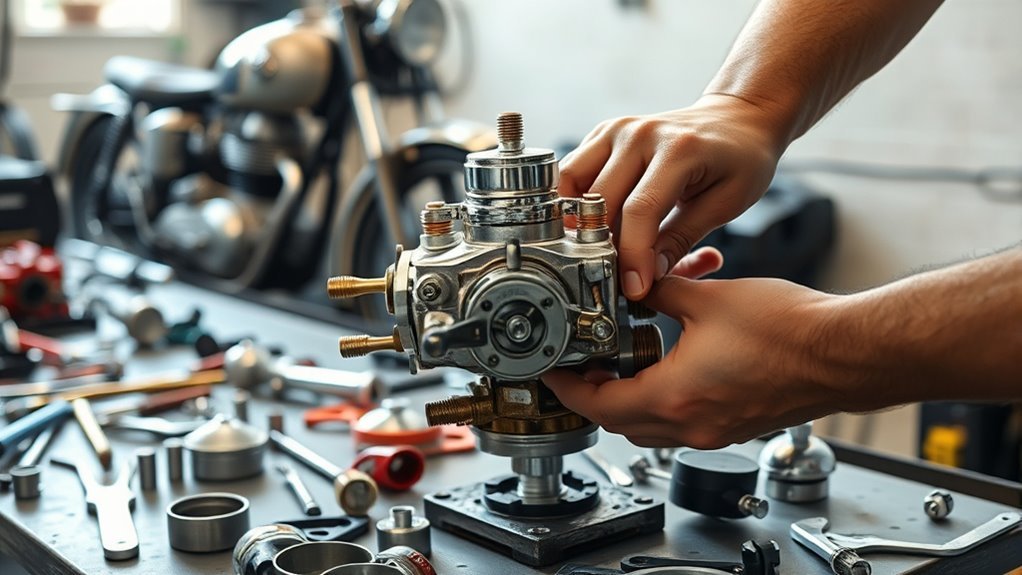
    To fix your carburetor, start by disconnecting the battery and carefully removing the carburetor itself. Make sure to label all linkages and hoses for easy reassembly.

    Clean clogged jets and passages thoroughly using carburetor cleaner. Inspect all parts for wear or damage during the cleaning process.

    Replace any faulty components such as gaskets or needles with OEM parts to ensure proper fit and function. Once reassembled, adjust the idle speed and fuel-air mixture for smooth engine performance.

    Proper tuning of the carburetor is essential for both efficiency and power. Follow detailed steps for cleaning, repairing, and tuning to restore your engine to peak function.

    Key Takeaways

    • Clean the carburetor thoroughly using carburetor cleaner to remove grime and deposits from jets and passages.
    • Inspect all parts for wear, cracks, or corrosion and replace damaged components with OEM or compatible parts.
    • Adjust the idle speed and mixture screws to achieve the manufacturer’s recommended RPM and optimal fuel-air ratio.
    • Check choke operation and throttle linkage for smooth movement and proper function to ensure consistent fuel delivery.
    • Troubleshoot common issues like fuel leaks, clogged jets, and float levels, and seek professional help for persistent or complex problems.

    What Is a Carburetor and Why It Matters

    A carburetor is a mechanical device that mixes air and fuel in the correct ratio for internal combustion engines. Understanding carburetor basics is crucial because this precise mixture directly impacts engine performance.

    If the air-to-fuel ratio is off, your engine can run inefficiently, causing rough idling, poor acceleration, or increased emissions. The carburetor controls fuel delivery through jets and throttle valves, adjusting based on engine demand.

    When functioning correctly, it guarantees smooth combustion and maximum power output. As you maintain or repair your carburetor, focusing on these principles helps you diagnose issues and restore proper engine function.

    Mastering carburetor basics equips you to improve fuel efficiency and maintain reliable engine performance across various operating conditions.

    How to Identify Common Carburetor Problems

    Symptoms like rough idling, stalling, or hesitation during acceleration often indicate carburetor issues.

    To identify common carburetor problems, start by observing carburetor symptoms such as inconsistent engine speed, black smoke from the exhaust, or flooding.

    These signs usually stem from improper fuel delivery caused by clogged jets, worn gaskets, or air leaks.

    Check for fuel leaks or a strong fuel odor, which suggests fuel overflow or needle valve failure.

    Additionally, inspect the choke operation. If it sticks open or closed, it disrupts the air-fuel mixture.

    Pay attention to engine backfiring or hard starts, as these also point to carburetor malfunction.

    Tools and Materials Needed for Carburetor Repair

    You’ll need a set of essential tools like screwdrivers, wrenches, and a carburetor cleaner to get started on the repair.

    Having recommended replacement parts such as gaskets, jets, and needles on hand will guarantee you can address common issues efficiently.

    Preparing these materials beforehand streamlines the repair process and helps avoid interruptions.

    Essential Repair Tools

    Five essential tools will help you efficiently repair a carburetor: a set of precision screwdrivers, a carburetor cleaner spray, a small wire brush, a gasket scraper, and a compression tester.

    These are the core components of your essential repair supplies. Using the right tools enhances accuracy and prevents damage during carburetor maintenance.

    1. Precision Screwdrivers are vital for adjusting screws without stripping heads.
    2. Carburetor Cleaner Spray removes varnish and deposits effectively.
    3. Small Wire Brush scrubs away stubborn grime from metal parts.
    4. Gasket Scraper safely removes old gasket material without scratching surfaces.

    Incorporate these tools into your repair toolkit, and follow carburetor maintenance tips to guarantee peak performance and longevity.

    Alongside the right tools, having the proper replacement parts is key to restoring your carburetor’s function accurately. Start by identifying your carburetor brand. Popular ones like Holley, Edelbrock, or Rochester have specific replacement options tailored to their models.

    Focus on critical components such as gaskets, float valves, jets, and needles. Ensure you source OEM or high-quality aftermarket parts to maintain performance. Avoid generic kits that don’t specify compatibility with your carburetor brand.

    When selecting replacement options, check the specifications carefully: dimensions, material quality, and compatibility with your engine’s fuel system.

    Keeping a detailed parts list based on your carburetor model will help you order precisely what you need, minimizing delays and ensuring a smooth repair process.

    How to Safely Remove the Carburetor

    Begin by disconnecting the battery to prevent any electrical hazards during the removal process. Following proper safety precautions guarantees you avoid injury or damage.

    Use precise removal techniques to detach the carburetor efficiently.

    1. Label and disconnect all linkages and hoses to guarantee proper reassembly and prevent damage.
    2. Remove mounting bolts carefully using the correct tools to avoid stripping or breaking fasteners.
    3. Support the carburetor as you loosen bolts to prevent it from dropping and causing damage.
    4. Inspect the gasket and mounting surface for damage before complete removal.

    How to Clean a Dirty Carburetor Step-by-Step

    Start by carefully removing the carburetor components to access all areas prone to buildup.

    Use carburetor cleaner to thoroughly spray and dissolve grime from jets, passages, and surfaces.

    Make certain each part is completely clean before reassembling to guarantee peak performance.

    Removing Carburetor Components

    Carefully detach each component of the carburetor to guarantee thorough cleaning and avoid damage.

    Mastering carburetor disassembly techniques is essential for accessing all necessary parts.

    Focus on removing vital carburetor components systematically to prevent loss or breakage.

    Follow these steps:

    1. Disconnect the throttle linkage carefully to avoid bending or breaking.
    2. Remove the float bowl by unscrewing the retaining screws; handle the float gently.
    3. Extract the jets using the appropriate screwdriver; keep track of their sizes.
    4. Detach the choke assembly, noting its position for correct reassembly.

    Applying Carburetor Cleaner

    Once you’ve removed the carburetor components, apply carburetor cleaner directly to the affected areas to dissolve deposits and buildup. Focus on jets, throttle plates, and passages where varnish and dirt accumulate.

    Use a precision straw attachment to target hard-to-reach spots, ensuring thorough saturation without overspray.

    Let the cleaner sit for several minutes to break down grime effectively. After soaking, employ a soft brush or compressed air to dislodge loosened debris.

    Repeat the process if necessary to maintain ideal flow. This step is vital in carburetor maintenance, as deposits impair fuel flow and engine performance.

    Adhering to these cleaning techniques prolongs carburetor life and enhances reliability. Always work in a well-ventilated area and wear protective gloves to handle solvents safely.

    How to Inspect Carburetor Parts for Damage

    A thorough inspection of each carburetor component is essential to identify wear, cracks, or corrosion that could impair performance.

    During your carburetor inspection, focus on precise part evaluation to guarantee reliable operation.

    Accurate evaluation of each carburetor part is crucial to ensure dependable and efficient engine performance.

    1. Examine the float for punctures or deformation that could disrupt fuel level regulation.
    2. Inspect the throttle shaft and bore for excessive wear or scoring, which may cause air leaks.
    3. Check all gaskets and seals for brittleness or tears that compromise airtightness.
    4. Assess the jets and passages for clogs or corrosion that restrict fuel flow.

    Use magnification if needed to detect subtle damage.

    Document any defects, as accurate part evaluation guides effective repair decisions and prevents further issues.

    How to Replace Carburetor Parts You Can’t Fix

    If inspection reveals parts with irreparable damage, replacing them guarantees the carburetor functions properly. You’ll want to source OEM or compatible parts that match your carburetor model.

    Prioritize carburetor maintenance tips such as cleanliness and correct installation to avoid future issues. Common replacement components include floats, gaskets, and jets. Use the table below as a quick reference:

    Component Function Replacement Tip
    Float Regulates fuel level Verify correct float height
    Gasket Seals surfaces Use new gasket to prevent leaks
    Jet Controls fuel flow Clean or replace for consistent mixture

    Replacing these parts requires careful disassembly and reassembly. Follow manufacturer torque specs and inspect all connections after replacement for peak performance.

    How to Adjust Carburetor Settings for Best Performance

    Although replacing damaged parts restores basic functionality, fine-tuning your carburetor settings is vital to achieve peak engine performance.

    Replacing parts restores function, but tuning your carburetor unlocks optimal engine performance.

    Carburetor tuning directly impacts fuel-air mixture and engine responsiveness, essential for performance enhancement.

    Follow these steps for precise adjustment:

    1. Set Idle Speed Adjust the idle screw to reach the manufacturer’s recommended RPM for stable idle.
    2. Adjust Idle Mixture Turn the idle mixture screw slowly to find the richest mixture without causing engine bogging.
    3. Fine-Tune Main Jet Modify the main jet size or needle position for ideal fuel delivery under load.
    4. Test and Reassess Run the engine through various throttle positions and recheck adjustments for consistent performance.

    This systematic approach guarantees your carburetor delivers efficient combustion, improving power and fuel economy.

    Carburetor Troubleshooting and When to Get Professional Help

    When your engine exhibits irregular idling, hesitation, or stalling despite proper adjustments, it’s time to troubleshoot the carburetor systematically.

    Start by checking for common carburetor symptoms such as fuel leaks, clogged jets, or worn gaskets.

    Inspect the float level and confirm the choke operates smoothly. Use a carburetor cleaner to remove deposits that may obstruct fuel flow.

    If these steps don’t resolve the issue, test the throttle linkage and verify that all seals are intact.

    Persistent problems like unpredictable engine performance or fuel flooding indicate internal damage or wear.

    At this point, don’t hesitate to seek a professional inspection. Experienced technicians can perform detailed diagnostics and rebuild or replace components to restore peak functionality, saving you time and preventing further engine damage.

    Frequently Asked Questions

    Can Ethanol Fuel Damage My Carburetor Over Time?

    Yes, ethanol effects can degrade your carburetor over time by attracting moisture and causing corrosion. You’ll need regular carburetor maintenance to clean and replace seals to prevent damage and guarantee peak engine performance.

    How Often Should I Service My Carburetor for Optimal Performance?

    You should perform carburetor maintenance every 6 to 12 months, depending on usage and fuel quality. Regular service intervals help prevent buildup, guarantee ideal fuel flow, and maintain engine performance effectively and reliably.

    Are There Any Carburetor Additives That Improve Fuel Efficiency?

    When it comes to improving fuel efficiency, carburetor cleaners and fuel additives can help, but don’t count your chickens before they hatch.

    They clean deposits, enhancing performance, but results vary; always choose reputable products and follow instructions carefully.

    Can a Carburetor Cause Engine Backfiring?

    Yes, a faulty carburetor can cause engine backfiring by creating improper air-fuel mixtures, leading to engine misfire. Common backfire causes include incorrect timing, lean mixtures, or clogged jets, so adjust or clean your carburetor accordingly.

    What Are the Differences Between Carbureted and Fuel-Injected Engines?

    You’ll find carburetor types mix air and fuel mechanically, while fuel injection delivers precise fuel electronically. Fuel injection improves engine performance and efficiency, whereas carburetors offer simpler, less expensive setups but less precise control.

    Conclusion

    Now that you know what a carburetor does, how to spot issues, and the tools you need, you can confidently remove, clean, inspect, and replace parts. You’ll adjust settings to optimize performance and troubleshoot effectively.

    Remember, maintaining your carburetor means improving engine efficiency, preventing breakdowns, and extending equipment life. When problems persist, don’t hesitate to seek professional help.

    Take control, stay precise, and keep your engine running smoothly by knowing how to fix a carburetor.

  • What Do I Need to Change Spark Plugs

    What Do I Need to Change Spark Plugs

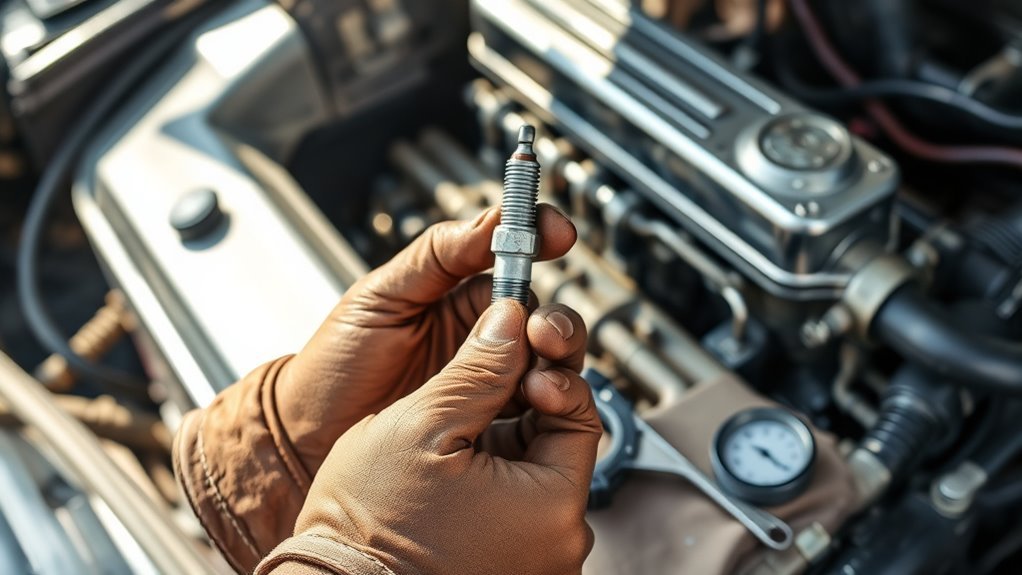
    To change spark plugs, you’ll need a few essential tools to ensure the job is done correctly and safely. Start with a correctly sized spark plug socket—typically 5/8 or 13/16 inch—with a rubber insert or magnet for a secure grip.

    You’ll also need a compatible ratchet wrench with an extension to reach deep into the engine bay. A torque wrench is important to guarantee precise tightening according to manufacturer specifications.

    Additionally, use a spark plug gap tool to verify or adjust the electrode gaps for optimal performance. Applying dielectric grease to the boots helps provide proper insulation and prevents moisture intrusion.

    Proper engine preparation and understanding the applications of different compounds will optimize your replacement process. Let’s explore the details to ensure a smooth spark plug change.

    Key Takeaways

    • Gather essential tools: spark plug socket, ratchet wrench with extension, torque wrench, spark plug gap tool, and dielectric grease applicator.
    • Disconnect the battery and allow the engine to cool completely before starting to ensure safety.
    • Consult the owner’s manual to identify the correct spark plug type, size, gap, and torque specifications.
    • Use a spark plug socket with rubber inserts to remove old plugs gently and avoid damage.
    • Apply anti-seize on threads and dielectric grease on boots, then install plugs using a torque wrench to the specified tightness.

    What Tools Do You Need to Change Spark Plugs

    To change spark plugs efficiently, you’ll need a specific set of tools designed for the task.

    First, a spark plug socket matched to your spark plug types is vital; these sockets have rubber inserts to grip and protect the plug during removal and installation.

    Use a ratchet wrench with an extension to reach deep-set plugs. A torque wrench is critical for applying the correct installation torque, preventing damage from over- or under-tightening.

    Additionally, a spark plug gap tool helps you verify or adjust the electrode gap according to your vehicle’s specifications.

    Finally, a dielectric grease applicator can improve electrical conductivity and seal connections.

    Mastering these tools guarantees precise installation techniques, promoting ideal engine performance and longevity.

    Why Check Your Owner’s Manual Before Changing Spark Plugs

    Before you start changing spark plugs, check your owner’s manual to identify the exact spark plug type required for your engine.

    The manual also specifies the recommended replacement intervals to maintain ideal performance.

    Following these guidelines guarantees proper fit and prevents premature wear.

    Locate Specific Spark Plug Type

    How do you guarantee you select the correct spark plug for your vehicle? First, locate the specific spark plug type recommended in your owner’s manual. This guide provides exact specifications, confirming spark plug compatibility with your engine model.

    Using the specified plug type maintains peak engine performance, as incorrect plugs can cause misfires or inefficient combustion. Note details like thread size, heat range, and electrode design.

    If you’re sourcing plugs from a parts store, cross-reference these specs with the product to confirm a match. Avoid generic plugs, as they may compromise engine efficiency and longevity.

    Although spark plugs might seem durable, they wear down over time and lose efficiency, so you need to follow the replacement intervals specified in your owner’s manual. Checking your manual guarantees you adhere to the recommended spark plug lifespan, which varies by engine type and plug material.

    Ignoring these intervals can lead to misfires, reduced fuel economy, and diminished engine performance. By replacing spark plugs as directed, you maintain excellent combustion, resulting in noticeable performance improvement and smoother operation.

    Your owner’s manual provides precise guidance tailored to your vehicle’s design, including mileage or time frames for replacement. Always consult it before changing spark plugs to avoid premature wear or unnecessary replacements.

    Following these intervals protects your engine and sustains peak performance throughout your vehicle’s service life.

    How to Pick the Right Spark Plugs for Your Car

    Start by consulting your vehicle specifications guide to identify the correct spark plug size, heat range, and gap.

    Choose the spark plug material, such as copper, platinum, or iridium, based on your car’s performance requirements and manufacturer recommendations.

    Matching these factors guarantees ideal engine efficiency and longevity.

    Vehicle Specifications Guide

    When selecting spark plugs, you’ll need to consult your vehicle’s specifications to verify compatibility and peak performance. Checking the specifications overview guarantees you choose plugs that fit the engine design, heat range, and gap requirements. Incorrect plugs can cause misfires or damage.

    Refer to your vehicle manual or manufacturer’s database for exact details. Below is a quick reference table illustrating key specification parameters:

    Specification Description Importance
    Thread Size Diameter and pitch Ensures proper fit
    Heat Range Plug’s temperature rating Prevents fouling or pre-ignition
    Gap Size Distance between electrodes Affects ignition efficiency

    Confirming these specs verifies vehicle compatibility and ideal engine performance when replacing spark plugs.

    Spark Plug Material Types

    After confirming your vehicle’s spark plug specifications, the next step is selecting the appropriate material type.

    Copper plugs offer excellent conductivity and are often recommended for older engines or those with lower voltage ignition systems. They provide reliable ignition but tend to wear out faster due to softer electrodes.

    On the other hand, iridium plugs feature a harder, more durable tip that improves longevity and performance, especially under high-stress conditions. They maintain a consistent spark over time and resist erosion better than copper plugs.

    When choosing between these, refer to your vehicle’s manual and consider your driving habits.

    If you prioritize durability and efficiency, iridium plugs are ideal. For budget-friendly replacements in less demanding engines, copper plugs remain a solid choice.

    Always match the spark plug material to your engine’s requirements.

    How to Choose a Spark Plug Socket and Ratchet

    Why does selecting the right spark plug socket and ratchet matter? Using the correct size guarantees a secure fit, preventing damage to the spark plug or engine components.

    First, identify the spark plug sizes specified by your vehicle manufacturer, commonly 5/8 inch or 13/16 inch sockets.

    Next, consider socket depth. A deep socket accommodates the spark plug’s insulator, allowing you to grip it firmly without slipping. Choose a socket with a rubber insert or magnet to hold the spark plug securely during removal and installation.

    Pair the socket with a ratchet that offers sufficient torque and maneuverability in tight engine spaces. A 3/8-inch drive ratchet is typically ideal for most spark plug changes.

    Proper tool selection minimizes the risk of stripping or breaking spark plugs, guaranteeing a smooth, efficient replacement process.

    How to Prepare Your Engine Safely Before Changing Spark Plugs

    Before you start changing spark plugs, make certain to disconnect the battery to prevent electrical shocks or short circuits.

    Allow the engine to cool completely to avoid burns and guarantee accurate spark plug removal.

    These steps protect both you and your vehicle during the maintenance process.

    Disconnect Battery Power

    One essential step to safely prepare your engine for changing spark plugs is to disconnect the battery power.

    Begin by locating the negative terminal of your vehicle’s battery, typically marked with a minus (-) sign or black cable.

    Using a wrench, loosen the nut securing the negative cable clamp and carefully remove the cable from the terminal. This step prevents accidental electrical shorts and safeguards you from potential shocks.

    Prioritize battery safety by avoiding contact between metal tools and both battery terminals simultaneously. Keep the disconnected cable secured away from the terminal during the entire procedure.

    Following these electrical precautions guarantees that no current flows through the ignition system, minimizing risk during spark plug removal and installation.

    Reconnect the battery only after completing the spark plug replacement and verifying all components are properly reassembled.

    Allow Engine To Cool

    Although you’ve disconnected the battery, you should let the engine cool completely before touching any spark plugs. Proper engine cooling is essential for safe handling and to prevent burns or damage to engine components.

    Follow these steps to guarantee safety:

    • Wait at least 30 minutes after engine shutdown to allow temperature normalization.
    • Avoid using water or other cooling agents to speed up the process, as thermal shock can damage parts.
    • Use a temperature gauge or infrared thermometer to verify the engine temperature is safe to work on (below 100°F/38°C).
    • Keep the workspace ventilated to dissipate residual heat effectively.

    Adhering to these guidelines guarantees you handle the engine safely and avoid injuries or component damage during spark plug replacement.

    How to Remove Old Spark Plugs Without Damaging Threads

    Removing old spark plugs without damaging the threads requires careful technique and the right tools. First, ascertain the engine is cool to prevent metal expansion that can seize spark plug threads.

    Use a quality spark plug socket with a rubber insert to grip the plug firmly. Apply steady, even pressure when turning the socket counterclockwise. Avoid sudden force or jerky movements, which can strip or cross-thread the spark plug threads.

    If a plug is stubborn, apply a penetrating oil and let it sit for 10–15 minutes before retrying. Always back the plug out slowly and stop if you feel resistance, reassessing the angle to ascertain proper alignment.

    These removal techniques protect the spark plug threads and prevent costly repairs.

    How to Gap Spark Plugs Correctly for Your Engine

    Properly gapping your spark plugs guarantees excellent combustion and engine performance. To gap them correctly, always refer to your vehicle’s spark plug specifications, which detail the exact gap measurement needed.

    Accurate spark plug gapping ensures optimal combustion and peak engine efficiency tailored to your vehicle’s specifications.

    Use precise gapping methods such as a feeler gauge or a specialized gap tool to measure and adjust the gap. Avoid relying on guesswork; the gap affects ignition timing and fuel efficiency.

    Follow these steps to gap spark plugs accurately:

    • Consult your engine’s manual for the recommended spark plug specifications.
    • Select the correct gapping tool for measurement and adjustment.
    • Measure the gap between the center and ground electrodes.
    • Carefully bend the ground electrode to achieve the specified gap without damaging the plug.

    These steps guarantee superior spark plug performance and longevity.

    How Anti-Seize and Dielectric Grease Help When Changing Spark Plugs

    When you change spark plugs, applying anti-seize compound on the threads prevents galling and makes future removal easier. Dielectric grease on the spark plug boots guarantees a secure, corrosion-resistant connection.

    The anti-seize application reduces friction and protects against seizing in high-heat environments. Meanwhile, dielectric grease seals out moisture and assures electrical insulation.

    Substance Purpose
    Anti-Seize Compound Prevents thread galling
    Facilitates easy removal
    Dielectric Grease Protects against corrosion
    Enhances electrical insulation

    Using both compounds correctly guarantees longevity and reliability in spark plug performance.

    How to Install Spark Plugs Using a Torque Wrench

    Although installing spark plugs might seem straightforward, using a torque wrench guarantees you apply the exact amount of torque specified by the manufacturer. Proper tightening prevents damage to the spark plug and cylinder head, assuring peak engine performance.

    To install spark plugs using a torque wrench, follow these steps:

    • Confirm the torque specifications in your vehicle’s manual.
    • Insert the spark plug carefully by hand to avoid cross-threading.
    • Set your torque wrench to the recommended torque value.
    • Tighten the spark plug until the wrench clicks, indicating proper tightening.

    This method assures consistent torque application, preventing over-tightening or under-tightening.

    Using a torque wrench protects the spark plug threads and maintains the correct compression seal, essential for engine efficiency and longevity.

    How to Inspect and Test Spark Plugs After Installation

    After installing spark plugs, you should inspect and test them to confirm they function correctly and maintain engine performance.

    Begin spark plug inspection by visually examining the electrode and insulator for damage, carbon buildup, or unusual wear.

    Start by visually checking the electrode and insulator for damage, carbon buildup, or abnormal wear.

    Verify the spark plug gap matches manufacturer specifications using a feeler gauge.

    Next, perform spark plug testing by reconnecting the ignition coil and cranking the engine while observing the spark.

    A strong, blue spark indicates proper function; a weak or absent spark suggests issues like improper installation or faulty plugs. Use a spark tester if available for more accurate results.

    Finally, double-check torque settings and wiring connections to prevent misfires.

    Consistent spark plug inspection and testing confirm reliable ignition and maximum engine efficiency.

    Frequently Asked Questions

    How Often Should Spark Plugs Be Replaced?

    You should replace spark plugs every 30,000 to 100,000 miles, depending on spark plug lifespan and manufacturer recommendations.

    Follow specific replacement intervals for your vehicle to maintain ideal engine performance and fuel efficiency.

    Can Bad Spark Plugs Cause Engine Misfires?

    Yes, bad spark plugs can cause engine misfires, reducing engine performance. You should inspect the spark plug types, such as iridium or platinum, for wear.

    Replace faulty plugs promptly to guarantee ideal combustion and prevent misfiring issues.

    What Symptoms Indicate Failing Spark Plugs?

    You know what they say: “A stitch in time saves nine.” If you notice spark plug wear, rough idling, poor engine performance, misfires, or decreased fuel efficiency, it’s time to inspect and replace your spark plugs promptly.

    Are Iridium Spark Plugs Better Than Platinum?

    Yes, iridium spark plugs offer superior iridium durability, lasting longer under high stress. However, platinum spark plugs provide consistent platinum performance at a lower cost.

    Choose iridium for longevity, platinum for balanced efficiency and budget.

    Can I Change Spark Plugs Myself or Need a Mechanic?

    You can change spark plugs yourself with proper spark plug tools and knowledge. Make certain you follow DIY maintenance procedures precisely, including gap measurement and torque specs.

    If unsure, consult a mechanic to avoid engine damage or misfires.

    Conclusion

    Now that you know the essential tools and steps to change your spark plugs safely and effectively, are you ready to boost your engine’s performance? Remember, following your owner’s manual, choosing the right plugs, and using proper techniques like gapping and torque application guarantee longevity and efficiency.

    Taking these precise actions not only prevents damage but also maximizes your vehicle’s power. Don’t skip these critical steps—your engine will thank you.

    When considering what do I need to change spark plugs, ensure you have all the correct tools and knowledge to perform the task correctly for the best results.