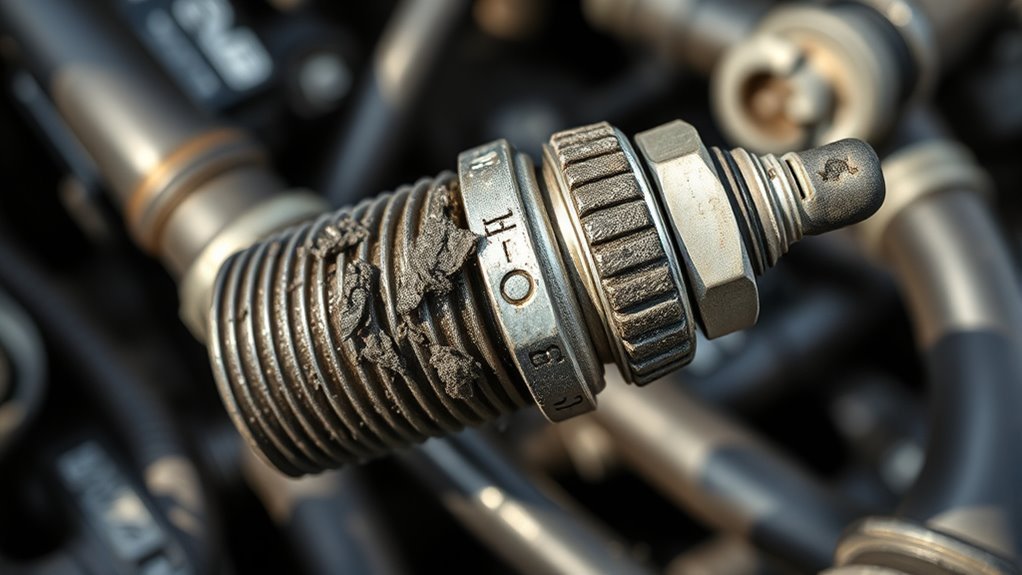
Tag: combustion failure

  • Why Are My Spark Plugs Black

    Why Are My Spark Plugs Black

    Your spark plugs turn black because your engine is running too rich, meaning there’s excess fuel causing incomplete combustion and dry carbon deposits. This blackening is a common sign that your spark plugs are not firing efficiently.

    Alternatively, oily blackness on the plugs may indicate oil leaking into the combustion chamber from worn rings or seals. These deposits reduce ignition efficiency, leading to misfires and poor engine performance.

    Common causes include fuel injector issues, faulty oxygen sensors, or an improper air-fuel mixture. Understanding these factors will help you identify underlying engine problems and maintain peak performance.

    Key Takeaways

    • Black spark plugs indicate a rich fuel mixture causing incomplete combustion and carbon buildup on the electrodes.
    • Oily black deposits suggest oil leakage from worn piston rings or valve seals contaminating the spark plug.
    • Symptoms of rich running include rough idle, increased fuel consumption, and misfires due to excess fuel in the combustion chamber.
    • Faulty fuel injectors, oxygen sensors, or air intake issues often cause blackened spark plugs by disrupting the air-fuel ratio.
    • Regular spark plug inspection and cleaning, along with proper engine tuning, can prevent and correct black carbon deposits.

    What Black Spark Plugs Mean for Your Engine

    When you notice black deposits on your spark plugs, it indicates your engine is running rich, meaning there’s an excess of fuel in the air-fuel mixture. This condition affects spark plug colors, typically resulting in a dry, black soot on the electrode and insulator tip.

    Such deposits signal incomplete combustion, which can degrade engine performance by causing misfires, reduced power, and increased fuel consumption. Monitoring spark plug colors provides a diagnostic window into your engine’s operational status. Black, sooty plugs contrast with the ideal light tan or grayish color that signifies optimal combustion.

    Addressing the underlying cause, such as a faulty fuel injector, incorrect carburetor adjustment, or a clogged air filter, is essential to restore proper air-fuel balance and maintain efficient engine performance.

    Why Spark Plugs Turn Black: Fuel and Oil Deposits Explained

    You’ll find black deposits on your spark plugs mainly due to an overly rich fuel mixture or oil leaking into the combustion chamber.

    When fuel doesn’t burn completely, carbon builds up, causing those dark, sooty deposits.

    Similarly, oil contamination leaves a thick, oily residue that fouls the plugs and disrupts engine performance.

    Causes Of Black Deposits

    Although black deposits on spark plugs can indicate several issues, they primarily result from fuel and oil residues accumulating on the electrode and insulator. Excessive fuel causes carbon buildup, creating a dry, sooty black coating that hinders proper spark generation.

    Likewise, oil leaks into the combustion chamber, often from worn piston rings or valve seals, leave oily, wet black deposits. Both conditions degrade engine performance by disrupting efficient combustion and increasing misfire risk.

    Regular spark plug maintenance helps identify these deposits early, preventing further engine damage. Diagnosing the exact cause involves inspecting deposit texture and considering engine operation parameters.

    Addressing these deposits promptly guarantees peak engine performance and fuel efficiency, maintaining your vehicle’s reliability and longevity.

    Fuel Mixture Issues

    Since an improper fuel mixture directly affects combustion quality, it often leads to black deposits on spark plugs. When the air-fuel ratio is too rich, meaning excess fuel enters the combustion chamber, incomplete combustion occurs.

    This incomplete burning leaves carbon and soot residues on your spark plugs, visibly blackening them. Poor combustion quality not only reduces fuel efficiency but also impairs engine performance.

    You may notice rough idling, reduced power, or increased emissions alongside these black deposits. Diagnosing fuel mixture issues involves checking components like fuel injectors, oxygen sensors, and the air intake system for faults or blockages.

    Correcting these guarantees ideal combustion quality, restoring fuel efficiency and preventing further carbon buildup on your spark plugs, which is essential for maintaining engine health.

    Oil Leakage Effects

    When oil leaks into the combustion chamber, it contaminates the spark plugs with thick, black deposits that differ from those caused by fuel mixture problems. Oil leakage results from worn piston rings, valve seals, or cylinder walls, causing the spark plug to foul with oily residue.

    This residue disrupts the spark plug’s ability to ignite the fuel-air mixture efficiently, leading to misfires and reduced engine performance. You can identify oil leakage effects by inspecting the spark plug’s appearance and comparing it to typical fuel-related fouling.

    Condition Spark Plug Appearance Diagnostic Indicator
    Oil Leakage Wet, shiny black deposits Oily residue on insulator tip
    Fuel Mixture Dry, sooty black deposits Powdery black coating
    Normal Light tan Clean insulator tip

    Check for oil leakage promptly to avoid engine damage.

    Signs Your Engine Is Running Too Rich and Blackening Spark Plugs

    If your engine runs too rich, it means the fuel mixture has too much fuel and not enough air, leading to incomplete combustion.

    You might notice rough idling, poor fuel economy, and black carbon deposits on your spark plugs.

    These symptoms signal that your engine isn’t burning fuel efficiently, causing the spark plugs to blacken prematurely.

    Fuel Mixture Imbalance

    Although modern engines use advanced sensors to regulate fuel delivery, an imbalance in the air-fuel mixture can still occur, causing your engine to run too rich. This excess fuel leads to incomplete combustion, depositing carbon on your spark plugs and blackening them.

    Improper fuel adjustment or restricted air intake often triggers this condition.

    Cause Effect on Spark Plug
    Faulty fuel injectors Excess fuel spray
    Clogged air filters Reduced air intake
    Malfunctioning sensors Incorrect fuel adjustment
    Leaking fuel pressure regulator Rich mixture
    Poor carburetor tuning Imbalanced air-fuel ratio

    Diagnose by inspecting air intake components and verifying fuel adjustment parameters. Correcting these issues restores proper combustion and prevents plug fouling.

    Symptoms Of Rich Running

    Excessive fuel in the combustion chamber creates specific symptoms that indicate your engine is running too rich and causing spark plug fouling.

    You’ll notice black, sooty deposits on the plugs, which degrade spark plug performance by inhibiting proper ignition.

    Additionally, your engine may experience rough idling, reduced acceleration, and increased fuel consumption, all signs of compromised engine efficiency.

    Misfires can occur as the overly rich mixture dilutes the air-fuel ratio, preventing complete combustion.

    Monitoring exhaust emissions can also reveal elevated hydrocarbons, confirming rich running conditions.

    If you detect these symptoms, inspect the spark plugs for carbon buildup and address fuel system components like injectors or sensors.

    Timely correction restores spark plug performance and enhances engine efficiency, preventing long-term damage and maintaining peak combustion.

    Common Engine Problems That Cause Black Spark Plugs

    When your spark plugs turn black, it signals specific engine issues that you need to address promptly. Common causes include engine misfires, which lead to incomplete combustion and carbon buildup on the plugs.

    Excessive idling also contributes by preventing the engine from reaching ideal temperature, causing fuel to burn inefficiently and leaving deposits.

    Additionally, a malfunctioning fuel injector or a faulty oxygen sensor can enrich the air-fuel mixture, resulting in blackened spark plugs.

    Worn-out piston rings or valve seals may introduce oil into the combustion chamber, further fouling the plugs.

    Addressing these problems quickly can restore engine efficiency and prevent further damage.

    Monitoring these conditions allows you to diagnose the root cause of black spark plugs accurately and maintain ideal engine performance.

    How to Clean and Inspect Blackened Spark Plugs

    Understanding the causes behind black spark plugs helps you determine whether cleaning is a viable solution or if replacement is necessary.

    Begin spark plug maintenance by removing the plug and inspecting the electrode and insulator for heavy carbon deposits, oil fouling, or physical damage.

    Start spark plug care by removing and examining for carbon buildup, oil fouling, or damage.

    Use a wire brush or specialized spark plug cleaner to carefully remove carbon buildup without damaging the electrode.

    Avoid abrasive methods that could alter the spark gap.

    After cleaning, check the spark gap with a feeler gauge and adjust it to manufacturer specifications.

    If the plug shows excessive wear, cracks, or persistent fouling, replacement is advised.

    Proper cleaning techniques restore spark efficiency, improving combustion and engine performance, but thorough inspection guarantees you don’t overlook underlying issues that cleaning alone won’t fix.

    How to Stop Spark Plugs From Getting Black Again

    To prevent spark plugs from blackening again, you need to address the root causes of carbon buildup and fouling.

    Start with regular spark plug maintenance, inspecting for deposits and wear every 10,000 to 15,000 miles. Replace plugs showing persistent carbon fouling despite cleaning.

    Next, focus on engine tuning: guarantee the air-fuel mixture is correctly balanced to avoid running rich, which causes excessive carbon deposits.

    Check the fuel injectors and ignition timing for proper operation.

    Additionally, verify that the engine’s sensors, especially the oxygen sensor, are functioning correctly to maintain peak combustion.

    Avoid excessive idling and short trips that prevent the engine from reaching full operating temperature.

    Frequently Asked Questions

    How Often Should Spark Plugs Be Replaced?

    You should replace spark plugs every 30,000 to 100,000 miles, depending on their type and vehicle. Monitor spark plug lifespan and follow the manufacturer’s recommended replacement frequency to maintain peak engine performance and efficiency.

    Can Black Spark Plugs Cause Engine Misfires?

    Yes, black spark plugs can cause engine misfires. During spark plug inspection, carbon deposits indicate incomplete combustion, reducing engine performance.

    Addressing this promptly restores ignition efficiency and prevents further misfire-related issues.

    Are Black Spark Plugs Harmful to Fuel Efficiency?

    Yes, black spark plugs indicate excessive spark plug wear, which can increase fuel consumption by reducing combustion efficiency.

    You should inspect and replace them promptly to maintain ideal fuel economy and prevent further engine issues.

    Do Different Engines Require Specific Spark Plug Types?

    You might think any spark plug fits all engines, but spark plug materials must match engine compatibility for best performance. Using incorrect plugs risks misfires, poor combustion, and damage. Always consult specs for your engine’s precise spark plug requirements.

    Can Using the Wrong Spark Plug Gap Cause Blackening?

    Yes, using the wrong spark plug gap can cause blackening by disrupting the air-fuel mixture and combustion process. This misalignment reduces engine performance, leading to incomplete combustion and carbon deposits on the spark plugs.

    Conclusion

    Now that you know black spark plugs often signal a rich fuel mixture or oil contamination, don’t ignore them. Could overlooking this issue lead to bigger engine problems down the line? Regular inspection and cleaning are key to maintaining peak performance.

    Adjust your fuel system, check for leaks, and keep an eye on your engine’s condition to prevent recurrence. Staying proactive guarantees your engine runs efficiently and avoids costly repairs.

    In conclusion, understanding why your spark plugs are black helps you address the root cause promptly. Proper maintenance ensures your engine stays in top shape and prevents black spark plugs from becoming a recurring problem.