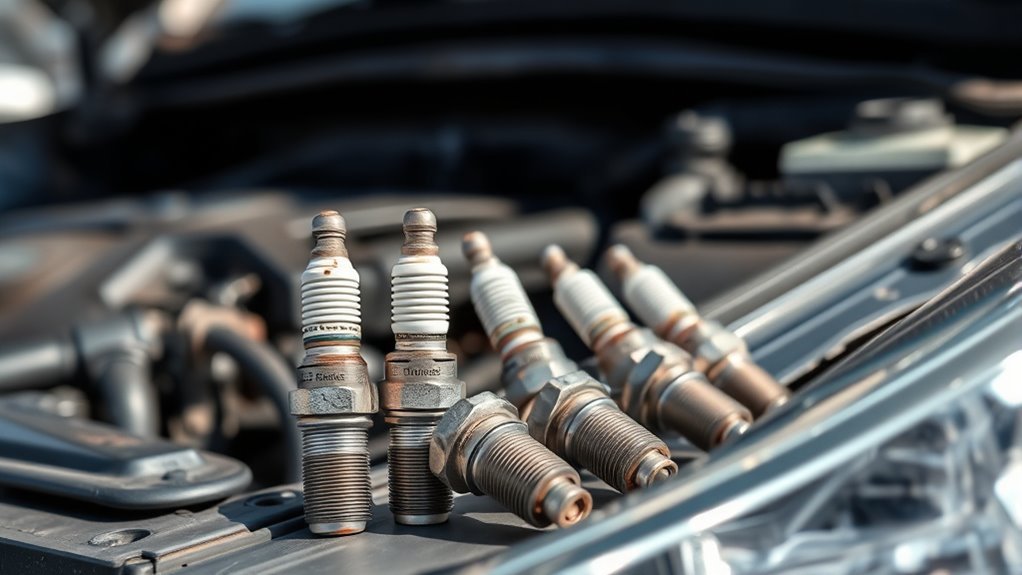
Tag: car ignition

  • Can Spark Plugs Cause Car Not to Start

    Can Spark Plugs Cause Car Not to Start

    Yes, spark plugs can cause a car not to start if they are faulty. Spark plugs play a crucial role by igniting the air-fuel mixture in the engine cylinders. When they wear out, get fouled, or have damaged electrodes, they fail to produce the necessary spark.

    This failure prevents combustion and engine ignition, which often leads to misfires, rough idling, or no-start conditions. Testing your spark plugs for spark performance can help confirm if they are the issue.

    Knowing how to diagnose and replace spark plugs is important to determine if they are the cause of your car not starting. Proper maintenance can save you time and prevent further engine problems.

    Key Takeaways

    • Worn or damaged spark plugs can fail to generate sparks, preventing the engine from starting.
    • Fouled spark plugs insulate electrodes, stopping ignition and causing no-start conditions.
    • Weak or inconsistent sparks from bad spark plugs disrupt the combustion process, hindering engine start.
    • Testing spark plugs for spark presence helps diagnose if they are the cause of starting issues.
    • Replacing faulty spark plugs promptly restores reliable ignition and resolves many no-start problems.

    How Spark Plugs Help Your Car Start

    Spark plugs play an essential role in starting your car by igniting the air-fuel mixture within the engine’s cylinders. The spark plug function is to generate a high-voltage electrical spark at the precise moment during the combustion cycle.

    Spark plugs ignite the air-fuel mix, creating the spark that powers your engine’s start.

    This spark initiates combustion, converting chemical energy into mechanical energy that powers the engine. The ignition system delivers this electrical energy from the battery and ignition coil to the spark plugs.

    When you turn the key, the ignition system sends voltage through the spark plug, creating a spark across its gap. This controlled ignition guarantees efficient combustion and ideal engine performance.

    Without properly functioning spark plugs, the ignition system can’t ignite the mixture, preventing the engine from starting reliably.

    Understanding this interplay clarifies why spark plugs are vital to your vehicle’s start-up process.

    Why Bad Spark Plugs Might Stop Your Car From Starting

    If your car struggles to start or fails to start at all, worn or damaged spark plugs might be the culprit.

    Spark plug issues can disrupt the ignition process by failing to generate the necessary spark to ignite the air-fuel mixture in the combustion chamber.

    When spark plugs wear out, their electrodes erode, increasing the gap and reducing spark intensity. This leads to weak or inconsistent sparks, causing ignition problems that prevent the engine from firing properly.

    Additionally, deposits or fouling on spark plugs can insulate the electrodes, further inhibiting spark generation.

    Since reliable ignition is critical for starting your vehicle, any degradation in spark plug performance can directly result in your car not starting or experiencing repeated failed attempts.

    Regular inspection and replacement of spark plugs help avoid these ignition problems.

    Signs Your Spark Plugs Are Failing

    When your engine starts misfiring or idling roughly, it’s a clear indication that your spark plugs may be failing. Common spark plug symptoms include difficulty starting the engine, reduced fuel efficiency, and a noticeable loss of power during acceleration.

    You might also experience increased exhaust emissions or hear unusual engine noises. These issues arise because worn or fouled spark plugs disrupt the ignition process, leading to incomplete combustion.

    Ignition issues caused by failing spark plugs can result in a rough running engine and poor throttle response. If you notice any of these signs, it’s essential to inspect the spark plugs promptly.

    Addressing spark plug symptoms early helps maintain peak engine performance and prevents more severe ignition or starting problems down the line.

    How To Test Spark Plugs If Your Car Won’t Start

    Although a non-starting engine can stem from various issues, testing the spark plugs is an essential diagnostic step.

    Begin spark plug testing by removing a plug with a spark plug socket. Inspect it for fouling, wear, or damage.

    Next, reconnect the plug wire and ground the spark plug’s threaded portion against the engine block. Crank the engine and observe for a strong, blue spark. No spark or a weak, inconsistent spark indicates a faulty plug or ignition system issue.

    Alternatively, use a spark tester tool for more accurate engine diagnostics. Verify your battery is fully charged to avoid false negatives.

    Document your findings to guide further troubleshooting or repairs. Precise spark plug testing helps isolate ignition problems that prevent your car from starting.

    When And How To Replace Spark Plugs

    After identifying faulty spark plugs through testing, replacing them promptly guarantees peak engine performance and prevents further ignition issues.

    Begin by selecting the correct spark plug types specified in your vehicle’s manual, as improper plugs can cause misfires or damage.

    Always choose spark plugs recommended in your vehicle manual to avoid misfires and potential engine damage.

    Gather essential replacement tools: a spark plug socket, ratchet wrench, gap gauge, and torque wrench.

    First, disconnect the ignition coil or spark plug wire, then use the spark plug socket and ratchet to carefully remove the old plugs.

    Check the gap on the new plugs with a gap gauge and adjust if necessary.

    Install the new plugs by hand to avoid cross-threading, then tighten them to the manufacturer’s torque specifications using the torque wrench.

    Finally, reconnect the ignition components and test the engine to confirm proper operation.

    Other Common Causes Of Car Not Starting

    Besides spark plug issues, several other factors can prevent your car from starting.

    Battery issues are a primary cause; a weak or dead battery won’t provide enough power to crank the engine.

    Corroded terminals or loose connections also disrupt electrical flow, so inspect and clean them regularly.

    Fuel delivery problems can halt engine ignition as well. A clogged fuel filter, failing fuel pump, or empty fuel tank means the engine isn’t receiving the necessary fuel to start.

    Additionally, faulty ignition coils or a malfunctioning starter motor can cause no-start conditions.

    Diagnosing these components systematically helps pinpoint the exact cause.

    Frequently Asked Questions

    Can Faulty Spark Plugs Affect Fuel Efficiency?

    Yes, faulty spark plugs reduce fuel efficiency by causing incomplete combustion.

    You should prioritize spark plug maintenance to guarantee peak engine performance and fuel economy, preventing misfires that waste fuel and lower your vehicle’s overall efficiency.

    Do Spark Plugs Need Different Types for Cold Climates?

    Yes, you need spark plugs designed for cold climate performance. Different spark plug materials, like iridium or platinum, handle low temperatures better, ensuring reliable ignition and improving engine start-up in freezing conditions.

    How Often Should Spark Plug Wires Be Replaced?

    You should replace spark plug wires every 30,000 to 50,000 miles as part of regular spark plug maintenance. This guarantees peak ignition system performance and prevents misfires, improving engine efficiency and reliability.

    Can Spark Plugs Cause Engine Misfires While Driving?

    Yes, faulty spark plugs can cause engine misfires while driving. You’ll notice reduced engine performance and ignition troubles, as inconsistent sparks disrupt combustion.

    This leads to rough idling, decreased power, and increased fuel consumption.

    Are Spark Plugs the Same for All Car Models?

    Imagine you install spark plugs from a sports car into a compact sedan. Spark plug compatibility issues arise because spark plug types vary in size, heat range, and electrode design. You can’t use the same plugs for all car models.

    Conclusion

    Think of your spark plugs as the tiny matchsticks lighting the engine’s fire. If they’re worn or fouled, that spark never ignites, leaving your car silent and still.

    By regularly testing and replacing these critical components, you guarantee your engine’s heartbeat stays strong. Remember, just like a single weak link can halt a chain, a faulty spark plug can stop your car from starting.

    Stay proactive to keep your drive alive. Yes, spark plugs can cause a car not to start, so maintaining them is essential for reliable performance.