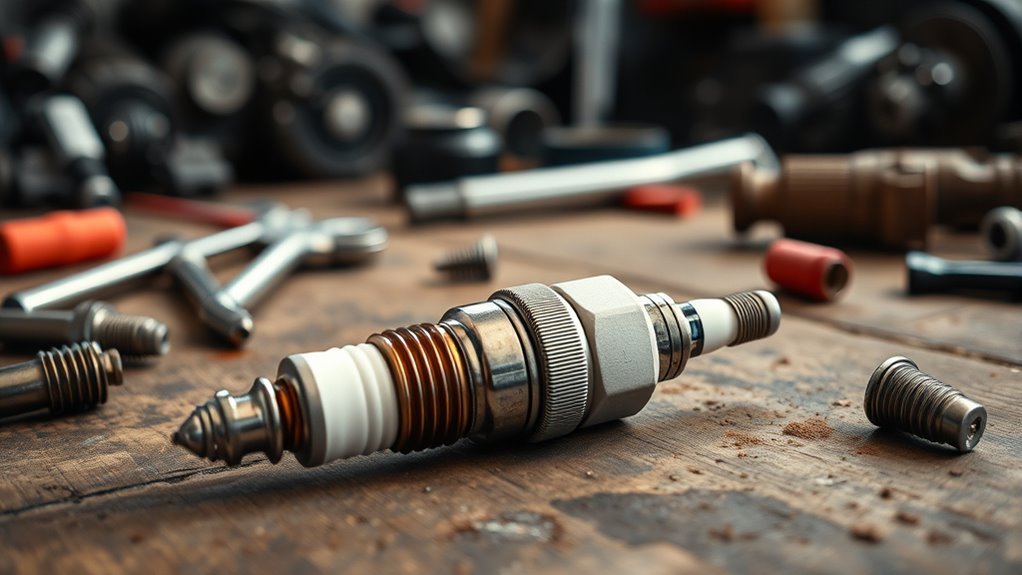
Tag: affordable options

  • Are Spark Plugs Expensive

    Are Spark Plugs Expensive

    Are spark plugs expensive? Typically, you’ll pay between $2 and $15 per spark plug, depending on materials like copper, platinum, or iridium.

    Copper plugs cost less but wear out faster, while premium plugs last longer and withstand extreme conditions, making them pricier. Your vehicle’s engine type and driving habits also influence the best choice.

    If you want to balance cost with performance and lifespan, understanding these factors helps you make an informed decision before your next replacement.

    Key Takeaways

    • Spark plug prices typically range from $2 to $15 each, depending on material and brand.
    • Copper spark plugs are the least expensive but have a shorter lifespan.
    • Premium iridium and platinum plugs cost more but offer longer durability and performance.
    • Labor costs for replacement can add to overall expenses unless done DIY.
    • Investing in higher-quality plugs can reduce long-term maintenance costs and improve fuel efficiency.

    How Much Do Spark Plugs Usually Cost?

    How much do spark plugs usually cost? Typically, prices range from $2 to $15 per plug, depending on spark plug brands and specifications.

    Standard copper plugs are often less expensive, while iridium or platinum plugs command higher prices due to durability and performance benefits.

    Copper plugs cost less, while iridium and platinum offer greater durability and performance at a higher price.

    When considering spark plug brands, well-known manufacturers like NGK, Bosch, and Denso offer a broad spectrum of options tailored to various engine requirements.

    Replacement intervals also influence your cost considerations; conventional spark plugs generally require replacement every 20,000 to 30,000 miles, while premium types can last up to 100,000 miles.

    Understanding these factors helps you budget effectively for maintenance, ensuring peak engine performance without overspending.

    What Makes Spark Plugs Cost More or Less?

    Prices of spark plugs vary considerably due to several key factors that impact their design, materials, and manufacturing processes.

    When you choose a spark plug, understanding these elements helps explain the price differences. The spark plug materials directly affect durability and performance impact, influencing how often you need replacements and your engine’s efficiency.

    Additionally, manufacturing precision and design complexity play significant roles.

    Key factors include:

    • Type and quality of spark plug materials (e.g., copper, platinum, iridium)
    • Electrode design and gap precision
    • Heat range suitability for specific engines
    • Manufacturing tolerances and quality control standards
    • Brand reputation and included warranties

    Cost Differences Among Common Spark Plug Types

    Three primary types of spark plugs, copper, platinum, and iridium, offer distinct cost differences based on their material properties and performance characteristics.

    Copper spark plugs are generally the most affordable due to their basic design and a copper core that provides excellent conductivity but shorter lifespan.

    Platinum spark plugs cost more because they feature a platinum alloy on the electrode, enhancing durability and performance.

    Iridium spark plugs command the highest price, thanks to iridium’s superior hardness and melting point, which guarantee exceptional longevity and consistent ignition.

    Ceramic spark plugs, often integrated with these metal types, provide excellent heat resistance and insulation but don’t greatly affect cost alone.

    Understanding these differences helps you choose a spark plug that balances cost with engine requirements efficiently.

    When Should You Spend More on Spark Plugs?

    Determining when to invest in higher-quality spark plugs depends largely on your vehicle’s performance needs and operating conditions.

    You should consider spending more when performance benefits and longevity factors justify the cost. Premium spark plugs often enhance combustion efficiency, reduce misfires, and extend service intervals.

    Evaluate these situations:

    • Your engine demands high power output or runs under heavy loads.
    • You drive frequently in extreme temperatures or dusty environments.
    • Your vehicle has a turbocharged or high-compression engine.
    • You aim to maximize fuel efficiency and reduce emissions.
    • You prefer fewer maintenance visits due to longer-lasting plugs.

    Smart Ways to Save on Spark Plug Replacement

    Although spark plug replacement is a routine maintenance task, you can adopt several strategies to minimize costs without compromising quality.

    First, consider DIY maintenance if you have basic mechanical skills and the right tools; this eliminates labor fees and lets you control timing. Follow manufacturer specifications closely to avoid premature wear or damage.

    Second, leverage bulk purchasing by buying spark plugs in sets or multipacks, which often reduces the per-unit cost. This is especially useful if you maintain multiple vehicles or plan replacements over time.

    Always verify compatibility with your engine model to guarantee peak performance.

    Frequently Asked Questions

    How Often Should Spark Plugs Be Replaced?

    You should replace spark plugs every 30,000 to 100,000 miles, depending on their lifespan and vehicle specifications. Following manufacturer-recommended replacement intervals guarantees peak engine performance and prevents potential misfires or fuel inefficiency.

    Can Bad Spark Plugs Cause Engine Problems?

    Bad spark plugs are like worn-out conductors in an orchestra, causing engine misfires and rough idling. If you ignore your spark plug lifespan, expect reduced fuel efficiency and potential engine damage that disrupts smooth performance.

    Are Spark Plugs Universal or Vehicle-Specific?

    You’ll find spark plug types vary considerably, so they’re not universal. Compatibility factors like thread size, heat range, and electrode design determine fit.

    Always check your vehicle’s specifications to verify proper spark plug selection and best performance.

    How Do I Know if My Spark Plugs Need Cleaning?

    If your engine’s performance feels a bit under the weather, it’s time to check spark plug maintenance. Look for carbon buildup or worn electrodes, then apply proper cleaning techniques to restore efficient ignition and smooth running.

    Can I Replace Spark Plugs Myself Safely?

    Yes, you can safely perform a DIY replacement of spark plugs by following safety precautions like disconnecting the battery, using proper tools, verifying engine coolness, and carefully gapping new plugs to avoid damage and guarantee peak performance.

    Conclusion

    So, are spark plugs expensive? Well, if you’re ready to fork over cash for a tiny piece of metal that’s literally igniting your engine, go ahead and splurge on those premium iridium beauties.

    But if you prefer your wallet to stay a bit plumper, basic copper plugs do the job just fine—unless you want your car to perform rocket science.

    Either way, knowing when and what to buy keeps your engine purring without burning holes in your budget. Spark plugs can vary in price, but understanding your options helps you avoid overspending.